
Did you know that understanding how to discuss vital concepts like the brain in different languages can enhance your cognitive abilities and cultural insights? The word “brain” translates to “cerebro” in Spanish, a term essential not just for language learners but for anyone interested in brain health and cognitive performance. Language is a powerful tool that connects us to others and helps us navigate our mental wellness. Whether you’re a student, a traveler, or someone working in a multicultural environment, mastering this vocabulary can enrich your interactions and support your wellness journey. In this guide, we’ll explore the nuances of saying “brain” in Spanish and its relevance to understanding a fundamental aspect of human health. Join us as we dive deeper into the world of language learning, enhancing both your communication skills and cognitive health along the way!
How to Pronounce “Brain” in Spanish
The Spanish word for “brain” is “cerebro.” To pronounce it correctly in Spanish, break it down into syllables: ce-re-bro. It is pronounced as “seh-reh-bro,” with the emphasis on the second syllable. Understanding the phonetics helps in mastering the pronunciation, especially the soft ‘c’ and the rolled ‘r’.
To make the learning process smoother, here are some tips for practicing the pronunciation of “cerebro”:
- Listen and Repeat: Find audio resources that feature native speakers pronouncing the word “cerebro.” Mimic the pronunciation to build confidence.
- Phonetic Spelling: Use a phonetic spelling guide alongside the word to help remember how to produce the sounds correctly.
- Practice in Context: Use “cerebro” in sentences. For example, “El cerebro es esencial para pensar,” meaning “The brain is essential for thinking.”
- Record Yourself: Record your voice while pronouncing “cerebro” to compare with native speakers and note areas for improvement.
Incorporating these strategies can not only improve your pronunciation skills but also deepen your understanding of how “cerebro” fits into broader conversations about brain health and cognitive function across various contexts.
Common Spanish Words for Brain
The concept of the brain, or “cerebro” in Spanish, extends far beyond just the raw anatomy of the organ. It is central to vocabulary and expressions that enrich the language and provide insight into cultural beliefs surrounding intelligence, consciousness, and health. For instance, in addition to “cerebro,” several terms describe brain functions, cognitive processes, and related health aspects. Familiarity with these words can offer a broader understanding of how language defines our perception of mental faculties.
Among the more common terms related to the brain are:
- “neurona” – Meaning neuron, the basic working unit of the brain.
- “cognición” – Referring to cognition, illustrating the processes involved in acquiring knowledge and understanding.
- “inteligencia” – Meaning intelligence, commonly associated with the capacity for logic, reasoning, problem-solving, and learning.
- “memoria” – Meaning memory, relevant to the brain’s ability to store and recall information.
Understanding these terms can be instrumental for learners. For example, discussing neuroplasticity-the brain’s ability to reorganize itself by forming new neural connections-is one way to engage with concepts of growth and adaptability. It emphasizes how the brain remains resilient and capable of change, which echoes the importance of continuous learning, especially in the workspace.
In today’s fast-paced work environments, it’s critical to prioritize cognitive health. Concepts like “estrés” (stress) are integral to discussions about mental wellness. Recognizing the signs of stress can lead to better management techniques, such as mindfulness practices or ergonomic improvements-both vital for maintaining mental clarity and enhancing productivity. By grasping these interconnected terms, learners can not only acquire vocabulary but also develop a deeper appreciation for the impact of the brain on both personal well-being and workplace interactions.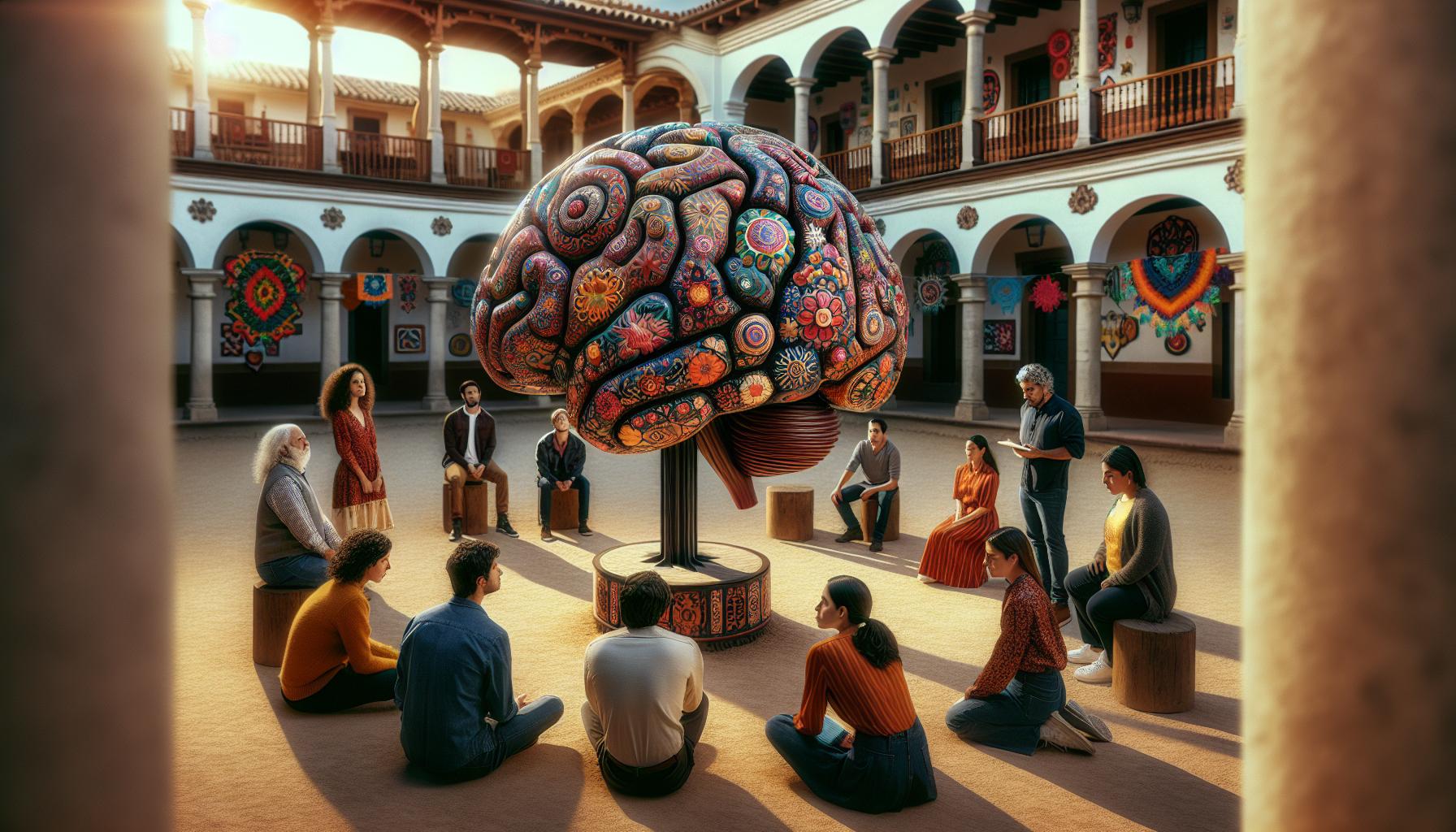
Cultural Significance of the Brain in Spanish-Speaking Countries
The brain, or “cerebro” in Spanish, carries profound cultural significance across Spanish-speaking countries, reflecting deep-rooted beliefs about intelligence, creativity, and personal identity. In many cultures, the brain is viewed not just as an organ but as the epicenter of thought, emotion, and social interaction. This perception is evident in the plethora of idioms and expressions that highlight cognitive functions and emotional states.
For example, in everyday conversations, you might hear phrases like “no tener cerebro”, which translates to “to lack brains” or “to be foolish.” Such sayings convey a societal expectation that values intellect and rationality, further emphasizing the cultural reverence for the brain. Additionally, the Spanish language encompasses diverse terms that metaphorically represent cognitive processes, such as “mente abierta” (open mind) and “cabeza bien amueblada” (well-furnished head), both of which highlight the importance placed on critical thinking and knowledge acquisition.
Furthermore, cultural attitudes towards mental health and cognitive wellness are increasingly gaining attention in Spanish-speaking societies. Awareness of stress factors-such as high-pressure work environments-has led to more open discussions about brain health and the importance of self-care. This shift encourages practices that support mental clarity, such as mindfulness and ergonomic adjustments in workplaces. Integrating these practices into daily life not only promotes cognitive health but also fosters a work culture that values the mental well-being of its members.
In conclusion, the extends beyond biological functions, serving as a symbol of wisdom, creativity, and personal development. Understanding the language associated with the brain offers learners invaluable insights into the values and beliefs that shape societal norms regarding intelligence and mental wellness. Embracing these concepts can empower individuals to prioritize cognitive health, fostering both personal and professional growth.
Brain-Related Vocabulary for Language Learners
Understanding brain-related vocabulary in Spanish not only enriches your language learning but also enhances your comprehension of cognitive health strategies that are increasingly relevant in today’s workplace. The Spanish language offers a variety of terms that are crucial when discussing the brain’s structure, function, and even abstract concepts related to intelligence and creativity.
To begin with, the primary term for brain is “cerebro,” but this can branch into more specialized vocabulary that engages learners with essential concepts surrounding brain health and cognitive function. Here are some key terms that can be helpful:
- Neuroplasticidad: Neuroplasticity, or the brain’s ability to reorganize itself by forming new neural connections. Understanding this concept is vital for recognizing how learning and new experiences shape our cognitive abilities.
- Inteligencia: Intelligence, often discussed in various contexts, from emotional intelligence to intellectual capabilities.
- Memoria: Memory, the cognitive function that plays a critical role in learning and retaining information.
- Cognición: Cognition, encompassing mental processes such as perception, thinking, and problem-solving.
- Salud mental: Mental health, an increasingly important topic in discussions about workplace wellness and cognitive performance.
Incorporating these terms into your vocabulary not only allows for more enriching conversations but also opens pathways to discuss topics of mental health and cognitive wellness. For instance, when discussing strategies for enhancing cognitive performance in the workplace, you might say, “Prácticas como la meditación pueden mejorar la salud mental y la cognición,” meaning “Practices like meditation can improve mental health and cognition.”
As you engage with this vocabulary, consider applying it in real-life contexts, such as creating workplace wellness programs that emphasize stress management techniques. Promoting best practices like ergonomic workspaces and mindfulness can be expressed in Spanish, helping not just in language acquisition but also in facilitating a culture of health awareness.
By blending vocabulary acquisition with actionable cognitive wellness concepts, you’re equipped to navigate conversations about the brain in Spanish while fostering an environment that prioritizes mental clarity and overall well-being.
Real-Life Examples: Using “Brain” in Sentences
Understanding how to use the term for “brain” in practical sentences can greatly enhance both your language skills and your insight into cognitive health discussions. In Spanish, the word “cerebro” is central to various sentences that reflect thoughts on mental wellness, cognitive functioning, and educational concepts. For instance, when you want to express that someone is thinking deeply, you could say, “Ella está usando su cerebro para resolver el problema,” which translates to “She is using her brain to solve the problem.”
Another useful context might be in discussions about mental fatigue or cognitive overload in the workplace. You can convey this idea by saying, “Es importante dar descansos a nuestro cerebro durante las largas horas de trabajo,” meaning “It is important to give our brain breaks during long hours of work.” Highlighting the need for mental health awareness can also be seamlessly integrated into sentences: “El ejercicio regular es beneficioso para la salud del cerebro,” which translates to “Regular exercise is beneficial for brain health.”
Additionally, when discussing neuroplasticity, you might say, “La neuroplasticidad permite que nuestro cerebro se adapte y aprenda nuevas habilidades a lo largo de la vida,” meaning “Neuroplasticity allows our brain to adapt and learn new skills throughout life.” This sentence not only uses the term “cerebro” but also introduces an enriching concept relevant to discussions around cognitive function and lifelong learning.
Using practical phrases such as these can help you engage more fully in conversations about cognitive health while reinforcing your Spanish vocabulary. Emphasizing the importance of discussing mental health in relation to cognitive performance will allow for greater depth in these conversations, promoting a culture of wellness that is vital for both personal development and workplace productivity.
Fun Facts About the Brain in Spanish Language
Did you know that the human brain is capable of generating approximately 23 watts of power while awake? That’s enough to power a small light bulb! This incredible organ, known as “cerebro” in Spanish, is not only fascinating in its functionality but also rich in cultural significance across Spanish-speaking countries.
One captivating fact is that the average adult brain weighs about 3 pounds (around 1.4 kilograms) and is composed of about 75% water. It contains approximately 86 billion neurons, which communicate through synapses to facilitate everything from basic motor functions to complex reasoning. In the context of language learning, Spanish speakers often use metaphors that liken the brain to a sponge, emphasizing its ability to absorb knowledge and experiences.
Moreover, the concept of “neuroplasticity” is particularly intriguing. This refers to the brain’s ability to reorganize itself by forming new neural connections throughout life. It means that learning a new language, like Spanish, not only helps you communicate but also actively shapes your brain to better adapt and process information, enhancing your cognitive abilities over time. By engaging with the vocabulary-like “cerebro”-and practicing its usage in sentences, you’re not just learning a language; you’re effectively working your brain, stimulating growth and adaptability.
As you embark on your linguistic journey, remember that engaging with brain-related discussions, such as the importance of mental health, can encourage deeper understanding and connection with the language. Exploring these concepts can enhance your conversational skills and provide a richer context for your learning experience.
Strategies for Learning Spanish Vocabulary
Learning a new language like Spanish is not just about memorizing words; it’s an exercise for your brain that can greatly enhance cognitive capabilities like problem-solving and creativity. One powerful strategy for expanding your Spanish vocabulary is to leverage the brain’s exceptional ability to form connections between ideas, or neuroplasticity. By actively engaging your mind while learning, you can build lasting memories of new vocabulary.
Utilize Associations
Creating associations is an effective mnemonic device. For example, when learning the word “cerebro” (brain), visualize a brain surrounded by images related to mental functions, like memory or creativity. Connecting these visuals to the word helps reinforce its meaning. You can also link unfamiliar words to similar-sounding words in your native language, making them easier to recall during conversations.
Incorporate Multi-Sensory Learning
Engage multiple senses to enhance your learning experience. Read Spanish texts aloud while simultaneously listening to audio in Spanish. This technique aids in pronunciation and deepens understanding. Alternatively, write out vocabulary words by hand while saying them aloud. Studies have shown that multi-sensory methods improve memory retention and cognitive skills, which can be particularly beneficial in a workplace setting that demands productivity and efficiency.
Practice Mindful Repetition
Repetition is another key to mastering Spanish vocabulary. Aim for spaced repetition, where you review vocabulary at increasing intervals. This approach allows your brain to strengthen its neural pathways without overwhelming itself with too much information at once. Tools like flashcards or apps designed for spaced repetition can facilitate this method effectively.
Engage in Active Conversations
Applying new vocabulary in real conversations is a vital step toward retention. Join language exchange groups, either online or offline, where you can practice speaking with native Spanish speakers. Not only does this provide valuable context for vocabulary, but it also enhances your understanding of cultural nuances. Each conversation acts as a mini-exercise for your brain, reinforcing what you’ve learned while boosting confidence.
By incorporating these strategies into your language learning routine, you’ll not only enrich your Spanish vocabulary but also support your brain’s health and cognitive function. Emphasizing practical application and engaging methods will lead to a more enjoyable and effective learning journey.
Tips for Practicing Spanish Pronunciation
Mastering pronunciation in a new language, like Spanish, not only enhances communication but also boosts cognitive function by engaging various brain areas. To pronounce “cerebro” (brain) accurately, consider these practical tips that empower both your language skills and brain health.
Start by listening to native speakers. Use online resources or language apps to find audio examples of the word “cerebro” being pronounced. Pay attention to the nuances of the vowels and consonants; for instance, the “e” sounds like the “e” in “bet,” and the “r” should have a subtle trill, offering a rich auditory experience that supports memory retention.
Next, practice shadowing, which involves repeating what you hear immediately after listening. This technique not only improves pronunciation but also reinforces neural connections, making it easier for your brain to recall words in conversations. You can create a routine by dedicating a few minutes each day to this practice. Say “cerebro” along with a sentence like “El cerebro humano es increíble” (The human brain is incredible), gradually building fluency and confidence.
To enhance retention, incorporate visual aids and associations. Visualizing a brain while saying “cerebro” can help reinforce the connection between the word and its meaning. You might also create flashcards with images and sentences that relate to the brain’s functions, integrating both visual and verbal learning strategies.
Lastly, consider engaging in language exchange conversations. Speaking with a native Spanish speaker not only allows you to practice pronunciation but also immerses you in the language’s cultural context. During these interactions, focus on articulating “cerebro” and related vocabulary, like “inteligencia” (intelligence) and “pensamiento” (thought), making each speaking opportunity a chance to refine your skills.
Incorporating these techniques will facilitate long-lasting language retention and contribute to your cognitive health, keeping your brain engaged and active while you learn.
Exploring Related Terms: Mind, Intelligence, and Thought
The connection between the brain and the concepts of mind, intelligence, and thought is an intricate dance of cognitive functions that shapes our understanding of the world and ourselves. To enrich your Spanish vocabulary, it’s essential to grasp related terms that encapsulate these ideas. In Spanish, “mente” translates to “mind,” and “inteligencia” means “intelligence.” Understanding these terms not only enhances your language skills but also fosters a deeper insight into the cultural and philosophical underpinnings of how these concepts are viewed in Spanish-speaking societies.
Translating thought processes into language requires more than just vocabulary; it involves understanding how these terms interplay. For instance, the word “pensamiento” (thought) can provoke discussions about creativity and reasoning that are central to both personal and academic settings. Spanish speakers often intertwine these concepts in conversation, linking emotional intelligence to decision-making and reflecting on how the mind’s complexity can influence one’s life experience.
Engaging with these terms can be an enriching process, especially if approached with curiosity. To practice, try to use each word in sentences related to daily life. For example: “La mente humana es capaz de pensar de manera creativa” (The human mind is capable of thinking creatively) or “La inteligencia emocional es fundamental en las relaciones” (Emotional intelligence is fundamental in relationships). This not only bolsters your vocabulary but also improves your overall fluency by placing language in relevant contexts.
Furthermore, exploring literature, films, and art from Spanish-speaking cultures can provide layered meanings and examples of how these concepts resonate across different narratives. Whether it’s through reading a novel that delves into the intricacies of the human experience or watching a film that portrays mental challenges, immersing yourself in the cultural aspects of language will deepen your understanding and appreciation of the intricate connections among brain, mind, intelligence, and thought.
Resources for Enhancing Your Spanish Skills
To elevate your Spanish learning experience, it’s crucial to integrate diverse resources that cater to various aspects of language acquisition. The journey to mastering vocabulary such as “cerebro” (brain) can be enriched through a blend of traditional tools and innovative practices designed to enhance cognitive function and overall brain health.
Utilizing Digital Platforms
Online platforms offer a wealth of resources to enhance language skills. Websites like Duolingo and Babbel provide structured lessons that incorporate vocabulary in context, making it easier to remember terms related to “cerebro.” Additionally, language exchange platforms such as Tandem or HelloTalk allow you to practice speaking with native Spanish speakers, providing real-time feedback and cultural insights that deepen your understanding.
Engaging with Media
Expose yourself to Spanish-language media, such as films, podcasts, and books. This not only helps with listening skills but also fosters a natural acquisition of vocabulary. For instance, documentaries on neuroscience in Spanish can build your understanding of brain concepts while simultaneously expanding your linguistic repertoire. Look for shows that depict psychological themes; these often incorporate relevant terminology in engaging contexts.
Interactive Learning Techniques
Incorporating interactive techniques can make learning more dynamic. Here are some effective strategies to consider:
- Flashcards: Create flashcards with related vocabulary (like “mente,” “pensamiento,” etc.) to reinforce learning through repetition.
- Mind Mapping: Use mind maps to visually organize terms related to the brain, helping you see connections between different concepts.
- Hands-On Activities: Engage in activities that relate to cognitive functions, such as puzzles or memory games, to strengthen your mental faculties while you learn vocabulary.
Focus on Cognitive Health
As you enhance your language skills, it’s essential to pay attention to your overall cognitive health. Simple practices like regular exercise, a balanced diet rich in omega-3 fatty acids, and mindfulness meditation can promote brain health, making your learning experience more effective. By combining these lifestyle choices with thoughtful language practices, you create a robust framework for enhancing your Spanish skills, fostering a thriving environment for both personal and intellectual growth.
The Role of Context in Language Understanding
Understanding the nuances of language requires more than just vocabulary memorization; it heavily relies on the context in which words are used. Native speakers of Spanish often convey layered meanings that a simple translation might miss. For example, the word “cerebro” (brain) signifies not only the physical organ but also encompasses ideas like intelligence or thought processes, which can vary in implication based on context. This multi-dimensionality is crucial for language learners aiming to grasp the subtleties of conversation.
When discussing cognitive functions, the context may shift based on other related terms, such as “mente” (mind) or “pensamiento” (thought). In everyday dialogue, saying someone is “loco” (crazy) may reflect emotional state rather than a clinical assessment of brain health. Moreover, idioms involving “cerebro” or “mente” can incorporate cultural aspects intrinsic to Spanish-speaking communities. For instance, the expression “tener cabeza” (to have a head) implies being sensible or wise, showcasing how figurative language plays a role in contextual understanding.
To solidify this understanding, learners can benefit from immersive practices such as role-playing or conversational exchanges with native speakers. Engaging with media-such as books, films, or podcasts-also provides real-world contexts that elevate language acquisition beyond textbook definitions. Immersive experiences enable learners to see how terms are interwoven into everyday conversations, enriching their vocabulary and comprehension. Utilizing diverse contexts helps learners adapt their speech, making their interactions more authentic and nuanced.
In summary, recognizing the role of context in understanding terms like “cerebro” enhances language acquisition. It allows learners to appreciate the rich cultural and emotional layers behind the words, making their Spanish more fluent and meaningful. By engaging with language actively and contextually, learners can unlock the depth and versatility of communication in Spanish-speaking environments.
Engaging Activities to Boost Vocabulary Retention
Engaging with language through active and enjoyable methods can significantly enhance vocabulary retention, particularly when learning specific terms like “cerebro” (brain) in Spanish. Utilizing dynamic activities not only makes the learning process more enjoyable but also reinforces memory through repetition and context. Here are several engaging strategies to improve retention of brain-related vocabulary:
One effective method is through interactive games. For instance, vocabulary flashcards can be transformed into a competitive game where learners take turns flipping over cards and defining or using the words in sentences. This not only fosters recall but also emphasizes the contextual usage of terms. You can even use digital platforms or apps designed for language learning that include games such as matching or fill-in-the-blank exercises.
Additionally, incorporating storytelling into learning can significantly enhance retention. Encourage learners to create short stories that include the target vocabulary. For example, they can write a narrative where the main character encounters various situations related to brain health, invoking terms like “cerebro” (brain), “mente” (mind), and “inteligencia” (intelligence). This creative approach allows learners to contextualize the vocabulary within a larger narrative, making it easier to remember.
Group discussions or language exchange sessions are also beneficial. Engaging with peers to discuss topics related to brain health or cognitive wellness can naturally prompt the use of relevant vocabulary. By discussing articles, books, or videos on neuroscience and brain health, learners can practice using new words in a meaningful context, further solidifying their understanding.
Lastly, consider incorporating arts and crafts into your learning. Tasks such as creating a visual mind map or a collage that illustrates brain functions and health can serve as a hands-on way to reinforce vocabulary. This method is especially helpful for visual learners, allowing them to see the connections between words and their meanings.
By integrating these engaging activities into your study routine, you can build a deeper understanding and retention of brain-related vocabulary in Spanish, while making the learning experience enjoyable and effective.
Frequently Asked Questions
Q: What is the Spanish word for brain?
A: The Spanish word for brain is “cerebro.” In Spanish-speaking countries, it’s used in various contexts, from scientific discussions to everyday conversations. Understanding its usage can enhance your language skills.
Q: How do you say brain in different contexts in Spanish?
A: In Spanish, “cerebro” is the term for “brain.” However, cultural phrases might use metaphoric expressions like “cabeza” (head) when referring to intelligence or thought processes. Context is essential for proper usage, as explored in the article on vocabulary.
Q: Are there any idioms related to the brain in Spanish-speaking cultures?
A: Yes, idiomatic expressions like “no hay cerebro” (there’s no brain) imply a lack of intelligence or common sense. These expressions enrich your understanding of language and culture, making learning more dynamic.
Q: How can I practice Spanish words related to the brain?
A: To practice vocabulary, use flashcards focusing on brain-related terms like “cerebro” along with contextual sentences. Engaging in conversations and writing exercises can further reinforce your learning, as highlighted in the vocabulary strategies section.
Q: Why is understanding brain vocabulary important in Spanish?
A: Understanding brain-related vocabulary is crucial for discussing topics like psychology, health, and education in Spanish. It allows for more nuanced conversations and deeper connections with Spanish-speaking communities.
Q: What are some common phrases in Spanish that include the word “cerebro”?
A: Common phrases include “cerebro humano” (human brain) and “tratar con el cerebro” (to deal with the brain). Incorporating these phrases into practice can improve fluency and comprehension, enhancing general vocabulary skills.
Q: When should I use “cerebro” instead of other related terms?
A: Use “cerebro” when discussing the physical brain or in scientific contexts. For metaphorical uses related to intellect, “mente” (mind) is preferred. Knowing the differences can improve clarity in communication, as discussed in the role of context section.
Q: How can I memorize brain-related vocabulary in Spanish?
A: To memorize vocabulary, create a mind map linking “cerebro” to related terms and concepts. Regularly reviewing and using these words in sentences or conversations aids retention, as suggested in the article’s sections on learning strategies.
To Conclude
Now that you’ve mastered how to say “brain” in Spanish, it’s time to put your new vocabulary to work! Remember, language learning is a journey, so keep practicing and exploring. For more tips on expanding your Spanish vocabulary, check out our guides on common phrases and pronunciation strategies. Want to take your skills to the next level? Consider subscribing to our newsletter for regular updates and exclusive resources designed to advance your language learning.
Don’t hesitate to share your thoughts or questions in the comments below! Engaging with fellow learners can boost your confidence and deepen your understanding. Whether you’re curious about brain health, cognitive performance, or effective stress management strategies, we have related topics waiting for you. Take the next step today and keep your learning momentum going!