
In today’s fast-paced work environment, many professionals are seeking ways to enhance productivity and well-being. One increasingly popular solution is the standing desk. Research indicates that integrating standing desks into the workplace can potentially boost focus, energy levels, and overall job performance. Not only does this innovative approach encourage movement, but it also addresses common concerns related to prolonged sitting, such as fatigue and discomfort. As you explore the intersection of standing desks and productivity, you’ll discover a wealth of expert insights and practical tips to help you optimize your workspace for better health and efficiency. Ready to unlock your potential and transform your work habits? Let’s dive in!
Understanding the Science Behind Standing Desks and Productivity
Research has demonstrated a compelling link between standing desks and increased productivity. A notable study from Texas A&M University found that employees utilizing sit-stand desks were 46% more productive compared to their peers at traditional desks. This statistic underscores the importance of incorporating standing options into the workplace to optimize efficiency and cognitive performance. Understanding the science behind this productivity boost is crucial for organizations seeking to enhance employee engagement and output.
One reason standing desks can enhance productivity is attributed to improved physical well-being. Standing helps alleviate the physical strain associated with prolonged sitting, such as back and neck pain, allowing employees to focus better on their tasks. Moreover, the act of standing encourages greater circulation and energy levels, combating the lethargy that often accompanies extended periods of sitting. This physiological change can lead to better mental alertness and focus, directly impacting an individual’s capacity to perform.
Additionally, standing desks foster an environment that promotes more dynamic work habits. The ability to change positions easily can help employees self-regulate their work pace, use movement as a productivity strategy, and maintain engagement throughout the day. To truly harness these benefits, organizations can encourage employees to seamlessly transition between sitting and standing, creating a flexible workspace that caters to various work styles and preferences. Implementing these strategies can effectively leverage the science of standing desks to transform workplace productivity and well-being.
How Standing Desks Influence Focus and Cognitive Function
Incorporating standing desks into the workplace can significantly influence focus and cognitive function. Studies suggest that standing while working may enhance alertness and cognitive processing speed, primarily due to improved blood circulation and oxygen flow to the brain. When employees stand, they are more likely to engage in active behaviors that promote mental clarity, reducing the grogginess often associated with long periods of sitting. This boost in physical engagement translates into heightened awareness and creativity, allowing employees to tackle complex tasks with more vigor.
Additionally, the use of standing desks can help combat distractions and enhance task performance. The ability to shift between sitting and standing encourages dynamic work habits; standing can serve as a reminder to remain engaged and focused on tasks. A key problem with traditional sitting desks is that they can foster a sedentary lifestyle that contributes to fatigue and decreased motivation. This lifestyle can perpetuate a cycle of declining productivity as mental energy is depleted. By regularly using a standing desk, individuals can stimulate their neuroplasticity-the brain’s ability to adapt and reorganize itself-by actively changing their physical state, which in turn helps enhance cognitive capabilities and creativity.
To maximize these benefits, consider the following practical tips for integrating standing desks effectively:
- Start Gradually: Begin with short standing intervals, gradually increasing time as your body adapts.
- Maintain Ergonomic Principles: Ensure monitors are at eye level and keyboards are at a comfortable height to minimize strain.
- Incorporate Movement: Use opportunities to shift your weight or even walk in place, which can further increase blood flow and cognitive activation.
- Stay Hydrated: Drinking water regularly throughout the day helps maintain energy levels and cognitive function.
By fostering an engaging and adaptable workspace, employers can cultivate an environment that enhances both focus and cognitive function, ultimately leading to improved productivity. Encouraging a culture of ergonomic wellness not only supports individual health but also aligns with organizational goals for efficiency and innovation.
The Ergonomics of Standing Desks: Best Practices for Setup
Creating an ergonomic setup for a standing desk can profoundly impact your comfort and productivity. A well-designed workspace not only minimizes the risk of physical strain but also enhances focus and cognitive function. Efficiency hinges on how well you structure your environment around your body’s natural posture and movements.
To begin with, adjust the height of your standing desk so that your elbows are at about a 90-degree angle while typing. This alignment helps prevent shoulder strain and encourages a natural wrist position. Your screen should be at eye level, approximately an arm’s length away. This placement prevents neck strain and promotes better posture, crucial for extended work periods. Investing in a dual-monitor setup or a monitor arm can further optimize your workflow by providing flexibility and improving sightlines.
Another key aspect is your footwear. Standing for long periods necessitates a solid foundation; choose supportive shoes that cushion your feet and offer arch support. Anti-fatigue mats are also beneficial, as they encourage subtle movements that promote blood circulation and reduce discomfort. By integrating footrests or balance boards, you can shift your weight and engage your core, which helps maintain energy levels throughout the day.
Finally, don’t underestimate the role of movement in your day-to-day routine. Incorporating short breaks for stretching or light walking can dramatically improve circulation and refocus your mind. A timer app or reminder system can help you remember to switch between sitting and standing regularly, supporting the dynamic nature of your work and combating the stagnation associated with long periods of standing or sitting.
By following these best practices, you can create a balanced standing desk environment that not only supports your productivity but also contributes positively to your overall health and workplace wellness.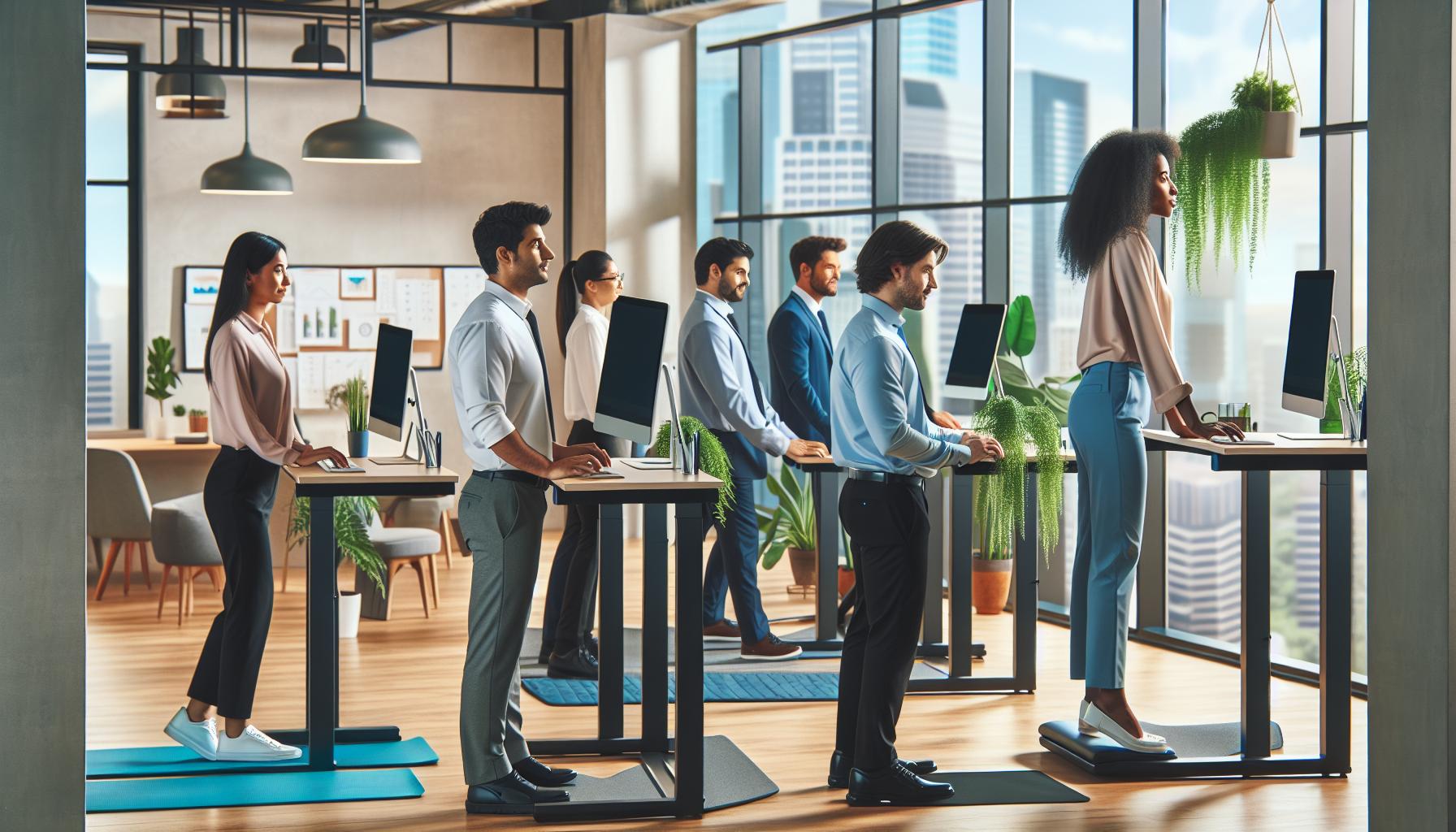
Comparative Studies: Standing Desks vs. Traditional Desks
The debate between standing desks and traditional desks is central to discussions about workplace productivity and wellness. Researchers have been delving into how the mere act of standing versus sitting can influence not only physical health but also mental acuity and work performance. Evidence suggests that switching to a standing desk can lead to improved overall productivity and focus, making it a compelling choice for both employees and employers looking to maximize efficiency.
Studies indicate that standing desks may enhance concentration and reduce feelings of fatigue throughout the workday. For instance, one study found that employees using standing desks reported a 46% improvement in feelings of fatigue and a 59% increase in productivity during tasks that required sustained focus. This is largely attributed to enhanced blood circulation and increased energy expenditure associated with standing, which can heighten alertness and cognitive function. Additionally, as workers spend less time sitting, the likelihood of experiencing discomfort and distractions caused by prolonged sitting is noticeably reduced.
However, standing desks come with considerations that are crucial for effective use. Simply standing for long periods can lead to discomfort or musculoskeletal issues if not managed properly. Ergonomic principles should still apply, such as ensuring the desk is at the correct height and using supportive footwear. Employees with standing desks should aim to balance standing with sitting rather than exclusively switching to one mode. This hybrid approach can help maintain energy levels and cognitive performance without succumbing to the fatigue that can be associated with either prolonged sitting or standing.
In practice, companies that have adopted standing desks often report improved engagement levels among employees. For example, organizations that implemented activity-promoting workspaces noted not only a rise in productivity metrics but also enhanced morale and a culture of health-consciousness. These real-world applications reinforce the positive findings from research, suggesting that organizations can greatly benefit from considering the transition to standing desks as part of a broader strategy to enhance workplace health and productivity.
Key comparisons between standing and traditional desks include:
- Productivity Levels: Standing desks often correlate with higher self-reported productivity.
- Health Benefits: Reduced risks of obesity and associated diseases.
- Employee Satisfaction: Increased morale and job satisfaction among users.
- Comfort Considerations: Effective ergonomic setups are essential to prevent discomfort.
Ultimately, the choice between standing and traditional desks should factor in individual preferences, job nature, and ergonomic health to create a productive and healthy work environment.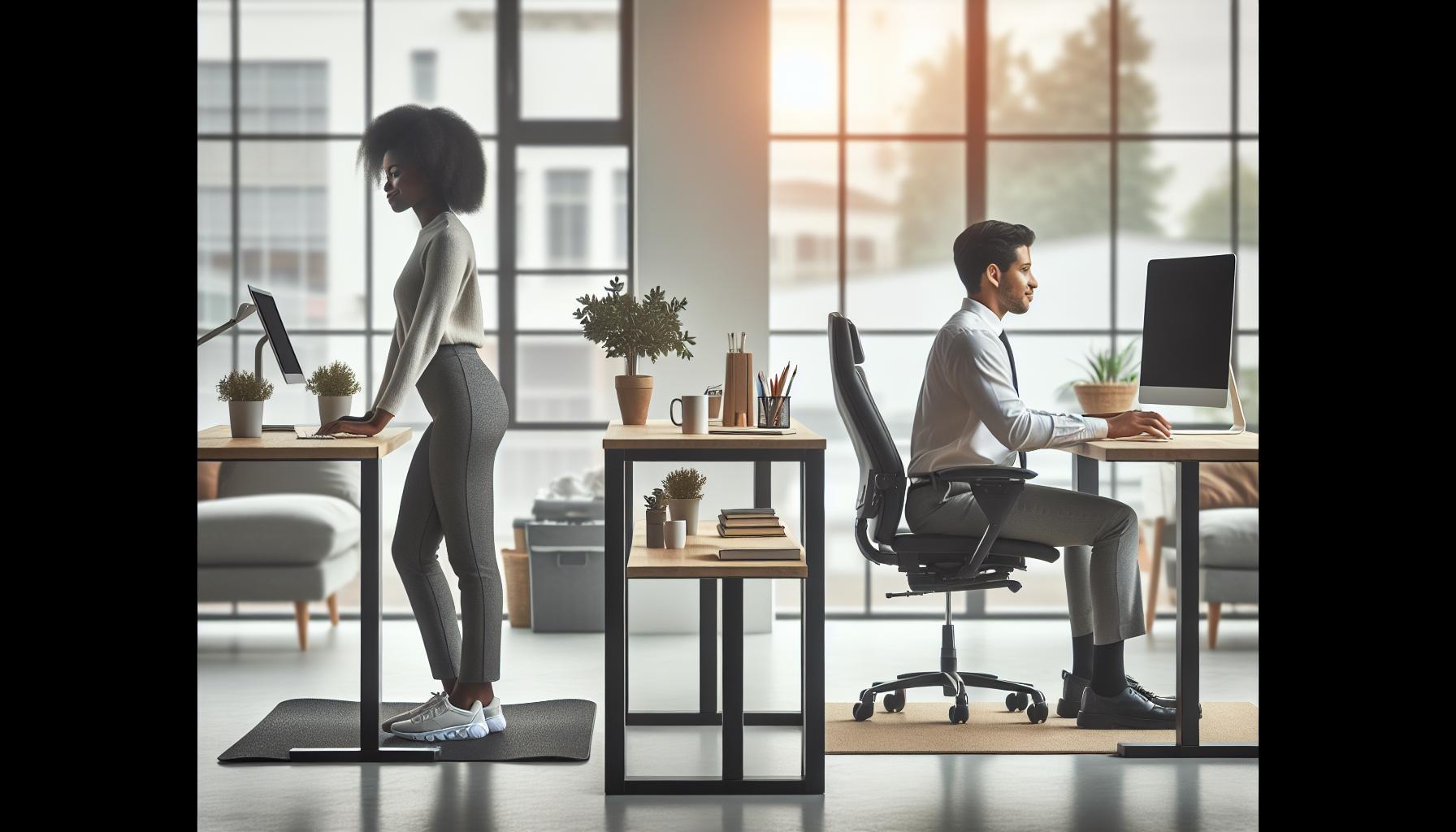
Real-Life Case Studies: Companies Boosting Productivity with Standers
Studies have shown that adopting standing desks can lead to impressive boosts in workplace productivity. For instance, a well-documented case is from a global consulting firm that implemented standing desks across its offices. Before the switch, employees frequently reported low energy levels and struggled with afternoon dips in productivity. After the transition, not only did employee satisfaction scores increase, but productivity levels also surged by approximately 30%. Workers found they were more engaged in collaborative tasks and enjoyed more dynamic interactions during meetings, which contributed to enhanced creativity and problem-solving.
Companies in the tech industry have also seen notable results from integrating standing desks. A software development company that replaced traditional desks with adjustable standing desks reported a remarkable transformation in its work culture. Employees felt empowered to choose their preferred working posture throughout the day, which contributed to a collective sense of ownership over their work environment. The management noted that this flexibility led to a 40% decrease in reported discomfort or fatigue, making for a healthier and more productive team. Additionally, the seamless transition between standing and sitting helped maintain focus during long coding sessions, boosting both morale and output.
Another compelling example comes from a marketing agency that focused on fostering creativity and collaboration. By providing standing desks, the company encouraged employees to move around more freely during brainstorming sessions. This not only invigorated discussions but also inspired a more collaborative atmosphere. Subsequent surveys revealed that team members felt 50% more productive during collaborative tasks, attributing this boost to the informal engagements that took place while standing. As a result, the agency experienced a significant rise in project turnaround time and client satisfaction rates.
Implementing standing desks isn’t just about changing the height of a workstation; it’s about reshaping workplace culture towards health, wellness, and productivity. Many organizations are recognizing the long-term benefits of such investments, understanding that healthier employees are more engaged and productive. By cultivating an environment that prioritizes flexibility and movement, companies can achieve not only better productivity metrics but also foster a culture of innovation and satisfaction.
Health Benefits of Standing Desks Beyond Productivity
Incorporating standing desks into the workplace extends beyond mere productivity enhancements; it offers a variety of health benefits that can transform overall well-being. Notably, research suggests that reducing prolonged sitting can decrease the risk of chronic diseases such as obesity, diabetes, and cardiovascular issues. By adopting a standing position, employees may find themselves more energized, less prone to the afternoon slump, and better equipped to tackle demanding tasks, all of which contribute to a more vibrant work environment.
Moreover, standing desks can alleviate musculoskeletal discomfort, a common complaint among desk workers. Ergonomically designed standing workstations encourage better posture, which can help mitigate back, neck, and shoulder pain. To maximize these benefits, it’s crucial to implement proper ergonomic practices. For instance, ensuring the monitor is at eye level, the keyboard is positioned so that forearms remain parallel to the floor, and the feet are flat on the ground or on a footrest can promote a healthier stance.
Additional Health Benefits
- Improved Mood and Mental Health: Studies have indicated that standing while working can lead to reduced feelings of stress and anxiety. The act of standing can stimulate circulation and enhance mood-regulating neurochemicals, making for a more positive work atmosphere.
- Enhanced Metabolic Health: Standing more frequently can uplift metabolic rates, which can help maintain a healthy weight. This increased energy expenditure, even during work, can contribute to better long-term health outcomes.
- Cognitive Benefits: Physical movement, including standing, is linked to improved cognitive function. Engaging muscle groups promotes blood flow to the brain, enhancing memory and focus, which are essential for complex tasks and decision-making.
Implementing standing desks can catalyze significant changes in workplace dynamics and individual health. However, it’s crucial to find a balance. Transitioning to standing work should be gradual, allowing the body to adjust without causing undue fatigue or discomfort. Encouraging regular movement, such as walking breaks and stretching, alongside standing can create a holistic approach to workplace wellness.
Integrating Movement: Combating Sedentary Behavior at Work
In an era where prolonged sitting is becoming the norm, incorporating more movement into the workday is essential for maintaining both physical health and mental clarity. Research indicates that sedentary behavior can significantly detract from productivity and overall well-being. To combat this, fostering a culture of movement within the workplace not only mitigates these risks but also enhances engagement and creativity among employees.
One effective strategy for integrating movement is implementing regular breaks throughout the workday. Encourage employees to stand, stretch, or walk for just a few minutes every hour. Here are some practical ideas to incorporate movement seamlessly into the daily routine:
- Walking Meetings: Replace traditional sit-down meetings with walking discussions. This not only promotes exercise but can also stimulate fresh ideas and foster a more relaxed atmosphere.
- Movement Reminders: Utilize apps or timers that prompt you to take short breaks at regular intervals. A simple five-minute walk or stretch can rejuvenate the mind and body.
- Active Workspaces: Transform common areas into active zones. This could include standing desks in collaborative spaces, yoga mats in break areas, or encouraging movement-based team-building activities.
To further enhance the benefits of standing desks, actively promoting exercises that counteract common desk-related strains can be beneficial. Such activities include simple stretches targeting the neck, shoulders, and lower back, which can be done easily at the desk or during breaks.
Another perspective is the neuroplasticity benefits of movement. Engaging in physical activity-whether standing, walking, or stretching-promotes blood flow to the brain, which can enhance learning and memory. This physiological boost is particularly crucial in high-pressure environments where cognitive demands are elevated.
As you foster a more active environment, remember that balance is key. Encourage employees to find a rhythm that combines standing, sitting, and movement, allowing them to adjust based on personal comfort and task requirements. Incorporating these practices not only combats sedentary behavior but also cultivates a more dynamic workplace, ultimately leading to increased productivity and employee satisfaction.
Creating an Ergonomic Workspace: Tools and Tips
Creating an ergonomic workspace is essential for maximizing comfort, boosting productivity, and enhancing overall well-being. A well-structured environment not only reduces the risk of injury but also supports cognitive functions and encourages healthier work habits. As we shift toward standing desks, understanding the setup and tools necessary for an ergonomic workspace can make a significant difference in daily productivity levels.
Begin by selecting a standing desk that is adjustable to suit your height and preferred working posture. Your elbows should form a 90-degree angle when typing, with your wrists in a neutral position. This optimizes comfort while using the keyboard and minimizes strain on your wrists. Consider using a desk mat to provide cushioning and support for your feet, especially if you will be standing for prolonged periods. Additionally, incorporating a monitor arm allows you to position your screen at eye level, thereby reducing neck strain and encouraging proper posture.
Creating a balance between standing and sitting is crucial. Utilize a timer or app to remind you to switch positions periodically, ideally every 25 to 30 minutes. When you do sit, ensure your chair is ergonomic, with lumbar support that encourages a straight back and a slight pelvic tuck. Your feet should rest flat on the floor or on a footrest to maintain proper circulation.
To further enhance your workspace, integrate movement throughout your day. Simple stretches and a few minutes of activity can reinvigorate both body and mind. Consider organizing your space to allow easy access to items that encourage movement; for example, place your printer or file cabinet farther away so that getting up becomes routine. The goal is to keep your body engaged and your mind alert, fostering an environment where productivity can thrive.
Finally, do not underestimate the power of personalization in your workspace. Adding plants or personal items can create an inviting atmosphere that promotes positivity and reduces stress, ultimately improving focus and cognitive function. By prioritizing ergonomic practices, you can cultivate a workspace that not only enhances productivity but also supports your overall health and well-being.
Psychological Effects of Standing While Working
Standing while working can trigger a remarkable shift in psychological state, which can lead to enhanced productivity. Research has shown that transitioning from a seated to a standing position can improve mood, reduce feelings of fatigue, and increase energy levels, all contributing factors that can make a significant difference in work performance. The act of standing creates a subtle but impactful shift in mindset. Standing conveys readiness and alertness, akin to preparation for action, which often translates to a more engaged approach to tasks.
One of the psychological benefits linked to standing is the enhancement of focus and cognitive function. Standing desks can encourage a more dynamic and energized work environment, which may help individuals maintain concentration and reduce distractions. A simple standing posture can stimulate physical activity and promote neurochemical changes conducive to cognitive agility. Studies suggest that standing desks can help combat the afternoon slump commonly experienced by many workers, as standing may reduce the tendency to experience lethargy associated with prolonged sitting.
### Tips for Psychological Well-being While Standing
To maximize the positive psychological effects of using a standing desk, consider the following practices:
- Maintain Movement: Incorporating light movement while standing, such as shifting weight from one foot to another or using a balance board, can enhance blood circulation and keep the mind engaged.
- Incorporate Breaks: Taking regular breaks to walk, stretch, or even sit briefly can refresh your focus and help to prevent fatigue.
- Personalize Your Space: Surrounding your standing desk with personal items, such as favorite quotes or plants, can foster a positive psychological environment that encourages mental well-being and creativity.
### Addressing Potential Challenges
It is also essential to acknowledge potential challenges associated with standing work. While many benefit from standing desks, some may experience discomfort or fatigue if they stand for too long without breaks. This highlights the importance of creating a balanced approach that integrates both standing and sitting throughout the day. Listening to your body and adjusting your work habits accordingly can further promote psychological comfort and productivity.
By implementing these strategies, individuals can optimize their use of standing desks, thereby not only improving productivity but also enriching their overall workplace experience. A thoughtful approach to ergonomics and mental health can pave the way for a thriving work environment that celebrates both physical well-being and cognitive performance.
Debunking Myths: Standing Desks and Fatigue
Stepping into the realm of standing desks can often lead to misconceptions, particularly regarding fatigue. The notion that standing all day inherently leads to increased tiredness is one of the most prevalent myths surrounding this innovative workspace solution. In reality, while prolonged standing without proper breaks can lead to discomfort, utilizing a standing desk effectively can enhance energy levels and combat feelings of fatigue.
Understanding the physiology of your body while standing is crucial. When used appropriately, standing desks promote better posture and increased blood flow, which can mitigate the sluggishness associated with long hours of sitting. To foster a positive standing experience, it’s important to incorporate movement throughout your day. Regularly shifting your weight, taking brief walks, or even using an anti-fatigue mat can reduce stress on your legs and back, ensuring a more enjoyable and productive working environment.
Strategies to Manage Fatigue
Here are some practical tips for managing fatigue while using a standing desk:
- Alternate Positions: Transition between sitting and standing every 30-60 minutes. This balance keeps your body engaged without overwhelming any specific muscle group.
- Stay Mobile: Employ desk exercises or light stretching during short breaks to keep blood flowing and reduce muscle tension.
- Footwear Matters: Wear supportive shoes that provide cushioning and arch support. Avoid high heels or flip-flops while standing for long periods.
- Listen to Your Body: Pay attention to how your body feels. If you’re experiencing discomfort, it might be time to sit down for a while.
Recognizing that each individual may respond differently to standing versus sitting can empower you to personalize your workspace strategy. For some, standing desks may enhance alertness and creativity during tasks, while others may find alternating between sitting and standing is the best approach for sustained productivity. Always consult with workplace wellness or health professionals if you have specific concerns about fatigue or discomfort, ensuring you create a balanced environment that supports both well-being and performance. Through mindful adjustments and practices, you can leverage the benefits of standing desks, making fatigue a myth of the past.
Sustaining Engagement: Balancing Standing and Sitting
In the quest for optimal productivity, the integration of standing desks into daily work routines presents a unique opportunity to enhance engagement and sustain cognitive function. A balanced approach that involves alternating between sitting and standing can create a dynamic workspace, fostering both energy and focus. Research indicates that the physiological benefits of standing-such as improved circulation and increased metabolic rate-are maximized when combined with regular sitting intervals, allowing the body to recover and adapt without excessive fatigue.
Creating a rhythm between sitting and standing can be likened to a well-composed symphony, where the cadence of movement keeps the body and mind attuned to the task at hand. Consider setting a timer or using a productivity app to remind you to switch positions every 30 to 60 minutes. This regular change not only mitigates the physical strain that can arise from prolonged standing or sitting but also helps maintain mental acuity. Implementing this strategy can lead to enhanced concentration, reduced distractions, and a rejuvenated sense of creativity throughout the workday.
Additionally, incorporating short movement breaks into your routine can support engagement levels and promote better posture. Simple activities like stretching, walking, or even using a stability ball for core strengthening can refresh your cognitive resources. Incorporating these mini-breaks every hour not only helps reset your posture but also rejuvenates your mental focus, empowering you to tackle tasks with renewed vigor.
Lastly, the environment you create around your standing desk plays a significant role in your ability to sustain engagement. Ensure that your workspace is ergonomically optimized, with your screen at eye level and your wrists straight while typing. Such adjustments can prevent discomfort and distractions that detract from productivity. By thoughtfully balancing sitting and standing, and integrating movement, you can cultivate a work atmosphere that nurtures both physical wellness and cognitive performance, ultimately leading to greater productivity.
Future Trends: The Evolution of Workspace Design
As the modern workplace continues to evolve, the design of workspaces is increasingly focused on enhancing productivity, wellness, and employee satisfaction. One key trend is the growing popularity of adaptable environments that incorporate standing desks among other ergonomic solutions. With the recognition of the negative health impacts associated with prolonged sitting, workplaces are prioritizing flexibility, allowing employees to customize their seating arrangements to suit their individual needs.
Many companies are now adopting the concept of the “activity-based workplace,” which blends different work zones that cater to various tasks-encouraging movement and collaboration. This environment promotes not only the use of standing desks but also collaborative spaces, quiet zones for focused work, and areas designed for relaxation and social interaction. By creating distinct spaces, companies can optimize cognitive function and reduce the monotony that often accompanies static routines.
Incorporating technology into workspace design is another significant trend. Smart desks equipped with sensors can remind users to shift between sitting and standing, monitor posture, and promote movement breaks based on ergonomic assessments. This integration of technology not only enhances productivity but also engages employees in their own health and wellness journey. Moreover, the use of height-adjustable furniture that seamlessly transitions between different positions is becoming a standard feature in office design.
Furthermore, an increased emphasis on biophilic design-incorporating natural elements into the workspace-has been shown to improve focus and reduce stress. Natural light, plants, and organic materials can transform work environments, fostering a deeper connection to nature while enhancing cognitive performance. The future of workspace design is not just about providing tools to improve productivity; it’s about creating an ecosystem that supports holistic well-being, encouraging employees to thrive in their professional and personal lives.
The evolution of workspace design encourages a more dynamic approach to work, where standing desks and innovative solutions promote both physical health and mental acuity. As companies recognize the importance of fostering a supportive environment, they are likely to see not just improved productivity but also higher levels of employee engagement and satisfaction.
Frequently asked questions
Q: Do standing desks really help with productivity?
A: Yes, standing desks can enhance productivity by promoting better posture, reducing discomfort, and allowing for more movement throughout the day. This can lead to increased energy and focus, ultimately improving work output. For a deeper understanding, refer to the section on how standing desks influence focus and cognitive function.
Q: What are the potential downsides of using a standing desk?
A: While standing desks offer benefits, potential downsides include fatigue, discomfort in the feet, and leg pain if not set up ergonomically. It’s essential to alternate between sitting and standing and use anti-fatigue mats to mitigate these issues. See the myths section for more information on standing desks and fatigue.
Q: How can I effectively transition to using a standing desk?
A: Start by alternating between sitting and standing for short periods. Gradually increase your standing time as your body adjusts. Use proper ergonomic practices to ensure comfort and prevent strain. More detailed setup tips can be found in the ergonomics section of our article.
Q: Are there specific times during the day when I should stand more?
A: It’s beneficial to stand during periods of tasks requiring focus, such as brainstorming or problem-solving. Conversely, sit during less intensive work, like reading emails. This balance can help maintain overall productivity.
Q: Can standing desks impact my mental health?
A: Yes, standing desks can positively influence mental health by reducing sedentary behavior, which is linked to anxiety and depression. Increased physical activity while standing can boost mood and energy levels. Explore the psychological effects section for more insights.
Q: Should I invest in a sit-stand desk converter?
A: A sit-stand desk converter can be a cost-effective option to transition between sitting and standing. They are portable and adjustable, allowing for personalized workspace setups. Check the comparative studies section for detailed evaluations of different desk types.
Q: How does using a standing desk affect attention span?
A: Anecdotal evidence suggests that using a standing desk can improve attention span by enhancing energy levels and motivation. Users often report feeling more engaged and less distracted. Explore how standing desks influence focus for further details.
Q: What accessories can enhance the use of a standing desk?
A: Accessories such as anti-fatigue mats, ergonomic chairs for sitting breaks, and monitor risers can enhance comfort and functionality. Incorporating these tools can support overall health and productivity. For more tips, see the tools and tips for creating an ergonomic workspace.
Closing Remarks
As we’ve explored the impact of standing desks on productivity, it’s clear that integrating these tools into your workspace can lead to enhanced focus, reduced fatigue, and improved overall well-being. If you’re considering making the switch, don’t hesitate-every step towards a healthier workspace counts! To help you get started, check out our in-depth guides on creating ergonomic workspaces and developing healthy work habits, as well as evidence-based techniques for boosting cognitive performance.
Curious about how to set up your standing desk for maximum effectiveness? Or maybe you want tips on stress management and workplace wellness? We invite you to dive deeper into our resources, and don’t forget to share your experiences in the comments below! Engaging in community discussions not only boosts your knowledge but also inspires others on their wellness journey. For ongoing insights and tips delivered straight to your inbox, consider signing up for our newsletter. Together, let’s transform our work environments for the better!