
Did you know that sitting for prolonged periods can negatively impact your health and productivity? As more people embrace standing desks to enhance their workspace, the question arises: how long should you actually stand? Striking the right balance is crucial for workplace wellness, cognitive performance, and overall comfort. This article demystifies the “golden rule” of standing desk use, helping you optimize your productivity while minimizing discomfort. Discover practical tips to find your ideal duration for standing, learn how to listen to your body’s signals, and explore strategies for maintaining energy and focus throughout your workday. By understanding the best practices for standing desk usage, you can transform your work environment into a hub of health and productivity. Let’s delve into how you can harness the power of standing to elevate your work experience.
The Ideal Duration for Standing Desk Use: A Comprehensive Guide
Standing desks are transforming the way we approach our workspaces, but with that comes the important question of how long one should spend standing each day. Research indicates that prolonged sitting can lead to a host of issues, including poor posture and decreased metabolic function. Striking the right balance between sitting and standing is crucial for enhancing comfort and boosting productivity.
A good starting point for many users is to aim for standing approximately 15 to 30 minutes for every hour of work. This is based on ergonomic guidelines, which also emphasize the importance of personal comfort and how one’s body responds to prolonged standing. Listening to your body is vital; if fatigue or discomfort arises, it’s time to adjust your position. Regularly alternating between sitting and standing can help reduce the risk of muscle fatigue and promote better circulation.
To maximize the benefits of standing desk use, consider employing a schedule that incorporates movement. Simple practices, like stretching or walking short distances during breaks, can enhance circulation and combat the negative effects of both sitting and standing for too long. By creating a routine that promotes dynamic movement throughout your workday, you can significantly improve not only your physical well-being but also your cognitive function and overall energy levels.
Ultimately, the ideal duration at a standing desk may vary based on individual preferences and work habits, so be proactive in adjusting your routine as needed. Keeping track of how your body feels can lead to a more productive and enjoyable work environment, allowing you to reap the full benefits of a well-designed standing desk setup.
Understanding the Benefits of Standing Desks for Your Health

Standing desks have gained popularity as an alternative to conventional sitting arrangements, thanks to their potential health benefits. Transitioning to a standing desk can lead to improved posture, reduced back and shoulder pain, and even enhancements in mood and energy levels. The very act of standing increases blood flow and promotes better metabolic function, making it easier for your body to regulate blood sugar, particularly after meals [1[1].
Moreover, standing during work hours can support cognitive function by enhancing focus and reducing fatigue. When you incorporate standing into your work routine, you are more likely to engage in light physical activity, which has been linked to improved overall brain health. This physical movement stimulates neuroplasticity, allowing your brain to adapt and change, further aiding in cognitive performance [2[2].
However, it’s essential to adopt a balanced approach. While standing offers numerous health benefits, prolonged periods of standing can lead to discomfort and fatigue. Therefore, listening to your body and implementing a strategy that includes regular movement is crucial for maximizing benefits. Utilizing a standing desk can lead to a more engaged, energized work experience, fostering an environment where mental clarity and productivity thrive [3[3].
By understanding the distinctions between sitting and standing and planning your usage effectively, you can harness the advantages of standing desks while minimizing the risks associated with both sedentary and prolonged standing behaviors. This thoughtful approach not only enhances physical health but also promotes a more dynamic and enjoyable work atmosphere.
The Science Behind Sitting vs. Standing: What Research Says
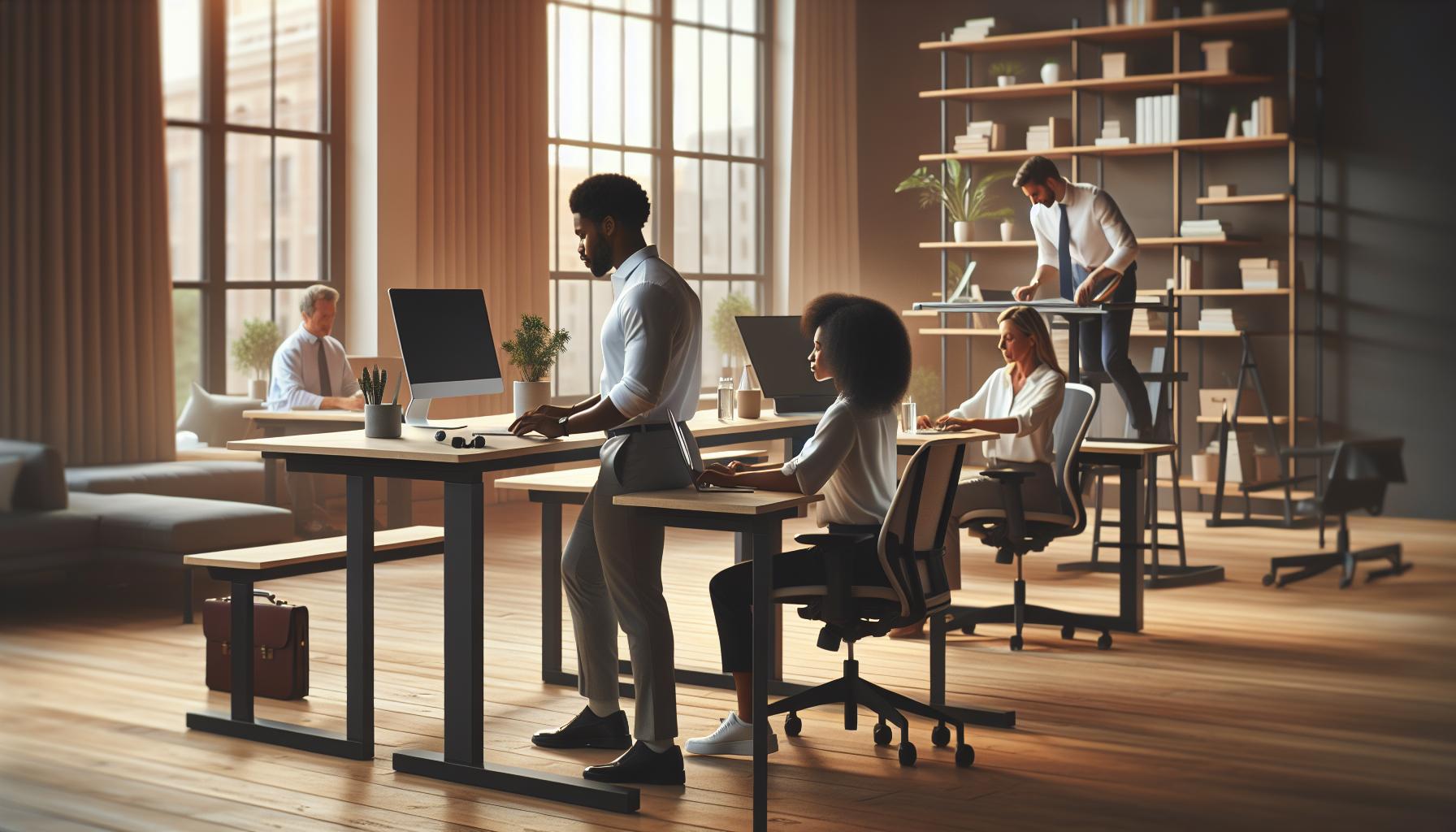
Research increasingly highlights the crucial differences between sitting and standing as it pertains to health and productivity in the workplace. A significant finding is that switching to a standing desk can help reduce sedentary time, which is directly linked to a range of health problems, including obesity and cardiovascular disease. Studies suggest that people who use standing desks may experience lowered blood pressure, improved circulation, and a decrease in the risk of type 2 diabetes by promoting better metabolic function throughout the day. Thus, the ability to alternate between sitting and standing may facilitate better blood sugar management, particularly after meals, making it a critical strategy for workplace wellness.
Moreover, cognitive functions benefit from this shift in posture. When individuals stand, they are more likely to engage in light movement, which can stimulate brain activity and enhance focus. A standing position fosters a more engaged mental state, contributing to improved mood and energy levels. Interestingly, incorporating standing into the workday may promote neuroplasticity-the brain’s capacity to adapt and reorganize itself, which is vital for learning and memory retention. This suggests that not only does physical activity support bodily health, but it also enhances cognitive performance, creating a more productive work environment.
To maximize the benefits of using a standing desk while mitigating discomfort, consider the following strategies:
- Start Gradually: If you’re new to standing desks, begin with short intervals and gradually increase standing time over weeks.
- Mind Your Posture: Ensure your desk is at the correct height to maintain a neutral spine and avoid strain.
- Incorporate Movement: Regularly shift your weight, stretch, or take short walking breaks to reduce fatigue.
- Listen to Your Body: Pay attention to discomfort signals and adjust your position or switch to sitting as needed.
Adopting a balanced approach to standing and sitting throughout the workday not only enhances physical well-being but also fortifies cognitive health, ultimately fostering a workplace that nurtures both body and mind.
Golden Rules for Alternating Between Sitting and Standing
To truly harness the benefits of a standing desk, mastering the art of alternating between sitting and standing is crucial. The key lies in understanding your body’s needs and responding to them effectively. Research suggests a practical approach-aim for a balanced routine that incorporates both postures throughout your workday. A commonly recommended guideline is to stand for about 15-30 minutes for every hour of work, but finding a rhythm that suits your individual comfort and productivity is essential.
One effective strategy for alternating is the Pomodoro Technique-work for 25 minutes and then stand or take a break for 5 minutes. This provides structured intervals for movement, helping to keep energy levels high. Furthermore, varying your tasks throughout the day can seamlessly integrate standing into your routine: for instance, take phone calls while standing or engage in quick stretches during short breaks. These transitions not only alleviate discomfort from prolonged standing but also enhance your focus and cognitive performance by stimulating circulation and mental alertness.
Another golden rule is to monitor your body’s signals closely. Be attentive to signs of discomfort, as they are vital indicators of when it’s time to switch positions. The sensation of fatigue in your legs or lower back signals that you should either return to sitting or take a brief walk. Mindful transitions are key; use these moments as opportunities to stretch, walk, or shift your posture, which can significantly reduce the risks associated with extended periods in one position.
Incorporating these adjustments into your day promotes both physical well-being and boosts cognitive function. Standing while working encourages movement, which stimulates mental activity and supports neuroplasticity-the brain’s ability to adapt and grow. Thus, a thoughtful balance in your work posture not only fosters a healthier environment but also cultivates enhanced productivity and focus, allowing you to thrive in your professional endeavors.
How to Measure Your Standing Desk Time Effectively
To effectively navigate the use of a standing desk and truly harness its benefits, measuring your standing time becomes essential. A common guideline suggests standing for about 15-30 minutes for every hour of work, but adherence to this can be challenging. By tracking your standing time, not only can you maintain a healthy balance between sitting and standing, but you can also enhance your overall productivity.
One practical approach is to utilize timers or apps specifically designed for this purpose. There are various productivity tools available that can send reminders when it’s time to switch positions. For instance, apps like “Stand Up!” or “Stretchly” provide customizable alerts that encourage you to either stand or take a break after a set period. Such tools help instill discipline while allowing you to focus on your tasks without constantly checking the clock.
Additionally, consider keeping a simple log or chart. You can jot down times when you switch from sitting to standing and vice versa. This not only provides you with a clear visual cue of your habits but also allows you to identify patterns in your productivity levels. You might find, for example, that you feel more focused and energized after standing for shorter durations.
To ensure that you’re tracking effectively, establish a routine. For example, you might choose to stand while completing specific tasks, such as attending virtual meetings or brainstorming sessions. This association can help you naturally integrate standing into your workday. Moreover, don’t forget to listen to your body-monitor signs of discomfort or fatigue, and adjust your standing time accordingly.
By being intentional about measuring your standing desk time, you can foster a healthier work environment. This mindful approach not only benefits your physical health but also enhances cognitive performance, ultimately contributing to a more productive and balanced work life.
Best Practices for Ergonomics at a Standing Desk
Standing for extended periods can seem daunting, yet the right ergonomic practices can transform your work environment into a haven of comfort and productivity. To maximize the benefits of your standing desk and minimize the risk of fatigue or discomfort, it’s critical to adopt best practices that promote proper alignment and movement.
Optimal Setup for Standing Desks
A well-configured standing desk is the foundation of effective ergonomics. Begin by adjusting your desk height. When standing, your elbows should form a 90-degree angle or slightly obtuse while keeping your wrists straight. The monitor should be at eye level, allowing for a natural head position where your neck remains relaxed. Your feet should be flat on the ground with weight evenly distributed, encouraging a comfortable stance. Consider the use of an anti-fatigue mat, which can significantly reduce discomfort during long periods of standing.
Encouraging Movement and Variation
Staying still at a standing desk can lead to stiffness and fatigue. Incorporate movement into your routine by shifting your weight from one foot to another, or trying subtle stretches throughout your workday. A few minutes of gentle movement every hour can enhance circulation and keep your muscles engaged. To foster this habit, consider setting reminders on your phone or using productivity apps designed to prompt breaks or stretches.
Using Footwear Wisely
Your choice of footwear plays a crucial role in your comfort level. Opt for supportive shoes that provide adequate arch support and cushioning. High heels and flat, hard-soled footwear can exacerbate discomfort when standing for long periods. If possible, keep a pair of comfortable shoes at your workstation that prioritize foot health over style.
Listening to Your Body
Finally, remain attuned to your body’s signals. Feelings of discomfort are your body’s way of communicating that it needs a change. Regularly assess how you feel and be proactive about alternating between standing and sitting. Engaging in this active listening not only benefits physical health but can also improve cognitive function and productivity. Embrace a flexible approach that respects your body’s needs and enhances your overall work experience.
By implementing these ergonomic best practices, you lay the groundwork for a healthier and more productive workday, striking the balance between standing and sitting that suits your unique lifestyle and needs.
Common Mistakes to Avoid When Using a Standing Desk
Standing desks can significantly enhance your work experience, but common pitfalls can hinder their benefits. Many individuals dive into using their standing desks without considering how their bodies will respond, leading to discomfort and reduced productivity. One of the most prevalent mistakes is failing to alternate between standing and sitting. Sticking exclusively to one position can result in fatigue and discomfort. To combat this, aim for a cycle of 20 to 30 minutes of standing followed by a similar duration sitting, which can help you maintain energy levels throughout the day.
Another frequent misstep is neglecting proper ergonomics. A poorly configured desk setup can cause strain on your back, neck, and wrists. To optimize comfort, ensure that your screen is at eye level and that your elbows are positioned at a 90-degree angle. A well-fitted anti-fatigue mat can also promote better posture and reduce discomfort during long periods of standing. Instead of settling for whatever setup is readily established, prioritize creating an environment that supports healthy posture and reduces physical stress.
In addition to ergonomics, the choice of footwear is often overlooked. Wearing unsupportive shoes, such as flip-flops or high heels, can contribute to foot and back pain, undermining the purpose of using a standing desk. Opt for shoes that provide ample support and cushioning; even investing in insoles can make a significant difference. Lastly, remember to listen to your body. Prolonged standing can lead to muscle fatigue, so if you experience discomfort, don’t hesitate to take a seat. This awareness not only promotes physical health but also enhances cognitive function, allowing you to stay sharp and productive throughout your workday.
By avoiding these common mistakes and adopting a mindful approach to standing desk use, you can cultivate a healthier, more dynamic work environment that supports both your physical well-being and productivity.
Incorporating Movement: Fitting Exercise into Your Workday
Incorporating regular movement into your workday can have transformative effects on both physical well-being and mental acuity. Research shows that even short bursts of movement can enhance focus and boost creativity, crucial qualities for anyone navigating a demanding work environment. To fully reap the benefits of your standing desk, it’s essential to integrate movement routines that are manageable and effective.
One practical strategy is to schedule brief activity breaks every hour. These can include simple exercises like leg lifts, calf raises, or gentle stretches that help break the monotony of prolonged standing. Not only do these activities prevent stiffness, but they also provide a quick mental reset, enhancing productivity. You might consider using a timer or an app as a reminder, as we often get engrossed in tasks and forget to move. Here’s a suggested routine to incorporate movement without disrupting your workflow:
Example Movement Routine
- Every 30 minutes: Stand up and stretch your arms overhead.
- Every hour: Spend 5 minutes walking around your workspace or perform exercises such as squats or lunges.
- Every 2 hours: Take a 10-minute break to step outside or do a quick workout, like jumping jacks or a brisk walk.
In addition to spontaneous movement, consider incorporating deliberate exercises into your daily routine. For instance, explore opportunities for walking meetings, which can invigorate discussions while keeping you physically engaged. If possible, use a treadmill desk for a portion of your day or alternate between standing and gentle walking to maintain an active posture.
Lastly, actively remind yourself to listen to your body. If you feel tension or fatigue creeping in, that’s your cue to engage in movement. Educating yourself about the physical signals your body sends will equip you for a more responsive and healthier work experience. Establishing a culture of movement, even in small doses, fosters not only individual health but also a thriving workplace environment that promotes collaboration and innovation.
Listening to Your Body: Signs You Need to Change Position
Regardless of your motivation for using a standing desk, recognizing when it’s time to switch positions is crucial for maintaining physical comfort and overall well-being. Listening to your body is essential; it’s the best indicator of when your standing time has exceeded its benefits. Common signs you may need to change your position include discomfort in your feet, legs, or lower back, which can escalate to more significant issues over time if ignored. Each person’s tolerance for standing varies, and it’s essential to tune into the signals your body sends.
Pay attention to specific sensations; for instance, if your feet start to feel numb or painful, or your legs develop an aching sensation, these are clear indicators it’s time for a break or to sit down for a while. Maintaining optimal posture can also become difficult; if you find yourself leaning or slouching to alleviate discomfort, adjust your position accordingly. Remember, effective ergonomics not only promote comfort but also enhance your productivity levels.
Establishing a routine that involves frequent position changes can transform your experience with a standing desk. Aim to alternate between sitting and standing every 30 minutes to an hour, depending on how your body feels. Additionally, integrate small movements and stretches throughout your workday, such as flexing your knees or shifting your weight from one foot to the other. This practice helps keep blood flowing and muscles engaged, ultimately leading to greater comfort and focus.
Being proactive about your body’s needs fosters a healthier work environment. Striking a balance between sitting and standing, while remaining attentive to the cues your body provides, can optimize your productivity and well-being, making your standing desk a valuable tool rather than a source of discomfort.
Creating an Effective Schedule for Standing Desk Use
Creating a structured schedule for your standing desk usage can significantly enhance both your productivity and comfort throughout the workday. Understanding that a balance of sitting, standing, and movement is essential to avoid fatigue and discomfort is the first step in crafting an effective plan. Research suggests that standing for prolonged periods can lead to discomfort, similar to that caused by sitting too long. Therefore, adopting a dynamic approach is crucial.
Consider the 30-30 rule: alternate between 30 minutes of standing and 30 minutes of sitting. This rhythm allows your body to rest and recharge while keeping your mind focused and engaged. Additionally, setting a timer or using apps to remind you to switch positions can be beneficial. For instance, you might use your phone to set reminders or employ software that integrates with your computer to ensure you don’t get lost in your tasks.
Integrating short movement breaks into your schedule is equally important. During those 30 minutes of sitting, take a few moments to stand up, stretch, or walk around your workspace. Simple movements, such as rolling your shoulders, flexing your legs, or doing a few lunges, can invigorate your body and mind. Being mindful of your posture during these transitions is critical; it can prevent stiffness and encourage better spinal alignment.
Another effective tactic is to modify your standing desk usage based on your tasks. For creative work that requires deep focus, you might find standing helps maintain your energy. However, during tasks that require more concentration or long periods of writing, sitting may be more effective. Thus, understanding your workflow and adapting your schedule accordingly can further personalize and improve your experience.
Finally, keep a log of how you feel throughout the day. Noting when you feel energized, fatigued, or uncomfortable can help you adjust your schedule for the future. Over time, you will likely find the perfect balance that works for you, maximizing your productivity while promoting your overall well-being. Encourage yourself to check in with your body regularly; it’s a vital clue in optimizing your standing desk setup and schedule.
Long-term Health Effects of Improper Standing Desk Use
Improper use of standing desks can lead to an array of long-term health issues, counteracting the initial benefits designed to promote well-being and productivity. While the intention behind utilizing a standing desk is to reduce sedentary behavior and improve posture, prolonged standing without proper management can result in discomfort and serious health problems. For instance, studies have shown that standing for extended periods can contribute to musculoskeletal disorders, particularly in the lower back, hips, and legs. This can manifest as chronic pain, stiffness, and poor circulation, leading to conditions like varicose veins.
To maximize the benefits of a standing desk, it’s essential to remain mindful of your posture. Poor ergonomic setups-such as improper desk height or lack of foot support-can further exacerbate discomfort. Individuals may experience fatigue and decreased productivity as a result of muscle strain and joint pain. Over time, this misalignment may contribute to chronic health issues, including lower back pain and repetitive strain injuries, complicating the initial goal of enhancing workplace wellness.
Strategies to Mitigate Long-Term Risks
To counter potential negative effects associated with improper standing desk usage, consider implementing the following strategies:
- Frequent Position Changes: Employ the 30-30 rule to alternate between sitting and standing every 30 minutes, promoting mobility and reducing strain.
- Footwear Matters: Choose supportive shoes that reduce fatigue and provide cushioning throughout the day.
- Ergonomic Setup: Adjust your desk height so that your elbows are at a 90-degree angle, and ensure your screen is at eye level to prevent neck strain.
- Incorporate Movement: Integrate short movement breaks to walk or stretch, which can stimulate blood flow and improve overall comfort.
By remaining aware of these potential health risks and proactively engaging in strategies to mitigate them, individuals can effectively leverage their standing desk to promote long-term workplace wellness without the accompanying adverse effects. Listening to your body and making necessary adjustments is crucial in maintaining a healthy balance between standing and sitting throughout your workday.
Maximizing Productivity While Using a Standing Desk
Transitioning to a standing desk can be a game changer for productivity, but it’s crucial to harness its potential effectively. Interestingly, research indicates that standing while working can enhance energy levels and focus-key elements for maintaining an efficient workflow. However, simply standing isn’t enough; how you stand and the strategies you use while at a standing desk play significant roles in maximizing your productivity.
To get the most out of your standing desk experience, it is essential to engage in proactive workspace management. Start by optimizing your environment. Ensure your monitor is at eye level, freeing you from neck strain, and position your keyboard and mouse within a comfortable reach to prevent wrist injuries. Maintaining an ergonomic setup will allow you to stay focused without unnecessary distractions caused by discomfort.
Another effective strategy is to incorporate micro-tasks and movement into your routine. Use short breaks to walk around or perform stretches; this not only helps alleviate fatigue but also stimulates blood circulation, promoting cognitive alertness. For instance, implementing the 30-30 rule-standing for 30 minutes followed by 30 minutes of sitting-can significantly enhance your focus and energy throughout the day. This approach not only breaks monotony but also ensures you can sustain your productivity over longer periods.
Lastly, consider integrating short mindfulness practices or breathing exercises at intervals. Not only can this help clear your mind but also boost your overall cognitive performance. Even a minute of deep breathing can provide a much-needed reset, enhancing your concentration and efficiency.
By thoughtfully arranging your workspace and actively managing your standing desk use, you can create a balance that fosters both productivity and well-being. Embracing these practices empowers you to take control of your work life, turning your standing desk into a powerful tool for enhanced performance.
Faq
Q: How often should you switch between sitting and standing at a desk?
A: It’s recommended to switch between sitting and standing every 30 to 60 minutes. This helps prevent fatigue and promotes better circulation. Keeping your body in motion enhances comfort and productivity while working at your standing desk.
Q: What are the benefits of using a standing desk for long periods?
A: Using a standing desk can improve posture, reduce back pain, and increase energy levels. It encourages better blood flow and may elevate mood, contributing to heightened productivity throughout the workday.
Q: Can standing for long periods be harmful?
A: Yes, standing for extended periods can lead to discomfort, fatigue, and strain on your legs and feet. It’s essential to incorporate movement and take breaks to sit, thus balancing your standing time effectively.
Q: What is the best way to transition to a standing desk?
A: Start by standing for short periods, gradually increasing your standing time as you become more comfortable. Aiming for 15-30 minutes at first can ease your body into this new routine without overwhelming it.
Q: How do I maintain proper posture while using a standing desk?
A: Maintain an upright position with your ears aligned over your shoulders. Your elbows should be at a 90-degree angle, and your wrists should be straight. Additionally, using a footrest and keeping your monitor at eye level can enhance ergonomic benefits.
Q: Are there specific exercises to do while working at a standing desk?
A: Yes, simple exercises like calf raises, leg stretches, or even squats can be performed during breaks. Incorporating short movement intervals helps increase circulation and mitigate the risks associated with prolonged standing.
Q: What should I do if I feel tired while standing?
A: If you start feeling fatigued, take a break to sit down or shift your weight from one foot to the other. Stretching your legs and taking brief walks can also restore energy levels and alleviate discomfort.
Q: How can I make my standing desk more comfortable?
A: Invest in an anti-fatigue mat to reduce strain on your feet and legs. Additionally, keeping your desk organized and maintaining appropriate monitor height will encourage good posture and comfort during use.
For more tips on optimizing your workflow and health with a standing desk, explore our article sections on best practices for ergonomics and measuring your standing time effectively.
Insights and Conclusions
To maximize your productivity at a standing desk, remember the golden rule: balance standing with sitting to maintain energy and comfort throughout your day. If you’re looking for more comprehensive tips on workplace wellness or ergonomic setups, check out our articles on optimizing your workspace and essential stretches for desk workers.
Don’t forget to sign up for our newsletter to receive expert insights and updates right in your inbox! By implementing these practices, you’ll not only enhance your cognitive performance but also support your overall brain health. Take charge now of your work-life harmony and discover how small changes can lead to significant benefits. Join our community and share your experiences-let’s support each other on this wellness journey!