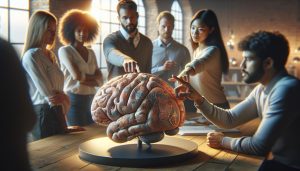
Did you know that zombies, despite being fictional, have sparked significant interest in neuroscience and psychology? The iconic image of a zombie craving brains has permeated popular culture, leaving many to wonder about the science behind this trope. Exploring “Why Do Zombies Eat Brains? The Science Behind Horror Fiction” invites you on a journey that deciphers not only our fascination with these creatures but also reflects our deeper fears about cognitive decline and loss of control. Understanding the roots of this horror narrative can shed light on our own anxieties around mental health, making this discussion relevant to anyone concerned about brain wellness. By delving into the interplay between horror fiction and scientific reality, we can uncover insights that extend beyond entertainment and inspire proactive approaches to cognitive health. So, why do zombies eat brains? Let’s explore this chilling yet enlightening question together, as we unveil the connections between our favorite horror stories and the very real importance of caring for our brains.
The Origins of Zombie Brain Consumption in Folklore
The notion of zombies consuming brains is deeply rooted in folklore and cultural narratives that symbolize primal fears and societal anxieties. The brains of the undead have become emblematic in zombie lore, often representing our fascination with mortality and the unknown. In traditional Haitian Vodou practices, the concept of the zombie was born from a belief in the manipulation of the soul and body, where the living were rendered soulless through potions and sorcery. However, the association of zombies with brain consumption largely emerged from modern portrayals, particularly after George Romero’s groundbreaking film “Night of the Living Dead,” which shifted public perception towards a more flesh-hungry, mindless creature.
In folklore, the consumption of brains can symbolize an erosion of individuality-zombies consume the essence of what makes humans unique. This idea speaks to broader themes of dehumanization and loss of agency, which resonate strongly in cultures dealing with rapid change, technological advances, and existential dread. The dramatic act of brain consumption can serve as a metaphor for the overwhelming pressures of contemporary life, where individuals struggle to retain their identities amidst societal demands.
As we explore these narratives, it is important to recognize how the imagery of zombies has developed in literature and film. Starting as a representation of fear stirred by mysticism and the supernatural, it transitioned into a critique of consumerism and society’s darker impulses. In this evolution, the act of zombies feasting on brains has become more than mere horror; it embodies a psychological commentary on survival, society’s lack of empathy, and our deepest fears regarding death and identity. These layers of meaning continue to invite audiences to reflect on their own lives, fears, and societal structures, reminding us that the allure of the zombie phenomenon transcends mere fright; it encourages a deeper inquiry into what it means to be human in an increasingly complex world.
The Science of Fear: Why We Love Horror

Fear is a primal emotion, intricately woven into the fabric of human experience. It acts as a protective mechanism, triggering responses that help us avoid danger. This is especially relevant in our fascination with horror fiction and, more specifically, the horrifying imagery of zombies consuming brains. Engaging with horror allows us to explore our fears in a controlled environment, providing an adrenaline rush that can be both thrilling and cathartic.
One compelling aspect of horror is its ability to reflect societal anxieties and the human condition. Zombies, often depicted as mindless, brain-hungry creatures, can symbolize the creeping dread of loss of identity and autonomy. In our rapidly changing world, where technology and societal pressures often leave individuals feeling overwhelmed and dehumanized, the horror genre allows us to confront these issues. Engaging with zombie narratives can serve as a mirror, reflecting our fears about conformity and societal collapse while simultaneously empowering us to process these fears safely.
Moreover, the brain has a unique role in our emotional response to horror. When we watch horror films or read terrifying stories, areas of our brain associated with fear response, such as the amygdala, become activated. This heightened physiological state, often described as a “fight or flight” reaction, can lead to increased heart rates and adrenaline release, mimicking real danger, even when we’re safe. This phenomenon highlights the safe exploration of fear: viewers can indulge in the thrill of horror without experiencing actual harm.
Incorporating horror into our lives also poses interesting implications for stress relief. The engagement with fear, when balanced and pursued responsibly, can serve as a form of stress management. It allows individuals to experience tension and release within a fictional context, which can be beneficial for mental well-being. It reinforces the idea that while fear is an inherent part of life, how we confront and navigate our fears-whether through horror fiction or other means-can ultimately fortify our resilience and awareness in the face of real-world challenges.
Neuroscience Explained: What Happens When Zombies Eat Brains?
The gruesome trope of zombies consuming brains taps into profound and unsettling connections between fear, survival, and our understanding of cognition. At a biological level, the act of brain consumption in horror fiction symbolizes fundamental instincts and survival mechanisms, underscoring the deep-seated anxieties surrounding our own cognitive health and identity. When zombies feast on brains, it evokes visceral reactions tied to our most primal fears-loss of self and obliteration of consciousness.
To understand the neuroscience behind our attraction to this morbid imagery, it’s crucial to consider how our brains react to horror. The consumption of brains in zombie narratives serves both as an alarming spectacle and a metaphor for mental degradation. Research indicates that the amygdala-the brain’s fear center-activates in response to frightening stimuli, akin to how we process real threats. This activation evokes strong emotional reactions, which not only heighten our awareness of the narrative but can also impact our perceptions of reality and self.
Moreover, the idea of consuming brains can symbolize the fear of cognitive decline and the loss of control. As we navigate life, the thought of losing our mental faculties can be more terrifying than physical threats. Thus, the association of zombies with brain consumption becomes a powerful allegory for our vulnerability in the face of mental health challenges. This unsettling imagery resonates deeply in a culture increasingly aware of neurological conditions and cognitive impairment.
Furthermore, engaging with zombie narratives can serve as an exploration of anxiety surrounding societal collapse and identity erosion. By confronting these fears through the fictional lens of zombie outbreaks, individuals can gain insight into their emotions and work on stress management strategies. Embracing a balanced approach to fear, such as through horror films or literature, not only invites catharsis but also fosters resilience. By understanding the neuroscientific underpinnings of fear and the self, we empower ourselves and create healthier dialogues around mental wellness, even in the realm of horrific fiction.
Cultural Impact of Zombie Tropes on Media
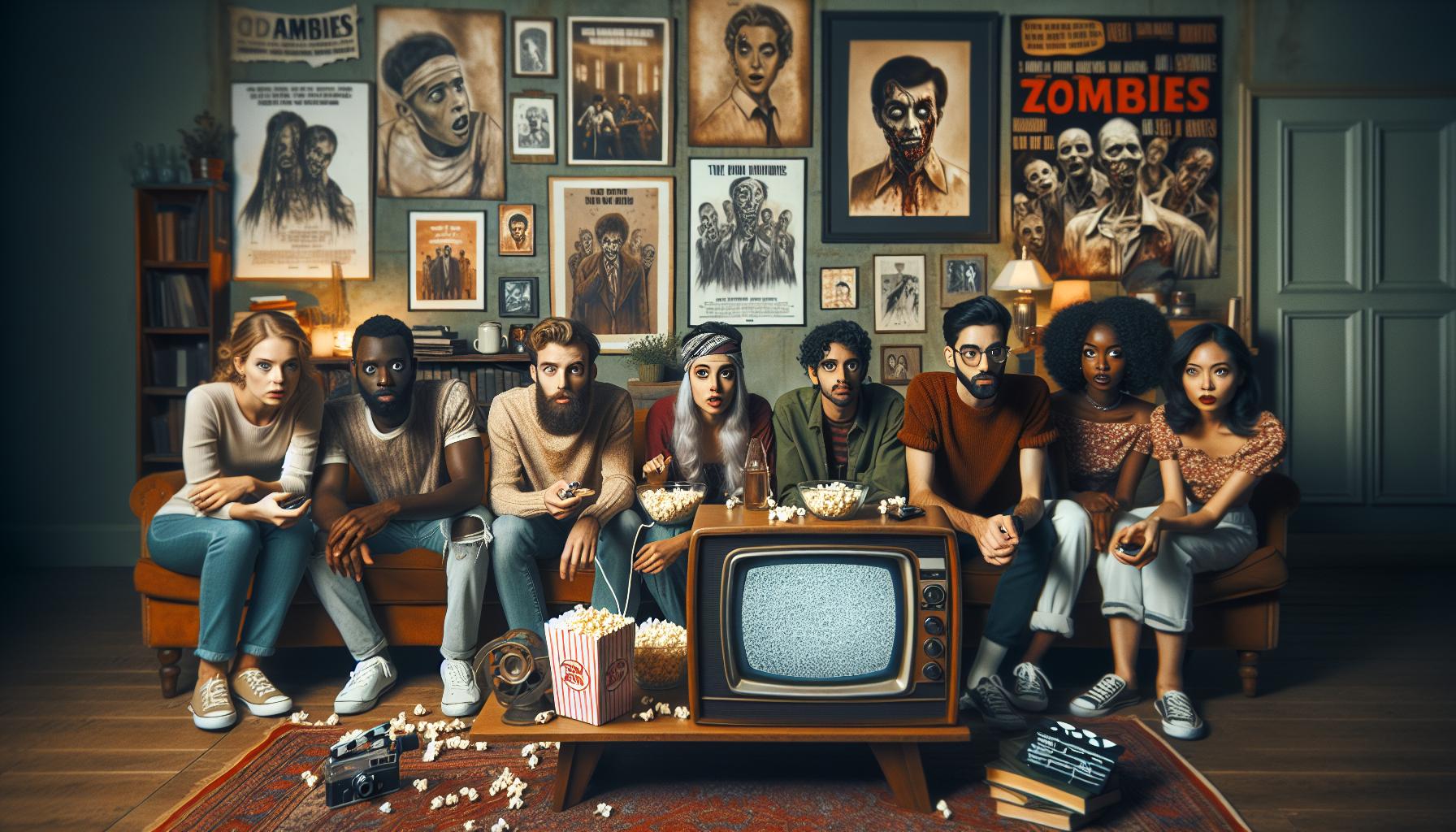
The portrayal of zombies in media has transformed from mere horror motifs into complex cultural symbols reflecting societal fears and individual anxieties. From George A. Romero’s groundbreaking *Night of the Living Dead* to contemporary series like *The Walking Dead*, zombies have become cultural icons that resonate with viewers on various levels. Their evolution showcases our fears surrounding societal collapse, viral outbreaks, and personal crises, tapping into deeper psychological themes regarding mortality and the human condition. The grotesque imagery of brain consumption serves as a metaphor that connects us to fears linked to not only physical demise but cognitive decline, revealing how these narratives intertwine with our collective consciousness.
Engagement with zombie tropes is not just about the thrill of horror; it offers a safe space for exploring complex emotional landscapes. Audiences can confront their own fears of losing control, facing societal breakdown, or grappling with the unknown through the lens of fictional scenarios. This exploration can be profoundly therapeutic, allowing individuals to process anxiety and build resilience. Media representations invite discussions about mental health, societal structure, and the fragility of human identity, underscoring the importance of dialogue around these topics in pop culture.
In practical terms, understanding the cultural impact of zombie narratives equips individuals with tools to navigate their own fears and anxieties. Consider implementing a few strategies inspired by these narratives to enhance workplace wellness and cognitive health:
- Storytelling as Therapy: Use writing or discussion groups to explore personal fears and challenges in a safe and supportive environment, much like characters face their struggles in zombie media.
- Mindfulness Practices: Engage in mindfulness techniques to ground yourself when feeling overwhelmed by stress, similar to how survivors in zombie stories must stay vigilant.
- Community Building: Create supportive networks that echo the cooperative dynamics in survival narratives; this can foster resilience and collaboration in both personal and professional settings.
In recognizing the significance of zombie tropes within media, we not only appreciate their entertainment value but also harness their potential to inform and transform our understanding of mental health and societal dynamics. By engaging with these narratives thoughtfully, we can foster a healthier dialogue around our fears and form stronger connections both to ourselves and to each other.
Psychology of Zombie Apocalyptic Scenarios
In the thrilling landscape of zombie apocalyptic scenarios, psychological elements intertwine with our primal fears, making these narratives resonate deeply with audiences. From the dread of societal collapse to the intimate fears of personal vulnerability, zombie stories reflect and amplify our anxieties about the world around us. For many, engaging with these dystopian themes provides a unique opportunity to confront and process their fears in a safe, simulated environment. The concept of brain consumption, in particular, symbolizes our worries not only about physical violence but also about the annihilation of intellect and identity.
As we delve into these narratives, it’s essential to acknowledge how they mirror our struggles with control and agency. The relentless nature of zombie attacks can be seen as a metaphor for the overwhelming stresses of modern life. In a world where individuals often feel powerless against larger societal forces – be they economic, political, or environmental – the zombie apocalypse serves as an exaggerated reflection of these challenges. By witnessing characters navigate intense situations, audiences can vicariously experience conflict and resolution, which fosters resilience and coping strategies that may be applicable to their own lives.
Engaging with zombie narratives can also influence our approach to mental health and workplace wellness. Here are some actionable strategies to harness this psychology for personal growth and resilience:
- Group Discussions: Create opportunities for open dialogues about fears and challenges, much like in the age-old tales of survival against the undead. This helps build a support network that echoes the teamwork seen in these narratives.
- Scenario Planning: Use the apocalyptic framework to explore potential challenges in professional settings. By imagining worst-case scenarios, teams can develop practical responses and contingency plans, ultimately reducing anxiety and enhancing preparedness.
- Focus on Personal Growth: Emulate character development in zombie fiction. Encourage self-reflection and ongoing learning as pathways to personal empowerment and resilience.
The psychological implications of zombies extend beyond mere entertainment; they provide a lens through which we can examine our emotions and behaviors. By reflecting on the themes present in these stories, individuals can build a deeper understanding of their own anxieties and develop healthier coping mechanisms that promote mental wellness and stability in both personal and professional realms.
The Evolution of Zombies in Film and Literature
The portrayal of zombies has shifted dramatically throughout film and literature since their inception, evolving from eerie folklore into complex societal metaphors. This transformation reflects not only changes in cultural fears but also advances in storytelling techniques. In early depictions, particularly those rooted in Haitian Vodou, zombies were often seen as soulless beings under the control of sorcerers, emblematic of the loss of autonomy. This portrayal emphasized themes of powerlessness and exploitation, resonating with historical realities faced by marginalized communities.
As cinema emerged, zombies began to take on a new life, quite literally, when George A. Romero released “Night of the Living Dead” in 1968. This film introduced the concept of zombies as the walking dead, primarily driven by an insatiable hunger for human flesh, which became a staple in the genre. By centering the narrative on survival, societal breakdown, and human morality under duress, Romero’s work paved the way for a richer exploration of the human condition amidst chaos. The undead no longer symbolized just the loss of self; they became a canvas for addressing complex fears surrounding technology, war, and societal collapse.
Today, the classic brain-eating trope reflects deeper psychological anxieties. The desire of zombies to consume brains symbolizes fears surrounding intellectual decay and loss of individuality, particularly in a world increasingly dominated by technology and social media. This evolution in the narrative landscape allows modern creators to delve into varied themes of resilience, identity, and moral ambiguity, drawing viewers and readers into a dialogue about the human experience in crisis.
The secular apocalypse portrayed in various films and novels invites audiences to reflect on their own experiences of societal pressures and fears. Engaging with these stories can foster discussions around mental health and coping strategies in the face of disarray. For instance, creating spaces for dialogue mirroring character interactions can support workplace wellness, helping individuals navigate fears while fostering resilience. This intersection of horror fiction with real-world challenges demonstrates how narratives serve not merely as entertainment but as essential commentary on contemporary life.
Are Zombies a Reflection of Societal Fears?
The imagery of zombies feasting on brains resonates deeply because it taps into fundamental societal fears that loom large in our collective consciousness. Numerous disasters-be they economic crises, pandemics, or technological intrusions-beckon the specter of losing our minds, identities, or humanity itself. This brutal image of brain consumption serves as a metaphor for the degradation of intellect amidst the chaos of modern life, suggesting that unchecked societal pressures threaten not just our physical survival but also our cognitive and emotional well-being.
Cognitive Decay and Modern Fears
Zombies symbolize the erosion of individual agency in a world increasingly characterized by capitalist demands and social conformity. As society becomes more interconnected through technology but simultaneously fragmented in personal connections, people resonate with feelings of alienation and disempowerment. The notion that zombies consume brains can be viewed as a stark reminder of the perceived hunger for personal identity and intellectual autonomy in a landscape where these qualities seem under siege.
To address these anxieties productively, individuals can focus on maintaining mental wellness through actionable strategies. For example, creating a workspace that nurtures cognitive health can significantly enhance individual autonomy. Implementing standing desks, establishing ergonomic work arrangements, and fostering environments that encourage breaks and mental rejuvenation can help combat feelings of helplessness and intellectual decay.
Real-World Applications
Moreover, engaging in community dialogue inspired by these narratives can promote resilience. Inviting team members in a workplace to share their thoughts on fear, stress, and coping mechanisms helps dismantle the stigma surrounding vulnerability and mental health. Such environments support emotional literacy and can reinforce connectedness-an essential buffer against the fear-inducing narratives we consume through media.
In essence, the zombie trope serves not just as entertainment but as a catalyst for reflection on our societal conditions. Recognizing the underlying themes of fear and hope within these stories allows for a proactive approach to stress management and personal development, making space for wellness strategies that fortify both mental health and social solidarity. Through conscious engagement with these fears, individuals can emerge empowered rather than devoured by the zombies of their anxieties.
Biological and Social Commentary in Zombie Narratives
Zombies have long been a source of fascination, tapping into our primal fears and anxieties about identity, mortality, and societal collapse. The act of brain consumption by zombies serves as a poignant metaphor for a range of biological and social issues. This gruesome imagery invites deeper reflection on our relationship with culture, technology, and the very functions of our minds.
Throughout history, narratives around zombies often highlight the vulnerabilities of the human brain. As an organ central to our identity and cognition, it becomes a powerful symbol in storytelling. The portrayal of zombies consuming brains can be seen as an allegorical critique of societal systems that threaten individual thought, creativity, and autonomy. For instance, the relentless grind of modern work life can lead to feelings of burnout, akin to the loss of cognitive function-a concept exemplified in films where zombie characters embody a hollowed-out version of humanity, devoid of critical thinking and compassion.
To combat the societal pressures that mirror these zombie narratives, prioritizing brain health and workplace wellness becomes vital. Here are actionable strategies for maintaining cognitive vitality:
- Establish Ergonomic Workspaces: Setting up your desk correctly can reduce physical strain and enhance mental clarity. Ensure your computer screen is at eye level, and your chair supports your lower back.
- Incorporate Standing Desks: Alternate between sitting and standing to boost energy and reduce fatigue. A simple solution could be a desktop converter that allows you to lift your monitor effortlessly.
- Take Regular Breaks: The Pomodoro Technique-working in focused bursts followed by short breaks-can aid concentration and manage stress. This technique supports neuroplasticity, helping your brain adapt and thrive amidst challenges.
- Engage in Cognitive Exercises: Challenge your brain with puzzles, reading, or learning new skills to enhance cognitive function and resilience.
Moreover, cultivating a dialogue around mental health and fear can cultivate community well-being. Create environments where team members discuss stressors openly; this fosters emotional literacy and builds resilience against the threats that modern life poses, much like the monsters in our media.
In summary, zombies reflect deeply ingrained societal fears surrounding cognitive decline and loss of identity. By focusing on individual wellness and supportive work environments, we can counteract these narratives and build stronger, more connected communities aware of their mental health needs. Embracing proactive strategies enriches our lives, offering a counterpoint to the dystopian visions depicted in zombie fiction.
Understanding the Appeal: Why Zombies Captivate Us
Imagine a world where the very fabric of humanity is threatened by mindless creatures, relentlessly pursuing their primal appetite for brains. This haunting imagery is captivating, drawing viewers into narratives that explore our deepest fears about identity, mortality, and societal collapse. The fascination with zombies, particularly their notorious consumption of brains, goes beyond mere horror; it serves as a lens through which we examine our lives and instincts.
The appeal of zombie narratives lies in their unique ability to blend visceral horror with profound social commentary. The act of brain consumption represents not only a physical threat but also a metaphorical one, reflecting our anxieties about societal dehumanization and loss of individuality in an increasingly automated world. The brain, as the seat of consciousness and identity, becomes a target not just for a body craving sustenance but also for a critique of modern life, where creativity and critical thinking often feel stifled. This duality invites audiences to reflect on their own existence and the pressures of contemporary society, making the horror both personal and collective.
In engaging with these narratives, audiences can also confront their fears in a controlled environment, finding catharsis in the thrill of the chase while simultaneously processing their anxieties. This dual experience benefits mental wellness, providing a safe space to explore distressing emotions through fiction. Additionally, the allure of zombie stories ignites curiosity about survival instincts, communal resilience, and ethical choices in the face of catastrophe.
As you navigate your own life-a workspace filled with deadlines and ever-increasing demands-consider the lessons these narratives impart. They encourage a re-evaluation of your cognitive health and the importance of mental wellness. Implementing workplace strategies that resonate with these insights can significantly enhance your resilience and overall well-being. For instance:
- Mindful Recharging: Schedule regular breaks to step away from your work. Allow your brain the downtime it needs to recharge, preventing burnout and enhancing productivity.
- Cognitive Challenges: Engage in activities that stimulate your mind, like puzzles or learning new skills, to maintain sharp cognitive function and encourage neuroplasticity.
- Community Connection: Foster supportive relationships at work. Sharing stressors and triumphs with colleagues can cultivate a resilient work environment, counteracting feelings of isolation and fear.
By integrating these strategies into your life, you not only challenge the fears and anxieties that zombify our existence but also cultivate a more fulfilling and vibrant sense of self. In essence, embracing the lessons from these macabre tales opens avenues for personal growth and cognitive empowerment, ensuring that the hunger for mental health and wellness triumphs over the apocalypse looming in our imaginations.
Zombies vs. Other Horror Creatures: A Comparative Analysis
The insatiable craving of zombies for human brains resonates profoundly in horror narratives, setting them apart from other iconic horror creatures such as vampires, werewolves, and ghosts. While these beings often symbolize supernatural allure, lost humanity, or unresolved emotional conflicts, zombies epitomize a primal, instinct-driven terror. Their hunger for brains isn’t just about survival; it’s a chilling representation of what happens when civilization erodes, transforming individuals into faceless predators devoid of empathy or reasoning.
Zombies differ fundamentally in their motivations and the fears they evoke compared to creatures like vampires, who are often imbued with charm and intelligence; they embody the fear of losing control and being subsumed by mindless consumption. This consumption doesn’t merely threaten life but also identity, as the act of brain-eating serves as a metaphor for the stripping away of individuality and consciousness-a fear particularly palpable in today’s fast-paced, technologically driven society. In contrast, a vampire’s bite may seduce or enthrall, leaving room for a complex dialogue about morality, love, and the human condition. Thus, while vampires present a seductive danger, zombies reflect a dystopian landscape where human connection and identity disintegrate.
Additionally, the visceral horror represented by zombies often invites audiences to confront their darkest anxieties within a communal setting. Horror stories featuring zombies tend to highlight themes of survival, community, and existential dread, prompting viewers to not only reflect on their primal instincts but also on the societal structures that bind them. This societal critique can be absent from other horror archetypes, making the zombie genre particularly resonant in exploring both personal and collective fears.
To navigate these intense feelings and foster mental wellness, consider implementing some practical strategies inspired by the themes in zombie narratives:
- Emotional Check-ins: Regularly assess your feelings, especially during stressful periods. Acknowledging your emotional state can prevent overwhelming stress, similar to how characters must face the reality of their world.
- Resilience Building: Engage in team-building activities with colleagues. Much like survivors banding together against a zombie onslaught, fostering strong connections can enhance workplace morale and support systems.
- Coping Strategies: Develop healthy coping mechanisms for managing stress. Whether it’s through physical activity, hobbies, or mindfulness practices, these can serve as your defense against the ‘zombies’ of daily stressors.
By understanding the captivating yet unsettling nature of zombies and their contrast to other horror figures, individuals can use the insights gained from these narratives as tools for enhancing workplace wellness and personal growth. Embracing both the thrill of horror and the lessons it offers can inform a more resilient and rewarding approach to navigating life’s challenges.
Future of Zombie Fiction: Trends and Innovations
The landscape of zombie fiction is evolving, and it’s more dynamic than ever. As cultural anxieties shift, so too do the narratives that explore the horror of the undead. Gone are the days when zombies were merely mindless, shambling corpses driven solely by an insatiable hunger for human flesh. Today’s stories incorporate complex social themes, advanced science, and psychological explorations that resonate with contemporary audiences. This transformation reflects a broader trend in horror literature that seeks to examine deeper realities of human experience.
One significant trend is the merging of zombie narratives with themes of social commentary and ecological concerns. Writers are using the undead as a lens to explore issues like climate change, overpopulation, and pandemics, drawing parallels between societal breakdown and the collapse of civilization in their stories. For instance, novels that depict the consequences of environmental neglect often present zombies as a consequence of human shortsightedness, inviting readers to not only confront fear but also to reflect on the implications of their decisions. This innovative approach leads to a richer narrative experience that encourages awareness and dialogue about pressing issues facing humanity.
Another noteworthy innovation comes from the incorporation of technology and new media formats into conventional zombie storytelling. Interactive narratives, augmented reality experiences, and even virtual reality games enhance engagement by allowing audiences to immerse themselves in the terrifying world of the undead. Through these mediums, fans can explore the motivations and psychological traumas of characters facing a zombie apocalypse, deepening their emotional connection to the story. Such advancements not only highlight the adaptability of the genre but also its potential to create meaningful discussions around resilience, fear, and community in crises.
As we look to the future, emerging trends in zombie fiction will likely continue to redefine horror while maintaining a psychotherapeutic perspective. Engaging with these narratives can foster discussions on mental health, providing a safe space for exploring fears and collective anxieties. By understanding zombies as a reflection of our societal challenges, readers can gain insights into stress management, community cooperation, and personal resilience, making the horror genre a powerful tool for both entertainment and self-reflection.
In navigating your own responses to the intense themes often present in zombie fiction, consider these strategies:
- Engage in discussions: Share your thoughts and feelings about zombie narratives with friends or colleagues, stimulating conversation and emotional processing.
- Journal your reflections: Writing about your reactions to stories can help clarify your thoughts and feelings, serving as a constructive outlet.
- Limit exposure: If you find certain narratives overwhelming, it’s wise to pace your engagement with horror content, prioritizing your mental well-being.
By staying attuned to the evolving landscape of zombie fiction, not only can you expand your understanding of the genre, but also harness its insights to enrich your personal and professional mental health journey.
How Zombie Stories Influence Popular Culture and Behavior
The obsession with zombies in popular culture has transformed our understanding of societal fears and behavioral patterns. The image of the brain-hungry zombie isn’t just for shock value; these narratives reflect deeper anxieties about conformity, loss of control, and the fragility of civilization. As audiences engage with these stories, they often find themselves questioning the societal structures around them, highlighting a powerful cultural function that urges self-reflection and community coherence.
The trope of zombies serves as a canvas for various societal concerns, from the impact of technology on human connection to existential fears about pandemics and societal breakdown. As these stories permeate film, television, and literature, they become a collective mirror that amplifies the fears of audiences. For instance, the increasing prevalence of zombie fiction during times of social unrest or economic uncertainty signals our collective anxieties about stability and humanity’s resilience in the face of catastrophe. The consequences are profound: people may take preventive actions in their lives, promote community preparedness, or engage more critically with their surroundings.
Furthermore, these narratives have the power to alter behavior by fostering community support systems. Engaging in discussions about zombie scenarios allows individuals to bond over shared fears and uncertainties, thus promoting a sense of belonging and camaraderie. Engaging with fictional apocalypses often encourages allies to form teams for survival, encouraging cooperation and enhancing social cohesion. This connection is valuable, particularly in workplaces, where team-building exercises and discussions around stress and resilience can cultivate a supportive environment.
Incorporating elements from these stories into workplace wellness can be a practical approach to stress management. Creating workshops based on zombie-themed scenarios can foster problem-solving skills and resilience building, allowing teams to navigate real-life challenges with a renewed perspective. Emphasizing proactive strategies, such as developing emergency plans or stress-relief techniques inspired by the survivalist themes of zombie narratives, can empower teams to thrive under pressure while simultaneously enhancing workplace wellness.
By examining the impact of zombie narratives, individuals and communities can harness the insights from horror fiction to inspire positive behavioral changes, promote health and wellness, and strengthen social ties in an increasingly complex world.
Faq
Q: Why do zombies eat brains in popular culture?
A: Zombies eat brains primarily as a plot device to heighten horror and symbolize degradation. This trope emerged in the 1980s and has evolved in films and literature, reflecting societal fears and anxieties about loss of identity and consumption. Understanding this helps contextualize zombie narratives in modern media.
Q: What psychological factors make brains appealing for zombies?
A: The appeal of zombies eating brains lies in the brain’s association with intelligence and personality. Consuming brains symbolizes the loss of humanity and self, playing into deep-seated fears of dehumanization. This aligns with themes explored in the psychology of zombie apocalyptic scenarios in literature and film.
Q: Are there real-life inspirations for zombie brain consumption?
A: Yes, the concept of zombies is rooted in folklore, particularly in Haitian Vodou. Folklore often depicts the undead as forces of cultural or social commentary. The consumption of brains can be viewed as a metaphor for societal fears and anxieties prevalent in a given era, as discussed in the origins of zombie brain consumption in folklore.
Q: How do neuroscience and horror fiction connect with zombies eating brains?
A: Neuroscience links the brain’s functions to identity and consciousness, making it a focal point in horror fiction. When zombies eat brains, it symbolizes the attack on personal identity and the fear of losing oneself. This connection is explored further in “Neuroscience Explained: What Happens When Zombies Eat Brains?” in related articles.
Q: Do zombies represent any sociocultural fears regarding brain consumption?
A: Yes, zombies often reflect societal fears about brain consumption, linking to themes of mindless consumerism and the loss of individual thought. This commentary is frequently examined in the biological and social narratives surrounding zombie stories.
Q: What do other horror creatures eat in comparison to zombies?
A: Unlike zombies, which specifically seek brains, other horror creatures may have varied dietary preferences. Vampires crave blood, while werewolves might hunt for flesh. Comparing these horror tropes highlights the unique symbolic elements associated with zombies in contrast to others, as detailed in “Zombies vs. Other Horror Creatures.”
Q: How have zombie narratives influenced popular culture over time?
A: Zombie narratives have significantly influenced popular culture, shifting from isolated horror films to widespread memes, merchandise, and social commentary. This evolution showcases how zombie stories engage contemporary issues, as explored in “How Zombie Stories Influence Popular Culture and Behavior.”
Future Outlook
As we peel back the layers of why zombies are often portrayed as brain-eating creatures, we see a fascinating intersection of folklore, psychology, and horror fiction. Understanding these themes not only provides insights into our cultural fears but also enriches our appreciation for the narratives that keep us captivated. Want to dive deeper? Explore our articles on the origins of zombies in voodoo culture and the psychology behind horror storytelling.
Before you go, don’t miss out on subscribing to our newsletter for the latest insights into horror fiction and mythology. Have thoughts or questions? We’d love to hear from you in the comments below! Your engagement helps us create content that resonates. Remember, whether it’s the thrill of a zombie apocalypse or the exploration of your own fears, there’s always more to uncover. Keep exploring, and let’s continue this thrilling journey together!