
In today’s fast-paced world, an alarming fact emerges: many of us spend upwards of 10 hours a day sitting, leading to increased health risks like obesity and cardiovascular disease. Enter sit-stand desks-an innovative solution designed to counteract the dangers of prolonged sitting. But are these desks genuinely beneficial for our health? This article delves into the insights from health experts to explore how these adjustable workstations can enhance workplace wellness, improve cognitive performance, and promote a more dynamic work environment. Whether you’re a remote worker or a corporate professional, understanding the impact of sit-stand desks on your overall well-being is crucial. Join us as we unravel the science behind these popular workspaces and discover if they are the right fit for your lifestyle.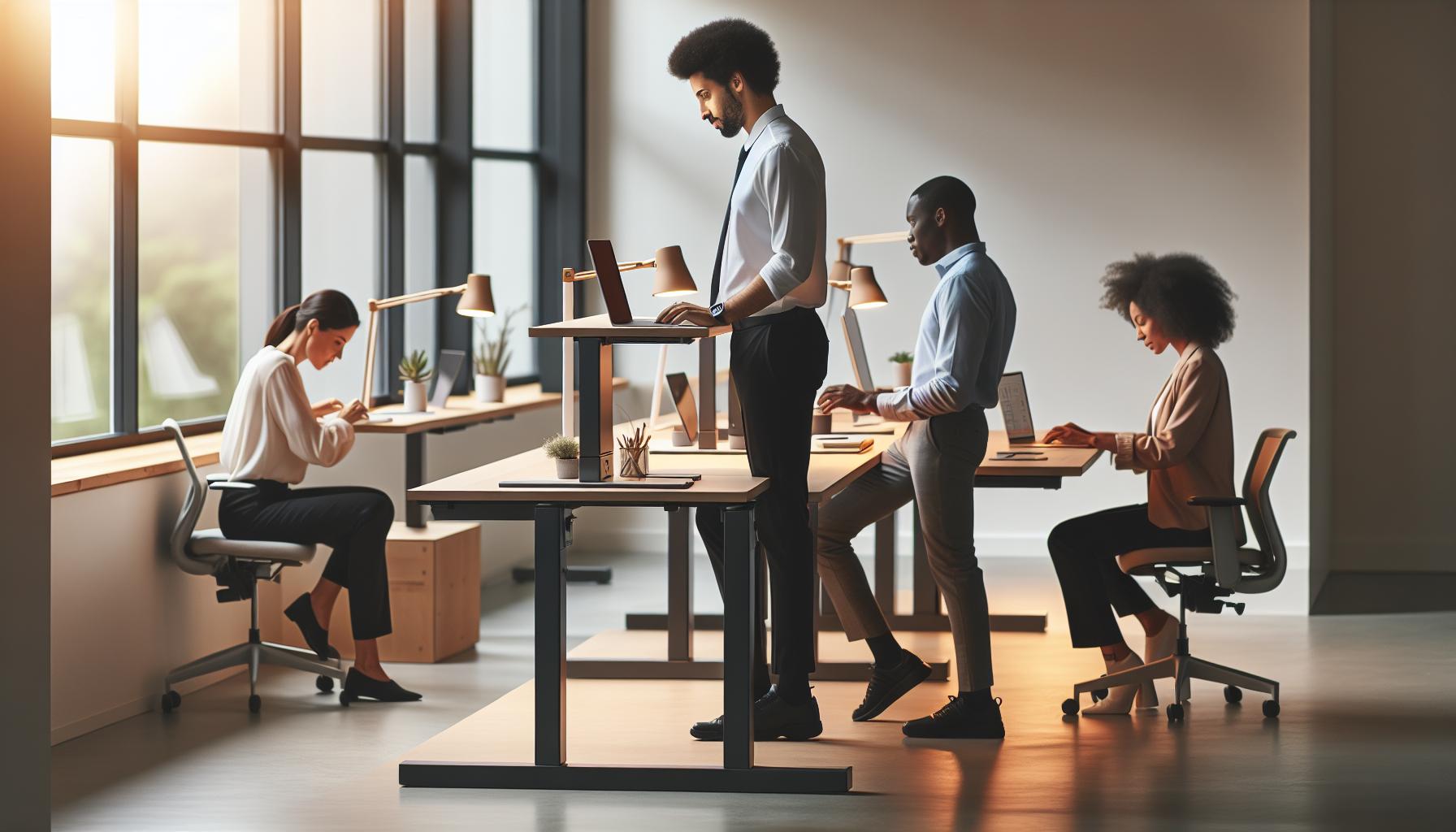
Are Sit Stand Desks Beneficial for Your Health?
Many people spend a significant portion of their lives sitting, often leading to associated health risks such as obesity, cardiovascular disease, and diabetes. Recent studies suggest that transitioning to a sit-stand desk can counter these effects, leading to a healthier lifestyle. The flexibility to alternate between sitting and standing encourages more movement throughout the day, which in turn can enhance energy levels and overall well-being.
Research indicates that using a sit-stand desk can contribute positively to your physical health. Regular standing can improve posture and reduce the likelihood of developing chronic back pain, which is common among individuals who sit for extended periods. Furthermore, this dynamic workspace promotes better blood circulation, thus enhancing oxygen flow to the brain. This increase in circulation can lead to improved cognitive function and potentially greater productivity. A Harvard study found that alternating positions could increase bandwidth for focus, suggesting that your brain might benefit from this change as much as your body.
However, it’s crucial to ease into the use of sit-stand desks with an awareness of ergonomic principles. Adopting an appropriate height for your desk and maintaining a neutral wrist position while typing can prevent strain. Consider using an anti-fatigue mat when standing for extended periods to reduce discomfort. As you transition, aim for a mix of sitting and standing throughout your workday-an effective model is to stand for 15-30 minutes every hour. This balance not only supports physical health but also contributes positively to your mental resilience and creativity.
Ultimately, the health benefits of sit-stand desks are more than just physical; they support holistic well-being. Incorporating physical activity into your day through alternating postures can enhance mood and cognitive function, creating an environment that fosters both health and productivity. As you consider this transition, consult with health professionals to tailor practices to your personal needs and ensure you are maximizing the benefits while minimizing risks.
Understanding Health Benefits of Sit Stand Desks
Switching from a traditional desk to a sit-stand desk can significantly impact your overall health and well-being. Research shows that this simple change in your workspace can yield remarkable benefits that extend beyond merely alleviating discomfort during work hours. Engaging with a sit-stand desk encourages movement throughout the day, which can help offset the negative health risks commonly associated with prolonged sitting, such as obesity, type 2 diabetes, and cardiovascular issues.
Beyond these physical advantages, utilizing a sit-stand desk has been linked with improved mental health outcomes. The ability to alternate between sitting and standing enhances blood circulation, boosting oxygen flow to the brain. This increase can lead not only to better cognitive function but also to heightened alertness and focus. For instance, a Harvard study indicated that varying postures could amplify concentration, suggesting that the brain thrives on movement just as much as the body does. Therefore, incorporating standing intervals into your workday could empower you to maintain a sharper, more productive mindset.
It’s crucial to approach the transition to sit-stand desks with awareness of ergonomic principles to maximize these health benefits. Setting the desk at an adequate height, maintaining a neutral wrist position, and using supportive accessories like anti-fatigue mats can make a significant difference in comfort levels and prevent potential strain. A practical strategy is to aim for standing intervals lasting 15-30 minutes every hour, which balances physical health promotion with mental wellness, ultimately creating an environment that enhances productivity while caring for your holistic health needs.
By embracing this dynamic workspace, you’re not just making an ergonomic choice; you’re also committing to a lifestyle that prioritizes balance and well-being during your workday, contributing to long-term health benefits that can transform your relationship with work and enhance your quality of life. Whether you’re looking to combat fatigue, improve mood, or enhance cognitive functioning, switching to a sit-stand desk could be a powerful ally in your journey towards a healthier, more engaging work environment.
Common Misconceptions About Standing Desks
Many individuals assume that simply standing at a desk automatically equates to better health. This misconception overlooks the nuances involved in standing desk usage and the need for proper ergonomics and balanced movement throughout the day. While standing desks can indeed contribute positively to health, they’re not a cure-all. The effectiveness of a sit-stand desk largely depends on how one uses it and integrates it into daily routines.
One common myth is that standing desks eliminate the risks associated with prolonged sitting. While they certainly help to reduce the amount of time spent sitting, standing for extended periods can also lead to discomfort or health issues, such as lower back pain and varicose veins. It’s vital to switch between sitting and standing regularly and to employ proper ergonomic practices. For instance, using anti-fatigue mats, wearing comfortable shoes, and maintaining a neutral body position are essential for maximizing the benefits of standing while minimizing potential drawbacks.
Another misunderstanding is that standing desks inherently boost productivity. Although many users report feeling more alert while standing, this can vary greatly depending on individual preferences and work habits. Research suggests that productivity is not solely influenced by posture but also by factors such as task engagement, environment, and individual comfort. Regular breaks to walk, stretch, and change positions throughout the workday are crucial for maintaining focus and energy levels.
Lastly, there’s a belief that any standing desk will suffice for optimal health benefits. However, there is a considerable difference between basic and high-quality options, particularly regarding adjustability and stability. Investing in a well-designed standing desk tailored to one’s height and work habits can greatly enhance the overall experience and health outcomes. Embracing these insights enables a more informed approach to the transition into a sit-stand working environment, paving the way for lasting benefits in both physical and cognitive health.
The Science Behind Sit Stand Desk Usage
Research increasingly underscores the impact of our physical environment on health, particularly within the workspace. Notably, studies reveal that prolonged sedentary behavior can contribute significantly to various health issues, including obesity, cardiovascular disease, and metabolic syndrome. This highlights the importance of active work environments, where sit-stand desks can play a pivotal role. By facilitating a dynamic interplay of sitting and standing throughout the day, these desks contribute to maintaining healthier body mechanics and improving overall well-being.
Understanding the Physiological Mechanisms
The human body is designed for movement, and standing desks support this natural requirement. When transitioning from sitting to standing, several physiological processes are activated. For instance, standing encourages better circulation, reducing the risks associated with poor blood flow often linked to prolonged sitting. This can lead to improved energy levels and cognitive function, as adequate blood flow ensures that vital nutrients and oxygen reach the brain more efficiently.
Moreover, standing desks can positively influence posture. When set up correctly, they can promote a more neutral spine position, reducing the risk of musculoskeletal disorders. However, it’s essential to emphasize that effective use hinges on proper ergonomics. Positioning monitors at eye level and keeping the keyboard and mouse at a comfortable height are crucial for minimizing strain.
Quantifiable Benefits
Evidence supporting the benefits of sit-stand desks is growing. A systematic review of numerous studies highlighted that regular use of sit-stand desks can reduce back pain by up to 32% in some users. Furthermore, those who regularly alternate between sitting and standing reported a 15% increase in productivity levels, linked to enhanced focus and engagement during tasks.
Indeed, beyond the physical advantages, sit-stand desks can significantly enhance mental health. Regular movement can stimulate the release of endorphins, fostering feelings of well-being and reducing symptoms of anxiety and depression. This underscores the importance of not just standing but engaging in physical activity during the workday, whether that means stretching, walking, or even simple on-the-spot exercises.
By embracing the science behind sit-stand desk usage, individuals can take proactive steps towards improving their health and productivity. Investing in a quality desk, setting it up ergonomically, and making a habit of alternating positions throughout the day will yield positive outcomes for both physical and cognitive health.
How to Effectively Transition to a Sit Stand Desk
Transitioning to a sit-stand desk can feel daunting, especially when considering the need to adapt your daily routine and workspace ergonomics. However, the shift doesn’t have to be overwhelming. One of the most effective strategies is to approach the transition gradually. Start by setting specific times during the day when you will alternate between sitting and standing. For example, you could begin with 30 minutes of sitting followed by 15 minutes of standing, and adjust this as you become more comfortable. This gradual approach allows your body to adapt without causing fatigue or discomfort.
To facilitate a smooth adaptation, ensure that your desk is set up correctly from the beginning. Your computer monitor should be at eye level to prevent strain on your neck, while your keyboard and mouse should be positioned so that your elbows remain at a 90-degree angle. Consider using a footrest or anti-fatigue mat to provide additional support while standing, promoting better circulation and reducing the strain on your legs and feet.
Incorporating movement throughout your day can also enhance the transition. Try incorporating short walks or stretches during your standing intervals. Engaging in even minimal exercise helps increase blood flow, thus enhancing focus and cognitive function. Make use of tools like timers or productivity apps to remind you when it’s time to switch positions, ensuring you’re maintaining a balanced approach to your work posture.
Lastly, listen to your body. If you start to feel discomfort while standing, don’t hesitate to switch back to sitting for a bit longer. The goal is to create a workspace that supports your health and productivity. By being attentive to your needs and employing these strategies, you’ll foster a more dynamic and invigorating work environment that ultimately leads to improved well-being and job satisfaction.
Ergonomic Setup Tips for Your Workspace
Creating an ergonomic workspace is essential for maximizing the benefits of a sit-stand desk and enhancing overall health and productivity. Did you know that improper posture can lead to chronic pain, decreased productivity, and even mental fatigue? By investing time in setting up your workspace correctly, you can support your health in ways you might not have expected.
Monitor Placement
Your computer monitor should be positioned at eye level, approximately an arm’s length away, so that you can maintain a neutral neck position. This helps prevent strain and discomfort over long periods. Additionally, the top of the screen should be at or slightly below eye level to allow for a slight downward gaze, reducing tension in your neck.
Keyboard and Mouse Positioning
When it comes to your keyboard and mouse, they should be positioned so that your elbows are at a 90-degree angle, close to your body. This prevents wrist strain and allows for comfortable typing and mouse use. Consider using an ergonomic keyboard and mouse designed to promote natural wrist positioning.
- Wrist rests: Use wrist rests to reduce strain while typing.
- Mouse pads: Consider a mouse pad with wrist support for extra comfort.
Chair and Standing Desk Height
The height of your chair and desk should complement each other for both sitting and standing positions. When seated, your feet should rest flat on the floor, with your knees at hip level or slightly below. When standing, your desk should be raised to allow your arms to rest comfortably at a 90-degree angle as well. Using a footrest or an anti-fatigue mat can enhance comfort while standing, promoting better circulation and reducing the likelihood of fatigue.
Lighting and Accessories
Good lighting is crucial in an ergonomic setup. Ensure your workspace is well-lit to reduce eye strain, considering adjustable task lighting for focused tasks. Additionally, consider adding organizational tools to keep your workspace clutter-free. This not only helps maintain focus but also supports a sense of calm and order.
By following these ergonomic setup tips, you not only enhance your comfort but also contribute to a healthier work environment that can significantly impact your cognitive performance and overall well-being. Remember to listen to your body and make adjustments as needed, creating a workspace that works for you.
Impact of Sit Stand Desks on Productivity
As remote and hybrid work becomes increasingly common, the connectedness between workspace design and productivity is drawing more attention. Recent studies suggest that utilizing sit-stand desks can significantly enhance work performance by enabling greater flexibility and promoting better health. For instance, alternating between sitting and standing has been associated with decreased fatigue and increased engagement, leading to more efficient work output.
Innovative workspace strategies like incorporating sit-stand desks empower employees to take control of their work environment. By allowing for movement throughout the day, these desks can help to mitigate the adverse effects of prolonged sitting, such as reduced energy and motivation. Employees report feeling more refreshed and focused after switching positions, which can translate into improved creativity and problem-solving abilities.
To maximize the productivity benefits of sit-stand desks, consider adopting the following practices:
- Set Timers for Transitions: Use timers or productivity apps to remind you to switch between sitting and standing every 30 to 60 minutes. This consistent movement keeps energy levels high.
- Integrate Movement: Incorporate brief exercises or stretches during transitions to further invigorate your workday. Simple actions like leg raises or shoulder rolls can enhance circulation and refresh your mind.
- Customize Your Desk Height: Ensure that your desk height is adjustable and aligns with your body comfortably at both sitting and standing positions, enhancing posture and overall comfort.
By implementing these tactics, you not only enhance your physical health but also cultivate a more dynamic and productive work atmosphere. This symbiotic relationship between physical activity and cognitive function illustrates why integrating the use of sit-stand desks can be a game-changer for workplace wellness and productivity.
Addressing Common Concerns About Standing Desks
Many individuals considering the switch to a standing desk often have concerns about their comfort, health implications, and productivity. One common worry is whether using a sit-stand desk might lead to discomfort or fatigue in the legs and back. While it’s true that prolonged standing can cause muscle fatigue, the key is to alternate between sitting and standing effectively. To prevent discomfort, it’s advisable to use an anti-fatigue mat and wear supportive footwear while standing. This reduces strain on the lower body and promotes better blood circulation.
Another concern revolves around the effectiveness of standing desks in enhancing productivity. Critics argue that constant standing can be distracting or may lead to decreased concentration. However, studies show that the ability to change positions can actually increase focus and engagement. To address distraction, consider limiting standing time to manageable intervals, gradually increasing these as your body adjusts to the new setup. Many people find that using standing desks aligns with their body’s natural rhythms, improving overall job satisfaction.
Rounding Out the Concerns
It’s also important to approach the transition to a sit-stand desk with realistic expectations. Some may worry that they will not maintain a consistent routine of alternating positions. A proactive approach includes setting reminders to change positions every 30 to 60 minutes. This simple adjustment can help establish a healthy pattern of movement throughout the workday.
In summary, addressing concerns about standing desks involves understanding body mechanics, adopting ergonomic practices, and maintaining a flexible approach to work habits. Integrating these strategies fosters a more dynamic work environment, enhancing both comfort and productivity while promoting overall health. With the proper setup and mindset, sit-stand desks can be pivotal in creating a balanced workspace that caters to individual needs and wellness goals.
Integration of Movement into Your Workday
Integrating movement into your workday can transform the way you feel, think, and perform. Research has increasingly shown that incorporating physical activity-especially when using sit-stand desks-offers numerous health benefits, including reduced risk of chronic diseases and improved mental clarity. The simple act of alternating between sitting and standing can stimulate neuroplasticity, enhancing cognitive performance and creativity. To reap these rewards, it’s essential to create a structured approach to movement throughout your day.
To begin, consider the following strategies for integrating movement:
- Set Regular Reminders: Use alarms or calendar notifications to remind yourself to change positions every 30 to 60 minutes. This will help you build a new habit of alternating between sitting and standing.
- Utilize Micro-Movement: Incorporate short, 1-2 minute movement breaks every hour. Simple movements like stretching, walking in place, or doing a few squats can invigorate your body and refresh your mind.
- Limit Continuous Sitting or Standing: Aim to balance your time. If you start with 30 minutes of standing, gradually increase it as your body adjusts. Listening to your body will help prevent fatigue and discomfort.
- Create a Walking Meeting Culture: If possible, suggest holding meetings while walking. This not only encourages movement but can also foster creativity and engagement during discussions.
- Incorporate Desk Exercises: Simple exercises such as calf raises, seated leg lifts, or shoulder rolls can easily fit into your routine. These movements help keep your blood circulation flowing while maintaining productivity.
Alongside these practices, maintaining an ergonomic workspace is essential. Ensure your monitor is at eye level, your feet are flat on the ground, and your desk allows you to position your arms comfortably while typing. Combining these elements facilitates a healthier workspace that promotes movement and enhances cognitive function.
The is not merely a trend; it’s a path to achieving better health and productivity. By establishing a culture of movement and prioritizing wellness alongside work, you create an environment that fosters both mental and physical well-being. Adapting your workspace and work habits can lead to profound improvements in energy levels, focus, and overall job satisfaction. This proactive approach allows for greater mindfulness in how you manage both your tasks and your health, ultimately supporting a balanced lifestyle.
The Connection Between Standing Desks and Mental Health
The impact of workspace design on mental health is profound, especially when it comes to using sit-stand desks. These desks not only offer physical health benefits but also play a vital role in enhancing mental well-being. Research indicates that reducing sedentary behavior can lead to lower levels of stress and anxiety, fostering a more positive mood and increased overall life satisfaction. By shifting between sitting and standing throughout the workday, employees can engage their bodies and minds in a way that stimulates energy levels and cognitive function.
One significant aspect of standing desks is their potential to boost productivity and creativity. When individuals alternate their positions, they often experience an increase in alertness and focus, allowing for better problem-solving skills and innovative thinking. To maximize these benefits, consider setting up your desk ergonomically. Ensure your computer monitor is at eye level and your keyboard is positioned to allow for a natural arm position. By promoting comfort, you reduce distractions caused by discomfort, further enhancing concentration.
Incorporating moments of movement through standing desks can also trigger psychological benefits. Movement is known to stimulate the release of endorphins, chemicals in the brain that act as natural painkillers and mood elevators. Simple practices, like stretching or performing desk exercises, can reduce feelings of stress and encourage a proactive approach to mental wellness. It’s essential to listen to your body, transitioning between sitting and standing according to comfort, which not only helps prevent fatigue but also fosters a balanced work environment.
For those feeling overwhelmed by workload or stress, using a sit-stand desk can serve as a simple yet effective tool in managing mental health. Employers can support this initiative by encouraging regular breaks and promoting an office culture that values well-being. This multifaceted approach not only enhances individual cognitive performance but also builds a collective sense of community and support among colleagues. In essence, is a powerful reminder that our work environments significantly shape our psychological states, promoting healthier and more fulfilling work lives.
Biohacking Your Workday: Healthy Habits with Standing Desks
Boosting your well-being while working can be as simple as making small adjustments to your day-to-day habits, especially when using a sit-stand desk. This versatile piece of furniture allows you to toggle seamlessly between sitting and standing positions, promoting a more dynamic work environment to keep both your body and mind engaged. The concept of biohacking your workday revolves not only around physical adjustments but also involves a strategic approach to enhance your cognitive performance and emotional resilience.
To make the most of your sit-stand desk, consider implementing a routine that integrates purposeful movement throughout your day. Aim to alternate between sitting and standing every 30 to 60 minutes, and utilize this time to stretch, walk around, or perform quick desk exercises. This not only helps improve circulation but also engages your brain by breaking the monotony of prolonged sitting or standing, which can lead to a noticeable increase in focus and productivity. Be mindful of posture-keeping your shoulders relaxed, wrists neutral, and screen at eye level to prevent strain.
Incorporate mindfulness practices into your day, such as deep breathing or short meditation sessions. These can effectively reduce stress and improve cognitive flexibility. A simple way to initiate this is to set a timer for a 5-minute break every hour. During these breaks, take a moment to step away from your desk, clear your mind, and recharge. Combine this with hydration-keeping a water bottle nearby not only encourages regular sipping but can also break the cycle of prolonged sitting.
Additionally, think of your diet as part of your biohacking toolkit. Consuming brain-boosting foods like nuts, berries, and leafy greens can help nourish your body while working. A balanced snack can bolster mental acuity and sustain energy levels throughout your busy day.
By adopting these healthy habits in conjunction with your sit-stand desk, you’ll not only enhance your physical health but also foster a more positive mental state. Implementing these strategic practices can create a productive workspace that supports both your cognitive and emotional well-being, setting a solid foundation for a healthier work life.
Finding the Right Balance: Standing vs. Sitting
Finding a sweet spot between standing and sitting throughout your workday can significantly influence your physical health and cognitive performance. Research indicates that prolonged sitting is linked to various health issues such as obesity, cardiovascular disease, and even early mortality. However, standing too long can lead to discomfort or fatigue. Understanding the balance between these two positions is crucial for optimizing your work environment.
To effectively navigate this balance, consider the 30-60 rule: every 30 to 60 minutes, switch between sitting and standing. This approach encourages movement and helps maintain energy levels while minimizing the risks associated with prolonged stillness. During these transitions, use the time to stretch, walk briefly, or perform light exercises. These activities boost circulation and can enhance mental clarity, allowing you to return to your tasks with renewed focus.
Furthermore, pay attention to your body’s signals. While a standing desk is designed to encourage more upright postures, it’s essential to listen to how your body responds. If standing becomes uncomfortable, switch back to sitting. Integrate a footrest or an anti-fatigue mat to reduce strain on your legs and feet while standing. Also, make sure to adjust your monitor height and keyboard position to maintain proper ergonomics, whether you are seated or standing.
Creating a routine that promotes regular movement can effectively biohack your workday. This could include setting reminders to change positions or integrating short walking meetings. By establishing this rhythm, not only can you mitigate discomfort from rigid postures, but you also foster a more dynamic work environment that can enhance productivity and creativity.
Consider including these simple yet impactful practices in your daily routine:
- Set a timer for reminders to switch positions.
- Incorporate standing or walking meetings for collaborative tasks.
- Utilize stretch breaks during transition periods to invigorate your body.
- Monitor your energy levels and adjust transitions based on your body’s feedback.
Ultimately, the goal is to establish a sustainable practice that integrates both sitting and standing, allowing you to thrive in your work environment. Remember, the journey towards a healthier workspace is not about rigid rules but about discovering what works best for you.
Frequently Asked Questions
Q: What are the main health benefits of using a sit-stand desk?
A: Sit-stand desks can decrease the risks associated with prolonged sitting, such as obesity, heart disease, and diabetes. They may also enhance mood, energy levels, and productivity by promoting movement throughout the day. For more on health impacts, see the section on “Understanding Health Benefits of Sit Stand Desks.”
Q: How can sit-stand desks improve productivity at work?
A: By enabling users to change positions, sit-stand desks help maintain focus and prevent physical discomfort, leading to longer periods of productivity. Incorporating movement into the workday can also boost creativity and engagement, as discussed in “Impact of Sit Stand Desks on Productivity.”
Q: Are there any downsides to using a sit-stand desk?
A: Potential downsides include fatigue from prolonged standing and discomfort if the desk is not ergonomically set up. It’s essential to transition gradually and adjust your workspace for optimal posture to mitigate these issues, as outlined in “Addressing Common Concerns About Standing Desks.”
Q: Can I use a sit-stand desk if I have a chronic health condition?
A: Yes, many individuals with chronic health conditions can benefit from sit-stand desks by incorporating movement and reducing symptoms related to prolonged sitting. However, consulting with a healthcare professional is advised for personalized recommendations. Consider the section on “Finding the Right Balance: Standing vs. Sitting” for more insights.
Q: How should I transition to using a sit-stand desk effectively?
A: Start by using the sit-stand desk for short periods and gradually increase the time spent standing. Alternate between sitting and standing every 30-60 minutes to adapt comfortably. Details on this process can be found in “How to Effectively Transition to a Sit Stand Desk.”
Q: What ergonomic adjustments should I make for a sit-stand desk?
A: Your monitor should be at eye level, and your chair should support your back adequately. When standing, keep your feet shoulder-width apart and use a footrest to shift weight. Ergonomic setup tips can be explored further in the respective article section.
Q: How does using a sit-stand desk impact mental health?
A: Using a sit-stand desk can positively affect mental health by reducing feelings of fatigue and enhancing overall mood. Regular movement may also alleviate stress, as discussed in “The Connection Between Standing Desks and Mental Health.”
Q: What are the best practices for integrating movement throughout the workday?
A: Regular breaks for stretching, walking, or simple exercises can be incredibly beneficial. Setting timers for reminders to move or using activity-tracking apps can help promote better movement habits during your workday, as mentioned in “Integration of Movement into Your Workday.”
In Retrospect
In conclusion, integrating a sit-stand desk into your workspace can significantly boost your well-being and productivity. By alternating between sitting and standing, you may enhance cognitive performance while reducing the risks associated with prolonged sitting. If you’re curious about how to set up an ergonomic workspace or want to explore more about workplace wellness strategies, check out our detailed guides on creating healthier work habits and managing stress effectively.
Don’t let uncertainty hold you back-take the next step to transform your work environment today. For more insights, consider signing up for our newsletter or visiting our resources on neuroplasticity and brain health practices. Join the conversation by sharing your experiences in the comments below, and be sure to explore related topics that can help you optimize your daily routine. Embrace a healthier, more active lifestyle now; your future self will thank you!