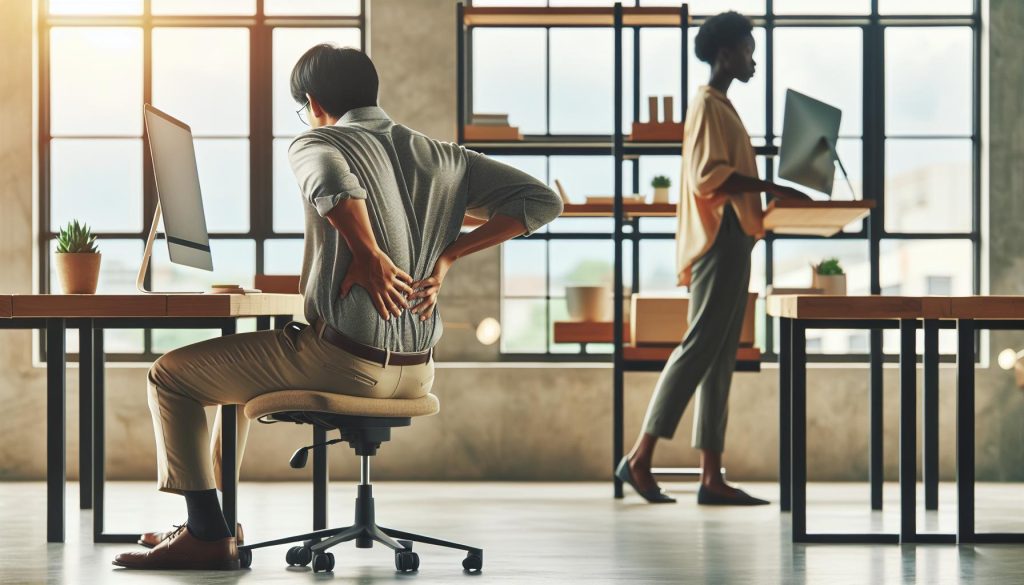
Did you know that simply switching from sitting to standing can help stabilize your blood sugar levels and alleviate back and shoulder pain? As we spend more hours glued to our desks, the risks associated with a sedentary lifestyle become more pronounced. If you find yourself battling fatigue, consistent discomfort, or decreased productivity, it may be time to consider a standing desk. This article explores five warning signs that indicate you might benefit from standing while you work. By recognizing these signals, you not only take a step toward enhancing your physical well-being but also boost your mental clarity and overall workplace wellness. Let’s delve into the red flags that suggest an adjustment to your workspace could make a meaningful difference in your health and productivity.
Understanding the Importance of Ergonomics at Work

Understanding the nuances of ergonomics in the workplace is essential for both short-term comfort and long-term health. Poor ergonomics can lead to a range of issues, including musculoskeletal disorders, decreased productivity, and chronic fatigue. Research has shown that an environment tailored to ergonomic principles not only enhances physical well-being but also significantly boosts cognitive performance. For instance, the right desk height and chair support allow for better circulation and concentration, transforming the work experience into one that fosters creativity and efficiency.
To truly appreciate the importance of ergonomics, consider the impact of specific workstation adjustments. Even small changes, such as aligning your computer screen at eye level or ensuring that your feet rest flat on the ground, can mitigate strain on your neck and back. Incorporating adjustable furniture, such as standing desks, allows employees to fluidly transition between sitting and standing, catering to different body needs throughout the day. This adaptability is key in minimizing discomfort and enhancing overall productivity.
Additionally, fostering a culture that prioritizes ergonomic practices can empower employees to advocate for their own wellness. Offering training sessions on proper posture, frequent breaks, and personalized workstation evaluations can lead to a healthier work environment. As employees become more aware of their physical and cognitive needs, they’ll be better positioned to maintain balance in their work lives, ultimately leading to more sustainable job satisfaction and retention.
In a world where sitting has become the norm, it’s imperative to address the signs of poor posture and sedentary behavior early on. Ignoring these indicators can set the stage for long-term health complications. By embedding ergonomic practices within workplace culture, organizations not only support the physical health of their employees but also foster a resilient, engaged workforce ready to tackle challenges with vigor.
Identifying the Key Warning Signs of Poor Posture

Recognizing the indicators of poor posture is crucial for maintaining both physical health and productivity in the workplace. The human body is intricate, and just like a well-tuned machine, it requires proper alignment to function efficiently. When posture deteriorates, the body may exhibit various warning signs, each signaling the need for adjustment or intervention. Ignoring these signs can lead to chronic pain, fatigue, and even long-term injuries.
Common symptoms of poor posture include persistent neck and back pain, which often arises from hunching over a desk or straining to view screens at awkward angles. You may also notice tension headaches that occur not just from stress but also from the strain of poor alignment. Another red flag is a sensation of fatigue or decreased energy levels, as your body has to work harder to maintain balance and perform everyday tasks when posture is compromised.
It’s essential to consider how your body feels during and after work. If you experience nagging discomfort in your shoulders or arms, or if you often find yourself adjusting your position in search of comfort, these could be signs that your workspace lacks ergonomic support. Additionally, wrist or hand pain while typing may indicate that your keyboard and mouse are not positioned correctly.
To combat these issues, employees should be proactive about workspace adjustments. Simple practices, such as taking regular breaks to stretch or adjusting your chair height to ensure your feet are flat on the ground while keeping the monitor at eye level, can make a significant difference. By being mindful of these warning signs and making necessary ergonomic changes, you can enhance your comfort and well-being, paving the way for a more productive work environment. The journey to better posture starts with awareness; listening to your body’s signals leads to healthier habits and improved workplace performance.
The Impact of Sedentary Behavior on Your Health
Sitting for prolonged periods has become the norm for many modern workplaces, creating a silent epidemic of sedentary behavior with significant health consequences. Research reveals that the average office worker spends around 10 hours a day sitting, which can lead to a range of issues such as increased risk of cardiovascular disease, obesity, and even certain cancers. This stagnant lifestyle doesn’t just impact physical health; it can also affect mental well-being, cognitive function, and overall productivity.
One of the most alarming effects of sedentary behavior is its impact on metabolism. When you sit for extended periods, your body’s calorie-burning capability decreases, potentially leading to weight gain. In addition, inactivity can cause your muscles to weaken, particularly those in the back and core, which are essential for maintaining good posture. Consequently, this creates a vicious cycle: poor posture leads to discomfort or pain, which discourages movement, further exacerbating the sedentary lifestyle.
Beyond the physical impacts, a sedentary lifestyle can also impair mental health. Studies have shown that physical inactivity is linked to higher levels of anxiety and depression. Movement stimulates the release of endorphins-chemicals in the brain that act as natural painkillers and mood elevators. Thus, integrating physical activity into your day can help combat these negative emotions and improve cognitive function, making you more focused and productive.
To mitigate the detrimental effects of sitting, consider implementing the following strategies into your daily routine:
- Take Breaks: Set a timer to remind you to stand or walk around for five minutes every hour.
- Incorporate Movement: Opt for walking meetings or take phone calls while standing to keep yourself active.
- Use Reminders: Leverage smartphone apps or fitness trackers to prompt you to move.
- Stand More: Consider using a standing desk or adjustable desk to alternate between sitting and standing.
These small changes can make a significant difference in promoting a more active lifestyle, enhancing both your physical and mental health while fostering a productive work environment. By recognizing the consequences of sedentary behavior and taking proactive steps, you can cultivate a healthier work-life balance that empowers your overall well-being.
How a Standing Desk Can Improve Your Well-Being

In recent years, the standing desk has emerged as a popular alternative to the traditional office setup, and for good reason. Studies show that incorporating a standing desk can significantly enhance well-being by reducing the risks associated with prolonged sitting. Transitioning to a standing desk can help alleviate discomfort caused by poor posture, reduce back pain, and even improve mood and energy levels throughout the workday.
Using a standing desk encourages better posture by properly aligning the spine, which is crucial for muscle, joint, and ligament health. When standing, the body naturally engages core muscles, promoting strength and stability while reducing the strain often experienced in seated positions. This engagement can prevent the development of musculoskeletal disorders, which are on the rise among office workers. Additionally, standing desks can foster a sense of alertness; workers often report feeling more productive and focused when engaging with their tasks while standing.
Increased Energy and Cognitive Function
Standing desks may also have a positive impact on cognitive function. Research indicates that physical activity stimulates various brain processes, enhancing neuroplasticity and overall cognitive performance. By incorporating movement into the workday, even in small doses, you might find that creativity and problem-solving skills are improved, helping you tackle challenges more effectively.
To maximize the benefits of a standing desk, consider the following tips:
- Invest in Ergonomics: Ensure your desk height is adjustable to maintain a neutral position for your wrists and elbows.
- Use Anti-Fatigue Mats: These mats can reduce discomfort while standing for extended periods.
- Alternate Between Positions: Schedule standing and sitting intervals to minimize fatigue and keep energy levels high.
- Stay Active: Incorporate light movements like stretching or marching in place throughout the day.
By adopting a standing desk and committing to an active work style, you can take meaningful steps toward improving your overall health and productivity. Remember that it’s essential to listen to your body and consult professionals if you experience any discomfort or pain while adjusting to a new workspace setup.
Setting Up Your Standing Desk for Maximum Comfort
Creating an optimal environment for using your standing desk is essential for preventing discomfort and maximizing your productivity. Proper setup not only enhances physical well-being but also bolsters cognitive function by allowing you to maintain focus and energy throughout your workday. Start by adjusting the desk height to align with your elbows when they are bent at a 90-degree angle. Your screen should be at eye level to reduce strain on your neck and back, ensuring that your head is upright rather than leaning forward or tilting down.
Another critical aspect of comfort is your foot placement. Distributing your weight evenly between both feet can alleviate pressure points. Consider using an anti-fatigue mat to cushion your feet and reduce tiredness. This mat also helps to encourage subtle movement, which promotes circulation and keeps your muscles engaged. Remember to position your keyboard and mouse close to each other on the surface to maintain a relaxed posture and avoid awkward wrist angles.
Creating a Dynamic Workspace
To enhance the comfort of your workspace, incorporate elements that promote mobility and flexibility into your routine. Alternate your position throughout the day; for instance, consider setting a timer to remind yourself to switch between standing and sitting at regular intervals. During your standing moments, shift your weight from one foot to the other, or try gentle stretches to keep your muscles active and responsive.
Additionally, personalizing your workspace can have profound psychological benefits. Introducing elements such as plants, motivational quotes, or organizers can create a more inviting atmosphere, encouraging longer and more productive work sessions. These personalized touches can also serve as reminders to take breaks or practice mindfulness, reinforcing a balanced approach to work-life harmony.
By implementing these strategies, you not only create a physically comfortable environment but also nurture your cognitive health and productivity. As you adapt to your new setup, listen to your body and make adjustments whenever necessary. Remember that consulting with an ergonomic professional can provide tailored solutions to optimize your workspace further.
Best Practices for Alternating Between Sitting and Standing
Alternating between sitting and standing while working is not just a matter of comfort; it can significantly impact your health and productivity. Studies have shown that maintaining the same posture for extended periods can lead to discomfort, fatigue, and even long-term health issues. To optimize the benefits of a standing desk, it’s essential to establish a balanced routine that incorporates both positions throughout your day.
One effective strategy is to implement a structured schedule. For example, aim to alternate your position every 30 to 60 minutes. This not only enhances circulation but also prevents the fatigue that can come from standing for too long. Setting reminders-whether via a timer, smartphone app, or even a simple sticky note-can help you stay on track. During your standing intervals, don’t forget to shift your weight between your feet, which can help mitigate discomfort and promote lively energy levels.
Moreover, integrating short movement breaks into your routine can further amplify the benefits of alternating postures. Consider taking 5-minute walking breaks every hour. This stretch of movement allows your body to recover from prolonged positions while boosting your cognitive function and refreshing your focus. Simple exercises such as calf raises, squats, or stretching can keep your muscles engaged and give your brain the boost it needs to maintain productivity.
Lastly, listen to your body. Everyone’s comfort thresholds are different, and the key to successful posture management lies in adjusting your routine according to your personal needs. If you feel discomfort while standing, take note and adapt your plan accordingly. Consulting with an ergonomic professional can provide tailored strategies that best suit your work habits and ensure your workspace promotes optimal health and productivity. Embracing these best practices can lead to a more dynamic work life, fostering both physical well-being and cognitive clarity.
Boosting Productivity with a Standing Desk
Incorporating a standing desk into your daily work routine can be a game-changer for your productivity and mental clarity. Research suggests that standing while working can enhance focus, energy levels, and even creativity. By breaking the monotony of sitting for extended periods, you encourage your body and mind to engage more actively with your tasks. This active engagement not only helps reduce fatigue but also can lead to more efficient workflows.
To maximize productivity with a standing desk, consider integrating dynamic movements throughout your day. For example, shift your weight from one foot to another or take brief walking breaks to stimulate circulation and reduce discomfort. Engaging your core and practicing proper posture will not only benefit your physical health but also improve cognitive function, enhancing your problem-solving abilities and decision-making skills. Creating a visually stimulating workspace-perhaps incorporating plants or artwork-can further invigorate your environment, leading to increased inspiration and focus.
Utilizing technology can also aid in optimizing your standing desk experience. Set timers or reminders to help you alternate between sitting and standing, ensuring you don’t overexert yourself in one position. Consider tracking your productivity levels and mood throughout the week to find your ideal rhythm-whether that’s standing for 30 minutes or sitting for an hour before switching. This data will empower you to discover your most effective work patterns, leading to better outcomes in your daily tasks.
Lastly, it’s vital to maintain a balanced approach to work-life harmony. Quality sleep, regular physical activity, and mindful practices such as meditation can all enhance the benefits of using a standing desk. By adopting a holistic view of workplace wellness, you can create a thriving work environment that not only supports physical health but bolsters mental efficiency and emotional resilience. Embracing the standing desk lifestyle is not merely about standing more but enriching your overall wellness journey, which ultimately translates into a more productive workday.
Myths and Facts About Standing Desks Debunked
Despite the growing popularity of standing desks, many misconceptions persist about their effectiveness and potential drawbacks. Understanding the facts behind these myths is essential for anyone considering a shift in their workspace dynamics. For instance, a common belief is that standing desks eliminate all risks associated with sedentary behavior. While they do encourage more movement, they are not a cure-all. It’s crucial to balance standing with sitting, as dedicating an entire workday to standing can lead to discomfort and increased fatigue.
Another prevalent myth suggests that standing desks inherently lead to significant weight loss or physical transformation. Research indicates that the calorie burn difference between sitting and standing for 8 hours a day is relatively modest-approximately 50 calories. Instead of viewing a standing desk as a weight loss tool, it should be considered part of a broader strategy that includes regular physical activity and healthy eating.
Moreover, many believe that using a standing desk will automatically resolve issues related to posture. While standing desks can promote better posture, they must be set up correctly to achieve this benefit. Factors like desk height, monitor placement, and keyboard alignment play crucial roles in maintaining ergonomic principles. A poorly set up standing desk can potentially contribute to musculoskeletal strain.
To truly harness the potential benefits of a standing desk, it’s vital to combine it with proper ergonomic practices. Here are some strategic steps for enhancing your experience:
- Adjust Desk Height: Ensure your elbows are at a 90-degree angle when typing, and your monitor is at eye level to avoid neck strain.
- Use Anti-Fatigue Mats: Standing for long periods can be taxing on your feet and legs; using supportive mats can mitigate discomfort.
- Incorporate Movement: Regularly change positions or take short walking breaks to reduce prolonged static postures.
- Listen to Your Body: If you experience discomfort, reevaluate your standing duration and modify your routines accordingly.
Ultimately, promoting a healthy work environment involves a nuanced approach that transcends the mere act of standing. Emphasizing a combination of awareness, proper setup, and movement can cultivate a more ergonomic and productive workspace.
Exploring Alternative Workspace Solutions for Wellness
Exploring alternatives to traditional workspace solutions is essential for fostering wellness and enhancing both physical and cognitive health. With the rise of flexible work environments, many individuals are discovering that personal preference and specific needs play a significant role in optimizing their workspaces. Beyond standing desks, there are numerous innovative options that promote movement and comfort throughout the day.
One effective alternative is the use of convertible desks that allow for easy transitions between sitting and standing. These adaptable workstations not only provide the benefits associated with standing desks but also accommodate various positions throughout the day. Research shows that frequent changes in posture can boost circulation, reduce discomfort, and enhance focus. As such, a desk that can be adjusted with minimal effort may significantly improve daily productivity and overall well-being.
Another beneficial option is incorporating active seating solutions, such as balance balls or ergonomic stools. These seating arrangements engage the core muscles, promote better posture, and encourage subtle movement, which can lead to improved attention and decreased feelings of lethargy. Workers who switch to more dynamic seating report a notable increase in concentration and energy levels, making it an appealing choice for those who struggle with long periods of inactivity.
Creating a Movement-Friendly Workspace
Implementing a movement-friendly workspace is also crucial for wellness. Here are some strategies to encourage physical activity during the workday:
- Walking Meetings: Replace traditional sit-down meetings with walking meetings, promoting both mental clarity and physical activity.
- Micro-Breaks: Set timers to remind yourself to take short breaks every hour. Use this time to stretch or take a brief walk.
- Desk Organization: Keep items you frequently use within arm’s reach to minimize unnecessary stretching or twisting, reducing the risk of discomfort.
- Incorporate Exercise Gear: Consider keeping small weights or resistance bands at your desk for easy access during breaks.
Lastly, creating a space that promotes natural light and fresh air can significantly enhance cognitive performance. Environments bathed in natural light have been shown to improve mood and energy levels, while proper ventilation ensures a refreshing atmosphere conducive to productivity. By adopting these alternative workspace solutions and integrating movement into daily routines, you will not only be addressing immediate workspace challenges but also investing in your long-term health and cognitive well-being.
Workplace Wellness: Creating a Healthy Work Environment
Creating a healthy work environment transcends just physical comfort; it is essential for mental clarity and overall well-being. Studies show that workplaces that prioritize wellness can see increased employee satisfaction and productivity, creating a ripple effect that benefits both individuals and organizations. Factors such as layout, lighting, and overall aesthetics can significantly impact mood and energy levels. By harnessing these elements, employers can cultivate spaces that inspire creativity and reduce stress, helping staff thrive in their roles.
One pivotal aspect of workplace wellness involves integrating ergonomic practices into daily routines. Start by assessing individual workspaces for comfort and functionality. Encourage employees to adjust their chairs to support good posture and position their screens at eye level to minimize strain. Educating staff on the importance of taking regular breaks can also enhance their focus and productivity. Simple actions like stretching or standing up during a conference call can refresh mental agility and combat the lethargy that often accompanies prolonged sitting.
Enhancing the Work Environment
Incorporating natural elements into the workspace can further contribute to mental well-being. Access to natural light is not just a luxury; it has been shown to improve mood and reduce the risk of depression. Consider installing larger windows, using light-filtering materials, or allowing employees flexibility to work outdoors whenever possible. Adding plants is another effective way to enhance air quality and create a more inviting atmosphere. Research indicates that greenery can reduce workplace stress and boost creativity.
Additionally, fostering a culture of open communication and support can enable a sense of community. Encourage team-building activities, which can enhance camaraderie and ease workplace tensions. Establishing wellness programs that include mindfulness and stress management techniques can also equip employees with useful tools to navigate everyday challenges. Regular workshops, whether physical or virtual, can provide valuable resources for employees seeking to improve not only their workspace but their overall work-life balance.
By emphasizing these elements, organizations don’t merely create a workplace; they cultivate an environment that prioritizes health and comfort, ultimately driving success and sustainability in today’s demanding work landscape.
Consulting Professionals for Ergonomic Evaluations
Consulting with professionals for ergonomic evaluations can be a game-changer in improving your workplace wellness and overall health. Many individuals are often unaware of how their workspace may be contributing to discomfort or decreased productivity. An ergonomic evaluation provides personalized insights based on your specific habits, body mechanics, and workspace setup, equipping you with actionable strategies to enhance comfort and efficiency.
Typically conducted by ergonomists or health professionals trained in workplace safety, these evaluations assess various aspects of your office setup, such as chair height, desk arrangement, monitor positioning, and even keyboard placement. Imagine sitting at a well-tailored desk that not only aligns with your body’s natural posture but also supports ergonomic principles, ultimately allowing you to work for longer periods without discomfort. For instance, if you experience persistent neck pain, an ergonomic professional might suggest raising your screen to eye level or adjusting your chair to better support your lower back.
Moreover, the professional’s recommendations often extend beyond mere adjustments. They may advocate for implementing active breaks, stretching routines, or even adopting standing desks at specific times throughout the day. For instance, incorporating a gentle stretching regime every hour can significantly alleviate tension that accumulates from prolonged sitting. This blend of personalized advice and practical strategies empowers you to take control of your work environment, thereby enhancing your cognitive performance, reducing fatigue, and boosting overall well-being.
In initiating this consultation, don’t hesitate to voice your specific concerns and work habits. The more detailed your input, the more tailored and effective the evaluation will be. Ultimately, investing time in an ergonomic assessment is a step toward a more balanced and healthy work life, revealing the profound impact that simple changes can have on your daily performance and comfort. Remember, prioritizing your health in the workplace is not just beneficial for you; it’s a proactive investment in your productivity and creativity.
Q&A
Q: What are the signs that indicate I need a standing desk?
A: If you experience frequent back pain, fatigue during work, decreased focus, poor posture, or numbness in your legs, these are signs you should consider a standing desk. Shifting to a standing desk can help alleviate these issues and improve your overall well-being.
Q: How can a standing desk improve my productivity?
A: A standing desk can enhance productivity by promoting better circulation and increasing energy levels, which leads to improved focus. Studies indicate that workers who alternate between standing and sitting report higher engagement and less fatigue during tasks.
Q: Can using a standing desk improve posture?
A: Yes, using a standing desk can significantly improve your posture when set up correctly. It encourages a more natural alignment of the spine and reduces slouching compared to prolonged sitting, which is often linked to poor posture.
Q: What is the best height for a standing desk?
A: The ideal height for a standing desk should allow your elbows to be at a 90-degree angle while typing. For most people, this typically ranges from 38 to 48 inches, but it’s best to adjust based on personal comfort and ergonomics.
Q: How should I transition to a standing desk?
A: Start by using your standing desk for 15-30 minutes at a time and gradually increase the duration as your comfort grows. Incorporate movement, like stretching or walking, to help your body adjust to the new position without discomfort.
Q: Is it better to sit or stand while working?
A: Both sitting and standing have their benefits, but alternating between the two is the most effective strategy. This approach helps prevent fatigue and discomfort associated with prolonged sitting or standing, contributing to overall health and productivity.
Q: Are there any downsides to using a standing desk?
A: While standing desks can be beneficial, overuse can lead to fatigue, joint pain, or discomfort in your feet and legs. It’s essential to alternate positions and maintain good posture to mitigate these issues. Investing in supportive footwear and anti-fatigue mats can also help.
Q: How can I ensure my standing desk is ergonomic?
A: To create an ergonomic standing workspace, ensure your monitor is at eye level, keep your keyboard and mouse close to your body, and adjust your chair height for when you switch back to sitting. Regularly assess your setup and make adjustments as needed to promote comfort and efficiency.
Future Outlook
If you’re experiencing the warning signs discussed in “Do You Need a Standing Desk? 5 Warning Signs You Can’t Ignore,” it’s time to prioritize your health and productivity. Investing in a standing desk can transform your workspace and enhance your overall well-being, but it’s essential to choose one that suits your needs. Explore our guide on setting up ergonomic workspaces to maximize the benefits of your new desk. Curious about the impact of your posture on cognitive performance? Check out our insights on brain health and discover how simple adjustments can boost your focus and productivity.
Don’t wait-take the first step towards a healthier work experience today. Join our newsletter for more tips on workplace wellness, or check out our product recommendations for standing desks that fit any budget. Your journey to better health and increased productivity starts now! Share your thoughts below, and let us know how you’re improving your work environment. Together, we can create a healthier workplace for everyone.