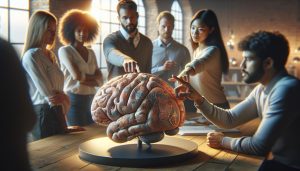
Did you know that the evolution of human intelligence is not solely tied to brain size but rather to our capacity for complex thought, problem-solving, and creativity? As we explore the question, “Did They Have Brains or Knowledge?” we reveal how these cognitive skills have shaped our survival and societal structures. Understanding the evolution of intelligence is crucial, as it not only illuminates our past but also informs our future, enabling us to harness our cognitive abilities more effectively in both personal and professional realms. Join us on this enlightening journey to uncover how the interplay between brain function and knowledge acquisition defines what it means to be human and how we can leverage this understanding for better workplace wellness and cognitive health. Embrace the curiosity of our origins to enhance your own cognitive performance today.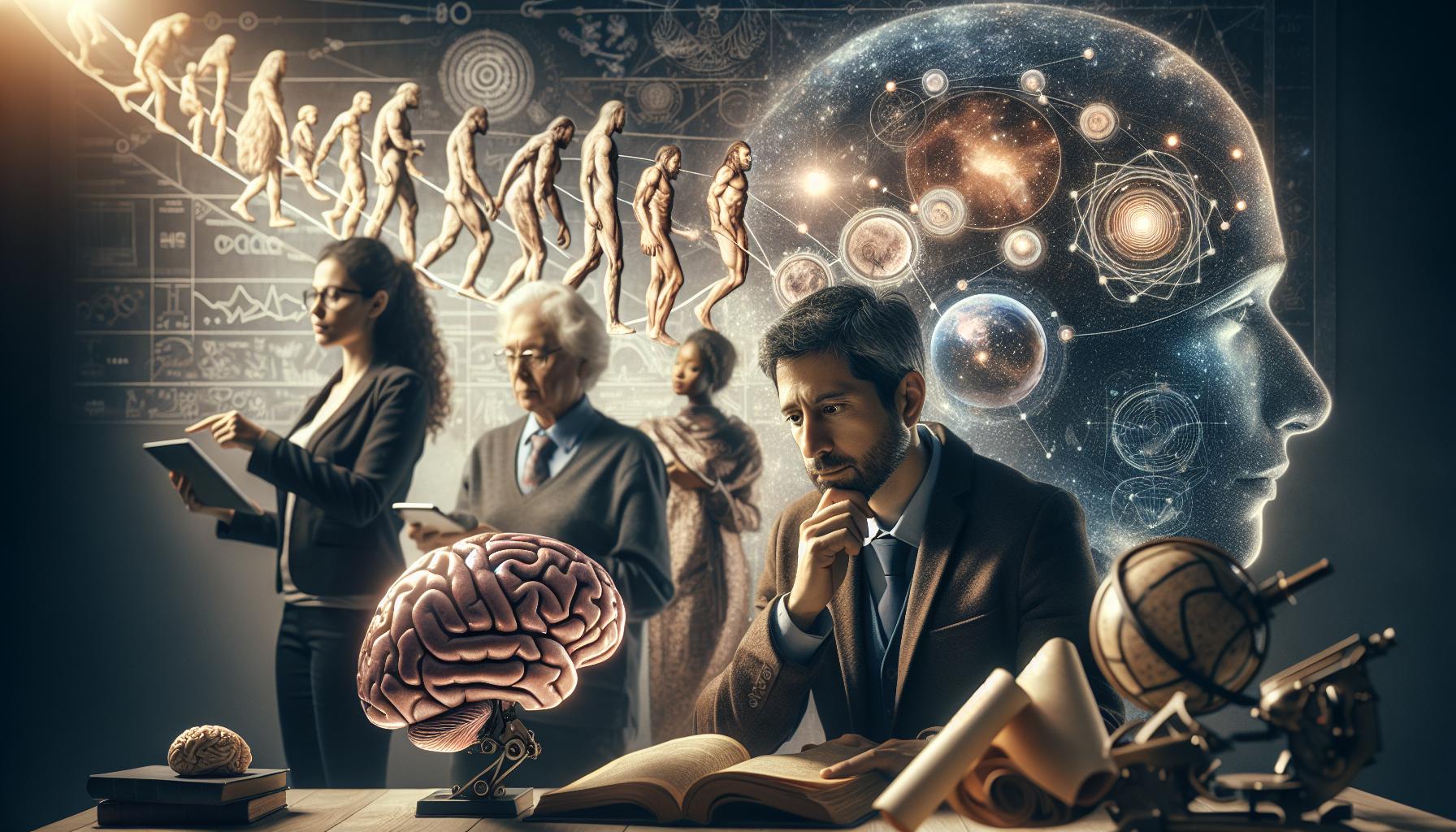
Exploring the Origins of Human Intelligence
Understanding the roots of human intelligence reveals a fascinating tapestry woven from biological, evolutionary, and experiential threads. At its core, human intelligence is not merely a product of brain structure but is intricately linked to our experiences and interactions with the environment. The development of cognitive abilities started with our ancestors and has been shaped by survival needs-adapting to challenges and finding innovative solutions to problems, showcasing the dynamic nature of our intelligence.
One of the key aspects influencing the evolution of intelligence is neuroplasticity-the brain’s remarkable ability to reorganize itself by forming new neural connections throughout life. This adaptability allows individuals to learn and apply new skills, fostering continual cognitive growth. For instance, neuroscientific research has shown that learning a new language or musical instrument can lead to significant changes in brain structure and function, enhancing overall cognitive performance. Engaging in activities that challenge and stimulate the brain, such as puzzles, critical thinking exercises, or collaborative problem-solving, can significantly boost versatility in thinking and creativity.
Additionally, the environment plays a profound role in shaping intelligence. Cultural experiences, educational opportunities, and socio-economic factors all contribute to cognitive development. Exposure to diverse knowledge systems and problem-solving approaches can enrich human understanding and adaptability. When individuals immerse themselves in enriching environments that encourage exploration, creativity, and critical thinking, they not only develop their intellectual capacities but also cultivate emotional intelligence and resilience.
In conclusion, the origins of human intelligence point towards a blend of biological heritage and environmental influences. Emphasizing ongoing learning, whether through formal education or personal exploration, can lead to ever-greater understanding and adaptability. This ongoing journey of cognitive development is not just about accumulating knowledge but also about enhancing our ability to navigate life, manage stress, and foster innovation. Focusing on wellness practices-like mindfulness, proper nutrition, and regular brain exercises-can further support this developmental process, ensuring our intellect continues to grow and thrive in an ever-changing world.
The Brain: Structure vs. Knowledge Capacity
The human brain is a marvel of evolution, uniquely designed not just for structure but for the capacity to accumulate and utilize knowledge. This distinction is pivotal in understanding why it is not merely the size, complexity, or physical attributes of the brain that dictate intelligence, but rather how experiences shape and enhance cognitive abilities over time. The intricate interplay between brain structure and functional knowledge capacity lays the foundation for our remarkable ability to learn, adapt, and innovate.
The brain’s structure can be likened to a sophisticated hardware system, with various regions dedicated to distinct functions such as memory, reasoning, and emotional regulation. However, it is the *knowledge capacity*-the brain’s ability to process, store, and retrieve experiences and information-that fuels intellectual prowess. This capacity is enhanced through consistent engagement with dynamic environments, creativity, and collaborative problem-solving. People can dramatically influence their cognitive abilities through lifestyle choices, such as regular mental challenges or learning new skills, which, in turn, stimulate the formation of new neural pathways, underscoring the concept of neuroplasticity.
To cultivate a workplace environment that maximizes cognitive potential, consider the following strategies:
- Ergonomic Workspaces: Create a comfortable and supportive workspace to enhance focus, reduce physical stress, and allow for prolonged periods of concentration.
- Ongoing Learning: Encourage continuous education and skill development through workshops, online courses, or team projects that require innovation.
- Mental Workouts: Introduce brain exercises, such as puzzles or strategy games, into the daily routine to keep mental agility sharp.
- Healthy Breaks: Incorporate scheduled periods of rest and mindful activities like stretching or meditation to enhance overall cognitive function and reduce stress.
By recognizing that intelligence is not solely about the brain’s physical structure but also about the rich tapestry of knowledge and experiences that individuals gather throughout their lives, we empower ourselves to embrace learning as a lifelong journey. Adopting practices that support cognitive health not only enhances individual performance but also fosters a culture of innovation and resilience within workplaces. Embrace this knowledge-your journey through learning and personal growth will significantly enhance both your cognitive capabilities and overall well-being.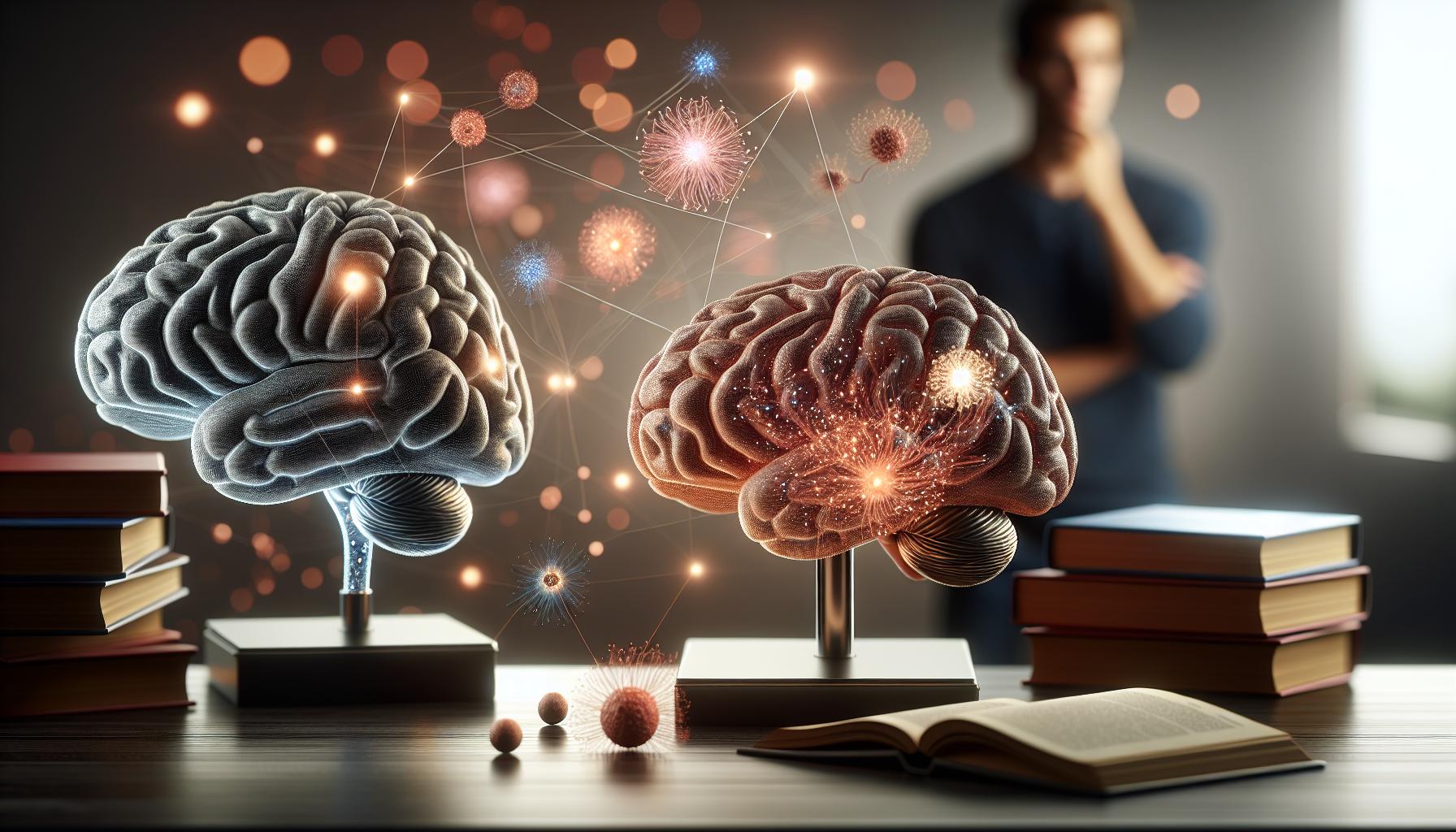
Neuroplasticity: The Evolution of Learning
The brain’s ability to adapt and reorganize itself is not just a fascinating trait; it is the cornerstone of our learning and cognitive evolution. Neuroplasticity allows the brain to form new neural connections throughout life, responding dynamically to experiences and challenges. This flexibility is what enables us to learn from our environment, acquire new skills, and recover from injuries. Unlike a static computer, the brain is an ever-evolving system, constantly rewiring itself based on our interactions with the world.
One striking example of neuroplasticity in action is the way musicians’ brains are wired differently from those of non-musicians. Studies have shown that musicians tend to have enhanced brain areas associated with auditory processing and motor control. This is a clear testament to how dedicated practice and experience not only enhance specific skills but also structurally and functionally reshape the brain’s architecture. Employing techniques that harness neuroplasticity can significantly enhance learning and cognitive performance.
Practical Strategies to Enhance Neuroplasticity
To cultivate an environment that fosters neuroplasticity, consider integrating the following strategies into your daily routine:
- Engage in Lifelong Learning: Challenge yourself with new subjects or hobbies that interest you, such as learning a musical instrument or a new language.
- Practice Mindfulness: Daily meditation or mindfulness exercises can improve focus and stimulate the brain’s ability to adapt through enhanced emotional regulation and stress reduction.
- Vary Your Routine: Introduce novelty to your daily life by changing your route to work or trying different cuisines. This can stimulate new neural pathways.
- Physical Exercise: Regular physical activity increases blood flow to the brain, enhancing the creation of new neurons and supporting cognitive function.
- Social Interactions: Engaging with others boosts emotional and cognitive health, promoting conditions that strengthen neural pathways.
By actively working to promote neuroplasticity, you pave the way for greater cognitive flexibility and resilience. It’s important to remember that while neuroplasticity holds immense potential, the process of learning and brain adaptation is gradual and requires consistent effort. Embracing strategies that support brain health will not only enhance your individual capabilities but also contribute to a richer, more collaborative work environment that values continuous growth and innovation.
Cognitive Functions: Problem Solving and Creativity
Innovative problem solving and creativity are hallmarks of human intelligence, allowing individuals to navigate complex situations, devise novel solutions, and generate unique ideas. This cognitive ability is not just inherent; it is significantly shaped by both brain structure and functional adaptability. The brain’s vast neural network accommodates creative thought and analytical reasoning, creating a dynamic interplay that fosters innovation. Interestingly, research shows that practices enhancing neuroplasticity can further amplify these cognitive functions, emphasizing the brain’s capacity to grow and evolve with experience.
To harness and enhance problem-solving skills and creativity, consider implementing strategies that stimulate cognitive flexibility. Engaging in activities that challenge conventional thinking can be incredibly beneficial. For instance, brainstorming sessions that encourage “out-of-the-box” ideas allow individuals to explore uncharted territories in thought. Techniques such as mind mapping can visually organize thoughts, uncovering connections that might not be immediately apparent. Regularly practicing creative arts, such as painting or writing, can also activate different brain regions, fostering new neural pathways linked to creativity.
Furthermore, embracing a growth mindset is essential. This perspective encourages the belief that abilities, including creative capacity and problem-solving skills, can develop through dedication and hard work. By viewing challenges as opportunities for growth rather than obstacles, individuals can enhance their resilience and adaptability. This mentality not only promotes individual cognitive health but can also enrich collaborative environments, as team members become more open to sharing diverse ideas and approaches.
### Practical Tips for Fostering Problem Solving and Creativity
- Set Aside Time for Brainstorming: Reserve regular sessions to generate ideas without judgment. This can help unlock creative potential and encourage problem-solving.
- Engage in Diverse Experiences: Seek new experiences, whether through travel, cultural events, or culinary adventures. Exposure to various environments can spark creativity.
- Practice Reflection: Take time to reflect on past problem-solving experiences. Analyze what worked, what didn’t, and how you can apply those lessons to future challenges.
- Collaborate with Others: Teamwork is a powerful catalyst for innovation. Collaborating can introduce fresh perspectives and lead to more comprehensive solutions.
By actively cultivating these skills and adopting practices that support cognitive health, individuals can unlock their creative potential and enhance their problem-solving abilities. It’s essential to remember that each step taken towards improving cognitive functions contributes to personal and professional growth, creating a ripple effect that can transform work environments and society as a whole.
The Role of Environment in Shaping Intelligence
The surroundings in which we find ourselves significantly influence our cognitive abilities and overall intelligence. From early childhood experiences to the cultural and social contexts we navigate as adults, the environment plays a pivotal role in shaping not only what we learn but how we think and solve problems. Research indicates that enriched environments-those filled with stimuli, social interactions, and opportunities for exploration-can lead to enhanced brain development and function. For example, studies have shown that children raised in intellectually stimulating households, where reading is encouraged and discussions are commonplace, tend to show higher intelligence test scores compared to peers from less stimulating backgrounds.
Fostering a supportive environment goes beyond mere academic enrichment. The emotional and psychological atmosphere also contributes to cognitive development. A nurturing environment can improve resilience, motivation, and the capacity to handle stress-key components of effective problem-solving. In workplaces, this translates into creating cultures that prioritize mental health and open communication. Encouraging collaboration and providing constructive feedback can empower teams, enhance innovation, and lead to better outcomes. Incorporating nature into workspaces, through the inclusion of plants or natural light, can further improve cognitive functions. Research suggests that natural elements can reduce stress and increase focus, leading to an overall boost in productivity.
To maximize the impact of environment on intelligence, individuals can take practical steps to create spaces conducive to learning and cognitive growth. Here are some suggestions:
- Design a Healthy Workspace: Ensure that your work area is ergonomically friendly, well-lit, and free of distractions. Organizing your space can lead to better focus and creativity.
- Encourage Social Interaction: Foster a culture of collaboration within teams. Create opportunities for team-building activities that encourage communication and idea-sharing.
- Incorporate Learning Opportunities: Provide access to workshops, training sessions, or online courses that allow for ongoing professional and personal development.
- Embrace Diversity: Engage with a diverse range of perspectives and backgrounds. This can lead to richer discussions and more creative solutions to problems.
By intentionally crafting environments that nurture both emotional and cognitive health, we can harness the full potential of our intelligence. This holistic approach is not only beneficial for individual growth but also crucial for optimizing team dynamics and organizational success. As the environment evolves, so too does our capacity for learning and problem-solving, showcasing the remarkable interplay between the surroundings that shape us and the intelligence we cultivate.
Comparing Human Intelligence to Other Species
The remarkable capabilities of human intelligence stand in stark contrast to the cognitive abilities of other species, raising intriguing questions about the evolutionary journey that has led to our unique mental faculties. While many animals exhibit impressive problem-solving skills and social behaviors, humans possess a level of abstract reasoning, creativity, and complex language that sets us apart. For instance, while crows and primates have been observed using tools, the extent and versatility of human tool use illustrate a deeper understanding of causes and effects, enabling us to create technology that enhances our lives.
One way to understand these differences is by examining the unique structure of the human brain. The human neocortex, which plays a critical role in higher-order functions such as reasoning and emotional regulation, is significantly larger relative to body size compared to most other species. This expanded brain area gives rise to our ability to form complex social structures and engage in cultural practices-dimensions of intelligence that not only influence individual survival but also advance societal development. Interestingly, studies show that certain animals, such as dolphins and elephants, also exhibit advanced cognitive traits, suggesting that while the pathways to intelligence may vary, the underlying capacities for social interaction and problem-solving can be found across species.
Moreover, social dynamics play a pivotal role in the development of intelligence, both in humans and among other species. Species that thrive in complex social environments often display higher intelligence. For example, the intricate societies of ants and bees highlight how collaborative efforts can lead to advanced behaviors and strategies for survival. In humans, the ability to communicate through language enhances our cognitive processes; we share knowledge, build upon ideas, and engage in abstract thought in a way that few other species can. This linguistic capability not only fosters learning and creativity but also shapes our cultural evolution, further enhancing the collective intelligence of our species.
As we explore how intelligence is defined and measured, it becomes essential to recognize that human intelligence does not exist in a vacuum. Rather, it is an evolving construct influenced by our environments, interactions with other species, and the unique challenges we face. Understanding these comparisons can help us appreciate the nuances of our intellectual abilities while also recognizing the impressive adaptations found in the animal kingdom. Through continuous learning and collaboration, we can further our understanding of intelligence, leading to richer insights into both human and animal cognition.
The Impact of Language on Cognitive Development
Language is not just a tool for communication; it is a cornerstone of cognitive development, dramatically influencing our capacity for thought, problem-solving, and creativity. As humans, our ability to articulate complex ideas, share experiences, and engage in abstract reasoning is unparalleled among species. Research indicates that the structure of our brains, particularly regions such as Broca’s and Wernicke’s areas, evolves alongside linguistic skill development, leading to enhanced cognitive functions. This interplay suggests that our neural architecture not only supports language but also is fundamentally shaped by it.
The Cycle of Language and Cognitive Growth
The relationship between language and cognition creates a virtuous cycle. As children acquire language, they gain the ability to think about their thoughts-an aspect termed “metacognition.” Through conversation and storytelling, they learn to categorize experiences, recognize emotional nuances, and shape their understanding of relationships and the world. Engaging in discussions decreases cognitive load when navigating complex tasks, effectively allowing for better decision-making and problem-solving. This cognitive scaffolding-using language to build upon and enhance understanding-is integral to learning environments.
Moreover, bilingualism provides a unique lens into this relationship. Studies reveal that bilingual individuals often demonstrate superior cognitive flexibility and executive function. The mental juggling involved in switching languages heightens neural connectivity, promoting enhanced problem-solving skills and creativity. This adaptability is essential in modern workplaces, where innovative thinking and quick adaptability are crucial. By learning multiple languages, individuals not only communicate across cultures but foster a broader cognitive toolkit.
Practical Strategies for Enhancing Cognitive Development through Language
To nurture cognitive development through language, consider these actionable strategies:
- Promote Reading: Encourage reading diverse genres to expose individuals to various vocabulary, perspectives, and cognitive challenges.
- Engage in Conversations: Regular discussions about complex topics can help deepen understanding and enhance critical thinking.
- Practice Storytelling: Sharing personal stories or creating narratives fosters imaginative thinking and emotional intelligence.
- Encourage Language Learning: Introduce new languages at an early age to activate and strengthen cognitive pathways.
Recognizing the profound impact of language on cognitive growth can empower us to foster environments-whether at home or in the workplace-that promote rich linguistic interactions. This engagement not only enhances intelligence but also cultivates resilience against stress, ultimately contributing to overall cognitive health. Embracing language as a dynamic tool for cognitive enhancement opens doors to endless possibilities for personal and professional development.
Cultural Evolution and Knowledge Transfer
The development of human intelligence is inextricably linked to the cultural evolution of societies and the mechanisms through which knowledge is transferred across generations. From the earliest days of hominins crafting tools and developing language, the sharing of knowledge has been pivotal in shaping our cognitive abilities. This transfer isn’t limited to mere survival skills; it encompasses the values, beliefs, and innovations that have enabled communities to thrive. As we explore how culture interacts with the brain, we gain insights into not only our ancient past but also the ways in which we can enhance cognitive health in contemporary settings.
Cultural evolution has led to the establishment of practices that facilitate knowledge transfer, thereby impacting cognitive development. For example, storytelling is one of the oldest forms of knowledge sharing. It serves not only to entertain but to educate, allowing societies to pass down crucial information regarding survival, ethics, and social norms. Engaging in storytelling stimulates various cognitive functions, enhancing memory retention and fostering creativity. As individuals relate to narratives, they draw connections to their own experiences, promoting deeper understanding and cognitive empathy.
Practical Strategies for Leveraging Cultural Knowledge Transfer
To harness the power of cultural knowledge in enhancing cognitive development, consider implementing the following strategies:
- Encourage Story Sharing: Create environments where individuals can share personal narratives. This strengthens community bonds and enhances cognitive flexibility.
- Promote Collaborative Learning: Utilize team-oriented tasks in workplaces or educational settings to mimic historical practices of collective knowledge sharing.
- Integrate Cultural Activities: Incorporate arts, music, and cultural traditions that promote cognitive engagement and emotional expression.
- Facilitate Diverse Interactions: Foster discussions among individuals from various backgrounds to enhance perspective-taking and critical thinking.
Recognizing the impact of cultural evolution on knowledge transfer not only uplifts our understanding of human intelligence but also empowers us to create supportive environments for cognitive health. In workplaces, educational settings, and communities, fostering rich cultural interactions can lead to enhanced creativity, problem-solving skills, and overall cognitive performance. Embracing and celebrating our shared knowledge can ignite a passion for lifelong learning, promoting resilience and adaptation in an ever-changing world.
Measuring Intelligence: Tests and Their Implications
Determining intelligence has long been a subject of fascination, and the methods we use to measure it are as diverse as the concept itself. Historically, various tests have been developed to quantify intelligence, often focusing on factors such as problem-solving abilities, verbal reasoning, and pattern recognition. These tests provide a structured way to evaluate cognitive capabilities, but they come with implications that extend beyond mere numerical scores.
Standardized tests, like the IQ test, aim to classify cognitive abilities in a way that is statistically valid. However, they may not fully capture the complexities of human intelligence. For instance, Howard Gardner’s theory of multiple intelligences suggests that individuals excel in diverse areas, such as musical or interpersonal intelligence, which traditional IQ tests often overlook. Understanding that intelligence may manifest in various forms encourages a broader perspective on what it means to be “smart.” It also supports the idea that environments fostering distinct talents can enhance overall cognitive capabilities throughout a community.
Implications of Testing on Cognitive Development
Emphasizing test results can sometimes lead to a narrow view of intellectual potential, potentially diminishing the roles of creativity, emotional intelligence, and practical skills in everyday life. This can affect education and workplace dynamics, creating environments that prioritize standardized achievement over innovative thinking. To promote a more holistic understanding of intelligence, consider implementing these strategies:
- Value Diverse Strengths: Encourage environments where multiple forms of intelligence are recognized and valued. This might involve project-based learning in schools and collaborative tasks at work that leverage different strengths.
- Foster Emotional Intelligence: Provide training in emotional awareness and social skills, which can enhance interpersonal relationships and teamwork, crucial components of workplace wellness.
- Use Assessments Wisely: Incorporate a variety of assessment tools and techniques that evaluate different skill sets instead of relying solely on traditional testing methods.
By moving beyond conventional metrics, we can encourage environments that not only assess but also nurture intelligence’s multifaceted nature. This shift promotes cognitive health and workplace wellness, leading to increased creativity and adaptability, both essential in today’s rapidly evolving world. Embracing a comprehensive understanding of intelligence can empower individuals to reach their full potential, fostering a culture of support and growth.
Genetics vs. Experience: What Drives Intelligence?
The age-old debate over what drives intelligence-genetics or experience-continues to pique interest in both scientific circles and everyday discussions. While some argue that intelligence is largely a product of inherited genetic traits, others assert that environmental factors play a crucial role in shaping cognitive capabilities. Research indicates that both elements contribute significantly to intelligence, making it a multifaceted trait influenced by a dynamic interplay of nature and nurture.
Genetic predisposition lays the groundwork for cognitive potential, with studies suggesting that heritability accounts for approximately 50% to 80% of intelligence variance among individuals. Twin studies have long been instrumental in uncovering this aspect, showcasing that identical twins reared apart often exhibit surprisingly similar IQ scores. However, it’s essential to recognize that genetics alone do not determine intelligence; environmental factors, including education, socioeconomic status, and cultural influences, are equally impactful. For instance, children raised in stimulating environments that prioritize intellectual engagement often show significant cognitive growth, highlighting the importance of experience and opportunity.
The Role of Experience
Experience shapes intelligence through continuous growth and adaptation-concepts underlined by neuroplasticity, the brain’s ability to reorganize itself by forming new neural connections throughout life. Engaging in cognitive activities such as learning a new language, playing musical instruments, or solving puzzles can enhance brain function and promote new pathways, thereby fostering intellectual development. This adaptability underscores the power of lifelong learning and its role in underlining intelligence. Efforts to cultivate enriching environments, such as interactive learning in schools or supportive workplaces, can significantly boost cognitive performance.
Moreover, neuroplasticity suggests that intelligence can improve over time, acknowledged through targeted efforts to enhance cognitive skills rather than viewing intelligence as a static trait. Here are some strategies to harness experience for cognitive enhancement:
- Embrace Lifelong Learning: Participate in workshops, online courses, or community classes to expose yourself to new concepts and skills.
- Challenge Your Brain: Engage in puzzles, memory games, and critical thinking exercises to stimulate cognitive processes.
- Encourage Collaboration: Work in teams and share knowledge with others to not only learn but also to teach, enhancing brain connectivity.
In conclusion, both genetic and experiential factors intricately weave together to form the tapestry of human intelligence. By fostering an environment conducive to learning and development, individuals can tap into their cognitive potential, driving growth and a greater understanding of their capabilities. Embracing this holistic view encourages a supportive culture that champions mental agility and adaptability, crucial for navigating today’s rapidly evolving world.
Modern Challenges: Stress and Cognitive Performance
Modern neuroscience reveals that stress can significantly impede cognitive performance, often clouding judgment and limiting our ability to think creatively or solve problems. As the brain encounters stress, particularly in workplace settings, its capacity to function optimally can be dramatically affected. Elevated stress levels trigger the release of cortisol, a hormone that, in excess, can lead to diminished memory and learning abilities. This knowledge is vital, as it not only underscores the importance of managing stress but also points to practical pathways to enhance cognitive performance in the face of modern challenges.
To combat the detrimental effects of stress on cognitive capabilities, it’s essential to implement effective stress management techniques and promote a supportive work environment. Fostering a culture that prioritizes mental health can empower employees to thrive cognitively. Here are specific strategies to enhance workplace wellness and cognitive health:
- Mindfulness and Meditation: Regular mindfulness practices, such as meditation or deep-breathing exercises, can reduce stress and enhance focus. Dedicating even a few minutes daily can reset your cognitive state.
- Physical Activity: Engage in regular exercise, which is shown to boost endorphins and alleviate stress. Even short walks during breaks can invigorate the mind and body.
- Ergonomic Workspaces: Setting up a comfortable workspace is crucial. Use standing desks and ergonomic chairs to promote proper posture, reducing physical discomfort that can lead to mental distraction.
- Healthy Nutrition: Incorporate a brain-healthy diet rich in omega-3 fatty acids, antioxidants, and whole grains. Foods such as fish, nuts, fruits, and vegetables can enhance brain function and improve mood.
By recognizing stress as an influencing factor on cognitive performance, individuals and organizations can implement effective strategies to manage it. For example, adopting a flexible work schedule can greatly reduce workplace pressure, allowing for a healthier work-life balance. When team members feel supported through resources like workshops on stress management or access to mental health days, they are more likely to perform at their cognitive best.
In addition to these strategies, fostering supportive social connections within the workplace can alleviate feelings of isolation and stress. Encouraging open communication and teamwork can make a significant difference in how employees navigate stressful situations. The lively exchange of ideas not only boosts morale but also enhances problem-solving abilities through collaborative thinking, leading to improved overall cognitive performance. By actively addressing the challenges posed by stress, we can create a more resilient workforce, ready to adapt and thrive in our rapidly evolving world.
Future of Human Intelligence: Trends and Predictions
As we navigate the rapidly evolving landscape of human intelligence, one captivating trend emerges: the increasing intersection of technology and cognitive development. With advancements in artificial intelligence, brain-computer interfaces, and neurotechnology, our understanding of intelligence-and its enhancement-has undergone a transformative shift. This convergence offers unprecedented opportunities to optimize cognitive capacities, promoting sustained growth regardless of age or background. The implications are profound; they challenge us to reconsider not only how we perceive intelligence but also how we can actively shape its development.
Technological Integration in Cognitive Function
Innovations such as augmented reality (AR) and virtual reality (VR) are redefining learning experiences, making them more immersive and engaging. These platforms are not just tools for entertainment; they enhance problem-solving skills and creativity through simulations that foster real-world applications. For instance, VR training programs are being utilized in various fields-from medicine to engineering-allowing individuals to practice complex tasks in a risk-free environment, ultimately improving cognitive performance.
Additionally, the integration of AI-driven personalized learning platforms enables a tailored educational experience. By adapting to individual learning styles and paces, these systems foster optimal engagement and retention of information. The capacity to analyze user performance in real time allows for immediate feedback, further enhancing the learning process.
Neuroplasticity and Lifelong Learning
The concept of neuroplasticity emphasizes that our brains are not static but rather capable of forming new neural connections throughout our lives. This adaptability is an exciting pathway for enhancing intelligence, suggesting that ongoing learning and mental challenges can significantly boost cognitive functions. Embracing a mindset of lifelong learning-through formal education, skill acquisition, or creative pursuits-can nurture neuroplasticity, leading to enhanced problem-solving abilities and innovative thinking.
To foster this, individuals can adopt practices that challenge their cognitive limits, such as learning new languages, playing musical instruments, or engaging in strategy-based games. These activities not only keep the mind agile but also contribute to emotional resilience by reducing stress and increasing overall well-being.
The Role of Environment and Community
The environment in which we live and work plays a crucial role in shaping our intelligence. Collaborative workspaces that encourage communication and teamwork enhance cognitive performance by promoting a culture of collective problem-solving. Social interactions trigger cognitive processes that might remain dormant in isolation, leading to richer perspectives and innovative solutions.
Creating supportive communities-whether through mentorship programs or peer learning groups-can amplify the effects of individual effort. These networks foster a sense of belonging, motivating members to share knowledge and experiences, thus facilitating a more profound understanding of complex concepts.
Recognizing these trends not only empowers individuals to enhance their intelligence actively but also highlights the importance of community and technology in this journey. The future of human intelligence is bright, with numerous opportunities for growth and enhancement, underscoring the importance of adaptive and lifelong learning in our increasingly complex world.
Frequently asked questions
Q: What are the key factors that influenced the evolution of human intelligence?
A: Key factors include environmental changes, social interactions, linguistic development, and tool use. These elements shaped cognitive abilities and learning processes over time, enhancing problem-solving skills and creativity, as discussed in the article’s sections on cognitive functions and the role of environment in intelligence.
Q: How does neuroplasticity relate to human intelligence development?
A: Neuroplasticity allows the brain to reorganize and adapt in response to learning and experiences, crucial for developing intelligence. This flexibility helps individuals solve problems creatively and improves cognitive functions, as highlighted in the article’s discussion on neuroplasticity.
Q: In what ways does culture influence cognitive development?
A: Culture shapes cognitive development through practices, beliefs, and education, impacting how intelligence is perceived and measured. Cultural evolution assists knowledge transfer and social learning, as explored in the article’s section on cultural evolution and knowledge transfer.
Q: How does human intelligence compare to that of other species?
A: Human intelligence is characterized by advanced problem-solving, abstract thinking, and complex communication, setting it apart from other species. Comparative insights can be found in the article’s section comparing human intelligence with that of other animals.
Q: What role does language play in the evolution of human intelligence?
A: Language facilitates complex thought processes, enhances social interaction, and enables knowledge transfer, significantly impacting cognitive development. This relationship is examined in the article’s section on the impact of language on cognitive development.
Q: How do genetics and environment together shape intelligence?
A: Both genetics and environment play crucial roles in shaping intelligence, with genetics providing potential and environment influencing its development. This dynamic interplay is discussed in the article’s section on genetics vs. experience as drivers of intelligence.
Q: What modern challenges affect cognitive performance in humans?
A: Modern challenges such as stress, digital distractions, and information overload can hinder cognitive performance. Strategies for managing these issues are essential and can be explored further in the article’s section on modern challenges related to stress and cognitive performance.
Q: What can we expect for the future of human intelligence?
A: The future of human intelligence may involve advancements in technology, increased understanding of brain functions, and enhanced learning techniques. Emerging trends and predictions are discussed in the article’s section on the future of human intelligence, offering insights into what lies ahead.
In Summary
As we conclude our exploration of the evolution of human intelligence, it’s essential to recognize that both brains and knowledge play critical roles in shaping our cognitive abilities. Understanding the intricate balance between biological evolution and the acquisition of knowledge can empower us to enhance our cognitive performance and foster a more enriching learning environment. Embrace the journey of continuous learning and self-improvement-start by diving into our in-depth guides on workplace wellness and brain health.
If you found this discussion enlightening, take a moment to check out our articles on setting up ergonomic workspaces and effective stress management techniques. Don’t hesitate to share your thoughts and experiences in the comments below; your insights can inspire others on their path to cognitive enhancement. For more valuable tips on maximizing your brain health, consider signing up for our newsletter, ensuring you’re always equipped with the latest information. Remember, your growth is a journey-let’s explore it together!