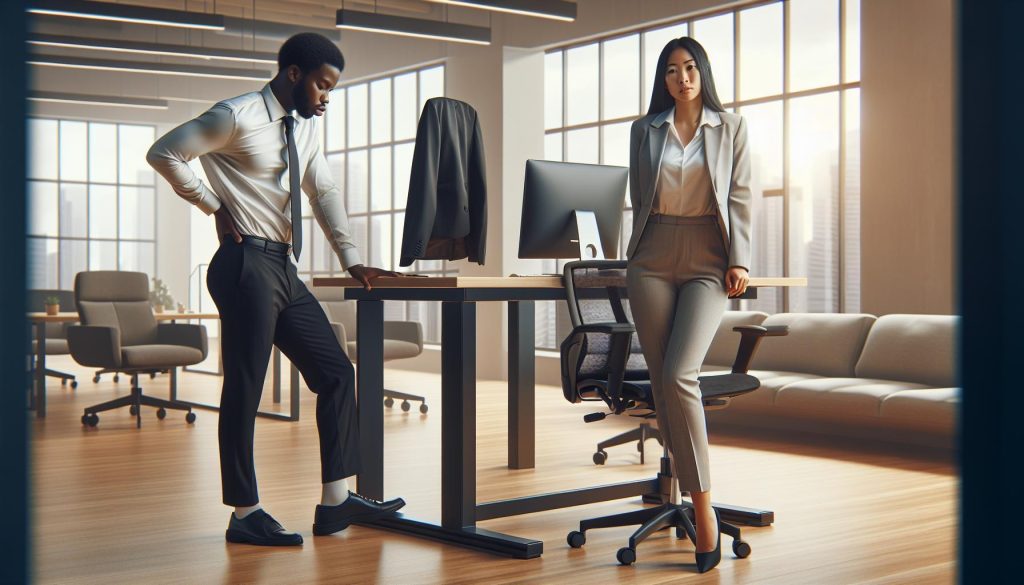
As the trend of standing desks gains popularity, many people wonder: is standing all day at work a healthy choice? While standing may seem like a better alternative to prolonged sitting, research reveals it can pose unique health risks. This article explores the potential consequences of standing for long hours, addressing common concerns about fatigue, joint pain, and cardiovascular issues. By understanding these risks, you can make informed choices that enhance your workplace wellness and overall cognitive health. Discover practical tips and evidence-based strategies to balance standing and sitting, ensuring your work environment supports both productivity and well-being.
Is Standing All Day Hurting Your Health?
Standing for extended periods may seem like a healthier alternative to sitting, but it can pose significant risks to your health. Studies show that standing all day can lead to a variety of physical ailments including joint pain, muscle fatigue, and vascular issues. In fact, research suggests that those who stand for long hours are at a greater risk for developing varicose veins due to increased pressure on the lower extremities. This pressure can cause discomfort and long-term complications if not managed properly.
To mitigate these risks, it is important to adopt strategies that promote healthy standing habits. Regularly shifting your weight from one foot to another or using a footrest can help alleviate the strain on your legs and lower back. Additionally, maintaining proper posture while standing is crucial; ensure that your shoulders are back, and your knees are slightly bent to distribute your weight evenly. Incorporating movement into your routine, even simple stretches or short walks, can significantly reduce discomfort and improve circulation.
Investing in supportive footwear and utilizing anti-fatigue mats can also make a substantial difference. These mats provide cushioning and support, reducing the impact on your joints. Furthermore, setting up your workspace ergonomically can enhance comfort. Keep your monitor at eye level and use a desk that allows you to alternate between sitting and standing. Remember, balance is key; it’s vital to alternate between standing and sitting throughout your workday. If you start to experience persistent discomfort, do not hesitate to consult a healthcare professional to address any concerning symptoms. Prioritizing your health and comfort during work can lead to improved productivity and overall well-being.
Understanding the Risks of Prolonged Standing
Prolonged standing may initially seem like a healthier option compared to continuous sitting, particularly in light of the increasing concern about sedentary lifestyles, yet it comes with its own set of significant challenges. Research indicates that standing for extended periods can lead to various physical issues such as joint pain, muscle fatigue, and vascular complications. For instance, workers in retail or those using standing desks must grapple with the cumulative effects of static postures which can strain the lower back and legs while elevating the risk for circulatory problems like varicose veins due to persistent pressure on the lower extremities.
The human body is inherently designed for movement, and ignoring this principle can result in discomfort and long-term health consequences. This isn’t just about discomfort; studies have shown that standing all day can lead to increased chances of chronic conditions. For example, a study published in the journal “Occupational & Environmental Medicine” found a correlation between prolonged standing and an elevated risk of developing musculoskeletal disorders. Muscle fatigue can also decrease concentration and cognitive function, impacting performance at work and overall energy levels.
To combat these health risks, it’s essential to incorporate practical strategies into your daily routine. Here are some actionable tips to ensure a healthier standing experience:
- Shift Your Weight: Regularly alternate your weight between feet or use a footrest. This helps alleviate the strain on your legs and encourages better circulation.
- Maintain Proper Posture: Stand tall with your shoulders back and knees slightly bent. This alignment helps distribute your weight evenly, reducing the risk of fatigue.
- Movement Breaks: Incorporate brief stretching or walking breaks every hour to recharge your body.
- Use Supportive Footwear: Invest in comfortable, supportive shoes designed to cushion and support your feet throughout the day.
- Implement Ergonomic Solutions: Adjust your workspace so that monitors are at eye level, and your desk accommodates easy transitions between sitting and standing.
Remember that balance is crucial. Just as too much sitting is detrimental, so is standing for long periods without respite. By actively managing your standing habits and integrating movement into your day, you promote not only physical health but also enhance your cognitive performance and overall productivity in the workplace. Always consult with healthcare professionals if you experience persistent discomfort, as they can provide personalized guidance tailored to your specific health needs.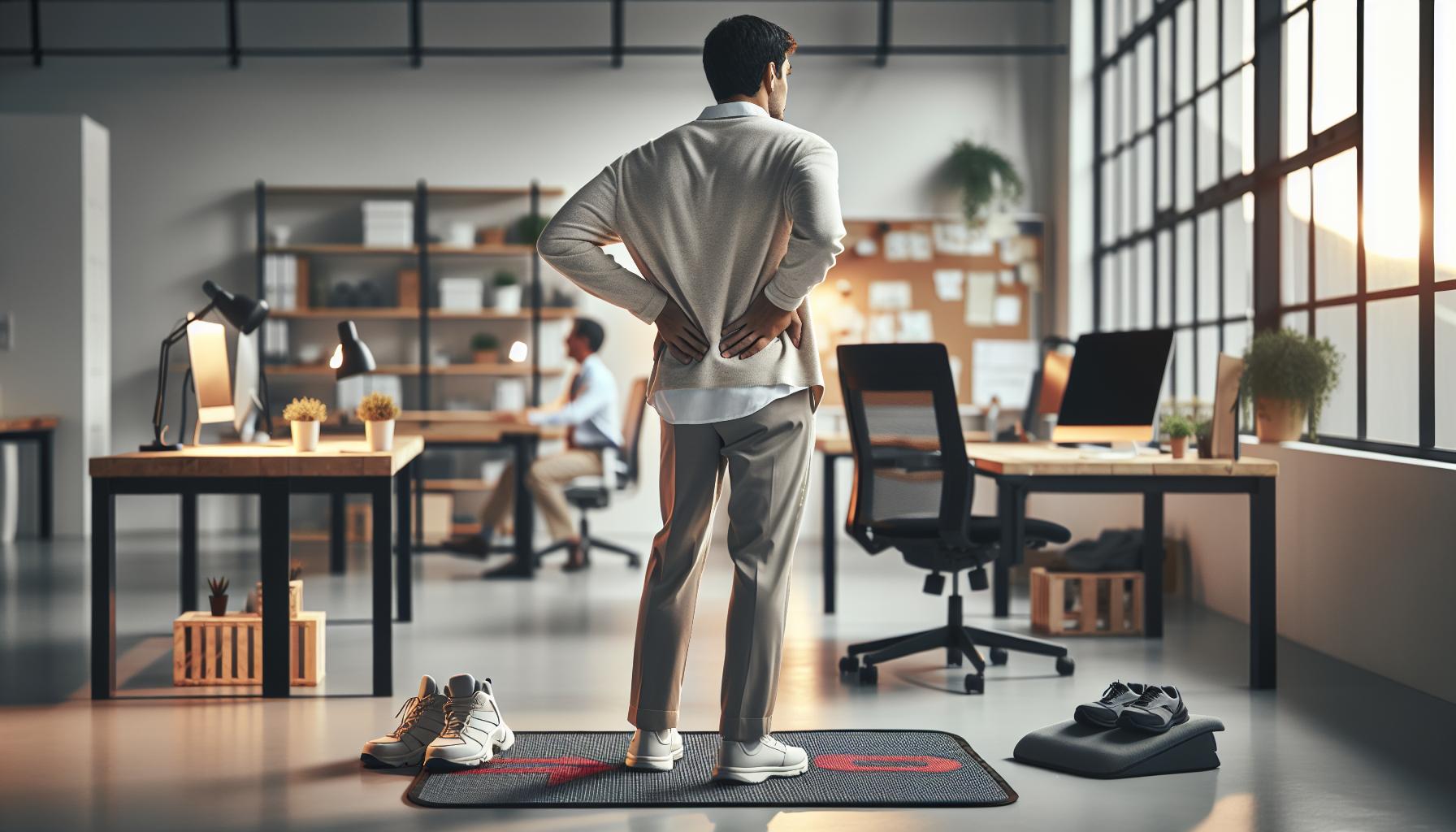
Comparing Sitting vs. Standing: What You Need to Know
Standing versus sitting is an age-old debate in the realms of workplace health and ergonomic design. While many people assume that standing all day promotes better health by counteracting the perils of a sedentary lifestyle, the reality is more nuanced. Standing for prolonged periods can lead to a range of health issues, including joint stress, muscle fatigue, and even circulatory problems. Understanding the dynamics between these two positions can help you make informed choices about your work environment and overall well-being.
When comparing sitting to standing, it’s essential to recognize that both options present their own sets of advantages and disadvantages. Sitting, while generally perceived as less physically demanding, often encourages poor posture, leading to back pain and musculoskeletal disorders. Among workers who sit for extended periods, the risk of metabolic issues and cardiovascular diseases may increase due to the lack of movement. On the other hand, standing may seem like a solution, but the risks associated with static postures can create their own health dilemmas. For instance, standing with the same weight distribution on your legs for hours can lead to discomfort and strain.
To harness the benefits of both positions while minimizing health risks, consider a hybrid approach. Alternating between sitting and standing throughout your workday can significantly improve comfort and productivity. Implementing sit-stand desks allows for easy transitions between the two positions, which helps keep your body engaged and reduces the likelihood of fatigue. Additionally, integrating short movement breaks or even simple stretching can promote circulation and alleviate tension-a key factor in maintaining both physical and cognitive health.
Here are some actionable strategies to help you strike a balance:
- Monitor Your Time: Keep track of how long you sit or stand and aim for a 1:1 ratio of sitting to standing time throughout the day.
- Incorporate Movement: Use walking meetings or step away from your desk while on a call to break up prolonged periods of either position.
- Invest in Support: Use ergonomic chairs with lumbar support when sitting and anti-fatigue mats while standing to reduce strain.
- Stay Mindful: Pay attention to how your body feels in both positions, and listen to its cues to change positions as needed.
By adopting a balanced approach and remaining attuned to your body’s needs, you can improve your workplace experience, enhance cognitive function, and reduce the risks associated with both sitting and standing too long. Remember, the key to workplace wellness lies in movement-keeping the body active is fundamental for both physical health and mental clarity.
Signs Your Body Is Struggling with Standing
Prolonged standing can often feel like a badge of honor in today’s work culture, but it’s essential to recognize the signs that your body is sending you as it struggles to adapt. The body is remarkably resilient; however, not heeding its warnings can lead to complications that may affect your overall well-being. Common signs indicating that standing all day is taking its toll include persistent discomfort in your feet, legs, and lower back, which can escalate into pain that disrupts your daily activities. If you find yourself frequently shifting your weight from one leg to another, this is a clear signal that you are experiencing fatigue and strain from a static position.
Another sign to watch for is swelling or varicose veins in your legs, which can develop due to poor circulation from prolonged standing. These vascular issues can worsen over time, leading to more serious health complications such as chronic venous insufficiency. Additionally, mental fatigue or decreased focus are red flags that often accompany physical discomfort; when the body tires, cognitive functions like concentration and decision-making may start to diminish, affecting your productivity and workplace performance.
To combat these challenges, listen to your body. If you notice any of these signs, consider reassessing your standing routine. Take periodic breaks to switch positions, implement stretching exercises, or invest in supportive footwear that cushions your feet and promotes healthy posture. Incorporating anti-fatigue mats in your workspace can also offer much-needed relief by reducing the pressure on your lower body. Your health is crucial, and being proactive about these warning signs can lead to a more balanced and productive work life.
Keep in mind that if discomfort persists or worsens, consulting with a healthcare professional is advisable to rule out underlying conditions and receive tailored advice. Prioritizing your body’s signals not only fosters a healthier workspace but also nurtures your cognitive abilities, helping you thrive both professionally and personally.
Ergonomics 101: Setting Up Your Standing Desk
Creating a comfortable and effective standing desk setup is crucial for maintaining both physical health and cognitive performance. The right ergonomics can significantly reduce the risks associated with prolonged standing while helping you stay focused and energized. An improperly configured workstation can lead to discomfort, fatigue, and even long-term health issues, so it’s essential to prioritize your setup.
To achieve an optimal standing desk arrangement, start by ensuring your desk is at the correct height. Your elbows should form a 90-degree angle when typing, with your wrists straight. The top of your monitor should be at eye level to prevent straining your neck; this typically means the screen’s top should be around eye level and about an arm’s length away from you. If necessary, use a monitor stand or adjustable arms to achieve this alignment.
Furthermore, consider how you position your feet. A stable, flat surface is ideal; however, standing mats can help alleviate pressure on your feet and lower back. Adding a footrest can encourage slight movement and shifts in weight, reducing fatigue. Aim to distribute your weight evenly and alternate positions if you experience discomfort. It’s useful to keep a small item, like a footrail or a pedal, that allows you to shift weight and promote circulation throughout the day.
Also, don’t underestimate the power of movement! Incorporate small exercises or stretches every hour to stimulate circulation and reduce tension. Keeping a stretching routine or practicing posture checks while working can significantly impact your overall comfort and performance. Remember, the goal is to combine effective ergonomics with healthy habits to maximize both physical wellness and cognitive function, allowing you to thrive in your work environment.
Healthy Habits to Balance Standing and Sitting
Maintaining a balance between sitting and standing is essential for your overall health and productivity. Did you know that incorporating just a few smart habits can transform your workday, reducing discomfort and boosting your energy levels? Here are some practical strategies to help you achieve that delicate equilibrium in your daily routine.
Start by introducing scheduled breaks. Aim to switch positions every 30 to 60 minutes, whether it’s sitting, standing, or even walking. Setting a timer on your phone or using apps designed to remind you to move can be incredibly helpful. During these breaks, incorporate light stretches or a brief walk to enhance circulation and reduce muscle fatigue. These short intervals help maintain focus and keep mental fatigue at bay.
Another effective habit involves micro-movements. Consider adding a footrest or a balance board at your standing desk. This encourages subtle movements that can prevent stiffness and enhance engagement of your lower body muscles. Additionally, you might find it beneficial to perform simple exercises, like calf raises or ankle circles, during your standing periods. Not only do these movements promote better blood flow, but they also enhance core stability.
Finally, prioritize your hydration and nutrition throughout the day. Drinking plenty of water and consuming nutrient-dense snacks can help sustain energy levels and cognitive performance. Foods rich in omega-3 fatty acids, such as walnuts and flaxseeds, support brain health and improve focus. This mindful approach ensures you maintain high productivity while being attentive to your body’s needs.
Incorporating these habits will not only enhance your physical well-being but also positively influence your cognitive performance in a work setting. By fostering an environment of flexibility and mindful movement, you can create a workflow that keeps you energized, focused, and thriving.
Enhancing Workplace Wellness: Movement Strategies
Maintaining mobility during the workday is essential for both physical and mental well-being. When standing for extended periods, intricate neural pathways in the brain can become engaged in unexpected ways, shaping how we feel and think throughout the day. Understanding this dynamic empowers individuals to implement effective movement strategies that enhance workplace wellness, reduce discomfort, and improve cognitive function.
One approach to incorporate movement effectively is through the adoption of a dynamic workspace. Utilize a variety of movements throughout the day by integrating activities like walking meetings or even standing in place during phone calls. It’s beneficial to position your workspace to encourage movement; for instance, keep your printer or supplies slightly out of reach, prompting you to stand and walk frequently. Additionally, consider using a balance ball or wobble board while standing, as these tools promote micro-movements that can prevent stiffness and enhance core engagement.
Incorporating specific stretching routines should also be part of your daily practice. Take a few minutes every hour to perform stretching exercises that target the main muscle groups affected by prolonged standing. This could include movements like shoulder shrugs, over-the-head stretches, or gentle back twists to release tension and re-energize the body. Encouraging colleagues to join in these stretching sessions not only fosters a culture of wellness but also enhances team bonding.
Lastly, enhancing workplace wellness involves recognizing the importance of breathing exercises and mindfulness techniques. Simple practices, such as deep, diaphragmatic breathing, can significantly reduce stress and improve mental clarity. Consider incorporating a morning or midday mindfulness moment, where employees can engage in focused breathing to reset their minds and enhance productivity. By nurturing both movement and mindfulness, a vibrant and thriving work environment is cultivated, setting the stage for sustained energy and enhanced cognitive performance.
Mitigating Discomfort: Tips for Standing Comfortably
Standing for long periods can lead to discomfort and fatigue, but there are effective strategies to ease these issues and promote comfort throughout your workday. The simple act of making small adjustments can significantly impact your overall well-being. Incorporating supportive tools and practices can help mitigate the potential downsides of prolonged standing.
To begin with, invest in high-quality anti-fatigue mats. These specialized mats provide cushioning and support, reducing pressure on your feet and joints while you stand. When selecting a mat, look for one that is at least one inch thick and made from durable material. In addition to mats, consider wearing supportive footwear designed for prolonged standing. Shoes with arch support and cushioned soles can alleviate strain on your legs and back.
Equally important is maintaining proper posture while standing. Ensure that your workstation is ergonomically set up, with your computer screen at eye level and your keyboard at a height that allows your elbows to rest comfortably at a 90-degree angle. Regularly check your posture; your ears should align with your shoulders, and your hips should be aligned with your knees and ankles. When standing, shift your weight occasionally from one foot to the other, or engage your calf muscles by doing small movements like heel raises. These actions can enhance circulation and reduce stiffness.
Incorporating movement into your standing routine also plays a crucial role. Aim to integrate brief periods of stretching or walking every 30 minutes. Use interventions like micro-breaks to perform simple stretches targeting the shoulders, neck, and lower back. For example, you can do shoulder rolls or a gentle side stretch to relieve tension. Creating a habit of moving throughout the day not only helps to prevent discomfort but also boosts productivity and mental clarity.
Finally, consider using technology to remind yourself to move. Apps or timers can alert you to take a break, encouraging a habitual movement pattern. By integrating these strategies, you can create a more comfortable work environment that supports your health and well-being, ultimately enhancing your productivity and cognitive performance during long workdays.
Brain Health Impact: How Posture Affects Cognition
Standing for prolonged periods can pose a threat not just to physical comfort but also to cognitive health. Researchers have increasingly found that posture significantly impacts brain function, influencing everything from focus and productivity to overall mental clarity. When standing, the alignment of your body can either facilitate or hinder the flow of oxygen and blood to the brain. Poor posture, such as slouching or leaning excessively, can compress thoracic cavities and restrict respiratory efficiency, ultimately affecting your cognitive performance.
To enhance your brain health while standing, it’s essential to maintain an upright and natural posture. This alignment not only supports your musculoskeletal system but also promotes optimal circulation. Poor posture can lead to fatigue and brain fog, as the body diverts energy to combat discomfort rather than fuel cognitive processes. Therefore, incorporating small adjustments like keeping your ears aligned with your shoulders and your hips aligned with your knees can make a notable difference in how you feel and think throughout the day.
Additionally, integrating brief periods of movement can serve as a mental refresh. Standing still for too long may lead to stagnant energy levels and reduced cognitive function. By implementing simple micro-breaks, like stretching or walking around for a few minutes, you can activate the body and mind, promoting neuroplasticity-the brain’s ability to adapt and improve its functionality. These small steps can help reset your focus and enhance your mental acuity.
Lastly, mindfulness techniques can be used to connect bodily sensations with cognitive awareness. Practices such as deep breathing or focused attention on how you hold your body while standing can enhance your concentration and decrease anxiety. By being aware of your posture and its impact on your mental clarity, you take proactive steps towards maintaining not just physical wellness but also mental resilience in a task-heavy environment. This holistic approach supports a work-life balance that breeds productivity and fosters creativity, encouraging a healthier and more engaged mind.
Incorporating Mindfulness in Your Work Routine
Incorporating mindfulness into your work routine can dramatically enhance your productivity and overall well-being, particularly when standing for extended periods. Research indicates that mindfulness practices not only bolster mental clarity but also improve emotional resilience, which is crucial when facing the physical demands of standing at a desk. By making a conscious effort to integrate mindfulness techniques into your daily work life, you can cultivate a more harmonious balance between body and mind, ultimately fostering a healthier work environment.
One effective way to begin practicing mindfulness is through focused breathing exercises. Taking just a few minutes each hour to pause and engage in deep, intentional breathing can ground you, bringing your attention back to the present moment. Try inhaling deeply for a count of four, holding for four, and exhaling for four. This simple exercise not only reduces stress but also enhances oxygen flow, improving cognitive function while you stand. Consider setting a timer or using an app to remind you to take these breaks.
Additionally, body scans can help you stay aware of your posture and any discomfort you’re experiencing while standing. Periodically check-in with yourself by visualizing a wave moving from your head to your toes, noticing areas of tension or fatigue. As you identify these areas, consciously relax those muscles, adjusting your stance as needed. This practice reinforces your connection with your body and encourages you to adopt a more ergonomic position, which can alleviate stress on your muscles and joints.
Incorporating mindful transitions when switching tasks can also significantly enhance your focus and efficiency. Instead of abruptly moving from one activity to another, take a moment to acknowledge the end of one task before proceeding to the next. This can be as simple as placing your hands on your desk, taking a deep breath, and stating your intention for the following task. This ritual creates a mental space that reduces overwhelm and enhances your capacity to concentrate, which can be particularly useful during long work sessions.
Lastly, reflecting on your daily accomplishments, no matter how small, adds a positive perspective to your routine. At the end of your workday, take a few minutes to jot down what you achieved, how you felt, and what you might want to improve. This practice not only closes the day’s events mindfully but also fosters a habit of appreciation, which can bolster your overall mood and motivation for the challenges ahead. By consciously integrating these mindfulness practices into your standing work routine, you equip yourself to maintain both physical comfort and mental clarity, promoting a sustainable and engaging work experience.
Biohacks for Improved Energy and Focus While Standing
Standing for long durations can drain your energy and diminish your focus over time, but there are various biohacks to help you thrive in this upright position. The key lies in maintaining both physical comfort and cognitive performance to maximize productivity. Making small adjustments to your environment and habits can significantly enhance your energy levels and mental clarity throughout the day.
Start with hydration and nutrition-two crucial elements often overlooked in workplace wellness. Staying hydrated can dramatically influence your alertness and energy levels. Aim to drink at least 8 ounces of water every hour, and consider incorporating brain-boosting snacks like nuts, berries, and dark chocolate at your desk. These foods not only provide sustained energy but also support cognitive function due to their high antioxidant content.
Another practical strategy is incorporating movement breaks into your standing routine. Every 30-60 minutes, take a moment to stretch, walk around, or perform some light resistance exercises. Simple movements, like calf raises or gentle hip stretches, can help alleviate muscle fatigue and get your blood flowing, enhancing both physical comfort and mental focus. Additionally, using a fitness tracker to remind you to move can cultivate a natural rhythm during your workday.
Implementing ergonomic adjustments at your standing desk is vital for optimizing comfort and promoting productivity. Ensure that your screen is at eye level to prevent neck strain, and adjust your keyboard and mouse so that your elbows are at a 90-degree angle. Consider using an anti-fatigue mat, as this can significantly reduce discomfort in your legs and feet, allowing you to focus better on your tasks.
Lastly, don’t underestimate the power of mindful energy techniques. Practicing quick breathing exercises and mindful transitions-taking a few moments to gather your thoughts before changing tasks-can rejuvenate your mental state. This not only fosters a calm focus but also reinforces your connection to your body’s needs, allowing you to remain actively engaged throughout the day.
By integrating these biohacks into your daily routine, you not only protect your physical health while standing but also enhance your mental acuity-ensuring that the time spent at your desk is both productive and fulfilling.
Finding Your Perfect Balance: Standing Desk Alternatives
In today’s fast-paced work environment, standing desks have become increasingly popular as a means to combat the health risks associated with prolonged sitting. However, standing all day can also lead to discomfort and health issues if not managed properly. To find a suitable balance, exploring alternatives to traditional standing desks can provide flexibility and promote overall well-being.
One effective alternative is a height-adjustable desk, which allows users to switch between sitting and standing positions seamlessly. This option empowers you to customize your work environment according to your comfort level throughout the day. When using a height-adjustable desk, aim for a height that allows your elbows to remain at a 90-degree angle while typing, and keep your monitor at eye level to prevent strain.
Another creative solution is the use of active seating options, such as stability balls or balance disc chairs. These alternatives encourage movement and core engagement, helping to combat the stagnation that can occur with extended standing. Incorporating a footrest can also enhance comfort by allowing you to shift your weight and reduce pressure on your feet, promoting better blood circulation.
For those who prefer a more mobile workspace, consider using a rolling cart or a portable laptop stand. This setup enables you to adapt your environment as needed, whether relocating to a different room or simply changing your view for renewed inspiration. Regularly changing your surroundings can also contribute positively to your mental state and cognitive performance.
Incorporating these alternatives not only helps mitigate the strain associated with prolonged standing but also fosters a more dynamic work environment. Embracing variety in your workspace ultimately leads to enhanced focus, productivity, and long-term health, reinforcing the importance of creating an adaptable system that works for you.
Frequently asked questions
Q: What are the long-term health effects of standing all day at work?
A: Prolonged standing can lead to several long-term health issues, including varicose veins, joint pain, and lower back problems. It’s essential to alternate between sitting and standing to mitigate these risks. Incorporating movement breaks can also help maintain overall wellness.
Q: How can I reduce discomfort from standing all day at my desk?
A: To reduce discomfort, invest in supportive footwear and a cushioned mat. Regularly shift your weight from one foot to the other and take short breaks to walk around. Proper ergonomic setup is crucial; ensure your workstation is at the correct height to promote good posture.
Q: Is it better to sit or stand while working?
A: Neither sitting nor standing is inherently better; it’s essential to maintain a balance. Frequent changes between the two positions can help reduce the risks associated with each. Aim for a mix of sitting, standing, and movement throughout your workday.
Q: Can standing all day affect my mental health?
A: Yes, standing for prolonged periods can contribute to fatigue, stress, and decreased cognitive function. Incorporating short breaks and mindful practices can help improve mood and cognitive performance while working at a standing desk.
Q: Why does standing for long periods lead to fatigue?
A: Standing for extended periods can lead to muscle fatigue and strain, particularly in the legs and lower back. This fatigue results from muscle overload and reduced blood flow. Alternating postures and incorporating movement can help combat this fatigue.
Q: What are some effective strategies to improve posture while standing?
A: To improve posture, distribute your weight evenly on both feet and avoid locking your knees. Use a footrest to shift your weight and engage your core to support the spine. Regularly assess your posture and make adjustments as needed.
Q: Are there specific exercises to counteract the effects of standing all day?
A: Yes, exercises like calf stretches, hamstring stretches, and hip flexor stretches can alleviate tension from standing. Incorporate mobility exercises that focus on the core, legs, and back. These can help reduce discomfort and improve overall flexibility.
Q: What is the best way to transition from sitting to standing work?
A: Transitioning should be gradual. Start by standing for short periods and increase the duration over time. Alternate every 30 to 60 minutes, and ensure your standing desk setup is ergonomically sound to prevent strain. Regular movement can also ease this transition.
Final Thoughts
In conclusion, standing all day can lead to various health risks that impact your overall well-being, but with mindful adjustments, you can create a healthier work environment. Explore our step-by-step guide on setting up ergonomic workspaces to maintain comfort and enhance productivity. Additionally, consider our tips on stress management and brain health to support your cognitive performance throughout the day.
Don’t wait to take action-implement these strategies now to protect your health while maximizing your focus. If you’re curious about how to improve your work habits further, check out related articles on workplace wellness and biohacking techniques to boost your brain health. Join our community by signing up for our newsletter for more insights, and feel free to leave your thoughts or questions in the comments below. Your journey toward a balanced and healthy work life starts here!