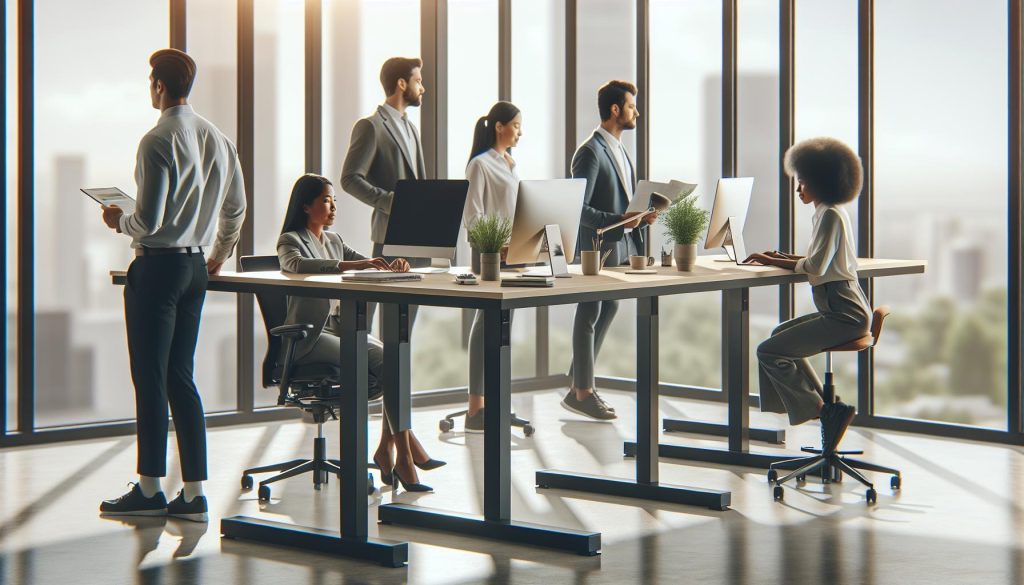
As we spend countless hours at our desks, have you ever stopped to consider the impact of your posture on your overall health and productivity? Standing desks are gaining popularity for good reason, as they can significantly enhance workplace wellness by reducing the risks associated with prolonged sitting. With benefits ranging from improved energy levels and focus to better posture and reduced back pain, making the switch may be one of the best decisions you ever make for your health. In this article, we’ll explore ten compelling reasons to embrace a standing desk, offering you the insights needed to transform not just your workspace, but your work-life harmony. Ready to discover how this simple change can fuel your performance and well-being? Let’s dive in!
The Science Behind Standing Desks and Health Benefits
Standing desks have gained popularity not just for their trendy aesthetics but for their potential health benefits, backed by a growing body of research. Studies suggest that integrating a standing desk into your daily routine can significantly influence physical health, cognitive performance, and overall well-being. One compelling statistic reveals that sitting for prolonged periods is linked to an increased risk of chronic diseases, including obesity, diabetes, and cardiovascular issues. By adopting a standing desk, you can mitigate some of these risks, ultimately paving the way for a healthier lifestyle.
As you stand, your body engages its muscles more actively, which can improve circulation and increase energy levels. Research indicates that standing while working may lead to a modest increase in daily calorie expenditure, supporting weight management efforts. Additionally, standing can enhance mood and morale; a study found that participants using standing desks reported reduced feelings of stress and fatigue, contributing to better overall mental health. By simply altering your position throughout the day, you can harness the benefits of physical activity without needing a full workout.
Furthermore, the ergonomic setup of standing desks can promote better posture and spinal alignment. Unlike traditional sitting, where individuals often slump and strain their necks and backs, standing encourages a more upright position, decreasing the likelihood of developing musculoskeletal issues. To maximize these benefits, it’s crucial to integrate movement into your routine and ensure that your workstation is set up correctly, taking into account screen height, keyboard position, and foot placement.
Incorporating a standing desk into your work life is more than just a trendy choice; it’s a strategic decision toward enhancing your health. Empower yourself with knowledge and small adjustments, and consider discussing your plans with a healthcare provider to tailor an approach that fits your needs and lifestyle. This proactive shift could not only reduce the risks associated with sedentary behavior but also significantly boost your productivity and well-being.
Boost Your Energy Levels with a Standing Desk
Standing while working can significantly boost your energy levels, transforming the way you engage with your tasks throughout the day. Research has shown that prolonged sitting can lead to feelings of fatigue and lethargy, as it often restricts blood flow and decreases muscle activity. By adopting a standing desk, you encourage better circulation and increased muscle engagement, resulting in a more invigorated state. This simple change can elevate your overall energy levels, allowing you to maintain focus and productivity even during long work hours.
Active standing promotes an increase in calorie expenditure compared to sitting, which contributes to energy regulation and better metabolic function. The body burns approximately 50% more calories when standing, and this increased energy expenditure can help combat the sluggishness commonly associated with sedentary behavior. For those who find the mid-afternoon slump a struggle, switching to a standing position can provide a revitalizing boost, helping to stave off that familiar post-lunch fatigue.
Moreover, the energy lift provided by a standing desk isn’t just physical; it can also improve mental clarity. Many users report enhanced mental alertness and sharper cognitive function when standing. This boost in brain activity correlates with increased levels of serotonin and dopamine, neurotransmitters that play vital roles in mood regulation and overall wellness. Therefore, by standing at your desk, you actively engage your body’s systems in a way that supports enhanced cognitive performance, helping you tackle complex tasks with renewed vigor.
To fully harness the benefits of a standing desk, consider integrating short movement breaks into your routine. Simple actions like stretching, walking around the office, or even doing a few squats can further stimulate blood flow and sustain your energy levels. Ensure your workspace is ergonomically designed, with your monitor at eye level and your keyboard easily accessible, allowing you to maintain comfort while standing. With these adjustments, transitioning to a standing desk can be a powerful catalyst for sustained energy and productivity in your workday.
Enhancing Focus and Productivity at Work
Standing desks can significantly enhance your focus and productivity at work, transforming how you approach your daily tasks. Engaging in a standing position fosters a conducive environment for concentration by stimulating mental alertness and clarity. Research indicates that standing while working can positively affect cognitive performance, as it encourages the flow of oxygen-rich blood to the brain. This surge in circulation supports heightened brain activity, which is essential for tasks requiring critical thinking and creativity.
One practical approach to maximizing productivity with a standing desk is to maintain an ergonomic setup. Position your monitor at eye level, ensuring that your neck remains aligned and relaxed. A comfortable keyboard height is crucial to prevent strain on your wrists and shoulders. Small adjustments to your workspace can have profound effects on your ability to focus and maintain energy throughout the day. Make sure to adjust your desk and chair (if applicable) to create a seamless transition between sitting and standing, allowing flexibility based on your comfort and workflow.
Incorporating regular movement into your routine can further amplify your productivity. Utilize short breaks to stretch, walk, or perform light exercises. These movements not only counteract the fatigue that can accompany prolonged standing but also invigorate your mind, increasing creativity and problem-solving capabilities. Some companies have successfully implemented “walking meetings,” where employees discuss projects while in motion, blending idea-sharing with physical activity. This innovative approach not only enhances focus but also fosters a collaborative spirit among team members.
Ultimately, making the switch to a standing desk can lead to substantial gains in both productivity and focus. By focusing on ergonomic placement, taking regular movement breaks, and fostering a dynamic workplace culture, you can create an environment that nurtures cognitive performance and overall well-being. Transitioning to a standing desk isn’t just about standing more; it’s about working smarter, allowing you to achieve your goals with renewed energy and clarity.
The Impact of Standing Desks on Posture
The transition from sitting to standing while working can profoundly affect your posture, leading to improved alignment and reduced strain on your body. Research indicates that a standing desk can encourage a more natural spinal alignment, which is essential for maintaining a healthy posture throughout your workday. When standing, you engage your core muscles more, which contributes to stability and supports your spine. This shift not only helps in preventing slouching but also promotes better overall body mechanics.
To optimize your posture at a standing desk, ensure that your work surface and monitor are positioned at the correct height. Ideally, your monitor should be at eye level, approximately an arm’s length away, to prevent neck strain. Your elbows should be at a 90-degree angle when typing, with your wrists in a neutral position to avoid additional tension. Utilizing an anti-fatigue mat can also help absorb shock and reduce discomfort associated with prolonged standing.
Moreover, changing your standing habits can further boost your posture. Instead of locking your knees, maintain a slight bend to promote circulation and avoid fatigue. Shift your weight from one foot to the other periodically to alleviate pressure and re-engage your muscles. Incorporating small movements, like gentle stretches or calf raises, throughout the day can also enhance your posture and support spinal health.
Creating an ergonomic setup plays a critical role in influencing your overall posture when using a standing desk. Consider utilizing tools such as desk stands or monitor risers to achieve optimal alignment. The goal is not just to replace sitting with standing but to create a dynamic work environment that encourages healthy postural habits, helping you feel more energized and focused throughout your day. Regular assessments of your posture while standing will ensure you remain mindful of your form, leading to long-term benefits for your spine and overall well-being.
Weight Management and Standing Desks: What You Need to Know
Standing more during your workday can have surprising impacts on weight management, making it an increasingly popular choice for those looking to maintain or improve their health. Studies suggest that substituting a portion of your sitting time with standing can increase calorie expenditure-potentially burning hundreds of extra calories each week. By engaging more muscle groups, even gentle standing promotes metabolism and can aid in weight control.
Caloric Burn and Movement
The typical sedentary lifestyle contributes significantly to weight gain and associated health issues. When incorporating a standing desk, the increase in energy expenditure can be attributed to the basic act of standing as opposed to sitting, as your body works harder to maintain posture and balance. For example, a person weighing around 155 pounds may burn approximately 50% more calories while standing compared to sitting. This translates to about 100 extra calories burned in just a few hours.
To maximize these benefits, consider incorporating movement throughout your standing work sessions:
- Walking Breaks: Schedule short walking breaks to keep your body engaged and your metabolism active.
- Dynamic Movements: Try shifting your weight from one foot to the other or adding light stretching to encourage circulation and prevent fatigue.
- Use a Stability Ball: Alternating between standing and a stability ball can engage your core and improve posture while also burning more calories.
Balancing Caloric Intake
While standing more can contribute to weight management, it is essential to combine this practice with mindful eating habits. The additional calories burned by standing can encourage more movement throughout your day, but it should not be a substitute for a well-balanced diet. Prioritize whole foods, including fruits, vegetables, lean proteins, and healthy fats, to complement your increased activity levels and ensure you provide your body with the nutrients it needs.
In summary, making the transition to a standing desk is not just about switching your position but creating an active workspace that encourages weight management and overall well-being. By enhancing your caloric expenditure through simple changes while also focusing on diet, you can foster a healthier and more productive work environment.
Reducing Pain: Standing Desks for Back and Neck Relief
The discomfort of back and neck pain is a common complaint among office workers, often exacerbated by long hours spent in a sitting position. Surprisingly, transitioning to a standing desk can be a game-changer for many. Research has shown that standing desks can significantly alleviate the strain on the back and neck by promoting better posture and reducing the mechanical stress associated with prolonged sitting. As your body becomes accustomed to a more upright position, you may notice a decrease in discomfort and an increase in overall well-being.
One of the key benefits of using a standing desk is the ability to maintain a neutral spine position. When properly adjusted, standing desks encourage a natural alignment of the body, which is critical for preventing pain in the back and neck areas. To optimize this setup, ensure that your computer monitor is positioned at eye level, and use an anti-fatigue mat to support your feet and legs as you stand. This mindful adjustment not only enhances comfort but also promotes lower back health by engaging core muscles, which provide essential support.
In addition to setting up your standing desk correctly, incorporating movement throughout your day is vital for pain relief. Consider adopting the following strategies to enhance your standing work experience:
- Change Positions Regularly: Alternate between standing and sitting to decrease fatigue and prevent overstraining any particular muscle group.
- Dynamic Stretching: Integrate gentle stretching exercises, such as neck rolls and shoulder shrugs, every hour to relieve tension and maintain mobility.
- Footwear Matters: Wear supportive, comfortable shoes when using a standing desk to minimize the risk of pain due to inadequate foot support.
In conclusion, embracing a standing desk is more than just a shift in position-it’s a powerful strategy for combating back and neck pain. By focusing on ergonomic design, integrating movement into your routine, and prioritizing proper footwear, you can create an environment that not only alleviates discomfort but also fosters greater productivity and wellness throughout your workday. Taking these proactive steps can lead to a more balanced and healthy approach to your work life, ultimately supporting your physical and cognitive health in the long run.
Creating an Ergonomic Workspace: A Step-by-Step Guide
In today’s increasingly sedentary work environments, setting up an ergonomic workspace is crucial for promoting health and enhancing productivity. A properly configured standing desk can be a game-changing addition to your workspace. However, creating an ergonomic setup involves more than just raising your desk height. It requires thoughtful planning to ensure your body remains aligned and comfortable throughout your workday.
Begin by adjusting the height of your standing desk. When standing, your elbows should be at a 90-degree angle with your hands resting comfortably on the keyboard. The top of your monitor should be at or slightly below eye level to prevent neck strain. To help achieve this, consider using monitor risers or adjustable arms that allow for easy repositioning. Additionally, ensure that the monitor is about an arm’s length away to reduce eye strain.
Next, pay attention to your feet. Standing for prolonged periods can lead to discomfort, especially in the lower body. Use an anti-fatigue mat to provide cushioning and support, reducing pressure on your feet. Wearing supportive footwear is equally important; opt for shoes that provide good arch support to avoid fatigue over time.
Don’t forget to incorporate movement into your routine. Standing desks are beneficial, but mixing standing and sitting can reduce muscle fatigue. Schedule regular intervals to switch between positions. Also, integrate dynamic stretches into your day. Simple movements like ankle rolls, calf raises, or shoulder stretches can significantly improve circulation and reduce stiffness.
Lastly, consider your overall workspace organization. Keep frequently used items within easy reach to minimize strain; this could involve rearranging your desk layout. Utilize tools like document holders to maintain a neutral neck position while reading and writing.
By taking these steps to create an ergonomic workspace, you set yourself up for a more comfortable and productive work experience, enhancing your cognitive function and overall well-being. Prioritizing ergonomics not only helps in managing stress but also promotes long-term health benefits as you navigate your work life.
Incorporating Movement: Tips for Active Work Hours
Incorporating movement throughout your workday is crucial for maximizing the benefits of a standing desk. Studies show that integrating physical activity into your routine, even in small doses, can enhance your overall energy, mood, and cognitive performance. To help you stay active while working, consider the following practical strategies.
Establish Movement Breaks
Set a timer to remind yourself to move every 30 to 60 minutes. Use these breaks to step away from your desk and engage in light activity. This can be as simple as walking around your office, doing a quick set of stretches, or taking the stairs instead of the elevator. Incorporating just a few minutes of movement can help clear your mind and revitalize your focus.
Dynamic Stretching Exercises
Integrate short dynamic stretching routines into your workday. These can alleviate tension and improve blood flow, making you feel more dynamic and alert. Here’s a quick list of stretches you can do:
- Calf Raises: Stand tall and lift your heels off the ground, then lower back down.
- Shoulder Rolls: Roll your shoulders back and forth to relieve tension.
- Neck Tilts: Gently tilt your head from side to side, holding each position for a few seconds.
- Wrist and Finger Stretches: Stretch out your wrists and fingers to relieve strain from typing.
Create a Walking Workspace
If possible, consider a walking desk or a tread desk to keep your body moving while working. This setup allows you to walk at a gentle pace while still being productive, which can be an excellent way to increase your daily step count without sacrificing your tasks.
Leverage Technology
Use apps or fitness trackers that remind you to stand or move at regular intervals. Many standing desks also come equipped with programmable settings that can remind you to change positions throughout the day. Such tools aid in building consistent habits that promote mobility and well-being.
Integrating these movement strategies into your work environment not only supports physical health but also nurtures a more engaged, productive mindset. Moving regularly helps to combat fatigue, enhances creativity, and promotes a vibrant workplace culture. Whether through scheduled breaks, stretching sessions, or innovative walking setups, every little step contributes to a more active lifestyle within your work hours.
Navigating Transition: How to Shift to a Standing Desk
Making the switch to a standing desk can significantly enhance your well-being, but transitioning requires a thoughtful approach to ensure lasting benefits. Start by gradually increasing the time you spend standing each day. It’s not necessary to jump directly to standing full-time; instead, begin with short intervals-aim for 15 to 30 minutes of standing every hour. This gradual adjustment helps your body adapt to the new posture and reduces the likelihood of discomfort.
Focus on your ergonomic setup to create a comfortable standing environment. Ensure your desk is set to the right height, where your elbows are at a 90-degree angle while typing. Your screen should be at eye level, preventing strain on your neck and shoulders. A sturdy anti-fatigue mat can also provide comfort while you stand, helping to alleviate pressure on your feet and legs. Don’t underestimate the importance of supportive footwear; opt for shoes that provide adequate cushioning and arch support.
Regular movement is essential, even while standing. Incorporate small but frequent activities into your routine, such as shifting your weight from one foot to the other or performing calf raises. You might find it beneficial to keep a resistance band or some light weights nearby to engage in brief muscle-strengthening exercises throughout the day. These practices enhance circulation and can energize your mind, keeping you focused on tasks without succumbing to fatigue.
Lastly, stay attuned to how your body feels during this transition. Listen to its signals and be willing to adjust your routine as needed. If you experience discomfort, consider alternating between sitting and standing until you find a balance that works for you. Remember, the goal of integrating a standing desk is not just to reduce sedentary time but also to foster a healthier, more productive workspace. Professional guidance, if needed, can ensure you are adopting practices that align with your personal health profile. Embrace the shift, and enjoy the multitude of benefits a standing desk can offer to your overall workplace wellness and cognitive performance.
Addressing Common Concerns About Standing Desks
Making the switch to a standing desk often raises a variety of concerns, primarily surrounding comfort, productivity, and health implications. It’s important to address these issues head-on to empower individuals to embrace this transition with confidence and knowledge.
One of the most common concerns is related to discomfort, particularly in the legs and lower back. Standing for prolonged periods can initially lead to fatigue or soreness. To mitigate this, consider investing in an anti-fatigue mat that provides cushion and support, reducing leg strain. Rotate your position frequently; for instance, standing for 30 minutes followed by sitting for 30 can help your body acclimatize gradually. Developing a routine that includes short movement breaks-such as walking or stretching-can improve circulation and reduce the discomfort associated with extended standing.
Another frequent worry is whether standing desks truly enhance productivity. Research has shown that standing while working can improve mood and energy levels, potentially leading to increased focus and output. However, this benefit can vary among individuals. It is essential to customize your workspace ergonomically. Ensure your computer monitor is at eye level to prevent neck strain, and keep your keyboard at a height that allows your elbows to remain close to your sides, forming an approximate right angle. Such adjustments not only enhance comfort but also help maintain concentration, making the transition to standing more beneficial for cognitive function.
Lastly, some individuals express apprehension over the long-term health impacts of standing desks. While standing more can help combat the negative effects of a sedentary lifestyle, it’s crucial to strike a balance. Overdoing standing time without breaks can lead to joint strain or circulatory issues. A dynamic work approach that includes sitting, standing, and moving throughout the day is the ideal solution. Incorporating specific exercises-like calf raises and leg stretches-can promote better circulation and muscle engagement while standing.
In summary, embracing a standing desk can yield numerous benefits when approached mindfully. By addressing concerns about discomfort, optimizing ergonomics, and maintaining movement, individuals can not only enhance their workplace wellness but also promote greater overall health. Consulting with health professionals or ergonomic experts can provide tailored advice for those facing specific challenges, ensuring that each person finds a setup that best suits their needs.
Real-Life Success Stories: Transformations with Standing Desks
Making the switch to a standing desk has transformed the work environments and health outcomes for countless individuals, demonstrating the powerful impact of this simple yet profound change. For many, the decision to transition to a standing desk was sparked not just by the desire for improved ergonomics, but by a deep-seated need to combat the physical and mental fatigue that comes from a sedentary lifestyle.
One notable success story comes from Jenna, an IT professional who found herself struggling with chronic back pain after years of sitting at her desk. After some research, she decided to invest in a height-adjustable standing desk, allowing her to alternate between sitting and standing. Initially hesitant, she soon realized that integrating standing into her workday alleviated her back pain significantly. Along with an anti-fatigue mat, Jenna started taking short breaks to stretch and walk around, further boosting her comfort and energy levels. As a result, she not only experienced physical relief but also noted a marked improvement in her daily productivity, attributing her increased energy to the new desk setup.
Another inspiring transformation was shared by Tim, a marketing manager, who faced declining motivation and focus. His shift to a standing desk was coupled with strategic routine adjustments. By setting timers to remind himself to switch positions and take movement breaks, Tim created a dynamic work environment that kept his brain engaged. He discovered that standing while participating in virtual meetings made him feel more alert and animated, enhancing his contributions and collaborations. Tim’s success underlines the importance of structure and intentional breaks, providing a framework for those exploring similar changes.
Stories like Jenna’s and Tim’s resonate with many who seek to enhance their workspace for better health and productivity. The key takeaway is that these transformations are not merely about standing more; they encompass a holistic approach to work life that includes regular movement, conscious ergonomics, and personal adjustments tailored to individual needs.
Practical Tips for Your Transformation
To embark on your own journey towards a more productive and healthier workspace, consider these practical steps:
- Ease into standing: Start with short intervals of standing (15-30 minutes) and gradually increase as your body adapts.
- Monitor your posture: Ensure your monitor is eye level and your wrists are straight to prevent discomfort.
- Incorporate movement: Take breaks every hour to walk or stretch, helping to maintain circulation and focus.
- Use adaptive furniture: Invest in anti-fatigue mats and ergonomic accessories to support your standing efforts.
These stories and strategies illustrate that the journey to wellness in the workplace is possible and achievable. Each step taken towards a more engaging, health-oriented work environment can lead to significant improvements in both mental and physical wellness.
Future Trends: Standing Desks and Workplace Wellness
The future of workplace wellness is increasingly intertwined with the adoption of standing desks and other innovative ergonomic solutions. With a growing body of research underscoring the link between sedentary behavior and various health issues, organizations are recognizing the necessity of creating dynamic work environments that promote physical health, cognitive performance, and overall well-being. As more companies embrace flexibility in workstations, the benefits of standing desks are becoming integral to broader workplace wellness strategies.
One significant trend is the integration of technology in standing desk setups, making them smarter and more adaptable. For instance, many modern desks come equipped with reminders to stand or change positions, as well as apps that track time spent in each posture. This technological advancement not only helps individuals stay mindful of their movement but also aids in cultivating healthier habits over time. Such integration reflects a shift towards personalized wellness strategies that enable employees to tailor their work environment to their specific needs.
Moreover, the emphasis on mental health in the workplace is paving the way for wellness initiatives that incorporate movement and social interaction. Standing desks provide an opportunity for casual conversations and collaborations, thereby fostering a more engaging work culture. Additionally, organizations are beginning to offer wellness programs that encourage not just the use of standing desks but also regular movement breaks, stretching sessions, and mindfulness activities. This holistic approach reinforces the understanding that cognitive health is deeply connected to physical activity and posture, promoting both productivity and mental clarity.
As businesses adapt to these trends, the conversation around workplace wellness will likely continue to evolve. Companies may increasingly invest in ergonomic furniture and design offices that encourage mobility and interaction, aligning their goals with employee health outcomes. By supporting such initiatives, both employers and employees can benefit from reduced healthcare costs, higher morale, and enhanced creativity, ultimately creating a more dynamic and sustainable work environment.
FAQ
Q: What are the benefits of using a standing desk?
A: Using a standing desk can enhance energy levels, improve posture, reduce back pain, and increase productivity. Additionally, it can aid in weight management and promote overall workplace wellness, making it a beneficial choice for many professionals.
Q: How do standing desks help improve focus?
A: Standing desks can improve focus by promoting better blood circulation and reducing discomfort associated with prolonged sitting. This can lead to higher productivity levels and enhanced cognitive function, allowing for more effective work sessions.
Q: When should I consider switching to a standing desk?
A: Consider switching to a standing desk if you frequently experience discomfort while sitting, find yourself feeling fatigued during work hours, or seek to enhance your overall wellness and productivity at work. Transitioning gradually can help you adjust more comfortably.
Q: Are there any downsides to using a standing desk?
A: While standing desks offer many benefits, potential downsides include fatigue or discomfort when standing for long periods. It’s crucial to combine standing with movement and take breaks to avoid strain. A well-designed ergonomic setup can mitigate these issues.
Q: How can I effectively transition to a standing desk?
A: To effectively transition to a standing desk, start gradually by alternating between sitting and standing, aiming for 15-30 minutes of standing at a time. Adjust your desk height properly and incorporate footrests or anti-fatigue mats to enhance comfort during this change.
Q: Can a standing desk help reduce back pain?
A: Yes, a standing desk can help reduce back pain by promoting better posture and encouraging movement. Standing encourages joint mobility and helps alleviate discomfort often associated with prolonged sitting, especially if combined with good ergonomic practices.
Q: What is the optimal height for a standing desk?
A: The optimal height for a standing desk should allow your elbows to be at a 90-degree angle when typing, with your monitor at eye level to reduce neck strain. Adjust your desk based on your height for the best ergonomic fit.
Q: How does a standing desk support weight management?
A: A standing desk supports weight management by encouraging more movement throughout the day, which can increase calorie expenditure compared to prolonged sitting. Incorporating standing into your routine helps boost metabolism and promote a healthier lifestyle.
Closing Remarks
Embracing a standing desk can transform your work experience, promoting improved posture, increased energy levels, and better focus. By taking the first step toward a healthier workspace today, you not only enhance your productivity but also invest in your long-term well-being. If you’re unsure about making the switch, explore our guide on “Setting Up an Ergonomic Workspace” to ease your transition, or check out “Healthy Work Habits for Brain Health” for more insights.
Ready to take action? Sign up for our newsletter for the latest tips on workplace wellness and cognitive performance. And if you have any questions or ideas, we’d love to hear from you in the comments! Let’s continue this journey toward a healthier and more productive work life together. Your well-being deserves it!