Have you ever considered the intelligence of the creatures we often deem pests? Cockroaches, despite their reputation as undesirable housemates, possess fascinating cognitive abilities. Interestingly, these resilient insects have a simple yet effective nervous system that enables them to respond to their environment in ways that may surprise us. Understanding whether cockroaches truly have brains or rely on instinct and reflex can shed light on the broader topic of insect intelligence, revealing how these small creatures thrive in diverse environments. This exploration not only satisfies our curiosity but also emphasizes the intricate balance of ecosystems and the roles even the smallest beings play. Join us as we delve into the remarkable world of cockroach cognition and uncover the surprising nuances of insect intelligence that challenge our perceptions and provoke further thought.
Do Cockroaches Think? Exploring Insect Intelligence
Despite their reputation as mere pests, cockroaches exhibit complex behaviors that suggest a level of intelligence previously underestimated. These hardy insects have a decentralized nervous system that allows them to process information in ways that appear quite sophisticated. For instance, rather than relying on a singular central brain, cockroaches possess a series of ganglia that help them react swiftly to environmental stimuli. This anatomical setup enables them to perform rapid responses and navigate their surroundings effectively, which are clear indicators of cognitive function.
Cockroaches are not just programmed to survive; they engage in problem-solving behaviors that showcase their ability to think and learn. In various studies, researchers have demonstrated that cockroaches can adapt their behavior based on experiences. For example, when faced with obstacles or traps, they can alter their paths after recognizing patterns in their environment. This ability to assess situations and modify their responses is a characteristic usually associated with higher thinking processes in animals.
Moreover, social dynamics among cockroaches reveal intricate communication methods. They produce pheromones that convey information regarding food sources and potential dangers, suggesting a collective intelligence that enhances their survival. The intricate communication networks enable them to function as a cohesive unit, which is vital for their success as a species.
In summary, while cockroaches may not “think” in the human sense, their behavior and neural structure paint a picture of insect intelligence that deserves further exploration. Understanding these aspects not only reshapes our view of these creatures but also prompts intriguing questions about the nature of intelligence across species.
The Surprising Anatomy of a Cockroach Brain

The complexity of a cockroach’s brain might surprise those who view these insects merely as pests. Unlike mammals, which rely on a centralized brain, cockroaches have a decentralized nervous system that comprises multiple ganglia-clusters of nerve cells-throughout their bodies. This setup allows them to react quickly to their environment, nearly autonomously. Each ganglion can process information and control movements independently, demonstrating a unique form of intelligence that contrasts with traditional notions of a ‘brain.’
Neural Architecture and Function
The anatomical structure of a cockroach’s nervous system includes a brain located in the head, which is connected to a ventral nerve cord running along the length of its body. This cord is segmented into ganglia, each corresponding to different body parts. Such a design enables cockroaches to coordinate their movements efficiently while simultaneously processing sensory information from their surroundings, like light intensity and chemical signals. This mechanism is critical for executing swift escape responses, an evolutionary trait that enhances survival.
Moreover, the brain itself, although small, is layered with regions dedicated to sensory processing, motor control, and even simple forms of learning. Studies have shown that cockroaches can navigate mazes and change their behavior based on past experiences, hinting at cognitive flexibility. This adaptability not only showcases their problem-solving skills but also reinforces their ability to thrive in various environments.
Implications for Understanding Intelligence
Cockroaches challenge the anthropocentric view of intelligence. While they might not “think” in ways that we understand, their capabilities suggest that intelligence can manifest in diverse forms. An understanding of insect brains could provide insights into the evolution of intelligence across species. For instance, how cockroaches prioritize survival and adapt their behaviors could inform conservation strategies for more vulnerable species facing environmental changes.
In summary, the surprising anatomy and function of a cockroach’s nervous system unveil the sophistication behind what may initially appear as simple, instinctive behavior. This perspective not only enriches our understanding of these remarkable insects but also opens up discussions about the broader applications of insect cognition in ecological studies and the potential benefits they offer in understanding complex biological systems.
How Do Cockroaches Compare to Other Insects?
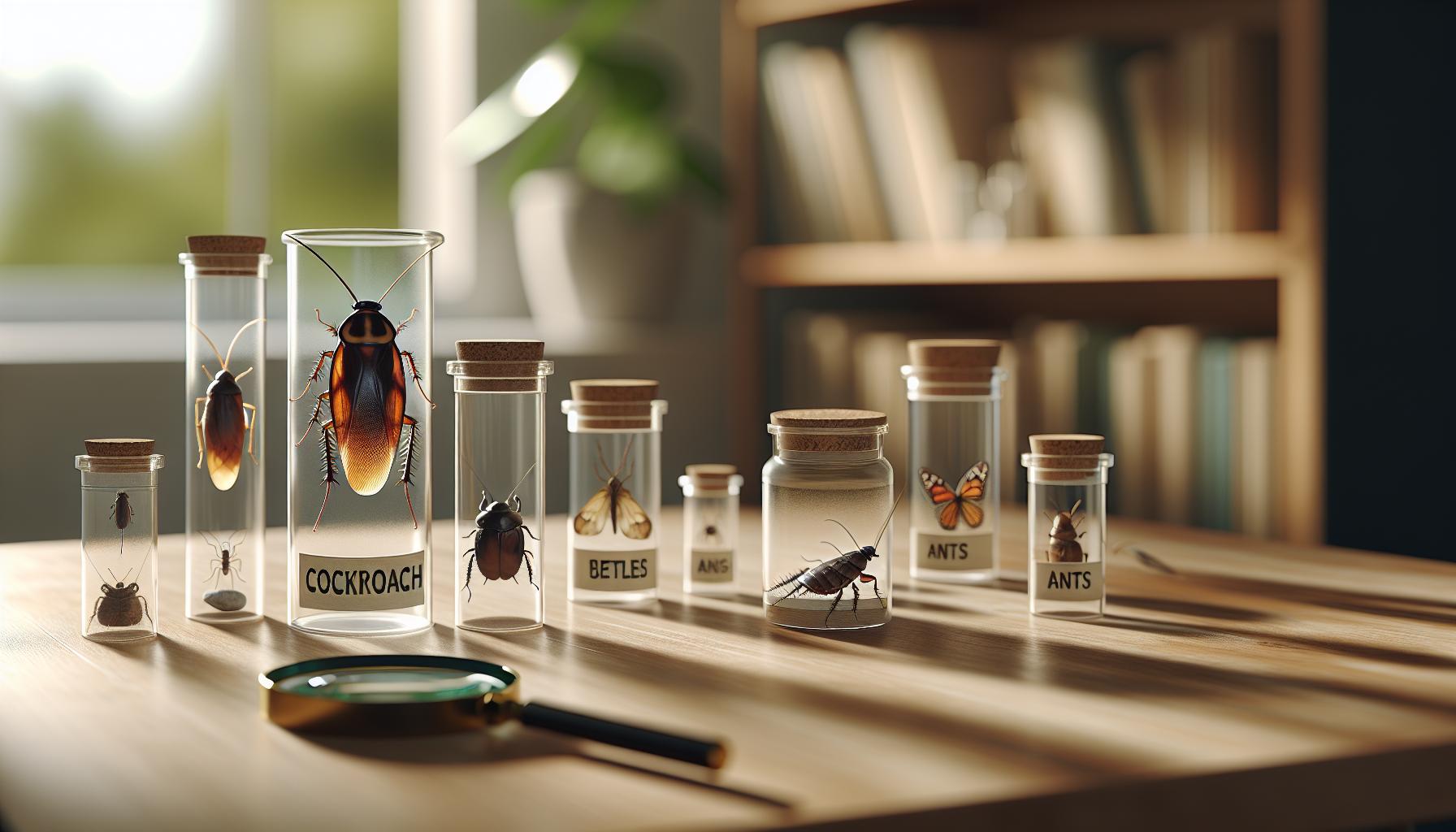
Cockroaches, often dismissed as mere pests, exhibit surprising cognitive abilities that set them apart from other insects. When comparing them to their insect counterparts, it becomes clear that their neurological makeup allows for a unique blend of behaviors and responses. While many insects, such as ants and bees, display social structures and cooperative behaviors, cockroaches demonstrate adaptability and resilience in individualistic environments. This trait is crucial for their survival in diverse habitats, showcasing a different strategy for coping with challenges.
Neurological Differences
The cockroach’s brain, though diminutive compared to that of bees or ants, possesses specialized areas for sensory processing, motor functions, and learning. This structure enables cockroaches to react swiftly to threats, often escaping before humans even realize they are present. In contrast, social insects like ants exhibit advanced problem-solving skills through cooperative efforts and communication, relying on pheromones and other signals to coordinate group activities. While this community-centric intelligence is impressive, it highlights a divergence in strategies between social and solitary species.
Behavioral Comparisons
Cockroaches are often noted for their ability to learn from experience, demonstrating a form of habituation and behavioral adjustment. For instance, studies show that cockroaches can navigate mazes and remember the layout to avoid obstacles. This learning process, although simpler than that observed in social insects, underscores their ability to adapt behaviors based on environmental cues. Social insects, on the other hand, excel in complex behaviors such as resource allocation and task specialization, underpinned by their intricate communication systems.
In summary, while cockroaches may not participate in social hierarchies like bees and ants, their remarkable adaptability and cognitive functions illustrate the diverse forms of intelligence across the insect kingdom. Understanding these differences not only enriches our appreciation of these creatures but also enhances our grasp of evolution and the various survival strategies employed by different species in the animal kingdom. By recognizing the unique capabilities of cockroaches, we can challenge our preconceived notions of intelligence in the insect world and appreciate the intricate balance of evolution’s diverse strategies for survival.
Understanding Cockroach Behavior and Decision-Making

Cockroaches, often viewed as mere nuisances, possess a remarkable ability to exhibit complex behaviors and make nuanced decisions in their day-to-day survival. This intelligence is not only a testament to their evolutionary success but also challenges the conventional perception of what it means to be a “thinking” creature. In studies, researchers have observed that these insects engage in behaviors that suggest a level of decision-making influenced by their environment, showing instincts that help them prioritize safety and food acquisition over comfort.
One key aspect of cockroach behavior is their reaction to threats. When sensing danger, a cockroach’s immediate response is typically to flee, a behavior deeply rooted in their survival instinct. However, their decision-making doesn’t stop there. Research indicates that cockroaches assess their environment to determine the safest escape routes, showcasing their capacity for spatial awareness. They can navigate complex environments by remembering and adapting to the layout of their surroundings, a skill that aids them in avoiding predators and efficiently locating resources.
Learning and Adaptability
The adaptability of cockroaches is further highlighted by their ability to learn from past experiences. Through processes like habituation, they can adjust their behaviors based on repeated exposure to specific stimuli. For instance, if a cockroach encounters a specific scent associated with danger, it learns to avoid that area in the future. This adaptability and learning capability position cockroaches alongside other cognitively advanced insects, emphasizing that intelligence in the animal kingdom exists on a spectrum.
Moreover, the social dynamics among cockroaches can also influence individual decision-making. Although typically solitary, these insects sometimes exhibit group behavior, which can enhance their survival strategies. When in groups, cockroaches share information about resources and potential threats, further reinforcing their decision-making processes based on collective experiences.
Understanding the nuances of cockroach behavior and decision-making not only enriches our knowledge of insect intelligence but also encourages a broader consideration of cognitive abilities across species. By diving deeper into the remarkable world of these resilient creatures, we can appreciate the sophistication of their behaviors, which reflect a level of intelligence that is often underestimated.
The Role of Memory in Cockroach Survival
Cockroaches showcase an intriguing relationship between memory and survival, highlighting their incredible evolutionary adaptations. Memory plays a critical role in how these insects navigate their environments, make decisions, and ultimately stay alive in complex and often hostile situations. The ability to remember locations, danger zones, and food sources significantly enhances their chances of survival.
One of the key functions of memory in cockroaches is their spatial memory, which allows them to recall the layout of their surroundings. Research shows that cockroaches can efficiently map routes to food and safety by remembering distinct physical landmarks. When they encounter obstacles or threats, their memory aids in evaluating the safest escape routes. This spatial awareness is especially vital in the wild, where the risk of predation is ever-present.
Moreover, cockroaches demonstrate a form of associative learning, where they link specific environmental cues to past experiences. For example, if a cockroach learns that a particular scent precedes danger, it will remember to avoid that area in the future. This learning process is not static; rather, it involves updating and adjusting behaviors based on new experiences. As they explore their habitats, they collect and store crucial information that informs their decisions, increasing their odds of survival.
In understanding the vital role memory plays in cockroach survival, we can also draw parallels to broader concepts of intelligence across species. These remarkable adaptations raise questions about the nature of memory and learning in all organisms, showcasing that even the smallest creatures possess complex cognitive abilities that enhance their survival in a challenging world.
Are Cockroaches Capable of Learning?
Cockroaches exhibit remarkable learning capabilities that challenge our traditional understanding of insect intelligence. Research has shown that these creatures can adapt their behaviors based on experience, demonstrating a form of learning that rivals that of more complex animals. For example, when exposed to certain stimuli that signal danger-like a specific scent-they can associate that scent with a negative experience. This association teaches them to avoid similar scents in the future, enhancing their chances of survival in a dynamic environment.
Types of Learning in Cockroaches
Cockroaches primarily engage in two main types of learning: associative learning and spatial learning. Associative learning allows them to make connections between environmental cues and outcomes, while spatial learning helps them navigate their surroundings effectively. When faced with threats, their ability to recall safe routes can be life-saving. They are adept at memorizing the layout of their habitats, which enables them to maneuver around obstacles and find food efficiently. This vibrant capacity for adaptation suggests that cockroaches are not merely reactive creatures; they are capable of sophisticated decision-making tactics that enhance their survival prospects.
Practical Applications of Cockroach Learning
Understanding how cockroaches learn can inform broader scientific inquiries and applications. By studying cockroach learning strategies, researchers can draw parallels to more complex forms of memory and behavior in higher animals, including humans. For example, cognitive scientists have looked into how the learning behaviors of cockroaches can be replicated in models that help us better understand neuroplasticity-the brain’s ability to adapt and reorganize itself in response to experiences. Recognizing these small yet significant capabilities in cockroaches not only broadens our comprehension of insect life but also enriches our understanding of cognitive processes in general.
Ultimately, the learning abilities of cockroaches underscore the complex nature of intelligence across different life forms. Their capacity to learn from their environment and modify their behavior in real-time serves as a powerful reminder that the traits we often tie solely to larger mammals are also present in the smallest of creatures-enhancing our appreciation of the intricate web of life on our planet.
Innovative Research on Insect Cognition
Research into insect cognition, particularly regarding cockroaches, reveals a fascinating deployment of neural resources that challenges conventional views of intelligence in the animal kingdom. Recent studies highlight key cognitive abilities in cockroaches, suggesting that their brain structure and function are more intricate than previously thought. This complexity poses intriguing questions about the nature of intelligence across species and the evolutionary advantages of such stealthy survivors.
For instance, researchers have demonstrated that cockroaches can navigate mazes and solve problems, showcasing their capability for both spatial awareness and learning from their experiences. This learning is not just instinctual; it involves a form of cognitive processing where cockroaches adapt their behavior based on previous encounters with their environment. Utilization of multi-sensory cues-like light and temperature-allows them to make informed decisions, reflecting a level of awareness that implies a rudimentary understanding of cause and effect.
Another area of excitement in cockroach cognition research is neuroplasticity, the brain’s ability to change and form new connections. Studies have shown that even the relatively simple nervous systems of cockroaches can exhibit plasticity similar to that in higher-order mammals. This opens up new avenues for bioengineering and robotics, where insights gleaned from insect behavior and adaptability could enhance the development of adaptive artificial systems.
The implications of this innovative research extend beyond academic curiosity. Understanding how cockroaches and other insects navigate challenges can inspire developments in cognitive science, offering lessons in resilience and adaptability that can inform human approaches to problem-solving and workplace environments. By recognizing that intelligence exists in various forms, we can cultivate an inclusive perspective on learning and adaptability, both in nature and in our everyday lives.
The Fascinating Social Dynamics of Cockroaches
While often viewed as solitary creatures, cockroaches exhibit complex social dynamics that significantly enhance their survival and adaptability. These insects operate in colonies, and their interactions are guided by intricate social behaviors that allow them to communicate and respond to their environment collectively. This collaborative mindset is not just an evolutionary trait but a sophisticated adaptation that showcases their intelligence more than one might assume.
Cockroaches utilize a form of chemical communication known as pheromones to share information within their colonies. These chemical signals can indicate the presence of food, potential threats, or even the best hiding spots. Such communication fosters a collective awareness, enabling them to make swift decisions that benefit the entire group. For example, when one cockroach discovers food, it releases a pheromone trail that others can follow, efficiently guiding the colony to resources. This behavior not only highlights their ability to collaborate but also emphasizes their capacity for decision-making based on shared knowledge.
Additionally, studies have shown that cockroaches demonstrate social learning, which means they can acquire knowledge by observing others in their colony. Young cockroaches often learn food sources and danger signals by watching their elders. This learning approach not only speeds up their survival skills but also reinforces the importance of social dynamics within the colony. It’s a testament to how connected behaviors can result in a form of communal intelligence, where individual actions contribute to the greater good of the group.
In the workplace, we can draw valuable lessons from the social dynamics of cockroaches. Encouraging teamwork and open communication within teams can lead to enhanced problem-solving capabilities and better overall performance. Just as cockroaches thrive through collaboration, fostering an environment where sharing knowledge and experiences is valued can improve both individual and group outcomes. Embracing these principles can aid in creating a supportive workplace culture that emphasizes resilience and adaptability, much like the social structures found in the fascinating world of cockroaches.
By recognizing the intricate social behaviors of these insects, we can appreciate the myriad forms of intelligence that exist in nature and apply those insights to our interactions and relationships in everyday life.
What Cockroaches Can Teach Us About Brain Evolution
The remarkable resilience of cockroaches offers profound insights into the evolution of brains not just in insects, but across all species. These hardy insects boast a simplistically structured nervous system that nonetheless supports some surprisingly sophisticated behaviors, challenging traditional assumptions about intelligence and brain complexity. Unlike more advanced organisms, where larger brains are often correlated with greater cognitive abilities, cockroaches demonstrate that size is not the only measure of capability. Their brains contain about a million neurons, far fewer than the billions found in a human brain, yet they exhibit remarkable functions like learning, memory, and decision-making.
Research into cockroach behavior reveals how their neural circuitry is adapted for survival. For instance, cockroaches can navigate complex environments and make quick decisions in the face of threats. They utilize sensory inputs like touch and odor, processed through dedicated neural pathways, allowing them to react almost instantaneously. This examination of how cockroaches convert environmental stimuli into actions can inform our understanding of neural efficiency and evolution. As such creatures have thrived for millions of years, their brain evolution underscores the importance of adaptability in the face of changing environments.
Learning from cockroaches encourages us to reflect on our cognitive processes and workplace strategies. Understanding that effective intelligence can emerge from simplicity highlights the potential for achieving high levels of performance without necessarily relying on complex structures. Just as cockroaches leverage collective behaviors and decision-making strategies within their colonies, teams in professional settings can benefit from streamlined communication and empowerment. Fostering environments that mimic the collaborative adaptability seen in nature can enhance problem-solving capacities and promote innovation.
Ultimately, exploring the evolution of cockroach brains teaches valuable lessons about resilience, efficiency, and adaptability-qualities that are essential not just in nature, but also in enhancing workplace productivity and fostering personal cognitive health. By integrating these principles, we can cultivate a culture that prioritizes learning, adaptability, and effective collaboration, driving innovation in increasingly complex environments.
Debunking Myths: Cockroaches and Human Interaction
Despite their reputation as unsightly pests, cockroaches possess a fascinating set of adaptations and behaviors that often defy common misconceptions about their interaction with humans. One of the more prevalent myths is that cockroaches are purely unsanitary creatures that thrive on human waste and food leftovers, suggesting they actively seek human interaction for this purpose. In reality, these insects are drawn to warmth, moisture, and food sources in general, not specifically human habitats. Their intelligence allows them to swiftly navigate their environment, making them efficient scavengers in diverse ecosystems, but they are far from being social pests seeking companionship or interaction.
Another misconception is that cockroaches are overly aggressive and will attack humans if threatened. This is a dramatic overstatement. While cockroaches can be startling to encounter, they primarily rely on their quick reflexes and ability to hide to evade danger. Their primary interaction with humans is a defensive one, driven by fear rather than aggression. Educating ourselves about these insects helps demystify our reactions to them and paves the way for more informed management strategies in our living environments.
From a broader perspective, understanding cockroaches can offer insights into resilience and adaptability that are applicable in human contexts, particularly in workplace wellness. Just as cockroaches effectively respond to environmental changes and threats, we can draw inspiration from their capacity for survival and apply similar principles in managing stress and navigating professional challenges. By cultivating an environment that encourages flexibility and adaptability, we promote not only cognitive health but also a collaborative spirit that can enhance overall productivity.
In summary, dispelling myths surrounding cockroaches clears the path for recognizing their inherent value in ecological systems, while also illuminating lessons in resilience and adaptability that can greatly enhance human health and workplace dynamics. Embracing a mindset that balances understanding with action fosters a healthier relationship with our environment-both natural and built.
Cockroaches in Popular Culture: Misunderstood Marvels
Many people only associate cockroaches with dirt and disease, viewing them as undesirable pests. However, these agile creatures possess remarkable traits that often go unrecognized in popular culture. In reality, while they may send shivers down our spines, cockroaches embody resilience and resourcefulness, showcasing capabilities that challenge our understanding of animal intelligence.
Cockroaches have infiltrated various forms of media, often depicted as symbols of survival against the odds. In films and cartoons, they are often characterized as villains or nuisances, reinforcing the stigma against them. Yet, these portrayals overlook the intricate behaviors cockroaches exhibit, such as their ability to navigate through complex environments and their effective communication methods. For example, they can convey information about food sources through chemical signals, a sophisticated form of social interaction that reflects more intelligence than mere instinct.
Moreover, studying cockroaches can inspire innovations in technology and architecture. Their adaptability and survival strategies have prompted scientists to explore bio-inspired designs in robotics and urban planning. Recognizing the role of cockroaches in ecosystems and their potential contributions to scientific advancements can foster a greater appreciation for these misunderstood marvels.
As we educate ourselves about the cognitive capacities of cockroaches, we can also reflect on how embracing resilience and adaptability can enhance our mental well-being in the workplace. These lessons can be applied to stress management strategies, promoting a culture of flexibility and resourcefulness that benefits our productivity and cognitive health. Appreciating the intelligence of cockroaches offers a unique lens through which we can view our challenges, encouraging us to navigate them with similar tenacity.
Future Research Directions in Insect Intelligence
Unlocking the mysteries of insect intelligence presents exhilarating opportunities for future research, particularly in understanding the cognitive capabilities of cockroaches. As scientists delve deeper into the complexities of these creatures, several promising directions emerge that can reshape our perceptions of not just cockroaches but insects as a whole.
One significant avenue for exploration is the examination of neuroplasticity in cockroaches. Unlike humans, whose brains exhibit remarkable adaptability throughout life, the mechanisms behind neuroplasticity in insects are less understood. Research aimed at uncovering how cockroaches can learn from their experiences and adapt their behavior accordingly could reveal fundamental insights into cognitive flexibility. Studies could focus on how environmental changes affect their decision-making skills and memory retention, potentially leading to groundbreaking advancements in fields ranging from robotics to artificial intelligence.
Another intriguing area is the exploration of inter-species communication. By utilizing advanced imaging techniques and behavioral analysis, researchers can observe how cockroaches convey information to one another through chemical signals and body language. This could advance our understanding of social dynamics among insects, challenging existing notions of solitary versus social behavior. Additionally, insights gained from such studies could inspire bioengineering projects that mimic efficient communication systems in nature.
Furthermore, the implications of cockroaches in ecological studies should not be overlooked. As scavengers, they play a vital role in decomposition and nutrient cycling in various ecosystems. Future research could assess how disruptions in their populations or habitats influence broader environmental health, which is particularly relevant in the context of urbanization and climate change. Understanding the adaptability of cockroaches may also provide valuable lessons on resilience that can be applied to human challenges in sustainability and environmental stewardship.
In conclusion, as we embark on exploring these future research directions, we also enrich our understanding of cognitive health in general. The adaptability and survival strategies observed in cockroaches can serve as powerful metaphors for resilience in the workplace and beyond. By fostering an environment that promotes learning and adaptability, individuals can enhance their well-being, cultivate stress management skills, and thrive in complex situations-all inspired by these fascinating creatures that defy our expectations of intelligence.
Frequently asked questions
Q: Do cockroaches feel pain like humans do?
A: Cockroaches do possess pain receptors and can respond to harmful stimuli, indicating they have a basic ability to sense pain. However, their experience of pain is likely different from humans, as their nervous system operates differently. For more insights, explore the section on cockroach behavior and decision-making.
Q: How does a cockroach’s brain function compared to other insects?
A: A cockroach’s brain is relatively simple but highly efficient for survival tasks like navigation and decision-making. While it’s less complex than some insects, it exhibits advanced adaptive behavior, allowing cockroaches to thrive in various environments. Check out the comparison with other insects for detailed insights.
Q: What triggers a cockroach’s learning process?
A: Cockroaches learn through experience, primarily influenced by environmental factors and their interactions with other cockroaches. Conditioning and memory play crucial roles in helping them adapt to survive. For evidence of their learning capabilities, visit the section on are cockroaches capable of learning?
Q: Can cockroaches communicate with each other?
A: Yes, cockroaches communicate using chemical signals, known as pheromones, which help them coordinate social behavior, find food, and signal danger. This social dynamic contributes to their success as a species. Refer to the section on social dynamics for more information.
Q: What evolutionary advantages do cockroaches gain from their brain structure?
A: Cockroaches have a decentralized nervous system, which allows for quick reflex responses, enhancing their survival in hostile environments. This evolutionary adaptation makes them highly resilient and capable of thriving in diverse conditions. Delve deeper into the section on brain evolution for further exploration.
Q: How do researchers study the cognition of cockroaches?
A: Researchers employ various methods, such as behavioral experiments, brain imaging, and neurological assessments to study cockroach cognition. These studies reveal insights into their problem-solving skills and memory. You can find more on innovative research in insect cognition.
Q: What is the role of a cockroach’s brain in survival tactics?
A: The cockroach’s brain plays a vital role in analyzing environmental cues, navigating spaces, and making quick decisions under stress. Its capability to process various stimuli enhances its chances of escaping threats. For a detailed examination, check out the section on understanding cockroach behavior.
Q: Why are cockroaches often considered intelligent insects?
A: Cockroaches demonstrate complex behaviors including memory retention, learning through experience, and advanced communication, which contribute to their reputation for intelligence. These characteristics indicate an impressive level of survival-based cognitive abilities. More about this can be found in the section on insect intelligence.
Wrapping Up
Now that you’ve discovered the fascinating intelligence of cockroaches and their surprisingly complex brains, you might wonder how this knowledge can impact your understanding of pests in your environment. Be sure to check out our in-depth guide on “Pest Control Solutions” to explore effective strategies for managing these resilient creatures. Also, delve into our article on “Cognitive Science Behind Insect Behavior,” which expands on the intriguing ways insects navigate the world.
If you’re looking to stay informed on similar topics and enhance your understanding of the natural world, subscribe to our newsletter for the latest updates and expert advice. Remember, knowledge is power, and being informed equips you to tackle challenges with confidence. Share your thoughts in the comments below, and let us know what other topics you’re curious about! Together, we can continue exploring the wonders of science and nature.