
Did you know that a staggering percentage of office workers report experiencing discomfort while seated for long hours? As standing desks rise in popularity, many are left wondering: do they truly provide health benefits, or is it all just hype? In this article, “Do Standing Desks Actually Help? Myth vs Reality Breakdown,” we will explore the compelling evidence surrounding standing desks, examining their impact on workplace wellness, cognitive health, and overall productivity. With increasing concerns about sedentary lifestyles, understanding the real benefits and drawbacks of standing desks is more important than ever. Join us as we debunk common myths and reveal actionable insights that empower you to make informed choices about your work environment, ultimately enhancing your physical comfort and mental clarity. Let’s dive into the facts and guide you towards a more balanced approach to your workday.
Understanding the Basics of Standing Desks
In a world increasingly aware of the importance of health and wellness, standing desks have emerged as a popular solution for combating the negative effects of prolonged sitting. With research suggesting that sedentary behavior can lead to numerous health issues, including obesity, cardiovascular disease, and even early death, the transition to standing desks represents a proactive approach to improving workplace wellness. The core idea is simple: by standing instead of sitting for extended periods, individuals may reduce their risk of these health complications while also enhancing their cognitive performance.
Understanding Standing Desks
Standing desks, also known as height-adjustable or sit-stand desks, allow users to easily change their working position throughout the day. This feature promotes movement and flexibility, encouraging users to alternate between sitting and standing. Embracing a standing desk is not merely about replacing one position with another; it’s about fostering an ergonomic work environment that supports the body in a way that sitting in a traditional desk setup often does not. Proper ergonomics is vital when using a standing desk, as it helps to maintain good posture, reducing strain on the back, neck, and shoulders.
When setting up a standing desk, it’s crucial to consider key adjustable features, such as height and monitor positioning. A general rule of thumb is to ensure that the elbows are at a 90-degree angle when typing, and the monitor should be at eye level to prevent neck strain. The goal is to create a workspace that encourages flexibility and promotes comfort throughout the day.
Moreover, incorporating a variety of activities while using a standing desk can magnify its benefits. For instance, using anti-fatigue mats can help reduce discomfort associated with prolonged standing, and setting reminders to take short breaks or do light stretches can enhance circulation and maintain energy levels. Ultimately, the effectiveness of a standing desk comes down to how well it is integrated into the user’s daily routine, making it an empowering tool for those seeking to enhance their physical health and cognitive function in the workplace.
The Science Behind Sitting and Standing
Prolonged sitting has been linked to various health issues, with studies showing that it can negatively impact your metabolic health, leading to increased risks of obesity, diabetes, and cardiovascular diseases. This alarming reality has driven interest in alternatives such as standing desks, which promise not just relief from discomfort but potential long-term health benefits. Understanding the science behind the choice of standing versus sitting is essential for making informed decisions about workplace setups.
Research indicates that standing more and sitting less can enhance metabolic function and energy levels. When you stand, your body’s energy expenditure increases as muscles are engaged, contributing to improved calorie burning. For instance, one study found that participants using standing desks burned approximately 50 more calories per day than those who remained seated. This subtle shift, if maintained over time, can contribute significantly to weight management and overall health.
Moreover, standing desks can influence productivity and cognitive performance. Standing encourages alertness and can even stimulate creativity. A prominent study highlighted that employees who alternated between sitting and standing reported higher levels of engagement and a greater sense of well-being. However, it’s crucial to find a balance; standing for too long can also lead to discomfort and fatigue. Therefore, integrating movement through micro-breaks or stretching routines is essential for maximizing the benefits of standing desks while minimizing the drawbacks.
In essence, transitioning to a standing desk can serve as a catalyst for a healthier lifestyle, but it must be accompanied by mindful practices to ensure ergonomic support and proper posture. By understanding the interplay between sitting, standing, and overall health, you can take empowered steps toward a more dynamic and adaptive work environment, enhancing both your physical wellness and mental acuity.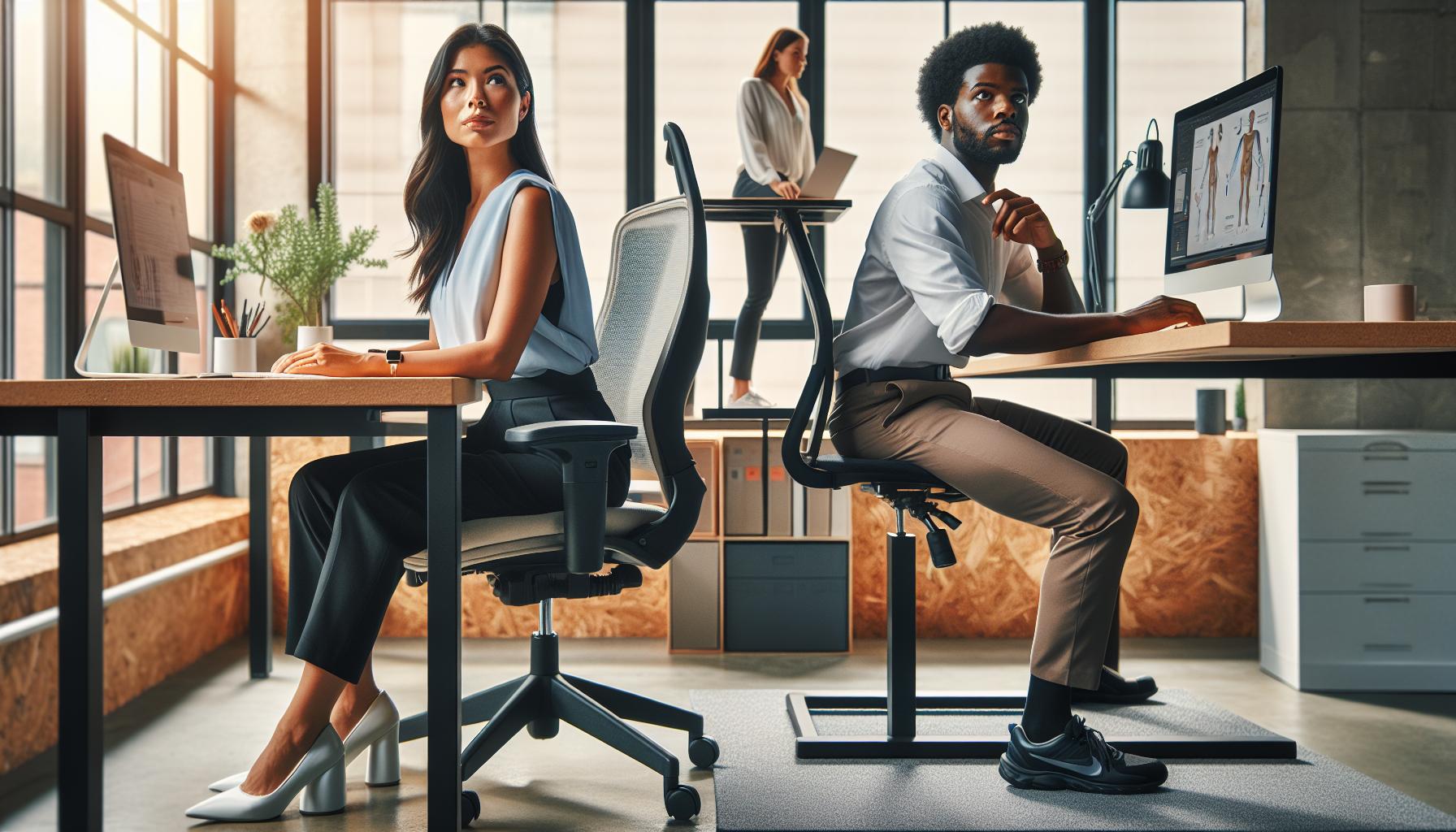
Health Benefits of Using Standing Desks
Adopting a standing desk can be a transformative choice for enhancing both physical and mental well-being during work hours. Evidence suggests that merely incorporating more standing into one’s day can lead to a host of health benefits. For instance, standing while working can assist in regulating blood sugar levels, which is particularly beneficial for those with insulin sensitivity. By integrating standing into your routine, you may mitigate some of the risks associated with prolonged sitting, such as obesity and cardiovascular illness.
In addition to physical health, utilizing a standing desk can significantly elevate your cognitive performance. When you stand, your blood circulation improves, which contributes to higher energy levels and alertness. This physiological boost can translate into greater focus and productivity. Employees who alternate between sitting and standing often report feeling more engaged and motivated throughout their workday. Standing desks can also foster a more dynamic workplace atmosphere, encouraging collaboration and movement.
To fully capitalize on the benefits of standing desks, it’s essential to maintain an ergonomic setup. Ensure your monitor is at eye level, your elbows are at a 90-degree angle, and an anti-fatigue mat is used to reduce discomfort. Regularly incorporating micro-movements, such as stretching or walking, can further enhance your well-being and productivity while standing. Embrace this shift in your workspace as an opportunity to boost your energy, creativity, and health, transforming your work environment into one that supports both your physical and mental health goals.
Common Misconceptions About Standing Desks
Many individuals are drawn to standing desks with the hope that they offer a panacea for the issues stemming from sedentary work habits. However, myths often cloud the true benefits and limitations of standing desks. One common misconception is that standing for prolonged periods can replace the need for regular movement. While transitioning to a standing desk can reduce time spent sitting, it’s essential to remember that standing without movement may not protect against the risks of prolonged inactivity. Incorporating micro-movements, such as shifting weight, stretching, or walking during the day, is crucial to maximizing benefits and preventing discomfort.
Another frequent belief is that standing desks are automatically better for everyone. The reality is that ergonomic preferences vary widely from person to person, and what works for one individual may cause discomfort for another. It’s vital to customize your standing desk setup to accommodate your body’s unique needs. This includes adjusting monitor height, the position of peripherals, and ensuring your feet are flat on the ground or placed on a footrest. Relying solely on a standing desk without personal adjustment can lead to strain or fatigue over time.
Additionally, some assume that using a standing desk will lead to immediate weight loss or significant long-term health benefits. While studies do indicate that incorporating standing into your routine can help with weight management, significant changes in health metrics often require a comprehensive approach that includes diet, exercise, and lifestyle adjustments. Standing desks are a tool to aid healthier habits, but should not be viewed as a standalone solution to weight-related issues.
Finally, there’s a prevalent notion that standing desks eliminate the need for good posture. In reality, standing desks can promote poor posture if not set up correctly. Prolonged standing without awareness of your body mechanics can lead to discomfort. It’s essential to maintain a neutral spine, engage your core, and wear supportive footwear to ensure a healthy stance. By debunking these misconceptions, users can adopt a more balanced approach to their work environment, leveraging their standing desks to foster better health while supporting an active workplace.
Ergonomic Setup for Standing Desks
Creating an effective is crucial for maximizing the benefits of this modern workstation while minimizing discomfort and potential strain. Properly adjusting your desk and workstation can significantly improve your daily productivity and overall well-being. Research has shown that poor ergonomic practices can lead to a variety of musculoskeletal issues, including back and neck pain, which underscores the importance of adequately configuring your workspace.
One of the first steps in setting up your standing desk is to ensure that your screen is positioned at eye level. This prevents neck strain caused by looking up or down at your monitor. Your eyes should naturally fall on the top third of the screen when standing straight. To achieve this, you may need to use monitor risers or adjustable arms that allow for precise height adjustments. Additionally, keep your keyboard and mouse on the same surface to maintain an ergonomic posture for your arms. Aim for your elbows to be at a 90-degree angle, with wrists straight and hands slightly below elbow level.
It’s also essential to consider your feet when using a standing desk. A footrest can be a great addition to promote movement and relieve pressure on your legs. Try to alternate your weight between your feet, and use a footrest to elevate one foot periodically. This minor adjustment can enhance circulation and reduce fatigue during long periods of standing. Moreover, wearing supportive footwear is vital; choose shoes that provide adequate cushioning and support to help absorb impact and prevent discomfort.
Lastly, incorporating movement throughout your day at the standing desk is fundamental for well-being. Schedule regular breaks to stretch or take brief walks, which can enhance circulation and boost productivity. Integration of micro-movements, such as gentle calf raises or shifting your weight from side to side, can also promote better muscle engagement and minimize the risk of stiffness or discomfort. Employing these practical guidelines will help you create a workspace that supports both your physical and cognitive health, ultimately leading to a more productive and enjoyable work environment.
Tips for Transitioning to a Standing Desk
Making the transition to a standing desk can be an empowering step towards a healthier work lifestyle, but success lies in how you adapt to this new format. Many people find themselves overwhelmed or unsure about how to shift their habits. A thoughtful approach can transform the experience from potentially daunting to invigorating, setting the stage for improved wellness and productivity.
Begin by easing into the change. Start with short standing intervals-perhaps 20 to 30 minutes at a time-then gradually increase your standing duration as your body adjusts. It’s crucial to listen to your body’s signals. If you start feeling fatigued or uncomfortable, don’t push through; instead, revert to sitting temporarily and try again later. Keeping a timer or using apps designed for this purpose can help remind you to switch between sitting and standing throughout the day.
Creating an adjustable schedule is also beneficial. Set specific times of the day to stand, such as during conference calls or while responding to emails, and commit to remaining standing for those periods. Mix it up by incorporating movement during your standing breaks-try light stretches, a brief walk, or simply shifting your weight from one foot to the other. This dynamic approach helps combat fatigue and keeps your muscles engaged.
Another valuable tip is optimizing your workstation ergonomics from the outset. Ensure that your desk setup facilitates good posture; the top of your screen should be at eye level, and your keyboard should allow your elbows to rest comfortably at a 90-degree angle. Implementing anti-fatigue mats can make standing more comfortable by providing cushioning and support. These simple yet effective adjustments create a welcoming environment that encourages longer periods of standing with less strain on your body.
Incorporating these strategies can transform the transition to a standing desk into a rewarding journey of improved health and productivity. It’s all about finding the right balance and rhythm that works for your unique needs, ultimately fostering a workspace that aligns with your wellness goals.
Maximizing Productivity with Standing Desks
Making the most of a standing desk goes beyond merely switching to a different type of workstation; it involves diving into strategies that enhance both productivity and well-being. Research indicates that varied postures throughout the workday can help maintain energy levels and focus, effectively turning a standing desk into a dynamic tool for cognitive performance.
To maximize productivity while standing, consider integrating movement into your workflow. Rather than staying static, incorporate brief walking breaks or stretches to stimulate circulation and keep muscles engaged. For instance, pacing during phone calls or using movement-based tools like balance boards can create an engaging work environment. This approach not only helps combat fatigue but also boosts mental clarity, allowing for better concentration on tasks.
Effective task management is crucial when adopting a standing desk. Prioritize your work by addressing demanding tasks during your peak energy times, which often align with when you are standing. Scheduling standing intervals during these high-focus periods can lead to greater engagement and output. Moreover, incorporate the Pomodoro technique-alternating focused work sessions with short standing breaks-to maintain energy without overwhelming the body.
Ergonomics Matter
The setup of your standing desk can significantly influence productivity. Begin by ensuring your computer screen is at eye level with your elbows at a comfortable 90-degree angle when typing. Using anti-fatigue mats can further enhance comfort, reducing strain on the legs and allowing for longer periods of productivity without pain.
Lastly, consider your psychological environment. Create an inspiring workspace by decorating your standing area with motivating visuals or plants. Aesthetic elements can lift your mood, contributing to a more productive atmosphere. Maintaining a positive mindset is essential for achieving a healthy work-life harmony, ultimately linking daily practices at your standing desk to overall workplace wellness. Incorporating these techniques can transform your standing desk from a mere furniture upgrade into a powerful catalyst for personal and professional excellence.
Potential Drawbacks of Standing Desks
Switching to a standing desk might seem like a straightforward solution to counteract the negative effects of prolonged sitting, but it’s not without its drawbacks. For some, adopting a standing desk can lead to discomfort, fatigue, and other health issues if not managed properly. It’s important to be aware of these potential challenges to ensure your transition is beneficial rather than detrimental.
Prolonged standing can lead to discomfort, particularly in the lower back, legs, and feet. Many users report increased strain on their joints and muscles, especially if their workspace is not ergonomically set up. Using a desk that’s too high or too low can exacerbate these issues, pushing individuals towards unhealthy posture habits to compensate. Anti-fatigue mats can help mitigate some of this discomfort, but they do not address every concern. Regular breaks to sit down, stretch, or walk around are crucial to avoid stiffness and maintain overall comfort.
Additionally, standing desks can inadvertently encourage a lack of movement. While the intention is to reduce sedentary behavior, some users find themselves standing in one place for extended periods, which can lead to fatigue similar to that experienced from being immobile in a chair. It’s vital to incorporate movement into your day, such as shifting your weight from one foot to another, using a balance board, or alternating between standing and sitting.
Moreover, transitioning too rapidly from a traditional sitting setup to standing can result in a steep learning curve, impacting your productivity and cognitive function. Some individuals might feel fatigued or overwhelmed during the adjustment period, which can hinder performance at work. A gradual transition plan, where standing becomes part of the routine rather than an all-or-nothing approach, can help ease this process and enable users to find a rhythm that maximizes comfort and productivity.
Understanding these potential drawbacks is essential for making an informed decision about whether a standing desk is right for you. By prioritizing ergonomic principles, integrating movement strategically, and allowing for a gradual adjustment, you can create a healthier work environment that supports your overall well-being without succumbing to the pitfalls that some users experience.
Alternating Workstation Strategies for Optimal Health
The journey toward better workplace health and productivity often involves finding a balance between sitting and standing while you work. Alternating between different workstation setups not only reduces the risks associated with prolonged sitting or standing but also enhances your overall cognitive function and creativity. Implementing effective strategies for workstation alternation can be transformative, and understanding how to do it can lead to a more energetic and engaged workday.
To optimize your health while working, consider adopting a flexible approach to your workstation setup. A common practice is the 60-30-10 rule, which suggests spending 60% of your time sitting, 30% standing, and 10% engaging in movement, such as walking or stretching. This structured routine allows your body to recover while maintaining mobility throughout the day. You can also set reminders to change positions at regular intervals-be it every 30 minutes or after completing specific tasks. Apps and timers can serve as helpful prompts, ensuring you adhere to your alternating schedule.
Incorporating movement into your workday is crucial for maximizing health benefits. Rather than simply transitioning between sitting and standing, make time for quick walks, stretches, or even simple desk exercises. For instance, at the end of each hour, step away from your desk for a brisk five-minute walk or perform exercises like leg raises or shoulder rolls. This practice not only invigorates your muscles but also stimulates blood flow, which can lead to improved focus and reduced fatigue. When you return to your workstation, you can approach your tasks with renewed energy.
Additionally, consider enhancing your workstation with ergonomic equipment designed to promote comfort and support during alternating periods. Utilize adjustable desks that easily transition between sitting and standing, and equip your space with supportive accessories like anti-fatigue mats, monitor risers, or ergonomic chairs. When setting up your workspace, ensure your monitor is at eye level and your keyboard allows for a neutral wrist position, regardless of whether you’re sitting or standing. By optimizing your workstation ergonomically, you’ll significantly reduce the strain on your joints and muscles, making transitions smoother and more beneficial.
Ultimately, fostering a habit of alternation and movement not only bolsters physical health but can also greatly enhance mental clarity and creativity. As you experiment with different strategies, remember that the best approach is one tailored to your unique needs and preferences. Continuously assess how these changes impact your energy levels and work performance, making adjustments as necessary. Engaging in this proactive practice is a vital step toward creating a healthier, more productive work environment.
Enhancing Workplace Wellness Through Movement
The modern workplace can often feel like a battleground for health, productivity, and mental clarity, especially in a world dominated by lengthy hours spent at desks. Yet, a simple yet transformative addition to your work routine-movement-can serve as a powerful antidote to the negative effects of sedentary behavior.
Movement is not just about breaking up long periods of sitting; it is an integral component of sustaining energy levels and enhancing cognitive performance. Studies indicate that incorporating movement throughout your workday can boost flow states and improve resilience against stress. For instance, brief bouts of activity like standing, stretching, or walking have been shown to substantially enhance blood circulation and oxygen flow to the brain, which can elevate mood and sharpen focus. Even small amounts of movement can stimulate neuroplasticity-the brain’s ability to adapt and form new pathways-ultimately promoting better decision-making and creative thinking.
To effectively integrate movement into your daily routine, consider strategies that fit seamlessly into your workday. Here are a few practical methods to enhance your workplace wellness through movement:
- Set Movement Reminders: Use timers or apps to prompt you to move every 30 minutes. During these breaks, stand up, stretch, or take a brief walk to refresh your mind and body.
- Incorporate Desk Exercises: Simple exercises like seated leg lifts, desk push-ups, or even a quick series of stretching can be effective. These not only stimulate blood flow but also serve as a refreshing mental break.
- Utilize Active Meetings: Whenever possible, opt for walking meetings or stand while discussing ideas. This not only encourages physical activity but may also foster more collaborative and energetic discussions.
- Movement Challenges: Engage colleagues in friendly competitions such as step challenges or group workouts. This can cultivate community spirit and commitment to collective wellness.
In addition to these techniques, creating a workspace that encourages movement is essential. Position items like your printer or recycling bin further away, prompting mini-excursions throughout the day. Alternatively, consider using a desk that supports both sitting and standing positions, allowing you to switch things up according to your comfort and energy levels.
By embedding movement deeply into your work culture, you not only enhance individual well-being but also promote a thriving workplace environment. Remember, when your body moves, your mind follows-leading to a more productive, engaged, and healthier workday.
Real User Experiences: Standing Desk Success Stories
Many individuals have experienced transformative changes in their work lives after transitioning to standing desks, making their stories invaluable for anyone considering this move. A common theme among these users is the noticeable improvement in overall comfort and energy levels throughout the day. For instance, one user shared that after just a few weeks of using a height-adjustable desk, they felt less fatigued by the afternoon slump that used to cripple their productivity. With the ability to toggle between sitting and standing, they reported not only a boost in physical energy but also increased focus during long work hours, diminishing those distracting aches and pains associated with prolonged sitting.
Another user emphasized the psychological benefits of standing while working. They found that standing during meetings not only kept them more engaged but also encouraged a more dynamic and interactive atmosphere among team members. The act of standing itself seemed to promote a culture of movement, influencing their colleagues to adopt similar habits. This sense of community around wellness was a significant factor in maintaining motivation, fostering a supportive work environment where healthier lifestyles became a shared goal.
Moreover, stories also reflect initial challenges faced during the transition to standing desks. Users noted that it took time to adapt to standing for longer periods, with some experiencing temporary discomfort in their legs and feet. However, many found relief through proper ergonomic setups, emphasizing the importance of investing in supportive footwear and anti-fatigue mats. This preparation was crucial for sustaining comfort levels and minimizing any potential drawbacks associated with standing for extended periods.
Social media and online forums are filled with success stories that illustrate the diverse benefits of standing desks, from increased productivity and creativity to improved workplace dynamics. These real-life experiences not only validate the claims of elevated well-being associated with standing desks but also highlight the essential adjustments needed to make the most of this ergonomic option. As these users have demonstrated, incorporating a standing desk into one’s daily routine can lead to a revitalized approach to work-one where physical well-being and mental clarity thrive hand in hand.
Expert Opinions on Standing Desk Efficacy
While the popularity of standing desks continues to rise, the expert community offers varied perspectives on their effectiveness. Many health professionals emphasize the importance of movement over mere posture, noting that standing desks are not a silver bullet for improving health or productivity. Dr. Alan Hedge, a leading ergonomist at Cornell University, points out that while standing can alleviate some negative effects of prolonged sitting, the real benefit comes from alternating between sitting and standing throughout the day. This balanced approach allows for increased energy levels and improved circulation without the fatigue that often accompanies long periods of standing.
Research corroborates that standing desks can lead to marginal improvements in productivity and overall health. A study published in the Journal of Physical Activity and Health found that participants using standing desks reported greater engagement and reduced discomfort compared to their seated counterparts. However, experts like Dr. David Dunstan, a physical activity researcher at the Baker Heart and Diabetes Institute, caution against overestimating the benefits. He emphasizes that simply standing more does not guarantee significant health improvements unless it is combined with other lifestyle changes, such as regular physical activity and mindful practices throughout the workday.
To truly harness the benefits of a standing desk, experts recommend creating an ergonomic workspace that supports healthy posture and reduces the risk of musculoskeletal issues. Key advice includes maintaining a monitor at eye level, using an anti-fatigue mat, and alternating positions every 30 to 60 minutes. This strategy not only helps mitigate discomfort but also enhances cognitive function. Engaging in simple exercises or stretches during breaks can further promote physical and mental well-being, encouraging circulation and reducing stress.
Ultimately, while standing desks can play a meaningful role in a comprehensive workplace wellness strategy, experts advocate for a holistic view. Incorporating a variety of movement strategies, ergonomic principles, and supportive tools can significantly enhance workplace wellness and productivity. By blending knowledge from research and practical applications, individuals can create healthier work environments that support both body and mind.
Faq
Q: Do standing desks really improve productivity?
A: Yes, many users report increased productivity when switching to standing desks. This can be attributed to enhanced energy levels and reduced fatigue. To maximize productivity, ensure proper ergonomic setup and alternate between sitting and standing throughout the day. [Learn more in our section on maximizing productivity with standing desks.]
Q: What are the common myths about standing desks?
A: A common myth is that standing desks alone will solve all health problems. While they can be beneficial, they should be part of a broader approach that includes movement, proper ergonomics, and regular breaks. [Explore more misconceptions in our article’s relevant section.]
Q: Can standing desks help with back pain?
A: Yes, standing desks can alleviate back pain for some individuals by promoting better posture and reducing long periods of sitting. However, it’s crucial to ensure that the desk is set up ergonomically to prevent potential discomfort. [Refer to our ergonomic setup guide for best practices.]
Q: How often should I alternate between sitting and standing?
A: It is generally recommended to alternate every 30 minutes to an hour to avoid fatigue and discomfort. Listen to your body and adjust based on what feels best for you. [Tips for transitioning can be found in our article’s dedicated section.]
Q: Are there any downsides to using a standing desk?
A: Yes, potential downsides include fatigue, leg discomfort, or joint pain if used excessively without breaks. It’s important to combine standing with sitting and incorporate movement to mitigate these issues. [Learn about potential drawbacks in our article.]
Q: What is the best type of standing desk for home use?
A: The best standing desk depends on individual needs, but adjustable-height desks are often favored for their flexibility. Consider options that suit your workspace and personal style for optimal use. [Check our review section for recommendations.]
Q: Why is proper ergonomic setup important for standing desks?
A: A proper ergonomic setup is crucial to avoid strain and discomfort. This involves adjusting the desk height, monitor distance, and keyboard position to create a comfortable workspace that maintains good posture. [Detailed setup instructions are available in our article.]
Q: How do I know if a standing desk is right for me?
A: Experimentation can help determine if a standing desk is right for you. Observe how your body responds to standing more during the day and evaluate any changes in comfort, focus, and overall productivity. [Consider transitioning tips found in our article for guidance.]
To Conclude
As we conclude our exploration of standing desks, it’s clear they offer more than just a trendy workspace; they can enhance your well-being when integrated into a holistic approach to workplace health. While they may not be a one-size-fits-all solution, incorporating standing desks alongside good habits-like regular movement breaks and ergonomic setups-can significantly boost your comfort and productivity. Are you ready to take the next step towards a healthier work environment?
For further insights, check out our guides on setting up ergonomic workspaces and effective stress management techniques. Don’t forget to subscribe to our newsletter for the latest tips on workplace wellness and cognitive health. Share your thoughts below-how have standing desks impacted your productivity? Your input can help others in their journey towards better work-life harmony. Let’s keep the conversation going!