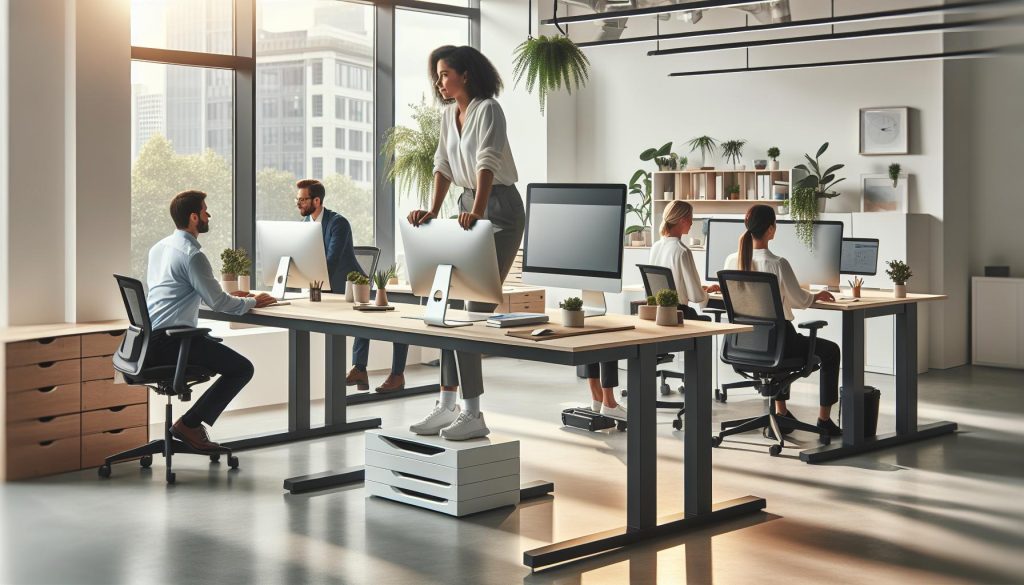
Did you know that the average office worker spends nearly seven hours a day seated? While sitting can feel comfortable, it often leads to a host of health issues. Using a standing desk can be a game-changer, helping you improve posture, boost energy levels, and enhance productivity. However, maximizing the benefits of a standing desk requires more than just switching from sitting to standing; it involves understanding the right techniques for setup and usage. This guide will walk you through essential tips and practices to help integrate a standing desk into your daily routine, enabling you to foster workplace wellness, enhance cognitive performance, and create a healthier work environment. Join us as we delve into the practical strategies that will empower you to make the most of your standing desk and improve your overall well-being.
How a Standing Desk Enhances Workplace Wellness

Did you know that incorporating a standing desk into your workspace can lead to significant improvements in overall workplace wellness? Many studies suggest that alternating between sitting and standing can enhance your focus, boost energy levels, and even contribute to a healthier lifestyle. By encouraging physical activity, standing desks help combat the detrimental effects of prolonged sedentary behavior, which is linked to various health issues, including obesity, cardiovascular disease, and diabetes.
One transformative aspect of standing desks is their potential to improve posture and reduce discomfort associated with traditional desk setups. Correctly utilizing a standing desk promotes spinal alignment, allowing for greater ease in daily tasks. It’s critical, though, to invest in a desk that can be easily adjusted so that you can alternate between sitting and standing postures throughout your workday. This flexibility not only mitigates fatigue but also supports mental stamina, enhancing productivity and creativity.
Engaging with your environment through a standing desk also fosters a more dynamic workspace. When our bodies are engaged, we often feel more alert and motivated. Simple practices, such as pacing during phone calls or using a footrest to shift your weight, can invigorate your workflow. Furthermore, encouraging movement-whether it be stretching or walking short distances-can stimulate brain function, boosting neuroplasticity and improving cognitive performance.
In wrapping up, modifying your workspace to include a standing desk is not merely about changing your physical position; it’s about adopting a comprehensive approach to health and productivity. Embracing ergonomics and mindful movement creates an environment where both your body and brain thrive, paving the way for a more balanced and fulfilling work experience.
Key Benefits of Using a Standing Desk

Incorporating a standing desk into your daily routine can be a game-changer for your overall well-being and productivity. Research suggests that using a standing desk not only reduces the risks associated with sedentary behavior but also enhances energy levels and focus. By breaking up long periods of sitting, you can boost circulation and engage muscles that typically remain static during traditional desk work. This increased movement fosters a sense of vitality that can transform your workday.
One of the most notable benefits of standing desks is their potential to improve posture. When set up correctly, standing desks promote spinal alignment, which can lead to a noticeable reduction in back and neck pain. Here are some key benefits to consider:
Enhanced Energy and Alertness
Standing desks can contribute to elevated energy levels, reducing the post-lunch slump many experience. By keeping your body engaged, you’re likely to feel more awake and ready to tackle tasks. Users often report an increase in productivity, which can be attributed to the ability to move around more freely, enhancing both creativity and focus.
Weight Management
Switching to a standing desk can also aid in weight management. Standing burns more calories compared to sitting, and small lifestyle changes, like standing while on a phone call or during meetings, can accumulate over time. This shift may contribute to weight loss and reduce the risk of obesity-related diseases.
Reduced Risk of Chronic Disease
Prolonged sitting has been linked to various health concerns, including cardiovascular disease and diabetes. By integrating standing into your work routine, you’re actively working to mitigate these risks. A standing desk can serve as a proactive approach to heart health and reducing blood sugar levels, particularly after meals.
Embracing a standing desk is more than just a change in posture; it represents a commitment to improving your overall workplace wellness. By thoughtfully incorporating standing into your work habits, you not only enhance your physical health but also cultivate a more dynamic and productive work environment. As you embark on this journey, remember that moderation is key-balance your standing and sitting throughout the day for optimal health benefits.
Setting Up Your Standing Desk Correctly
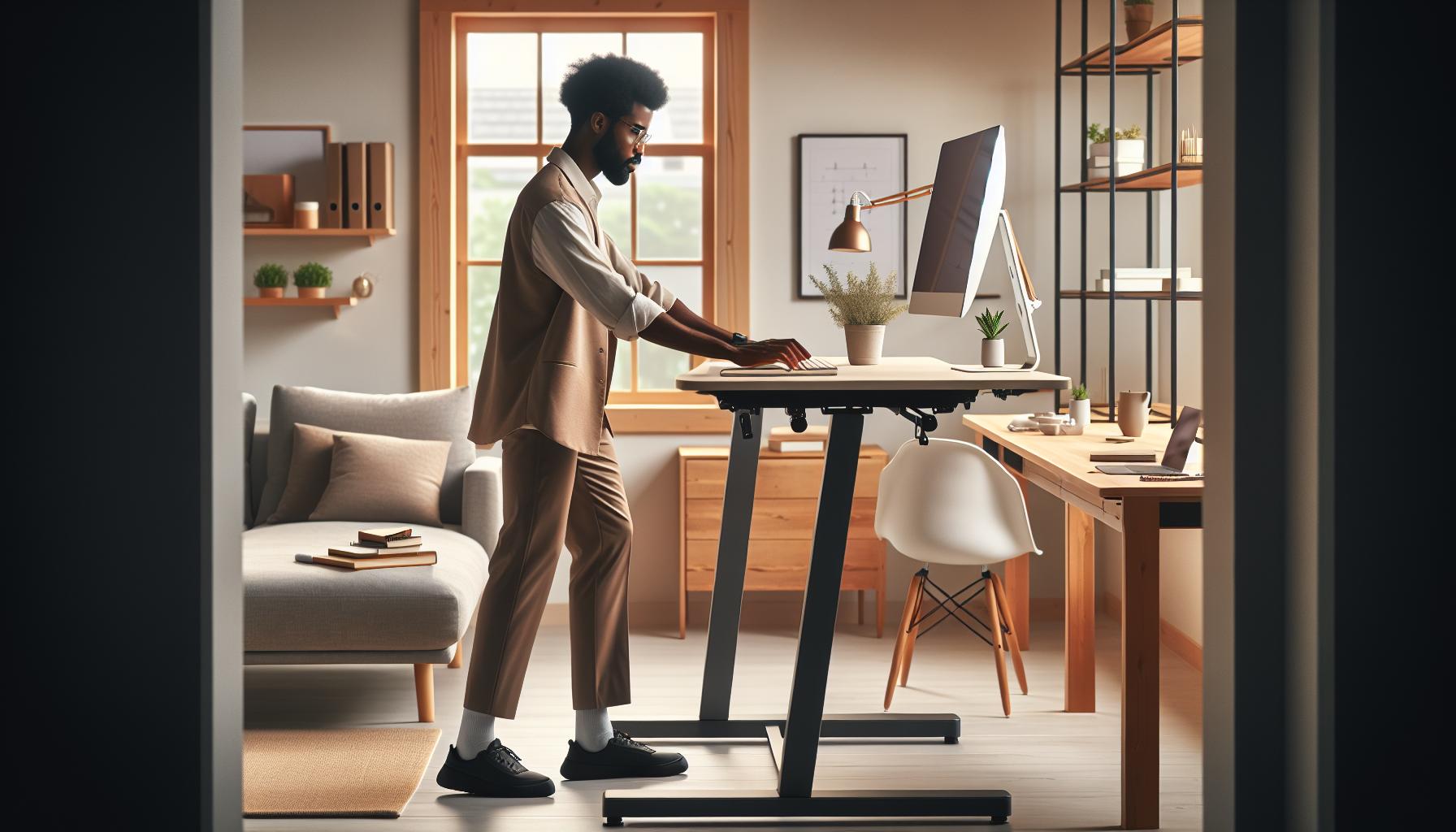
can mean the difference between improved wellness and unwanted discomfort. First, consider the height of your desk. When standing, your elbows should be at a 90-degree angle while typing, with your wrists straight and hands parallel to the ground. A good rule of thumb is to adjust the desk height to your elbows when they are bent. This simple adjustment can significantly reduce strain on your wrists and shoulders, promoting a more comfortable and productive working experience.
Next, ensure your monitor is positioned at eye level. This not only helps maintain good posture but also reduces eye strain. Place the top of the monitor screen at or slightly below eye level, about an arm’s length away. Using a monitor stand can help you achieve this optimal height. Make sure to tilt the screen back slightly (about 20 degrees) to enhance visibility and comfort. Additionally, invest in an anti-glare screen if you’re working in a bright environment to protect your eyes from strain.
Comfortable footwear is another essential aspect of standing desk setup. Opt for supportive shoes that cushion your feet, as standing for long periods can lead to discomfort and fatigue. If feasible, consider using an anti-fatigue mat to provide your feet and legs with additional support, encouraging better circulation and reducing muscle fatigue. Combining these tools can create a pleasant standing experience.
Finally, remember the importance of regular movement. Transitioning to a standing desk does not mean you should remain stationary for hours on end. Plan to shift your weight frequently, stretch, and take micro-breaks throughout your day. You can set a timer to remind yourself to move every 30 to 60 minutes. This practice not only aids in circulation but also enhances cognitive function, keeping your mind sharp as you tackle your tasks.
By thoughtfully adjusting your standing desk and regularly incorporating movement, you can create an energizing workspace that promotes physical well-being and cognitive health. This setup not only enhances productivity but also encourages a balanced work-life harmony, further contributing to your overall workplace wellness.
The Importance of Ergonomics in Desk Work

The integration of ergonomics into desk work is not just a trend; it’s a vital approach to enhancing workplace wellness and productivity. Studies show that poor ergonomic practices can lead to musculoskeletal disorders, chronic pain, and general discomfort, which can ultimately affect work efficiency and employee satisfaction. Proper ergonomic adjustments can counter these effects, allowing individuals to work more comfortably and effectively, ultimately fostering cognitive health and enhancing overall well-being.
To begin with, the height and position of all equipment at a standing desk are crucial. Ensure your screen’s top is at or just below eye level, and it should be approximately an arm’s length away. This reduces neck strain and promotes better posture. Similarly, your keyboard should be positioned so that your elbows remain at a 90-degree angle, which keeps your wrists straight and reduces the risk of repetitive strain injuries. A well-set up workspace, where everything is within easy reach, encourages natural movement and reduces the likelihood of awkward postures that can lead to discomfort.
Key Ergonomic Principles to Follow:
- Monitor Position: Positioned at eye level and an arm’s length away.
- Keyboard and Mouse: Should allow elbows to stay close to the body at a 90-degree angle.
- Foot Positioning: Feet should be flat on the ground or on a footrest to promote circulation and stability.
- Frequent Movement: Implement micro-breaks and regularly shift your weight to reduce fatigue.
Beyond the physical setup, incorporating ergonomic practices can lead to improved mental focus and productivity. The act of standing can promote alertness and encourage more dynamic engagement in tasks. Moreover, regular movement breaks and stretches not only relieve physical tension but also stimulate blood flow, enhancing cognitive function and creativity. This interplay between physical and mental health is paramount for achieving a thriving work environment.
Incorporating these ergonomic principles is a proactive step toward mitigating discomfort and boosting productivity. Not only does a well-adjusted standing desk setup promote physical health, but it also supports cognitive performance by enabling clearer thinking, better decision-making, and enhanced overall brain function. Emphasizing ergonomics in the workplace transforms it into a zone of well-being, where both the body and mind can flourish.
Creating an Energizing Workspace Environment
is essential for maximizing the benefits of a standing desk. Studies reveal that a well-designed workspace can significantly enhance mood, creativity, and productivity. When your surroundings are stimulating and encouraging, you are more likely to stay engaged and focused on your tasks throughout the day. Bright light, vibrant colors, and personal touches can all contribute to a workspace that feels invigorating.
One effective strategy to enhance your workspace is to incorporate elements of biophilic design. Integrating plants into your environment can boost air quality and reduce stress levels while enhancing your overall sense of well-being. Simple additions like succulents or spider plants can bring a calming presence to your desk, while their care can provide a refreshing break from screen time. Additionally, ensuring ample natural light can further optimize cognitive function; research shows that natural light can enhance mood and energy levels, making it easier to maintain concentration.
Key Elements of an Energizing Workspace:
- Color Psychology: Use colors like yellow and green that can stimulate creativity and reduce stress.
- Personalization: Decorate your desk with meaningful objects, photos, or artwork that inspire you and bring joy.
- Organization: Keep your workspace tidy to reduce distractions and maintain focus. Use organizers or digital tools to manage tasks efficiently.
- Ambient Sound: Consider soft music, white noise, or nature sounds to drown out distractions while you work.
In addition to these elements, ensure that your workspace encourages movement. Create designated areas for stretching or even brief walking breaks. Movement not only breaks the monotony but also stimulates blood flow and helps to maintain energy levels. Incorporating a small exercise ball or balance board can make transitions between standing and engaging in light physical activity seamless.
By thoughtfully designing your workspace with these principles in mind, you’ll create an environment that not only supports physical health but also nurtures cognitive clarity and emotional resilience. In turn, this invigorating setting empowers you to make the most out of your standing desk experience, fostering productivity and enhancing your overall workplace wellness.
Effective Movement Strategies for Desk Users
Incorporating intentional movement into your day can dramatically enhance both your physical well-being and cognitive performance when using a standing desk. Research indicates that regular movement not only reduces the risk of musculoskeletal disorders but also enhances focus, creativity, and overall workplace satisfaction. By embedding movement into your routine, you can transform your standing desk from a static work surface into a dynamic hub for productivity.
One effective strategy is to implement the “20-8-2” rule: for every 30 minutes of work, spend 20 minutes sitting, 8 minutes standing, and 2 minutes in active movement. This pattern helps mitigate fatigue and maintain energy without the discomfort that can arise from prolonged standing. To make this easier, set a timer or use an app that reminds you to switch positions and encourages mini exercise breaks. During those brief intervals, consider doing simple stretches, neck rolls, or even a few squats to stimulate blood flow and refresh your focus.
Additionally, incorporating active office furniture can seamlessly integrate movement into your workday. For example, try using a balance ball chair or a footstool that allows for foot rocking, which engages your core and improves posture while providing gentle movement. You might also include walking meetings, where discussions are conducted while walking around the office or outside. This can invigorate those brainstorming sessions, fostering creativity and fresh perspectives.
Lastly, harness the powers of the environment around you. Place essential items-like printers or filing cabinets-just out of reach, prompting you to stand up and walk when you need something. You can also establish standing or walking checkpoints throughout your workspace, such as a standing desk for collaborative discussions or walking paths around your office. Integrating these strategies effectively minimizes the drawbacks associated with desk work while maximizing the myriad benefits of a standing desk, ultimately leading to improved workplace wellness.
How to Transition Smoothly to Standing Work
Transitioning to a standing desk can feel daunting, especially for those accustomed to sitting for long hours. However, research indicates that moving to a standing position not only enhances physical well-being but can also boost cognitive function and overall energy. To make this shift smoother, it’s essential to approach the transition strategically, ensuring both comfort and productivity.
Start by gradually increasing your standing time. Instead of jumping straight into standing for hours, begin with short intervals. For instance, use your standing desk for 20 minutes out of every hour. It’s crucial to listen to your body; if you begin to feel fatigue, sit down. Gradually extend these periods as your body adapts. This incremental approach helps reduce potential discomfort while helping you acclimate to a new posture.
Optimize Your Setup
Ensure your workspace is ergonomically designed for standing. The top of your monitor should be at eye level, and your elbows should be at a 90-degree angle while typing. Using a footrest can help shift your weight from one leg to another, providing relief during prolonged standing. Additionally, consider anti-fatigue mats that offer cushioning and support, reducing strain on your feet and legs.
Incorporate Movement
As you stand, take the opportunity to integrate movement throughout your day. Simple practices like shifting your weight, taking small steps, or performing subtle stretches can counteract fatigue. For example, lightly rolling your shoulders back can alleviate tension, while standing up to take calls or engage in discussions can help keep your energy levels high. By embedding movement into your routine, standing becomes less monotonous and more invigorating.
Ultimately, the key to a successful transition lies in patience and adaptability. Allow yourself time to adjust and be proactive about incorporating breaks and movement. Regularly check in with your body and adjust your standing schedule based on how you feel. With the right approach, you can seamlessly integrate standing work into your day and enjoy its many health benefits.
Timed Work Sessions: Boosting Focus and Productivity
In today’s fast-paced work environment, maintaining focus and productivity can be a challenge, especially when working at a desk for extended periods. Implementing timed work sessions while using a standing desk can be an effective strategy to enhance cognitive performance and keep energy levels high. Research has shown that breaking work into intervals, often referred to as the Pomodoro Technique, not only improves concentration but also combats fatigue by allowing regular movement and mental breaks.
To maximize benefits, consider structuring your work into focused intervals of 25 minutes followed by a 5-minute break. During these intervals, fully immerse yourself in a task without interruptions. Once the timer signals the end of the session, take the opportunity to stretch, move around, or perform simple exercises to shake off stiffness and rejuvenate your mind. This approach can boost focus significantly; one study indicated that shorter, focused sprees of work lead to increased retention and creativity.
Integrating Movement into Timed Work Sessions
During your short breaks, incorporate movements to further enhance your well-being. Here are some suggestions:
- Stretching: Engage in quick stretches to relieve tension in your neck, shoulders, and back.
- Walking: Take a brief walk around your workspace; this increases circulation and gets your heart pumping.
- Breathing exercises: Practice deep breathing techniques to lower stress and improve mental clarity.
By interspersing movement with work, you not only break the monotony but also support your brain’s neuroplasticity, which is vital for learning new skills and adapting to changes.
Establishing a Consistent Routine
Developing a consistent routine around your timed work sessions can instill healthier habits. For instance, try to set a specific start time for these intervals each day to signal to your body that it’s work time. Coupled with standing while you work, this routine can transform how you engage with your tasks, making your work environment not only more active but also more enjoyable.
In conclusion, timed work sessions, augmented by standing desk use, can redefine productivity strategies in the workplace. By committing to this approach, you’ll not only enhance your physical well-being but also foster a more engaged and effective mindset. Embrace these practices to create a dynamic work environment where focus thrives, and energy flows seamlessly.
Adjusting to New Posture Habits for Comfort
Adjusting to a standing desk can feel daunting at first, but with the right mindset and strategies, it can significantly enhance your comfort and overall workplace experience. As our bodies adapt to new postures, it’s essential to ease into standing work to prevent discomfort and promote ergonomic practices. Studies show that transitioning smoothly not only aids in physical comfort but also enhances cognitive performance and engagement.
To begin this adjustment, start by identifying the ideal height for your standing desk. Your elbows should form a 90-degree angle while typing, with your wrists straight and hands floating comfortably above the keyboard. Ensure that the monitor is at eye level, about an arm’s length away, to prevent neck strain. A well-set desk can reduce the risk of tension or discomfort as you adjust to your new standing habits.
Incorporating the following practices can help you adapt to standing work smoothly:
- Gradual Increments: Begin by standing for 20-30 minutes at a time, gradually increasing your standing intervals throughout the week. This approach helps your muscles strengthen without overwhelming your body.
- Footwear Matters: Wear supportive shoes that provide adequate cushioning. Consider using an anti-fatigue mat to reduce discomfort during longer periods of standing.
- Movement is Key: Remind yourself to shift your weight from one foot to another, or engage in subtle leg movements. This helps stimulate circulation and reduces fatigue.
Moreover, it’s vital to listen to your body. If you experience discomfort, take a seat for a while. Use your seated breaks as an opportunity to stretch your legs or do light exercises to keep your blood flowing. Finding the rhythm that works for you may take time, but the benefits-improved energy levels, increased focus, and enhanced well-being-are well worth the effort. By remaining patient and intentional in your adjustments, you can cultivate a more harmonious and productive standing desk experience.
Integrating Standing Desks in Team Environments
Integrating standing desks into team environments not only fosters individual wellness but also cultivates a culture of health and productivity within the organization. As employees become more aware of the benefits of standing while working, implementing this practice as a shared initiative can enhance collaboration and engagement. A recent study found that teams who embraced standing desks reported higher energy levels and better communication among members, showcasing the collective impact of such a transition.
To effectively incorporate standing desks in a team setting, start by conducting an assessment of your workspace. Consider the layout, available equipment, and the varying needs of team members. Providing adjustable standing desks is crucial, as it allows each individual to customize their workspace for maximum comfort. Collaborate with team members to create a schedule that promotes shared use of standing desks, encouraging everyone to participate in a standing rotation. This not only minimizes any potential discomfort from prolonged standing but also creates a spark of camaraderie as colleagues motivate each other to maintain healthy postures.
Establishing Support and Guidelines
Establishing clear guidelines and support can significantly enhance the integration of standing desks. Hold a kickoff meeting to discuss the benefits and best practices of using standing desks, which can help alleviate any skepticism among team members. Encourage open communication about physical sensations or discomfort experienced during the transition, fostering a supportive workplace environment. Additionally, provide resources such as handouts or workshops focusing on proper ergonomics and movement strategies to keep everyone informed and engaged.
Consider creating standing desk ‘champions’ within the team-individuals enthusiastic about the change who can share tips and motivate others. In this way, the culture of wellness can be deepened, leading to an environment where standing and active work are not just encouraged but celebrated.
Promoting Team Check-Ins
Regular team check-ins can also play a vital role in assessing the effectiveness of standing desk integration. These sessions offer a platform for team members to share their experiences, tips, and any challenges they face while using the desks. This collaborative feedback loop can foster a sense of accountability and collective growth while continuously improving the standing desk experience for all.
Through thoughtful integration of standing desks within teams, companies can create an energizing workspace that enhances productivity, boosts morale, and leads to better health outcomes for everyone involved. By prioritizing health and wellness as a shared value, organizations can ensure a brighter, more vibrant workplace for all employees.
Mindfulness and Stress Management at Work
Implementing a standing desk may be a game changer for workplace wellness, but it also opens up a vital conversation about mindfulness and stress management. Standing while working can enhance physical health, but it’s equally important to cultivate a mental environment that supports productivity and reduces anxiety. Engaging in mindfulness practices can be particularly beneficial in mitigating stress, improving focus, and boosting overall cognitive performance.
Creating a mindful work environment can start with simple techniques integrated into your daily routine. Consider the following strategies to enhance your well-being at work:
- Mindful Breathing: Take a few minutes each hour to focus on your breath. Inhale deeply through your nose, hold for a count of four, then exhale slowly through your mouth. This practice can help reduce feelings of stress and increase clarity.
- Movement Breaks: Standing desks naturally encourage more movement, but scheduling intentional breaks to walk around, stretch, or even practice yoga can significantly enhance your mood and reduce tension.
- Gratitude Journaling: Spend a few moments at the end of each day to write down three things you are grateful for. This simple exercise can shift your mindset from stress to appreciation, improving overall mental health.
- Focused Work Sessions: Implement techniques like the Pomodoro Technique, which involves working for 25 minutes and taking a 5-minute break. This structure can help maintain focus while minimizing burnout.
In addition, using your standing desk effectively allows you to create a space that encourages mindfulness. Position your desk in a way that minimizes distractions, perhaps facing away from high-traffic areas or placing inspirational quotes within sight. Utilize standing desk accessories like anti-fatigue mats for comfort, as physical discomfort can distract you and increase stress.
Building a Supportive Workplace Culture
Additionally, fostering a culture of mindfulness in the workplace can significantly enhance collective well-being. Encourage team members to share their mindfulness practices and support each other in cultivating a healthier mindset. Regular check-ins might include sharing mindfulness techniques or discussing personal experiences, which can lead to bonded teams and reduced workplace stress.
By integrating these approaches into your daily routine and workplace culture, you can effectively manage stress and optimize the mental benefits that come with using a standing desk. Remember, maintaining brain health is crucial for sustained productivity and cognitive function; therefore, prioritize self-care and workplace mindfulness just as much as physical health.
Maintaining Brain Health with Standing Desk Use
The benefits of using a standing desk extend beyond physical comfort; they can also play a significant role in maintaining optimal brain health. Studies suggest that standing rather than sitting can enhance cognitive performance by increasing blood flow to the brain, which helps to facilitate improved focus and productivity. Engaging more actively with your work environment can stimulate the brain’s neuroplasticity-the ability to form new neural connections-but this demands intentional integration of healthy brain-boosting practices into your daily routine.
To leverage a standing desk for better brain health, it is essential to cultivate mindful habits that combat the cognitive load experienced during prolonged periods of work. One effective approach is to incorporate regular movement into your day; simply changing positions every 30 minutes can enhance circulation and refresh mental acuity. Use your standing desk as a platform for dynamic movements such as foot shifts, gentle stretches, or even pacing during phone calls. These small changes can significantly disrupt the monotony of extended desk time, aiding in maintaining engagement and attention.
Additionally, consider the impact of your workspace setup on cognitive clarity. Ensure your standing desk is ergonomically positioned to minimize discomfort and distractions. Accessories such as standing mats can reduce fatigue and encourage longer periods of focus. Enhance your environment with elements that inspire positivity and creativity-like plants or motivational artwork. By promoting a stimulating and comfortable workspace, you’ll not only reduce stress but also set the stage for enhanced cognitive function.
- Incorporate Neurobics: Engage in brain exercises while standing, such as dual-tasking activities that challenge your cognitive abilities, which can support neuroplasticity.
- Maintain Hydration: Keeping hydrated is essential for cognitive function. Use a standing desk to encourage regular breaks for water intake, integrating movement with mindfulness.
- Nutritious Snacks: Place healthy snacks within reach, like nuts or fruits, which can sustain energy levels and support brain health while you stand.
By thoughtfully adjusting your work habits and environment with a standing desk, you can create a conducive atmosphere for maintaining brain health. This not only promotes day-to-day productivity but also supports long-term cognitive well-being. Prioritize these strategies for a balanced approach to workplace wellness that integrates physical activity, mental clarity, and overall happiness.
FAQ
Q: What is the best height for a standing desk?
A: The ideal height for a standing desk is typically at elbow level or about forearm height when standing. Ensure your elbows are at a 90-degree angle, and your screen is at eye level to maintain good posture and avoid strain.
Q: How long should I stand at a standing desk?
A: It’s recommended to start with short intervals of 15 to 30 minutes, gradually increasing standing time up to about 2 hours per work session. Alternate between sitting and standing to reduce fatigue and enhance productivity.
Q: Can using a standing desk cause discomfort?
A: Yes, if not set up correctly or if standing for too long without breaks, it can lead to discomfort in the legs, back, and feet. Incorporating anti-fatigue mats and taking regular movement breaks can help alleviate discomfort.
Q: How can I add movement while using a standing desk?
A: To incorporate movement, try shifting your weight from one leg to the other, pacing while on calls, or taking short walking breaks. Consider using a footrest to encourage subtle shifts in posture throughout the day.
Q: What accessories can enhance the use of a standing desk?
A: Ergonomic accessories such as a monitor stand, an anti-fatigue mat, and a keyboard tray can improve comfort and productivity. These tools help maintain proper posture and reduce strain during standing work sessions.
Q: Is a standing desk suitable for everyone?
A: While many people can benefit from a standing desk, it’s not suitable for everyone. Individuals with certain medical conditions or pain should consult a healthcare provider before making the switch to standing work environments.
Q: How can I maintain a good posture at a standing desk?
A: To maintain good posture, keep your shoulders relaxed and back, feet flat on the floor, and your weight evenly distributed. Regularly check your alignment and adjust your desk height as needed to support proper posture.
Q: What are some tips for transitioning to a standing desk?
A: Transition gradually by incorporating standing intervals into your daily routine. Start with short periods and slowly increase your standing time. Additionally, educate yourself on proper ergonomics to ensure a comfortable setup as you adapt.
Final Thoughts
As you implement the valuable insights from our guide on using a standing desk effectively, remember that every small adjustment can lead to significant improvements in your workplace wellness and cognitive function. Start today by reassessing your workspace setup and integrating ergonomic practices to not only boost productivity but also enhance your health over time. Don’t miss our article on ergonomic workspaces and check out our step-by-step guide on healthy work habits for additional support!
We encourage you to share your experiences in the comments or consider signing up for our newsletter for more tips on stress management and brain health strategies that cater to your lifestyle. Your journey toward a healthier work environment doesn’t have to stop here-explore related content and continue discovering effective techniques. Remember, optimizing your workspace is a path worth pursuing for overall well-being and productivity!