With the rise of standing desks in modern workplaces, many find themselves questioning whether they should wear shoes while working. Surprisingly, studies show that foot comfort significantly impacts productivity, energy levels, and overall well-being. Choosing the right footwear-or even going shoeless-can enhance your experience and support healthy habits throughout the workday. This comfort guide will explore the benefits and drawbacks of various footwear choices at standing desks, helping you make informed decisions that suit your individual needs. Are you ready to discover how to maximize comfort and productivity while standing? Let’s dive in!
Should You Wear Shoes at a Standing Desk? Comfort Guide
Standing desks offer a range of health benefits, from reducing the risks associated with prolonged sitting to enhancing energy levels and focus. However, the question of whether to wear shoes while using a standing desk is crucial, as the right footwear can significantly affect comfort and productivity throughout the workday. Walking around in supportive shoes can help distribute weight evenly, improve posture, and absorb impact while standing. Without proper footwear, individuals may experience fatigue, discomfort, or even longer-term issues such as plantar fasciitis or lower back pain.
Wearing shoes specifically designed for standing can provide essential arch support and cushioning, making them a worthwhile investment for anyone using a standing desk. Footwear lacking proper support can lead to increased strain and discomfort, particularly during longer working hours. Choices like athletic shoes or those made for standing, which emphasize comfort and support, can make a significant difference. Additionally, choosing shoes with breathable materials can help regulate temperature, preventing discomfort from sweaty feet.
For those who prefer going barefoot, it’s essential to consider the flooring type as well. Hard surfaces can exacerbate the effects of standing for prolonged periods, while anti-fatigue mats can help ease pressure on the feet. If opting to go shoeless, alternating between standing and sitting or using supportive matting can serve as a practical solution. Ultimately, the decision to wear shoes at a standing desk should focus on comfort, support, and the ability to maintain productivity without being distracted by foot discomfort.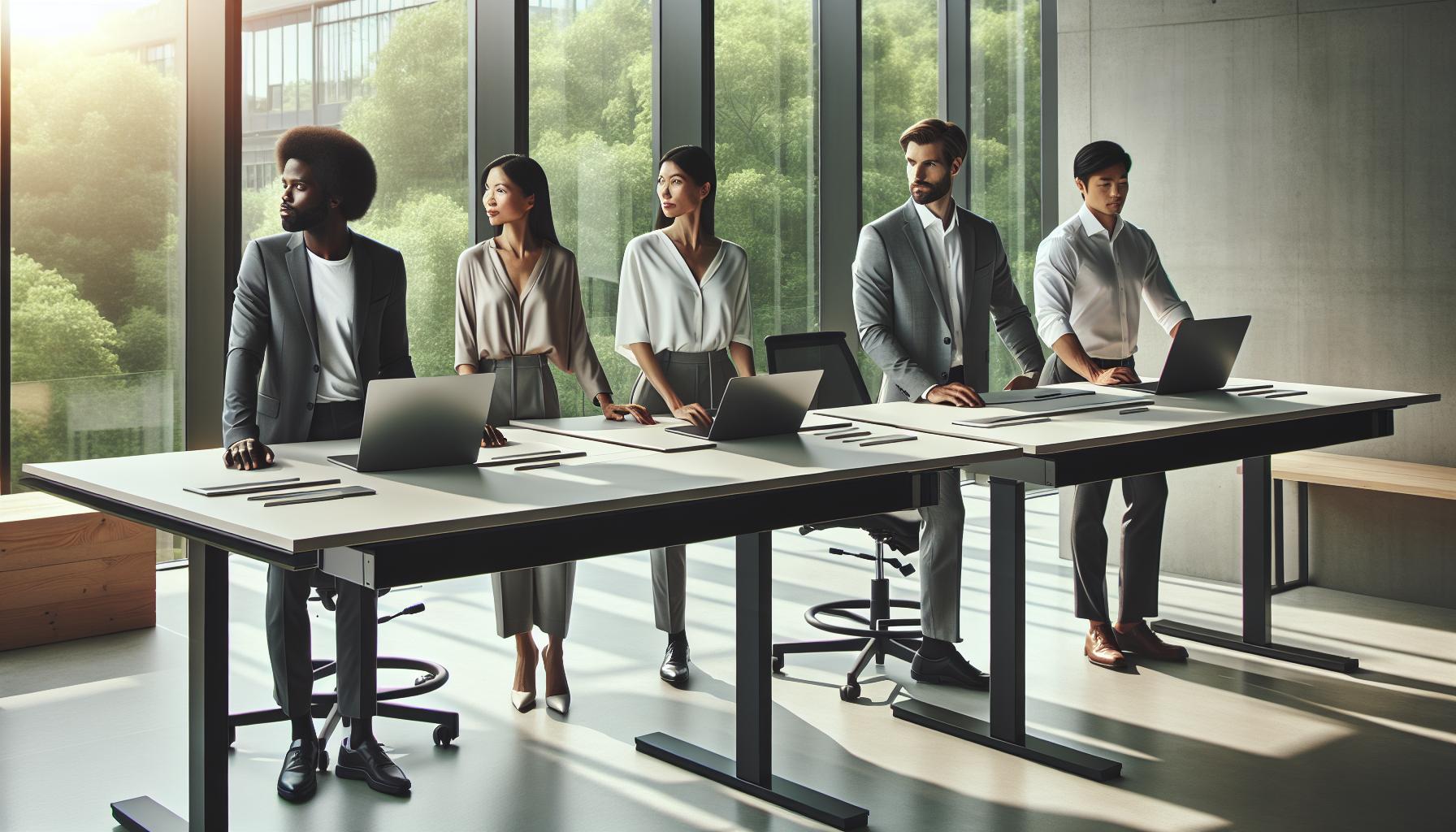
The Benefits of Wearing Shoes at a Standing Desk
Standing for extended periods can be taxing on the body, emphasizing the importance of appropriate footwear to enhance comfort and productivity at a standing desk. Wearing the right shoes not only provides essential support but can also play a significant role in reducing fatigue and discomfort throughout the workday. Studies have shown that proper footwear can significantly improve posture and help distribute weight evenly across the feet, which is critical when standing for several hours. This is particularly beneficial for individuals who experience tiredness or soreness from prolonged standing.
When selecting shoes for a standing desk, it’s crucial to opt for footwear that offers adequate arch support and cushioning. Shoes designed with these features can minimize impact on the body, reducing the risk of developing conditions such as plantar fasciitis, lower back pain, or knee discomfort. For example, athletic shoes that boast shock absorption contribute to alleviating pressure on joints, making them an excellent choice for those who stand frequently. Furthermore, breathable materials can help keep feet comfortable by regulating temperature, preventing moisture buildup and subsequent irritation.
Incorporating shoes tailored for activity can augment not just physical comfort, but also cognitive performance. Comfort leads to increased focus, fostering a more productive work environment. Individuals are less likely to be distracted by foot pain or discomfort, allowing them to devote their energy to tasks at hand. As a result, proper footwear can help create not only a physically healthier space but also a mentally stimulating one, enhancing overall workplace wellness and encouraging a harmonious work-life balance.
Ultimately, investing in the right shoes can be a transformative step towards boosting comfort and productivity while using a standing desk, promoting long-term health and well-being.
Exploring Barefoot Alternatives: Pros and Cons
Stepping away from conventional footwear and exploring a barefoot approach at a standing desk can bring both exciting benefits and notable drawbacks. Advocates of going shoeless often point to the natural alignment of the body and the enhanced sensory feedback from the ground below. Walking or standing barefoot allows for a more authentic connection with the earth, potentially improving posture and balance. This practice engages the intrinsic muscles of the feet, which can lead to greater strength over time and potentially reduce the risk of certain foot ailments, such as plantar fasciitis.
However, before fully embracing the barefoot lifestyle in a workspace, it’s crucial to consider the potential cons. Without the protection that shoes provide, individuals may expose themselves to debris, uncomfortable surfaces, or cold flooring, which can detract from overall comfort and concentration. Furthermore, transitioning to barefoot standing can be challenging for those with existing foot conditions or limited foot strength, as it may exacerbate pain or discomfort rather than alleviate it.
To navigate this dilemma effectively, consider these practical tips and factors:
- Begin Gradually: If you’re transitioning to barefoot standing, start with short periods and gradually increase the time as your feet adjust.
- Assess Your Environment: Ensure your workspace is clean and safe for barefoot standing to avoid injuries from sharp objects or potential slips.
- Evaluate Comfort: Pay attention to how your feet feel during and after your barefoot standing sessions, adjusting your approach if discomfort arises.
- Listen to Your Body: If you experience persistent pain or discomfort, it may be beneficial to revert to supportive footwear or consult with a healthcare professional for personalized advice.
Choosing to go barefoot or wear shoes while standing at your desk is a personal journey that can impact both physical and cognitive well-being. Finding what works best for your body will ultimately support your productivity and comfort as you strive for a healthier workspace.
How Footwear Affects Comfort and Productivity
Standing at your desk might seem like a straightforward choice, but the type of footwear you select can significantly affect your comfort, productivity, and overall health. A surprising number of professionals report that their choice of shoes can either enhance or hinder their ability to focus and perform tasks effectively throughout the day. Shoes play a crucial role in providing the necessary support and stability that can help maintain energy levels and prevent fatigue during long periods of standing.
Comfortable and supportive footwear can help distribute weight evenly across the foot, reducing pressure points that commonly lead to discomfort. High-quality shoes with good arch support can alleviate stress on joints and help maintain a healthy posture, which is essential when transitioning to a standing desk setup. A study from the American Podology Association highlighted that individuals using supportive footwear reported 30% less discomfort compared to those who wore unsupportive shoes. This is critical, as physical discomfort can distract from tasks and lead to decreased productivity.
Moreover, the right shoes can enhance your cognitive performance. Research indicates that physical comfort correlates with mental clarity and focus. When your feet feel good, it positively impacts your mood and motivation, promoting a productive work environment. Conversely, ill-fitting or inappropriate footwear can lead to distractions caused by foot pain, swelling, or fatigue, which detracts from your ability to concentrate on important tasks.
To optimize your comfort and productivity at a standing desk, consider the following factors when choosing your shoes:
- Fit: Ensure your shoes fit well, providing enough room for toe movement while being snug around the heel.
- Support: Choose shoes that offer ample arch and heel support, especially if you have flat feet or high arches.
- Cushioning: Look for shoes with adequate cushioning to absorb shock and reduce the impact on your joints.
- Breathability: Opt for materials that allow airflow to keep your feet cool and dry, minimizing discomfort.
Ultimately, investing in quality footwear can enhance both your physical comfort and your overall work experience. Prioritizing how your shoes affect your body’s alignment and comfort levels can lead to a more productive and satisfying workplace, as each step you take will be supported and energized.
Choosing the Right Shoes for Standing Desks
Selecting the right footwear when using a standing desk can make a remarkable difference in your overall workspace experience. With the right shoes, you not only benefit from improved comfort but also enhance your productivity and well-being throughout the workday. The optimal shoes for standing desks should provide excellent support, cushioning, and breathability while allowing enough flexibility for natural movement.
To ensure you find the perfect match, here’s what to consider:
- Fit: Shoes should fit snugly without being too tight. Ensure there’s adequate space in the toe box for your toes to move freely while keeping your heel secure.
- Support: Look for shoes equipped with good arch and heel support. Proper support can help alleviate stress on your feet and joints, especially if you suffer from any conditions like plantar fasciitis.
- Cushioning: Adequate cushioning is crucial as it absorbs shock and protects your feet from the hard surfaces they stand on for extended periods. Shoes with gel or foam insoles are a good choice.
- Breathability: Opt for materials that allow for good airflow. Breathable shoes help keep your feet dry and comfortable, reducing the risk of blisters or discomfort.
In addition to these key features, consider the activity you’ll be engaging in throughout the day. If your tasks include a lot of movement, flexibility in your shoes will also be beneficial. Shoes designed for professional settings, such as athletic or walking shoes, often offer the best blend of comfort and support tailored for prolonged standing. For example, shoes from brands specializing in ergonomic footwear often integrate technologies that enhance shock absorption and overall foot health.
By making mindful choices about your footwear, you pave the way for a more comfortable and productive work environment. Remember, investing in quality shoes is an investment in your health and effectiveness at work.
Essential Features of Ergonomic Footwear
Selecting the right ergonomic footwear is crucial for anyone using a standing desk, as the right shoes can significantly improve comfort and reduce fatigue throughout the workday. Ergonomic footwear is designed to support the natural alignment of the body, which can help to alleviate pain and discomfort associated with prolonged standing. Here are some essential features to look for when choosing shoes for your standing desk setup.
- Arch Support: A good pair of shoes should provide ample arch support, which helps in distributing weight evenly across your feet. This support is vital for maintaining foot health and preventing conditions such as plantar fasciitis.
- Cushioning: Look for shoes with high-quality cushioning materials like gel or EVA foam. These materials not only absorb shock but also provide comfort during long periods of standing, reducing the overall impact on your joints.
- Flexibility: Shoes should allow for natural foot movement. A flexible shoe enables your foot to bend and flex as you shift your weight, which is essential for maintaining comfort during extended hours of standing.
- Fit and Sizing: Proper fit cannot be overstated. Shoes should feel snug without pinching, and there should be adequate room in the toe box for your toes to move freely. Consider trying different brands, as sizing can vary significantly.
- Durability: When investing in footwear for workplace use, opt for durable materials that can withstand daily wear and tear. Look for features like reinforced stitching and high-quality outer materials to ensure longevity.
- Breathability: Breathable fabrics, such as mesh or moisture-wicking materials, help keep your feet cool and dry. This can reduce discomfort caused by sweating and help prevent foot odor.
Choosing shoes with these features is more than just a preference-it’s a step toward enhancing your overall well-being at work. Improved comfort can lead to better focus and productivity, allowing you to stay engaged and energized throughout the day. Balancing comfort with style, many brands offer professional-looking options that don’t compromise on ergonomic benefits, so you don’t have to sacrifice aesthetics for health. Make informed choices about your footwear to create a supportive environment that fosters workplace wellness and cognitive health.
The Impact of Flooring on Comfort Levels
The type of flooring in your workspace plays a crucial role in your comfort levels while using a standing desk. Surfaces that are too hard, like concrete or tile, can lead to increased fatigue and discomfort in your feet, legs, and back, especially when standing for extended periods. Conversely, softer surfaces, such as carpet or specialized standing mats, can provide a cushioning effect that reduces stress on your muscles and joints, enhancing overall comfort.
Understanding Flooring Options
Choosing the right flooring can significantly affect your standing experience. Here are some common flooring types and their impacts on comfort:
- Hard Surfaces: Concrete, hardwood, and tile are stable but can be unforgiving. Prolonged standing on these surfaces can lead to discomfort and conditions like plantar fasciitis.
- Soft Surfaces: Carpeting offers a little more cushion and can help absorb shock, making it a better option for standing desks. However, it may not provide enough support for long hours.
- Anti-Fatigue Mats: These are specifically designed to alleviate discomfort from standing. They encourage subtle movements of the leg muscles, which can improve circulation and reduce fatigue.
Integrating a high-quality anti-fatigue mat into your workspace can transform your standing experience. These mats are made from durable materials that provide cushioning while promoting active standing. For the best results, select a mat that is slightly thicker (around 3/4 inch) and has a textured surface to keep your feet engaged. Consider pairing this with supportive footwear to maximize comfort as you stand throughout your workday.
Creating an Optimal Standing Environment
When setting up your standing desk, it’s not just about your shoes; the flooring helps create an optimal standing environment. Rotate your stance regularly and shift your weight from one leg to another to prevent strain from static positioning. Tightening your workspace by incorporating accessories like footrests can also encourage movement and alternate positions, enhancing comfort even further.
To foster workplace wellness, ensure that your entire environment-flooring included-supports your standing desk setup. By paying attention to both footwear and flooring, you can facilitate a more comfortable, productive, and healthy work experience.
Incorporating Comfortable Accessories: Insoles and Mats
Standing for extended periods can quickly lead to discomfort and fatigue if you’re not equipped with the right accessories. Incorporating comfortable accessories like insoles and mats can transform your standing desk experience, promoting not only greater comfort but also improved productivity. High-quality insoles can provide crucial arch support, help distribute weight evenly, and alleviate pressure on sensitive areas of your feet. They play a vital role in reducing fatigue and preventing long-term foot issues, especially if you are transitioning to a standing desk environment.
Anti-fatigue mats are another essential addition to your workspace. These mats are designed to provide a softer surface, encouraging micro-movements that enhance blood circulation and reduce muscle tension. A well-designed anti-fatigue mat encourages subtle shifts in your posture and can help combat the stress placed on your body from prolonged standing. When selecting an anti-fatigue mat, look for one that is around 3/4 inch thick and features a textured surface. This combination will not only cushion your feet but also promote active standing, keeping you engaged throughout your workday.
In addition to insoles and mats, consider using accessories like footrests or wobble boards. A footrest allows you to shift your weight, promoting better posture and reducing strain on your lower back. Wobble boards introduce gentle movement to your stance, further engaging your core muscles and improving stability. Integrating a variety of supportive accessories can create a dynamic and comfortable workspace, making it easier to maintain stamina and focus, all while prioritizing your foot health. By investing time and energy into optimizing your standing desk setup, you’ll foster both physical comfort and cognitive well-being, enhancing your overall work performance.
Making the Transition to Standing: What You Need to Know
Making the shift from a traditional sitting desk to a standing desk can significantly impact not only your posture but also your overall energy and productivity levels. Many individuals find that standing while working enhances their engagement and helps them combat the fatigue associated with prolonged sitting. However, the transition should be approached thoughtfully, particularly when it comes to footwear choices, which can influence your comfort and performance throughout the day.
Begin by gradually increasing your standing time. Aim to stand for short periods initially, such as 15 to 30 minutes per hour, and incrementally extend this as your body adjusts. This gradual approach not only minimizes discomfort but also helps your body adapt to the new demands placed on it. Pay close attention to how your feet and legs feel during this period. If you notice significant discomfort, reevaluating your footwear can be critical. Ideally, shoes should offer substantial support-look for options with cushioned soles, arch support, and a fit that provides stability without pinching.
In addition to proper shoes, consider your workspace setup. Ensure that your desk height is ergonomically suited for standing use; your elbows should be at a 90-degree angle, and your computer screen should be at eye level. An effective standing desk should also be equipped with anti-fatigue mats to reduce the impact on your feet and encourage subtle movements. Incorporating these elements creates a supportive environment that promotes physical well-being.
To further ease the transition, experiment with various standing positions. Shift your weight from one leg to another, or use a footrest to alternate your stance. Introducing movements can alleviate strain on your lower back and legs while keeping your mind sharp. Ultimately, the key to a successful transition lies in combining good footwear choices, ergonomic adjustments, and mindful practices to support your body during extended standing periods. By investing in your comfort now, you set the stage for improved productivity and overall workplace wellness in the long run.
Alternative Support Options for Your Feet
In the quest for optimal comfort while using a standing desk, exploring can greatly enhance your experience. Not everyone may resonate with the traditional choices of footwear, and for some, the solutions may lie beyond shoes. Embracing various support mechanisms can help alleviate discomfort and improve overall productivity during the workday.
One effective alternative is the use of specialized footrests. A well-designed footrest allows you to shift your weight and adjust your standing position frequently, which can reduce fatigue in your legs and lower back. Consider options that are adjustable in height and angle, promoting subtle movements that engage different muscle groups. This dynamic approach can prevent muscle stiffness and enhance circulation throughout your body, sparking both physical comfort and cognitive clarity.
Another notable solution is the incorporation of anti-fatigue mats. These mats add a layer of cushioning that helps absorb the impact on your feet while standing, significantly reducing pressure on your joints. When selecting a mat, prioritize those made from high-quality materials, preferably those designed specifically for extended standing periods. These mats often have textured surfaces that encourage micro-movements, further aiding in blood circulation and reducing discomfort.
Furthermore, explore the benefits of compression socks. These specially designed socks can provide additional support to your feet and legs by improving circulation and reducing swelling during long hours of standing. Compression socks come in various styles, ranging from subtle to more athletic options, allowing you to choose a pair that complements your work attire while providing the necessary support.
Incorporating these alternatives into your standing desk routine not only enhances comfort but also contributes to your overall workplace wellness. By being proactive about foot support, you pave the way for a more productive and invigorating work environment, ultimately leading to improved cognitive performance and reduced fatigue.
Addressing Common Foot Pain and Discomfort
Many individuals transitioning to standing desks report experiencing foot pain and discomfort, which can hinder their productivity and overall well-being. Understanding the common sources of these issues and how to address them is crucial for creating a comfortable workspace that promotes both physical and cognitive health.
Foot pain can stem from various causes, such as improper footwear, inadequate support, or prolonged periods of standing. To combat these discomforts, consider the following practical strategies:
Proper Footwear
- Supportive Shoes: Invest in shoes that offer ample arch support and cushioning. Shoes designed for walking or athletic purposes often provide better support compared to casual footwear.
- Fit and Comfort: Ensure your shoes fit properly. Shoes that are too tight can cause blisters and calluses, while overly loose shoes can lead to instability.
Utilizing Supportive Accessories
- Orthotic Insoles: Custom or over-the-counter orthotics can improve alignment and distribute pressure more evenly across your feet, reducing pain.
- Anti-Fatigue Mats: Incorporate high-quality anti-fatigue mats to minimize the impact on your feet and joints while standing. These mats are engineered to promote micro-movements that stimulate circulation.
Regular Movement
Regularly shifting your weight from one foot to another and incorporating brief walking sessions can alleviate tension and maintain blood flow. Aim to stretch throughout the day, focusing on your calves, hamstrings, and feet to enhance flexibility and reduce tightness.
Paying Attention to Your Environment
Consider the flooring where you position your standing desk. Hard surfaces may contribute to foot pain, so opt for carpets or cushioned flooring whenever possible. Additionally, adjusting the height of your desk to ensure your feet are flat and your knees are at a comfortable angle can also promote better posture and reduce strain.
By implementing these strategies and being mindful of your footwear choices, you can mitigate common foot pain and discomfort associated with standing desks. Embracing a proactive approach to comfort not only enhances your physical well-being but also boosts your cognitive performance, keeping you engaged and productive throughout the workday.
Creating a Personalized Comfort Plan for Your Workspace
Creating an effective workspace tailored to your comfort preferences can significantly enhance both your productivity and overall well-being. As you transition to a standing desk, establishing a personalized comfort plan is essential. Industry research shows that thoughtfully designed workspaces can lower stress levels and increase cognitive performance, making it crucial to consider various elements that influence your comfort.
Start by evaluating your footwear. While some may prefer the freedom of barefoot standing, the right shoes can provide vital support. Look for shoes with ample cushioning and proper arch support. Consider switching between shoes during the day to prevent discomfort from prolonged use of any single pair. For instance, wearing more supportive shoes while standing and then opting for casual footwear during breaks can strike a good balance.
When assessing your workspace, think about the flooring. Hard surfaces can exacerbate fatigue, so using cushioned mats is vital. Anti-fatigue mats can alleviate pressure on your feet and joints, promoting movement that aids circulation. Additionally, ensure your desk height is adjustable, allowing you to maintain a posture where your elbows are at a 90-degree angle and your feet rest flat on the ground. Regularly modifying your standing position, like shifting weight or stretching your legs, will also help keep your muscles engaged and prevent stiffness.
Incorporate small but impactful accessories like orthotic insoles that can further enhance your comfort. These help distribute weight evenly across your feet, reducing pain associated with standing for long periods. By integrating these strategies into your daily routine, you’ll create a conducive environment that promotes both physical health and mental clarity, empowering you to thrive in your workday.
Tips for Maintaining Foot Health While Working
Maintaining foot health while working at a standing desk is crucial for long-term comfort and productivity. Many people underestimate the strain that prolonged standing can place on the feet, so it’s essential to adopt proactive measures to keep your feet healthy. One vital aspect is to pay attention to your footwear. Shoes with adequate cushioning and arch support are fundamental. Aim for styles that allow for some flexibility while providing stability. It can also be beneficial to choose footwear that is designed specifically for standing and walking, as these will generally offer better support than everyday casual shoes.
To further enhance comfort, consider the use of anti-fatigue mats. These mats create a softer surface to stand on, which helps reduce the strain on your feet, legs, and lower back. Alternating your standing and sitting position throughout the day can also provide significant relief. Practicing simple stretches during breaks-like calf raises or toe flexes-can help mitigate discomfort and keep blood circulating, which enhances overall foot health.
Additionally, be mindful of your posture. Standing with a balanced weight distribution across both feet not only minimizes pain but also reduces the likelihood of developing musculoskeletal disorders. Keeping your feet flat on the ground and your knees slightly bent will help maintain proper alignment and relieve pressure on your ankles and feet. As you make these adjustments, listen to your body; if you start feeling discomfort, don’t hesitate to switch your position or modify your environment to better support your feet. By integrating these practices, you can create a work environment that not only boosts productivity but also supports your overall well-being.
Frequently asked questions
Q: Should you wear shoes at a standing desk?
A: Yes, wearing shoes at a standing desk is recommended for proper foot support. Quality footwear helps reduce strain on your feet and legs, enhancing comfort. Look for shoes designed for standing long periods to improve your overall experience.
Q: What are the best shoes for standing desks?
A: The best shoes for standing desks should have good arch support, cushioning, and breathable materials. Look for ergonomic designs that prevent foot fatigue. Brands like Sketchers, Brooks, and ASICS offer options specifically suited for standing or walking.
Q: Can standing without shoes improve comfort?
A: Standing without shoes may feel more natural for some, potentially allowing for better foot movement. However, this can lead to strain or discomfort for many. Consider using supportive mats or shoes to maintain foot health while standing.
Q: How does flooring affect comfort at a standing desk?
A: The type of flooring impacts comfort significantly. Hard surfaces can exacerbate foot fatigue. Using anti-fatigue mats can help cushion your stance, reducing stress on your feet and improving comfort throughout the day.
Q: Are there alternatives to wearing shoes at a standing desk?
A: Yes, alternatives include using cushioned mats or comfortable insoles to provide support while being barefoot. Some users opt for slipper-style footwear that mimics barefoot comfort while still offering protection and support.
Q: Why do I experience foot pain when using a standing desk?
A: Foot pain at a standing desk can result from inadequate support, poor posture, or prolonged standing on hard surfaces. Proper footwear, standing technique, and regular movement can alleviate discomfort and promote better foot health.
Q: How can I transition to a standing desk without pain?
A: To transition effectively, start with short standing intervals, gradually increasing your standing time each day. Ensure you wear supportive shoes and consider using an anti-fatigue mat to ease discomfort.
Q: What accessories can help with comfort while standing?
A: Accessories like anti-fatigue mats and supportive insoles can greatly enhance comfort when standing. Additionally, maintaining proper posture and adjusting desk height can further improve your experience at a standing desk.
Key Takeaways
In conclusion, understanding whether to wear shoes at a standing desk is vital for your comfort and productivity. Prioritize your well-being by considering ergonomic footwear that supports your stance and fosters movement. If you’re intrigued by optimizing your workspace, don’t miss our guides on creating an ergonomic workspace and healthy work habits that can elevate your daily routine.
Are you ready to enhance your work environment? Join our newsletter for expert tips on workplace wellness and brain health, and explore our biohacking techniques for optimal cognitive performance. Your journey towards a more comfortable and productive workspace starts now-act today for a healthier tomorrow! Share your thoughts below, and let’s transform the way we work together!