
In today’s fast-paced work environment, the pressure to perform can often lead to overwhelming stress. Did you know that chronic workplace stress can diminish cognitive function, affecting both productivity and overall well-being? Understanding how to navigate and mitigate stress during a demanding day is crucial for maintaining not only your mental health but also your performance at work. In this article, we’ll explore practical survival tactics that can help you maintain your focus, boost your resilience, and create a healthier work-life balance. Whether you’re struggling with tight deadlines or simply feeling the weight of constant demands, these strategies will empower you to reclaim your day and thrive under pressure. Keep reading to discover how small adjustments can make a significant impact on your work experience.
Understanding Workplace Stress and Its Impact
Understanding workplace stress is crucial for maintaining both productivity and mental well-being. It’s estimated that more than 80% of workers experience stress on the job, which can significantly impact their performance, health, and even relationships. Stress in the workplace can stem from various sources, including tight deadlines, unclear expectations, or a lack of support from colleagues and management. Recognizing the signs and understanding the roots of workplace stress can empower employees to manage it effectively and foster a healthier work environment.
The physiological and psychological impacts of workplace stress can be profound. Stress triggers the body’s “fight or flight” response, releasing hormones like cortisol and adrenaline that prepare you to react to challenges. While this response can be beneficial in short bursts, chronic stress has been linked to a range of health issues such as anxiety, depression, heart disease, and a weakened immune system. It also affects cognitive functions, making concentration, decision-making, and creativity increasingly difficult.
To effectively manage workplace stress, it’s vital to identify common stressors. These can include heavy workloads, unclear job roles, or rooted interpersonal conflicts. Addressing these factors systematically can lead to improved job satisfaction and overall well-being. Consider engaging in open conversations with managers or HR to explore solutions, such as mentoring, professional development, or flexible work arrangements to mitigate stress levels.
Understanding how stress affects you individually-whether it manifests as irritability, fatigue, or a feeling of being overwhelmed-is essential. Creating a personal toolkit for stress management, leveraging techniques like mindfulness, exercise, and healthy eating, can make a significant difference. Emotional self-care practices, such as taking breaks throughout the day and seeking support from colleagues, can also play a pivotal role in promoting resilience against workplace stress. By fostering an environment that prioritizes mental health and encourages open dialogue about stress, organizations can enhance performance and satisfaction among their teams.
Identifying Your Stress Triggers at Work
Recognizing what specifically triggers your stress at work is a crucial first step toward managing it effectively. Stress triggers can vary widely among individuals, often rooted in both environmental factors and personal responses. By identifying these stressors, you can develop personalized tactics to mitigate their impact and foster a healthier work environment.
To start, pay attention to your emotional and physical responses during your workday. Do you feel your heart race when facing a looming deadline? Or perhaps you notice increased irritation when communication with a colleague becomes contentious? Keeping a stress journal can help you pinpoint patterns by noting when you feel stressed and what was happening at that time. Here are some common workplace stress triggers to consider:
- Heavy Workload: Juggling multiple tasks or projects can create overwhelming feelings. Prioritizing and breaking down tasks into manageable parts can help.
- Unclear Expectations: Lack of clarity in roles can lead to confusion and stress. Seeking clarification from supervisors can alleviate this burden.
- Interpersonal Conflicts: Tensions with coworkers may increase stress. Engaging in open and honest communication can help resolve misunderstandings.
- Poor Work Environment: A cluttered or uncomfortable workspace can fuel stress. Organizing your desk or adjusting your chair for better ergonomics may boost comfort and focus.
- Lack of Support: Feeling isolated can heighten stress levels. Building relationships with coworkers and reaching out for support can enhance your work community.
Understanding the sources of your stress allows you to create proactive strategies tailored specifically to your environment. For example, if you find that interruptions during the day derail your focus, you might establish “do not disturb” times when you can work uninterrupted. Additionally, engaging with management about workload distribution or flexible work options can create a more supportive atmosphere.
In summary, by actively identifying and addressing your specific stress triggers, you can take control of your emotional landscape at work. This not only enhances your productivity but also contributes to a more positive and resilient workplace culture. Taking these steps empowers you to create a more harmonious balance between your professional responsibilities and personal well-being.
Essential Survival Tactics for Stressful Days
Facing a particularly demanding day at work can feel overwhelming, but with the right strategies, you can navigate the storm with resilience and confidence. One crucial tactic involves breaking your day into manageable segments, akin to interval training in fitness. Just as short bursts of high-intensity sprints can enhance performance, segmenting your work tasks lets you maintain focus and reduce stress. For instance, try the Pomodoro Technique: work for 25 minutes, take a 5-minute break, and repeat. This method not only encourages productivity but also incorporates regular intervals for mental rest.
Maintaining your physical well-being is equally important during stressful workdays. Simple actions, like ensuring your workstation is ergonomic, can significantly impact your comfort and performance. Set up your desk so that your feet are flat on the ground and your monitor is at eye level. Consider switching to a standing desk for part of the day to promote movement and improve circulating blood flow, which can boost cognitive function. Alongside proper ergonomics, optimize hydration and nutrition as well; drinking water consistently and snacking on brain-boosting foods like nuts or yogurt can help maintain energy levels and cognitive clarity.
Incorporating mindfulness practices into your daily routine is a powerful way to combat stress. Start small; setting aside just five minutes to focus on your breathing can provide a much-needed reset. Techniques such as deep breathing or guided imagery can ground you, providing clarity and reducing anxiety. Utilize tools like apps that offer quick mindfulness exercises, enabling you to re-center during hectic moments.
Lastly, don’t underestimate the power of a supportive workplace community. Building strong relationships with colleagues can create a buffer against workplace stress. Share your thoughts with trusted coworkers; you may find that they, too, are facing similar challenges, creating opportunities for camaraderie that can lighten the workload and enhance morale. By aligning these practical survival tactics, not only can you sustain your performance during hectic days, but you can also cultivate a healthier and more resilient workplace environment.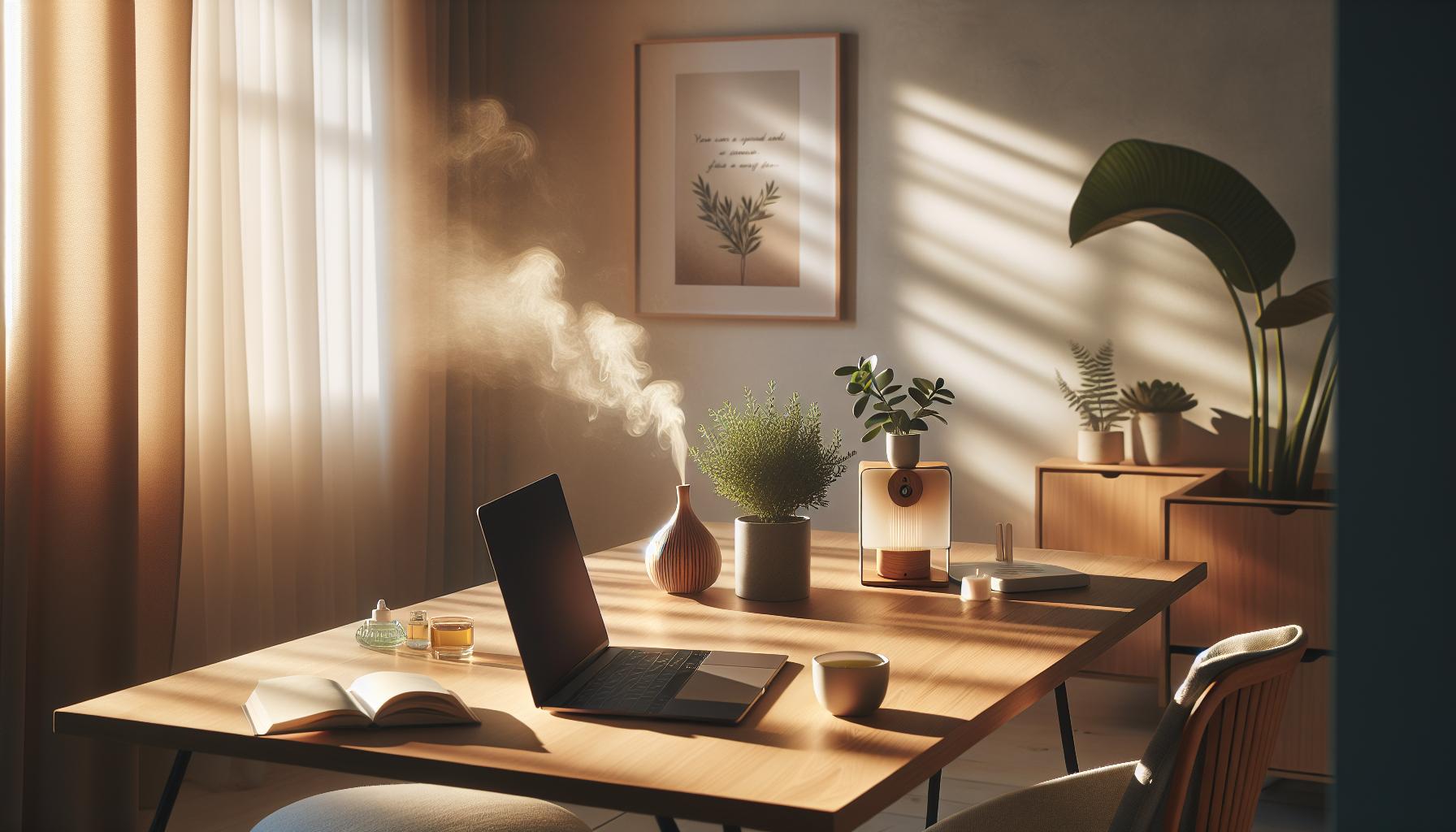
Creating a Calm Workspace: Tips for Relaxation
Creating a workspace that promotes relaxation can significantly contribute to reducing stress levels and enhancing productivity. Studies have shown that environmental factors, such as lighting, color, and organization, can vastly affect mood and focus. One of the simplest yet most effective adjustments is to ensure proper lighting. Natural light is ideal, as it helps regulate circadian rhythms and boosts mood. If natural light isn’t available, consider investing in adjustable, diffused desk lamps that mimic daylight, reducing eye strain and creating a more soothing ambiance.
To enhance the calming effect of your workspace, consider the inclusion of plants and elements of nature. Not only do plants purify the air, but they also create a sense of tranquility and improve cognitive function. Place a few small potted plants like succulents or peace lilies on your desk to create a more inviting atmosphere. Additionally, incorporating calming colors such as soft blues or greens into your workspace can positively impact your emotional state. Whether it’s through wall paint, office supplies, or decorative items, these colors can help evoke a sense of peace and relaxation.
Organizational Strategies for a Calmer Workspace
An important aspect of a relaxed workspace is organization. Clutter can be a significant source of stress, making it essential to keep your workspace tidy. Utilize storage solutions such as drawer organizers or desktop trays to keep items like paperwork and office tools out of sight but easily accessible. Adopting a “one in, one out” policy can help maintain order-when you bring a new item into your workspace, commit to removing an existing one.
Creating a designated “quiet zone” within your workspace can further cultivate a serene working environment. This can be a corner of your office equipped with comfortable seating, where you can step away for a moment to regroup. Equip this area with calming resources, such as stress balls, coloring books, or guided meditation apps, allowing you to decompress when things get overwhelming.
By fostering a calm workspace through strategic organization, intentional decor, and relaxation zones, you can create an environment that not only minimizes stress but also enhances your overall well-being and productivity. Prioritizing these elements is crucial for anyone looking to navigate the pressures of the workplace with greater ease and effectiveness.
Effective Time Management Techniques
Time management is not just about getting more done; it’s about enhancing your productivity and reducing stress levels to create a more enjoyable workday. Research shows that effective time management can significantly alleviate feelings of overwhelm and anxiety, allowing you to focus on important tasks without the nagging burden of time-related pressure. Implementing a few strategic techniques can help you reclaim your time, making your work environment calmer and more focused.
One of the most effective strategies is the Pomodoro Technique, which involves working in focused bursts followed by short breaks. This method enhances concentration and provides structured reprieves that prevent burnout. For example, work for 25 minutes on a single task, then take a 5-minute break. After four sessions, take a longer break of 15 to 30 minutes. This structure not only keeps the mind engaged but also refreshes it throughout the day.
Another critical approach is prioritizing tasks using the Eisenhower Matrix. This tool helps distinguish between what is urgent and what is important, allowing you to focus on high-priority tasks while delegating or deferring less critical activities. Start by dividing your tasks into four categories: urgent and important, important but not urgent, urgent but not important, and neither urgent nor important. This visual representation enables you to allocate time more effectively, ensuring that your efforts align with overall goals and deadlines.
Additionally, consider implementing time blocking, where you allocate specific clock hours to different activities. Instead of jumping from task to task, dedicate uninterrupted blocks of time to similar activities, which can enhance focus and efficiency. For instance, designate mornings for deep work, afternoons for meetings, and late afternoons for catch-up tasks. This method not only organizes your day but also creates a clear structure that can minimize distractions and interruptions.
Finally, don’t overlook the importance of goal setting and reflection. Establishing clear, attainable goals at the beginning of the week can provide a roadmap for your efforts while reflecting on accomplishments at the end of each day can help you adjust your strategies moving forward. By consistently reviewing what works and what doesn’t, you can refine your approach to time management, fostering a sense of control and achievement.
Incorporating these techniques into your daily routine can lead to substantial improvements in both productivity and mental well-being, transforming your experience at work from chaotic to coordinated, thereby addressing and diminishing workplace stress effectively.
Mindfulness and Breathing Exercises for Relief
In the fast-paced environment of modern workplaces, incorporating mindfulness and breathing exercises can act as a powerful antidote to the pressures of daily tasks. These techniques not only help calm the mind but also enhance overall cognitive performance and emotional resilience. Research indicates that even short moments of mindfulness can significantly lower stress levels and improve focus, making it easier to navigate high-pressure situations.
One effective mindfulness technique is the 5-4-3-2-1 grounding exercise, which engages the senses to bring awareness to the present moment. To practice this, take a moment to identify:
- 5 things you can see
- 4 things you can feel (like the chair you’re sitting on)
- 3 things you can hear
- 2 things you can smell
- 1 thing you can taste
By utilizing this technique, you shift your focus away from stressors and towards the here and now, promoting a sense of calm and clarity.
In addition to grounding exercises, breathing techniques play a vital role in stress management. The Box Breathing technique is particularly effective. Here’s how to do it:
Steps for Box Breathing
- Inhale deeply through your nose for a count of four.
- Hold your breath for a count of four.
- Exhale slowly through your mouth for a count of four.
- Hold your breath again for a count of four.
- Repeat this cycle for several minutes.
Engaging in such rhythmic breathing patterns can slow down your heart rate, reduce anxiety, and help clear your mind. By dedicating just a few minutes to these exercises during your workday-perhaps before a presentation or in between meetings-you can cultivate a more centered mindset, ultimately improving your productivity and emotional well-being.
Emphasizing these mindfulness practices nurtures a work culture that values mental health, encouraging employees to prioritize their well-being amidst the challenges of a busy work environment. Implementing regular mindfulness and breathing exercises transforms not just individual experiences at work, but also fosters a supportive atmosphere that contributes to overall workplace wellness.
Healthy Snack Choices for Sustained Energy
When the afternoon slump hits, nutritious snacking can be your secret weapon for maintaining energy and focus throughout the workday. Choosing the right snacks not only keeps hunger at bay but also helps regulate mood and cognitive function, which can suffer under stress. Opting for whole, minimally processed foods can provide sustained energy without the crashes associated with sugary or overly refined options.
- Fruits and Vegetables: Fresh produce like blueberries, carrots, or apple slices are excellent choices. They are rich in vitamins, antioxidants, and fiber, which aid in managing blood sugar levels and enhancing mental clarity.
- Whole Grains: Snacks such as whole-grain crackers or oatmeal provide complex carbohydrates that offer longer-lasting fuel compared to their refined counterparts.
- Protein Sources: Incorporate a source of protein such as Greek yogurt, mixed nuts, or hummus. Protein not only helps to stave off hunger but also stabilizes energy levels and enhances cognitive performance.
- Smart Fats: Foods rich in healthy fats like avocado or nut butter support brain health by providing essential fatty acids that are crucial for optimal brain function.
### Balanced Snack Ideas
Experimenting with combinations can also elevate your snack game. Try pairing a piece of fruit with a handful of almonds for a perfect mix of macronutrients. Additionally, preparing snack packs at the beginning of the week can save time and ensure that healthy options are readily available during busy days.
Moreover, keeping hydrated is vital, as sometimes fatigue can be mistaken for hunger. Alongside solid snacks, don’t forget to drink plenty of water throughout the day. Creating a culture that celebrates healthy eating habits not only benefits individual well-being but also fosters a supportive work environment focused on overall wellness. By making intelligent snack choices, you can enhance your resilience against stress, maintain concentration, and ultimately contribute to a more productive workday.
Incorporating Movement: Stretching and Breaks
Incorporating movement into your workday is more than just a health trend; it’s a proven strategy for enhancing focus, boosting mood, and mitigating the effects of stress. Research shows that short bursts of physical activity can lead to significant improvements in cognitive performance and reduce feelings of fatigue, making it essential to weave movement into our daily routines. Whether you’re working from home or in a corporate office, prioritizing regular stretches or short breaks can transform your approach to a stressful workload.
Embrace Micro-Breaks
One of the simplest ways to incorporate movement is by taking micro-breaks. Set a timer to remind yourself to step away from your desk every hour. Use these breaks to stand, stretch, or take a quick walk around the office. Even a minute or two of movement can rejuvenate your mind. Here are some effective stretches you can do at your desk:
- Neck Rolls: Slowly roll your head in a circular motion to relieve tension.
- Shoulder Shrugs: Lift your shoulders toward your ears and release to relieve upper-body tension.
- Wrist and Finger Stretches: Stretch out your wrists and fingers to prevent stiffness from typing.
- Seated Torso Twist: While seated, gently twist your torso side to side to stretch your back.
Walking Meetings and Stand-Up Desks
Consider reinventing your meetings to encourage movement. Propose walking meetings when possible; this not only helps incorporate physical activity but also fosters creativity and open dialogue. Additionally, if you have access to a standing desk, alternate between sitting and standing throughout the day. Standing while working can improve posture, increase energy levels, and combat the lethargy often associated with prolonged sitting.
The Power of Structured Stretching
Incorporating structured stretching sessions into your day is another excellent practice. For example, schedule a 5-10 minute break every couple of hours for a series of stretches, or participate in group stretch sessions during team meetings, which can promote camaraderie while encouraging a culture of wellness.
By making movement a priority in your daily routine, you can create a more dynamic and less stressful work environment. Simple practices like standing up more often, engaging in brief stretches, or even taking a walk during breaks can significantly enhance your overall well-being and productivity, leading to a happier and healthier workplace.
Utilizing Technology for Stress Management
In today’s fast-paced workplace, technology can serve as a potent ally in managing stress levels and enhancing overall well-being. With a plethora of apps and tools designed to optimize productivity, promote mindfulness, and facilitate communication, employees can harness these innovations to create a more balanced work life. A well-chosen digital solution not only simplifies task management but also fosters resilience against day-to-day pressures that often lead to burnout.
Mindfulness and Meditation Apps
can begin with mindfulness and meditation applications. Apps like Headspace and Calm provide guided meditations designed to help users find inner peace and clarity amid the chaos of their workdays. Even short sessions of focused breathing or visualization can significantly lower stress levels and improve mental clarity. Encouraging employees to take a few minutes during their lunch breaks or before important meetings to engage with these tools can lead to a calmer, more productive work environment.
Productivity and Time Management Tools
Time management is another critical aspect of reducing workplace stress. Tools such as Trello, Asana, or Todoist can help employees break their tasks into manageable projects and set realistic deadlines. Visual progress tracking not only enhances accountability but also provides a sense of accomplishment. Moreover, integrating calendar tools like Google Calendar allows for the seamless scheduling of breaks and time blocks dedicated to work, ensuring that employees aren’t overwhelmed by their to-do lists.
Wearable Technology
Wearable devices can also play a transformative role in workplace wellness. Smartwatches or fitness trackers monitor physical activity and remind users to move, thus promoting healthy habits throughout the day. This serves as a gentle nudge to get up from the desk regularly, which can mitigate physical stress and associated mental fatigue. Some devices even offer features like heart rate monitoring and breathing exercises, equipping users with insights into their stress levels and providing real-time feedback for relaxation techniques.
Digital Communication Platforms
Finally, fostering a supportive workplace community is made easier through technology, particularly with communication platforms such as Slack or Microsoft Teams. These tools enable instant messaging, video conferencing, and collaborative project management, allowing teams to connect in real-time without the stress of face-to-face demands. By maintaining open lines of communication, employees can share challenges and seek support, cultivating a sense of camaraderie that lifts morale during tough days.
By effectively integrating technology into daily routines, employees can create a sustainable framework for stress management, promoting mental health while enhancing productivity and workplace satisfaction.
Building a Supportive Workplace Community
In a workplace where stress can often feel overwhelming, cultivating a supportive community is crucial for fostering resilience and enhancing overall well-being. Community not only provides emotional support during challenging times but also facilitates collaboration, making the workplace a more inclusive and enjoyable environment. Research indicates that workers in supportive settings report lower stress levels, increased job satisfaction, and improved productivity. Therefore, actively building and nurturing a supportive workplace community is essential for navigating tough days at work with strength and positivity.
One of the most effective ways to create a sense of community is by encouraging open communication. Regular check-ins, whether through informal team meetings, one-on-one conversations, or digital platforms, can help employees voice their concerns, share experiences, and offer support to one another. Tools like Slack or Microsoft Teams can provide channels dedicated to wellness discussions or casual conversations, allowing team members to connect beyond task-based interactions. This approach nurtures empathy among colleagues and cultivates a culture where individuals feel safe expressing their feelings, knowing they are supported by their peers.
Additionally, organizing team-building activities-both in-person and virtual-can significantly strengthen bonds among coworkers. Activities that promote collaboration, such as problem-solving challenges or workshops focusing on team dynamics, allow employees to connect over shared goals. Incorporating fun, non-work-related events like game nights, potlucks, or wellness fairs can also foster a sense of belonging and camaraderie. Such initiatives not only alleviate stress but also encourage a collaborative ethos that can spill over into daily work interactions, creating an environment where teams thrive together.
To make this supportive community sustainable, it’s important to embrace diversity and ensure that every employee feels valued. Establishing mentoring programs, affinity groups, or employee resource groups can empower underrepresented voices and enhance inclusivity. Encouraging respect for different perspectives paves the way for richer discussions and stronger relationships. This ultimately creates a workplace culture where everyone contributes, feels heard, and is part of a collective effort to navigate workplace challenges.
In summary, goes hand in hand with effective stress management. By fostering open communication, organizing team-building activities, and embracing diversity, organizations can cultivate an environment conducive to wellness and resilience. When employees feel supported and connected, they are better equipped to handle stress, maintain their mental health, and drive productivity in the workplace.
Long-term Strategies for Workplace Wellness
Creating a sustainable approach to workplace wellness is essential not just for immediate stress relief but for nurturing a resilient environment where employees thrive in the long run. Long-term strategies focus on fostering a culture that prioritizes mental and physical well-being, ultimately enhancing productivity and job satisfaction over time. Emphasizing healthy workplace practices can profoundly affect cognitive performance, lower turnover rates, and create a more engaged workforce.
Establishing regular wellness check-ins is a powerful first step towards integrating wellness into the fabric of your organization. These check-ins can take the form of monthly meetings, surveys, or informal coffee chats, allowing employees to share their wellness experiences and stress levels. Such practices not only make wellness a priority but also help identify areas of concern early, enabling timely interventions. Encourage managers to be open and receptive, creating a safe space where employees feel comfortable discussing their challenges.
In addition to open communication, investing in continuous education around stress management and wellness techniques can empower employees to take charge of their health. Hosting workshops on topics such as mindfulness, nutrition, and physical fitness provides practical tools and resources that employees can implement in their daily lives. For example, a workshop on “Biohacking Your Workspace” could focus on ergonomic setups, promoting standing desks, and optimal lighting to minimize discomfort and enhance focus.
Creating a culture of appreciation plays an equally vital role in the long-term wellness strategy. Recognizing employee contributions fosters pride and belonging, which are critical in reducing stress and increasing engagement. Implementing acknowledgment programs-where peers recognize one another’s efforts-can create a buzz of positivity that reverberates throughout the company. Research indicates that workplaces with high praise and recognition report lower stress levels and higher morale.
Moreover, integrating flexible work arrangements can significantly impact employee wellness. Offering options like remote work, flexible hours, or a results-oriented work environment allows employees to tailor their schedules around personal commitments and peak productivity times. This flexibility can lead to a better work-life balance, reducing burnout and improving mental health.
As companies work to create a long-term wellness-oriented culture, it’s essential to remain adaptable and responsive to employee needs. Periodically reassessing wellness initiatives through employee feedback ensures that programs remain relevant and effective. Such strategies not only support immediate relief from workplace stress but also lay the groundwork for a healthier, more harmonious work environment over time.
- Regular wellness check-ins: Facilitate open discussions about wellness and identify concerns early.
- Educational workshops: Offer practical tools and skills for managing stress and enhancing health.
- Culture of appreciation: Recognize employee contributions to bolster morale and reduce stress.
- Flexible work arrangements: Tailor work schedules to support work-life balance and prevent burnout.
- Periodic reassessment: Continually evaluate wellness programs based on employee feedback.
Seeking Professional Help: When and How
Recognizing when to seek professional help can be a pivotal step in managing workplace stress effectively. Chronic stress can impair cognitive functions, disrupt sleep patterns, and take a toll on overall mental and physical well-being, making it essential to identify when self-help strategies are insufficient. If you find yourself feeling overwhelmed despite using various coping techniques or if you notice persistent mood changes, excessive anxiety, or disengagement from work, it may be time to consult a mental health professional. Early intervention often leads to better outcomes, fostering resilience in both work and personal life.
When considering professional help, it’s crucial to know the available options. Therapy can provide a safe space to explore feelings and stressors in a structured manner. Cognitive-behavioral therapy (CBT), for example, has been shown to be effective in treating stress-related issues by helping individuals reframe negative thoughts and develop healthier coping mechanisms. Additionally, some workplaces offer employee assistance programs (EAPs) that provide free and confidential counseling services. Utilizing these resources not only enhances individual well-being but also signals to employers the importance of mental health support.
It’s also beneficial to approach the conversation about seeking help informally with trusted colleagues or supervisors, especially if your workplace fosters an open culture regarding mental health. Discussing your needs and exploring available resources can help demystify the process and make it more approachable. Keep in mind that prioritizing mental health is a sign of strength, contributing positively to the workplace environment.
- Monitor your feelings: Keep track of stress levels and emotional well-being to determine when professional help is needed.
- Understand your options: Explore therapy types such as CBT or counseling available through EAPs.
- Communicate openly: Engage in discussions with trusted colleagues about mental health resources.
- Prioritize mental health: Recognize that seeking help is a positive step towards improved workplace wellness.
Faq
Q: What are some quick relaxation techniques to apply at work during stressful moments?
A: Quick relaxation techniques include deep breathing exercises, progressive muscle relaxation, or taking a brief walk outside. Setting a timer for five minutes to focus on calming activities can help reset your mind and reduce immediate stress levels. For more tips, see the “Creating a Calm Workspace” section of the article.
Q: How can I improve my focus during a stressful day?
A: Improving focus can be achieved by breaking tasks into smaller, manageable parts and using time-blocking techniques. Prioritizing tasks based on urgency can minimize feelings of overwhelm. Consider reviewing the “Effective Time Management Techniques” section for structured approaches to managing your workload.
Q: What role does communication play in managing workplace stress?
A: Communication is crucial for stress management, as it fosters collaboration and helps resolve conflicts. Open dialogue with colleagues can provide support, clarify expectations, and enhance problem-solving. For guidance, check the “Building a Supportive Workplace Community” section.
Q: Can taking breaks really reduce stress levels at work?
A: Yes, taking regular breaks can significantly reduce stress and enhance productivity. Short breaks help rejuvenate your mind, allowing for better concentration when you return to tasks. For suggestions on break strategies, refer to the “Incorporating Movement” section of the article.
Q: How can I set boundaries to help manage stress during work hours?
A: Setting clear work boundaries, such as designated work hours and limitations on after-hours communication, can help manage stress and prevent burnout. Communicate these boundaries to colleagues and supervisors to establish mutual respect. Explore more tips in the “Long-term Strategies for Workplace Wellness” section.
Q: What should I do if I feel overwhelmed by work responsibilities?
A: If overwhelmed, prioritize tasks using a to-do list and identify what can be delegated. Communicate with your supervisor about workload concerns to seek support or adjustments. The “Identifying Your Stress Triggers at Work” section can provide valuable insights into managing these feelings.
Q: How do healthy work habits contribute to stress reduction?
A: Developing healthy work habits, such as proper ergonomics, regular physical activity, and balanced nutrition, can greatly reduce stress. Incorporating these practices promotes overall well-being and increases resilience against stress. Visit the “Healthy Snack Choices for Sustained Energy” section for specific dietary tips.
Q: What are some effective ways to incorporate mindfulness into my workday?
A: Effective ways to incorporate mindfulness include starting the day with a meditation session, practicing mindful breathing during breaks, or setting reminders to check in with your mental state. Explore the “Mindfulness and Breathing Exercises for Relief” section for detailed practices to enhance mindfulness at work.
To Conclude
In navigating a stressful day at work, remember that implementing effective survival tactics can dramatically enhance both your focus and overall well-being. By prioritizing workplace wellness, you set yourself up not just to endure but to thrive. Don’t wait until stress overwhelms you-start incorporating these strategies today.
For more insights on maintaining your mental health and optimizing your workspace, explore our articles on setting up ergonomic workstations and stress management techniques. If you’re interested in biohacking your brain health, check out our comprehensive guides on safe dietary strategies and cognitive performance enhancement.
Join our newsletter for continuous tips and support in your journey toward a more balanced work life, and don’t hesitate to share your own experiences or questions in the comments! Your next step toward a healthier, more productive workday is just a click away.