
In today’s fast-paced work environment, where sitting has become the norm, the shift to stand-up desks presents a transformative opportunity for enhancing health and productivity. Research shows that incorporating a standing desk can reduce the risk of chronic diseases, improve mood, and boost energy levels, making it an appealing choice for anyone seeking to enhance their workplace wellness. As you navigate through the diverse advantages of using a stand-up desk, consider how it can empower your daily routine and foster better cognitive health. Are you ready to explore the life-changing benefits that await with this simple yet impactful adjustment? Your journey toward improved well-being and productivity starts here.
Benefits of Using a Stand-Up Desk for Your Health
Incorporating a stand-up desk into your daily routine can lead to transformative health benefits, fundamentally shifting how you approach work and wellness. Research indicates that reducing sedentary behavior not only improves physical health but also enhances overall well-being. As more professionals embrace this change, they report increased energy levels, improved mood, and a clearer focus, all vital factors in addressing workplace stress and burnout.
One of the most significant advantages of stand-up desks is their ability to promote better posture. When standing, individuals are more likely to maintain a neutral spine alignment, which can significantly reduce discomfort caused by prolonged sitting. Additionally, standing encourages more dynamic movement throughout the day, which can help mitigate the risks associated with a sedentary lifestyle, including obesity and cardiovascular disease. Implementing small adjustments, like shifting weight from one leg to the other or incorporating gentle stretches into intervals, can enhance these benefits even further.
Moreover, standing desks have shown promise in boosting cognitive function. Standing while working engages different muscle groups, which can improve blood circulation and oxygen flow to the brain. Enhanced circulation is associated with increased mental clarity and focus, allowing individuals to tackle complex tasks with greater efficiency. The transition to a stand-up desk, however, should be gradual to allow your body to adjust naturally; start by incorporating standing intervals throughout your workday before moving to longer periods.
To maximize these health benefits, consider your workspace ergonomics. Ensure your monitor is at eye level, your knees remain slightly bent, and your feet are flat on the floor or a footrest. Pairing this with a supportive anti-fatigue mat can encourage stamina and comfort during longer standing sessions. Transitioning to a stand-up desk offers a chance to reassess and improve your work habits, paving the way for a healthier and more productive future.
How Standing Desks Improve Posture and Reduce Pain
Adopting a stand-up desk can be a game-changer for your posture and overall comfort while working. Research has shown that standing desks can help mitigate the adverse effects of prolonged sitting, which is often linked to poor spinal alignment and chronic pain. When you stand, the natural curvature of your spine is more likely to be maintained, encouraging a neutral position that supports healthy alignment. This shift can alleviate discomfort and reduce the risk of developing repetitive strain injuries commonly associated with desk jobs.
Additionally, standing desks provide an opportunity for increased movement throughout the workday. Engaging in minor physical adjustments, such as shifting your weight from one leg to another or integrating light stretches every hour, can stimulate blood flow and enhance overall musculoskeletal health. This dynamic action is crucial for preventing stiffness, which often occurs during long hours of sitting. Implementing a routine that includes standing breaks not only aids in maintaining a stable posture but also contributes to improved muscle tone and reduced fatigue.
To further enhance the benefits of a standing desk, it’s essential to prioritize ergonomic setup. A well-configured workspace can significantly impact posture and pain levels. Here are some guidelines to follow:
- Monitor Height: Ensure your monitor is at eye level to prevent straining your neck.
- Keyboard and Mouse Position: Keep these at elbow height to avoid shoulder tension.
- Foot Position: Distribute your weight evenly and consider using an anti-fatigue mat to cushion your feet.
By carefully considering these factors, you create an environment that promotes healthy habits, lessening the likelihood of discomfort that can arise from improper posture. Transitioning to a standing desk is not merely about standing more; it’s about fostering a culture of movement and awareness that contributes significantly to both physical and mental well-being. When implemented correctly, this approach can lead to enhanced productivity and a notable reduction in pain, making your work experience much more enjoyable.
Boosting Energy Levels: The Power of Standing Work
Making the switch to a stand-up desk can significantly uplift your energy levels throughout the workday. Research indicates that prolonged sitting can contribute to feelings of lethargy and lack of focus, which many professionals experience during long hours at their desks. By standing, your body engages more actively, boosting circulation and prompting a natural increase in heart rate. This cardiovascular stimulation translates into enhanced energy levels, allowing you to tackle tasks with greater vigor.
Incorporating standing into your daily routine not only combats fatigue but also promotes mental alertness. A study published in the *Journal of Physical Activity and Health* showed that participants using standing desks reported higher levels of energy and decreased feelings of fatigue compared to those who remained seated. The act of standing can also trigger the release of endorphins and other mood-enhancing hormones, creating a more positive mental state conducive to productivity. To maximize these benefits, consider alternating between sitting and standing throughout your day. For instance, try to stand while making phone calls or during video meetings, enabling you to harness the energy of standing while maintaining engagement.
Practical Tips for Boosting Energy at Your Standing Desk
To truly harness the energy-boosting potential of standing work, keep the following strategies in mind:
- Adjust Your Desk Height: Make sure your desk accommodates both sitting and standing positions to allow for easy transitions.
- Use Movement to Your Advantage: Integrate light exercises, such as calf raises or slight squats, into your routine to keep your blood flowing.
- Stay Hydrated: Keep a water bottle at your workstation. Staying hydrated has been linked to improved cognitive function and energy levels.
- Incorporate a Timer: Set reminders to alternate between sitting and standing every 30 to 60 minutes to maintain comfort and energy.
Adopting these habits not only revitalizes your spirit and energy but can foster a more dynamic work atmosphere. By invigorating your work routine through standing and movement, you can create an engaging environment that aligns your physical well-being with productivity, making the workplace feel less like a grind and more like an energizing venture.
Cognitive Benefits of Standing While You Work
The brain thrives on movement, and standing while you work can catalyze a series of cognitive benefits that enhance performance and creativity. Studies indicate that individuals who use standing desks often report greater focus and improved mental clarity. This can be attributed to increased blood flow and oxygen delivery to the brain, which is essential for optimal cognitive function. When you stand, you’re more likely to adopt an active posture, signaling your body to elevate alertness and attention levels.
Moreover, the act of standing can lead to heightened engagement with tasks. When people are more physically involved in their work environment, they tend to experience a boost in productivity. This connection between body angle and brain activity is underscored by research indicating that standing desks can positively influence executive function – the cognitive processes that include reasoning, problem-solving, and planning. A more dynamic workspace can reduce lethargy and promote a mental state conducive to creative thinking and innovation.
Integrating movement within your standing work routine can further amplify cognitive functioning. Simple actions like stretching or minor foot movements can keep blood circulating, nurturing your brain with fresh oxygen and nutrients. Employing these micro-movements is not only beneficial for cognitive performance but also aids in managing stress, providing an effective means to combat workplace fatigue.
Empowering yourself to alternate between sitting and standing is crucial to maximizing cognitive health. Incorporate short bursts of standing work throughout your day. For instance, consider using a timer or setting reminders to shift your position every 30 minutes. This simple adjustment not only keeps your mind alert but also aids in fostering a harmonious work-life balance. Engaging with your workspace actively can transform mundane tasks into invigorating challenges for both your body and mind.
Enhancing Productivity with a Stand-Up Desk
Elevating your workstation to a standing desk can significantly transform not just your health, but also the way you approach your daily tasks. Research has shown that making the switch can lead to a noticeable boost in productivity, thanks in part to enhanced focus and reduced fatigue. When you stand while working, you encourage better blood circulation, which floods your brain with oxygen and vital nutrients. This dynamic can help you stay alert and engaged with your work.
One practical way to harness the productive power of a stand-up desk is to implement a flexible work schedule that includes standing periods. For example, you might begin your day with 30 minutes of standing, followed by a brief sitting session, and then alternate throughout the rest of your work hours. This approach prevents both physical strain and cognitive fatigue, allowing you to maintain high levels of performance throughout your day.
Creating a workspace that fosters productivity is equally important. Ensure your standing desk is ergonomically set up to align with your body’s natural posture. Position your monitor at eye level and keep your keyboard at a height that allows your elbows to remain at a 90-degree angle. Small adjustments like using a footrest or anti-fatigue mat can also make a substantial difference in comfort and, consequently, productivity levels.
Incorporating regular movement into your standing routine, such as stretching or walking to a colleague’s desk, can keep your energy levels high and your thoughts sharp. These activities not only break the monotony of prolonged standing but also stimulate your mind, further feeding into your creativity and problem-solving abilities. By actively engaging with your work environment, you embrace a mindset conducive to innovation and accomplishment, making your stand-up desk a pivotal tool in enhancing overall productivity.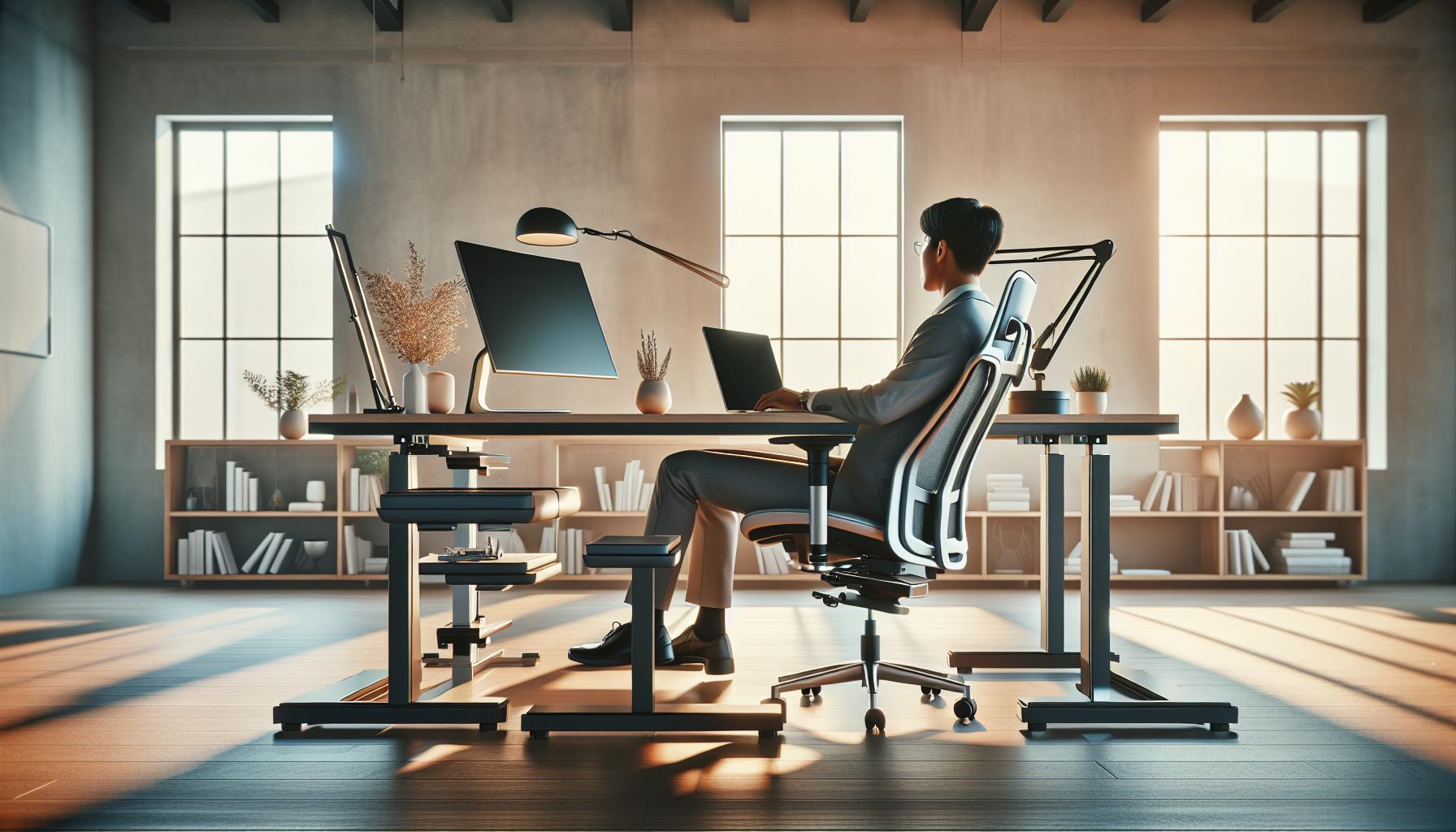
Ergonomic Setup: Creating Your Perfect Workspace
Creating an ergonomic workspace is essential for maximizing the benefits of a stand-up desk and ensuring your long-term health and productivity. Start with the height adjustment of your desk. Ideally, your elbows should rest comfortably at a 90-degree angle, with your forearms parallel to the ground as you use your keyboard. This alignment helps prevent strain in your wrists and shoulders, contributing to a more comfortable working environment. Utilize a computer monitor height that allows you to look straight ahead. The top of the screen should be at or slightly below eye level to avoid leaning forward or slouching, which can lead to back and neck pain.
Essential Ergonomic Tips
To truly enhance your workspace, consider incorporating the following elements:
- Anti-Fatigue Mat: Use an anti-fatigue mat to reduce the discomfort associated with standing for prolonged periods. These mats provide cushioning that encourages subtle movement, which can increase blood circulation.
- Monitor Arms: Invest in adjustable monitor arms that allow for easy repositioning of your screens. This flexibility can significantly improve your viewing angles and reduce neck strain.
- Footrest: A footrest can help balance your weight and shift pressure between legs, which is especially beneficial during long hours of standing.
- Organizational Tools: Ensure your workspace is organized within easy reach. Document holders, drawer organizers, and cable management solutions can create a cleaner, more efficient workspace.
Remember to frequently change your position throughout the day. Alternate between sitting and standing, and integrate small movements into your routine, such as shifting your weight from one foot to the other or taking short walks around the office. These actions can enhance mental clarity and energy levels while reducing the risk of muscle fatigue.
Incorporating ergonomic principles not only protects your physical health but also significantly enhances your cognitive performance. Studies show that a well-designed workspace can boost efficiency and creativity, leading to a more productive workday. By prioritizing ergonomics in your stand-up desk setup, you lay the foundation for a healthier work environment and improved well-being.
Incorporating Movement: Tips for Active Working
Incorporating movement into your workday isn’t just a nice-to-have; it’s essential for maintaining energy, enhancing focus, and optimizing overall well-being. Studies have shown that even brief periods of activity can significantly boost cognitive performance and mood, reducing the risks associated with prolonged sitting. By integrating movement into your routine at a stand-up desk, you can create a dynamic work environment that promotes alertness and creativity while mitigating the adverse health effects of sedentary behavior.
One effective way to incorporate movement is by setting a timer to remind yourself to move every 30 minutes. This could include simple stretches, leg lifts, or a short walk around the office. Utilize opportunities throughout your day to engage in light physical activity. For instance, consider standing up to take phone calls or walking to a colleague’s desk instead of emailing them. Not only does this promote blood circulation, but it also fosters better interpersonal connections.
To further enhance your movement routine, try incorporating specific exercises that you can do at your desk. These might include:
- Calf Raises: Stand tall and lift your heels, lowering and raising your body weight through your feet. This can be done while typing or waiting for a printer.
- Desk Push-Ups: Place your hands on your desk and step back, performing push-ups at a comfortable angle to engage your upper body.
- Sitting Leg Extensions: While seated, extend one leg and hold for a few seconds. Alternate legs to build strength and flexibility.
- Seated Twists: While sitting, gently twist your torso to the right and left to stretch your back and improve spinal mobility.
It’s also beneficial to create a workspace that encourages movement. Consider using a balance ball as a chair, or integrating a walking desk if possible. These tools not only foster active working but also activate your core muscles, promoting better posture and comfort.
By intentionally incorporating movement into your routine, you align your work habits with health principles that can lead to enhanced vitality, sharper focus, and an overall better quality of work life. Empower yourself to make small but impactful changes, transforming your workplace into a healthier, more energized environment.
Long-Term Health Impacts of Sedentary Behavior
Prolonged sitting is recognized as a significant health concern in modern workplaces, with research linking sedentary behavior to various long-term health issues. One striking statistic highlights that individuals who sit for extended periods may increase their risk of heart disease, diabetes, and even certain types of cancer. This correlation arises because excessive sitting can lead to reduced blood flow, increased body weight, and a decline in metabolic health. Regularly using a stand-up desk can serve as a powerful tool to combat these risks, promoting healthier habits that counteract the adverse effects of a sedentary lifestyle.
A fundamental factor in understanding the impacts of sedentary behavior is the way it affects metabolism. When we sit, our body’s ability to burn calories diminishes, which can lead to weight gain and associated health problems like obesity. Incorporating standing into your work routine stimulates muscle activation and increases calorie expenditure, helping to mitigate these risks. Additionally, standing more often can help regulate blood sugar levels, particularly after meals, which is crucial for those at risk of developing type 2 diabetes.
Moreover, the long-term mental effects of a sedentary lifestyle shouldn’t be overlooked. Ongoing physical inactivity can contribute to feelings of fatigue and even impact mood by hindering the release of endorphins-those natural feel-good hormones. By switching to a stand-up desk, you not only promote physical activity but also potentially enhance your mental well-being. Many users report feeling more energized and motivated when they adopt a standing work position, leading to greater engagement and satisfaction in their tasks.
At a community level, understanding the collective implications of sedentary work culture is equally important. The push for more active work environments not only benefits individuals but also fosters a healthier organizational culture, improving overall workplace morale. Companies that encourage their employees to stand or move throughout the day may see enhancements in teamwork and creative collaboration, as movement has been shown to stimulate cognitive function and enhance problem-solving skills.
Incorporating standing desks as part of a broader strategy to reduce sedentary behavior can yield significant health benefits that extend far beyond individual improvements, creating a healthier, more proactive workplace environment.
Stand-Up Desk Myths: Debunking Common Misconceptions
The idea of using stand-up desks has gained significant popularity, but it’s also surrounded by a myriad of misconceptions that can deter people from making the switch. One prevalent myth is that standing desks alone will lead to significant weight loss or drastic health improvements. In reality, while standing does burn more calories than sitting, it’s only part of a broader approach to a healthier lifestyle. Incorporating standing into your work routine can enhance calorie burn, but it should be combined with regular exercise, a balanced diet, and sufficient hydration for optimal health benefits.
Another common belief is that using a standing desk means you must stand all day. This couldn’t be further from the truth. The key to using a standing desk effectively lies in finding a balance. Alternating between sitting and standing can be beneficial, as it helps to reduce fatigue and stress on your legs and back. Professionals recommend a sit-stand routine, where individuals may sit for 20 to 30 minutes before switching to standing for a similar duration. This approach promotes flexibility and keeps energy levels steady throughout the workday.
Additionally, some people worry that standing desks can lead to issues like increased joint pain or fatigue. However, this can usually be mitigated through proper ergonomic setup. Ensuring that your monitor is at eye level and your wrists are straight while typing can minimize strain. Using an anti-fatigue mat can also provide additional comfort. As with any change, it’s essential to listen to your body and adjust your setup as needed, starting with shorter standing periods and gradually increasing them as you become accustomed.
Lastly, it’s a myth that all standing desks are prohibitively expensive. There are a variety of budget-friendly options available, ranging from adjustable desktop converters that can transform a regular desk to a full stand-up model. Investing in a standing desk doesn’t have to break the bank, and many organizations are even supporting this shift in workspace culture by offering stipends for wellness-related purchases. Embracing the transition to a standing desk is a step that many can take towards a healthier lifestyle, but it’s important to approach it with informed strategies and a commitment to balance.
Affordable Standing Desk Solutions for Every Budget
The transition to a standing desk doesn’t have to be a financial burden. With a growing demand for these ergonomic solutions, there are now numerous budget-friendly options available that can fit various needs and preferences. Whether you’re seeking a basic desk converter for your existing setup or considering a more comprehensive stand-up desk, making the switch can be both affordable and beneficial for your health.
For those just starting, adjustable desk converters are a fantastic choice. These devices easily sit on top of your current desk and can be raised or lowered as needed, allowing you to alternate between sitting and standing effortlessly. Many converters are priced under $100, making them accessible for most budgets. Look for models that have multiple height settings and a larger surface area to accommodate your computer, keyboard, and any other essentials.
Another viable option is to explore adjustable standing desks. Many manufacturers offer models priced as low as $200-$300, providing you the flexibility of a dedicated workspace without stretching your finances. When choosing a standing desk, consider features like height adjustment mechanisms (manual or electric), stability, and weight capacity. Some brands even offer budget models with basic stability and design, which can meet the needs of many users without compromising quality.
Building Your Own Standing Desk
For the DIY enthusiasts, constructing your own standing desk can be a creative and cost-effective solution. You can utilize commonly available materials or repurpose old furniture. Here are a few steps to get started:
- Choose a suitable tabletop: Look for a sturdy table or wooden board at a local hardware store that fits your desired dimensions.
- Select adjustable legs: Consider purchasing height-adjustable legs or using wooden crates that can be adjusted to the needed height.
- Assemble: Securely attach the legs to the tabletop, ensuring everything is stable and at a comfortable standing height.
Additionally, many workplaces are recognizing the importance of employee well-being and may offer stipends or reimbursement programs for ergonomic equipment. It’s worth checking with your employer to see if financial assistance is available.
Making the transition to standing desks can significantly enhance your work environment and overall health, proving that creating a more active workspace doesn’t have to come at a high cost. Embracing affordable solutions not only promotes a healthier lifestyle but also demonstrates a proactive approach to workplace wellness and productivity.
Success Stories: Transformations Through Stand-Up Desks
A notable trend has emerged among professionals as they increasingly share their success stories of transforming their workspaces with stand-up desks. Observations suggest that many individuals have not only enhanced their physical well-being but have also experienced significant improvements in their mental clarity and productivity. For instance, one marketing executive reported a dramatic reduction in back pain and neck strain after just a few weeks of using a standing desk, which allowed him to maintain better posture throughout the day. Increased comfort often leads to sustained focus and greater job satisfaction.
Another equally compelling narrative comes from a software engineer who, after transitioning to a height-adjustable desk, noticed a surge in creativity during her brainstorming sessions. By incorporating standing intervals into her work routine, she found that her energy levels soared, allowing her to engage more thoroughly in collaborative efforts and problem-solving tasks. This aligns with emerging research that highlights the positive relationship between standing and cognitive performance, suggesting that increased blood flow and movement can enhance brain function.
As more individuals discover these benefits, organizations are observing a ripple effect. Employees are less fatigued and more inclined to participate in team-building activities. Companies that have embraced the integration of ergonomic principles, including the provision of stand-up desks, are witnessing a boost in overall morale and job engagement. In turn, this fosters a culture that prioritizes health and productivity.
To facilitate a smooth transition for those interested in making a switch, consider these practical strategies:
- Start Slow: Begin with short intervals of standing-15 to 30 minutes-increasing gradually.
- Integrate Movement: Incorporate stretches and small exercises to keep the body engaged.
- Seek Feedback: Encourage discussions with colleagues to share experiences and tips on maintaining a balanced approach.
These real-life transformations underscore the profound impact that simple changes, like adopting a stand-up desk, can have on personal and organizational well-being. Whether motivated by health concerns or a desire for increased productivity, many people are finding that their choice to stand while they work is indeed a step towards a more dynamic and fulfilling professional life.
Adapting to Change: Tips for a Smooth Transition
Making the shift to a stand-up desk can feel daunting, yet the transition holds significant rewards for your health and productivity. Begin by understanding that this change is not just a physical adjustment but also a mental one. Adapting to standing while working requires patience and a strategic approach to maximize benefits and minimize discomfort.
Start with manageable increments. Experts recommend beginning with standing intervals of about 15 to 30 minutes, gradually increasing this time as your body adapts. This builds a sustainable pattern without overwhelming your joints or feet. Utilize a timer or an app to remind you to switch between sitting and standing, ensuring that you incorporate both into your day. Aim for a rhythm that suits your workflow, such as standing for an hour and then sitting for a half hour.
Creating an ergonomic setup is crucial. Your desk height should align with your elbows at a 90-degree angle, and your computer screen should be at eye level to reduce neck strain. Keep the essentials within reach to prevent unnecessary stretching, which can lead to muscle fatigue. Invest in an anti-fatigue mat, as it can significantly reduce discomfort from standing for longer periods. Alongside this, wearing supportive footwear can also make a big difference in your experience.
Incorporate movement throughout your workday for enhanced benefits. Simple stretches, knee bends, or even short walks can keep your energy levels high and circulation optimal. Consider setting aside a few minutes every hour to perform light exercises or stretches. This not only promotes physical health but can also refresh your mind, boosting overall cognitive function.
Engaging with colleagues during this transition can provide support and encouragement. Share your experiences and strategies for effective use of stand-up desks, creating a culture of wellness in your workspace. Moreover, don’t hesitate to seek guidance from health professionals if you experience persistent discomfort. They can provide personalized insights tailored to your specific needs and help you navigate through any challenges that may arise with this significant lifestyle change.
Embrace this journey as a positive step towards enhanced well-being, both mentally and physically. By taking the transition seriously and being attentive to your body’s needs, you can transform your workspace and, ultimately, your work-life experience.
FAQ
Q: What are the advantages of using a stand-up desk over a traditional desk?
A: Using a stand-up desk can improve posture, reduce the risk of back pain, and boost energy levels. It encourages better circulation and can increase productivity. Additionally, standing desks may contribute to long-term health benefits by decreasing sedentary behavior that is linked to various health risks.
Q: Can a stand-up desk help with weight management?
A: Yes, a stand-up desk can aid in weight management by promoting more movement throughout the day. Standing burns more calories than sitting, thus potentially helping to maintain or lose weight when combined with a healthy diet and lifestyle choices.
Q: How can I transition to using a stand-up desk without discomfort?
A: To ease into using a stand-up desk, start by standing for short periods, gradually increasing as your body adjusts. Consider alternating between sitting and standing every 30-60 minutes, and ensure your desk is set up ergonomically to prevent strain. For tips on ergonomic setup, refer to our article section on that topic.
Q: Are there any productivity benefits linked to using a stand-up desk?
A: Yes, standing desks can enhance productivity by promoting better focus and energy levels. Many users report feeling more engaged and alert while working in a standing position, which can lead to increased efficiency and creativity.
Q: What are some common misconceptions about stand-up desks?
A: Common misconceptions include the belief that standing all day is healthier or that standing desks are not necessary for everyone. In reality, balance between sitting and standing is important, and individual comfort varies. We explore these myths in our section on stand-up desk misconceptions.
Q: How do standing desks impact long-term health?
A: Standing desks can mitigate some risks associated with a sedentary lifestyle, such as obesity, cardiovascular disease, and diabetes. Regular use supports healthier lifestyle habits, especially when combined with physical activity. Learn more about long-term impacts in our article on the health impacts of sedentary behavior.
Q: What are the best practices for setting up a stand-up desk?
A: Optimal setup includes adjusting the desk height so your elbows are at 90 degrees while typing, keeping the monitor at eye level, and using an anti-fatigue mat for comfort. Our section on ergonomic setup offers detailed guidance for creating your ideal workspace.
Q: Is it necessary to have special furniture for a stand-up desk?
A: While specialized stand-up desks can be beneficial, a regular desk can be adjusted using desk converters or platforms. The key is to find a setup that allows comfortable height adjustments to support both standing and sitting working positions.
To Wrap It Up
Are you ready to transform your workspace and enhance your well-being? Implementing a stand-up desk goes beyond mere convenience; it’s a key step toward improving your overall health and productivity. Don’t wait to experience the life-changing benefits – take action today! Explore our guides on setting up an ergonomic workspace and discover crucial tips for maintaining your cognitive health while working.
For deeper insights, check out our articles on workplace stress management and biohacking techniques that can maximize your focus and energy. Your journey to a healthier, more productive work environment starts now. Subscribe to our newsletter for ongoing support, and join the conversation by sharing your experiences in the comments below. Together, we can foster a community focused on wellness and productivity!