
With the rise of standing desks in offices and homes, a common question arises: Are they actually detrimental to your health? This article dives into the myths surrounding standing desks, exploring both their potential benefits and risks. As many seek to optimize their workspaces for better posture and productivity, understanding the real impact of these desks on our physical and mental well-being is crucial. You’ll discover evidence-based insights that can help you make an informed decision about your own workstation setup, ensuring it aligns with your wellness goals. Whether you’re considering a standing desk or already using one, we’ll equip you with the knowledge needed to enhance your workplace wellness effectively.
Understanding the Health Risks of Standing Desks
Standing desks have gained immense popularity as a means to combat the negative effects of prolonged sitting, but they come with their own set of health risks that must be understood and addressed. While switching to a standing desk can promote greater movement and help reduce sedentary behavior, it is crucial to recognize that standing for long periods can lead to discomfort and a range of health issues, particularly if proper ergonomics are not followed.
Long hours spent standing can contribute to foot, leg, and back pain, and in some cases, can lead to conditions such as plantar fasciitis or varicose veins. Prolonged standing can slow blood flow, which might not only cause discomfort but also fatigue and reduced focus. To mitigate these risks, it’s essential to alternate between sitting and standing, incorporate movement into your day, and ensure that your desk setup encourages good posture. Maintaining a straight back, slightly bending your knees, and distributing weight evenly between both feet can significantly alleviate strain on your body.
To put it simply, the key to making a standing desk work for you is to listen to your body and adopt best practices that promote comfort and productivity. Here are a few actionable steps to ensure an ergonomic setup:
- Use an Anti-Fatigue Mat: This can reduce the strain on your feet and legs.
- Adjust Desk Height: Your elbows should be at a 90-degree angle, with the screen at eye level.
- Wear Supportive Footwear: Choose shoes that offer arch support to reduce fatigue.
- Take Regular Breaks: Shift your weight and take short walking breaks to increase circulation.
Incorporating these practices into your daily routine can greatly enhance your standing desk experience, making it a sustainable choice for your health and well-being. Remember, the goal is to find a balance that optimizes both comfort and productivity, allowing you to stay energized and engaged throughout your workday.
Common Myths About Standing Desks Debunked
The debate over standing desks is often clouded by misconceptions that can lead to confusion and poor decisions about workplace wellness. One prevalent myth is that standing all day is inherently healthier than sitting. Although standing desks can help reduce sedentary behavior, standing for long periods without proper movement or breaks can lead to discomfort, fatigue, and a host of musculoskeletal issues. The key is to balance both sitting and standing and to incorporate regular movement throughout the day. Science suggests that alternating between positions is vital for maintaining overall comfort and health.
Another common fallacy is the belief that using a standing desk is a guaranteed way to lose weight. While standing burns slightly more calories than sitting, the difference is minimal, especially if workers remain stationary. In fact, focusing solely on calorie burn without engaging in regular physical activity or maintaining a healthy diet can be misleading. Instead, standing desks should be viewed as one part of a holistic approach to a healthier lifestyle that includes other forms of exercise and healthy eating.
Additionally, many people assume that all standing desks automatically promote good posture. However, poorly adjusted desks can exacerbate postural problems, leading to back and neck pain. Ergonomics play a crucial role; for a standing desk to be beneficial, it must be properly set up so that the monitor is at eye level and the elbows are bent at a 90-degree angle. This emphasizes the importance of personalized adjustments and an ergonomic setup, tailored to each individual’s height and workspace.
It’s also worth noting that some may claim that standing desks are not suitable for everyone, which is partly true but often oversimplified. Individuals with specific health conditions or disabilities might find prolonged standing uncomfortable or unmanageable. Therefore, before transitioning to a standing desk, it’s essential to consult with health professionals or ergonomics specialists, especially if there are pre-existing concerns. Balancing standing and sitting, making ergonomic adjustments, and staying active throughout the day constitute best practices that can lead to the most significant improvements in workplace wellness. By addressing these myths, employees can make informed choices that enhance their cognitive performance and overall productivity in a healthier work environment.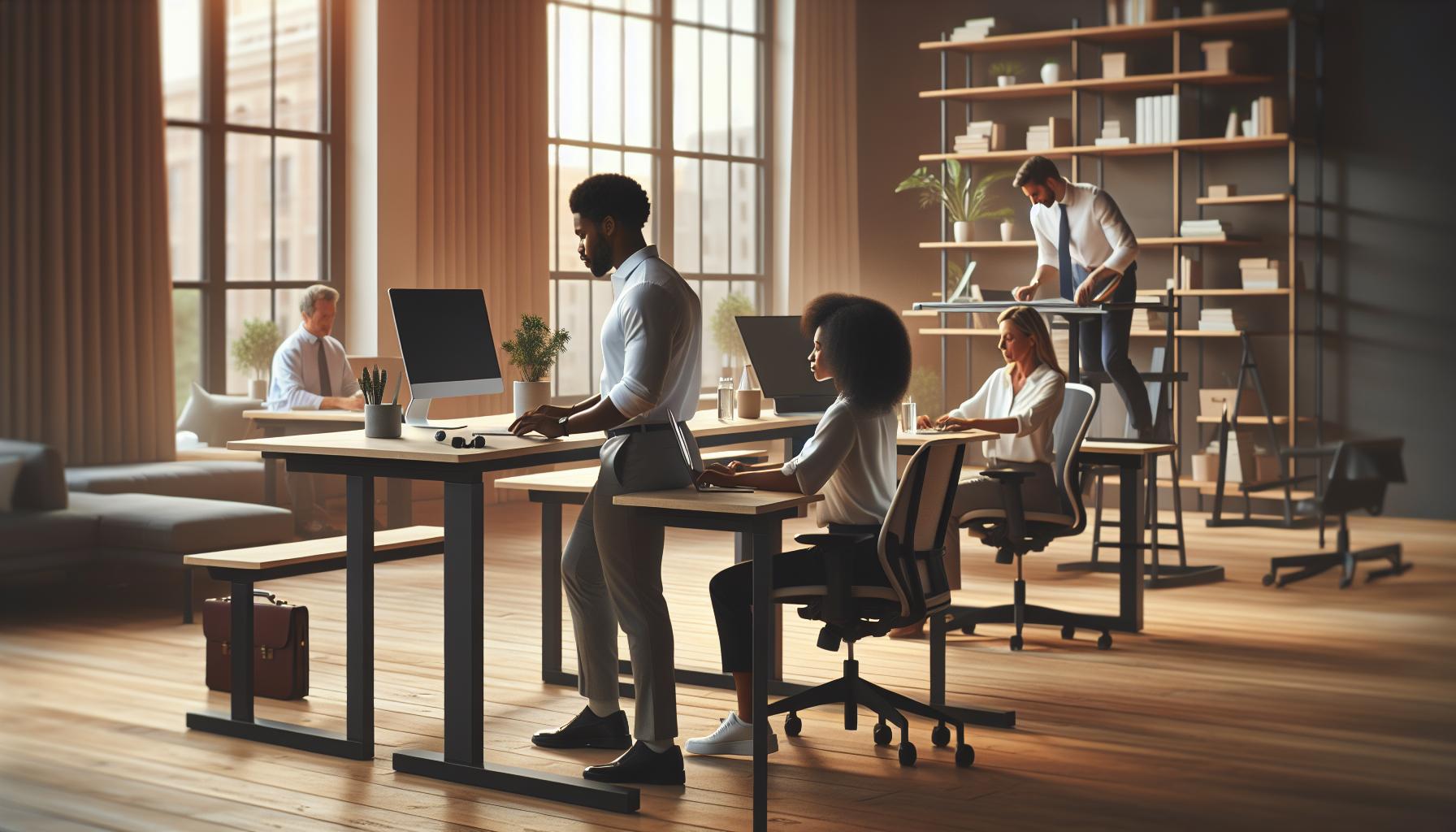
Comparing Standing Desks and Traditional Seating
In recent years, the popularity of standing desks has surged, giving rise to a significant shift in workplace dynamics. With more individuals considering this alternative to traditional seating, it’s essential to delve into the nuances of each option to make informed decisions about health and productivity. Research indicates that simply transitioning from a traditional desk to a standing one isn’t a one-size-fits-all solution; rather, it highlights the necessity of recognizing how each setup aligns with individual work habits and health objectives.
Advantages of Standing Desks
One of the key benefits of standing desks is their potential to minimize sedentary behavior, a prominent risk factor in various health issues such as obesity, cardiovascular disease, and even certain cancers. By integrating a standing desk, employees may experience increased energy levels, enhanced mood, and improved engagement throughout their workday. Furthermore, standing can help to improve circulation and reduce the risks associated with prolonged periods of immobility.
However, standing desks are not without their challenges. Prolonged standing without proper ergonomics or movement can lead to discomfort, fatigue, or musculoskeletal disorders such as lower back pain and varicose veins. To maximize the benefits of a standing desk, it’s crucial to alternate between sitting and standing, ideally every 30 to 60 minutes, while also ensuring that the desk is set up correctly. The ideal standing desk height allows the monitor to rest at eye level, with elbows bent at around a 90-degree angle.
Traditional Seating Considerations
On the other hand, traditional seating offers its own set of advantages and pitfalls. Comfort is often a strong selling point for office chairs, particularly for those who work long hours. A well-designed chair can provide adequate lumbar support and promote better posture, potentially reducing the strain on the back and neck. However, extended periods of sitting can exacerbate issues related to weight gain, reduced metabolic rates, and various chronic health concerns.
To create a balanced and health-conscious workspace, many experts recommend a hybrid approach-utilizing both a standing desk and comfortable seating. Professionals can benefit from maintaining ergonomic integrity by configuring both setups to fit their individual needs. Here’s a practical approach to achieving harmony between these two traditions:
- Adjust the height of your standing desk to allow for a neutral wrist position while typing.
- Incorporate an anti-fatigue mat to provide cushioning during prolonged standing periods.
- Use a chair that supports your lower back and allows your feet to rest flat on the floor.
- Alternate between standing and sitting to keep the body engaged and prevent fatigue.
Ultimately, the choice between standing desks and traditional seating should be tailored to personal preferences and health considerations, ideally encouraging movement and posture breaks throughout the workday. By being proactive about workspace ergonomics and using a blend of both seating options, individuals can create a dynamic environment that promotes well-being, enhances cognitive performance, and improves overall productivity in their professional lives.
How Standing Desks Impact Cognitive Performance
The cognitive benefits of using standing desks extend beyond mere physicality; research illustrates a fascinating link between posture, brain function, and productivity. When individuals stand while working, they often report enhanced focus and mental clarity. The act of standing can increase blood flow and oxygen circulation, cells, which are vital for optimal brain function. A myriad of studies suggests that the change in posture may stimulate higher levels of alertness and engagement, particularly among workers handling complex tasks.
To integrate the potential cognitive advantages of standing desks, consider the following practical approaches:
- Experiment with Work Intervals: Alternate between periods of sitting and standing. For example, after every 30-60 minutes of sitting, stand for a short burst of time to rekindle focus.
- Mind Your Setup: Position the monitor to eye level and keep your keyboard at a height that allows your elbows to rest comfortably at a 90-degree angle. This alignment not only promotes proper posture but also supports cognitive flow.
- Incorporate Small Movement: Incorporating gentle movement, such as stretching or shifting weight, while standing can help prevent fatigue and maintain cognitive function throughout the workday.
The idea of neuroplasticity-how our brains adapt and change over time-has implications for standing desk users. Regularly changing one’s body position can encourage adaptive changes in cognitive processing. Given that mental engagement is often highest when individuals feel physically comfortable, optimizing your standing desk setup can be a key strategy in maintaining peak cognitive performance.
While standing desks present unique advantages for cognitive function, it is essential to recognize the importance of balance. Staying mindful of how long one stands, ensuring movement and variety in posture, and adopting an ergonomic desk setup can all contribute to creating an environment that not only supports physical wellness but also enhances cognitive efficiency and productivity. By embracing such practices, employees can fuel both their minds and bodies effectively, leading to a more fulfilled and productive workday.
The Role of Ergonomics in Desk Setup
Creating an ergonomic workspace is crucial for those using standing desks, as proper setup can significantly enhance comfort, reduce fatigue, and promote productivity. A well-structured approach not only optimizes physical support but also supports cognitive function, making it a vital aspect of workplace wellness. By ensuring that your standing desk is tailored to your unique body mechanics, you can avoid common pitfalls that lead to discomfort or health issues.
To cultivate an ergonomic setup, start by adjusting your desk height. Your elbows should be at a 90-degree angle when typing, with wrists in a neutral position. The monitor should be at eye level or slightly below to minimize neck strain; the top of the screen should be at or just below eye height. This alignment keeps the spine aligned and reduces the risk of developing musculoskeletal issues from prolonged standing. Additionally, your feet should be flat on the ground or elevated slightly on a footrest to promote stability and relaxation.
Furthermore, consider integrating anti-fatigue mats into your workspace. These mats can help reduce the strain caused by standing on hard surfaces over extended periods. Alternate between standing and sitting to give your body a chance to recover; actively using a sit-stand converter can facilitate these transitions smoothly. Small adjustments in posture can also make a difference, such as shifting weight from one leg to another or taking brief movement breaks. Incorporating these strategies can enhance blood circulation and maintain energy levels throughout the workday.
Finally, pay attention to your overall workspace environment. Positioning items within easy reach can minimize unnecessary bending or stretching, contributing to an efficient workflow. Lighting is another crucial factor; ensure your workspace is well-lit to reduce eye strain and enhance focus. For optimal cognitive function and wellbeing, a well-designed ergonomic setup paired with regular movement and posture changes will support both your physical and mental health, allowing for a more productive and enjoyable work experience.
Best Practices for Using a Standing Desk Safely
Standing desks can transform your work experience, enhancing energy levels and fostering productivity when used correctly. However, improper use can lead to discomfort or health issues. Therefore, adopting best practices for safe standing desk usage is essential for maximizing benefits while minimizing risks.
Adjust Your Setup for Comfort
Start by ensuring your desk is set to a proper height. When standing, your elbows should be at a right angle, and your wrists should remain in a neutral position while typing. The monitor should be positioned at eye level-aim for the top of the screen to be just below your line of sight-to prevent neck strain. A comfortable stance includes keeping your feet flat on the ground or supported by a footrest. This ergonomically sound setup not only reduces physical strain but also contributes to improved focus and cognitive performance.
Alternate Between Sitting and Standing
One of the most effective strategies to prevent fatigue is alternating between standing and sitting. Consider using a sit-stand converter to adjust your workstation easily throughout the day. Aim to switch positions every 30 to 60 minutes, as this variation keeps blood circulation flowing and helps alleviate muscle fatigue. Additionally, when you do sit, use an ergonomic chair that supports your lumbar region and encourages good posture.
Incorporate Movement and Breaks
Beyond standing or sitting, it’s crucial to integrate movement into your routine. Simple practices such as shifting your weight from one leg to another, doing calf raises, or taking short walks can significantly enhance comfort and circulation. Incorporate designated break periods every hour to stretch or walk around. These intentional movements not only combat the detrimental effects of prolonged static positions but also invigorate your cognitive functions, boosting your overall productivity.
Create an Organized Workspace
Your workstation’s layout plays a pivotal role in promoting wellness. Keep essential items within easy reach to avoid excessive bending or stretching, which can contribute to discomfort and decreased productivity. Proper lighting is equally important; ensure your workspace is well-lit to avoid straining your eyes, especially when reading or viewing screens. By structuring your workspace thoughtfully, you foster an environment that enhances both your physical health and mental clarity.
Implementing these practical adjustments will help you enjoy the benefits of a standing desk while maintaining your well-being and productivity. Remember, your body thrives on movement and variety, so listen to its needs and make adjustments as necessary for an optimal work experience.
Signs You’re Overdoing It with a Standing Desk
Prolonged standing may seem like a healthy alternative to sitting, but overdoing it can lead to a range of physical complaints and decreased cognitive performance. Understanding the signs that indicate you’ve reached your standing desk limit is crucial for maintaining overall well-being and productivity. Many individuals may initially feel energized by standing, but fatigue, discomfort, and even potential injuries can occur if standing becomes excessive without appropriate breaks and adjustments.
Recognizing symptoms early can prevent more significant problems down the line. Pay attention to the following signs:
- Fatigue and Exhaustion: Feeling unusually tired or drained during the workday can be a clear indication that you need to break from your standing position.
- Leg and Foot Discomfort: Persistent pain, cramps, or heaviness in your legs and feet may indicate overuse. Keep an eye out for swelling or the sensation of restless legs.
- Lower Back Pain: If you’re experiencing discomfort in your lower back, it could be a result of improper ergonomics or spending too much time standing without shifting positions.
- Joint Pain: Any stiffness or pain in your knees, hips, or ankles can signal that you’re putting too much strain on your joints while standing.
To mitigate these issues, establishing a routine that incorporates regular breaks and movement is essential. Switching positions and allowing your body to rest periodically can significantly reduce discomfort. Aim to alternate between sitting and standing, ideally every 30 to 60 minutes, and don’t forget to include stretches or mobility exercises. Short walks or even simple ankle rolls can enhance blood circulation and alleviate stiffness.
Lastly, if you find yourself frequently experiencing discomfort despite making adjustments, it may be beneficial to consult a healthcare professional. They can provide personalized recommendations tailored to your specific needs and help you refine your posture, ergonomic setup, and standing duration. Remember, your body is your best guide-listen to it! Prioritizing your health ensures you can enjoy the benefits of a standing desk while safeguarding your physical and cognitive wellness.
Integrating Movement into Your Workday
Maintaining an active body throughout the workday doesn’t just boost energy; it can enhance cognitive function, creativity, and overall job satisfaction. while using a standing desk can help combat the downsides of prolonged standing and sitting alike. Research indicates that regular movement increases blood flow, which not only reduces fatigue but can also stimulate brain activity. Here are some effective strategies to seamlessly incorporate movement into your day.
One practical approach is to set a timer for every 30 to 60 minutes as a reminder to take short movement breaks. These breaks can be as simple as standing and stretching or walking to a colleague’s desk to foster social interaction. Consider the following activities to include during your breaks:
- Dynamic stretches: Incorporate upper body and lower body stretches to relieve tension accumulated during prolonged standing.
- Walking meetings: Instead of sitting in a conference room, invite colleagues to join you for a walk while discussing work matters.
- Foot exercises: Even while standing, you can lift your toes and roll your ankles to improve circulation and reduce stiffness.
Another beneficial practice is to alternate your work position throughout the day. For instance, you can rotate between standing, sitting, and even moving by using a balance ball as a chair or a low stool to engage different muscles and improve posture. This variety not only supports physical health but also keeps your mind alert and engaged.
Staying mindful of your posture and movement is crucial to maximize both comfort and productivity. Engage in exercises that strengthen your core and lower back, as these muscles support your body while standing. Incorporating brief sessions of walking, stretching, or even light exercises can transform your workspace into an environment that promotes wellness and revitalizes your focus. As you integrate movement into your workday, eagerly respond to what your body needs-if you start to feel discomfort while standing, take that as a cue to change positions or embark on a small movement break.
Through these practices, you can create a dynamic and health-conscious work environment. Not only will this help to mitigate the health risks associated with prolonged sedentary behavior or standing, but it will also foster a more vibrant and productive work life. Prioritize movement as an integral part of your daily routine and watch how it enhances both your physical wellbeing and cognitive performance.
Long-Term Effects of Standing vs. Sitting
One of the more contentious topics in workplace wellness revolves around the long-term effects of standing versus sitting. As professionals increasingly adopt standing desks in hopes of mitigating health risks associated with prolonged sitting, it’s crucial to understand how these choices impact our bodies and minds over time. Research has shown that both extended sitting and standing can lead to negative health outcomes if not managed properly.
Prolonged sitting is well-documented to increase the risk of cardiovascular disease, obesity, and Type 2 diabetes, as it is often associated with a sedentary lifestyle. Conversely, standing for too many consecutive hours can result in its own set of issues, including musculoskeletal disorders, varicose veins, and increased risk of lower back pain. A balanced approach that incorporates both sitting and standing is essential for long-term health benefits.
To harness the advantages of both positions, consider implementing a dynamic work routine. For instance, alternate between sitting and standing every 30 to 60 minutes. This can maintain energy levels and reduce the physical strain that comes from staying in one position too long. Using an electric height-adjustable desk can facilitate this transition, making it easier to switch seamlessly as your body needs change throughout the day.
Key Tips for Balancing Sitting and Standing:
- Use a timer: Set reminders on your phone or computer to change positions regularly.
- Prioritize posture: Whether sitting or standing, maintain an ergonomic setup to promote good posture and minimize strain.
- Incorporate movement: Take short walking breaks to stimulate circulation and keep your body engaged.
Ultimately, it’s about finding a working style that keeps you comfortable and productive while prioritizing your long-term health. A blend of sitting, standing, and movement can lead to improved well-being and cognitive performance, turning your workspace into a hub of productivity without sacrificing health.
Worker Productivity: The Standing Desk Debate
The debate over whether standing desks truly enhance worker productivity is multifaceted, with compelling arguments on both sides. Proponents of standing desks assert that these workstations can lead to increased energy, improved mood, and heightened focus. Research supports the idea that standing while working may foster alertness and decrease feelings of fatigue, which can be advantageous during long work periods. By avoiding the lethargy associated with prolonged sitting, many workers find themselves capable of maintaining better concentration and engagement in their tasks.
Contrastingly, critics caution that productivity gains may be short-lived if ergonomic factors are neglected. Standing for extended periods without proper support can lead to discomfort and fatigue, potentially detracting from productivity. A well-designed workspace with adjustable desks, anti-fatigue mats, and supportive footwear can mitigate these concerns, allowing employees to make the most of their standing hours. Engaging in regular movement-such as stretching or walking-during standing sessions can further sustain energy levels and focus.
Strategies for Optimizing Productivity with Standing Desks
To effectively harness the benefits of standing desks, it’s crucial to adopt practices that promote both comfort and efficiency:
- Rotate tasks: Switch between high-focus tasks and less demanding ones while standing to prevent fatigue. For example, reserve periods of intense concentration for sitting, and save routine tasks for standing hours.
- Monitor duration: Limit continuous standing to 30 to 60 minutes, followed by a brief seated break, helping to maintain muscle comfort and cognitive function.
- Customize your setup: Ensure your desk height and monitor level are appropriately adjusted to prevent strain on your wrists, neck, and back.
Encouraging a dynamic work environment where movement is integrated can also significantly influence productivity. Walking meetings, quick stretches, or simply standing during phone calls can enhance circulation and contribute to overall well-being.
In conclusion, while standing desks offer promising benefits for productivity, understanding the importance of balance-between standing and sitting, and between work and movement-will help individuals maximize their potential in a healthy and efficient manner. By thoughtfully integrating these elements into their daily routines, workers can create an environment that fosters both productivity and wellness.
Tips for Transitioning to a Standing Desk
Making the shift to a standing desk can be both exciting and daunting. Many users report newfound energy levels and reduced discomfort from prolonged sitting; however, transforming your workspace requires a strategic approach to minimize potential drawbacks. Gradually adjusting to a standing desk is key. Start by standing for brief intervals, gradually increasing the duration as your body adapts to the change. This method helps ease any initial discomfort and fosters long-term acceptance of the standing position.
To ensure a seamless transition, pay special attention to the ergonomics of your desk setup. Your elbows should rest comfortably at a 90-degree angle, and your monitor should be at eye level to avoid straining your neck. Utilizing an anti-fatigue mat can significantly improve comfort by providing cushioning for your feet. If possible, customize your workspace with adjustments that accommodate your height and comfort preferences. Regularly switching between sitting and standing, ideally every 30 to 60 minutes, can also enhance your experience while preventing fatigue.
Incorporate small movements into your routine to further support comfort and cognitive performance. Simple practices, such as shifting weight from one foot to another, stretching your legs, or even taking brief walks, not only maintain circulation but also invigorate your focus. Engaging in activities like walking meetings can enrich your work environment and transform your approach to daily tasks.
Lastly, listen to your body during this transition. If you’re feeling fatigued or uncomfortable, allow yourself to sit for extended periods. It’s crucial to maintain balance, as the ultimate goal is to create a workspace that promotes well-being and productivity. With these strategies in mind, you can embrace the benefits of a standing desk while fostering a healthier work environment.
Expert Recommendations for Workplace Wellness
Creating a healthy workplace environment is essential for both physical and mental well-being, especially for those incorporating standing desks into their daily routines. Research suggests that standing desks can significantly improve ergonomics, reduce sedentary behavior, and boost energy, but improper use can lead to discomfort and fatigue. To enhance workplace wellness while using a standing desk, consider these expert recommendations.
Ergonomic Awareness
Begin with a thorough assessment of your workspace. Your desk should allow your elbows to rest at a comfortable 90-degree angle, and your monitor needs to be eye level to prevent strain on your neck. Using an anti-fatigue mat can help alleviate pressure on your feet and encourage longer standing periods without discomfort. Position frequently used items, such as keyboards or documents, within easy reach to minimize the need for excessive bending or stretching.
Mindful Movement
Incorporating movement into your workday is essential for maintaining energy and focus. Stand for intervals-ideally alternating between sitting and standing every 30 to 60 minutes-to combat fatigue and enhance circulation. Small movements, such as shifting weight from foot to foot, stretching, or performing simple leg lifts, can also keep blood flowing and reduce the risk of long-term musculoskeletal issues. For a creative boost, consider adopting “walking meetings” to engage your mind while staying active.
Listening to Your Body
A crucial aspect of workplace wellness is being attuned to your body’s signals. Pay attention to signs of discomfort or fatigue, and do not hesitate to sit down if needed. It’s better to transition back to seated work temporarily than to push through discomfort, which can lead to burnout or injury. Establishing a balance between standing and sitting is key.
Professional Consultation
Consult with ergonomics experts or occupational health professionals to create a personalized workspace layout that maximizes your comfort and efficiency. They can provide tailored advice on posture and equipment adjustments, ensuring you get the most out of your standing desk while minimizing health risks. Taking proactive steps to foster a safe and supportive work environment will significantly enhance your overall workplace experience.
By following these guidelines, you can create a workspace that not only supports your physical health but also boosts your cognitive performance and overall productivity. Strive for a well-rounded approach to wellness that considers both the benefits and potential drawbacks of standing desks, ensuring a healthy and efficient way to work.
Frequently Asked Questions
Q: Are standing desks harmful to your health?
A: Standing desks can pose health risks if used improperly, such as causing discomfort or fatigue. It’s essential to balance standing with sitting, practice good ergonomics, and take regular breaks to avoid strain on the body. For optimal comfort, refer to the section on Best Practices for Using a Standing Desk Safely.
Q: How long should you stand at a standing desk each day?
A: It’s recommended to stand for about 15 to 30 minutes every hour when using a standing desk. Gradually increasing standing time helps your body adjust. Incorporating movement throughout the day can enhance this practice, as discussed in the Integrating Movement into Your Workday section.
Q: Do standing desks improve productivity?
A: Standing desks may boost productivity for some individuals by increasing energy levels and reducing fatigue. However, results vary, and it’s important to monitor your own performance and comfort levels continuously, as highlighted in the Worker Productivity: The Standing Desk Debate section.
Q: Can using a standing desk cause leg pain?
A: Yes, prolonged use of a standing desk without proper ergonomics can lead to leg pain or discomfort. To mitigate this, use anti-fatigue mats and ensure proper foot positioning. Consult the Best Practices for Using a Standing Desk Safely section for actionable tips on preventing leg pain.
Q: What are the signs of overusing a standing desk?
A: Signs include leg fatigue, back pain, and general discomfort. If you experience these symptoms, it’s crucial to alternate between sitting and standing to find a balance. For more insights, check the Signs You’re Overdoing It with a Standing Desk section.
Q: How can I transition to a standing desk effectively?
A: Start by alternating between sitting and standing, gradually increasing your standing time every week. Pay attention to your posture and ergonomic setup to ease the transition. The Tips for Transitioning to a Standing Desk section provides further strategies for a smooth adjustment.
Q: Are there specific ergonomic guidelines for standing desks?
A: Yes, the monitor should be at eye level, and elbows should be at a 90-degree angle while typing. Feet should be flat on the ground, and weight should be distributed evenly. For detailed recommendations, refer to the Role of Ergonomics in Desk Setup section.
Q: What is the long-term impact of using a standing desk?
A: Long-term use of standing desks can lead to improved posture and reduced risk of some health issues compared to prolonged sitting. However, it’s important to incorporate movement and vary your position. Explore the Long-Term Effects of Standing vs. Sitting section for a deeper understanding.
Final Thoughts
Understanding the facts about standing desks empowers you to make informed choices for your workplace wellness. While standing desks can offer benefits, it’s essential to find a balance that supports your brain health and reduces stress. If you’re ready to optimize your workspace, check out our guide on creating an ergonomic environment or explore biohacking techniques that promote brain function and well-being.
Don’t let confusion hold you back-take action today by incorporating healthy habits that suit your lifestyle. Join our community for more insights on workplace wellness, and consider subscribing to our newsletter for the latest in cognitive performance and stress management strategies. Your health matters, and every positive change counts! Share your thoughts or experiences in the comments below; we love hearing from you. Together, let’s take steps towards a healthier work life!