
In today’s fast-paced work environment, the question of whether standing at your desk truly benefits your health is more relevant than ever. With increasing awareness about the dangers of a sedentary lifestyle, many employees are turning to standing desks as a potential solution. However, while standing may seem like a simple fix, the science surrounding this practice is nuanced, revealing both advantages and drawbacks. Understanding how to balance standing and sitting can lead to improved workplace productivity and overall well-being. This analysis dives into the expert opinions on standing desks, uncovering the essential considerations that can help you make informed choices for a healthier workday. Stay with us as we navigate through the complexities of desk ergonomics and their impact on your health, ensuring that your workspace promotes not only comfort but also cognitive efficiency.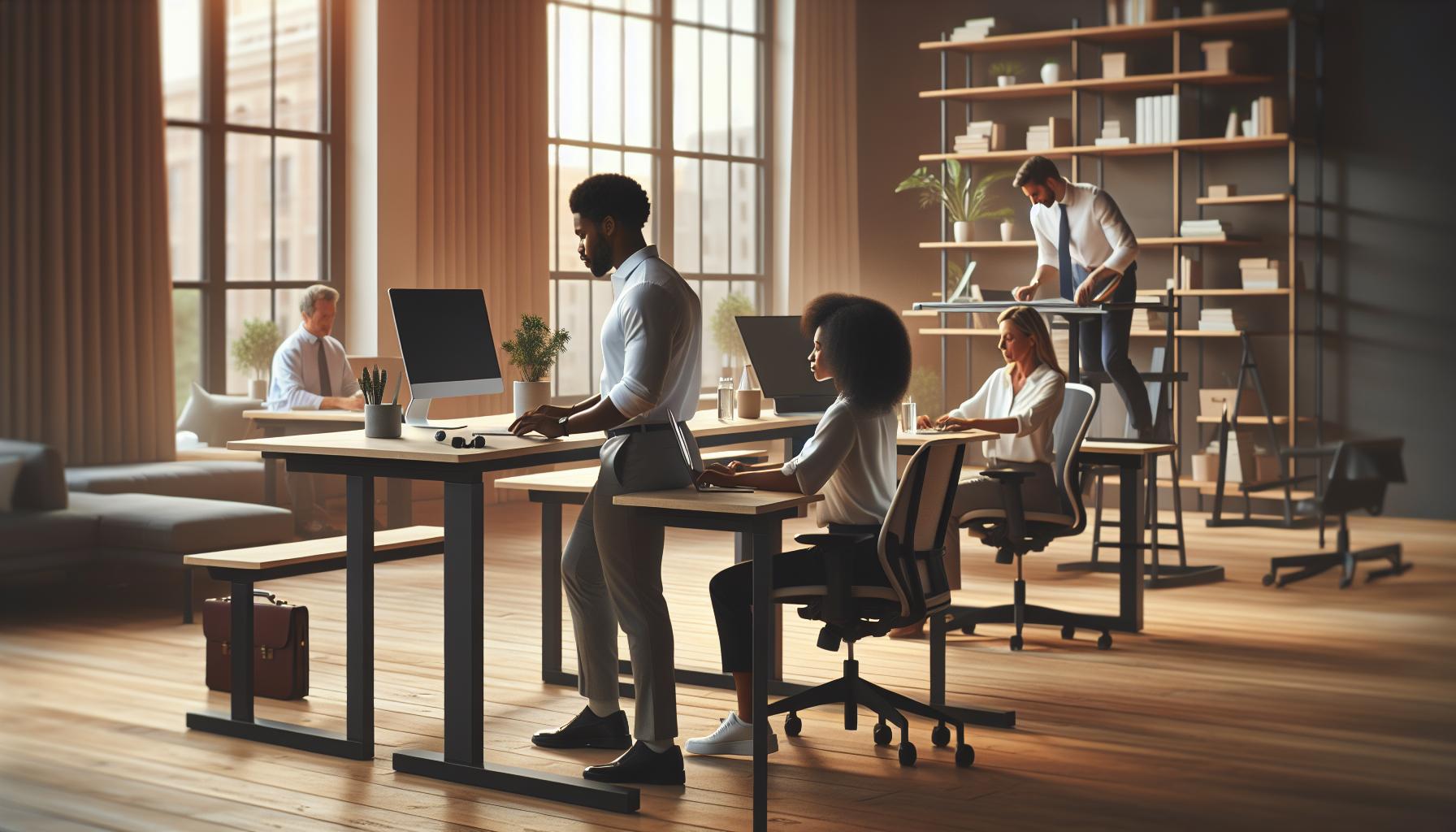
Is Standing at Your Desk Better for You? Expert Analysis
Standing desks have emerged as a popular alternative to traditional office seating, driven by a growing awareness of the health implications associated with prolonged sitting. Research shows that sitting for extended periods can lead to a variety of health issues, including obesity, cardiovascular disease, and musculoskeletal disorders. The shift toward standing while working offers a compelling argument for improving overall well-being in the workplace. Many workplace wellness advocates argue that incorporating standing desks can lead to increased energy levels, enhanced mood, and greater productivity.
One of the primary benefits of standing at your desk is the potential for improved metabolic health. Standing burns more calories compared to sitting, although the difference may not be substantial. A study indicated that standing for just three hours a day can help burn about 30 additional calories per day, which contributes to weight management over time. Moreover, the psychological benefits are noteworthy; standing desks have been linked with reduced stress and fatigue, potentially due to increased movement and the ability to shift positions throughout the day [1].
However, it’s important to recognize that while standing desks provide benefits, they are not a panacea. Overstand can lead to discomfort, fatigue, and even decreased productivity if not implemented thoughtfully. A balanced approach that includes regular movement and ergonomic considerations is essential for maximizing the benefits of a standing desk setup. Furthermore, any transition to a standing desk should be gradual, allowing your body to acclimate, and should be coupled with excellent posture to avoid strain [2]. Integrating short breaks to sit, move, and stretch throughout the day can help mitigate the risks associated with prolonged standing, ensuring that the workplace remains a supportive environment for both physical and mental health.
Understanding the Science Behind Standing Desks
The emergence of standing desks in modern workplaces isn’t just a trend; it’s backed by a growing body of research aimed at understanding their impact on health and productivity. One of the most compelling points of this discussion is the relationship between sedentary behavior and various health risks. Research indicates that excessive sitting is linked to obesity, cardiovascular problems, and musculoskeletal disorders. In contrast, standing while working may provide a buffer against these issues, potentially aiding in weight management and creating a more dynamic work environment.
A systematic review published in the Cochrane Database highlighted the effectiveness of sit-stand desks in reducing overall sitting time by 30-120 minutes per day, leading to lower instances of upper back and neck pain [[3]](https://allbusinesssystems.com/the-standing-desk-revolution-separating-health-hype-from-scientific-reality/). These findings suggest that such desks not only prompt physical movement but also offer a practical solution for office workers striving to break up long periods of inactivity. Moreover, evidence supports that standing can enhance metabolic health. From an energy expenditure perspective, standing for just three hours each day may burn approximately 30 extra calories, an essential factor for those looking to manage their weight[[[2]](https://www.progressivedesk.com/blogs/wellbeing-productivity/the-psychology-of-standing-desks-how-they-can-improve-your-mood-and-mental-health?srsltid=AfmBOoqXOjg3iUAgwnE5Tpz_PVDd_QKDbB5XdQTclaqzNeQb4vtYmWPp).
However, transitioning to a standing desk needs to be approached thoughtfully. Overdoing it can lead to discomfort, fatigue, and even hinder productivity. The key lies in balancing standing with sitting while emphasizing proper ergonomics. Incorporating short breaks to stretch or walk allows for improved circulation and helps alleviate any tension that may accumulate during prolonged standing. Therefore, to reap the benefits of standing desks effectively, it’s vital to integrate movement and adhere to ergonomic best practices, ensuring a workspace that promotes both physical and mental well-being.
In summary, involves recognizing their potential to enhance health outcomes while also acknowledging the necessity for proper integration into daily work habits. As the conversation around workplace wellness evolves, so does the approach to combating the adverse effects of long hours spent at a desk, ultimately striving for a healthier and more productive work atmosphere.
Benefits of Using a Standing Desk for Health
Standing desks have gained popularity as a solution to counteract the negative health effects associated with prolonged sitting, which is increasingly recognized as a significant risk factor for various health issues. Research shows that incorporating standing into your work routine can lead to numerous health benefits. For instance, standing while working can enhance energy levels and improve mood, reducing feelings of fatigue and increasing overall productivity. One compelling study found that participants using sit-stand desks experienced a notable uptick in vitality and a decrease in discomfort compared to those remaining seated throughout the workday.
Enhanced Physical Health
Adopting a standing desk can also contribute to better metabolic health. Standing engages more muscles compared to sitting, promoting greater calorie expenditure. Estimates suggest that standing for just an additional three hours a day could burn about 30 extra calories-this may seem modest, but over time, these small changes can significantly contribute to weight management. Additionally, standing desks have been associated with reduced instances of musculoskeletal pain, particularly in the neck and lower back. A systematic review highlighted that users of sit-stand desks could reduce their sitting time by up to 120 minutes per day, which in turn lowered their risk for chronic pain [[3]](https://www.jll.com.mx/en/trends-and-insights/workplace/tips-for-using-standing-desk).
Improved Mindset and Productivity
The impact on mental clarity and focus is another crucial advantage. The act of standing may enhance cognitive function by improving blood flow and oxygenation to the brain, fostering an environment conducive to better idea generation and problem-solving. As individuals feel more energetic and pain-free, they are often more engaged and proactive in their tasks. By infusing movement into your work routine, even through simple shifts from sitting to standing, you can promote a more dynamic interaction with your work.
Incorporating a standing desk into your workspace is not merely about avoiding the dangers of sitting; it’s about cultivating a healthier, more dynamic work environment that bolsters not only physical well-being but also mental acuity and job satisfaction. As with any lifestyle change, easing into this transition, balancing standing with sitting, and regularly incorporating movement are key to maximizing benefits while minimizing discomfort. By prioritizing these adjustments, you can truly enhance your workplace experience and support your overall health.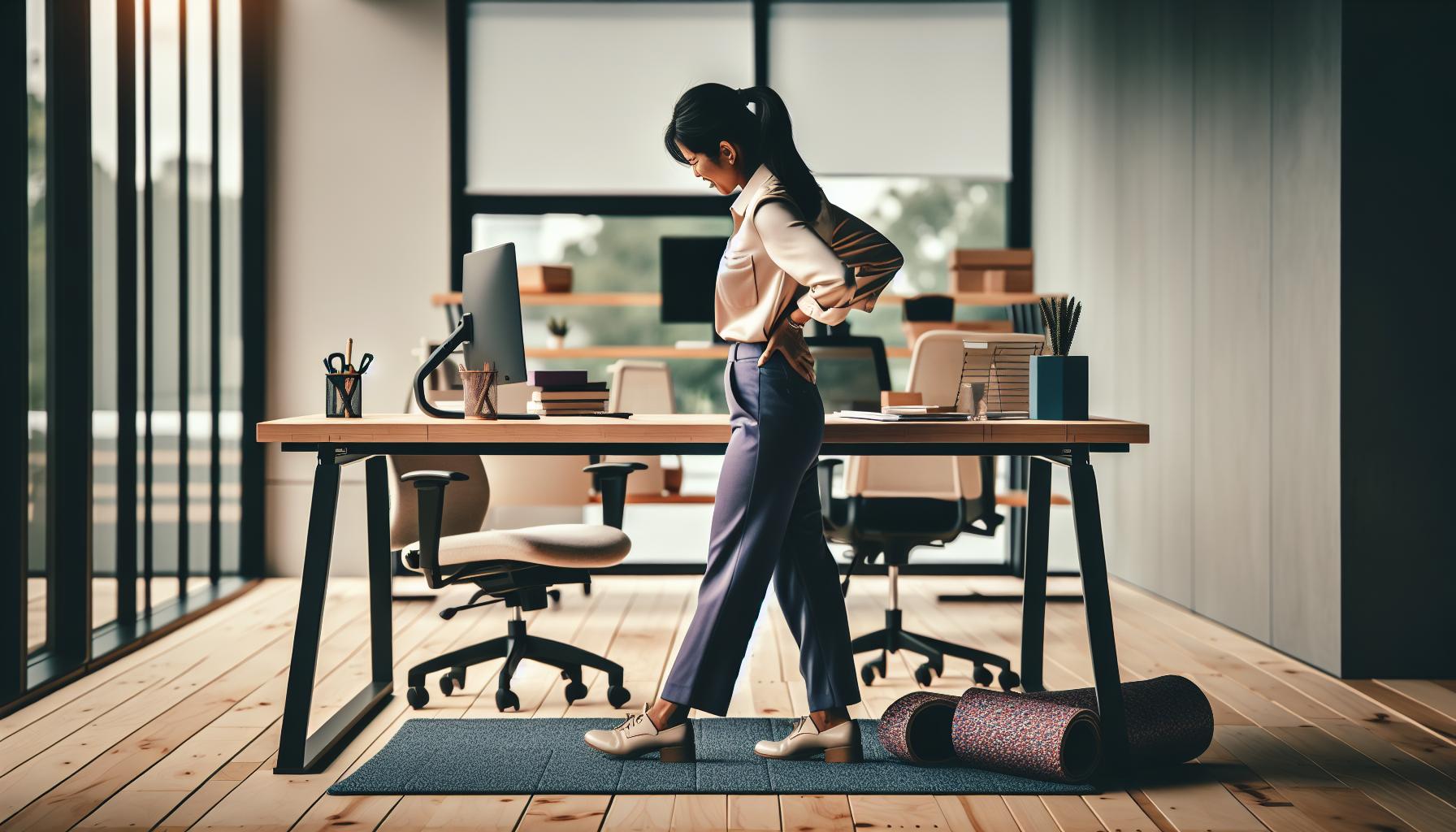
Potential Risks and Drawbacks of Standing Desks
While standing desks are celebrated for their potential health benefits, it’s essential to recognize some risks and drawbacks associated with their use. Transitioning to a standing desk can contribute to fatigue, discomfort, and even strain if not approached thoughtfully. Research indicates that prolonged standing can lead to its own set of issues, including increased risk of foot problems, varicose veins, and joint strain, especially if the surface is hard or if supportive footwear is not utilized.
One common complaint among standing desk users is lower back pain. Although standing can alleviate neck and shoulder tension often caused by sitting, improper posture or an ergonomic setup that doesn’t cater to individual body dimensions can exacerbate discomfort. To minimize these risks, it’s crucial to adopt the correct ergonomics, such as adjusting the desk height so that elbows are at a 90-degree angle and ensuring the monitor is at eye level.
The Dos and Don’ts of Using a Standing Desk
Adopting a standing desk should be a gradual process. Here are some simple strategies to maximize benefits while minimizing drawbacks:
- Do: Alternate between sitting and standing throughout the day. Aim for a 1:1 ratio of sitting to standing time.
- Do: Invest in an anti-fatigue mat to reduce stress on your feet and lower legs.
- Don’t: Stand continuously for long periods. Take breaks to walk and stretch to enhance circulation.
- Don’t: Neglect your posture. Ensure the monitor alignment and body mechanics promote good posture.
Understanding these concerns empowers users to make informed decisions about their work environments. Regularly reassessing comfort levels and posture can significantly mitigate these risks. Consulting with health professionals regarding any persistent discomfort is also crucial for maintaining overall wellness, ensuring that the move to a standing desk is a positive step towards better health.
Ergonomic Best Practices for Standing Desks
Proper ergonomics can transform your experience with a standing desk, enhancing comfort and productivity while minimizing potential health risks. Many users experience improvements in energy levels and engagement, provided they set up their workspace correctly. The key to maximizing the benefits of your standing desk lies in understanding how to position your equipment and body, enabling an environment that supports both physical wellness and cognitive focus.
To create an ergonomic workspace, consider the following best practices:
- Desk Height: Adjust your desk so that your elbows remain at a 90-degree angle or slightly obtuse when typing. Your hands should float comfortably above the keyboard, which can help reduce strain on your wrists.
- Monitor Position: Place the top of your monitor at or slightly below eye level, approximately an arm’s length away. This positioning will help maintain a neutral neck position and reduce the likelihood of neck strain that can arise from looking down or up.
- Footwear Matters: Wear supportive shoes that provide cushioning and arch support. This can significantly decrease fatigue and discomfort that may accompany long periods of standing on hard surfaces.
- Anti-Fatigue Mats: Incorporate an anti-fatigue mat to cushion your feet and promote better posture throughout the day. These mats can help reduce pressure on your legs and lower back, making standing more comfortable.
- Movement: Integrate regular movement into your day-shift your weight from one foot to the other, stretch, or take short walks. This practice not only enhances circulation but also alleviates stiffness associated with prolonged standing.
In maintaining an ergonomic setup, it’s vital to periodically reassess your posture and workstation. Consider using apps or timers to remind you to adjust your stance or shift between sitting and standing every 30 to 60 minutes. This dynamic approach encourages flexibility, helping to prevent fatigue and promote sustained energy levels throughout the workday. By prioritizing these ergonomic principles, you create a workspace that not only nurtures physical health but also supports cognitive performance, ultimately steering you toward improved productivity and well-being.
The Impact of Posture on Cognitive Performance
Good posture at your desk can have a profound impact on your cognitive performance. Research indicates that the way we hold ourselves while working-whether sitting or standing-can significantly affect our mental alertness, focus, and overall brain health. For example, standing while working promotes better circulation, which is essential for delivering oxygen and nutrients to the brain. Improved blood flow can enhance mental clarity and provide a productive and energetic workspace, allowing for sharper thinking and faster problem-solving.
A study from the Mayo Clinic highlighted that incorporating active workstations, such as those with standing desks, could lead to better cognitive performance without compromising job efficiency [1[1]. This aligns with findings that standing desks can foster a more dynamic work experience, reducing cognitive fatigue often associated with long periods of sedentary behavior. By minimizing the physical distraction of discomfort or lethargy from sitting, you can free up mental resources for creative thinking and complex tasks.
To harness the cognitive benefits of good posture, it’s crucial to maintain ergonomic considerations in your setup. Simple adjustments, like aligning your monitor at eye level and keeping your feet flat on the ground, can help ensure that your body is in a comfortable state that supports focus and cognitive agility. Additionally, adopting a practice of changing positions-alternating between standing and sitting-can greatly boost cognitive flexibility. Just as physical movement enhances overall brain function, posture plays a crucial role in optimizing how effectively those processes occur.
Incorporating short breaks that involve movement is another effective strategy to maintain high levels of mental acuity. Instead of longer stretches of focused work, consider working in intervals that integrate standing or discreet stretching. These moments not only help to reinvigorate your body but also refresh your mind, promoting clearer thinking and improved problem-solving capabilities. Prioritizing posture and movement is not merely about physical health; it is about cultivating an environment that enhances cognitive performance and overall workplace productivity.
How to Transition to a Standing Desk Effectively
Making the switch to a standing desk can invigorate your work routine and enhance both your physical health and cognitive function. However, jumping directly into prolonged standing can lead to discomfort or fatigue. Transitioning effectively requires a balanced approach that prioritizes your body’s adaptation, and a few strategic steps can help you make this shift smoothly.
Start by assessing your current workstation setup to ensure it aligns with ergonomic principles. Your monitor should be at eye level, and your keyboard should be positioned so that your elbows remain at a 90-degree angle when typing. Invest in an anti-fatigue mat or comfortable footwear to alleviate pressure on your feet, providing cushioned support for longer standing periods.
Gradual Adjustment
To ease your body into standing more, begin by alternating between sitting and standing. For instance, try standing for 15-30 minutes every hour. Gradually increase your standing time each week, paying attention to how your body feels. This incremental approach allows your muscles and joints to adapt, reducing the risk of discomfort or injuries.
Additionally, incorporate frequent movement breaks. Simple stretches, walking around your workspace, or even engaging in brief exercises can stimulate circulation and prevent stiffness. This kind of routine not only enhances your comfort but also boosts your mental alertness by breaking the monotony of standing still.
Mindfulness and Listening to Your Body
As you transition, be mindful of your body’s signals. If you experience pain or discomfort in your legs, back, or feet, adjust your standing duration or take more frequent breaks to sit. Experimentation will help you find the right balance. Remember, the goal is not just to stand but to feel good while working.
Encouraging a collaborative workplace culture can also support your transition. Engage coworkers by sharing your experiences and tips, creating a supportive network that inspires others to explore the benefits of standing desks too. With thoughtful implementation, your new standing desk can be a powerful catalyst for improved wellness and productivity.
Integrating Movement: Tips for Staying Active at Work
Incorporating movement into your workday is crucial for maintaining both physical health and cognitive performance, especially when using a standing desk. Research shows that integrating physical activity can enhance mood, boost productivity, and improve overall job satisfaction. A mere five minutes of movement can reset your attention span, counteracting the monotony of staying in one position and allowing your brain to recharge.
To effectively stay active while working, consider implementing the following strategies:
- Scheduled Movement Breaks: Set a timer on your phone or computer to remind you to take short movement breaks every 30 to 60 minutes. Use these intervals to walk around your office, perform light stretches, or do quick exercises like squats or lunges.
- Active Meetings: Instead of seated meetings, suggest walking meetings whenever possible. This fosters creativity and engagement while elevating your heart rate.
- Desk Exercises: Take advantage of the space around you. Engage in desk exercises like seated leg raises, shoulder rolls, or wrist stretches that can be done without disrupting your workflow.
- Fidget and Move: Incorporate small fidgeting movements, such as shifting your weight from foot to foot or using a balance board, to keep your body engaged while thinking or working.
As you explore these movement options, diverse routines can also elevate workplace morale and collaboration. Encourage your colleagues to join in on walks or stretch sessions, creating a culture of wellness that fosters connection and motivation.
Remember, the goal is not just to add standing time to your day, but to enhance your overall movement pattern. Integrating active habits empowers you to sustain energy levels, reduces the risks associated with prolonged sitting or standing, and boosts your cognitive health, all of which contribute to a happier, healthier workplace environment. Transitioning to a standing desk is more effective when paired with an active lifestyle-one that encourages movement at every opportunity, leading to a more dynamic and fulfilling work experience.
Comparing Standing Desks to Traditional Desks
The choice between standing desks and traditional desks can significantly influence your health, comfort, and productivity in the workplace. Research indicates that prolonged sitting is linked to various health issues, including obesity, cardiovascular disease, and decreased cognitive function, prompting many to explore standing as a viable alternative. However, the effectiveness of standing desks compared to traditional desks largely hinges on the proper use, ergonomic setup, and overall lifestyle choices.
Key Differences
One of the most notable differences between standing desks and traditional desks is the potential for increased energy expenditure. Standing naturally engages more muscles than sitting, which can lead to a slight uptick in calories burned throughout the day. For example, a person can burn approximately 50-100 more calories per hour when standing compared to sitting. This makes standing desks appealing for those looking to manage weight or increase their physical activity levels during work hours. However, this benefit must be accompanied by movement; simply standing still does not provide the same advantages as integrating movement into your routine.
Conversely, traditional desks offer a level of comfort that some individuals may find necessary for long work hours. The ergonomic setup of a sitting workstation allows for better back support and stability, reducing the risk of fatigue and discomfort for those who may struggle to maintain a standing posture for extended periods. It’s crucial to note that the negative effects of prolonged sitting can be mitigated through regular breaks and stretching, ensuring that the desk remains a viable option for maintaining productivity without compromising health.
Ergonomics and Setup
Regardless of your choice, ergonomic considerations play a critical role in both standing and sitting desks. For standing desks, individuals should ensure their workstation is at elbow height, with screens positioned at eye level to reduce strain on the neck and back. A footrest can help shift weight and reduce fatigue, while anti-fatigue mats can provide cushioning to minimize discomfort. For traditional desks, maintaining proper lumbar support and ensuring feet rest flat on the ground or on a footrest is essential.
It’s also worth mentioning that standing desks are not a one-size-fits-all solution. Each individual’s comfort levels and health needs vary, suggesting that a hybrid model that allows for both sitting and standing throughout the day may be the most effective approach for many. This flexibility encourages a dynamic work style that incorporates movement, enhancing both physical health and cognitive function.
By understanding the benefits and drawbacks of each desk type, along with the importance of ergonomic principles, employees can make informed decisions that best suit their individual needs and promote a healthier workplace.
Expert Tips for Optimizing Your Workspace
Finding the ideal workspace setup can significantly enhance your productivity and well-being, particularly when considering the balance between standing and sitting. Research suggests that properly optimizing your workspace can mitigate the risks of prolonged sitting while maximizing the benefits of standing desks. Here are several practical tips to help you create an environment that fosters both comfort and cognitive performance.
Calibrate Your Workspace
Achieving the right ergonomic setup is crucial. For standing desks, ensure your elbows are at about a 90-degree angle when typing, and keep your monitor at eye level to prevent neck strain. If you find yourself standing for long periods, consider using an anti-fatigue mat to alleviate discomfort. Conversely, traditional desks should have your feet flat on the ground, ideally with a lumbar support cushion to maintain spinal alignment. Regularly reassess your setup to accommodate any changes in your comfort level or workload.
Incorporate Movement
Staying active throughout your workday is essential in promoting overall health. Aim to alternate between sitting and standing every 30 to 60 minutes to prevent fatigue. Engage in short movement breaks, such as stretching or walking around the office, to improve circulation and refresh your mind. Utilizing a step counter can motivate you to increase your daily movement-try setting a goal for a number of steps or breaks each hour.
Optimize Lighting and Technology
Ensure your workspace is well-lit to reduce eye strain. Natural light is ideal, but if not available, opt for adjustable LED lights that mimic daylight. Additionally, consider using technology that reduces strain, such as blue light glasses or apps that remind you to take breaks and hydrate. Adjusting display settings to suit your lighting conditions can also enhance visual comfort, contributing to better focus and productivity.
Stay Hydrated and Nourished
Don’t overlook the importance of nutrition and hydration in sustaining energy levels. Keep a water bottle at your desk to encourage regular hydration, as dehydration can lead to fatigue and decreased cognitive function. Plan healthy snacks that are easily accessible-like nuts, fruits, or yogurt-which can provide a steady energy supply to keep you alert throughout the day.
By thoughtfully implementing these strategies, you can create a workspace that not only enhances your physical health but also supports cognitive performance and overall workplace wellness. Remember, the goal is to cultivate a routine that feels good and keeps you engaged, ensuring a harmonious balance between productivity and personal well-being.
Biohacking Tips for Enhanced Focus and Productivity
Harnessing the power of biohacking can significantly enhance both focus and productivity in your work environment, particularly when integrating a standing desk into your routine. One intriguing study indicated that even small adjustments in your work setup can result in notable improvements in cognitive function and overall energy levels. By consciously optimizing your engagement with your workspace, you can create a dynamic that not only supports physical health but also fortifies mental acuity.
Nutrition and Brain Function
A well-balanced diet plays a pivotal role in sustaining cognitive performance throughout the day. Incorporate foods rich in omega-3 fatty acids, antioxidants, and vitamins that support brain health. Consider snacking on nuts, berries, and dark chocolate during breaks; these options can boost memory and concentration. Keeping a hydration schedule is equally vital-set reminders to drink water consistently, as dehydration can lead to fatigue and diminished cognitive ability.
Time Management Techniques
Implementing time management strategies can also serve as an effective biohacking method. The Pomodoro Technique, where you work for 25 minutes and then take a 5-minute break, can enhance productivity by maintaining focus while allowing for essential recharging periods. This structured approach encourages active movement between sitting and standing, helping to mitigate any discomfort associated with prolonged standing. Use tools such as timers or apps to keep your sessions and breaks on track.
Mindfulness and Stress Reduction
Incorporating mindfulness practices into your workday can greatly affect focus and productivity. Simple techniques, such as deep breathing, stretching, or even brief mindfulness meditation during your breaks, can help clear mental clutter. A few minutes spent focusing on your breath can re-center your thoughts and increase your ability to concentrate. Consider setting aside specific times during your day dedicated solely to this practice, integrating them fluidly into your work rhythm.
By adopting these biohacking tips, you can create an invigorating work environment that not only improves focus and productivity but also fosters a greater sense of well-being. Remember, integrating small habitual changes can yield powerful results in both your cognitive health and workplace performance.
Real-Life Success Stories: Improving Workplace Wellness
Some employees have found transformative wellness improvements by incorporating standing desks into their work routines, leading to a ripple effect on both physical health and job satisfaction. For instance, a marketing firm based in California decided to switch from traditional desks to sit-stand workstations, allowing employees to alternate between sitting and standing throughout the day. After a few months, they noted a significant decrease in reported back pain among their staff, with 70% of employees claiming reduced discomfort. Colleagues reported not only physical benefits but also a boost in energy levels and productivity, resulting in higher rates of completed tasks and improved morale.
Research supports these anecdotal experiences, suggesting that standing desks can aid in better posture and reduced musculoskeletal issues. A comprehensive study tracked employees at a tech company who transitioned to standing desks over six months. The results indicated that these employees went from reporting feelings of sluggishness and fatigue to feeling more energized and focused. The desk transition also prompted many to participate in more workplace activities, such as group stretches and walking meetings, fostering a culture of movement and collaboration.
To replicate this kind of success, organizations can implement ergonomic assessments before introducing standing desks and provide training on their effective use. Initiatives like flexible desk arrangements and check-in sessions can help employees adjust comfortably. Additionally, encouraging small habits-such as taking a five-minute walk every hour or standing during phone calls-can significantly influence overall well-being.
The positive narratives from these workplaces exemplify how small changes in the work environment can lead to sweeping improvements in employee wellness. As more companies consider ergonomic innovations, the testimonials from those who have made the switch provide valuable insights into creating healthier, happier, and more productive workplaces.
Future Trends in Workplace Ergonomics and Health
The future of workplace ergonomics is evolving rapidly, with innovative solutions designed to enhance both physical well-being and cognitive performance. As organizations recognize the impact of their work environments on employee health, trends are emerging that prioritize flexibility, personalization, and movement. One of these trends includes the integration of smart technology into standing desks. Devices equipped with sensors can now monitor posture and recommend adjustments throughout the day, allowing employees to maintain optimal ergonomics with minimal conscious effort. This proactive approach can significantly reduce the risk of developing musculoskeletal disorders and improve overall comfort.
Emphasis on Holistic Wellness
Beyond just standing desks, future trends in workplace wellness will increasingly focus on holistic approaches that encompass mental health, stress management, and physical activity. Companies are beginning to implement wellness programs that offer resources like mindfulness sessions, yoga classes, and mental health days. Encouraging a culture of openness around mental health can lead to increased employee satisfaction and reduced burnout. Moreover, research supports the notion that physical activity, even in short bursts, can enhance cognitive function and creativity, making it essential for organizations to promote active breaks and collaborative workspaces.
Flexible Work Arrangements
Flexibility is becoming a cornerstone of modern work environments. Therefore, workplaces will likely continue to move towards hybrid models that allow employees to choose how and where they work. This adaptability supports different working styles and the varying needs of employees, improving overall productivity and satisfaction. For instance, encouraging employees to alternate between standing and sitting, as well as incorporating walking meetings, can help them find their rhythm and manage fatigue effectively. Providing options such as adjustable desks that accommodate both sitting and standing positions ensures that every employee can customize their workspace for maximum comfort.
As we look to the future, it becomes clear that the shift towards ergonomics and health-centric work environments is not merely a trend but a necessity for fostering productive, engaged employees. The success stories from firms already making these changes underscore the value of investing in workplace wellness initiatives. By adopting these forward-thinking strategies, organizations can not only enhance employee well-being but also cultivate a more dynamic, innovative, and resilient workforce.
FAQ
Q: Is standing at your desk better for productivity?
A: Standing at your desk can enhance productivity by promoting alertness and focus. However, it’s essential to combine standing with movement throughout the day and ergonomic practices to maximize its benefits. Consider integrating short breaks every hour to walk or stretch for optimal results.
Q: How long should you stand at a standing desk?
A: It’s recommended to alternate between sitting and standing every 30 to 60 minutes. Gradually increase your standing time to prevent fatigue and discomfort. Listening to your body is crucial for finding the right balance that promotes comfort and productivity.
Q: What are the best ergonomic practices for using a standing desk?
A: To optimize ergonomics at a standing desk, keep your monitor at eye level, maintain a straight wrist position, and use a footrest to shift weight periodically. Consider wearing supportive shoes and using anti-fatigue mats to enhance comfort during prolonged standing.
Q: Can standing desks help with back pain?
A: Yes, standing desks can alleviate back pain for some individuals by promoting better posture. However, it’s important to transition gradually and incorporate movement. Strengthening core muscles and using ergonomic equipment are also key strategies for pain relief.
Q: What are the disadvantages of using a standing desk?
A: While standing desks offer health benefits, potential downsides include fatigue, discomfort in legs and feet, and increased risk of varicose veins. Regular movement and proper ergonomics are crucial to mitigate these risks while using a standing desk effectively.
Q: How do you correctly transition to a standing desk?
A: To transition effectively, start by using the standing desk for shorter periods (15-20 minutes) and gradually increase the time. Incorporate movement breaks and adjust your workstation to ensure ergonomic posture, making the shift comfortable and sustainable.
Q: Are standing desks suitable for everyone?
A: While many can benefit from standing desks, they may not be ideal for individuals with certain health conditions, such as joint issues or circulatory problems. Consultation with a healthcare professional can help determine if a standing desk is suitable for your specific situation.
Q: What additional activities can enhance the benefits of a standing desk?
A: Incorporating regular walking, stretches, and strength exercises throughout the day can enhance the benefits of a standing desk. Simple activities like leg lifts or desk push-ups can help reduce stiffness and improve overall health and productivity.
In Summary
As we’ve explored, standing at your desk can offer numerous benefits for your health and productivity, helping you combat the negative effects of prolonged sitting. If you’re ready to make a change, consider our step-by-step guides on setting up an ergonomic workspace or discover effective stress management techniques that can enhance your cognitive performance. Don’t let uncertainty hold you back-take the next step towards a healthier work life today!
For more insights, check out our articles on workplace wellness and neuroplasticity, and subscribe to our newsletter for the latest tips and resources delivered straight to your inbox. We’d love to hear your thoughts or experiences-comment below and join the conversation! Your journey to a more active and balanced work life starts now.