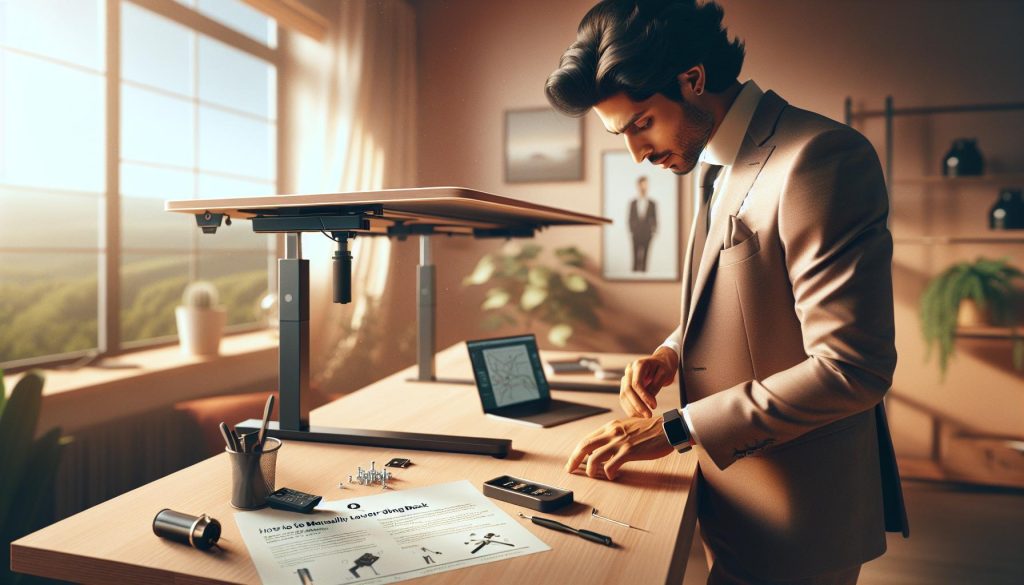
Did you know that prolonged sitting can be detrimental to your physical and mental health? As standing desks gain popularity for their potential to promote a healthier work environment, it’s essential to understand how to navigate them effectively. If you find yourself in a situation where your standing desk isn’t responding or needs to be adjusted manually, knowing how to lower it is crucial for ensuring comfort and supporting your well-being. This guide will empower you with practical steps to override your desk’s settings in an emergency, helping you maintain a workspace that fosters productivity and wellness. Let’s explore how to take control of your standing desk and enhance your work experience.
How to Identify Emergency Override Features
When using a standing desk, it’s essential to know , as they can provide peace of mind during unexpected scenarios. Emergency override mechanisms are designed to help users quickly reposition their desk to prevent injury or damage when the standard controls malfunction. Many models come equipped with these features, but their specifics can vary by brand and design. Understanding how to locate and utilize these features can significantly enhance your safety and comfort at work.
To identify the emergency override on your standing desk, start by checking the user manual that came with it-this often contains detailed instructions on emergency operations. Typically, the emergency override button or switch is located near the control panel and is often marked with a distinct color or symbol. In some cases, you may need to hold the button down for several seconds to activate the override function. If your desk has a power backup feature, ensure that the backup is charged as it may be required for the emergency function to work effectively.
In addition to locating the button, familiarize yourself with the desk’s specific behavior during an override. Some desks will lower to their minimum height, while others may have a programmed stop position. Testing the system in a safe environment can help you understand how quickly the override responds under different conditions. Remember that this feature is not only about immediate operation; it also serves as a reminder to maintain your desk’s functions regularly and report any persistent issues to your manufacturer. It’s a small investment of time that can lead to enhanced safety and work efficiency.
By being knowledgeable about these features, you’re not only taking proactive steps to ensure a safer workplace, but you’re also contributing to your overall physical and cognitive well-being. Understanding your equipment empowers you to create a workspace that minimizes stress and fosters productivity, letting you focus on your tasks with confidence.
Understanding the Mechanism of Your Standing Desk
Understanding the mechanics of your standing desk is essential for maximizing its benefits while ensuring safety and comfort during your workday. Standing desks are designed to improve posture, reduce the burden of prolonged sitting, and enhance overall workplace wellness. However, like any piece of equipment, they require familiarity with their operational features to be used effectively-particularly in emergency situations.
When using a standing desk, it’s crucial to know the function of each control mechanism. Most standing desks feature motorized adjustments, allowing users to elevate or lower their desk with the push of a button. Alongside these standard controls, many models are equipped with emergency features designed to counteract any malfunctions. These emergency override options typically come into play when the standard control panel cannot operate due to a power failure or mechanical error. Identifying these features and understanding how they function can provide peace of mind and prevent potential injury.
To locate the emergency override mechanism, reference the user manual that accompanied your desk. This document usually contains crucial information regarding emergency operations and shortcuts specific to your model. Typically, the emergency button is identifiable by distinct color-coding or labeling, and it is generally situated near the main control panel. Depending on the model, engaging the emergency operation may involve pressing and holding the button for a specific duration, ensuring that the desk descends to a safe position swiftly. It’s beneficial to familiarize yourself with this mechanism not only for emergencies but also to ensure you know how it behaves under different circumstances, which promotes a proactive approach to workplace safety.
By actively engaging with your standing desk’s mechanics, you are taking practical steps toward creating a less stressful and more productive work environment. Knowledge of your equipment not only minimizes stress but also fosters cognitive well-being by letting you focus on your tasks with confidence. Embrace this knowledge as part of a broader strategy to enhance your health, productivity, and work-life harmony.
Step-by-Step Guide to Lowering Your Desk Manually
When your standing desk’s motorized features fail, either due to a power outage or other malfunctions, knowing how to lower it manually can be a game changer. This essential skill not only enhances your safety but also ensures that your workspace remains comfortable and functional. Understanding the manual lowering process is straightforward and can be mastered with a few simple steps.
Steps to Lower Your Standing Desk Manually
- Identify the Manual Control Mechanism: Check your desk’s user manual to find specific instructions regarding manual lowering. Some desks come with a dedicated lever or a manual crank that should be clearly identified.
- Clear the Area: Ensure the area around your desk is free from any obstructions. This helps to avoid accidents as the desk descends. Remove any items that may block the desk’s pathway.
- Engage Manual Control: If your desk has a manual crank, turn it in the direction indicated in the user manual. If it features a lever, pull it to initiate the lowering process. Take your time, as this action might require some physical effort.
- Monitor the Lowering Process: As the desk descends, keep an eye on its height to prevent it from going lower than your intended level. Adjust your approach accordingly if you feel resistance while lowering.
- Ensure Stability: Once the desk has reached the desired height, check that it is stable and not wobbling. Adjust any legs if necessary to secure a flat surface.
Being aware of these manual lowering techniques can significantly contribute to a safer and more adaptable workspace. Promoting workplace wellness is not just about the equipment itself but also about your confidence in handling it proficiently. Regular engagement with your standing desk’s features allows you to manage your work environment better and supports your overall cognitive health as you maintain a comfortable position throughout your workday. By staying prepared, you can prevent stress and discomfort, fostering a more productive and harmonious work atmosphere.
Troubleshooting Common Issues with Manual Controls
Whether you rely on a manual crank or a simple lever system, challenges with standing desk controls can be frustrating. Knowing how to troubleshoot common issues not only saves you time but enhances your workspace experience and promotes your overall workplace wellness. When faced with difficulties, such as the mechanism feeling stuck or not functioning as expected, take a moment to step back and assess the situation systematically.
Begin by ensuring that your hands and the surrounding space are clear of any obstructions. Sometimes, items or debris can interfere with the mechanism’s ability to move freely. If you encounter resistance while attempting to lower your desk, stop immediately and check for any items caught in the mechanism. Gently maneuvering the items away or repositioning the desk may resolve the issue.
Another important aspect is the potential wear and tear of the manual control mechanism. Regular inspection of the crank or lever’s moving parts is advisable. If you notice sticky residue or grime, a gentle cleaning with a dry cloth can enhance performance. In case of consistent stiffness or difficulty in maneuvering the mechanism, applying a small amount of lubricant specifically designed for the type of material may restore smooth operation. However, always refer to the manufacturer’s guidelines to ensure that the lubricant is compatible.
If the manual controls remain unresponsive despite these efforts, double-check your assembly to ensure all components are properly connected. Sometimes, parts can shift or become loose over time, leading to operational issues. In extreme cases, if the manual lowering process continues to pose a problem, consulting your user manual or reaching out to customer support for further assistance is crucial. Remember, a well-functioning desk is key to maintaining comfort and productivity throughout your workday. By approaching these hurdles with practical solutions, you foster a workspace that supports not just your physical health but also your cognitive well-being.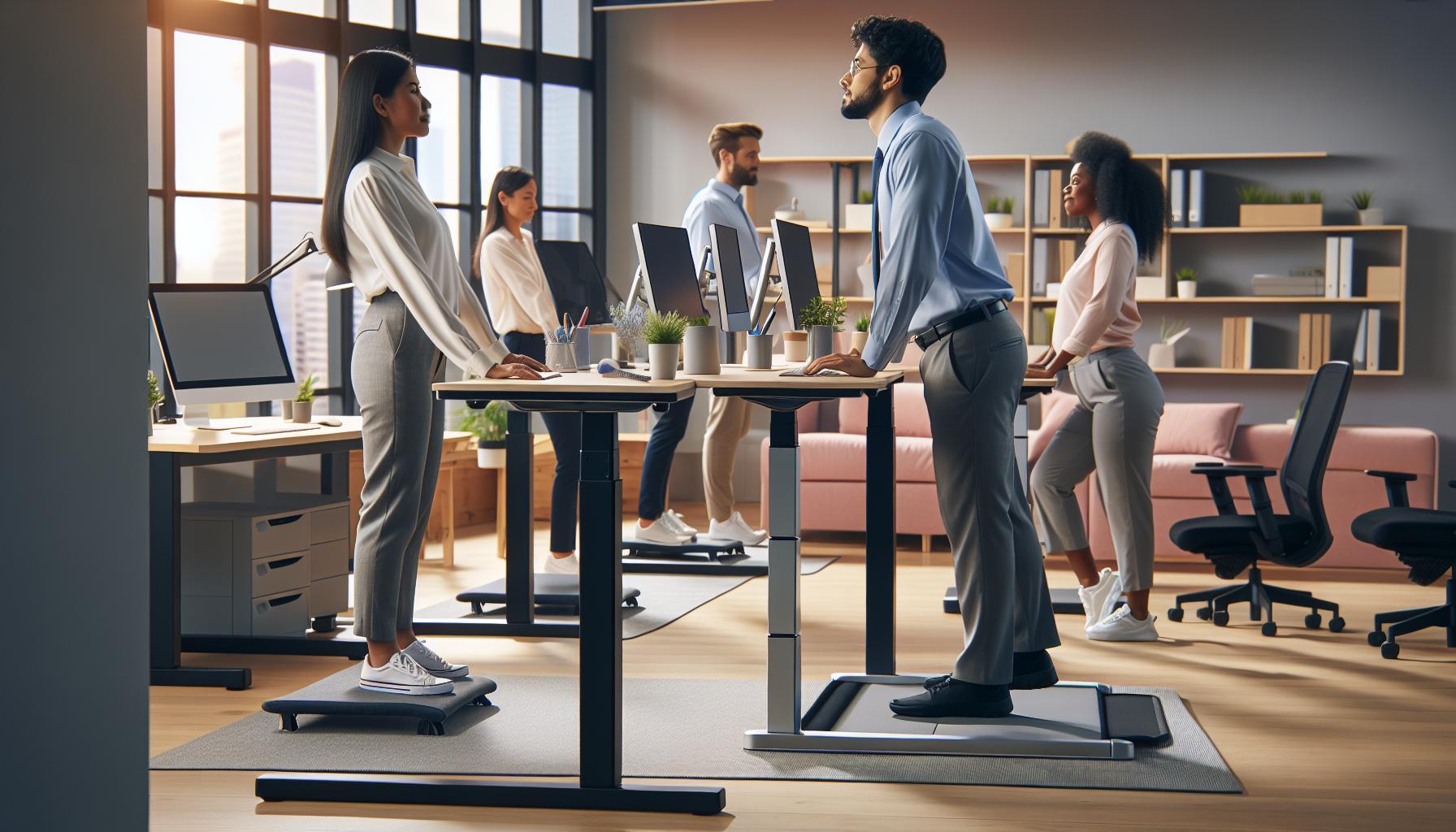
Safety Tips for Operating Standing Desks
Operating a standing desk can significantly enhance your workplace wellness, but it’s essential to prioritize safety while using it. Walking out of your comfort zone to incorporate standing into your work routine is a commendable choice, yet it can come with potential risks if not handled correctly. Here are some safety tips to ensure a smooth and safe experience with your standing desk.
Clear the Space
Before adjusting your standing desk, take a moment to ensure the area around it is free from obstructions. This includes checking for cords, personal items, or any other obstacles that may interfere with the desk’s movement. Keeping a clutter-free workspace not only prevents accidents but also enhances productivity and focus.
Proper Posture Matters
When using a standing desk, maintaining proper posture is crucial to prevent discomfort and strain. Keep your feet flat on the ground and your knees slightly bent. Your elbows should be at a 90-degree angle when using the keyboard, and your screen should be at eye level to minimize neck strain. Consider using an anti-fatigue mat to provide cushioning and encourage good posture throughout the day.
Take Regular Breaks
Even with the best standing desks, standing for long periods can lead to fatigue. To mitigate fatigue and enhance circulation, incorporate regular movement into your routine. Aim to take brief breaks every 30 to 60 minutes to walk around, stretch, or change your position. This practice not only improves comfort but also contributes positively to your cognitive performance.
Adjust Gradually
It’s essential to adjust the height of your desk gradually, especially if you are new to standing while working. Sudden or drastic changes might lead to discomfort. Gradually increase the time spent standing and adjust the desk height to your preferences as your body acclimates to this new position. Listening to your body is vital; if you feel discomfort, reconsider your setup or take a break.
Consult the Manual
Lastly, make sure to familiarize yourself with the manufacturer’s instructions for operating and maintaining your standing desk. Understanding emergency override features and manual operation guidelines can be invaluable during technical difficulties. This knowledge empowers you to act efficiently and safely when needed.
By following these safety tips, you can enjoy the cognitive and physical benefits of a standing desk while minimizing risks and discomfort. Remember, a thoughtful approach to workplace ergonomics cultivates not just a healthier work environment but also fosters a more productive and engaged mindset.
When to Seek Professional Help with Desk Malfunctions
When your standing desk experiences a malfunction, it can disrupt your workflow and may even impact your overall well-being. Knowing when to seek professional assistance is key to ensuring a safe and productive workspace. If you notice that your desk is not responding to the controls, making unusual noises, or exhibiting jerky movements, it may signal underlying mechanical or electrical issues that require expert evaluation. Ignoring these signs could lead to further damage and potentially hazardous situations for your workspace and personal safety.
It’s essential to identify specific scenarios where professional help is advisable. For instance, if the desk suddenly stops moving and you’ve already attempted a reset or checked the connections, this indicates a more serious issue. Similarly, persistent electrical problems-such as tripped circuit breakers or unusual smells-should prompt an immediate evaluation by a professional to prevent fires or electrical hazards. Another red flag is when the manual override feature fails to operate correctly, which is critical for safely lowering or adjusting the desk in emergencies.
While addressing minor glitches through troubleshooting can empower you as a user, certain situations are best left to professionals. This includes scenarios where the desk structure shows signs of wear or degradation, such as rusting or cracking, which may compromise the integrity of the entire unit. Consulting with a designated service provider who specializes in standing desks can not only help diagnose issues efficiently but can also extend the lifespan of your investment through proper repairs.
In summary, ensuring a safe and comfortable workspace is paramount. Always keep an eye on your standing desk’s performance. Should you encounter persistent issues or unusual behaviors that you cannot resolve through standard troubleshooting, don’t hesitate to reach out for professional assistance. This proactive approach not only ensures your desk remains functional but also supports your overall health and productivity in the workplace.
Benefits of Regularly Adjusting Your Standing Desk
Regularly adjusting your standing desk can have profound benefits for both your physical health and cognitive performance. Studies show that incorporating standing into your work routine helps combat the detrimental effects of prolonged sitting, such as increased risk of chronic diseases and musculoskeletal issues. However, the real magic happens when you establish a routine of adjusting your desk height throughout the day, allowing your body to experience different positions, which can significantly improve your overall well-being.
One of the major advantages of frequent adjustments is enhanced circulation. When you change positions from sitting to standing and vice versa, you encourage healthy blood flow, which can reduce fatigue and improve energy levels. Moreover, varying your posture can help activate different muscle groups, reducing the risk of overuse injuries and discomfort that often accompany long hours at a desk. Additionally, switching positions can stimulate mental engagement, helping to stave off that afternoon slump by keeping your mind sharp and focused.
Consider setting a timer or using reminders to prompt you to make these adjustments at regular intervals. Aim for every 30 to 60 minutes, allowing yourself a few minutes to stand, walk around, or stretch. Integrating this practice into your daily routine not only supports physical comfort but also enhances cognitive functions-research links mobility to improved brain health and neuroplasticity. Adopting such habits encourages a proactive approach to workplace wellness, creating an environment where you can thrive both mentally and physically.
Incorporating these small yet impactful changes into your workday fosters a balanced approach to productivity and health. Over time, the cumulative effect of regularly adjusting your standing desk not only contributes to a healthier body but also promotes a positive mindset, leading to greater work satisfaction and efficiency. Embrace this practice, and you may find yourself not just working better, but feeling better too.
Enhancing Workplace Wellness with Proper Desk Use
Using a standing desk effectively can significantly enhance workplace wellness and improve your overall health. Research indicates that the way you position your body at work directly influences your physical comfort and cognitive function. Adopting proper desk use habits not only reduces the risks associated with prolonged sitting but also creates an environment conducive to productivity and mental clarity.
One critical aspect of benefiting from a standing desk is understanding the importance of ergonomics. Aligning your workstation to accommodate your body’s natural posture can dramatically influence your comfort levels. Here are some key points to consider for enhancing workplace wellness through proper desk use:
- Monitor Position: Ensure your monitor is at eye level to prevent neck strain. This means the top of your screen should be at or slightly below eye level, allowing for a neutral head position.
- Keyboard and Mouse Height: Your keyboard and mouse should be positioned so your elbows are just about at a 90-degree angle, with your wrists straight. This positioning helps reduce wrist strain and allows for more comfortable typing.
- Foot Placement: Keep your feet flat on the ground or on a footrest if standing. Shifting weight from one foot to the other regularly can also help alleviate fatigue.
- Breaks and Movement: Incorporate short breaks every 30 to 60 minutes to walk around, stretch, or perform simple exercises. This helps maintain circulation and can refresh your focus.
Understanding these ergonomic principles aids in establishing a more comfortable and productive workspace. Furthermore, it’s essential to cultivate a flexible approach to desk heights; vary your position between sitting and standing to keep your body engaged and energized throughout the day. This not only prevents fatigue but also contributes to better metabolic health by encouraging movement.
In essence, making small adjustments to your desk use routine can lead to profound improvements in both physical health and cognitive performance. By actively managing your workspace ergonomically and strategically incorporating movement, you create a dynamic environment that supports wellness, enhances productivity, and fosters a positive work experience. Embracing these practices can transform your workday – enabling you to not only work smarter but also feel better.
The Science Behind Standing Desks and Brain Health
Recent studies have revealed a fascinating connection between the use of standing desks and cognitive performance. Standing while working can potentially enhance brain health by promoting better blood circulation, which is crucial for delivering oxygen and nutrients to brain cells. This increase in blood flow not only energizes the brain but also supports critical functions such as memory, focus, and creativity. Furthermore, the act of standing encourages movement, which has been scientifically shown to stimulate the release of brain-derived neurotrophic factor (BDNF), a protein that supports neuron growth and protects against cognitive decline.
The Impact of Movement on Cognitive Function
Regularly changing positions-moving between sitting and standing-engages different muscle groups and promotes a more dynamic working environment. This variability not only helps to combat the physical fatigue associated with prolonged sitting but can also rejuvenate mental focus. For instance, taking short walking breaks while working at a standing desk is linked to increased mental clarity and sustained productivity. Incorporating micro-exercises or stretches can further elevate your energy levels and cognitive agility, making the workday feel less taxing.
Biohacking for Brain Health
Incorporating a standing desk is just one element of a holistic approach to brain health. Consider dietary choices that promote cognitive function, such as Omega-3 fatty acids found in fish, or antioxidants present in berries. Additionally, maintaining adequate hydration levels is essential for optimal brain performance. These factors, combined with the physical benefits of using a standing desk, contribute to a comprehensive strategy for enhancing workplace wellness and cognitive longevity.
Whether you adjust your desk height manually during a designated break or utilize emergency override features for quick adjustments, ensuring your workstation promotes movement is key. Optimizing your standing desk experience not only supports physical well-being but also nurtures brain health, ultimately creating a more engaged and productive work life. Make conscious choices about how you use your standing desk to unlock its full potential for both your body and mind.
Tips for Ergonomic Posture While using Standing Desks
Standing desks can significantly enhance your work environment, but poor posture while using them may negate their benefits. Research shows that inappropriately adjusted desks can lead to musculoskeletal issues and fatigue, undermining the advantages of standing work. Thus, adopting an ergonomic posture is crucial to reaping the rewards of this innovative workspace.
To maintain a healthy stance while using a standing desk, consider the following guidelines:
- Foot Position: Keep your feet flat on the ground, shoulder-width apart. Distribute your weight evenly between both feet to avoid straining one side of your body.
- Knee Alignment: Your knees should be relaxed, not locked. This helps in maintaining a slight bend which aids circulation.
- Spine Alignment: Stand tall by aligning your head over your shoulders and your shoulders over your hips. Keep your back straight and avoid leaning forward or slouching, which can lead to discomfort.
- Elbow Angle: When typing, your elbows should be at about a 90-degree angle, close to your body. This position will help reduce strain on your shoulders and wrists.
- Screen Height: The monitor should be at eye level to eliminate neck strain. Your line of sight should fall around one-third of the way down the screen.
- Footwear: Supportive footwear is critical. Choose comfortable shoes that provide good arch support and cushioning. You may also consider anti-fatigue mats to alleviate pressure on your feet.
Incorporating micro-movements, such as shifting your weight from one leg to the other, can further enhance your stance during prolonged standing sessions. This motion helps to engage different muscle groups and reduces fatigue. Creating a routine that includes movement-like brief stretching or walking-will not only help maintain your focus and energy levels but also support better posture.
By prioritizing ergonomic principles while using standing desks, you’re not just protecting your physical health; you’re also fostering a more productive, engaging, and pleasurable work experience. Implementing these tips can lead to improved wellness and cognitive performance, helping you maintain optimal mental clarity throughout your workday.
Maintaining Your Desk for Longer Lifespan
To ensure your standing desk remains a reliable part of your workspace for years to come, consistent maintenance is key. Just like a well-oiled machine, your desk requires regular attention to function effectively and provide the ergonomic benefits that enhance both productivity and health. Neglecting maintenance can lead to complications such as mechanical failures or decreased adjustability, which can impact your work experience and physical well-being.
Begin by routinely checking the mechanical elements of your standing desk. This involves ensuring that all screws, bolts, and any movable parts are secure. A loose screw can lead to instability and may impact the height adjustment functionality. Additionally, keep the desk clean by wiping down surfaces with a soft cloth and non-abrasive cleaners to prevent dust and grime buildup that could hinder mechanical motion or electronic components. Regularly inspect the electric wiring for any signs of wear or damage, as this could pose electrical hazards.
Regular Adjustments
Aside from physical cleaning, make it a habit to adjust your desk’s height regularly. This not only helps in maintaining the mechanisms but also promotes a healthy work posture. Changing your setup encourages movement throughout your day, which can alleviate the physical strain associated with prolonged sitting or standing. Adopting a habit of switching from sitting to standing every 30 to 60 minutes can support circulation and overall muscular health.
Environmental Factors
Consider the environment where your standing desk is positioned. Maintaining a stable temperature and low humidity can help preserve the materials of the desk, while direct sunlight exposure can cause fading or warping over time. Using desk mats or coasters can protect the surface from scratches or heat damage caused by cups or devices.
Implementing these simple yet effective maintenance strategies not only prolongs the lifespan of your desk but also encourages a workspace that supports mental clarity and focus. By investing time into care and adjustment, you empower yourself to create a productive environment that fosters both physical comfort and cognitive performance.
Finding the Right Balance: Sitting vs. Standing
When considering the dynamics of workplace health, understanding the balance between sitting and standing can profoundly impact not just your comfort, but also your cognitive performance and overall well-being. Studies have shown that alternating between sitting and standing can alleviate the risks associated with prolonged periods in either position. Incorporating movement into your day helps to enhance blood circulation, boost energy levels, and maintain focus, all critical components for maintaining peak performance in a professional setting.
To find the ideal rhythm between sitting and standing, aim for frequent transitions throughout your workday. A commonly recommended approach is the 30-30 rule: stand for 30 minutes, then sit for the next 30 minutes. This alternating pattern promotes better posture and reduces muscular tension, encouraging you to remain engaged with your tasks without succumbing to fatigue. Additionally, minor physical movements, such as stretching or foot tapping while standing, can further stimulate circulation and prevent stiffness.
Recognizing Your Body’s Signals
Listening to your body is vital. Pay attention to signs of discomfort or fatigue-whether you’re seated or standing-which can dictate your position adjustments. For instance, if you feel discomfort in your lower back while sitting for an extended period, it might be time to stand and do a quick stretch or adjust your desk height. Conversely, if you feel exhaustion while standing, consider giving yourself permission to sit for a while. This responsiveness not only aids in physical comfort but also deepens your connection with the natural cues your body provides, fostering a more intuitive work environment.
Powering Up Your Productivity
To maximize the benefits of this setup, it can be helpful to integrate movement breaks or quick exercises into your routine. Simple actions like marching in place or walking around the office can sharply increase your heart rate and invigorate your mind. As a strategy for cognitive enhancement, consider setting intentional breaks throughout your day. Perhaps, after completing a task or at the end of an hour, reward yourself with a brief period of movement to reset both your body and brain.
In practice, the balance you strike between sitting and standing can transform not only your physical comfort but also your approach to work, helping you maintain clarity and focus in a world filled with distractions. Keep in mind that consultation with a healthcare professional is recommended should you experience persistent discomfort related to posture or movement, ensuring you stay aligned with best practices for long-term health and productivity.
FAQ
Q: How do I reset my standing desk to factory settings?
A: To reset your standing desk to factory settings, locate the reset button (usually found on the control panel) or follow specific instructions from the user manual. Typically, you press and hold the button for 10-15 seconds until you hear a beep or see the desk move slightly. Check the section on understanding desk mechanisms for more details.
Q: What should I do if my standing desk won’t lower?
A: If your standing desk won’t lower, first check for any obstructions under the desk. Ensure that the power supply is connected and functioning. If these steps don’t resolve the issue, consult the troubleshooting section of our guide for advanced fixes.
Q: Are there manual emergency override features on all standing desks?
A: Not all standing desks have manual emergency override features, but many do. Check the manufacturer’s instructions to see if your model includes this functionality, and refer to the section on identifying emergency override features for additional guidance.
Q: How can I safely lower my standing desk in an emergency?
A: To safely lower your standing desk in an emergency, use the manual override function if available. Consult your desk’s user manual for specific instructions, and make sure to clear the area to prevent any injuries.
Q: Why does my standing desk make a noise when lowering?
A: A standing desk may make noise when lowering due to mechanical friction or obstruction in the moving parts. Check for debris or check if lubrication is needed. For more detailed advice, see our troubleshooting section for common issues.
Q: When should I contact customer support for my standing desk?
A: Contact customer support when your standing desk exhibits persistent issues, such as failure to operate after troubleshooting, inconsistent height adjustments, or any unusual sounds. Refer to the section on when to seek professional help for more information.
Q: How do I know if my standing desk needs repairs?
A: If your standing desk shows erratic movements, unexpected noises, or has features that are malfunctioning despite troubleshooting, it may need repairs. Regular maintenance checks can help keep your desk in optimal condition.
Q: Can I convert a traditional desk into a standing desk manually?
A: Yes, you can convert a traditional desk into a standing desk manually using desk risers or adjustable height platforms. Ensure the setup maintains ergonomic standards for your workspace. For details on ergonomic posture, consult our tips for proper desk use section.
The Way Forward
Now that you’ve learned how to manually lower your standing desk using the emergency override feature, take a moment to ensure your workspace is set up for optimal comfort and productivity. Remember, maintaining an ergonomic environment isn’t just about desk height-it contributes significantly to your overall well-being and cognitive performance. If you found this guide helpful, don’t miss our articles on ergonomic workspace setups and tips for workplace wellness, which can further enhance your work experience.
Ready to take your work habits to the next level? Subscribe to our newsletter for regular insights on brain health and stress management techniques that can empower you every day. Your comfort and productivity are too important to leave to chance, so explore more resources and stay informed. Join our community and let’s foster productive, healthy work environments together!