
In today’s fast-paced world, spending long hours hunched over a desk can lead to serious health concerns, impacting both your physical and cognitive well-being. Standing desks have emerged as a popular solution, promoting better posture and increasing energy levels. However, with so many options available, how do you choose the right one for your needs? This ultimate buyer’s cheat sheet will guide you through the essential factors to consider, ensuring you make an informed decision that enhances your work environment and supports your health. Join us as we explore the key features of standing desks, tips for proper setup, and the profound impact they can have on your productivity and overall well-being. Let’s empower your workspace!
Choosing the Right Standing Desk for Your Needs
The transition to a standing desk can significantly impact your overall health and productivity, but finding the right model tailored to your needs is essential. With various options on the market, it’s crucial to evaluate what features align with your work habits, comfort, and workspace. Consider your daily tasks-do you frequently use a computer, handle paperwork, or engage in collaborative meetings? These factors will influence not only the type of desk that best supports your workflow but also its necessary height adjustments and mobility.
When exploring options, think about the desk’s adjustability. An adjustable standing desk can accommodate multiple users or different activities throughout the day. Look for models with robust height ranges and easy-to-use mechanisms-electronic motors provide smooth transitions between sitting and standing, while manual cranks may offer a cost-effective solution for those on a budget. Additionally, the desk’s stability when at full height is important; an unstable desk can disrupt your focus and cause distractions during work.
Another critical consideration is the size and shape of the desk. Will it fit comfortably in your workspace? Measure your area to ensure you choose a desk that allows for adequate movement and doesn’t overcrowd your environment. Remember, the aim is to create a workspace that fosters productivity and comfort. If you have limited space, a compact desk or even a wall-mounted version might be more appropriate.
Lastly, aesthetics also play a role-choose a design that matches your personal or corporate style, as this can enhance your workspace’s appeal and make your environment more inviting. By carefully assessing these factors, you’ll be well on your way to selecting a standing desk that promotes a healthier work lifestyle while enhancing your cognitive performance.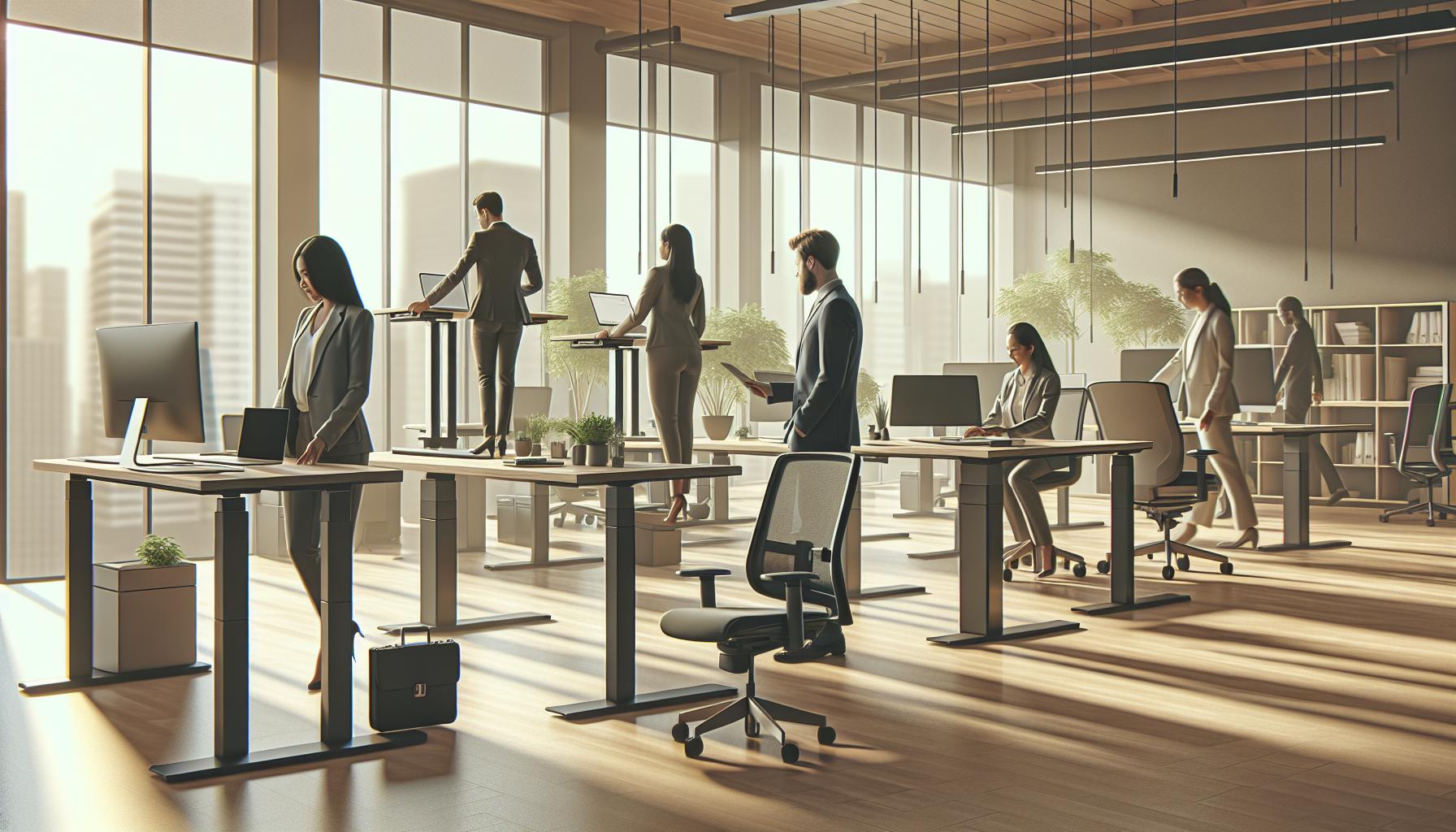
Understanding Different Types of Standing Desks
Choosing the right standing desk involves not just aesthetics and cost, but also a clear understanding of the various types available to suit specific needs. Standing desks have evolved significantly, offering a range of features that cater to different working styles, body types, and preferences. Exploring these variations can empower you to make a choice that enhances your productivity and promotes health effectively.
One of the most popular options is the adjustable standing desk, which allows users to modify the height easily to switch between sitting and standing throughout the day. These desks are typically equipped with either electric or manual mechanisms for height adjustment, enabling a seamless transition as needed. This type is ideal for shared spaces where multiple users might interact with the same desk, offering the versatility to accommodate different heights and preferences.
In contrast, fixed-height standing desks provide a stable work surface at a set height. While these desks come at a lower price point, they lack adjustability, which can be a drawback for individuals who require specific ergonomic configurations. If you opt for a fixed model, ensuring it aligns with your own body dimensions and workstation setup becomes vital. These desks are often simpler in design, making them a solid choice for minimalist environments or for users who prefer a consistent workspace.
For those who appreciate nature-inspired aesthetics, sit-stand desks constructed from wood can provide not only functionality but also an earthy feel to any workspace. On the other hand, metal desks are known for their durability and modern look, often featuring more advanced mechanical systems and stability. Both material types have their pros and cons, impacting factors such as weight, maintenance, and overall style.
Furthermore, corner standing desks have gained popularity due to their space-efficient design, making them perfect for small offices or home workspaces. They leverage the opportunity of corner spaces, allowing users to maximize their workstation without sacrificing valuable floor space. Think about how much room you have and if this type suits your needs.
Ultimately, understanding these variations in standing desks-adjustable, fixed, material choices, and spatial designs-will profoundly affect your comfort and productivity. Each type serves distinct needs, thereby underscoring the importance of evaluating personal and professional requirements before making a purchase.
Key Features to Consider: Desk Height and Stability
Finding the right desk height and stability is crucial when choosing a standing desk, as it directly affects your comfort, posture, and ultimately your productivity. Studies show that maintaining an ergonomic position while working can lead to significant improvements in physical health and cognitive performance. A desk that is too high can strain your shoulders, while a desk that is too low can lead to back pain and poor posture.
When considering desk height, it is essential to ensure that the desk allows you to keep your elbows at about a 90-degree angle while typing or working. Ideally, your wrists should be straight and in line with your forearms, and your monitor should be positioned at eye level to avoid neck strain. To achieve this, most adjustable standing desks will have a height range specified by the manufacturer, which should be compatible with your own height. For example, a desk that can adjust between 28 to 48 inches is likely to accommodate a wide range of users. For shared workspaces, an electric adjustable desk can facilitate quick height changes for different users, promoting a more inclusive work environment.
Stability is another key feature to consider. A wobbly desk can be distracting and detrimental to both your focus and your work’s precision, especially if you’re involved in detailed tasks like writing or design. Look for desks that have a robust frame and good weight distribution. Some models come with additional support like cross beams or sturdier legs to enhance stability. When evaluating a desk, consider testing its sturdiness by applying gentle pressure at various points. A good standing desk should remain firm and steady without noticeable wobble.
Lastly, paying attention to the locking mechanisms and adjustments of an adjustable desk is essential for ensuring long-term reliability. A desk with a simple, user-friendly mechanism will not only be easier to adjust frequently but it will also reduce the risk of mechanical failure over time. Prioritizing desk height and stability when selecting your standing desk can help lay the groundwork for a more productive and healthier workspace, allowing you to focus less on discomfort and more on your tasks at hand.
The Importance of Ergonomics for Your Health
Maintaining an ergonomic workspace is not just a trend; it directly influences your long-term health and cognitive performance. Poor posture and prolonged sitting can lead to myriad health issues, including chronic back pain, carpal tunnel syndrome, and even cognitive decline. In contrast, a well-structured ergonomic setup encourages movement, enhances circulation, and can help reduce fatigue and discomfort.
Understanding the Ergonomic Essentials
To cultivate a health-conscious workspace, start by positioning your standing desk correctly. Your monitor should be at eye level, minimizing neck strain, while your elbows remain at a 90-degree angle when typing. This setup not only increases comfort but also boosts productivity. Studies have shown that individuals who work in ergonomic conditions report less discomfort and higher satisfaction levels. Furthermore, this congestion in your muscles can lead to a phenomenon called cognitive fatigue, which impacts your ability to focus and think critically.
- Regular Movement: It’s vital to incorporate short breaks and stretches into your routine. Moving around every 30 to 60 minutes promotes blood circulation and reduces stiffness.
- Mindful Alignment: Regularly check your posture. Engaging your core and aligning your spine can prevent many negative health outcomes.
- Warm-Ups and Cool-Downs: Implement stretching exercises before you start work and after finishing to maintain flexibility.
Moreover, the concept of neuroplasticity-the brain’s ability to reorganize itself by forming new neural connections-implies that creating a healthy workspace can transform not just your body but also your mental landscape. When you respect your physical needs, you free your mind to perform at its best, fostering creativity and sustained attention. Making conscious choices about your work environment can lead to significant gains in both your physical health and cognitive capabilities. Embracing ergonomics is an essential step towards a healthier, more productive working life, underlining the importance of choosing the right standing desk that reflects these principles.
Evaluating Material Quality: Wood vs. Metal
When deciding on a standing desk, the material quality plays a crucial role in both durability and functionality. Two popular materials in the standing desk market are wood and metal, each having its unique strengths that cater to different preferences and work environments. Understanding the differences between these materials can help make an informed choice that promotes both workplace wellness and productivity.
Wood desks often convey a warm and inviting atmosphere, which can positively influence your workspace. They typically offer aesthetic versatility and can blend seamlessly with various interior designs. Solid wood, for instance, not only provides sturdiness but also enhances the desk’s longevity when cared for properly. However, it’s important to ensure that you choose desks made from quality hardwoods rather than particleboard, which can degrade more quickly and may contain harmful chemicals. On the ergonomic front, wooden desks can be modified easily for height adjustment, and many models provide a solid, stable surface that minimizes motion while typing.
On the other hand, metal desks are well-known for their modern aesthetic and remarkable durability. Often made from steel or aluminum, these desks can withstand significant wear and tear, making them a great option for high-traffic areas or environments where heavy equipment or monitors are used. Metal desks usually feature a more industrial look and can be easily adjusted with electronic mechanisms that allow for smooth transitions between sitting and standing positions. However, one should pay attention to ensure the joints and connections are well-designed to prevent wobbling, which could lead to discomfort over extended periods.
Ultimately, the choice between wood and metal should be guided by your personal preferences, workspace aesthetics, and functional requirements. Think about how each material aligns with your ergonomic needs and work habits. Whether you favor the warmth of wood or the resilience of metal, ensuring that the standing desk you choose promotes a sustainable and healthy work environment is paramount. Adopting the right material can not only enhance your workspace’s visual appeal but also support your overall well-being and productivity in the long run.
Adjustable vs. Fixed: Which Desk is Best?
When considering a standing desk, the choice between adjustable and fixed height options can significantly impact your comfort, productivity, and overall workplace wellness. Adjustable standing desks provide the versatility to change heights throughout the day, accommodating various tasks and user preferences. This adaptability can enhance your work experience, allowing you to seamlessly switch between sitting and standing, ultimately promoting better posture and reducing the risk of discomfort or fatigue.
Benefits of Adjustable Desks
The primary advantage of adjustable desks lies in their ability to cater to multiple users or changing preferences. With a range of heights, you can personalize your workstation to fit your comfort level, which is essential for maintaining proper ergonomics. Research shows that varying your position can improve circulation and reduce the strain on your back and neck. Many adjustable desks are equipped with electronic controls or gas-lift mechanisms, making it easy to switch positions quickly.
Considerations for Fixed Desks
On the other hand, fixed height desks can offer stability and simplicity. They are often more cost-effective and may be constructed from sturdier materials, providing a very stable work surface. However, fixed desks lack flexibility. If multiple users might be using the same desk or if your height varies from day to day, a fixed desk may not support optimal ergonomics. It’s also worth noting that fixed desks can limit your opportunities for movement, which is crucial for long-term health and vitality.
Making the Right Choice
Ultimately, the decision will depend on your specific needs and work environment. If your tasks require frequent height adjustments or you share the desk with individuals of varying heights, an adjustable desk may be the better option. However, if you value simplicity and a robust design, a fixed desk might serve you well. Just be mindful of ergonomic guidelines, ensuring your monitor is at eye level and your elbows are at a 90-degree angle while typing.
In summary, weigh the pros and cons of each type to find what best aligns with your lifestyle and work habits. By choosing the right desk, you can significantly improve your workspace’s functionality and enhance your overall well-being.
Promoting Workplace Wellness with Standing Desks
Embracing a standing desk can lead to profound benefits in workplace wellness, contributing not only to physical health but also to cognitive performance and overall job satisfaction. Studies have shown that standing desks can combat the negative effects associated with prolonged sitting, such as increased risk of obesity and heart disease. Moreover, switching between sitting and standing throughout your workday has been linked to enhanced mood and energy levels, which can significantly boost productivity and focus.
Incorporating standing desks into your workspace encourages movement, facilitating better blood circulation and nutrient delivery to your brain. This dynamic environment can stimulate creativity and improve problem-solving abilities, enhancing cognitive function over time. To maximize the health benefits, it’s essential to adopt an ergonomic setup. Here are some key strategies:
- Monitor Height: Ensure that your monitor is at eye level to prevent neck strain. Your monitor should be about an arm’s length away, reducing eye fatigue.
- Footwear Matters: Invest in supportive shoes that absorb shock and provide stability. Anti-fatigue mats can also help add comfort while standing.
- Regular Movement: Schedule short breaks every hour to stretch or take a brief walk. This practice not only breaks monotony but also enhances cognitive function and reduces fatigue.
- Posture Check: Maintain a neutral spine position, keeping your shoulders relaxed and your elbows close to your body at a 90-degree angle. This alignment helps minimize strain on your muscles and joints.
By consciously promoting movement and ergonomics, standing desks serve as a catalyst for a healthier workplace. As you adapt to a standing desk, remember that moderation is key; balancing standing with sitting can lead to optimal results. Reinforcing a culture of wellness at work can also involve practices such as encouraging colleagues to try standing desks or sharing resources and tips on workplace health. Ultimately, fostering an engaging and supportive environment not only enhances individual well-being but can also transform team dynamics and elevate overall workplace morale.
Setting Up Your Ergonomic Workspace
Setting up an ergonomic workspace is crucial to reap the full benefits of a standing desk, enhancing both comfort and productivity. Did you know that poor workstation ergonomics can lead to discomfort and decreased cognitive functions? By fine-tuning your workspace, you can create an environment that not only supports physical health but also promotes mental clarity and focus.
Begin by adjusting your desk to an appropriate height. Your elbows should ideally be at a 90-degree angle when using the keyboard, which means the desk surface needs to be positioned just below your elbows when standing. This alignment reduces strain on your forearms. Additionally, your wrists should remain straight while typing, which helps prevent repetitive strain injuries. For monitor placement, ensure that the top of the screen is at or just below eye level, about an arm’s length away. This will help you maintain a neutral neck position, minimizing the risk of discomfort and fatigue.
Choosing the Right Accessories
To further enhance your ergonomic setup, consider investing in accessories that promote comfort. Anti-fatigue mats can significantly reduce foot discomfort during prolonged standing, encouraging better circulation. A footrest can also be beneficial, allowing you to shift your weight and stretch your legs periodically. If your standing desk has an adjustable height, alternate between sitting and standing throughout the day; this will not only enhance postural flexibility but also keep your energy levels high.
The Power of Movement
Incorporating regular movement into your day is essential for maximizing the benefits of your ergonomic workspace. Schedule brief breaks every 30-60 minutes to stretch or take a short walk; this boosts blood circulation and revitalizes your mind. Simple practices such as shoulder rolls and neck stretches can alleviate tension accumulated over time. By rotating between standing and sitting, you can maintain a balanced posture that supports both your body and brain, ultimately leading to enhanced cognitive performance and overall wellbeing.
By thoughtfully arranging your standing desk and ensuring proper ergonomics, you set the stage for a more productive and health-conscious work environment. This proactive approach not only supports physical wellness but also fosters mental clarity and creativity, empowering you to perform at your best.
Integrating Accessories for Optimal Comfort
Incorporating the right accessories into your standing desk setup can transform your workspace from ordinary to extraordinary, significantly enhancing comfort and productivity. Wellness at work is not just about reducing the time spent sitting; it’s also about optimizing how you engage with your standing desk. Quality accessories are designed to offer support, promote natural movement, and reduce discomfort, leading to a more enjoyable and productive work experience.
One of the most valuable additions to your standing desk setup is an anti-fatigue mat. These mats cushion your feet and help reduce the strain that can occur from standing for prolonged periods. By encouraging better posture and promoting subtle movements, anti-fatigue mats can improve circulation and reduce discomfort in your legs and back. Consider also integrating height-adjustable footrests. These allow you to shift your weight and stretch out your legs while standing, further enhancing comfort and promoting circulation.
When selecting accessories, think about incorporating monitor stands to ensure your screens are at eye level, maintaining proper posture and reducing neck strain. Alternatively, a keyboard and mouse tray can help you maintain an ergonomic position for your arms and wrists, which is crucial for preventing repetitive strain injuries. Finally, elements like wireless charging pads can keep your devices powered without cluttering your workspace, helping you maintain focus.
To seamlessly integrate these accessories into your standing desk arrangement, remember to regularly assess your comfort and adjust as needed. By creating an ergonomic environment with the right accessories, you’re not just investing in your physical comfort; you’re also enhancing cognitive clarity and productivity, setting the stage for a healthier, happier work experience.
How to Transition to a Standing Desk Smoothly
Transitioning to a standing desk can be an invigorating change for your work routine, but this shift requires thoughtful planning to ensure a smooth adjustment. Many people experience initial discomfort or fatigue when they start using a standing desk, so it’s beneficial to take gradual steps to adapt. Research suggests that easing into a standing desk regimen allows your body to acclimate, ultimately promoting better posture and reducing the risk of chronic pain.
Start your transition by standing for short intervals. It’s recommended to begin with just 15 to 30 minutes of standing every hour and gradually increase the duration as your comfort improves. This approach helps prevent fatigue and allows your muscles time to adjust to the new position. Listen to your body-if you start to feel tired or uncomfortable, return to sitting and try again later. Over time, you can increase the standing time to incorporate more prolonged periods.
Incorporating movement throughout your day is essential for maximizing the benefits of a standing desk. Consider integrating light exercises or stretches that you can perform while standing. Simple actions like shifting your weight from one foot to the other, performing calf raises, or doing gentle stretches can enhance circulation and alleviate discomfort. Choose footwear that provides adequate support, as proper shoes can significantly impact your overall comfort during long standing periods.
Setting up your workspace ergonomically is crucial for a successful transition. Position your monitor at eye level and keep your keyboard and mouse within easy reach to maintain a neutral wrist position. Investing in an anti-fatigue mat is another helpful strategy, as it can reduce pressure on your feet and legs while encouraging subtle movements. By taking these practical steps and recognizing the importance of gradual adaptation, you can foster a work environment that supports your health and productivity as you make the switch to a standing desk.
Maximizing Productivity While Using a Standing Desk
Did you know that switching to a standing desk can boost your productivity while improving your overall health? The benefits extend far beyond just standing more hours; a well-planned transition can enhance focus, energy levels, and open up new ways of working productively throughout your day. To truly maximize these aspects, consider the following strategies.
Embrace Movement Throughout the Day
Incorporating movement into your work routine is crucial for sustaining energy levels and maintaining concentration. Instead of remaining stationary while working, intersperse periods of standing with brief bouts of movement. Aim to take short walks around your workspace during breaks, perform stretches, or even integrate simple desk exercises. This not only helps fatigue prevention but also promotes blood circulation, enhancing oxygen flow to your brain-an important factor for cognitive performance.
Mind Your Ergonomics
The setup of your workstation plays a pivotal role in your productivity. Ensure that your monitor is at eye level, with the top of the screen aligning with your eyes, and your keyboard and mouse within easy reach to maintain a neutral wrist position. An ergonomic workspace minimizes strain on your body, enabling you to focus better on your tasks rather than distractions caused by discomfort. Consider investing in a quality anti-fatigue mat; it cushions your feet and encourages subtle movements while you stand, which can reduce discomfort and increase your endurance to stand longer.
Positive Reinforcement and Goal Setting
Setting specific productivity goals can help you harness the advantages of standing while working. Break your tasks into manageable segments, and use your standing time to tackle high-energy tasks or creative brainstorming sessions that benefit from increased focus and motivation. Celebrate small accomplishments and track your productivity levels to reinforce positive behavior and maintain your standing desk momentum. This balance of movement, ergonomics, and goal orientation is foundational in cultivating a productive atmosphere that not only empowers your immediate work but also supports overall cognitive health.
By making these thoughtful adjustments, you create a dynamic workspace that not only prioritizes your physical comfort but actively contributes to your mental acuity-an essential ingredient for professional success.
Caring for Your Standing Desk: Maintenance Tips
A standing desk is a valuable investment that can significantly enhance your work experience, but like any tool, it requires proper care to ensure longevity and optimal performance. Regular maintenance not only preserves the aesthetics of your desk but also helps to maintain its functionality, allowing you to enjoy the health benefits it offers over the long term.
To start, keep the desk surface clean and free from clutter. Wipe down surfaces with a soft, damp cloth to remove dust and spills using gentle cleaners that won’t damage the finish. Avoid abrasive materials that could scratch the surface. For mechanical parts, if applicable, follow the manufacturer’s guidelines for cleaning and lubrication. Regular inspection of the desk’s moving parts is essential. Check for any signs of wear or looseness, particularly in adjustable mechanisms. Tighten screws and bolts as needed to prevent instability, which can lead to discomfort or accidents.
Another critical aspect to consider is your desk’s height adjustment mechanism. If you have an electric standing desk, ensure the cords are not twisted or pinched, and check that the motor is functioning smoothly. For manually adjustable desks, ensure that the levers and locks are operating efficiently without any resistance. If you encounter issues, consult the user manual for troubleshooting steps or contact customer support for assistance.
In addition to mechanical care, consider integrating personal habits that promote desk longevity. Use coasters to prevent moisture rings from drinks and invest in desk mats to protect against scratches. These small steps can enhance the lifespan of your desk significantly. As you care for your standing desk, remember that a well-maintained workspace not only looks better but also enhances your productivity and comfort, allowing you to thrive in your work environment.
Frequently Asked Questions
Q: What are the health benefits of using a standing desk?
A: Using a standing desk can reduce the risk of obesity, heart disease, and type 2 diabetes. It promotes better posture, less back pain, and improved mood, which can enhance overall productivity and workplace wellness. Consider integrating standing intervals into your day for optimal benefits.
Q: How can I adjust my standing desk for ergonomic comfort?
A: Adjust your standing desk so that your elbows are at a 90-degree angle and your computer screen is at eye level. Keep your feet flat on the ground and use an anti-fatigue mat to improve comfort. Check the “Setting Up Your Ergonomic Workspace” section for detailed steps.
Q: When should I switch between sitting and standing at my desk?
A: It’s advisable to alternate between sitting and standing every 30 to 60 minutes. Listen to your body; if you feel fatigued or discomfort, change positions. This practice aids in reducing strain and enhancing focus.
Q: Where can I find accessories to enhance my standing desk setup?
A: Many ergonomic accessories like keyboard trays, monitor risers, and anti-fatigue mats can be found at office supply retailers or online stores. Explore the “Integrating Accessories for Optimal Comfort” section for specific recommendations.
Q: Why are adjustable standing desks recommended over fixed ones?
A: Adjustable standing desks offer flexibility, allowing users to customize their height for optimal ergonomics. This adaptability accommodates multiple users and promotes healthy posture and movement throughout the day, making them a better investment.
Q: What features should I look for in a standing desk?
A: Key features include height adjustability, stability, load capacity, and material quality. Look for desks with presets for different heights and sturdy construction to ensure longevity and reliable performance. Refer to the “Key Features to Consider” section for more information.
Q: How can I ensure my standing desk will fit in my workspace?
A: Measure your workspace dimensions and consider the desk’s width, depth, and height. Ensure there’s enough space to move around comfortably and integrate other office furniture. For more tips, consult the “Choosing the Right Standing Desk for Your Needs” section.
Q: What is the best way to transition to a standing desk if I’m used to sitting?
A: Start by standing for short periods, gradually increasing as you become comfortable. Alternate between sitting and standing, taking frequent breaks to walk around. The “How to Transition to a Standing Desk Smoothly” section provides an effective step-by-step approach.
Closing Remarks
As you embark on your journey to a healthier workspace with a standing desk, remember that your comfort and well-being are paramount. You’ve learned vital considerations for making the right choice, but the journey doesn’t end here. Check out our guides on ergonomic workspace setup and healthy work habits to ensure you’re maximizing the benefits of your new desk.
Don’t let indecision hold you back from a more productive and invigorating work experience-take action today! Dive into our articles on workplace wellness and stress management techniques to further enhance your cognitive performance. Ready to optimize your work environment? Subscribe to our newsletter for the latest tips and insights tailored to your needs. Your improved focus and vitality await!
Engage with us-share your experiences or ask questions in the comments below; we’d love to hear about your standing desk journey. Let’s create a thriving community focused on workplace wellness together!