Did you know that incorporating a standing desk into your workspace can significantly enhance your health and productivity? As more people become aware of the risks associated with prolonged sitting, understanding how standing desks work becomes essential. These innovative tools offer adjustable heights, allowing you to switch between sitting and standing, which can lead to improved posture, increased energy levels, and better focus.
By learning about the simple mechanisms behind standing desks and how to effectively implement them into your daily routine, you can transform your work environment into a space that promotes physical well-being and cognitive health. In this article, we will break down the workings of standing desks, making it easy for you to understand their benefits and how they can fit seamlessly into your lifestyle. Embrace the positive changes that come with standing while you work-your body and mind will thank you!
Understanding the Mechanism of Standing Desks
Standing desks operate on a simple yet effective mechanism that allows users to transition between sitting and standing positions with ease. Most adjustable standing desks utilize a combination of pneumatic, electric, or manual lift systems, enabling quick height adjustments. This adaptability caters to individual comfort and ergonomic needs, promoting better posture and reducing the physical strain associated with prolonged sitting.
Types of Mechanisms
- Electric Lift Systems: These desks are powered by electric motors, which enable smooth, effortless adjustments at the press of a button. They often come with programmable presets that can save height preferences for multiple users, making them convenient for shared workspaces.
- Pneumatic Lift Systems: Utilizing air pressure, pneumatic desks allow for easy height adjustments with a lever or button. While typically requiring more effort than electric options, they provide reliable functionality without reliance on wires or batteries.
- Manual Crank Systems: These desks require users to turn a handle or crank to adjust the height. Although this method can be more labor-intensive, it is often more affordable and does not require power sources.
Understanding the Importance of Adjustability
Adjustable height offerings are critical for promoting workplace wellness. Research suggests that frequently changing positions throughout the day can significantly reduce the risks associated with sedentary behavior, such as cardiovascular disease and musculoskeletal issues. Moreover, having the option to stand while working can enhance energy levels and improve focus, leading to increased productivity.
Best Practices for Use
For optimal benefits, individuals should familiarize themselves with their standing desk’s mechanism. Here are some practical tips:
- Set Your Height Correctly: When standing, your elbows should be at a 90-degree angle when typing, with screens at or just below eye level to ensure a neutral neck alignment.
- Incorporate Movement: Transitioning between sitting and standing should be complemented by gentle stretches or walking breaks to maintain circulation and reduce fatigue.
In summary, understanding the mechanisms behind standing desks is crucial for making informed choices about ergonomic setups. With the right adjustments, users can harness the full potential of these desks, promoting both enhanced health and productivity in their daily work routines.
Benefits of Using Standing Desks for Health
Research indicates that adopting a standing desk can significantly enhance overall health by combating some of the adverse effects associated with prolonged sitting. In fact, studies show that switching to a standing position at work can lead to noticeable improvements in energy levels and reduction in discomfort, promoting better overall well-being. This shift not only encourages better posture but also stimulates increased movement throughout the day, which can counteract the sedentary lifestyles many office workers experience.
Health Benefits of Standing Desks
One of the most compelling benefits of using standing desks is the potential reduction in the risk of chronic diseases. Prolonged sitting has been linked to obesity, Type 2 diabetes, and cardiovascular disease. By incorporating standing desks into your daily routine, you may experience lower blood sugar levels, which is particularly beneficial after meals. Additionally, standing while working can help maintain healthy body weight by increasing caloric expenditure; standing burns more calories than sitting – approximately 50 more calories an hour.
Moreover, using a standing desk can improve your mood and energy levels. Several studies have shown that individuals who use standing desks report decreased feelings of stress and fatigue. By standing more often, users can enhance their mental clarity and productivity, making it easier to maintain focus during tasks. Heightened energy levels can lead to greater engagement at work and a more positive outlook on daily responsibilities, which contributes to overall mental well-being.
To maximize these benefits, it’s essential to implement practices that promote a healthy standing posture. Users should ensure that their standing desks are set to the appropriate height; your elbows should be at about a 90-degree angle, and your screen should be at or just below eye level. Additionally, alternating between sitting and standing is crucial. Aim to change your position every 30 to 60 minutes, integrating short walks or stretches to maintain circulation and prevent fatigue. By adopting these habits, you can fully harness the health benefits of standing desks and create a more dynamic and enjoyable work environment.
Key Features of Adjustable Standing Desks
Adjustable standing desks have become essential tools for modern workplaces, blending functionality with ergonomics to enhance user experience and health outcomes. One key feature that sets these desks apart is their height adjustment mechanism, allowing users to seamlessly switch between sitting and standing. This capability not only caters to individual ergonomic needs but also encourages healthier work habits, incentivizing movement throughout the day, which is vital for combating the risks associated with prolonged sitting.
Another significant attribute is the stability of the desk when fully extended. Quality adjustable desks utilize robust materials and engineering to prevent wobbling, ensuring that even during typing or using a mouse, the workspace remains steady. This stability supports users in focusing on their tasks without distraction, enhancing overall productivity and reducing frustration.
The design of many adjustable standing desks incorporates user-friendly controls, often featuring electric motors that allow for smooth height transitions with the push of a button. In addition to manual cranks and pneumatic adjustments, these motorized options can often be programmed to remember various height settings, allowing for a personalized and hassle-free experience whenever a position change is desired.
Moreover, many models offer additional features such as cable management systems to keep the workspace clutter-free and integrated USB ports for convenient charging of devices. Some desks even come equipped with built-in reminders to prompt users to stand or move at regular intervals, enhancing mindfulness around work habits. These thoughtful designs not only emphasize aesthetics but also contribute to an ergonomic workspace that fosters well-being and productivity.
In summary, the appeal of adjustable standing desks lies in their combination of flexible adjustability, stability, ease of use, and additional features designed to promote a healthier work environment. This holistic approach to workplace ergonomics not only supports physical health but also nurtures mental clarity and productivity, echoing their rising popularity in both corporate and home office settings.
Ergonomic Setup for Standing Desk Use
When embracing a standing desk, the most significant factor in promoting your comfort and productivity is ensuring an ergonomic setup tailored to your unique needs. A well-structured standing desk environment can alleviate strain on your body, enhance your cognitive performance, and contribute to overall workplace wellness. To create such an environment, consider the following essential factors:
Height Adjustment
The optimal height for your standing desk is critical. Ideally, the desk should be positioned so that your elbows are bent at approximately 90 degrees when typing, with your forearms parallel to the floor. A reliable guideline is to adjust the desk height to your wrist level when your arm is relaxed at your sides. This positioning helps prevent discomfort in the shoulders and wrists, contributing to sustained focus.
Monitor Placement
Your computer monitor should be at eye level, approximately an arm’s length away. This placement helps you maintain a neutral neck posture, reducing the risk of strain and discomfort. If using multiple monitors, position the primary one directly in front of you. Consider using a monitor riser or adjustable arm to achieve the ideal height and angle.
Footwear and Flooring
The type of footwear you choose plays a vital role in overall comfort. Opt for supportive shoes with cushioning to minimize fatigue during long periods of standing. Additionally, consider using an anti-fatigue mat, which provides additional cushioning and support. This small change can make a significant difference in reducing discomfort while standing for prolonged periods.
Movement and Breaks
Standing does not mean remaining static. Make it a habit to shift your weight between legs, take short breaks to walk around, or do light stretching throughout the day. This approach helps maintain circulation and reduces stiffness, ultimately enhancing productivity.
By incorporating these ergonomic principles into your standing desk setup, you can foster a comfortable and efficient workspace that supports your well-being and boosts your cognitive capabilities. Remember that adopting an ergonomic environment is not just about avoiding discomfort; it also promotes mental clarity, focus, and overall productivity in your daily tasks.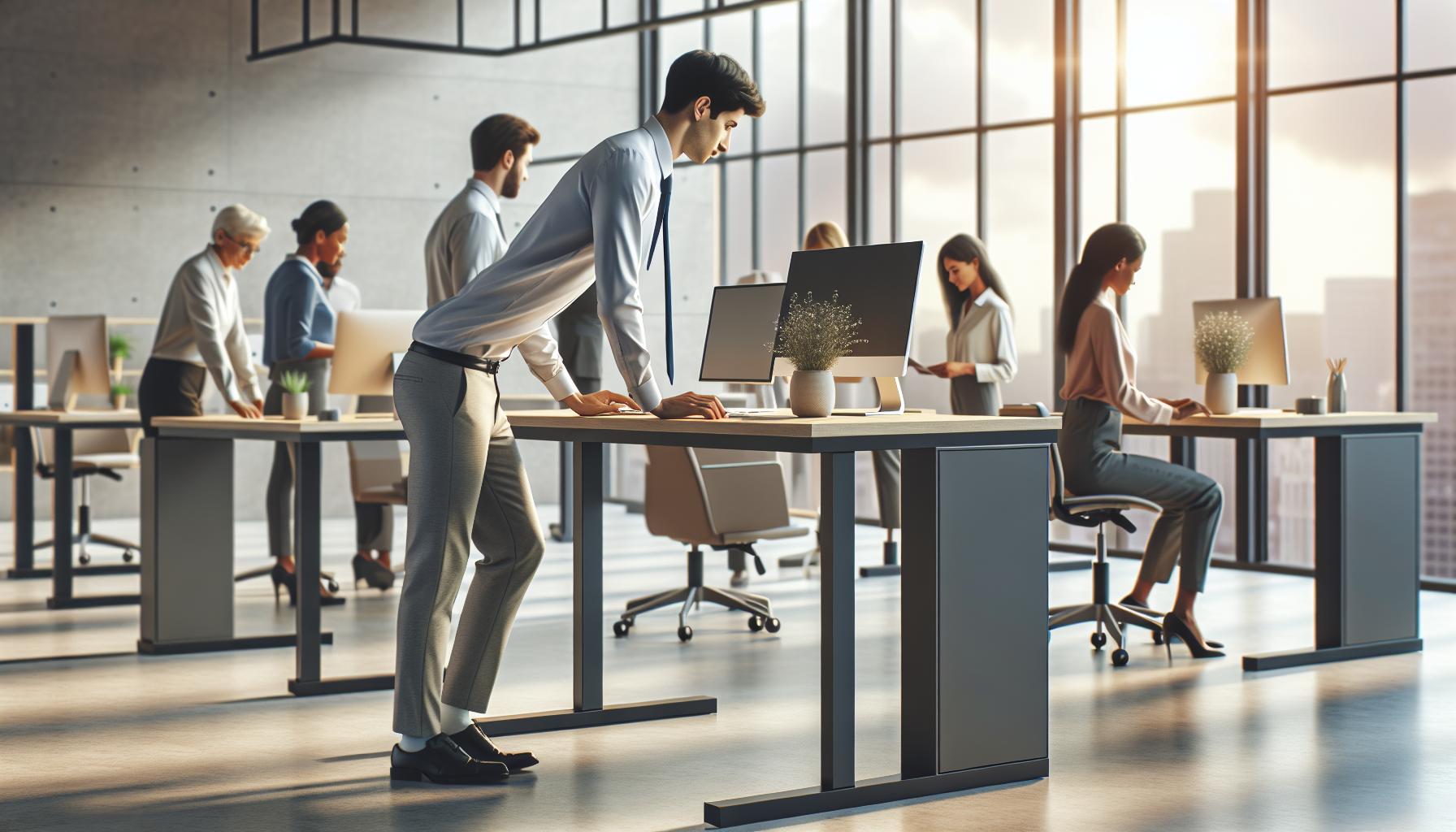
How to Transition to a Standing Desk
Making the switch to a standing desk can invigorate your work experience, enhancing both productivity and well-being. However, transitioning from a traditional seated setup to a standing desk involves more than simply raising your workspace; it requires thoughtful planning to ensure a smooth adjustment period that supports your physical and mental health.
Start by gradually increasing your standing time. Begin with short intervals-perhaps 15 to 30 minutes-set at regular intervals throughout your day. This method helps your body acclimatize to the new position without overwhelming it. As you grow more comfortable, incrementally extend these intervals until you’re standing for extended periods comfortably. To keep the transition engaging, consider using reminders or a timer to manage your standing times effectively.
Consistency and Comfort
Maintaining an ergonomic posture is key to a successful transition. Ensure your desk is set at the right height so your elbows remain at a 90-degree angle while typing. Invest in comfortable footwear and an anti-fatigue mat to reduce strain on your legs and feet during long standing periods. Additionally, listen to your body-if you start feeling uncomfortable, it’s a good idea to take a break, whether that means sitting down for a while or engaging in some light stretching. This practice not only alleviates discomfort but also revitalizes your focus and productivity.
Incorporating movement is another crucial aspect during your transition. Regularly shift your weight from one foot to the other, or take brief walking breaks during the day. These actions can help maintain circulation and prevent stiffness, ensuring you remain alert and energetic. By fostering a habit of movement and standing gradually, you not only enhance your comfort but also promote a healthier lifestyle, making the standing desk a beneficial tool in your daily work routine.
Impact of Standing Desks on Productivity
Studies show that transitioning to a standing desk can significantly enhance productivity, with many users reporting a noticeable increase in energy and focus throughout the workday. This boost in productivity is often attributed to a combination of improved circulation, reduced discomfort, and a more engaging work environment. Standing desks encourage movement, which can lead to higher levels of alertness and creativity as blood flow increases and oxygen reaches the brain more efficiently.
When using a standing desk, the opportunity for subtle movement during the workday also contributes to increased mental clarity. Simple actions such as shifting weight from one foot to another, pacing during phone calls, or even engaging in light stretching can stimulate cognitive function. This dynamic work style contrasts sharply with the stagnation often experienced in traditional seated settings, where prolonged periods of inactivity can diminish attention and cognitive performance.
Furthermore, the ability to easily alternate between sitting and standing allows for a customizable work experience tailored to individual needs and preferences. This flexibility not only addresses fatigue but also fosters a sense of personal control over one’s work environment, which can further enhance motivation and productivity. For many, the simple act of standing during work hours can lead to a more proactive and engaged approach to tasks, making the standing desk a powerful tool for enhancing workplace efficiency and promoting overall well-being.
To fully harness the productivity benefits of a standing desk, it’s essential to maintain good posture and take regular breaks to avoid fatigue. Incorporating a variety of standing and sitting intervals tailored to personal comfort levels can create an optimal work rhythm, ultimately leading to sustained productivity throughout the day.
Exploring Different Types of Standing Desks
Standing desks come in a variety of designs to accommodate different needs and preferences, making it easy to find the right one for your workspace. Each type of standing desk has unique features that cater to various ergonomics and functionalities, highlighting the importance of selecting one that aligns with your work habits and comfort.
Types of Standing Desks
- Manual Adjustable Standing Desks: These desks are typically adjusted by a hand crank or levers. They are affordably priced and are a good option for those who prefer simplicity without electronic components. However, frequent adjustments may be cumbersome.
- Electric Adjustable Standing Desks: One of the most popular options, electric standing desks are easily adjustable with the push of a button, allowing for smooth transitions between sitting and standing. Many models come with programmable height settings, which can help streamline the adjustment process throughout the day and cater to multiple users with varying height preferences.
- Gas-Lift Standing Desks: These desks use a pneumatic lift system and are adjusted using a lever. They offer a middle ground between manual and electric desks in terms of ease of adjustment. The gas lift mechanism provides a smooth motion, but these desks may not offer the same height range as electric options.
- Convertible Desks: These are designed to sit on top of a traditional desk and can be raised or lowered to create a standing work environment. Convertible desks are often more affordable and are ideal for those who want to try standing while working without investing in a full standing desk.
- Sit-Stand Desk Risers: Similar to convertible desks, risers elevate your existing desk surface. They are compact and portable, making them a great choice for smaller workspaces or for those who need to change their work environment frequently. Just be sure to choose one that suits the height you need for both sitting and standing.
Assessing Your Needs
When , consider factors such as your specific workspace requirements, budget, and how often you plan to adjust the height. For instance, if you regularly collaborate with colleagues, an electric desk with smooth transitions can facilitate team discussions without disrupting workflow. Conversely, if you’re looking to save space or funds, a manual or convertible option may be the best fit.
Additionally, always keep ergonomics in mind. Ensure the desk you choose allows for proper alignment of your computer screen at eye level and maintains a neutral wrist position while typing. The right standing desk not only enhances your work efficiency but also promotes better posture and reduces the risk of musculoskeletal problems.
By understanding the various options available and aligning them with your needs, you can create a workspace that enhances both productivity and comfort, paving the way for improved health and cognitive performance.
Maintaining Posture and Comfort When Standing
Standing for extended periods at a desk can transform your workspace but requires a conscious approach to maintain comfort and posture. The body’s alignment plays a pivotal role in preventing fatigue and discomfort. Ensuring the right ergonomic setup at your standing desk is crucial to unlocking the health benefits of this modern workplace tool.
To start, you should position your computer screen so that the top of the monitor is at or just below eye level. This setup promotes a natural neck position, minimizing strain. Your elbows should be bent at approximately 90 degrees while typing, with your wrists straight and positioned comfortably. It’s essential to have your feet flat on the floor or on a footrest, which encourages a neutral posture and allows for subtle shifting of your weight, reducing fatigue.
In addition to ensuring proper alignment, consider using an anti-fatigue mat. These mats help cushion your feet and encourage micro-movements, which can enhance circulation and comfort. Remember to alternate your stance by shifting your weight from one foot to the other or using a footrest to elevate one foot at a time. This technique can help alleviate pressure on the lower back and legs, contributing to your overall well-being.
Finally, integrating movement into your standing routine is vital. Take short breaks every 30 minutes to walk around, stretch, or change positions. These activities not only keep your muscles activated but also rejuvenate your mind, aiding in cognitive performance. By fostering a supportive and flexible standing desk environment, you become an active participant in promoting your own productivity and health.
Best Practices for Alternating Between Sitting and Standing
Establishing a healthy balance between sitting and standing throughout your workday can significantly enhance your overall well-being and productivity. Engaging with a standing desk does not simply mean replacing your chair with a standing position; it requires a strategic approach to alternating between the two that takes into account your body’s needs and promotes optimal comfort and efficiency. Research indicates that regular movement and a dynamic work environment can reduce fatigue, enhance focus, and prevent the physical strains associated with prolonged postures.
To maximize the benefits of your standing desk, consider implementing a structured schedule for transitioning between sitting and standing. A common recommendation is to alternate positions every 30 to 60 minutes. This allows you to enjoy the advantages of both postures while minimizing discomfort. Listen to your body; if you notice signs of fatigue or discomfort, take the opportunity to switch immediately instead of sticking rigidly to a timetable. Using tools like timers or apps can remind you when it’s time to change positions, making it easier to develop this habit.
Incorporating specific techniques can make transitioning smoother and more effective. When moving from sitting to standing, start by engaging your core and aligning your spine to support a strong posture. Keep your feet about shoulder-width apart to enhance stability and lessen the strain on your lower back. Additionally, when you return to sitting, take a moment to reset your chair for an optimal ergonomic setup-feet flat on the ground, back supported, and computer screen positioned at eye level-to ensure you maintain good posture in both sitting and standing scenarios.
Ultimately, the key to effective alternating is flexibility. Feel free to modify your routine based on your energy levels, workload, or even the type of tasks you’re tackling. This adaptability not only helps keep you energized but also encourages a more engaging work experience. By developing a rhythmic pattern of alternating between sitting and standing, you can significantly contribute to your health, focus, and overall work satisfaction. Prioritize movement and variety in your work routine, keeping in mind that your body’s dynamics deserve attention just as much as your to-do list.
Potential Downsides of Standing Desks
While standing desks can significantly improve work health and productivity, they also come with potential downsides that users should carefully consider. One major drawback is the possibility of muscle fatigue and joint strain. Prolonged standing can lead to discomfort in the lower back, hips, and legs, especially if individuals are not accustomed to such positions. It’s essential to recognize that just as sitting for too long can cause health issues, standing for extended periods without breaks can contribute to similar problems.
In addition to fatigue, standing desks may inadvertently encourage poor posture. Many users may slouch or lean against their desks, putting undue stress on the spine and surrounding muscles. Maintaining proper posture while standing is crucial; users should ensure their screens are at eye level, and their keyboards are positioned comfortably to prevent overextension of the arms. Using an anti-fatigue mat can also help alleviate pressure on the legs and feet, fostering a healthier standing experience.
Another factor to keep in mind is the tendency for some people to become less mobile when they switch to a standing desk. While the intention is to promote movement, if users stand in one place for too long, they may not gain the full benefits of a dynamic work environment. Incorporating small movements, such as shifting weight from one foot to the other or taking short breaks to walk around, can help mitigate this issue.
Lastly, it’s vital to recognize that standing desks may not be suitable for everyone. Certain medical conditions, such as arthritis or cardiovascular issues, can be exacerbated by standing for long periods. Always consult with a healthcare professional if you have concerns about how a standing desk might impact your health. By being aware of these potential downsides, users can adopt a more balanced approach to their workspace, encouraging a blend of sitting, standing, and movement that promotes overall wellness.
Incorporating Movement into Your Workday
is essential for maximizing the benefits of a standing desk while also maintaining physical health and cognitive function. Studies show that simply reducing sedentary behavior can lead to improved energy levels, enhanced mood, and even better focus, which is crucial for workplace productivity. When using a standing desk, it’s imperative to shift your body regularly to avoid stiffness and soreness.
One effective method to instill movement throughout your day is to implement the “20-20-20 rule” alongside your standing desk. Every 20 minutes, focus on something 20 feet away for 20 seconds. This not only gives your eyes a break but also encourages you to move away from your desk, which can help reset your posture and stimulate circulation. In addition to this, consider adding a few of the following practices to your daily routine:
- Micro-Movements: Engage in light stretching or shifting your weight from one foot to the other every few minutes.
- Walking Meetings: Opt for standing or walking meetings when possible to stimulate discussion and movement.
- Set Movement Reminders: Use apps or timers to remind you to move or take a quick walk every hour.
- Office Layout: Arrange your workspace to encourage movement-place your printer or frequently used items further away.
Additionally, integrating intentional movement into your routine can take many forms. For instance, consider scheduled breaks for brisk walking or doing desk exercises, such as calf raises or leg extensions, to promote blood circulation. Embracing the concept of active sitting, where you transition from standing to wobble stools or balance balls intermittently, can also provide a dynamic approach to movement.
Ultimately, the goal is to foster a culture of movement within your work environment, balancing standing with regular physical activity. As part of a comprehensive wellness strategy, this approach not only combats the downsides of prolonged standing but also enhances overall cognitive performance and wellbeing. Remember, if you have specific health concerns or conditions, consulting a healthcare professional before making significant changes to your routine is always advisable, ensuring that you pursue a safe and effective approach to workplace wellness.
Frequently Asked Questions
Q: How do adjustable standing desks work?
A: Adjustable standing desks operate using a mechanism that allows users to change the height of the desk effortlessly. Most models feature a gas lift or electric motor, enabling smooth transitions between sitting and standing positions. This flexibility promotes better posture and reduces the risks associated with prolonged sitting.
Q: What are the key components of a standing desk mechanism?
A: The main components of a standing desk mechanism include the tabletop, adjustable legs, and height adjustment system, which can be manual (crank) or automatic (electric motor). Some advanced models also incorporate memory settings to save preferred heights for multiple users, facilitating a personalized workspace.
Q: Can standing desks improve my energy levels?
A: Yes, standing desks can enhance energy levels by promoting better circulation and reducing feelings of fatigue often associated with prolonged sitting. Alternating between sitting and standing encourages movement, which can boost your mood and the overall productivity of your workday.
Q: Are there specific heights for standing desks?
A: Standing desks should be adjustable to ensure ergonomic comfort for different users. Ideally, the desk height should be set so that the elbows are bent at a 90-degree angle while typing, which typically ranges from 38 to 54 inches depending on individual height. This helps maintain proper posture throughout the day.
Q: How do I adjust my standing desk for optimal ergonomics?
A: To adjust your standing desk ergonomically, stand with your feet shoulder-width apart, ensuring your computer screen is at eye level to prevent neck strain. Your wrists should be straight while typing, and you should use a footrest to shift your weight between legs. Proper alignment is key for comfort during use.
Q: What are the benefits of transitioning to a standing desk?
A: Transitioning to a standing desk can reduce back and neck pain, increase energy levels, and may even boost your productivity. It encourages more movement throughout the day, which can lead to better overall health, including improved metabolism and reduced risk of chronic diseases.
Q: How often should I switch between sitting and standing?
A: It is generally recommended to alternate between sitting and standing every 30 to 60 minutes. This keeps the body engaged and helps prevent discomfort or fatigue. Use timers or reminders to help establish a regular routine that best suits your workflow.
Q: Are standing desks suitable for everyone?
A: While standing desks offer many health benefits, they may not be suitable for everyone due to specific health conditions or personal comfort. It’s essential to listen to your body and consult with a healthcare provider if you have pre-existing issues that may be affected by prolonged standing.
In Retrospect
Understanding how standing desks function is a crucial step toward enhancing your workspace and overall well-being. These innovative tools not only foster better posture but also encourage movement and reduce the risks associated with prolonged sitting. If you’re eager to transform your workspace and improve your health, now is the perfect time to explore our guides on setting up ergonomic workstations and adopting healthy work habits.
Don’t stop here-discover more on optimizing your cognitive performance and learn evidence-based techniques to manage workplace stress effectively. For personalized tips and the latest updates, subscribe to our newsletter. Your journey towards a healthier work environment starts today-let’s make every workday count!