In today’s sedentary work culture, many are turning to standing desks with the hope of burning more calories and improving their health. A common misconception is that simply standing will lead to significant fat loss. However, while standing does increase calorie expenditure compared to sitting-typically by about 20 to 55 calories per hour-this may not be enough to drive meaningful weight loss on its own. Understanding how standing desks impact calorie burning can shed light on effective strategies for workplace wellness and overall health. As you explore the nuances of this topic, consider how making small changes in your daily routine can contribute to your long-term wellness goals. Join us as we uncover the fat-burning truth behind standing desks and discover practical tips for optimizing your work environment.
Does Standing Desk Help You Burn Calories?

Using a standing desk can indeed influence your caloric expenditure, leading to potential weight management benefits. Research suggests that standing burns more calories than sitting, primarily because it engages more muscle groups and encourages subtle movements. While the calorie-burning impact of switching to a standing desk may not be dramatic, even small increases in daily caloric expenditure can accumulate over time, contributing to weight management.
The science behind this phenomenon centers on the basic principles of energy expenditure. When you stand, your body engages in a series of micro-movements – adjusting your posture, shifting your weight, and fidgeting. These actions may seem insignificant, but they collectively increase your overall energy consumption. For instance, studies estimate that standing can burn about 50% more calories than sitting over an extended period, making a compelling case for the benefits of integrating standing desks into your routine.
Benefits Beyond Weight Loss
While the calorie-burning aspect is a compelling reason to consider a standing desk, there are also broader benefits associated with making the switch. Improved posture and reduced back pain are commonly reported advantages, as standing encourages better spinal alignment. Moreover, many users experience boosts in mood and productivity, as standing desks can support higher energy levels and focus throughout the workday. In essence, the benefits of standing desks extend beyond mere weight control, making them a smart addition to a holistic approach to workplace wellness.
Incorporating standing desks into your work routine can be a practical step toward enhancing your health and well-being. As you transition, remember to maintain good ergonomic practices to support your posture and comfort. By recognizing and embracing the multifaceted benefits of standing desks, you’re not only making a choice that may help you burn more calories but also fostering a healthier and more productive work environment.
The Science Behind Standing and Calories
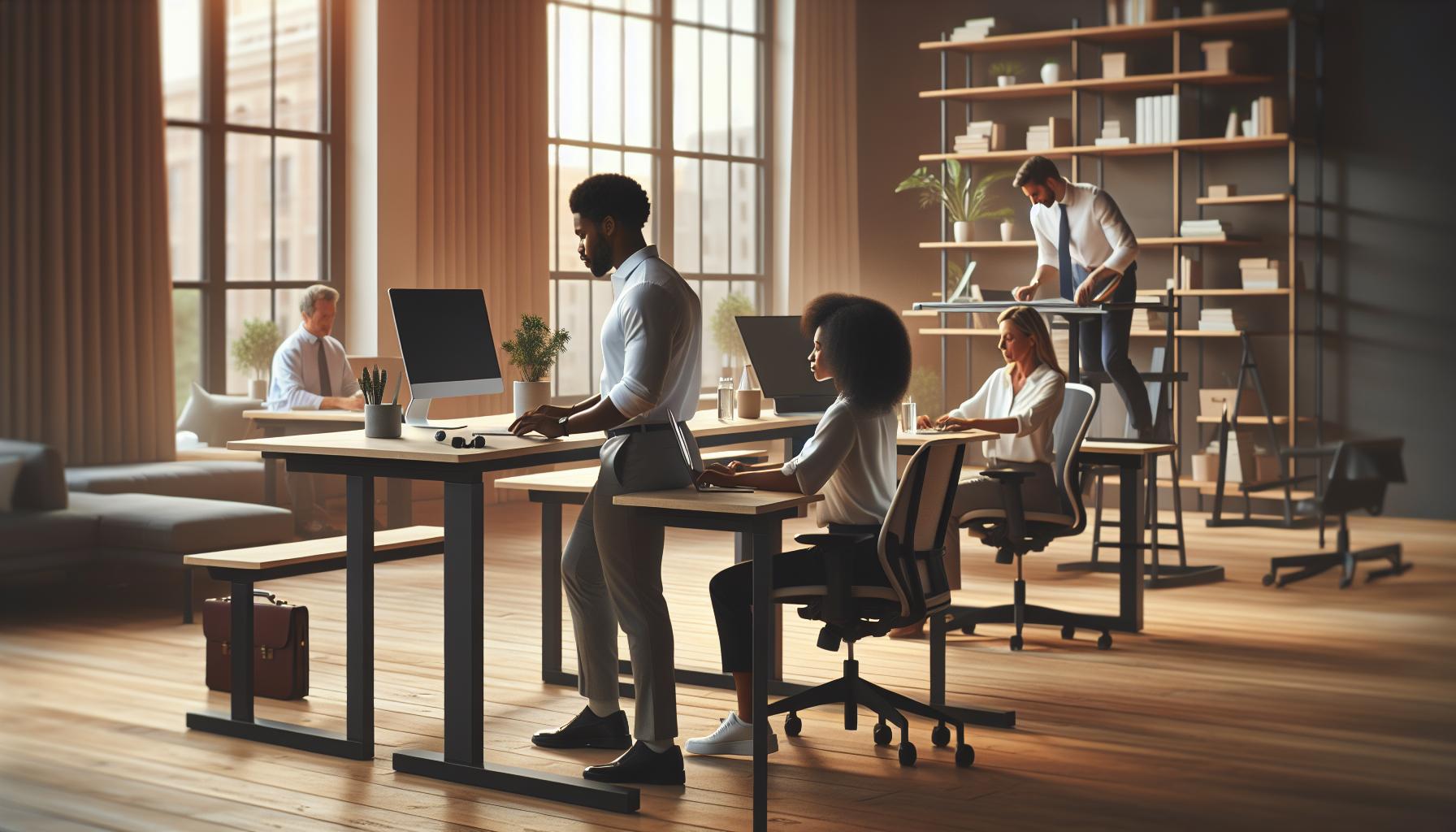
Standing can be a surprisingly efficient way to increase your caloric burn throughout the day. Research indicates that simply standing up rather than sitting can lead to the burning of 50% more calories during the same period, primarily due to the increased muscle engagement required for maintaining an upright posture. This results from a series of micro-movements that your body naturally performs when standing-adjusting your weight, fidgeting, and shifting your feet-all of which contribute to an uptick in energy expenditure.
When you make the transition to a standing desk, it’s interesting to note that this change can also influence your body’s overall energy dynamics. By altering the angle of your hips and the way you distribute your weight, you activate different muscle groups compared to sitting. This activation not only promotes calorie burning but can also lead to improved cardiovascular health over time. Moreover, incorporating small movements, like stretching or adjusting your stance, can further enhance this effect, turning a passive work stance into an active one.
Additionally, the psychological impact of standing can play a role in your overall health goals. Standing desks often encourage greater alertness and focus, which may promote a more dynamic work environment, leading to increased productivity. Individuals who use standing desks report higher energy levels and improved mood, contributing to a holistic approach to workplace wellness that benefits both mental and physical health.
Implementing a standing desk routine effectively requires thoughtful strategy. Gradually introducing standing periods into your day can lead to better outcomes, ensuring you’re maintaining proper ergonomic practices to avoid strain. As your body adapts, you can blend standing with movement, creating a balanced approach that maximizes your caloric expenditure and supports your overall well-being.
How Many Calories Can You Burn Using a Standing Desk?

Making the switch to a standing desk can be an effective way to subtly increase your daily caloric expenditure. Research shows that standing burns more calories than sitting; estimates suggest that individuals can burn between 20 to 50 extra calories per hour depending on their weight and activity level [3[3]. This increase, while it may not seem monumental on an hourly basis, can add up significantly over a typical workday. For instance, if you were to stand instead of sit for a full 8-hour shift, you could potentially burn an extra 160 to 400 calories, depending on various factors.
Moreover, numerous studies indicate that the average person burns about 95 calories per hour while standing compared to 80 calories while sitting, demonstrating a consistent calorie increase of approximately 15 calories hourly [2[2]. This energy expenditure is related to the engagement of various muscle groups and minor movements your body makes while standing-adjusting your weight, fidgeting, and shifting your feet-all of which contribute to this uptick in caloric burn.
To maximize the calorie-burning benefits of using a standing desk, consider implementing small movements during your standing periods-such as stretching, shifting your stance, or even taking short walks around the office. These activities can boost your overall energy expenditure even further and contribute positively to your physiological well-being. Ultimately, while standing desks may not be a panacea for weight loss or calorie burning, they certainly create a more dynamic workspace that encourages activity, and that change in behavior can lead to improved health outcomes over time.
Benefits of Standing Desks Beyond Weight Loss
Making the switch to a standing desk can offer numerous benefits that extend well beyond merely burning calories. One of the most significant advantages is the potential for improved posture. When used correctly, standing desks can encourage users to align their spine better, leading to reduced strain on the back and neck. This enhanced alignment can ultimately decrease discomfort and reduce the risk of developing chronic pain conditions associated with extended sitting.
Boosting Energy and Productivity
Standing while working can invigorate your day, enhancing energy levels and combatting fatigue. Engaging various muscle groups boosts circulation, providing a natural energy lift that could translate into heightened focus and task efficiency. Users often report improved mental clarity, which can enhance productivity. A lively workspace fosters creativity and motivation, encouraging more dynamic interactions and idea generation.
Encouraging Movement and Flexibility
Standing desks naturally promote a more active work environment, making it easier to incorporate movement throughout the day. Rather than being confined to a chair, individuals are encouraged to stretch, shift their weight, or take periodic walking breaks. This increased activity can lead to greater flexibility and mobility over time, decreasing the likelihood of common musculoskeletal issues that arise from prolonged sitting. Small changes, like taking a few moments to walk around the office or perform light stretches, can have a positive impact on overall well-being.
Long-Term Health Considerations
Beyond the immediate benefits of posture and energy, using a standing desk can contribute to long-term health improvements. Research suggests that reducing sedentary behavior could lower the risks associated with various health conditions, including cardiovascular diseases and type 2 diabetes. While standing desks alone aren’t a cure-all, they can serve as a vital component in a broader strategy for a healthier lifestyle, especially when combined with regular physical activity and mindful movement practices.
Embracing the use of a standing desk isn’t just about burning calories; it fosters a culture of wellness in the workplace, encouraging healthier habits and promoting an active lifestyle. As you begin your journey with a standing desk, consider how it can enhance your overall health, productivity, and workplace satisfaction.
Comparing Standing Desks to Traditional Sitting

When it comes to choosing between a standing desk and traditional sitting, one must consider more than just the immediate discomfort that prolonged sitting can cause. Research indicates that the calories burned in a day can be significantly impacted by our choice of working posture. While a standing desk may not lead to drastic weight loss on its own, it can encourage more active behaviour throughout the workday, facilitating a gradual increase in caloric expenditure.
Standing burns approximately 50% more calories than sitting. For instance, an average person may burn around 80-100 calories per hour sitting, compared to about 130-150 calories per hour while standing. Although standing is not a strenuous activity, the simple act of maintaining an upright posture engages various muscle groups, promoting blood circulation and energy expenditure. However, it’s important to highlight that the increase in calorie burn might not be sufficient to replace other forms of physical activity, making it imperative to incorporate exercise into your daily routine.
Integrating a standing desk into your workspace also helps combat the negative health effects associated with sedentary behaviour. Traditional sitting can lead to a host of issues, including obesity, cardiovascular disease, and metabolic syndrome, primarily due to prolonged inactivity. On the other hand, a standing desk promotes better posture and reduces discomfort in the back and neck over time. Transitioning to standing allows users the flexibility to incorporate movement, such as shifting weight from one leg to another or taking short walking breaks, ultimately enhancing physical well-being.
To make the most of a standing desk, it is essential to set it up ergonomically. Ensure that the monitor is at eye level and your wrists remain straight while typing. Using an anti-fatigue mat can also significantly increase comfort levels. By establishing an ergonomic height and integrating regular movement with a standing workstation, you can foster a healthier, more active work environment that not only encourages calorie burning but also enhances productivity and overall well-being.
Standing Desk Setup for Maximum Fat Burn
Incorporating a standing desk into your workspace can indeed lead to enhanced calorie burning, but to maximize these benefits, proper setup is crucial. An ergonomic standing desk setup not only promotes better posture and comfort but also supports prolonged use without fatigue. One of the most impactful recommendations is to adjust the desk height to allow your elbows to rest at about 90 degrees while typing, with your wrists aligned straight and fingers relaxed. This setup minimizes strain on your body and encourages the subtler physical engagement needed to burn calories effectively.
To further enhance calorie expenditure, consider investing in an anti-fatigue mat. These mats provide cushioning that encourages micro-movements, helping to engage your leg muscles actively. Additionally, shift your weight from one leg to another or incorporate a small footrest to stimulate movement. Integrating a balance board can also introduce an element of instability, forcing your core to engage while standing-an effective way to increase calorie burn while standing still.
Another practical tip is to position your monitor at eye level, ensuring that your head, neck, and back remain aligned. This reduces the risk of discomfort and allows you to maintain focus on tasks effectively. Remember that maintaining a standing position for extended periods can be taxing, so aim to mix standing with short walking breaks. This not only diversifies your movement throughout the day but also keeps your mind fresh and engaged.
Ultimately, a well-thought-out standing desk setup is not just about burning calories; it’s about fostering a healthier work environment that encourages movement, enhances cognitive performance, and boosts overall productivity. By taking actionable steps toward an ergonomic configuration, you create a workspace that nurtures your physical and mental wellness, allowing you to harness the full potential of standing while you work.
Integrating Movement into Your Standing Desk Routine
To truly maximize the calorie-burning potential of your standing desk, integrating movement into your routine is essential. Simply standing at your desk won’t yield impressive results; it’s the small, consistent movements throughout the day that can significantly enhance your energy expenditure. Research shows that even minor adjustments in how you stand can lead to greater calorie burn and improved overall health.
Consider incorporating micro-movements into your standing desk routine. These can include simple actions like shifting your weight from one leg to the other, performing calf raises, or even lightly bouncing on your toes. These practices can help engage your muscles without requiring substantial effort, making them easy to integrate into your workflow. Additionally, setting a timer to remind you to take brief movement breaks can keep you motivated. For example, every 30 to 60 minutes, take a short walk around your workspace or do a quick set of stretches to break up the monotony of standing still.
Another effective method is to create a dynamic workspace by adding accessories like resistance bands or small hand weights nearby. You can perform light exercises during calls or while focusing on tasks. By integrating physical activity into your work routine, you can convert sedentary time into active, calorie-burning time without sacrificing productivity. Consider alternating between standing and incorporating designated exercise breaks, such as a quick chair yoga session or a few minutes of bodyweight exercises like squats or lunges.
To foster a more vibrant work environment, engage your colleagues in mini challenges that promote movement. Encourage team members to stand while taking calls or organize walking meetings to blend discussions with physical activity. By making movement a collective goal, you create an atmosphere that supports healthy habits and boosts morale. Always remember, the key to long-term success is finding an approach that works for you, making movement a fun and sustainable part of your workday.
Understanding the Impact on Posture and Productivity
Standing at your desk can transform not just your physical health, but also your cognitive functioning and overall productivity. Engaging in a standing position encourages proper alignment and helps mitigate the adverse effects of prolonged sitting. When you stand, your body is more likely to maintain an active posture, which can stimulate blood circulation and boost energy levels throughout the day. This increase in blood flow can enhance cognitive clarity, helping you to think more clearly and make quicker decisions.
To fully benefit from a standing desk, it’s essential to create an ergonomic workspace that promotes good posture. Here are some considerations for optimizing your setup:
- Screen height: Your monitor should be at eye level to prevent neck strain. Positioning the top of the screen around eye height helps reduce upper back and shoulder tension.
- Keyboard and mouse placement: These should be at elbow height to keep your arms at a 90-degree angle, reducing strain on your wrists and forearms.
- Footwear: Wearing supportive shoes helps alleviate pressure on your feet, which can become tiring over long standing periods.
By mindfully adjusting your workspace, you can improve your posture while also reaping cognitive benefits, such as enhanced focus and quicker information retention. Regular standing helps to activate core muscles, leading to greater stability and resilience against fatigue.
Another critical aspect is the connection between posture and productivity. Poor posture can lead to discomfort, affecting concentration and, ultimately, work performance. Conversely, standing tall and engaging your core can increase alertness, promote a proactive mindset, and even inspire creativity. You might find that standing while brainstorming or working on problem-solving activities yields better results.
Balancing standing time with movement is essential. Transitioning from sitting to standing should be gradual; consider starting with shorter standing intervals and gradually increasing them. This practice allows your body to adapt without causing excessive strain, enabling you to maintain both your physical comfort and mental focus as you navigate your workday.
Common Myths About Standing Desks and Weight Loss
Despite the growing popularity of standing desks, misconceptions abound regarding their effectiveness in burning calories and promoting weight loss. One prevalent myth is that merely standing at a desk leads to significant calorie expenditure comparable to vigorous exercise. While it’s true that standing burns more calories than sitting-approximately 50% more-it’s essential to recognize that the difference is modest in the grand scheme of daily caloric needs. For instance, an average person might burn around 100 calories more per day simply by standing instead of sitting. However, this is not a substitute for regular physical activity, which is critical for weight management and overall health.
Another common belief is that switching to a standing desk will automatically result in weight loss. While standing can assist in burning additional calories, it is not a magic solution. Weight loss fundamentally relies on a consistent calorie deficit, one achievable through a combination of dietary management and physical exercise. Standing desks can be a helpful tool in a holistic approach to wellness, but they work best alongside other healthy lifestyle choices, such as maintaining a balanced diet and engaging in regular movement.
Moreover, some individuals may think that standing is synonymous with being active. However, simply being upright does not engage the muscles sufficient to promote fat burning or cardiovascular health. Standing for prolonged periods can even lead to fatigue and discomfort without incorporating movement. To truly optimize the benefits of a standing desk, it is vital to integrate movement-such as walking, stretching, or alternating between sitting and standing-throughout the day.
In addressing these myths, it is vital to emphasize the importance of creating a balanced approach to health. This includes mindful eating, regular exercise, and an understanding that while standing desks can play a role in increasing daily calorie burn, they should not be viewed as a standalone solution for weight loss. Embracing workplace wellness involves conscious effort in various areas of lifestyle choices to achieve sustainable results.
Tips for Transitioning to a Standing Desk
Transitioning to a standing desk can be a rewarding step towards improving your health and productivity, but it’s essential to do it thoughtfully. Studies have shown that standing may burn approximately 20 to 50 more calories per hour compared to sitting, depending on various factors such as weight and activity level. However, simply switching from sitting to standing isn’t a panacea; it requires adjustments to get the most benefit. Here are some practical tips to help you make this transition smoothly:
Start Slowly
Jumping into a full day of standing can be daunting and may lead to discomfort. Begin by incorporating short standing intervals into your work routine, such as 15 to 30 minutes of standing every hour. Gradually increase your standing time as your body adapts. This approach minimizes fatigue and helps you build stamina for longer standing sessions.
Prioritize Ergonomics
Setting up your standing desk with ergonomics in mind is critical for comfort and productivity. Ensure that your computer screen is at eye level and your wrists are straight while typing. Your elbows should be close to your body and at a 90-degree angle. Consider using an anti-fatigue mat to provide cushioning and support for your feet, helping to reduce strain and fatigue over extended periods.
Incorporate Movement
To enhance calorie burning and improve circulation, integrate movement into your standing routine. Simple strategies include shifting your weight from one foot to the other, walking in place, or performing light stretches. Try to take short breaks every hour to walk around, which not only refreshes your body but also stimulates cognitive function and reduces stress.
Stay Mindful of Your Posture
Maintaining a healthy posture while standing is essential for preventing discomfort and injury. Keep your feet shoulder-width apart, engage your core muscles, and avoid locking your knees. Regularly check in with your body to ensure you’re standing tall and not hunching over your desk.
Listen to Your Body
As you adjust to working at a standing desk, pay attention to how your body feels. If you experience any pain or discomfort, don’t hesitate to switch back to a seated position or take a break. It’s vital to find a balance that works for you, allowing for both standing and sitting as needed throughout your day.
Implementing these strategies can help not only make your transition to a standing desk smoother but also ensure that it positively impacts your overall health and productivity. The key lies in finding a rhythm that encourages movement and promotes comfortable working habits while exploring the benefits of a more active workspace.
Measuring Your Caloric Burn Accurately
Understanding how to measure your caloric burn accurately while working at a standing desk is essential for making informed decisions about your health and productivity. While it’s widely recognized that standing burns more calories than sitting-averaging about 20 to 50 calories more per hour depending on individual factors-many people still question how to quantify and maximize this potential benefit.
To begin with, using a metabolic calculator can be an excellent way to estimate your caloric expenditure based on the specific activity and your personal metrics, such as weight, height, age, and sex. For instance, standing typically corresponds to a MET (Metabolic Equivalent of Task) value of around 2.0, whereas sitting has a MET of about 1.2. By using these values in the Harris-Benedict Equation, you can calculate your daily caloric burn more accurately. This not only provides insight into how much energy you’re expending while standing but also helps highlight the cumulative effects of standing throughout your workday.
In addition to using calculators or equations, consider keeping a daily log of your activities. This can help you analyze periods of standing versus sitting, alongside other movements you incorporate, such as walking during breaks. Wearable fitness devices or smartphone apps can also track your steps and activity levels, helping to provide a clearer picture of your overall caloric burn. Combining these tools with your standing desk routine can enhance your understanding of how every adjustment in your day can contribute to your calorie expenditure.
Finally, be mindful of your individual responses to standing. Everyone’s body reacts differently to changes in work habits, and recognizing your own patterns can lead to better adjustments that fit your lifestyle. If you notice discomfort or fatigue while standing, take breaks to sit and reset your posture. This balance is vital not only for maintaining physical health but also for maximizing your productivity and cognitive function throughout the day.
Exploring Long-Term Health Benefits of Standing Desks
Incorporating a standing desk into your daily routine can offer significant long-term health benefits that extend beyond merely burning calories. Research has shown that a more active workspace can lead to improvements in overall physical health, mental well-being, and productivity. For instance, individuals who frequently use standing desks often report heightened energy levels and improved mood, reducing the risk of workplace fatigue and the associated mental sluggishness that frequently accompanies prolonged sitting.
One of the most notable advantages of standing desks is their potential impact on posture and spinal health. By encouraging a more upright position, standing desks can help alleviate common issues related to prolonged sitting, such as back pain, stiffness, and musculoskeletal disorders. Additionally, better posture promotes enhanced lung function and circulation, leading to improved oxygen delivery to vital organs and tissues, thereby enhancing cognitive performance. This aligns perfectly with the principles of neuroplasticity; as your posture improves, your brain’s capacity for learning and adaptability can also increase, optimizing your professional output.
To maximize these beneficial effects, consider blending standing desk use with regular movement. Studies indicate that integrating short bouts of movement-think walking, stretching, or even light exercise-into your workday can further mitigate the negative effects of sedentary behavior. A simple routine, such as setting a timer to encourage movement every hour, can lead to significant long-term changes in health metrics, such as cardiovascular fitness and metabolic health.
Moreover, standing desks foster a culture of wellness and balance in the workplace. They can encourage healthier habits among colleagues, as shared practices often ripple through workplaces. This communal accountability for health can further enhance motivation, support stress reduction, and cultivate a more positive work environment. By taking these steps, you’ll not only promote your well-being but also contribute to a collective improvement in the organizational culture, positioning yourself and your colleagues for sustainable success.
Frequently Asked Questions
Q: How many calories do you burn standing at a desk for 8 hours?
A: On average, standing burns about 50% more calories than sitting. If you stand for 8 hours, you might burn an additional 200-300 calories compared to sitting. For precise tracking, consider integrating movement and adjusting your desk height regularly. Check out the “Measuring Your Caloric Burn Accurately” section for more tips.
Q: Do standing desks help with weight management?
A: Yes, using a standing desk can contribute to weight management by increasing daily calorie expenditure. However, it’s essential to combine standing with regular movement and a balanced diet for effective weight loss. Explore the “Integrating Movement into Your Standing Desk Routine” section for actionable strategies.
Q: Can a standing desk improve posture?
A: A standing desk can help improve posture if set up correctly. Proper alignment and adjustments are crucial to avoid strain. For optimal setup guidelines, refer to the “Standing Desk Setup for Maximum Fat Burn” section to maintain healthy posture while working.
Q: How often should you alternate between sitting and standing?
A: It’s recommended to alternate between sitting and standing every 30 to 60 minutes to reduce fatigue and discomfort. This practice can enhance productivity and well-being. For more tips on transitioning, see the “Tips for Transitioning to a Standing Desk” section.
Q: What are the best practices for using a standing desk effectively?
A: To use a standing desk effectively, ensure your monitor is at eye level, maintain a neutral wrist position, and wear supportive shoes. Incorporating movement, such as stretching, can also enhance benefits. Details are available in the article sections about setup and integrating movement.
Q: What are the misconceptions about standing desks and weight loss?
A: Common misconceptions include the belief that standing alone leads to significant weight loss. While standing desks promote calorie burning, lifestyle factors like nutrition and movement play vital roles. The “Common Myths About Standing Desks and Weight Loss” section debunks these myths further.
Q: Can standing desks increase energy levels?
A: Yes, standing desks may enhance energy levels and reduce fatigue, particularly during long work hours. The increased circulation and movement can lead to better focus and less discomfort. Learn more about long-term effects in “Exploring Long-Term Health Benefits of Standing Desks.”
Q: Are there any negative effects of standing desks?
A: Yes, excessive standing can lead to discomfort or fatigue in the feet, legs, and back. To mitigate this, alternate between sitting and standing, and consider using anti-fatigue mats. More information can be found in the “Understanding the Impact on Posture and Productivity” section.
In Summary
As you’ve discovered, using a standing desk can indeed contribute to burning calories, but it’s just one piece of the larger puzzle of workplace wellness. By incorporating movement into your daily routine and optimizing your workstation, you can enhance your overall health while managing weight effectively. Ready to dive deeper? Explore our guides on setting up ergonomic workspaces and healthy work habits to maximize your productivity and wellness.
Don’t forget to check out our posts on stress management techniques and the latest in cognitive performance to support your brain health. Join our community for more insights, tips, and resources focused on creating a balanced work-life harmony. Your journey to a healthier, more productive you starts today-don’t wait, begin exploring now!