As the trend of standing desks sweeps through workplaces and home offices, many are left wondering: are they truly the panacea for a sedentary lifestyle or do they harbor hidden risks? While these desks promote better posture and potential calorie burning, they can also lead to discomfort and health issues that often go unnoticed. Understanding these hidden risks is vital for anyone considering a switch to a standing workstation. This article delves into the lesser-discussed downsides of standing desks, equipping you with the knowledge needed to make informed choices about your workspace. Are your posture and productivity really benefiting, or are you setting yourself up for unforeseen challenges? Let’s uncover the truth and explore how to cultivate a healthier, more balanced working environment.
Understanding the Standing Desk Debate: Pros and Cons
In recent years, standing desks have surged in popularity, touted as a potential remedy for the health risks associated with prolonged sitting. While they can be a progressive shift towards improved workplace ergonomics, the reality is more nuanced. Understanding the debate surrounding standing desks requires a clear look at both their benefits and drawbacks.
- Pros: Standing desks can promote better posture and reduce back pain for some users by encouraging a more natural alignment. They also offer the potential for increased energy levels and productivity, as studies suggest that standing can enhance alertness and engagement. Moreover, using a standing desk may lead to increased calorie expenditure compared to sitting, which can support weight management goals.
- Cons: However, extended periods of standing can introduce their own set of risks, including fatigue, muscle strain, and discomfort in the legs and feet. Prolonged standing has also been linked to increased risk of cardiovascular issues and varicose veins. Furthermore, the adjustment period can be challenging for users transitioning from a traditional sitting setup, and improper posture while standing could negate some of the ergonomic benefits.
The key to leveraging the advantages of standing desks lies in balance and moderation. It’s vital to incorporate movement throughout the day, regardless of desk type-consider alternating between sitting and standing, or incorporating brief walks during breaks. Tailoring your workspace for optimal ergonomics, such as ensuring the desk height is appropriate and using anti-fatigue mats, can significantly enhance comfort and prevent the common pitfalls associated with prolonged standing. By adopting a mindful approach to usage, you can maximize the benefits while minimizing potential risks, ultimately fostering a healthier work environment.
The Hidden Risks of Extended Standing
Standing desks, while often considered a healthier alternative to traditional seating, come with their own set of hidden risks that are often overlooked. Just as sedentary lifestyles have been linked to various health concerns, extended periods of standing can lead to significant physical strain and discomfort. It’s essential to recognize that standing for long durations can lead to a range of issues that might not be immediately apparent.
Individuals who engage in prolonged standing typically experience fatigue, particularly in the muscles of the legs and feet. This discomfort can escalate into conditions such as plantar fasciitis or Achilles tendinitis, especially if appropriate footwear isn’t utilized. Additionally, the risk of varicose veins increases with extended standing due to the increased pressure on the veins in the legs, which can hinder proper blood flow. Research indicates that standing for over four hours at a time can place substantial strain on the body, causing microtrauma to muscles and joints.
Another significant concern is the potential impact on overall cardiovascular health. Standing, unlike sitting, does require more energy, but it can also place stress on the heart, particularly if blood circulation is compromised. To mitigate these risks, consider integrating movement into your routine. Small adjustments, such as shifting weight from one leg to another or utilizing an anti-fatigue mat, can help distribute pressure and reduce the physical toll of standing.
To navigate these hidden dangers effectively, prioritize ergonomic setups and ergonomic accessories. Make sure that your desk height is appropriate and switch between sitting and standing throughout the day. This not only alleviates the strain of constant standing but also allows your body to recover and adapt more favorably to the changes in posture. By remaining mindful of how long you’re standing and taking regular, purposeful breaks, you can unlock the benefits of a standing desk while safeguarding your overall health.
Common Misconceptions About Standing Desks
The topic of standing desks often sparks heated debate, with many people believing that these innovative workstations are the ultimate solution for a healthy office environment. However, various misconceptions cloud this conversation, leading individuals to overlook essential facts about their use. One prevailing myth is that standing desks are a panacea for health issues linked to sedentary lifestyles. While standing more frequently can counteract some negative effects of prolonged sitting, it’s important to recognize that they also pose their own risks if not used correctly.
Many assume that standing desks immediately lead to weight loss or improved health outcomes; however, research indicates that the effectiveness of standing desks hinges on how they are integrated into one’s daily routine. Simply switching to a standing desk without making additional lifestyle changes often yields minimal benefits. To realize the advantages of standing desks, individuals must engage in movement and incorporate standing into a balanced workflow. It’s not solely about the height of the desk; it’s about an intentional approach toward physical activity throughout the day.
Another common belief is that using a standing desk eliminates the risk of health problems entirely. In reality, extended standing can lead to discomfort and conditions such as lower back pain, fatigue, and even cardiovascular strain. Wearing supportive footwear, utilizing anti-fatigue mats, and ensuring proper ergonomic setup are crucial to mitigating these risks. An effective strategy involves balancing sitting and standing periods while also incorporating regular movement breaks-this way, you can enjoy the perks of both postures without falling victim to their respective downsides.
Finally, there’s a misconception that all standing desks are created equal. In fact, the range of adjustability, stability, and design can greatly affect user experience. Investing in a high-quality standing desk that accommodates your specific needs, along with educational resources on correct usage, can empower you to create a healthier workspace. Understanding these differences underscores the importance of choosing the right equipment and practices to cultivate a work environment that genuinely promotes health and well-being.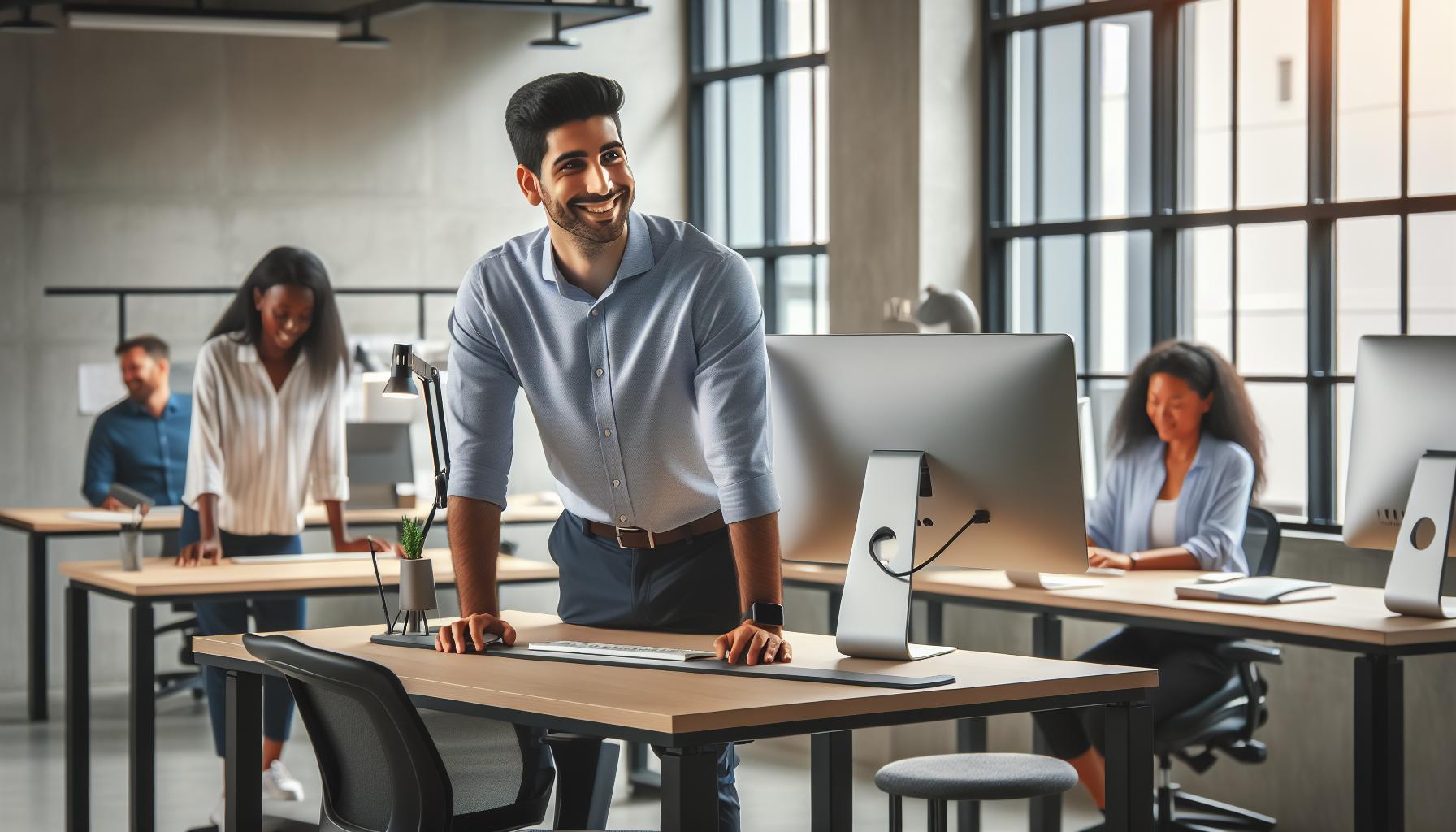
How Standing Desks Affect Your Posture
Switching to a standing desk can seem like a straightforward path to improved posture, yet it’s not a simple one-size-fits-all solution. Many users may find themselves facing new challenges as they adapt to this change. Understanding how standing desks affect posture is crucial for maximizing their benefits while minimizing potential risks. When utilized properly, these desks can encourage a more natural spinal alignment, reduce slouching, and promote a more active work experience. However, if correct ergonomic practices are not followed, the shift from sitting to standing can lead to new postural issues.
To maintain healthy posture while standing, users should keep a few key principles in mind. Position your monitor at eye level to avoid leaning forward, which can strain the neck and shoulders. Feet should be flat on the floor or on a footrest, with weight distributed evenly. Avoid locking the knees-allow for a slight bend to engage the muscles and support the spine. Consider using an anti-fatigue mat to provide cushioning and encourage slight movements, which can reduce discomfort and promote circulation. Regularly shifting your weight from one foot to the other can also help prevent tightness in various muscle groups.
Incorporating dynamic movement is essential in a standing workspace. Simple exercises and stretches throughout the day can counteract the common tendency to stiffen while standing. For instance, try calf raises, torso twists, or gentle stretches every hour to recharge your body and maintain flexibility. Adopting a habit of alternating between standing and sitting will create a balanced approach that safeguards against fatigue and maintains functional posture.
Ultimately, aligning your standing desk setup with best ergonomic practices can lead to significant improvements in posture over time, enhancing both comfort and productivity. A thoughtful approach to transitioning from sitting to standing is vital for ensuring that this shift brings about the desired health benefits without introducing new strains or discomforts.
Ergonomics: Setting Up Your Standing Desk Properly
Setting up your standing desk correctly is crucial to reaping the benefits of a more active work environment while minimizing the potential risks associated with prolonged standing. Research indicates that improperly configured workspaces can contribute to discomfort and health issues over time. To avoid the hidden dangers of standing desks, such as lower back pain and fatigue, let’s explore the essential steps for proper ergonomic setup.
Start with the monitor position. The top of your screen should be at or slightly below eye level, ensuring that you can view the monitor without leaning forward or looking down. Your eyes should naturally fall on a point about one-third down the screen. This alignment helps reduce neck strain and encourages a more neutral spine. Invest in a monitor stand if needed to achieve this height.
Next, focus on your keyboard and mouse placement. Your elbows should be at a 90-degree angle or slightly obtuse when typing, which allows for relaxed shoulders and wrists. Keep your keyboard and mouse close enough to minimize reaching and ensure your wrists remain straight while you work. Using a keyboard tray can help achieve this ideal position.
The foot positioning also plays a vital role in maintaining comfort throughout the day. Stand with your feet about shoulder-width apart and distribute your weight evenly on both feet. Consider using an anti-fatigue mat to provide cushioning and prevent foot fatigue, encouraging slight movements that stimulate circulation and reduce muscle tension. Periodically shifting your weight from one foot to the other can alleviate pressure on your lower back and legs as well.
Lastly, don’t underestimate the importance of incorporating movement and breaks into your routine. Try to blend standing and sitting throughout the day. For instance, take a break every 30-60 minutes to stretch, walk around, or perform gentle exercises like calf raises or side bends. This approach not only reenergizes your body but also enhances cognitive performance by increasing blood flow and reducing the risk of fatigue.
By following these ergonomic principles, you can create a standing desk setup that supports your physical well-being and enhances productivity. Remember, the goal is to maintain a balanced posture and integrate movement into your daily routine, promoting a healthier work environment free from the common pitfalls of extended standing.
Balancing Sitting and Standing: Best Practices
In today’s work environment, the push for movement and activity is on the rise, prompting many to adopt standing desks as a healthier alternative to traditional seating. However, research shows that strictly standing for long periods can lead to discomfort, fatigue, and even potential health risks. Striking a balance between sitting and standing is crucial for fostering a sustainable and productive work lifestyle, particularly in an era where office-related ailments such as back pain and repetitive strain injuries are increasingly common.
One effective strategy for maintaining this balance is to develop a structured schedule that incorporates both standing and sitting throughout the day. For instance, aim to stand for about 20 to 30 minutes every hour, gradually increasing this duration as your body adapts. Use tools like timers or apps to remind yourself when to switch it up. During your seated intervals, ensure your chair is ergonomically supportive, allowing you to maintain good posture with your feet flat on the floor and your back adequately supported.
Another key element to consider is movement. Simply alternating between standing and sitting is not enough; incorporating short breaks for movement can enhance circulation and keep energy levels elevated. Take brief five-minute walks or perform some light stretches every hour. Not only does this promote blood flow, but it also invigorates your mind, contributing to improved focus and cognitive performance. Activities like shoulder rolls, seated leg raises, or even a few ankle circles can work wonders to alleviate tension and enhance overall well-being.
Ultimately, the goal is to integrate a variety of positions throughout your workday while listening to your body’s cues. If your legs feel fatigued while standing, it might be time to sit; conversely, if you feel the need to move after prolonged sitting, stand or stretch. Empowering yourself with this awareness fosters a healthier work routine, paving the way for a more dynamic and engaged work experience.
Physical Strain: What to Watch Out For
Standing desks are often heralded as a solution to the sedentary lifestyle that plagues modern office workers. However, while the prospect of ditching the chair is appealing, it is crucial to recognize the physical strain that can accompany prolonged standing. Various studies indicate that extended periods in a standing position can lead to discomfort and a range of musculoskeletal issues.
One of the primary concerns associated with standing desks is the increased risk of lower body strain. For instance, standing for long durations can exacerbate conditions such as varicose veins, as it causes blood to pool in the legs. Additionally, individuals may experience pain in the feet, legs, and lower back due to inadequate support and alignment during standing. It’s essential to pay attention to your body; signs such as swelling, fatigue, or discomfort should be taken as cues to adjust your standing habits.
To mitigate these risks, consider investing in anti-fatigue mats that provide cushion and support, reducing strain on your legs and feet. Additionally, regularly shifting your weight from one foot to the other and incorporating small movements, such as calf raises or foot stretches, can promote circulation and alleviate pressure. Use supportive footwear, as proper arch support can further reduce strain on your lower body.
Incorporate breaks to sit down or move around every 30 to 60 minutes, allowing your body to relax and reset. This practice not only prevents physical discomfort but also supports better cognitive functioning, as regular movement can enhance focus and productivity. By being proactive about the physical demands of a standing desk, you can create a healthier, more balanced work environment that enhances both comfort and efficiency.
The Impact of Standing Desks on Cognitive Performance
The cognitive benefits of standing desks often spark debate-while some studies suggest that they can boost productivity and mental clarity, others warn of potential downsides. Standing, unlike sitting, encourages increased blood flow, which oxygenates the brain and can enhance cognitive function. For many, this translates to improved focus and energy levels, making tasks feel less taxing and more engaging. However, maintaining a constant standing position may lead to fatigue over time, negatively impacting mental acuity and decision-making.
Research indicates that the influence of standing desks on cognitive performance can be nuanced. For example, a study published in the *Journal of Occupational and Environmental Medicine* found that employees using standing desks reported higher levels of engagement and productivity during their initial weeks of use. This initial boost can be attributed to the novelty of the standing position and the increased energy associated with it. Yet, as adaptation occurs, the same individuals might experience a decline in performance if they do not balance standing with movement and proper ergonomics.
To optimize your cognitive performance while using a standing desk, consider implementing these practical strategies:
- Incorporate Movement: Integrate short walking breaks or stretching exercises every 30 minutes. This practice can help sustain energy and sharpness throughout the workday.
- Adjust Your Setup: Ensure that your desk is at the appropriate height to promote good posture. Your elbows should be at 90 degrees, and your screen should be at eye level to reduce strain.
- Stay Hydrated and Nourished: Maintaining hydration and consuming brain-healthy snacks, such as nuts or fruits, can support cognitive function effectively.
- Mindfulness Practices: Practicing mindfulness or deep-breathing exercises at your desk can help reduce stress and enhance mental clarity.
Ultimately, the effects of standing desks on cognitive performance hinge on how they are integrated into your daily routine. Finding a balance between sitting and standing, while prioritizing ergonomics and movement, can help unlock the full potential of your workspace and promote overall well-being. Emphasizing a dynamic approach to your work environment not only enhances productivity but also nurtures mental health, leading to a more positive and effective work experience.
Emotional and Stress Management in the Workplace
Feeling overwhelmed in the workplace is a common experience, especially in high-pressure environments where deadlines and responsibilities stack up. Standing desks, while they can promote physical health through better posture and movement, may inadvertently add to stress levels if not used thoughtfully. Understanding the interplay between our workspace setup and emotional well-being is essential for fostering a more resilient work environment.
Adopting healthy emotional and stress management techniques can significantly improve workplace well-being. Here are some strategies to enhance your emotional health while using a standing desk:
Mindful Standing
Engaging in mindfulness practices while standing can help center your thoughts and reduce stress. Focus on your breathing or use techniques like progressive muscle relaxation to alleviate tension. Being present at the moment can transform the time spent at your desk into a rejuvenating experience rather than a source of anxiety.
Set Boundaries
One of the hidden risks of any workspace, including standing desks, is the tendency to blur the lines between work and personal time. Setting clear boundaries regarding when you will stand and when you will take breaks or switch to sitting can help manage stress. Scheduled breaks not only afford your body time to rest but also your mind to refresh, preventing the burnout that can arise from prolonged focus.
Incorporate Movement
The static nature of standing can be just as exhausting as sitting. Periodically shifting your position can introduce variety and help maintain engagement. Consider incorporating mini-exercises or stretches during your breaks to invigorate both your body and mind. Even a few minutes of movement-like walking around the office or practicing simple stretches-can release endorphins, your body’s natural stress relievers.
Connect with Colleagues
Fostering relationships with coworkers can act as a buffer against work-related stress. Use the opportunity of a standing desk to engage casually with colleagues; a quick chat or collaborative discussions while upright can enhance engagement and promote a sense of community. These connections not only improve your workplace emotional environment but can also lead to brainstorming sessions that boost creativity.
Balancing the benefits of standing desks with emotional wellness requires intentional practices that promote both cognitive clarity and stress reduction. By embracing mindfulness, establishing boundaries, incorporating movement, and fostering connections, you can create a work culture that not only prioritizes productivity but also nurtures mental well-being. Remember, a harmonious workspace reflects a healthy state of mind, leading to greater satisfaction and effectiveness in your role.
Healthier Work Habits to Enhance Desk Use
Creating a healthy work environment is crucial in mitigating the risks associated with extended use of standing desks. One fascinating fact to consider is that switching to a standing desk can potentially increase energy levels and productivity, but it requires an intentional approach to reap these benefits without inviting discomfort or fatigue. By developing healthier work habits, you can enhance the advantages of standing workspaces while safeguarding your physical and mental well-being.
Posture and Alignment
Maintaining proper posture is essential when using a standing desk. Your monitor should be at eye level to prevent neck strain, and your wrists should be in a neutral position while typing. Stand tall, with your shoulders relaxed and feet hip-width apart. This alignment not only promotes circulation but also minimizes the risk of musculoskeletal issues.
Establish a Routine
Incorporating movement into your work routine is vital for preventing stagnation. Schedule mini-breaks every 30 to 60 minutes, during which you can stretch, take a brief walk around your workspace, or even perform light exercises. These intervals not only re-energize your body but also enhance blood flow and alleviate tension. Consider integrating some of the following practices into your daily routine:
- Stretching: Simple stretches for the neck, shoulders, and lower back can relieve pressure and improve flexibility.
- Micro-exercises: Incorporate squats or calf raises during breaks to keep muscles engaged.
- Walking Meetings: Whenever possible, opt for walking meetings instead of sitting in a conference room.
Optimize Your Workspace
Creating an ergonomic setup is pivotal for a healthy work experience. Alongside proper desk height, consider using anti-fatigue mats, which can significantly reduce discomfort caused by standing for extended periods. Choose shoes with adequate support to further enhance comfort. Adapting your workspace with these elements can lead to a noticeable improvement in your overall experience while standing.
Additionally, the psychological aspect of your workspace shouldn’t be underestimated. Personalizing your area with plants or motivational quotes can boost your mood and productivity.
Encouraging a balanced approach to sitting and standing while at work can lead to sustainable productivity and overall health. By integrating these healthier work habits into your routine, you can navigate the challenges of standing desks effectively and foster a more conducive work environment that enhances both cognitive performance and emotional well-being. Remember, small changes can lead to significant impacts over time, creating a more pleasant and effective workspace.
Real-Life Testimonials: Success and Struggles
As more people transition to standing desks, real-life experiences reveal a mixture of triumphs and tribulations. Many users report a significant increase in their overall energy levels. For instance, Sarah, a graphic designer, switched to a standing desk and found that she felt less fatigued during long work hours. She described it as “liberating,” claiming, “I can focus better and feel more engaged with my projects!” This boost in mental clarity and productivity is a common theme among those who successfully adapt to standing work setups.
However, success stories often come with cautionary tales. John, an accountant, experienced discomfort due to improper ergonomics after he made the switch. He thought that standing would alleviate his back pain from sitting all day, but after a few weeks, he developed soreness in his legs and lower back. Realizing his mistake, John consulted with an ergonomics specialist who helped him adjust his desk height and recommended anti-fatigue mats, leading to a gradual reduction in his pain. John’s journey emphasizes the importance of proper setup and the need for frequent breaks, showcasing that sustainable success involves not just standing but doing so wisely.
Incorporating standing desks into daily routines can also spark community among coworkers. Many employees report feeling encouraged to involve one another in their new habits, often sharing tips for maintaining energy and minimizing strain. For example, a group of marketing professionals initiated a “walking meeting” policy, allowing them to combine physical movement with collaborative discussions. The laughter and camaraderie during these walks not only fostered relationships but also reinforced their commitment to healthier working practices.
As these testimonials illustrate, the transition to standing desks is not just about standing more; it’s about how one stands. Users can reap benefits when they take proactive steps towards ergonomic practices and foster a supportive culture that centers on wellness. Balancing the use of standing desks alongside regular movement and ergonomics can lead not only to better physical health but also to enhanced workplace dynamics, contributing positively to both productivity and morale.
Expert Tips for Maximizing Desk Ergonomics
A well-designed ergonomic workspace is crucial for maximizing the benefits of a standing desk and minimizing potential risks. Studies show that improper ergonomics can lead to discomfort and may counteract the intended advantages of standing while working. Here are some expert tips to ensure you create a workspace that promotes both health and productivity.
Adjust Your Desk Height
The height of your standing desk should align with your elbow level when your arms are bent at a 90-degree angle. This prevents strain on your shoulders and wrists. To measure this, stand with your feet flat on the ground and keep your arms relaxed at your sides. Adjust your desk so that your elbows are at or just above table height when typing.
Use an Anti-Fatigue Mat
Standing for long periods can lead to fatigue and discomfort in your legs and lower back. To mitigate this, invest in an anti-fatigue mat. These mats provide cushioning that encourages micro-movements in your leg muscles, promoting blood circulation and reducing tiredness. Standing on a cushioned surface helps lower the stress placed on your joints, enhancing comfort throughout the day.
Incorporate Movement
Frequent small movements can significantly improve your overall comfort and engagement while using a standing desk. Consider the following practices:
- Set a timer to remind yourself to shift your weight from one leg to another every 30 minutes.
- Incorporate stretching and short walks during breaks to keep your muscles active and reduce stiffness.
- Alternate between sitting and standing to provide variety and prevent prolonged strain on any one area of your body.
Maintain a Neutral Posture
Good posture is essential when using a standing desk. Keep your shoulders relaxed and your feet shoulder-width apart. Your screen should be at eye level so that you don’t have to tilt your head up or down, which might cause neck strain. Position your keyboard and mouse at a comfortable height, allowing your wrists to remain straight while typing.
Establishing these ergonomic guidelines can facilitate a healthier working environment and boost your cognitive performance. By prioritizing ergonomics in your workspace, you are fostering not just better physical health but also enhancing your mental clarity and productivity levels-a win-win for your overall well-being.
Frequently Asked Questions
Q: What are the potential health risks associated with using standing desks for long periods?
A: Prolonged use of standing desks can lead to physical strain, joint pain, and fatigue. Standing for too long may also cause issues like varicose veins or lower back discomfort. To mitigate these risks, consider alternating between sitting and standing, and use comfortable anti-fatigue mats.
Q: How can I effectively alternate between sitting and standing at my desk?
A: To alternate effectively, set a timer to remind yourself to change positions every 30 to 60 minutes. Use a sit-stand desk that allows easy adjustments, and incorporate stretching or short walks during these breaks to enhance circulation and reduce stiffness.
Q: Are standing desks suitable for everyone?
A: Standing desks may not be suitable for everyone, particularly those with certain medical conditions like arthritis or chronic pain. It’s essential to consult a healthcare professional before making the switch and to follow best practices for ergonomics.
Q: What can I do to improve my posture while using a standing desk?
A: To improve posture while using a standing desk, ensure your monitor is at eye level, and keep your shoulders relaxed. Use a footrest to shift weight between feet, and maintain an ergonomic setup by positioning your keyboard and mouse at elbow height.
Q: How do standing desks affect productivity and cognitive performance?
A: Standing desks can improve alertness and focus, potentially boosting productivity. However, balancing standing with sitting can prevent fatigue and enhance overall cognitive performance. Regular movement and breaks are crucial for maintaining mental clarity.
Q: What accessories can help make a standing desk more comfortable?
A: Accessories like anti-fatigue mats, supportive shoes, and ergonomic monitor stands can enhance comfort at a standing desk. Also, consider using a footrest to shift your weight and relieve pressure on your legs during use.
Q: Can using a standing desk lead to more physical activity during the day?
A: Yes, standing desks can encourage more physical activity by making it easier to move around. To maximize benefits, integrate walking or stretching breaks into your routine, which can further promote overall health and well-being.
Q: What are some common misconceptions about standing desks?
A: Many believe standing desks are universally healthier than sitting desks, but this isn’t always true. While they can reduce sedentary behavior, improper use or prolonged standing can lead to discomfort and health issues. It’s important to find a balance and use them correctly.
Key Takeaways
Whether you’re considering a standing desk or already using one, understanding the potential hidden risks can empower you to take control of your workplace wellness. Remember, regular movement, proper ergonomics, and mindful practices can significantly enhance your health on the job. If you’re curious about optimizing your workspace, check out our guides on setting up ergonomic workstations or discover smart tips for effective stress management.
Don’t let uncertainty hold you back! Take the next step by subscribing to our newsletter for ongoing insights into workplace wellness and brain health. Share your thoughts below-how has your experience with standing desks been? Engaging with our community can provide valuable perspectives and support. Explore further for comprehensive resources that make brain health and productivity a priority in your daily routine.