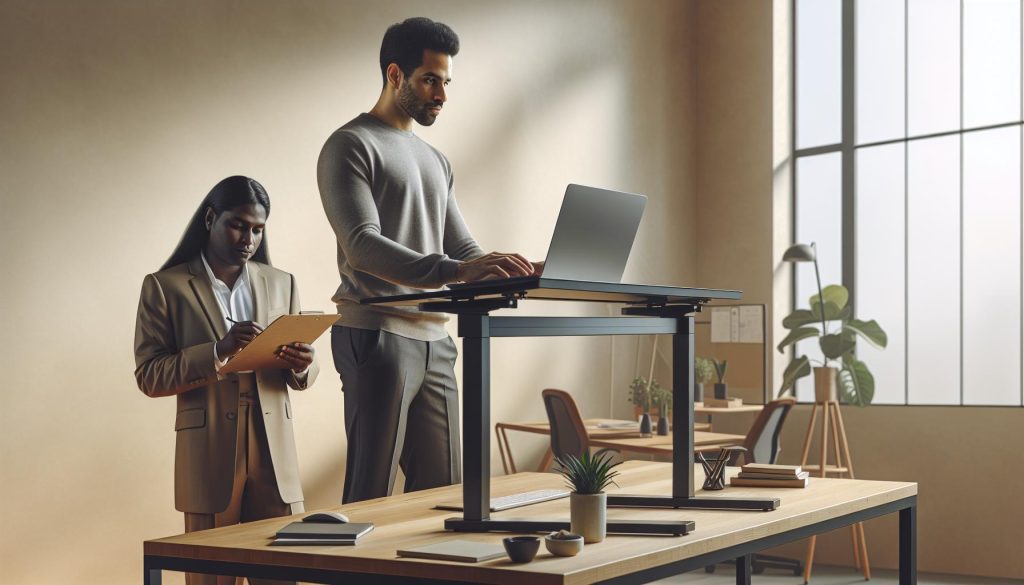
Did you know that sitting for prolonged periods can significantly impact your health, from increased risk of chronic diseases to diminished cognitive function? Enter the stand-up desk, a revolutionary workspace solution designed to combat these issues by promoting movement and good posture. This innovative desk allows you to alternate between sitting and standing, fostering improved energy levels and productivity. As we become more aware of the importance of workplace wellness, incorporating a standing desk into your routine can be a game-changer for both your physical and mental health. In this article, we’ll explore how stand-up desks can enhance your work life, bolster cognitive performance, and provide practical tips for creating an ergonomic workspace that supports your well-being. Dive in to discover how this simple adjustment can elevate your daily routine and transform your approach to work.
The Benefits of Using a Stand Up Desk for Health
Research shows that using a stand-up desk can significantly enhance your well-being, particularly in combating the adverse effects of prolonged sedentary behavior. Studies indicate that individuals who alternate between sitting and standing throughout their workday experience reduced back pain, increased energy levels, and enhanced mood. The act of standing encourages better posture and can mitigate the risks associated with sitting, such as obesity and cardiovascular issues. Ultimately, these desks help promote a more active lifestyle, making them a compelling choice for health-conscious professionals.
Additionally, standing desks are linked to improved metabolic function. Standing burns more calories than sitting, which over time can contribute to weight management and decrease the likelihood of weight-related health issues. When combined with micro-movements like shifting weight from one foot to another or performing calf raises, even more health benefits emerge. As your body adapts to standing, you’ll likely find an increase in overall physical engagement, which can lead to increased stamina and productivity throughout the day.
The positive impact on mental health is equally noteworthy. Adopting a stand-up desk not only helps keep your body engaged, but it can also boost cognitive performance. Blood circulation improves when standing, which increases oxygen flow to the brain, enhancing focus and creativity. Furthermore, maintaining a more active stance can elevate your mood and decrease feelings of fatigue, leading to better overall mental clarity.
To make the most of your standing desk, it’s crucial to incorporate regular movement and proper ergonomics. Mixing in short walking breaks and stretching will keep your muscles engaged and can further enhance both productivity and comfort during longer work hours. By actively managing your workspace setup and habits, you can maximize the benefits of a stand-up desk, creating a healthier and more dynamic work environment.
Understanding Ergonomics: Setting Up Your Workspace Right
Creating an ergonomic workspace can be a game-changer for your overall well-being and productivity, especially when incorporating a stand-up desk. Proper ergonomics not only helps prevent discomfort and injury but also enhances your focus and efficiency. To set up your workspace right, consider the following key factors.
Desk Height
Your stand-up desk should be at an appropriate height to keep your wrists straight and hands at or slightly below elbow level. Ideally, when your arms are bent at about a 90-degree angle, your forearms should rest comfortably on the desk. If you find yourself reaching up or straining your shoulders, consider adjusting the height of your desk or using an anti-fatigue mat to alleviate pressure on your feet and legs.
Monitor Position
Position your monitor at eye level, approximately an arm’s length away. The top of the screen should be at or just below eye level to prevent neck strain, allowing you to look slightly down at the screen rather than craning your neck. If you work with multiple monitors, place the primary screen directly in front of you and the secondary one off to the side at a similar height to minimize head movement.
Footwear and Flooring
What you wear on your feet can significantly impact your comfort level while standing. Opt for supportive footwear, such as shoes with cushioning and arch support, to prevent fatigue. Additionally, consider investing in an anti-fatigue mat, which can absorb shock and reduce the strain on your legs and feet when standing for prolonged periods.
Encouraging Movement
To further enhance ergonomics, integrate movement into your day. Schedule regular breaks to stretch, walk around, or even perform light exercises. This not only keeps your blood flowing but can also enhance cognitive performance and creativity by allowing your mind to reset. Small movements like shoulder rolls, leg shifts, or ankle rotations can significantly reduce stiffness and improve circulation.
In summary, successfully setting up your workspace requires thoughtful consideration of your desk and monitor heights, footwear, and the encouragement of regular movement. By taking these steps, you cultivate a supportive environment conducive to both physical comfort and mental clarity, enabling you to make the most of your stand-up desk and enhancing your overall workplace wellness.
How a Stand Up Desk Enhances Cognitive Performance
In today’s fast-paced work environment, enhancing cognitive performance is crucial for maintaining productivity and creativity. One surprising yet effective solution is the adoption of a stand-up desk, which can significantly influence how our brains function throughout the day. Research indicates that standing while working can promote better blood flow and increase energy levels, both of which are essential for optimal brain function. When you stand, your body is more active, which can heighten alertness and facilitate faster information processing.
Adopting a standing desk can also positively affect mood and mental clarity. Studies show that individuals who switch to standing desks report feeling less fatigued and more enthusiastic about their work. This boost in morale can translate into greater focus and a reduced likelihood of distraction, which is vital in today’s multitasking workplace. By enhancing serotonin and dopamine levels-neurotransmitters that contribute to feelings of well-being and motivation-standing desks serve as a practical tool for improving mental health while boosting cognitive performance.
Employing Movement for Brain Benefits
The very nature of using a standing desk encourages more movement throughout the day. This subtle increase in physical activity not only burns more calories but also stimulates the production of neurotrophic factors, which support brain health and the growth of new brain cells through a phenomenon known as neurogenesis. To maximize these benefits, you can incorporate practices such as walking during phone calls or using a balance board to engage your core, thereby further enhancing your cognitive and physical well-being.
Making the transition to a stand-up desk doesn’t have to be daunting. Start gradually by introducing standing intervals; for example, stand for 15-20 minutes each hour and increase this as you become more comfortable. Pairing standing with light stretching can alleviate discomfort and keep your brain engaged. Remember, the goal is to find a healthy balance between sitting and standing, allowing your body to adapt while reaping the cognitive rewards. In the long run, these changes can lead to a more energized, effective workday and a sharper, more focused mind.
Choosing the Best Stand Up Desk for Your Needs
Selecting the right stand-up desk is a pivotal decision in creating a productive and healthy workspace. With an array of models available, understanding your specific needs is essential for maximizing the benefits of standing while working. Different factors come into play, including desk size, adjustability, material, and additional features that enhance ergonomics.
To start, consider the height adjustability of the desk. Ideally, a stand-up desk should accommodate both sitting and standing positions, allowing you to switch seamlessly throughout the day. Look for electric or manual adjustment options that can cater to your height to ensure comfortable and ergonomic posture. Customization is key; desks with a broader height range can suit multiple users or different tasks that require varying positions.
Next, focus on the size and surface area of the desk. It should provide enough space for your computer, documents, and any accessories while still being manageable in your work environment. A desk that is too small can lead to clutter and discomfort, whereas a larger desk can facilitate organization and efficiency. Evaluate your workflow and the tools you frequently use to assess the ideal dimensions that will best support your tasks.
Don’t overlook features such as built-in cable management, which can help keep your workspace tidy, and anti-collision technology for electric desks to prevent accidents. Furthermore, consider the stability and construction material of the desk. A sturdy frame reduces wobbling, enhancing usability when typing or performing other tasks. Materials like high-quality wood or metal often provide better durability than flimsy variants.
Finally, take a moment to reflect on your budget. While premium models offer advanced features, many affordable options provide excellent functionality without breaking the bank. Investing in a desk that balances quality and cost can provide significant long-term benefits for your health and productivity.
Remember, choosing the right standing desk is about enhancing your overall work experience. By considering your unique requirements, you can create an ergonomic workspace that supports your cognitive function, promotes movement, and ultimately cultivates a more engaged and productive you.
Tips for Transitioning to a Stand Up Desk
Transitioning to a stand-up desk can be a transformative experience, enhancing both your physical health and cognitive performance. However, it’s essential to approach this change methodically to ensure the adjustment is smooth and beneficial. One key to a successful transition is to start slow. Gradually increase your standing time to avoid fatigue and discomfort. Begin with standing for 15 to 30 minutes each hour and progressively extend this time as your body adapts. This phased approach helps prevent strain and prepares your muscles for the increased demands of standing.
Setting up your desk properly is crucial. The desk height should allow your elbows to be at a 90-degree angle when typing, and your monitor should be eye level, about an arm’s length away. Having a footrest or anti-fatigue mat can significantly reduce discomfort by allowing you to shift your weight and maintain better posture. Additionally, consider wearing supportive footwear to enhance comfort during longer standing periods.
Integrating movement into your day is another effective way to make the most of your new workstation. Take short breaks to walk around every hour, or incorporate stretches to loosen tight muscles. Being proactive about movement not only boosts circulation but can also enhance your focus and energy levels throughout the day. Furthermore, engaging in light exercises or stretches can combat the stiffness that often accompanies prolonged standing.
Lastly, listen to your body. If you experience significant discomfort or fatigue, reassess your setup and daily routines. It’s normal to feel a little sore as your body adjusts, but persistent pain is a sign to consult with a healthcare professional. Embracing these recommendations allows for a smoother transition to using a stand-up desk, ultimately fostering a more energized and productive work environment.
Ergonomic Accessories to Complement Your Desk
To maximize the benefits of a standing desk, integrating ergonomic accessories into your workspace can make a world of difference. These accessories not only enhance comfort but also support your overall posture and health while working. For instance, an anti-fatigue mat can significantly reduce the strain on your legs and feet, encouraging longer standing periods without discomfort. These mats provide cushioning and promote better weight distribution, allowing you to shift your weight easily, which minimizes fatigue over time.
Another essential accessory is an adjustable monitor stand or arm. Proper screen height is crucial; your monitor should be at eye level to prevent neck strain and improve posture. An adjustable stand allows you to customize the height and distance of your screen, catering to your individual needs and helping to maintain eye health, thereby enhancing focus and cognitive performance throughout the day.
Consider also incorporating a keyboard tray that can be adjusted for optimal ergonomics. This modification keeps your elbows at a 90-degree angle, reducing strain on your wrists and arms. A split or tent-style keyboard can further promote a natural wrist position, improving typing comfort and speed. Additionally, pairing your desk setup with a supportive chair-for times when you choose to sit-ensures you have ergonomic support regardless of your position.
Utilizing these accessories not only supports physical health but can also boost productivity. By creating a workspace tailored to your ergonomics, you foster a more comfortable and efficient environment that helps you maintain focus and reduce the risk of chronic pain. Embracing the right combination of accessories ensures that transitioning to a standing desk is not just a temporary change but a sustainable improvement to your daily work routine.
Incorporating Movement: Boosting Productivity at Work
Integrating movement into your workday has the power to transform not just your physical health, but also your cognitive performance and overall productivity. Studies suggest that being sedentary for prolonged periods-common in traditional desk jobs-can lead to lethargy and decreased focus, ultimately impairing your efficiency. Conversely, incorporating regular movement breaks can invigorate your work environment, prompting your mind and body to engage more fully.
One effective strategy is employing your standing desk not just as a platform for standing, but as a tool for movement. Start by setting a timer for every 30 to 60 minutes, signaling a movement break. During this time, you can perform simple exercises, such as calf raises, leg stretches, or even short walks around the office. These small bursts of activity help increase blood circulation, which can enhance cognitive functions such as memory and decision-making. Moreover, moving around can stimulate the release of endorphins, improving your mood and reducing stress.
Another approach to incorporate movement is by leveraging technology. Utilize fitness trackers or smartphone apps that encourage you to stand up and engage in physical activity at regular intervals. Many of these tools include reminders that can help you stay accountable to your movement goals. For instance, set a daily challenge to take a specific number of steps or perform a series of stretches throughout the day. This not only makes office work dynamic but also encourages healthy competition among colleagues, fostering a collaborative and engaged work culture.
In summary, positioning your standing desk as more than just a height-adjustable surface allows you to embrace movement as a core part of your daily routine. By adopting a proactive approach to physical activity at work, you create a ripple effect that enhances productivity, sparks creativity, and cultivates a healthier workplace. As you embark on this journey, remember to listen to your body-balancing moments of stillness and movement can lead to sustained energy and focus throughout your day.
Addressing Common Misconceptions About Standing Desks
In recent years, the rise of stand-up desks has sparked both enthusiasm and skepticism among office workers and employers. While the idea of switching to a standing desk is often met with excitement regarding potential health benefits, numerous misconceptions about their impact can cloud the decision to make this change. Understanding these myths is crucial for maximizing the advantages of a standing desk while creating a productive and comfortable workspace.
One prevalent misconception is that standing all day is inherently good for health. In reality, standing for extended periods can lead to discomfort or fatigue, particularly in the lower back and legs. Balance is key; alternating between sitting and standing is often recommended to reduce strain. A simple approach is to aim for a 1:1 ratio of sitting to standing time or utilize a timer to remind you to switch positions every 30 to 60 minutes. This not only helps in maintaining physical comfort but also supports better focus and energy levels.
Another assumption is that standing desks are a panacea for all workplace health issues. While they can certainly help combat the negative effects of prolonged sitting, they are not a substitute for regular movement. Engaging in walking meetings or brief exercise during breaks can profoundly enhance the benefits of a standing desk. Furthermore, investing in additional ergonomic accessories-such as anti-fatigue mats, footrests, or monitor risers-can ensure that your standing desk setup promotes proper posture and reduces the risk of developing musculoskeletal problems.
Moreover, some people believe that standing desks do not contribute much to calorie expenditure compared to sitting. Although the difference might not seem significant, studies indicate that standing burns more calories than sitting-even if the difference is modest. However, the real benefits stem from integrating more movement into your day. For example, consider using a balance ball chair during seated periods or incorporating desk exercises to make standing more dynamic and engaging.
In addressing these misconceptions, it is essential to realize that a standing desk is just one element in the broader goal of promoting workplace wellness. Listening to your body and tailoring your workspace and habits to meet your individual needs can create a thriving work environment that supports both physical health and cognitive performance, ultimately leading to greater productivity and well-being.
Long-Term Effects of Using a Stand Up Desk
The long-term effects of using a stand-up desk can be profoundly transformative, influencing not just physical health but also cognitive functionality and overall workplace satisfaction. Studies have shown that individuals who incorporate standing desks into their daily routines can experience improvements in posture, reduced back pain, and even a boost in energy levels throughout the day. Over time, these benefits contribute to enhanced productivity and a greater sense of well-being, creating a thriving work environment that encourages longevity in healthy work habits.
When utilized effectively, a stand-up desk can reshape how we engage with our work. Research indicates that switching between sitting and standing promotes better circulation and reduces the risk of chronic conditions associated with prolonged sitting, such as cardiovascular disease and obesity. For many, the key is to establish a balanced routine that incorporates both positions-ideally alternating every 30 to 60 minutes. Keeping this rhythm can help maintain energy levels and prevent fatigue from inhibiting performance.
Furthermore, the psychological benefits of standing desks should not be overlooked. Many users report a sense of improved mood and focus when standing, which can lead to sharper cognitive performance and more creative thought processes. This enhancement in mental clarity is partly attributed to increased blood flow to the brain, which can foster neuroplasticity-the brain’s ability to adapt and grow by forming new connections. By creating an engaging and dynamic workspace, individuals can leverage their standing desk not just for physical health but also as a tool for cognitive optimization.
To maximize these long-term benefits, it is essential to invest in additional ergonomic accessories that support a holistic workspace setup. Consider using anti-fatigue mats to reduce discomfort from prolonged standing, adjustable monitor stands to ensure screens are at eye level, and footrests to promote better posture. With the right tools and techniques, a standing desk becomes more than just a piece of furniture; it evolves into a cornerstone of a healthier, more productive work lifestyle. By continuing to listen to your body and adjusting your workstation as needed, you set yourself up for sustained success and well-being in the long run.
Managing Workplace Stress with Ergonomic Solutions
In the modern workplace, stress can often seem like an unavoidable part of the job. However, integrating ergonomic solutions, particularly with the use of standing desks, can significantly mitigate stress and enhance overall workplace well-being. Research has shown that maintaining a dynamic posture, with a balance between sitting and standing, not only promotes better musculoskeletal health but also has profound effects on mental wellness. Individuals who leverage a standing desk report lower levels of stress and anxiety, benefiting from the increased energy and focus that comes with standing and moving throughout their workday.
To effectively manage workplace stress through ergonomic adjustments, consider implementing the following strategies:
- Alternate between sitting and standing: Aim to switch positions every 30 to 60 minutes. This movement aids circulation and combats the fatigue that can accumulate from prolonged static postures.
- Incorporate movement breaks: Engage in light stretching or brief walking sessions to rejuvenate your body and mind. These micro-breaks can greatly decrease cortisol levels, the stress hormone.
- Optimize your desk setup: Ensure your monitor is at eye level to reduce neck strain, and position your keyboard and mouse within comfortable reach to prevent repetitive strain injuries.
- Utilize ergonomic accessories: Consider anti-fatigue mats to cushion your feet when standing, and wrist supports to maintain neutral wrist positioning while typing.
Additionally, the psychological benefits of managing stress in a bodily-centered manner cannot be overstated. By creating an environment that encourages movement and flexibility, employees report feeling more engaged and connected to their work. This promotes a culture of well-being, where taking breaks and standing up is normalized rather than stigmatized.
Notably, fostering mindful practices, such as deep breathing or short meditative moments, during transitions from sitting to standing or vice versa can also empower employees to anchor themselves in the present, further reducing stress. Encouraging these practices alongside proper ergonomic solutions not only enhances physical comfort but also nurtures a resilient mindset conducive to peak performance and improved cognitive health. Through intentional design and thoughtful habits, workplaces can transform into spaces that actively support stress management and holistic wellness.
Biohacking Your Work Environment for Peak Performance
Creating a workspace that promotes peak performance isn’t just about aesthetics; it’s a strategic approach that leverages the principles of biohacking to enhance productivity, cognitive function, and overall well-being. A significant tool in this endeavor is the stand-up desk. By integrating a standing desk into your daily routine, you can transform your work environment into a dynamic space that supports both physical and mental health. Research has shown that simply changing your posture can lead to better focus, higher energy levels, and even improved mood.
To fully benefit from the transformative power of a stand-up desk, consider these practical biohacking techniques that seamlessly integrate into your workday:
Optimize Your Desk Height
Setting your desk at the right height is critical. When standing, your elbows should be at about a 90-degree angle while typing, and your screen should be at eye level. This positioning helps prevent strain and keeps you comfortable.
- Use Adjustable Furniture: Invest in a height-adjustable desk that allows you to customize your workstation according to your needs.
- Utilize Monitor Stands: Ensure your monitor is set at or just below eye level to promote good posture.
Incorporate Movement and Breaks
Research indicates that incorporating regular movement throughout the day can significantly enhance cognitive function. Aim to take a brief walking break or perform light stretches every hour. This not only refreshes your mind but also helps combat fatigue linked with prolonged standing.
- Set a Timer: Use reminders to encourage movement. Apps or smartwatches can help you remember to take breaks.
- Practice Micro-Exercises: Simple exercises like squats or stretching can engage your muscles and invigorate your mind.
Mind Your Nutrition
Biohacking isn’t limited to physical setup; dietary choices play a crucial role in cognitive performance. Opt for brain-boosting snacks that support alertness and focus, such as:
- Fresh fruits or nuts for sustained energy.
- Omega-3-rich foods like fish for improved brain health.
Remember to stay hydrated, as even mild dehydration can negatively impact cognitive functions and stress levels.
By adopting these biohacking techniques, you can turn your stand-up desk into a catalyst for higher productivity and well-being. Creating a workspace that encourages movement, proper ergonomics, and smart nutrition will not only enhance your work experience but significantly improve your overall health and cognitive performance. Empower yourself to make these practical adjustments, and watch as your productivity flourishes in an environment designed for success.
Real-Life Success Stories: Transforming Workspaces with Standing Desks
It’s remarkable how small changes in our environment can lead to significant improvements in our well-being and productivity. Transitioning to a standing desk is one such change, and numerous individuals have experienced transformative benefits firsthand. For example, a marketing executive who adopted a height-adjustable desk reported increased energy levels and focus, allowing her to complete tasks more efficiently. Initially skeptical about standing desks, she found that alternating between sitting and standing helped alleviate her back pain, making her more comfortable during long hours of work.
Another inspiring story comes from a team of software developers who incorporated standing desks into their office design. The change fostered a vibrant atmosphere that encouraged collaboration and brainstorming sessions on their feet. One developer noticed he was not only more engaged during meetings but also experienced less afternoon slump fatigue, which had previously plagued his productivity. The team adopted a culture of regular movement, promoting quick walks or stretching sessions that further invigorated their work environment.
To maximize the benefits of standing desks, it’s crucial to set them up correctly. A graphic designer shared her experience of investing in a monitor arm, allowing her screen to be at eye level. This simple adjustment helped reduce neck strain that had been exacerbated by awkward sitting postures. She also incorporated a soft mat underfoot, which provided cushioning during long standing periods. Together, these modifications made her workspace not only more functional but also significantly more comfortable.
These success stories highlight the profound impact that a thoughtfully designed workspace can have on both physical health and cognitive performance. As more individuals and teams adopt standing desks, they discover that enhancing their environment promotes not only well-being but also creativity and collaboration. Changing the way we work isn’t just about the desk; it’s about creating an ecosystem that thrives on health and productivity. By sharing these experiences, we can inspire others to consider how they might transform their own workspaces to reap similar benefits.
FAQ
Q: What are the advantages of using a stand-up desk for prolonged work hours?
A: Stand-up desks can improve posture, reduce back pain, and enhance overall energy levels. By promoting movement and reducing the risks associated with a sedentary lifestyle, they contribute to better physical health and increased productivity throughout long work hours.
Q: How can I effectively transition from a traditional desk to a stand-up desk?
A: To transition effectively, start by standing for short periods and gradually increase your time at the desk. Incorporate ergonomic accessories, like a footrest or anti-fatigue mat, and alternate between sitting and standing to ease your body into the change.
Q: Can using a stand-up desk really improve my cognitive performance?
A: Yes, research indicates that using a stand-up desk can enhance cognitive function by increasing blood flow and energy levels, which may lead to improved focus and productivity during tasks. Consider relocating your desk for better light and airflow to further boost performance.
Q: What height should a stand-up desk be for proper ergonomics?
A: A stand-up desk should be set to elbow height when you are standing, allowing your arms to rest at a 90-degree angle. This helps maintain good posture and reduces strain on your neck and back. Ensure your monitor is at eye level to maintain comfortable alignment.
Q: Are there specific ergonomic accessories that enhance a stand-up desk experience?
A: Yes, accessories like a height-adjustable monitor stand, anti-fatigue mat, and a supportive footrest can significantly enhance comfort and promote better posture. These tools complement the standing desk and support a healthier workspace [1[1].
Q: How often should I alternate between sitting and standing at a desk?
A: It’s recommended to alternate between sitting and standing every 30 to 60 minutes. This rotation helps prevent fatigue and reduces the risks associated with both prolonged sitting and standing, enhancing overall productivity and comfort.
Q: What are some common misconceptions about standing desks?
A: A common misconception is that standing desks eliminate all health risks associated with prolonged sitting. However, standing too long can also lead to discomfort and fatigue. It’s essential to balance between sitting, standing, and moving throughout the day.
Q: How can I personalize my stand-up desk setup for maximum comfort?
A: Customize your setup by adjusting your desk height, using ergonomic monitors, and incorporating personal items that inspire you. Ensure your workspace promotes movement, with easy access to tools that allow for frequent shifts between sitting and standing, ultimately creating a comfortable work environment.
In Summary
As you explore the transformative benefits of a stand-up desk, remember that enhancing your workspace is just the first step towards a more active and healthier work life. By prioritizing ergonomics and incorporating movement into your day, you can boost productivity and support brain health. If you’re eager to dive deeper, check out our guides on setting up an ergonomic workspace and managing workplace stress effectively. Don’t just take our word for it-thousands of users have experienced positive changes in their wellness journey.
Ready to make the switch? Visit our product page to find the perfect stand-up desk for your needs today. If you have questions or want to share your experiences, we invite you to comment below. Exploring topics like neuroplasticity and biohacking strategies will empower you even further to cultivate a wholesome work environment. Keep pushing forward towards a healthier, more engaged you!