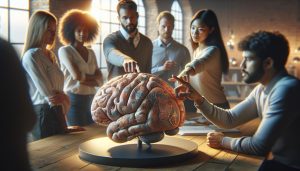
Biohacking, a dynamic and evolving concept, empowers individuals to optimize their health through personalized lifestyle modifications. From adjusting sleep patterns to adopting specific diets, biohacking reflects a collective desire for improved well-being and cognitive performance. But who are the pioneers that ignited this fascinating movement? Understanding their contributions not only illuminates the history of biohacking but also inspires you to harness these strategies for enhancing your health and productivity. As we delve into the origins of biohacking, you’ll uncover innovative techniques and philosophies that can transform your approach to health, showcasing the importance of individual agency in shaping one’s wellness journey. Join us as we explore the trailblazers who dared to redefine the boundaries of human potential, and discover how their insights can empower you in your quest for a healthier life.
The Origins of Biohacking: Key Historical Moments
The concept of biohacking has roots that stretch back to ancient practices of self-experimentation and natural healing, but its contemporary emergence began in the late 20th century with a blend of biology, technology, and personal wellness. During this time, individuals started experimenting with their own bodies to enhance performance, a powerful testament to humanity’s enduring desire for self-improvement. One pivotal moment was in the early 2000s when the term “biohacking” gained traction among tech entrepreneurs and health enthusiasts who began to explore how technology, science, and lifestyle adjustments could be integrated to boost physical and mental capabilities.
The DIY biology movement also played a critical role in shaping modern biohacking. As individuals began to access genetic tools and open-source biology resources, the empowerment of the amateur scientist came to the forefront. Community labs sprang up globally, allowing hobbyists to explore genetic modifications and personal health experiments outside traditional laboratory settings. This period marked a significant shift, emphasizing a hands-on approach to biology that challenged established norms and encouraged a curious mindset toward personal health.
As society became more health-conscious, the emergence of wearable technology in the 2010s significantly influenced biohacking practices. Devices that track everything from sleep patterns to heart rate variability allowed individuals to gather data on their health like never before. This intersection of technology and biology not only facilitated personal wellness journeys but also created a culture of sharing experiences and outcomes, further propagating the biohacking ethos. With each advancement, the landscape of biohacking has evolved, incorporating science, technology, and health in a quest for optimizing human potential.
Overall, these historical moments indicate that biohacking is not merely a trend but a culmination of curiosity, innovation, and a desire to take control of one’s health journey. Embracing this mindset can empower individuals looking to enhance their well-being and achieve their personal health goals through informed and thoughtful practices.
Meet the Trailblazers: Influential Biohackers
The landscape of biohacking has been shaped by numerous pioneers whose innovative approaches have redefined our understanding of biology and personal wellness. Among these trailblazers, some individuals stand out for their groundbreaking contributions and commitment to enhancing human potential through self-experimentation and technology.
One of the most recognized figures in the biohacking community is Dave Asprey, the founder of Bulletproof and author of “The Bulletproof Diet.” Asprey began his journey out of a personal struggle with health issues and obesity, prompting him to experiment with diet, nutrition, and biofeedback technologies. His most famous contribution is the concept of Bulletproof Coffee, which combines coffee with grass-fed butter and MCT oil, aimed at enhancing cognitive performance and energy levels. Asprey has built an influential platform that encourages individuals to take charge of their health and well-being by optimizing their diets and utilizing technology.
Another significant pioneer is Tim Ferriss, an author and entrepreneur known for his book “The 4-Hour Body,” where he explores various self-experimentation techniques aimed at maximizing physical and cognitive performance. Ferriss is renowned for his “lifestyle design” philosophy, which encourages living intentionally and efficiently to achieve the desired outcomes in health, productivity, and learning. His emphasis on practical experimentation has inspired countless readers to delve into biohacking, encouraging a culture of curiosity and continuous improvement.
In the realm of DIY biology, Kevin Esvelt has emerged as a prominent figure. A researcher at MIT, Esvelt is notable for his work with CRISPR gene-editing technology and for advocating for a community-driven approach to genetic engineering. He emphasizes the need for public discourse and ethical considerations alongside technological advancement, urging biohackers to be responsible stewards of the power they wield. His focus on transparency in science and community engagement has paved the way for a more inclusive biohacking culture that values safety and ethical responsibility.
These trailblazers not only exemplify the diverse approaches to biohacking but also embody the underlying philosophy of constant learning and self-improvement. By sharing their insights and experiences, they empower others to explore the intersection of biology and technology, fostering a community that values innovation and responsible self-experimentation. Whether it’s through dietary changes, fitness routines, or advanced genetic techniques, these pioneers inspire individuals to take an active role in enhancing their health and cognitive performance, ultimately contributing to the evolution of biohacking as a transformative movement.
By learning from these influential figures, anyone interested in biohacking can adopt a mindset of curiosity and experimentation, leading to improved wellness and personal growth.
Foundations of Modern Biohacking Techniques
To understand the , it’s crucial to recognize the evolving interplay between technology, science, and individual health strategies. Building upon centuries of experimentation in medicine and wellness, today’s biohacking is an innovative blend of traditional practices and cutting-edge biotechnology. One pivotal element is the realization that individual biology varies significantly, making personalized approaches increasingly relevant for optimizing health and performance.
One prominent method in biohacking is nutritional optimization, which involves tailoring diet plans to enhance metabolic processes or cognitive function. For instance, the ketogenic diet, high in healthy fats and low in carbohydrates, has garnered attention for its potential to improve cognitive clarity and energy levels. Tracking macronutrient intake using apps and devices empowers individuals to make informed dietary choices, reflecting a core principle of biohacking: self-quantification. This approach encourages continuous monitoring of personal data such as blood sugar levels, sleep cycles, and even mood variations, enabling individuals to adjust their diets and routines for better outcomes.
Technological Integration in Biohacking
The integration of technology into health practices fundamentally enhances biohacking. With devices like fitness trackers, glucose monitors, and sleep aids, individuals can gather real-time data about their bodily responses and health. By analyzing this data, biohackers can implement changes that promote better cognitive function and overall well-being. The use of neurofeedback, for example, trains individuals to improve brain function by providing instant feedback on brain activity. This method has shown promise in enhancing focus and emotional regulation, demonstrating the potential of marrying technology with personal health initiatives.
Moreover, DIY biology has risen within biohacking communities as enthusiasts explore gene editing technologies. While methods like CRISPR are still developing, numerous citizen-scientists advocate for ethical experimentation and community dialogue around manipulations in genetic material. These pursuits reflect a commitment to both innovation and ethical responsibility, signifying biohacking as more than a mere trend; it embodies a broader movement toward democratizing health science.
Ultimately, the foundation of modern biohacking lies in a reciprocal relationship between personal accountability, scientific discovery, and ethical practice. By leveraging technology, embracing nutritional strategies, and fostering collaborative efforts within communities, individuals can embark on their biohacking journey with intention and purpose, transforming their health and cognitive abilities in profound ways.
The Philosophy Behind Biohacking: Mindset and Motivation
The journey of biohacking is deeply entwined with the philosophy of personal empowerment and the pursuit of optimal health. At its core, biohacking encourages individuals to take an active role in their health management, promoting a mindset that embraces experimentation, learning, and continuous improvement. This philosophy is rooted in the belief that each person possesses unique biological traits and needs, thus creating an environment where personalized health strategies can thrive. By leveraging insights from science and technology, individuals can design their own health pathways and optimize their cognitive and physical performance.
A crucial aspect of this mindset is the understanding of neuroplasticity, which highlights how the brain can adapt and reorganize itself throughout life. This principle empowers individuals to challenge existing habits and adopt healthier routines that contribute to both mental clarity and emotional stability. For instance, practices such as mindfulness meditation and cognitive training exercises can significantly enhance focus and reduce stress, exemplifying how mental efforts can yield tangible benefits. Encouraging a growth mindset not only supports personal well-being but also fosters resilience against workplace challenges, making it essential for anyone looking to thrive in today’s fast-paced environments.
Moreover, biohacking emphasizes the importance of self-quantification, where individuals track various health metrics to gain insights into their bodies. This practice is bolstered by wearable technologies that monitor physical activity, heart rates, and sleep patterns. Such data-driven approaches allow individuals to set specific, measurable goals that cater to their unique biological responses. For instance, someone may discover that their cognitive performance peaks at specific times of the day, adjusting their tasks accordingly to harness this knowledge most effectively. This alphanumeric relationship between mindset and actionable strategies cultivates not just optimal performance but also a deeper awareness of one’s own physiological and psychological state.
Ultimately, this empowering perspective encourages individuals to embrace their biological individuality, foster innovative thinking, and cultivate a proactive approach to well-being. In a world rife with stress and uncertainty, biohacking serves as a beacon of possibility, demonstrating that with the right mindset and tools, people can reclaim control over their health and mental clarity, leading to enriched lives in both personal and professional realms.
Historical Innovations in DIY Biology
The realm of DIY biology has transformed the landscape of health optimization and self-experimentation. Early pioneers like Paul Badger and the Cello Band of biohackers championed the movement, not merely blending science and personal health, but also inviting a wider audience to partake in hands-on experimentation. This grassroots approach empowered everyday individuals to engage with biological experiments that were once the sole domain of trained scientists. Their contributions laid the groundwork for a community that thrives on collaborative learning and knowledge sharing, setting the stage for an era where biology becomes a canvas for artistic exploration and health enhancement.
Innovations such as open-source biology and DIY genetic engineering emerged as pivotal movements within the DIY biology community. Open-source biology encourages the sharing of research and discoveries, allowing enthusiasts to collectively develop and improve biotechnological tools. The BioBricks Foundation, for example, made significant strides in creating standardized parts for genetic engineering, enabling biohackers to create custom organisms more effectively. Creating a sense of camaraderie and accessibility, these open-source initiatives model a new way of thinking about biotechnology, inviting non-experts to innovate and contribute to the field.
As cognitive performance and overall wellbeing have gained importance in modern life, self-quantification emerged as a cornerstone of DIY biology. With the advent of wearable technology, individuals can now collect real-time data on their physiological responses to various stimuli. This practical application has led to a rise in biometric monitoring that informs everything from diet choices to sleep patterns, ultimately guiding users toward more personalized health strategies. Aspects such as dietary tracking apps, smartwatches monitoring heart rates, and sleep tracking devices empower users to make informed choices based on empirical data.
The evolution of DIY biology also accentuates the emphasis on ethical practices and safety. As more individuals engage in biohacking, it becomes essential to recognize the importance of responsible experimentation. Practicing informed consent, ethical sourcing, and careful consideration of potential risks ensures that the enthusiasm for self-exploration does not compromise safety or wellbeing. By establishing guidelines and cultivating an environment of responsible innovation, the DIY biology movement can continue to thrive while maintaining a commitment to health and safety-a testament to the innovative spirit that defines this ever-evolving field.
How Technology Influenced Biohacking Growth
The rapid advancement of technology has been a catalyst for the growth and evolution of biohacking, allowing individuals to empower themselves with tools that facilitate self-experimentation and health optimization. As access to information and resources has drastically changed, people now frequently turn to technology to enhance their understanding of personal health and biology. The rise of the internet, mobile applications, and wearable devices has transformed traditional approaches to health monitoring, ushering in a new era of personalized wellness.
One of the most significant technological contributions is the development of wearable technology, such as fitness trackers and smartwatches. These devices enable users to monitor various health metrics in real time-such as heart rate, sleep patterns, activity levels, and even stress responses. This level of self-quantification not only fosters a deeper awareness of one’s body but also prompts informed decisions regarding lifestyle choices. For instance, combining data from a sleep tracker with dietary logs can help individuals alter their eating habits to improve sleep quality, showcasing the practical integration of technology in daily health management.
Furthermore, the accessibility of data analysis tools and mobile health applications allows biohackers to make evidence-based adjustments to their health routines. Apps designed for tracking nutrition, exercise, and even mental wellness provide users with tailored insights that were previously only available to professionals. Individuals can analyze their specific dietary intake, calorie expenditure, or emotional reactions, and make iterative changes that support their unique health goals. This democratization of health data encourages a proactive approach to wellness, where users feel motivated to experiment and report their findings within biohacking communities.
The community aspect of biohacking has also flourished due to technology, enabling collaboration and knowledge sharing on an unprecedented scale. Online forums, social media groups, and dedicated platforms facilitate the exchange of ideas and experiences among enthusiasts at any skill level. Individuals can learn from the successes and challenges of others, further enriching the biohacking dialogue and fostering a culture of collective growth and innovation. This interconnectedness amplifies the reach and impact of biohacking concepts, reflecting a broader shift toward community-driven health improvement initiatives.
In conclusion, technology has not only accelerated the growth of biohacking but has also empowered individuals to take charge of their health in ways that standard medical practices may not allow. By leveraging wearable devices, data analytics, and the collaborative nature of online communities, biohackers can explore personal health insights and implement targeted strategies for improvement. As technology continues to advance, the future of biohacking will likely become even more integrated into the fabric of everyday health practices, providing new opportunities for empowerment and innovation.
Biohacking vs. Traditional Medicine: Understanding the Differences
The rise of biohacking has brought forth a fascinating dialogue about health, wellness, and self-optimization, creating a distinct contrast with traditional medicine. While standard medical practices often focus on diagnosing and treating illnesses through prescribed medications and standardized protocols, biohacking encourages individuals to take a proactive role in their health and wellness journey. It’s a movement grounded in self-experimentation, tailored strategies, and often, a do-it-yourself approach to enhance physical and mental performance.
Biohacking employs various self-initiated techniques, such as dietary changes, exercise regimes, and the use of technology to monitor body metrics. For example, someone might embrace intermittent fasting or adopt a ketogenic diet in pursuit of improved cognitive function and energy levels. In contrast, traditional medicine typically involves consulting healthcare professionals who rely on clinical guidelines and established medical research to recommend treatments. This fundamental difference can empower individuals who seek personalized health insights, but it also raises questions about safety and efficacy.
Another significant distinction lies in the philosophy of autonomy versus authority. Biohackers often view the body as a system to be optimized through experimentation, whereas traditional medicine tends to position the physician as the authority figure who guides patients through evidence-based practices. This reflects a broader cultural shift towards individualism in health management, where people can leverage wearable technology and health apps to collect data about their bodies and make informed decisions, often leading to enhancements that align with their personal goals and lifestyles.
While biohacking offers exciting potential for empowerment and transformation, it is essential to proceed with caution. Individuals should remain aware of the need for professional consultation when pursuing drastic changes to their health routines. Balancing innovative biohacking methods with preventive measures from traditional medicine can create a more comprehensive approach to health. By marrying the two perspectives, individuals can harness the benefits of both worlds-optimizing their performance while respecting the scientific foundations of health care.
The Rise of Biohacking Communities and Culture
The burgeoning landscape of biohacking is characterized by vibrant communities and a culture that thrives on shared knowledge, experimentation, and personal empowerment. What began as a movement for self-optimization has evolved into a global network of enthusiasts who support and inspire one another in their quests for better health and enhanced performance. Biohackers come from diverse backgrounds, united by a common goal: to challenge traditional health paradigms and explore innovative ways to maximize their well-being through self-experimentation.
In many cities around the world, biohacking meetups and workshops have become a staple. These gatherings serve as platforms where like-minded individuals can connect, share their experiences, and learn from each other. Participants often discuss their personal biohacking journeys, presenting findings from DIY health experiments or technological integrations, such as wearables that track metrics like sleep, heart rate variability, and dietary intake. Such collaborative environments not only foster learning but also create a sense of community-a support network where members can celebrate successes and troubleshoot challenges together.
As this community-driven movement grows, many biohackers have shifted towards more structured approaches, creating organizations and online platforms dedicated to the biohacking ethos. These networks frequently share resources such as research articles, tutorials, and discussion forums that make the science of biohacking accessible. Social media also plays a critical role, with platforms like Instagram and Twitter hosting vibrant discussions where innovators and health enthusiasts can showcase their experiments and discuss the latest hacks in nutrition, cognitive enhancement, and fitness regimes.
However, despite the enthusiasm for self-optimization, it’s essential for individuals to approach biohacking with a balanced mindset. This includes consulting healthcare professionals when needed, understanding both the risks and benefits of new practices, and maintaining an ongoing dialogue about ethical considerations. Transparency within the community helps to cultivate a culture of safety, where informed choices lead to sustainable and responsible health improvements. As biohacking continues to evolve, its communities are likely to play a significant role in shaping the future of personal health and wellness, paving the way for a more individualized approach to well-being.
Ethics in Biohacking: Navigating Controversies
Navigating the ethical landscape of biohacking is essential for ensuring the practice is not only innovative but also responsible. As individuals experiment with techniques to enhance their physical and cognitive performance, questions arise around safety, consent, and the impact on societal norms. One major area of concern involves the potential for misuse of biohacking technologies, especially with the rise of genetic modification and DIY biology. When enthusiasts blend personal experimentation with complex biological systems, it is crucial to consider the broader implications of these actions.
Key Ethical Considerations
Understanding the ethics of biohacking begins with examining the motivations and methods behind various hacks. Practitioners must prioritize their health and safety, actively seeking knowledge and guidance from qualified professionals. Here are some guiding principles for ethical biohacking:
- Informed Consent: Individuals should thoroughly research any intervention they consider and seek advice from healthcare professionals to ensure informed decision-making.
- Transparency: Sharing findings and experiences with the community fosters trust and facilitates learning, encouraging an open dialogue about both successes and failures.
- Community Responsibility: Engaging in biohacking should come with a sense of responsibility to the community at large, including considering how personal experiments might influence societal health norms.
Balancing Innovation with Responsibility
As the biohacking community continues to grow, balancing the desire for innovation with ethical standards becomes even more important. Discussions about regulation and oversight are crucial, particularly for advanced techniques that could affect genetic makeup or emerging technologies like cognitive enhancement drugs. Encouraging ethical behavior means creating a culture where safety is prioritized over sensationalism.
For instance, instead of promoting unverified hacks that promise dramatic results, the community might focus on evidence-backed interventions like intermittent fasting or nootropics, ensuring they remain within safe and legal boundaries. This not only preserves the integrity of the biohacking movement but also protects individual well-being.
In navigating these complex landscapes, biohackers must stay grounded in science while promoting emotional and cognitive well-being. As personal experimentation continues to drive the movement forward, an emphasis on ethical considerations can transform biohacking from a collection of fringe activities into a respected pursuit of health and enhancement that benefits all.
The Future of Biohacking: Trends and Predictions
As biohacking continues to evolve, the landscape is shaping up to revolutionize personal health and wellness in unprecedented ways. With advancements in technology, we’re seeing a surge in wearables that not only track our movements but also analyze biometric data with increasing accuracy. For instance, smart blood glucose monitors and heart rate variability trackers are now widely available, allowing users to gain insights into their health in real-time. This movement towards personalized medicine represents a significant shift, where individuals become active participants in their health journeys rather than passive recipients of healthcare.
The integration of artificial intelligence in biohacking technologies is also driving future trends. AI-powered applications can analyze vast amounts of data collected from various sources-like dietary habits, exercise routines, and sleep patterns-to provide tailored recommendations. This promotes a more holistic view of health, enabling users to optimize their routines based on their unique physiological responses. As machine learning algorithms improve, we may soon see AI systems that can predict potential health issues before they arise, transforming preventative care.
Moreover, community-driven initiatives are expected to grow more robust. Online platforms and local workshops that focus on biohacking techniques-ranging from nutrition optimization to cognitive enhancement practices-are creating networks for individuals to share knowledge and experiences. Coupled with the rise of citizen science, where amateurs engage in scientific pursuits, these communities are democratizing health innovation, encouraging diverse approaches to biohacking that are both ethical and effective.
In terms of ethical considerations, the future of biohacking will likely involve more rigorous discussions on privacy and socio-economic implications of these technologies. As people increasingly embrace self-optimization, the dialogue surrounding which technologies are accessible to whom will be essential. Ensuring equitable access to biohacking tools could influence the overall health landscape, bridging gaps rather than widening them. As we navigate this thrilling frontier, keeping the focus on safety, informed consent, and community wellbeing will be pivotal to fostering a responsible and beneficial biohacking culture.
Getting Started with Biohacking: Practical Tips for Beginners
Starting your biohacking journey can be both exciting and overwhelming, especially when considering the many innovative techniques and philosophies that have emerged from the trailblazers in the field. Embracing biohacking is about taking charge of your health and longevity in a personalized way. Begin by understanding that biohacking is not a one-size-fits-all approach; it’s about experimenting with your body and finding what works best for you.
To kick off your biohacking adventure, consider these practical tips:
1. Assess Your Baseline
Before making any changes, it’s important to know where you stand. Start by tracking your health metrics with wearables or apps that monitor aspects like sleep quality, heart rate variability, and physical activity. This initial data will help you identify areas for improvement and set measurable goals.
2. Focus on Nutrition
Diet plays a crucial role in biohacking. Incorporate whole, nutrient-dense foods into your meals while experimenting with intermittent fasting or ketogenic lifestyles based on your goals. Consider keeping a food diary to analyze how different foods affect your energy levels and cognitive function.
- Hydration: Drink plenty of water, and consider supplementing with electrolytes if you’re active.
- Supplements: Research evidence-backed supplements that may enhance cognitive function or overall health, such as omega-3s, magnesium, or probiotics.
3. Optimize Your Workspace
Creating an ergonomic workspace promotes better physical health, reducing strain and increasing productivity. Here are practical steps to achieve an optimal setup:
- Standing Desk: Invest in a height-adjustable desk to alternate between sitting and standing.
- Monitor Height: Position your monitor at eye level to prevent neck strain.
- Chair Support: Use chairs with lumbar support to help maintain good posture.
4. Prioritize Sleep
Quality sleep is a cornerstone of health and cognitive performance. Implement a calming bedtime routine, optimize your sleep environment by limiting blue light exposure in the evening, and maintain a consistent sleep schedule.
5. Engage in Mindfulness and Stress Management
Incorporate practices like meditation, deep breathing exercises, or yoga to help manage stress. These practices can enhance your mental resilience, allowing you to adapt better to health changes you implement.
As you embark on your biohacking journey, remember to take things one step at a time. Monitor your progress, and don’t hesitate to consult healthcare professionals for guidance, especially if you’re facing specific health concerns. Biohacking is about empowering yourself through knowledge and self-experimentation-stay curious, and enjoy the process of discovering what works best for your unique biology.
Q&A
Q: Who are the key figures credited with popularizing biohacking?
A: Key figures in biohacking include Dave Asprey, known for the Bulletproof Coffee approach, and Ben Greenfield, who advocates for fitness and health optimization techniques. Their contributions have significantly impacted how people view biohacking today.
Q: What was the initial purpose of biohacking?
A: The initial purpose of biohacking was to enhance human biology and optimize health and performance. Early biohackers sought to manipulate their biology through DIY biology, nutrition, and technology to achieve greater physical and mental abilities.
Q: How did biohacking evolve from its inception?
A: Biohacking evolved from basic self-experimentation in small circles to a broader movement focusing on lifestyle changes, wearable technology, and community-driven health practices. This shift incorporated advancements in science and technology, pushing the boundaries of personal optimization.
Q: When did the term ‘biohacking’ first come into use?
A: The term “biohacking” emerged in the early 2000s, particularly within the DIY biology community. It was coined to encapsulate the idea of self-experimentation and the application of technology to biological systems.
Q: What are some popular biohacking techniques that originated from early pioneers?
A: Popular biohacking techniques from early pioneers include intermittent fasting, ketogenic diets, quantifying health metrics using wearables, and cognitive enhancement methods, such as nootropics and brainwave training, which were influenced by their experimental approaches.
Q: Why is community important in the biohacking movement?
A: Community is crucial in the biohacking movement as it fosters sharing of knowledge, resources, and experiences among practitioners. This collaboration enhances personal growth and innovation in biohacking practices through collective learning and support.
Q: What ethical concerns surround the early practices of biohacking?
A: Early biohacking practices raised ethical concerns related to safety, consent, and the implications of self-experimentation. These issues have driven ongoing dialogue about the responsibility of biohackers to ensure the well-being of themselves and others in the pursuit of enhancement.
Q: How can beginners learn from the pioneers of biohacking?
A: Beginners can learn from the pioneers of biohacking by researching their methods, participating in communities, and starting small with safe experiments such as dietary adjustments or fitness tracking. Engaging with resources that discuss the philosophy behind biohacking can also provide valuable insights.
To Conclude
As we conclude our exploration of biohacking pioneers, reflect on how these innovators have shaped the way we enhance human potential. Their groundbreaking approaches serve as a springboard for your journey into optimizing health and performance. Curious to dive deeper? Explore our articles on effective biohacking techniques for workplace wellness, or check out our guide on setting up ergonomic workspaces to boost cognitive function.
Don’t wait to start your biohacking journey-sign up for our newsletter to stay updated on the latest wellness strategies and actionable tips tailored for today’s demands. Remember, your well-being is an ongoing process; take the first step today and empower yourself with knowledge and tools that drive positive change. Share your thoughts in the comments below and join a community passionate about mastering the art of biohacking!