In our fast-paced world, many of us seek effective ways to enhance our performance, both mentally and physically. Biohacking offers a transformative approach to understanding and optimizing your body for peak performance, from improved energy levels to sharper cognitive function. This guide will unveil proven methods that empower you to take control of your health and well-being. As you explore techniques like intermittent fasting and mindful movement, you’ll discover how small, actionable changes can yield significant benefits in your daily life. Whether you’re looking to boost your productivity at work or enhance your overall wellness, biohacking provides a roadmap to achieving your goals. Prepare to unlock your potential and embark on a journey toward a more vibrant, energized you!
Unlocking Your Body’s Potential Through Biohacking

is a transformative journey that empowers you to take charge of your health and performance. Imagine having the tools to optimize your physical condition, mental sharpness, and overall wellbeing. Biohacking provides a scientific approach to self-improvement by employing various techniques and strategies tailored to your individual needs, often leading to enhanced energy levels, sharper cognitive functions, and improved resilience against stress.
At its core, biohacking is about understanding the biology of your body and making informed adjustments to your lifestyle. Simple changes, such as adjusting your diet, improving your sleep hygiene, or incorporating mindfulness practices, can significantly impact your performance. For instance, studies show that proper nutrition-fueling your body with superfoods rich in antioxidants, healthy fats, and essential nutrients-can lead to better focus and sustained energy throughout the day. Meanwhile, establishing a regular sleep schedule not only restores physical health but also enhances cognitive functions like memory and decision-making.
Moreover, technology plays a crucial role in biohacking, providing a wealth of data at your fingertips. Wearable devices, such as fitness trackers and smartwatches, can monitor your heart rate, sleep patterns, and even stress levels, allowing you to make real-time adjustments to your activities. This data-driven approach helps you understand which biohacks work best for you, making your journey to peak performance more personalized and effective.
To effectively unlock your body’s potential, consider these initial steps:
- Identify your goals: Whether it’s enhancing cognitive function, managing stress, or improving physical fitness, being clear about what you want to achieve will guide your efforts.
- Start small: Implement one or two biohacking techniques at a time-like trying intermittent fasting or establishing a morning stretching routine-to prevent overwhelm and increase adherence.
- Track your progress: Use apps or journals to monitor changes in your energy levels, mood, and productivity, allowing you to see what works and what doesn’t.
Embrace this opportunity to experiment with different biohacks while ensuring you prioritize safety and well-being. Consulting health professionals before making significant changes is always wise, especially when incorporating new supplements or drastic lifestyle shifts. With commitment and the right tools, you can unlock a more vibrant, resilient version of yourself-one that thrives in both personal and professional realms.
The Science Behind Biohacking: What You Need to Know
Understanding how our bodies function at a biological level paves the way for effective biohacking. This dynamic field leverages the principles of biology, neuroscience, and even technology to enhance both physical and mental performance. Research shows that subtle modifications in lifestyle choices-ranging from diet and exercise to mindfulness practices-not only improve energy levels but also significantly boost cognitive performance. For example, a balanced diet rich in nutrients can profoundly affect brain health, enabling better decision-making and memory retention.
One key scientific principle behind biohacking is the concept of neuroplasticity, the brain’s ability to reorganize itself by forming new neural connections throughout life. This means that by consciously engaging in new learning experiences, practicing mindfulness, or even altering your sleep patterns, you can cultivate a more resilient and adaptive brain. Incorporating short mindfulness breaks into your workday can reduce stress and enhance productivity as your brain adapts to this new rhythm of work and rest.
To put biohacking into practice, start by employing simple strategies based on scientific evidence. Here are a few practical tips:
- Optimize your diet: Incorporate superfoods high in antioxidants, like blueberries and spinach, to support cognitive function.
- Prioritize sleep: Aim for consistent sleep schedules and consider using sleep aids like blackout curtains or white noise machines to promote restorative rest.
- Employ mindfulness: Integrate meditation or deep-breathing exercises into your daily routine to enhance focus and reduce anxiety.
- Utilize technology: Use apps that track your sleep patterns or meditation progress, providing real-time feedback that can help guide your biohacking efforts.
By understanding these principles and implementing actionable strategies, you can take charge of your health and well-being, maximizing your potential for peak performance. Always remember to consult healthcare professionals when undertaking significant changes, especially concerning supplements or intensive lifestyle alterations. This commitment to careful biohacking will ensure you reap the benefits in a safe and sustainable manner.
Essential Biohacking Tools for Everyday Use
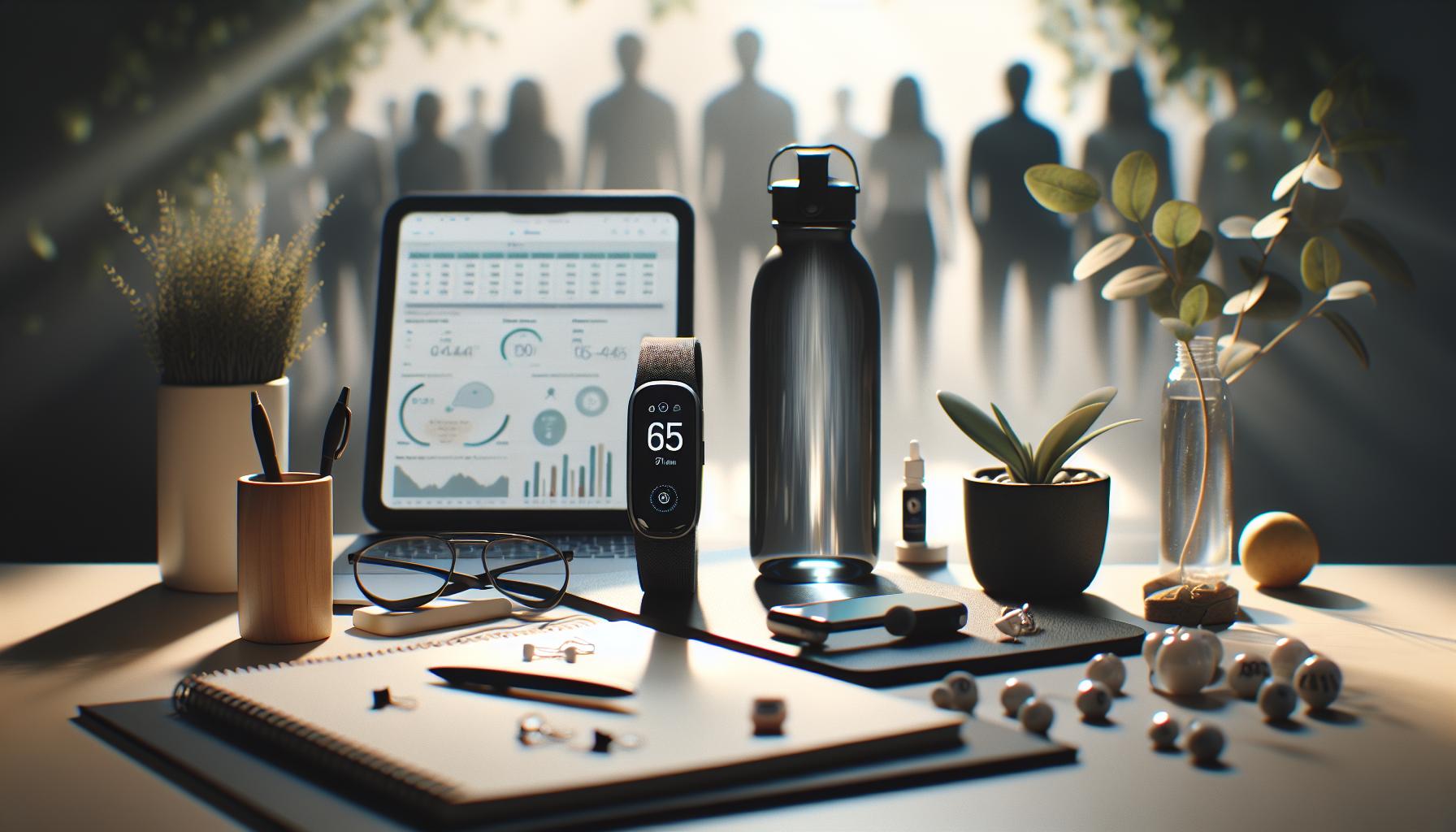
The tools you use in your daily life can play a crucial role in optimizing your body and mind for peak performance. Whether you’re at work or home, integrating the right biohacking tools can enhance your well-being and productivity significantly. Here are some essentials that can help you take charge of your health journey.
Ergonomic Workspace Setup
Creating a workspace that promotes good posture is foundational for cognitive and physical health. An ergonomic chair, desk, and proper monitor height can reduce strain and fatigue. Consider the following steps to set up your workspace effectively:
- Chair: Choose a chair that supports your lower back and allows your feet to rest flat on the ground.
- Desk: A height-adjustable desk can facilitate both sitting and standing positions, promoting movement throughout the day.
- Monitor Height: Position your screen at eye level to prevent neck fatigue.
Adjusting your workspace can improve focus, reduce discomfort, and help incorporate more movement into your routine.
Wearable Technology
Wearable devices such as fitness trackers and smartwatches offer real-time insights into your health metrics. They can monitor heart rate, sleep quality, and physical activity, allowing you to identify patterns and make necessary adjustments. Regular feedback encourages more mindful habits and can motivate you to stay active throughout the day. Popular options include:
- Fitbit: Tracks steps, heart rate, and sleep, encouraging more movement.
- Oura Ring: Known for sleep tracking and readiness metrics for optimal performance.
These devices empower you to be proactive about your health by providing awareness about your daily habits.
Nutrition Apps and Meal Planning Tools
Utilizing apps that focus on nutrition can simplify clean eating and meal planning. These tools often enable you to track daily food intake and ensure you’re consuming a balanced mix of nutrients. Apps like MyFitnessPal and Cronometer can help you:
- Track Micronutrients: Ensure you’re getting essential vitamins and minerals.
- Plan Meals: Create shopping lists and meal prep strategies that save time and money.
These nutritional insights can significantly boost your energy levels and cognitive functions, promoting better decision-making throughout your day.
Investing in these essential biohacking tools not only enhances your productivity but also elevates your overall well-being. By integrating ergonomic practices, wearable technology, and nutrition tracking into your routine, you lay the groundwork for a healthier, more energized life. Always remember to evaluate new technologies and practices for their scientific backing and consult with health professionals when necessary for tailored advice.
Nutrition Hacks: Superfoods for Energy and Focus

In the quest for enhanced energy and sharp focus, the concept of “superfoods” plays a pivotal role in biohacking nutritional strategies. Packed with essential nutrients, these foods can significantly impact cognitive function and overall vitality, allowing you to conquer your day with gusto. Incorporating a variety of superfoods into your diet can create a solid foundation for your body and mind to operate at peak performance.
Powerful Superfoods to Include
Here are some nutrient-dense superfoods that can help fuel your body and brain:
- Blueberries: Rich in antioxidants, blueberries have been shown to improve cognitive function and memory. Their high levels of flavonoids support brain health by enhancing neuroplasticity, which is essential for learning and adapting.
- Spinach: This leafy green is packed with vitamins A, C, and K, along with iron and magnesium. Spinach helps promote healthy blood flow, ensuring that the brain receives adequate oxygen and nutrients for optimal functioning.
- Quinoa: As a complete protein source, quinoa provides all nine essential amino acids. It supports sustained energy release, making it an excellent option for long work hours without the dreaded energy crash.
- Walnuts: Known for their high omega-3 fatty acid content, walnuts support brain function and improve memory. These nuts also contain antioxidants which combat oxidative stress in the brain.
Practical Incorporation Strategies
To make the most of these superfoods, consider practical ways to weave them into your daily meals:
- Breakfast Boost: Add blueberries to your morning smoothie, oatmeal, or yogurt for a delicious energy boost right from the start of your day.
- Power Lunch: Create a quinoa salad loaded with spinach, walnuts, and your choice of lean protein for a satisfying and nourishing meal.
- Snack Smart: Keep a handful of walnuts or a blueberry-infused energy bar handy for a quick, healthy snack that keeps your focus sharp during work hours.
By making thoughtful choices about the foods you consume, you can successfully enhance your energy levels and cognitive focus. Integrating these superfoods into your diet is not just about adding variety; it’s about creating a mindful and strategic approach to nutrition that aligns with your goals for productivity and wellness. Always consult with a healthcare professional before making significant changes to your diet, especially if you have specific health concerns or conditions. This way, you can ensure you’re optimizing your nutrition safely and effectively.
Sleep Optimization: Techniques for Restorative Rest
Achieving restorative rest is not just a luxury; it’s a necessity for optimal performance and well-being. The science of sleep reveals that quality sleep directly impacts cognitive function, mood, and overall health. For those looking to biohack their sleep, incorporating practical techniques can transform restless nights into rejuvenating slumber, helping you unlock your body’s full potential.
One effective approach is establishing a consistent sleep schedule. Going to bed and waking up at the same time every day helps regulate your body’s internal clock, enhancing sleep quality over time. Coupled with this, creating a sleep-conducive environment can make a significant difference. Aim for a dark, quiet, and cool room; consider using blackout curtains and white noise machines if needed. Furthermore, reducing exposure to screens at least an hour before bedtime can minimize disruption from blue light, which interferes with melatonin production-the hormone responsible for regulating sleep.
Mindful practices before bed can also promote deeper rest. Techniques such as gentle yoga, stretching, or meditation can calm the mind and reduce stress levels, making it easier to drift off. Supplementing with relaxation methods, like a warm bath or herbal tea, can further enhance the transition into sleep. Additionally, consider incorporating sleep tracking tools, which can provide insights into your sleep patterns and help you identify areas for improvement.
Lastly, nutrition plays a vital role in sleep optimization. Certain foods can promote better sleep, including complex carbohydrates, lean proteins, and foods containing magnesium and melatonin, such as bananas, almonds, and oats. Be cautious with caffeine and alcohol; while they may seem appealing, they can seriously disrupt sleep cycles. By implementing these strategies, you can enhance your restorative rest, contributing significantly to improved cognitive abilities, emotional regulation, and overall health. Always consult with a healthcare professional for personalized advice, especially if sleep issues persist, ensuring that your journey to biohacking sleep is safe and effective.
Mindfulness and Meditation for Peak Performance
In today’s fast-paced world, the power of mindfulness and meditation cannot be overstated. Research shows that these practices not only enhance emotional well-being but can also significantly boost cognitive function, allowing individuals to perform at their peak. Mindfulness fosters a greater awareness of the present moment, reducing stress and improving focus, while meditation offers a structured way to train the brain, mitigating the effects of mental fatigue and enhancing overall performance.
Implementing mindfulness into your daily routine can begin as simply as taking a few moments throughout the day to pause and reset. This can be achieved by engaging in mindful breathing exercises; for instance, taking three deep breaths, focusing solely on the sensation of the air entering and leaving your lungs. Practicing gratitude, where you reflect on what you’re thankful for each day, can shift your mindset positively and foster resilience against stressors.
Practical Meditation Techniques
To integrate meditation into your life effectively, start with short sessions of 5 to 10 minutes. Over time, you can gradually increase the duration as you become more comfortable with the practice. Here are some steps to kickstart your meditation journey:
- Find a Quiet Space: Choose an environment that is free from distractions.
- Set a Timer: Use your phone or a meditation app to time your session, helping you to focus without worrying about the clock.
- Adopt a Comfortable Position: Whether sitting in a chair or on the floor, ensure your body is comfortable and supported.
- Focus on Your Breath: Close your eyes gently and concentrate on your breathing patterns. When your mind starts to wander, gently return your focus to your breath.
Benefits of Regular Mindfulness and Meditation
The benefits of these practices extend beyond stress reduction. Studies indicate that regular mindfulness and meditation can lead to improved memory, enhanced creativity, and greater emotional regulation. Here are some ways these techniques can transform your performance:
- Enhanced Focus: Regular mindfulness practice strengthens the ability to concentrate and can lead to higher productivity levels at work.
- Reduced Anxiety: Meditation can help decrease the impact of anxiety, enabling clearer thinking under pressure.
- Improved Decision-Making: Mindfulness fosters a calm state of mind, promoting clearer, more rational thinking which is crucial in high-stakes environments.
Incorporating mindfulness and meditation into your day doesn’t have to be complex. Even short moments of mindful awareness can compound into significant benefits over time. By taking a few minutes each day to practice these techniques, you’ll not only improve your cognitive resilience but also cultivate a deeper sense of well-being, creating a sustainable path toward peak performance. Always remember to consult with a professional if you have specific mental health concerns to ensure you’re on the right track.
Maximizing Cognitive Function with Neurohacks
Unlocking the full potential of your brain can seem like a daunting task, but with effective neurohacking techniques, it’s entirely attainable. Neurohacking encompasses a range of strategies designed to enhance cognitive function, improve memory, and optimize mental clarity. Whether through the use of specific supplements, lifestyle changes, or cutting-edge technology, these methods can help you elevate your brain’s performance and resilience.
To start, embrace the principles of neuroplasticity-the brain’s ability to adapt and reorganize itself. Engage in activities that challenge your mind, such as learning a new language or instrument, which can help form new neural connections. Additionally, incorporating complex problem-solving tasks, like puzzles or strategy games, not only keeps your brain agile but also sharpens your critical thinking skills.
Dietary Interventions for Brain Health
Nutrition plays a crucial role in cognitive performance. Certain foods are particularly beneficial for brain function, often referred to as “brain foods.” Consider incorporating the following into your diet:
- Fatty Fish: Rich in omega-3 fatty acids, fish like salmon and sardines support neuronal health and improve memory.
- Berries: High in antioxidants, they combat oxidative stress and have been linked to improved communication between brain cells.
- Nuts: Nuts, particularly walnuts, are packed with vitamin E and omega-3s, promoting cognitive longevity.
- Dark Chocolate: A moderate amount provides antioxidants and enhances mood and cognition through flavonoids.
Moreover, consider intermittent fasting, which has shown promise in enhancing cognitive function and promoting neurogenesis-the growth of new neurons.
Technological Enhancements
Leveraging technology can also propel your cognitive abilities. Brain training apps like Lumosity or Elevate provide tailored exercises that target various cognitive skills, from attention to problem-solving. Wearable devices, such as headbands that use neurofeedback, can help train your brain to achieve states of calm or heightened focus by providing real-time feedback on your brain activity.
Mindfulness and Breathing Techniques
Incorporating mindfulness practices can significantly enhance cognitive function. Techniques such as focused breathing or guided visualization not only reduce stress but also promote better focus and clarity. Start with short daily sessions, gradually increasing the duration to see notable improvements in mental acuity and emotional resilience.
By integrating these neurohacking techniques into your routine-whether through diet, technology, or mindfulness-you can optimize your cognitive function for peak performance, ultimately leading to a more effective and fulfilling life. Always remember to consult with a healthcare professional before making significant changes to your diet or wellness routine, ensuring that your approach is safe and tailored to your individual needs.
Physical Activity: Biohacking Your Workout Routine
Engaging in regular physical activity is one of the most effective ways to biohack your body for optimal performance. Exercise isn’t just about building muscle and endurance; it’s a powerful tool that can enhance cognitive function, improve mood, and boost overall health. Research shows that even short bursts of activity can trigger the release of endorphins, serotonin, and other mood-enhancing neurotransmitters, which can lead to increased productivity and better emotional resilience at work.
To effectively biohack your workout routine, consider integrating a combination of strength training, cardiovascular exercise, and flexibility work. The variety not only keeps your routine interesting but also targets different aspects of your fitness and mental well-being.
Crafting a Balanced Workout Plan
Start by assessing your current fitness level and setting realistic goals. A well-rounded workout plan could include:
- Strength Training (2-3 times per week): Focus on compound movements like squats, deadlifts, and bench presses that engage multiple muscle groups.
- Cardio (3-5 times per week): Incorporate activities such as running, cycling, swimming, or high-Intensity interval training (HIIT), which can increase heart efficiency and endurance, aiding both physical and mental stamina.
- Flexibility and Mobility Work (daily): Incorporate yoga or dynamic stretching to improve range of motion, reduce injury risks, and promote relaxation.
There are numerous ways to fit these elements into your day. For instance, consider scheduling short workout sessions during breaks to sustain energy levels throughout the workday. Even a brisk walk can stimulate blood flow and cognitive function.
Maximizing Efficiency with Technology
Utilizing technology can further enhance your physical training. Fitness trackers or smartwatches can monitor your heart rate and activity levels, providing insights into your performance and recovery. Apps designed for workout planning can help you stay on track and adjust your regimen based on progress and feedback.
Incorporate recovery practices into your routine to help you manage stress and fatigue. Techniques such as foam rolling, proper hydration, and incorporating rest days can significantly enhance performance and longevity in your fitness practices. Listening to your body is crucial; signs of overtraining, such as fatigue, irritability, or decreased performance, warrant a reassessment of your approach.
By adopting these biohacking strategies in your workout routine, you’ll not only optimize your body’s potential but also foster a healthier and more productive lifestyle. Always consult with fitness professionals or healthcare providers when making significant changes to your workout regimen, ensuring that you pursue safe and effective practices tailored to your individual needs.
Harnessing Technology: Wearables and Apps
Integrating technology into your daily routine can significantly enhance your biohacking efforts, making it easier to monitor your health metrics and optimize your performance. With an array of wearables and apps available, you can track everything from physical activity to sleep patterns, ultimately leading to smarter decisions about your wellness. For instance, research indicates that individuals who use wearables to monitor their activity levels are more likely to meet their fitness goals compared to those who don’t. This is due to the heightened awareness and motivation that comes from having tangible data at your fingertips.
Wearable devices such as smartwatches and fitness bands provide real-time feedback on crucial metrics like heart rate, calorie expenditure, and sleep quality. These insights can help you fine-tune your workouts, ensuring you’re pushing yourself adequately without risking overtraining. Many devices also support goal setting and allow users to create daily challenges, fostering a sense of community and accountability. Pairing these devices with apps that compile and analyze your data helps build a comprehensive view of your health progression over time.
Top Wearables & Their Benefits
When choosing wearables, consider these popular options and their unique features:
- Fitbit Charge: Tracks steps, heart rate, and sleep patterns while providing insights about your overall activity levels.
- Apple Watch: Offers advanced fitness tracking, ECG capabilities, and integration with various health apps for a holistic view of your health.
- Oura Ring: Focuses on sleep optimization and readiness scores, giving a nuanced perspective on recovery.
Each device can serve distinct purposes; for example, if clarity on sleep quality and recovery is essential to your routine, the Oura Ring might be the best fit.
Essential Apps for Biohacking
In conjunction with wearables, numerous mobile applications can amplify your biohacking journey:
- MyFitnessPal: A comprehensive nutrition and activity logger that helps you meet dietary goals by tracking meals and calories.
- Headspace: This mindfulness app provides guided meditations aimed at improving cognitive function and reducing workplace stress.
- Sleep Cycle: Analyzes your sleep patterns and wakes you at the optimal time within your sleep cycle for increased alertness.
Using these tools together creates a feedback loop that encourages sustained motivation and actionable insights for your lifestyle adjustments.
As you navigate through your biohacking journey, remember to use technology responsibly. While wearables and apps provide valuable data, it’s crucial to interpret this information wisely and maintain a balanced approach. Consult with healthcare professionals to ensure your strategies align with your personal health needs and goals, maximizing the benefits while minimizing risks. Harnessing technology in this way not only supports physical well-being but also cultivates a culture of wellness within your workspace, setting the groundwork for long-term success.
Safe Supplements: Boosting Your Biohacking Journey
In today’s fast-paced environment, the quest for enhanced mental acuity and physical performance has led many to explore the world of supplements as part of their biohacking journey. While the idea of using supplements may seem appealing, it’s crucial to approach this avenue with caution and an understanding of what constitutes safe and effective practices. Selecting the right supplements can make a significant difference in boosting energy levels, improving cognitive function, and supporting overall health, but it is imperative to prioritize safety and efficacy.
When considering supplementation, the first step is to identify specific goals. Whether you’re looking to increase energy, enhance focus, or support recovery, there are supplements backed by research that can assist in these areas. Common options include:
Common Supplements for Biohacking
- Omega-3 Fatty Acids: Known for their anti-inflammatory properties, omega-3s can support brain health and improve cognitive function.
- Rhodiola Rosea: This adaptogenic herb is praised for its ability to reduce fatigue and enhance resilience to stress, making it a favorite for busy professionals.
- L-Theanine: Often found in tea, L-Theanine promotes relaxation without drowsiness and can significantly enhance focus and mental clarity, particularly when combined with caffeine.
- Magnesium: Essential for many bodily functions, magnesium can help reduce anxiety and improve sleep quality, both of which are crucial for optimal performance.
- B Vitamins: These vitamins play a vital role in energy metabolism and cognitive function; adequate levels can enhance overall brain health.
Before incorporating any new supplement into your routine, consulting with a healthcare professional is vital. They can help determine the appropriate dosage and assess any potential interactions with existing medications or conditions. Moreover, not every supplement is suitable for everyone; individual responses can vary widely, making personalized guidance essential.
In addition to individual supplements, a well-rounded approach that includes a balanced diet rich in nutrients will always be important. Foods naturally rich in vitamins and minerals can provide similar benefits without the need for supplementation. Whole foods, like leafy greens, nuts, seeds, and whole grains, should form the cornerstone of any health strategy.
As you delve into the world of supplements, remain mindful of your body’s feedback. Keep track of how you feel and perform after making changes to your regimen. Documenting your experience can provide insights that help refine your biohacking strategy. Remember, the ultimate goal is to enhance your well-being and performance sustainably, so focus on building a lifestyle that embraces holistic health practices alongside any supplementation.
Recovery Strategies: Managing Stress and Fatigue
The cumulative effects of stress and fatigue can significantly hinder performance, both mentally and physically. Yet, understanding how to effectively manage these challenges can unlock a powerful toolkit for enhancing well-being and productivity. Recovery strategies rooted in science can transform how you approach stress, enabling you to thrive in demanding environments while maintaining a sense of balance.
Identifying Stressors
First and foremost, recognize what triggers your stress. Common workplace stressors include tight deadlines, excessive workloads, and interpersonal conflicts. Maintain a stress journal where you log situations that lead to increased tension, noting your reactions and feelings. This exercise not only aids in identifying patterns but also empowers you to develop proactive strategies for mitigation.
Practical Recovery Techniques
Implement a variety of techniques designed to aid recovery from stress and fatigue:
- Deep Breathing and Meditation: Techniques such as the 4-7-8 breathing method can help calm the mind and decrease anxiety. Spend a few minutes each day focusing on your breath, or explore guided meditation apps that provide structured sessions.
- Movement Breaks: Incorporate short, structured breaks for physical movement-simple stretches or a brisk walk can refresh your mind and refresh your body. Aim for a convincing “5-minute movement” every hour to increase blood flow and lessen fatigue.
- Prioritize Sleep: Quality sleep is vital for recovery. Establish a wind-down routine that includes dim lighting, avoiding screens, and incorporating calming activities, such as reading or gentle yoga. Aim for consistent sleep and wake times to regulate your body’s internal clock.
Nutrition for Recovery
Nutrition plays a crucial role in managing stress and fatigue. Integrate foods that fuel recovery and brain health into your diet:
- Antioxidant-Rich Foods: Berries, dark chocolate, and leafy greens combat oxidative stress, supporting brain function and reducing fatigue.
- Hydration: Dehydration can exacerbate feelings of fatigue and stress. Aim for adequate water intake throughout the day, adjusting based on activity levels.
- Mindful Eating: Paying attention to what and how you eat can enhance digestion and overall well-being. Practice savoring your meals without distractions to enhance satiety and reduce emotional eating.
Continuous Learning and Adaptation
Recognize that effective recovery strategies will evolve with your changing needs and circumstances. Regularly assess your approaches and adapt as necessary. Engage in workshops, webinars, or courses aimed at stress management or wellness; this not only enhances personal growth but also fosters a supportive community focused on holistic health.
By implementing these evidence-based recovery strategies, you can cultivate resilience against stress and fatigue, transforming them from obstacles into motivators for profound personal and professional growth. Prioritize self-care and create a sustainable lifestyle that empowers you to perform at your best without compromising your health.
Creating a Sustainable Biohacking Lifestyle
Creating a lifestyle that enhances your body’s performance through biohacking doesn’t have to be overwhelming; small, sustainable changes can yield significant benefits over time. To cultivate a sustainable biohacking lifestyle, start by integrating practices that promote well-being without causing stress or disruption. This approach not only boosts productivity but also enriches your overall quality of life.
Begin by establishing a routine that incorporates healthy habits gradually rather than attempting drastic changes all at once. For instance, consider introducing a consistent sleep schedule that aligns with your body’s natural rhythms. Quality sleep is foundational for recovery and cognitive function, helping to reset your mind and body. Similarly, assess your workspace: setting up an ergonomic desk can enhance your physical comfort and reduce the risks of musculoskeletal disorders. An adjustable standing desk, for example, allows for transitions between sitting and standing, supporting better posture and blood flow.
Nutrition is an essential component of biohacking, and making informed dietary choices is key. Focus on incorporating nutrient-dense foods, such as leafy greens, nuts, and omega-3 rich fish, which can enhance brain health and energy levels. Meal prepping is a great way to ensure that healthy options are readily available during busy weekdays, reducing reliance on processed foods. Furthermore, keeping a hydration log can help you track water intake, as proper hydration dramatically affects cognitive performance and mood.
Integrating mindfulness practices can also play a crucial role in creating a balanced biohacking lifestyle. Daily mindfulness or meditation sessions-even just a few minutes of focused breathing-can help manage stress levels and improve clarity of thought. In tandem with mindfulness, consider leveraging technology by using apps that remind you to take breaks, hydrate, or practice stretching. Such tools can reinforce positive habits and help you remain aware of your well-being throughout the day.
In conclusion, building a sustainable biohacking lifestyle focuses on making incremental changes that align with your personal goals and circumstances. Regularly evaluate what works best for you and remain flexible in your approach, adapting techniques as needed. This sustainable commitment to enhancing your health and performance will not only lead to peak productivity but also foster a deeper sense of satisfaction and well-being.
Faq
Q: What are the best biohacks for improving mental clarity?
A: To enhance mental clarity, consider implementing techniques like regular intermittent fasting, practicing mindfulness meditation, and using nootropics. These methods can significantly boost your cognitive function and focus, as discussed in the “Maximizing Cognitive Function with Neurohacks” section of the main article.
Q: How can I effectively track my biohacking progress?
A: You can effectively track biohacking progress by using wearable technology and apps that monitor your health metrics like sleep quality, heart rate, and physical activity. Regularly reviewing this data will help you make informed adjustments to your biohacking strategies.
Q: What role does gut health play in biohacking my body?
A: Gut health is crucial for overall well-being and can impact mood, energy levels, and cognitive function. Incorporate probiotics and fiber-rich foods to support a healthy gut microbiome, which is essential for optimizing your body’s performance.
Q: Why is sleep considered a vital component of biohacking?
A: Sleep is vital in biohacking because restorative rest allows for physical recovery, cognitive function improvement, and hormonal balance. Prioritizing sleep optimization techniques can lead to enhanced performance and well-being.
Q: Are there specific supplements recommended for beginners in biohacking?
A: For beginners in biohacking, safe supplements like omega-3 fatty acids, magnesium, and vitamin D can support overall health and performance. Always consult with a healthcare professional before starting any new supplementation regimen.
Q: How does hydration affect my biohacking journey?
A: Hydration plays a crucial role in biohacking as it directly impacts energy levels, cognitive function, and physical performance. Aim to drink adequate water daily and consider electrolyte supplements after intense workouts to maintain optimal hydration levels.
Q: When is the best time to implement biohacking methods into my routine?
A: The best time to implement biohacking methods is when you can commit to consistent routines, such as during mornings when you can focus on meditation, exercise, or nutrition. Organizing these practices can lead to sustainable enhancements in your performance.
Q: What are common mistakes people make when starting biohacking?
A: Common mistakes in biohacking include neglecting to monitor progress, jumping into extreme diets, or overcomplicating routines. Start gradually, focus on fundamental changes, and use tracking tools to refine your approach based on your specific outcomes.
In Summary
As you embark on your biohacking journey, remember that small, actionable changes can lead to extraordinary results. By understanding how to optimize your physical and mental performance through proven methods, you’re taking the first steps towards enhanced well-being. Whether you’re interested in intermittent fasting, incorporating wearable technology, or simple stress management techniques, each biohack has the potential to dramatically improve your life.
Don’t miss out on the wealth of knowledge available-explore our articles on workplace wellness and setting up ergonomic workspaces for improved productivity. If you’re eager to stay informed on the latest in biohacking and cognitive health, consider signing up for our newsletter! Your journey towards peak performance starts now; take action today and unlock your full potential. Share your experiences in the comments, and let’s continue this conversation together!