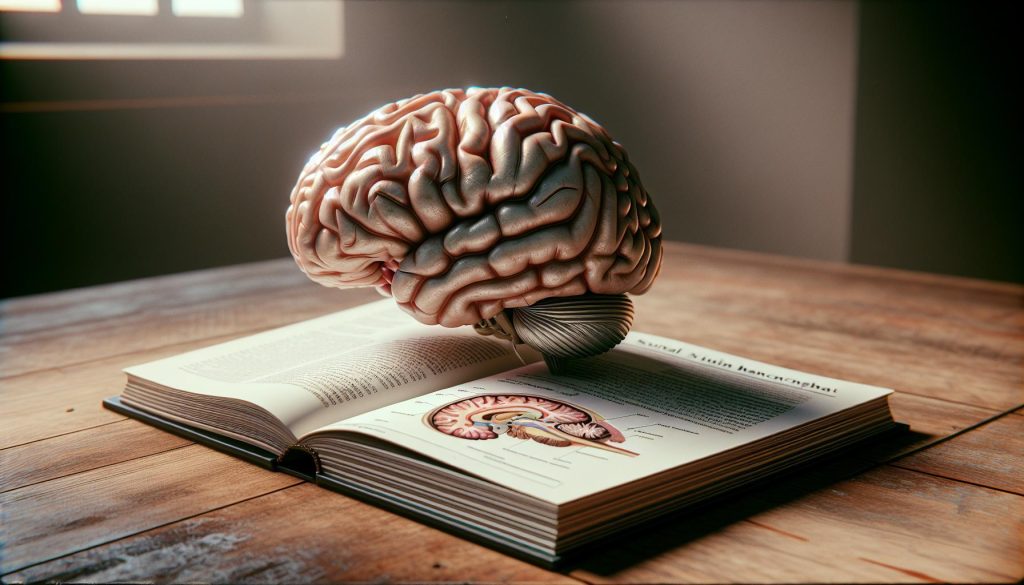
Did you know that the brain parenchyma is crucial for cognitive function and overall brain health? Comprising the essential nerve cells and supporting glial cells, this unique tissue plays a pivotal role in processing information, regulating emotions, and facilitating communication within the nervous system. Understanding the brain parenchyma is not just for neuroscientists; it’s vital for anyone interested in optimizing their cognitive function and mental wellness. Whether you’re looking to boost your memory, enhance learning, or manage stress more effectively, gaining insight into how this essential anatomy works can empower you to make informed decisions about your brain health. Dive into this essential guide to discover not just what the brain parenchyma is, but how it impacts your daily life and wellness strategies.
What Is Brain Parenchyma? An Overview
The brain parenchyma, a vital component of the central nervous system, encompasses the functional tissues of the brain, forming the foundation for cognitive processes. Unlike the brain’s protective structures, such as the meninges and the blood-brain barrier, parenchyma comprises the essential neurons and glial cells that facilitate communication within the neural networks. Understanding the role of brain parenchyma is crucial, as it not only supports intricate mental functions but also serves as the site for various neurological processes.
One of the most captivating aspects of brain parenchyma is its dynamic nature. It is where neuroplasticity occurs-an extraordinary ability of the brain to reorganize itself by forming new neural connections throughout life. This adaptability is essential for learning, memory, and recovery from injuries. For instance, when one part of the brain is damaged, other areas can often compensate, a phenomenon that underscores the necessity of maintaining a healthy brain parenchyma through lifestyle choices such as regular exercise, balanced nutrition, and mental stimulation.
Key to fostering a healthy brain parenchyma is understanding the different types of cells it comprises. Neurons, the primary signaling units, transmit information at lightning speeds, while glial cells provide support, protection, and nourishment. Engaging in activities that promote brain health-such as cognitive training games, meditation, and adequate sleep-can enhance the functionality and longevity of these cells. Investing in your cognitive health not only improves your brain’s performance but also contributes to overall well-being, allowing for greater productivity and life satisfaction.
In summary, the brain parenchyma is not just a collection of cells but a complex and vital environment where essential mental functions take place. By recognizing its significance and engaging in practices that support its health, individuals can enhance their cognitive capabilities and promote a more resilient mind for the challenges of daily life.
The Structure of Brain Parenchyma Explained
Understanding the intricate structure of brain parenchyma is essential for appreciating its role in overall cognitive health. The parenchyma comprises two major types of cells: neurons and glial cells, which together create a complex network essential for thought processes, emotions, and actions.
Neurons: The Functional Units
Neurons are the stars of the show within brain parenchyma. These specialized cells transmit signals across vast distances, communicating at astonishing speeds of up to 120 meters per second. Each neuron consists of a cell body, dendrites for receiving incoming messages, and axons for sending messages to other neurons. The connections they form, known as synapses, allow for the intricate signaling that underlies all cognitive functions. This network adapts through experience, showcasing the brain’s neuroplasticity, which enables it to reorganize itself in response to learning and injury.
Glial Cells: The Support System
While neurons handle communication, glial cells play a vital supporting role. There are several types of glial cells, each with specific functions:
- Astrocytes: These star-shaped cells provide structural support and regulate blood flow to neurons, ensuring they receive adequate nutrients and oxygen.
- Oligodendrocytes: Responsible for insulating neuronal axons with myelin, these cells enhance the speed of electrical signal transmission.
- Microglia: Acting as the immune defenders of the brain, microglia remove waste and protect against pathogens.
- Radial glia: These are crucial during brain development, guiding the migration of neurons to their appropriate locations.
This collaboration between neurons and glial cells creates a dynamic environment where processes like learning, memory, and recovery from injuries occur.
Maintaining the health of brain parenchyma is crucial, as both neuron and glial function can be adversely affected by lifestyle choices. Engaging in regular physical activity, maintaining a balanced diet rich in omega-3 fatty acids, and prioritizing mental exercises can promote cellular health. Understanding the structural complexities of brain parenchyma empowers individuals to adopt healthier habits that support cognitive longevity, ultimately enhancing workplace performance and overall life satisfaction.
Key Functions of Brain Parenchyma You Should Know
Understanding the critical functions of brain parenchyma unveils how this complex tissue orchestrates our cognitive abilities, emotional regulation, and even physical movements. Brain parenchyma, primarily composed of neurons and glial cells, plays a vital role in maintaining the intricate network that supports all aspects of human life. Its functions encompass signaling for sensory processing, facilitating motor control, and underpinning our ability to learn and remember.
One key function is the transmission of signals. Neurons, the primary components of brain parenchyma, form extensive networks through synapses, where they connect and communicate. This communication allows for quick responses to stimuli, crucial for everything from reflex actions to complex decision-making. The efficiency of this signaling greatly affects cognitive performance; for instance, a well-functioning network can enhance problem-solving skills and creativity in the workplace.
In addition to signaling, brain parenchyma supports homeostasis, ensuring that the brain environment is stable and conducive to optimal functioning. Glial cells, particularly astrocytes, play a significant part by regulating blood flow and nutrient supply to neurons. This support system not only nourishes neurons but also helps in repairing and maintaining the integrity of the cellular environment. Thus, a healthy parenchyma is essential for sustaining cognitive functions, emotional well-being, and recovery processes after stress or injury.
Furthermore, neuroplasticity-the brain’s remarkable ability to reorganize itself-relies heavily on the health of brain parenchyma. Engaging in new learning experiences or recovering from injuries stimulates changes within this network, allowing individuals to adapt and thrive. Practices such as mindfulness and cognitive challenges can nurture this adaptability, emphasizing the importance of engaging with brain health actively. By maintaining brain parenchyma health through lifestyle choices, we can significantly boost our cognitive capabilities and overall quality of life.
Types of Cells in Brain Parenchyma: A Deep Dive
The brain parenchyma, the functional tissue of the brain, is a dynamic environment filled with a diverse array of specialized cells, each playing unique roles in maintaining brain health and function. Understanding these cellular constituents enhances our appreciation of the intricate processes underlying cognitive abilities, emotional responses, and overall neurological health.
At the forefront are neurons, the primary signaling units of the brain. These cells are remarkable in their ability to transmit information rapidly across vast networks through electrical impulses and chemical signals. Neurons form synapses, connecting to thousands of other neurons, facilitating communication essential for everything from reflex actions to complex thought processes. A well-maintained network of neurons is crucial for cognitive tasks, and regular engagement through challenging activities can help enhance their function.
In addition to neurons, glial cells play critical supportive roles. Among these, astrocytes are one of the most abundant cell types. They provide structural support, regulate blood flow, and maintain the balance of ions and neurotransmitters in the brain, ensuring an optimal environment for neuronal function. Oligodendrocytes are another vital type of glial cell responsible for myelinating axons, allowing for faster signal transmission. The health of these glial cells is closely linked to the brain’s recovery processes and overall ability to adapt to stress, emphasizing their crucial role in neuroplasticity.
Furthermore, microglia, the brain’s resident immune cells, perform essential functions in maintaining homeostasis and responding to injury or disease. They continuously monitor the neural environment, clearing debris and modulating inflammation. A well-functioning microglial system is paramount for brain health, especially during recovery from stressors or injury, as it can influence both the inflammatory response and the brain’s capacity for regeneration.
Ultimately, cultivating an environment that fosters the health of these diverse cell types can enhance cognitive performance and resilience. Simple practices like regular physical activity, a balanced diet rich in omega-3 fatty acids, and cognitive challenges can promote the vitality of neurons and glial cells alike. A holistic approach to brain health encourages a thriving parenchyma, paving the way for improved cognitive abilities and emotional well-being.
Common Disorders Affecting Brain Parenchyma
Understanding disorders that impact the brain’s parenchyma is crucial, as these conditions can significantly affect cognitive function and overall health. The brain parenchyma consists of neurons and glial cells, and any disruption to these vital components can lead to serious complications. Common disorders include neurodegenerative diseases, traumatic brain injuries, and inflammatory conditions.
Alzheimer’s disease is one of the most prevalent neurodegenerative disorders affecting the brain parenchyma. Characterized by the accumulation of amyloid plaques and neurofibrillary tangles, it leads to the progressive loss of neurons, particularly in regions critical for memory and cognition. Early detection and lifestyle interventions-such as engaging in mental exercises, physical activity, and maintaining a heart-healthy diet-can play a significant role in slowing disease progression.
Similarly, multiple sclerosis (MS) affects the brain parenchyma by damaging oligodendrocytes responsible for myelination. This demyelination disrupts nerve signal transmission, leading to a range of symptoms from fatigue to impaired mobility. Individuals diagnosed with MS can benefit from structured exercise programs and specific dietary strategies, such as incorporating omega-3 fatty acids, to support neurological health and minimize flare-ups.
Traumatic brain injuries (TBIs), often resulting from accidents or falls, also pose significant threats to the brain’s functional capacity. These injuries can initiate inflammatory responses that disrupt normal parenchymal function. Therefore, immediate medical attention is vital. Following a TBI, engaging in cognitive rehabilitation can help facilitate recovery and improve brain adaptability.
Lastly, infections like meningitis can impact the brain parenchyma, causing inflammation and damage to both neurons and glial cells. Preventative measures, such as vaccinations, and prompt medical intervention can significantly lower the risk of severe complications and foster recovery.
By promoting awareness of these disorders and understanding their underlying mechanisms, individuals can take proactive steps toward preserving brain health. Incorporating holistic strategies-like regular physical activity, maintaining a balanced diet, and creating supportive work environments-fosters resilience in the brain’s parenchyma, ultimately enhancing cognitive function and emotional well-being.
How Brain Parenchyma Affects Cognitive Function
The brain parenchyma plays a critical role in our cognitive function, acting as the very fabric of our thoughts, memories, and actions. This intricate network of neurons and glial cells is not only responsible for processing information but also for facilitating communication within the brain. As the site of most cognitive activities, the parenchyma’s health can profoundly influence a person’s ability to think clearly, learn new skills, and even regulate emotions.
Key Functions Influencing Cognitive Health
The neurons in the brain parenchyma are essential for sending and receiving signals, forming the basis of our cognitive abilities. When these connections are strong and well-maintained, cognitive functions like memory retention, problem-solving, and decision-making flourish. The glial cells support these neurons by providing essential nutrients, clearing out waste, and ensuring optimal conditions for neural activity. When there is damage or disruption in the parenchyma, as seen in conditions like Alzheimer’s disease or multiple sclerosis, cognitive decline can result, manifesting in forgetfulness, confusion, or decreased capacity to perform tasks.
The brain’s neuroplasticity is an uplifting concept that reflects its ability to adapt and reorganize in response to learning, injury, or environmental changes. Engaging activities such as puzzles, reading, or learning new languages can stimulate parenchymal health by enhancing synaptic connections and promoting the growth of new neurons. This adaptability suggests that even in the face of age-related cognitive decline, proactive engagement can lead to improvements in mental performance.
Practical Strategies for Maximizing Brain Health
To support the brain’s parenchyma and, in turn, cognitive function, individuals can adopt several evidence-based practices:
- Regular Physical Activity: Exercise increases blood flow to the brain, enhancing its ability to function effectively and promote neurogenesis.
- Mental Stimulation: Participate in brain games or learn a new skill to strengthen neural connections.
- Nutrient-Rich Diet: Consuming omega-3 fatty acids found in fish, antioxidants from fruits and vegetables, and whole grains can nourish the brain and promote optimal function.
- Quality Sleep: Prioritize restful sleep to aid in memory consolidation and overall cognitive function.
By integrating these practices, not only can you protect your brain parenchyma from decline, but you can also enhance your cognitive capabilities, paving the way for improved focus, creativity, and emotional resilience. Small, consistent efforts towards brain health can lead to significant gains in cognitive performance, empowering you in both your personal and professional life.
The Role of Neuroplasticity in Brain Health
The brain’s remarkable ability to adapt, known as neuroplasticity, plays a crucial role in maintaining and enhancing cognitive health. This dynamic process allows the brain to reorganize itself by forming new neural connections throughout life, influenced by learning, experience, and even recovery from injury. Neuroplasticity underscores the idea that our brain’s functionality is not static but can evolve to meet challenges and seize new opportunities.
Engaging in mentally stimulating activities is vital for promoting neuroplasticity. Activities like solving puzzles, learning a musical instrument, or picking up a new language force the brain to establish new pathways and strengthen existing ones. This stimulation can counteract cognitive decline, particularly as we age. Research suggests that individuals who regularly challenge their brains may enjoy better memory retention and problem-solving skills. Incorporating regular cognitive exercises into your daily routine can support the health of the brain parenchyma and enhance overall mental agility.
Moreover, physical activity significantly contributes to neuroplasticity. Exercise increases blood flow to the brain, providing essential nutrients and oxygen, which support the growth of new neurons. It’s been shown that aerobic exercise can increase the production of brain-derived neurotrophic factor (BDNF), a protein that plays a fundamental role in learning, memory, and neuroprotection. Therefore, combining mental and physical challenges shapes a resilient and adaptable brain.
Incorporating mindfulness practices such as meditation can further enhance neuroplasticity. Mindfulness reduces stress and cultivates awareness, which has been linked to structural changes in the brain. Regular meditation can lead to increased gray matter density in the areas responsible for memory and emotional regulation, reinforcing the brain’s adaptive capabilities. By focusing on both cognitive and physical well-being, you empower yourself to protect and enhance your brain parenchyma, ultimately fostering a healthier, more resilient mind.
Protecting Your Brain Parenchyma: Best Practices
The brain parenchyma, composed of vital functional tissues, deserves dedicated attention for maintenance and protection. Supporting your brain parenchyma not only enhances cognitive function but also fosters overall mental well-being. By adopting simple yet effective practices, you can create a nurturing environment that promotes brain health and resilience.
- Engage in Regular Exercise: Physical activity increases blood flow to the brain, providing essential nutrients for neuronal health. Aim for at least 150 minutes of moderate aerobic exercise weekly, such as brisk walking, swimming, or cycling. Incorporating strength training exercises twice a week is also beneficial.
- Optimize Ergonomics in Your Workspace: Set up an ergonomic workspace to minimize strain and enhance comfort. Adjust your chair so your feet are flat on the floor, align your monitor at eye level, and maintain a neutral wrist position while typing.
- Prioritize Mental Stimulation: Challenge your brain with activities like puzzles, reading, or learning a new skill. These practices stimulate neural connections and support cognitive agility. Diversifying your mental activities can lead to even greater benefits.
- Adopt Mindfulness Practices: Incorporating mindfulness techniques, such as meditation or deep-breathing exercises, can significantly reduce stress levels. Allocating even a few minutes daily to these practices can foster emotional resilience and enhance clarity of thought.
- Maintain a Balanced Diet: Your brain thrives on proper nutrition. Emphasize a diet rich in omega-3 fatty acids (found in fatty fish), antioxidants (berries, leafy greens), and whole grains to support neuronal health and mitigate inflammation.
Building a comprehensive approach to protect your brain parenchyma not only involves mental engagement and physical fitness but also the integration of healthy habits into your daily life. Establishing routines to incorporate these practices can lead to steady improvements in your cognitive health and resilience. Remember, small, consistent steps can create a significant impact over time. Always consult with healthcare professionals when making major changes to your wellness routines, especially if you have underlying health conditions.
Emerging Research on Brain Parenchyma
The study of brain parenchyma is rapidly evolving, revealing significant insights into its structure, function, and the complex dynamics of neurological health. Recent advancements have illuminated how this essential brain tissue, responsible for cognition and emotion, is not only reactive but also proactively influences overall brain health through various mechanisms.
Current research is delving into the role of neuroplasticity-the brain’s incredible ability to reorganize and adapt-particularly how brain parenchyma fibers can strengthen connections in response to learning and experience. This adaptability offers promising avenues for rehabilitation in conditions like stroke or traumatic brain injury. Studies have shown that when patients engage in cognitive rehabilitation exercises, the integrity and functionality of the parenchyma improve, leading to better recovery outcomes. These findings emphasize the brain’s remarkable capacity for change, especially within the parenchyma.
Moreover, researchers are exploring how environmental factors, such as diet and stress management, exert influence over brain health at a cellular level. Emerging evidence suggests that nutrients like omega-3 fatty acids and antioxidants can enhance the resilience of brain parenchyma, potentially reducing the risk of neurodegenerative diseases. Regular engagement in activities that challenge cognitive faculties-such as learning new languages or playing musical instruments-has also been shown to foster the growth of new cells and connections within this vital tissue.
The conversation around brain parenchyma is shifting toward preventive measures and lifestyle adjustments. As more studies emerge, they underline the importance of holistic approaches that not only emphasize cognitive training but also advocate for a balanced diet, physical exercise, and mindfulness practices. Integrating these habits into daily routines can substantially support brain parenchyma health, paving the way for a future where we prioritize brain wellness proactively.
Nutrition’s Impact on Brain Parenchyma Health
The brain parenchyma, comprising the essential neural tissue of the brain, is highly susceptible to the impacts of nutrition. Research illustrates that what we consume directly influences the brain’s structure, functioning, and ability to regenerate. Notably, nutrients can enhance the resilience of brain parenchyma, helping to mitigate the risks associated with neurodegenerative diseases and cognitive decline.
Incorporating a variety of foods known to promote brain health can be a powerful strategy for maintaining cognitive function and overall brain wellness. Key components to include are:
- Omega-3 Fatty Acids: Found in fatty fish like salmon and walnuts, these essential fats are integral for brain cell structure and function. Research indicates that omega-3s contribute to improved neuroplasticity, promoting the brain’s ability to adapt and reorganize, which is vital for learning and recovery.
- Antioxidants: Fruits and vegetables, especially berries and leafy greens, are rich in antioxidants that help combat oxidative stress. This stress can damage brain cells and parenchyma; therefore, a diet abundant in colorful produce can provide protective effects and support cognitive health.
- Whole Grains: Foods high in fiber, such as oats, brown rice, and quinoa, stabilize blood sugar levels. Consistent energy supply is essential for brain function, thus supporting overall cognitive performance.
- Vitamins and Minerals: B vitamins, vitamin E, and minerals like magnesium and zinc play crucial roles in nerve signaling and cognitive function. Incorporating nuts, seeds, whole grains, and leafy greens provides essential nutrients that support the parenchyma’s health.
Maintaining an optimal diet not only boosts brain health but also enhances workplace productivity. Simple adjustments, such as keeping healthy snacks on hand or preparing weekday meals that incorporate brain-boosting ingredients, can make a significant difference. For example, starting the day with a smoothie packed with spinach, berries, and a scoop of flaxseed can set a positive tone for brain function throughout the day.
Moreover, hydration is essential. The brain is largely composed of water, and even mild dehydration can impair cognitive function. Ensuring adequate fluid intake, alongside nutrient-rich foods, fosters an optimal environment for the parenchyma to thrive.
In sum, adopting a nutrient-dense diet can significantly influence brain parenchyma health, leading to improved cognitive function and overall well-being. As ongoing research continues to reveal the intricacies of brain health, embracing a balanced diet rich in essential nutrients offers a proactive approach to maintaining cognitive function and promoting neuroplasticity.
Understanding Brain Parenchyma in Medical Imaging
Assessing brain parenchyma through medical imaging offers profound insights into the brain’s health and functionality. Techniques such as Magnetic Resonance Imaging (MRI) and Computed Tomography (CT) scans play crucial roles in visualizing this essential tissue. For instance, MRI is favored for its ability to provide detailed images of brain structure, highlighting tissue integrity and potential abnormalities within the parenchyma. This is particularly critical in diagnosing conditions such as tumors, strokes, and neurodegenerative diseases.
Utilizing imaging technologies, clinicians can detect changes in brain parenchyma that might indicate underlying health issues. For example, in patients with Alzheimer’s disease, imaging may reveal atrophy of specific brain regions, suggesting loss of neurons and glial cells, integral components of the parenchyma. By identifying these changes early, tailored interventions can be initiated to potentially slow disease progression or optimize cognitive health.
Understanding the nuances of brain imaging interpretation extends beyond mere identification of abnormalities. It also includes correlating imaging findings with clinical symptoms, enabling healthcare providers to craft personalized wellness strategies. Integrating clinical insights with advanced imaging allows for a comprehensive approach to managing brain health. For employees facing cognitive challenges, seeking regular brain health assessments, including imaging if necessary, can serve as an empowering step towards enhanced workplace wellness.
Ultimately, awareness of brain parenchyma health is essential not just for treatment but for preventive strategies. Regular check-ups involving appropriate imaging can aid in maintaining cognitive vitality and support neuroplasticity. By fostering a proactive mindset towards brain health, individuals can take tangible steps to enhance their mental well-being, especially in high-stress work environments.
Future Directions in Brain Parenchyma Research
As research into brain parenchyma continues to evolve, exciting new frontiers are opening up that could fundamentally change our understanding of brain health and cognitive function. Innovations in neuroimaging techniques, such as advanced MRI methods and novel biomarker identification, are enabling scientists to visualize and measure the structural and functional integrity of brain parenchyma with unprecedented accuracy. These advancements not only enhance our ability to diagnose diseases at earlier stages but also provide insights into the subtle changes that occur in healthy brains over time.
Cutting-Edge Therapies and Interventions
Emerging studies are exploring how targeted interventions – such as neurogenesis-promoting therapies, cognitive training programs, and lifestyle changes – can effectively support and enhance brain parenchyma health. For example, research into the effects of aerobic exercise on neuroplasticity has shown that regular physical activity may facilitate the growth of new brain cells and improve cognitive resilience. Additionally, dietary interventions rich in omega-3 fatty acids and antioxidants are being investigated for their potential protective effects on brain tissue, with some studies suggesting a strong correlation between these nutrients and enhanced cognitive function.
Personalized Approaches and Health Monitoring
The shift toward personalized medicine is also inspiring a new wave of research focused on brain parenchyma. By leveraging genetic, environmental, and lifestyle factors, researchers aim to develop tailored strategies that optimize brain health for individuals. Technologies that allow for continuous health monitoring – such as wearable devices that track physiological and cognitive parameters – promise to transform how we approach brain wellness. This real-time data can help individuals understand their unique brain health trajectories and make informed decisions about interventions and lifestyle modifications.
Interdisciplinary Collaboration
Furthermore, collaboration between neuroscientists, psychologists, and nutritionists is becoming increasingly vital in this research landscape. By integrating insights from various fields, researchers are better equipped to decode the complexities of brain parenchyma and its relationship to overall health. This interdisciplinary approach not only fosters innovation but also promotes holistic wellness strategies that encompass physical, mental, and nutritional aspects of brain health, empowering individuals to take proactive steps in managing their cognitive well-being.
As we stand on the cusp of these promising developments, remaining informed and engaged with the advancements in brain parenchyma research can provide valuable tools for enhancing workplace wellness, improving cognitive performance, and fostering a culture of proactive mental health management. By focusing on what we can do today, from incorporating regular exercise into our routines to making mindful dietary choices, we can leverage emerging scientific insights to protect and optimize our brain health for the future.
Frequently Asked Questions
Q: What is the function of brain parenchyma?
A: Brain parenchyma consists of the functional tissue of the brain, primarily involving neurons and glial cells. Its key functions include processing information, supporting neural activity, and maintaining brain homeostasis. Understanding these roles is essential for appreciating how cognitive function is influenced and how disorders may arise.
Q: How does brain parenchyma differ from other brain structures?
A: Brain parenchyma refers specifically to the functional tissue composed of neurons and glial cells, while other structures, like the meninges and ventricles, serve protective and fluid-transporting roles. This distinction highlights the critical function of parenchyma in cognition and neural activity.
Q: What types of cells are found in brain parenchyma?
A: Brain parenchyma primarily contains neurons, responsible for transmitting impulses, and glial cells, which support and protect neurons. This cellular composition is vital for maintaining brain health and functionality.
Q: Why is brain parenchyma important for cognitive function?
A: Brain parenchyma plays a critical role in housing the neurons that process thoughts, emotions, and memories. Healthy parenchyma facilitates effective communication between neurons, which is essential for various cognitive functions, from learning to problem-solving.
Q: What are common disorders associated with brain parenchyma?
A: Disorders such as Alzheimer’s, multiple sclerosis, and traumatic brain injury affect brain parenchyma, leading to significant cognitive and motor impairments. Awareness of these conditions can guide preventive measures and treatment strategies.
Q: How does neuroplasticity relate to brain parenchyma?
A: Neuroplasticity refers to the brain’s ability to reorganize itself by forming new neural connections. Brain parenchyma’s structure allows for these changes, which are crucial for recovery from injuries and for enhancing cognitive functions through learning.
Q: What practices help protect brain parenchyma health?
A: To protect brain parenchyma, engage in regular physical activity, consume a balanced diet rich in omega-3 fatty acids, maintain cognitive challenges through learning, and ensure adequate sleep. These practices foster optimal brain health.
Q: How can nutrition impact brain parenchyma?
A: Nutrition significantly influences brain parenchyma health. Diets rich in antioxidants, Omega-3 fatty acids, and vitamins can help maintain cognitive function and may protect against neurodegenerative diseases. Prioritizing a nutrient-dense diet is beneficial for overall brain health.
To Wrap It Up
Understanding the brain parenchyma is essential for anyone interested in neuroscience and brain health. This critical tissue plays a pivotal role in cognitive function and overall well-being. If you found this guide informative, consider diving deeper into related topics such as the anatomy of the brain or effective strategies for boosting cognitive performance through our additional resources. Ensuring your brain remains healthy is a journey; explore our articles on workplace wellness and stress management to equip yourself with practical tips that foster a thriving work-life balance.
Don’t wait to optimize your cognitive wellness-subscribe to our newsletter for regular updates and expert insights delivered straight to your inbox. Join the conversation by sharing your thoughts in the comments below. Your brain health matters; take action today to secure a brighter, more focused future!