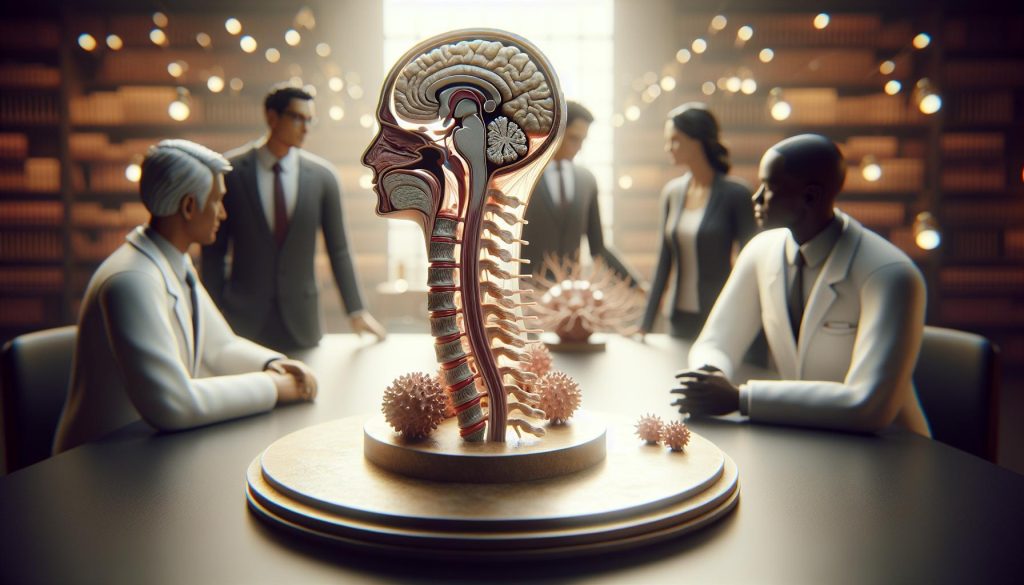
Did you know that the grey matter in your spinal cord plays a crucial role in processing sensations and coordinating movements? Understanding grey matter is essential not just for scientists, but for anyone interested in how our nervous system functions. Comprising primarily neuronal cell bodies, grey matter is vital for motor control and sensory perception. By delving into the specifics of grey matter, we can uncover how it impacts everything from daily physical activities to our overall neurological health. This exploration isn’t merely academic; it carries significant implications for improving our well-being and cognitive performance. Join us as we break down the complexities of grey matter in the spinal cord and unlock the secrets of our nervous system’s remarkable capabilities.
Understanding Grey Matter: An Overview of Function and Structure
The intricate world of grey matter plays a vital role in the functioning of the spinal cord and the overall nervous system. Comprising densely packed neuronal cell bodies, grey matter distinguishes itself from its counterpart, white matter, by its unique structure and function. In the spinal cord, grey matter is central to processing information and coordinating reflexes, forming an essential part of the central nervous system.
Understanding the composition and arrangement of grey matter is crucial. It is primarily located in the center of the spinal cord, forming a butterfly or H-shaped structure. This configuration allows it to effectively integrate and relay signals between the brain and the body. The neurons within grey matter are responsible for receiving sensory input, processing it, and generating appropriate motor responses. For instance, when you touch a hot surface, the sensory neurons relay this information to the spinal cord, where the grey matter processes it and initiates an immediate reflex to withdraw your hand.
This processing capability illustrates grey matter’s significance not only in reflex actions but also in more complex cognitive functions. Studies have shown that grey matter density can correlate with various brain functions, impacting everything from memory to emotional regulation. Engaging in activities that stimulate the brain, such as learning new skills or practicing mindfulness, can promote neural health and potentially influence the integrity of grey matter.
To support and enhance grey matter health in everyday life, consider incorporating regular exercise, a balanced diet rich in omega-3 fatty acids, and sufficient sleep into your routine. Each of these factors can contribute to cognitive resilience and overall well-being, fostering an environment where your nervous system thrives. Prioritizing these aspects of health can lead to improved cognitive function and enhance your ability to manage stress effectively, ultimately promoting a harmonious work-life balance.
The Role of Grey Matter in the Spinal Cord
The spinal cord is a marvel of biological engineering, playing a crucial role in the orchestration of sensory input and motor output. Within this intricate system, grey matter serves as the command center, housing dense networks of neuronal cell bodies that are vital for processing information. Arranged in a characteristic butterfly or H-shape across the spinal cord’s cross-section, grey matter facilitates immediate responses to stimulus, acting as the interface between the body and brain. For instance, upon touching a hot surface, sensory neurons send signals directly to the grey matter, where reflex actions are rapidly coordinated, allowing you to withdraw your hand before the sensation of pain even registers.
Beyond reflex arcs, grey matter in the spinal cord is pivotal for higher functions such as the regulation of complex movements and coordination. It contains interneurons, which integrate and relay information between sensory inputs and motor outputs. This neural connectivity supports smooth and controlled movements by fine-tuning responses based on sensory feedback. The richness of synaptic connections within grey matter not only enhances motor control but also contributes to the overall adaptability of movement patterns, allowing for fluid navigation through various physical tasks in our daily lives.
To promote healthy grey matter function in the spinal cord, it’s essential to incorporate practices that enhance neural plasticity and support overall nervous system health. Engaging in regular physical activity, particularly exercises that challenge coordination and balance, can foster the growth of new connections in the spinal grey matter. Such activities not only bolster physical performance but also stimulate cognitive health, as the brain and body work in tandem during exercise. Additionally, mindfulness practices-such as yoga or meditation-can help reduce stress and equip the nervous system to respond more effectively to challenges, contributing to a resilient grey matter structure.
Incorporating a balanced diet rich in omega-3 fatty acids and antioxidants can also support grey matter health, promoting cellular regeneration and reducing inflammation. Whole foods, including fatty fish, nuts, seeds, and plenty of fruits and vegetables, are fundamental to nourishing the brain and spinal cord. Emphasizing these aspects can lead to improved cognitive resilience, allowing for better management of the demands placed on the nervous system in both work and life. As you nurture your spinal cord and grey matter health, remember that a proactive approach to wellness is key to enhancing your overall quality of life.
Differences Between Grey Matter and White Matter
Understanding the distinction between grey matter and white matter is essential for grasping the complexities of the nervous system. While they both play critical roles in how our bodies function, they differ significantly in structure and purpose. Grey matter primarily consists of neuronal cell bodies and is involved in vital processes such as sensation, muscle control, and cognitive functions. In contrast, white matter is composed mainly of myelinated axons, which are the long projections of neurons that transmit signals across different regions of the brain and spinal cord.
One key aspect that sets these two types of matter apart is their color and composition. Grey matter has a darker appearance due to the high density of neuronal cell bodies and dendrites, which are the parts of neurons that receive signals. This area is where all the information processing takes place, acting as the brain’s and spinal cord’s command center. In contrast, white matter appears lighter, primarily due to the myelin sheaths that surround the axons, providing insulation and increasing the speed of electrical impulses. This myelination facilitates efficient communication between regions of grey matter, allowing for the swift transmission of messages across vast distances in the nervous system.
The functions attributable to grey and white matter also diverge significantly. Grey matter areas, such as the cortex, are involved in higher-order functions like thinking, decision-making, and emotional regulation. This is where the brain interprets sensory data and orchestrates voluntary movements. On the other hand, white matter tracts, such as the corpus callosum, connect different brain hemispheres and areas, enabling the integration of information and supporting overall brain coordination. This distinction is critical for understanding conditions that affect the nervous system-diseases like multiple sclerosis primarily target white matter, disrupting communication pathways, while other disorders may lead to the degeneration of grey matter, impacting cognitive and motor functions.
Ultimately, the interplay between grey and white matter underpins our nervous system’s ability to process and respond to the world around us. By recognizing these differences, individuals can appreciate the complexity of brain function and the importance of maintaining both grey and white matter health through lifestyle choices, such as exercise, balanced nutrition, and mental stimulation. Such proactive strategies not only bolster cognitive resilience but also optimize overall neurological performance, allowing for better management of everyday challenges in both work and life.
Importance of Grey Matter in the Nervous System
Grey matter is fundamental to the operation of our nervous system, acting as the command center for processing information and coordinating actions throughout the body. This dense network of neuronal cell bodies is essential not only for basic motor functions but also for higher cognitive processes such as learning, memory, and emotional regulation. In essence, grey matter is where the brain’s rich tapestry of thought, sensation, and decision-making takes place, leaving an indelible mark on our daily experiences.
The importance of grey matter extends into various aspects of physiological functions. For instance, the spinal cord’s grey matter is crucial for reflex actions, allowing for rapid responses to stimuli without the need for conscious thought. This capability can be particularly beneficial in workplace settings where quick reactions may be necessary to avoid accidents or injuries. Moreover, grey matter’s role in sensory perception means that it is integral to how we interact with and interpret our environment. By fostering an awareness of how grey matter contributes to these functions, individuals can be empowered to adopt practices that enhance their cognitive health, ultimately leading to improved workplace performance and well-being.
To support grey matter health, consider implementing the following wellness strategies:
- Engage in Regular Physical Activity: Exercise has been shown to promote neurogenesis, the formation of new neurons, and enhance the health of existing grey matter.
- Practice Mindfulness and Stress Management: Techniques such as meditation and deep-breathing exercises can boost cognitive function and protect grey matter from the effects of chronic stress.
- Nourish Your Brain: A balanced diet rich in antioxidants, omega-3 fatty acids, and vitamins can support overall brain health, including grey matter integrity.
- Stimulate Your Mind: Engage in intellectually challenging tasks, puzzles, or learning new skills to promote cognitive resilience and grey matter connectivity.
In conclusion, understanding the role of grey matter holds significant implications for fostering our cognitive capacity and neural health. By prioritizing activities and habits that strengthen and support grey matter, individuals can enhance their mental agility, improve stress management, and ultimately thrive both at work and in their personal lives. Each step taken towards nurturing grey matter contributes to a more robust nervous system, preparing one to face the challenges of the day with clarity and confidence.
How Grey Matter Supports Neural Connectivity
The intricate web of neural connections in our brain hinges significantly on grey matter, which serves as a vital support system for effective communication between neurons. This type of brain tissue, primarily composed of neuronal cell bodies, dendrites, and synapses, plays a crucial role in both the formation and maintenance of these connections. These synapses, the points where neurons communicate, are where learning and memory formation occur, illustrating how crucial grey matter is in fostering cognitive abilities and adaptability.
A well-maintained network of grey matter enhances neural connectivity, enabling smoother information transfer and faster decision-making processes. For instance, environments rich in cognitive stimuli-like challenging work projects or engaging discussions-can encourage synaptic plasticity, the brain’s ability to strengthen or weaken synapses over time based on activity levels. This adaptability means that regularly challenging the brain through puzzles, learning new skills, or engaging in stimulating conversations can fortify grey matter health and promote robust neural connections, making it easier to process information and respond to challenges effectively.
Maintaining and enhancing grey matter connectivity is also vital for emotional resilience. A diverse set of emotional and cognitive experiences can stimulate the development of new connections and support the brain’s plasticity. To cultivate this environment, consider implementing practices that enhance mental engagement, such as:
- Regular Brain Training: Dedicate a few minutes each day to cognitive exercises or games designed to challenge your reasoning and problem-solving skills.
- Social Interactions: Engage in discussions, join clubs, or participate in community activities that provoke thought and stimulate varied perspectives.
- Creative Outlets: Explore art, music, or writing, which can help to foster connections in the brain by integrating diverse cognitive processes.
By prioritizing activities that enhance neural connectivity through grey matter health, you can significantly impact your cognitive performance and emotional well-being. This proactive approach not only empowers you to navigate workplace challenges more efficiently but also enhances your overall quality of life, enabling more fulfilling and enjoyable experiences both personally and professionally.
The Relationship Between Grey Matter and Motor Functions
The intricate workings of motor functions depend heavily on the health and integrity of grey matter. This essential brain tissue is woven into the neural pathways that control movement, playing a pivotal role in both the execution of voluntary actions and the coordination of complex physical activities. In fact, regions of the brain rich in grey matter, such as the motor cortex, are directly responsible for initiating movements. The denser the grey matter in these areas, the better the performance and skill level typically observed.
Motor functions are not just about moving muscles but also require sophisticated communication between different regions of the brain and spinal cord. Grey matter facilitates this by housing the neuronal cell bodies that process and relay motor commands. For example, when you decide to pick up a coffee cup, the motor cortex activates the necessary muscle groups through a cascade of signals transmitted via grey matter. Additionally, the basal ganglia, another grey matter-rich area, helps in refining these movements and ensuring they are smooth and coordinated, preventing unwanted motions.
To maintain and enhance motor function, it’s important to engage in activities that promote grey matter health. Consider integrating exercises that not only build strength but also improve coordination and balance, such as yoga or tai chi. These practices require a high degree of cognitive involvement and can stimulate the plasticity of grey matter, fostering better motor control and, ultimately, a more agile physical response in daily life. Emphasizing brain-body connection exercises can also improve overall performance and efficiency, leading to healthier movement patterns both in recreational activities and workplace ergonomics.
Moreover, incorporating dynamic movements into your routine-like using a standing desk or combining movement with work tasks-can stimulate grey matter activity and cultivate motor skills. By prioritizing these strategies, you can enhance your physical capabilities while supporting the underlying neurological functions that govern them. Always consult with a specialist when starting a new physical regimen to tailor practices that suit your specific needs and capabilities.
Impact of Grey Matter on Pain Perception
The human brain is a marvel of engineering, but did you know that the way we perceive pain is largely rooted in the structure and function of grey matter? This critical tissue, which contains the cell bodies of neurons, plays a pivotal role in processing sensory information, including pain signals. When our body experiences injury or discomfort, it sends signals through the nervous system that are processed in various regions of the brain, particularly those rich in grey matter.
One of the key areas of grey matter involved in pain perception is the thalamus, which acts as a relay station for sensory information. The thalamus directs these signals to other brain regions, such as the cortex, where they are interpreted as pain. Additionally, the insula and anterior cingulate cortex, both containing significant amounts of grey matter, are crucial for the emotional aspect of pain. They contribute to how we feel about pain, influencing both our psychological response and the severity of our experience.
Understanding this connection opens the door to effective pain management strategies. By incorporating activities that enhance grey matter health-such as aerobic exercise, mindfulness practices, and strength training-you can potentially improve pain perception and develop a more resilient response to discomfort. Engaging in physical activity increases blood flow and encourages neurogenesis, which can bolster the grey matter areas implicated in pain processing. Moreover, practices such as meditation and yoga not only relieve stress but can also transform the brain’s response to pain, suggesting a compelling link between mental wellness and physical health.
Ultimately, addressing pain effectively requires a multifaceted approach that considers both neural and psychological factors. If you’re experiencing chronic pain, it’s crucial to speak with a healthcare professional who can help tailor a comprehensive strategy for pain relief, which may include therapeutic exercises focused on enhancing grey matter health and function. By fostering a robust neural framework, you enhance your body’s ability to manage pain, leading to a better quality of life.
Diseases Associated with Grey Matter Degeneration
Did you know that the degeneration of grey matter can lead to significant cognitive and motor impairments? This critical tissue, rich in neuron cell bodies, is essential for various brain functions. can have profound effects on quality of life, encompassing a range of neurological disorders such as Alzheimer’s disease, multiple sclerosis, and amyotrophic lateral sclerosis (ALS).
Impact of Diseases on Grey Matter
Grey matter degeneration is often a hallmark of neurodegenerative diseases. In Alzheimer’s disease, for instance, the progressive loss of grey matter correlates with worsening memory and cognitive functions. The degeneration typically begins in regions like the hippocampus, which is crucial for memory formation. Similarly, in multiple sclerosis, the immune system attacks the protective covering of neurons, leading to lesions that disrupt communication between brain regions and result in significant grey matter loss.
Symptoms and Challenges
The symptoms of these diseases range widely but often include:
- Cognitive decline (memory loss, confusion)
- Changes in motor function (weakness, coordination issues)
- Altered sensory perception (numbness, vision problems)
These signs reflect the deteriorating condition of the grey matter and can significantly hinder daily living and workplace productivity, emphasizing the importance of early detection and intervention.
Promoting Grey Matter Health
Maintaining the health of grey matter is crucial for cognitive resilience. Engaging in regular physical activity, maintaining a balanced diet rich in omega-3 fatty acids, and participating in mindfulness practices can help support grey matter integrity. Cross-training your brain with puzzles, reading, and learning new skills can foster neuroplasticity, which is essential for compensating for lost grey matter and enhancing cognitive functions.
Moreover, staying socially active and managing stress effectively can enhance overall brain health. Techniques such as yoga and meditation not only help in reducing stress but also improve neurogenesis, which is the process of creating new neurons that can support and potentially replace lost grey matter. If you suspect grey matter degeneration or are experiencing symptoms, consulting healthcare professionals for tailored strategies can make a significant difference in management and quality of life.
Promoting Grey Matter Health through Lifestyle Choices
Incorporating simple lifestyle choices can significantly promote the health of grey matter, which is vital for cognitive function, emotional regulation, and overall well-being. Engaging in regular physical activity is perhaps the most effective way to support grey matter integrity. Exercise increases blood flow to the brain, encouraging the release of neurotrophic factors that promote neuron growth and survival. Aim for at least 150 minutes of moderate aerobic activity each week, incorporating strength training exercises to enhance overall fitness.
Maintaining a balanced diet rich in omega-3 fatty acids, antioxidants, and essential vitamins also contributes to grey matter health. Foods like fatty fish, walnuts, berries, and leafy greens nourish the brain and help combat oxidative stress, which can damage neuronal cells. Ensuring adequate hydration is equally critical; dehydration can impair cognitive functions and negatively impact brain health.
Stress management cannot be overlooked when discussing lifestyle choices that support grey matter. Chronic stress has been shown to adversely affect brain structure and function, particularly in areas associated with memory and emotional regulation. Techniques such as mindfulness meditation, yoga, or tai chi can reduce stress levels, promote relaxation, and potentially foster neurogenesis-the creation of new neurons that can enhance grey matter density.
Staying socially connected is another essential component of promoting brain health. Engaging in meaningful social interactions and maintaining strong relationships encourages cognitive engagement and emotional well-being. Activities like group exercises, book clubs, or volunteering can help build these connections while simultaneously benefiting your cognitive health. Incorporating these lifestyle choices into your daily routine will not only enhance grey matter health but also improve your overall quality of life.
Advanced Research on Grey Matter and Neurological Disorders
Current research emphasizes the critical role grey matter plays in neurological disorders, shedding light on how alterations in this essential brain region can significantly affect cognitive and motor functions. Recent studies have highlighted that a reduction in grey matter volume is commonly observed in conditions such as Alzheimer’s disease, schizophrenia, and multiple sclerosis, underlining its importance in both structural integrity and functional capacity of the nervous system. Understanding these findings is crucial for developing targeted therapeutic strategies.
Emerging evidence indicates that grey matter deterioration can precede the clinical symptoms of neurological disorders, suggesting that early intervention may be key to preserving cognitive function. For instance, in Alzheimer’s disease, shifts in grey matter density can be detected through advanced imaging techniques well before memory declines become noticeable. This emphasizes the potential of utilizing neuroimaging as a predictive tool in clinical settings, enabling healthcare providers to implement preventative measures sooner.
To address grey matter health, researchers are exploring various interventions ranging from pharmacological treatments to lifestyle modifications. Neuroplasticity, the brain’s inherent ability to reorganize and adapt, is an area of intense focus. Engaging in cognitive training, mindfulness practices, and aerobic exercises has been linked to enhancements in grey matter density and functionality. Specifically, aerobic exercises have shown promise in boosting brain-derived neurotrophic factor (BDNF) levels, which supports neuron growth and survival, fostering an environment conducive to maintaining and even increasing grey matter volume.
In parallel, dietary approaches are being studied for their neuroprotective effects. Diets rich in antioxidants, omega-3 fatty acids, and vitamins are correlated with improved grey matter health, potentially contributing to lowered incidences of neurological disorders. For instance, regular consumption of foods such as fatty fish, blueberries, and nuts is not only beneficial for overall health but may also play a preventative role against cognitive decline and disorders. As research in this area advances, combining these approaches holds great promise for enhancing grey matter integrity and resilience against neurodegenerative diseases.
As our understanding of grey matter’s complexities continues to deepen, it opens new avenues for innovative treatments and preventive strategies. Emphasizing a holistic approach that integrates physical, cognitive, and nutritional health will be essential in safeguarding grey matter and promoting long-term neurological wellness.
Future Directions in Grey Matter Studies and Treatments
The evolving landscape of grey matter research holds immense potential for understanding and treating neurological conditions. As science uncovers more about the complexities of grey matter function and structure, future studies are poised to enhance our understanding of neurological disorders and improve therapeutic strategies. One exciting direction involves leveraging advanced neuroimaging techniques to monitor changes in grey matter over time, particularly in populations at risk for neurodegenerative diseases. This proactive approach could facilitate early detection and intervention, allowing healthcare providers to tailor preventive measures that can significantly slow the progression of cognitive decline.
In parallel, scientists are increasingly focusing on neuroplasticity-the brain’s ability to adapt and reorganize itself. Future research may uncover new methods to enhance neuroplasticity through targeted therapies, including transcranial magnetic stimulation (TMS) or focused ultrasound. These innovative treatments have shown promise in stimulating grey matter activity and improving functional outcomes for patients with various neurological disorders. Incorporating these technologies into clinical practice could revolutionize how we approach rehabilitation and recovery for individuals suffering from conditions like stroke or traumatic brain injury.
Advancements in Nutrition and Lifestyle
Research is also exploring the impact of nutrition and lifestyle on grey matter health. Investigating specific dietary components, such as polyphenols, omega-3 fatty acids, and micronutrients, may yield insights into how to optimize brain health. Future studies could establish stronger correlations between specific dietary patterns and grey matter integrity, paving the way for evidence-based nutritional guidelines aimed at maintaining or enhancing cognitive function. Additionally, fostering lifestyle habits that support mental well-being-like regular physical activity, social engagement, and mindfulness practices-will be essential areas of focus.
Individuals concerned about maintaining their grey matter health can take proactive steps today. Simple changes, such as incorporating aerobic exercise into daily routines or adopting a diet rich in fruits, vegetables, and omega-3 fatty acids, can be beneficial. As research continues to unfold, staying informed and adopting these practices can pave the way for a healthier and more resilient brain, ultimately enhancing cognitive function and quality of life.
By embracing the promising directions of grey matter studies, we can work toward a future where neurological disorders are anticipated rather than merely treated, creating a healthier landscape for generations to come.
Q&A
Q: What is the primary function of grey matter in the spinal cord?
A: The primary function of grey matter in the spinal cord is to process information and relay signals between different parts of the nervous system. It contains neuronal cell bodies, which are crucial for reflex actions and transmitting sensory information to the brain.
Q: How does grey matter differ from white matter in the spinal cord?
A: Grey matter consists of neuronal cell bodies and synapses, crucial for processing information. In contrast, white matter is made up of myelinated axons that facilitate communication between different parts of the nervous system, enhancing signal transmission speed.
Q: What role does grey matter play in motor control?
A: Grey matter is vital for motor control as it houses motor neurons that send signals to muscles. This enables the coordination and execution of voluntary movements, making it essential for daily activities and physical functions.
Q: Can grey matter degeneration affect pain perception?
A: Yes, grey matter degeneration can significantly alter pain perception. Changes in this area can disrupt normal signal processing, potentially leading to heightened sensitivity to pain or chronic pain conditions.
Q: What factors contribute to the health of grey matter in the spinal cord?
A: Lifestyle factors such as regular physical activity, a balanced diet rich in omega-3 fatty acids, and mental stimulation contribute to the health of grey matter. Engaging in exercises that promote neural connectivity, like strength training, can also enhance grey matter volume.
Q: What neurological diseases are linked to grey matter degeneration?
A: Diseases such as multiple sclerosis, amyotrophic lateral sclerosis (ALS), and spinal muscular atrophy are linked to grey matter degeneration. These conditions can significantly impact motor function and overall nervous system health.
Q: How is grey matter involved in reflex actions?
A: Grey matter plays a crucial role in reflex actions by processing sensory stimuli within the spinal cord and initiating an automatic response. This allows for quick reactions to potentially harmful stimuli without waiting for brain processing.
Q: What research is currently being conducted on grey matter and neurological disorders?
A: Current research focuses on understanding how grey matter changes in various neurological disorders and exploring potential therapies to promote grey matter health. Investigations include examining neuroplasticity and targeted treatments to mitigate degeneration effects.
Insights and Conclusions
Understanding the role of grey matter in the spinal cord is vital for grasping how our nervous system operates and affects our overall health. This foundational knowledge can empower you to take proactive steps toward maintaining a healthy brain and robust cognitive function. Don’t miss out on further exploring the interconnected topics of neuroplasticity and brain health by checking out our articles on workplace wellness and stress management techniques.
If you’re eager to enhance your wellness journey, consider signing up for our newsletter for practical tips on creating ergonomic workspaces, healthy habits, and stress reduction strategies. Remember, your brain’s health is integral to your well-being-take the next step today! Share your thoughts and experiences in the comments, and let’s continue this conversation together on how to support our cognitive health effectively.