Did you know that brain size doesn’t always correlate with intelligence? This fascinating topic unveils the complexities of animal cognition, prompting us to question: what animal claims the title for the largest brain? In exploring this question, we delve into the intricacies of size versus intelligence, highlighting not only the stunning adaptations of various species but also how brain structure plays crucial roles in behavior and survival. Understanding these relationships can deepen our appreciation for the animal kingdom and spark curiosity about the evolution of intelligence. Join us as we navigate through the intriguing world of animal brains, uncovering insights that may redefine what we consider smart.
What Determines Brain Size in Animals?

Determining the size of an animal’s brain is both a fascinating and complex endeavor, influenced by various biological, environmental, and evolutionary factors. One primary factor is the species’ metabolic demands. Larger animals generally require larger brains to manage and coordinate their more extensive body functions; this is often reflected in the brain-to-body ratio. For example, while elephants possess some of the largest brains overall, many studies suggest that intelligence is not merely a product of size, as evidenced by the remarkable cognitive abilities of smaller animals, such as certain birds and primates.
Genetic evolution plays a crucial role in brain size as well. Over millions of years, species have adapted their brain structures to better navigate their habitats, find food, and communicate within their social groups. For instance, the dramatic expansion of the neocortex in primates correlates with advanced problem-solving skills and social behaviors. Selective pressures-such as predator evasion and foraging strategies-have also resulted in varied brain sizes across different animal groups, with some species needing more extensive cognitive capabilities to survive and thrive.
Another significant factor is environmental complexity. Animals living in dynamic and socially intricate environments often develop larger brains to process and respond to diverse stimuli. For instance, the highly social nature of dolphins and certain primates necessitates complex communication and social interaction, driving brain development. This is not just about the physical size of the brain but involves neural complexity too; the density of neurons and the intricacy of their connections are equally, if not more, important in supporting advanced cognitive functions.
In summary, brain size in animals is determined by a blend of metabolic needs, evolutionary history, environmental demands, and social complexities, culminating in a wide array of brain sizes across the animal kingdom tailored to meet specific survival challenges.
The Largest Animal Brains: Giants of the Animal Kingdom

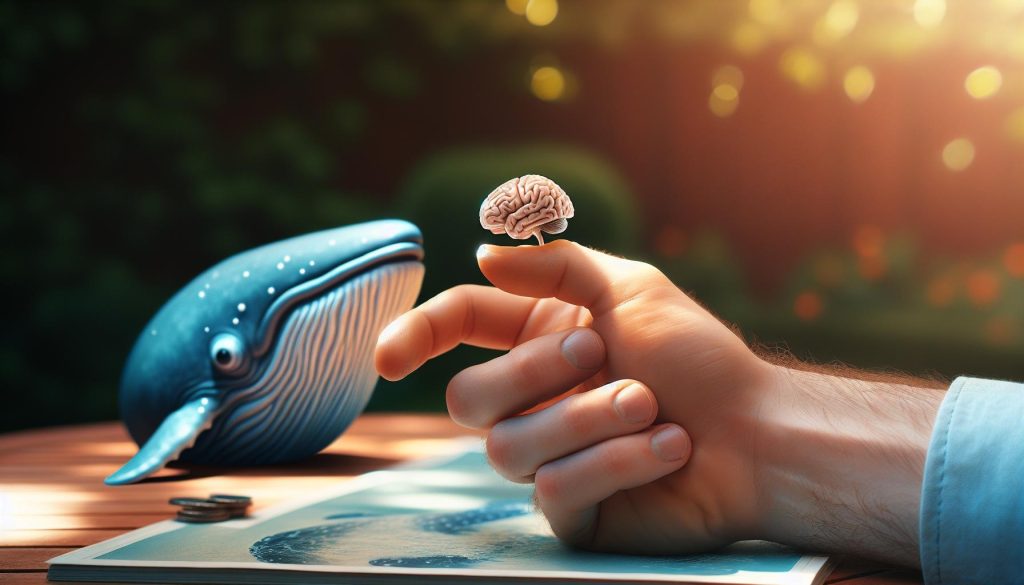
The great blue whale, the largest animal on Earth, not only boasts a massive body but also an impressive brain weighing an astonishing 7 to 9 kilograms (about 15 to 20 pounds). This makes it the largest brain in the animal kingdom, eclipsing that of even the most intelligent land animals. However, what’s intriguing is that brain size alone isn’t a definitive marker of intelligence. In the animal world, larger brains often correlate with larger body sizes, but that doesn’t automatically translate to higher cognitive functioning.
In comparing brain size to intelligence, it’s essential to recognize that much of animal cognition relies on the complexity of neural connections rather than sheer size. For instance, while elephants have substantial brains, recent studies have shown that the intricate neural networks found in the brains of certain smaller animals, like dolphins and some bird species, can lead to highly advanced problem-solving abilities and social dynamics. The ratio of brain size to body size (known as the encephalization quotient or EQ) is often a better indicator of potential intelligence than brain size alone.
The Role of Evolution and Environment
The evolution of brain size and complexity has been significantly influenced by ecological and social factors. Animals living in complex environments, which require sophisticated interaction and communication, tend to develop larger and more intricate brains. For instance, primates such as chimpanzees not only have big brains relative to their body size but also exhibit advanced social behaviors, problem-solving skills, and emotional complexity. In contrast, although a blue whale’s brain is large, their cognitive demands are different, focusing more on navigation through vast ocean spaces rather than the intricate social structures seen in land animals.
This juxtaposition highlights that size is just one piece of the intelligence puzzle. As we explore the cognitive capabilities across the animal kingdom, it becomes clearer that using a singular metric like brain weight or size can be misleading. Understanding the nuances of how brain structure relates to different types of intelligence fosters a richer appreciation for the diverse forms of life and the unique cognitive adaptations each species has developed in their environmental niches.
Comparing Intelligence: Brain Size vs Neural Complexity
Understanding the relationship between brain size and intelligence extends beyond mere numbers; it delves into the complexity and architecture of the brain’s neural networks. While it’s tempting to equate a larger brain with superior cognitive abilities, research suggests this connection is far more nuanced. The great blue whale may possess the largest brain in the animal kingdom, but its cognitive functions differ significantly from those of animals with smaller brains that exhibit advanced problem-solving skills, like dolphins and crows. This highlights that sheer brain size is not a reliable indicator of intelligence.
The critical factor is neural complexity-the intricate web of connections between neurons. A smaller brain can outperform a larger one if it has a denser and more sophisticated arrangement of neurons. For example, the brains of some species of birds, particularly corvids, have been shown to have a high density of neurons in the forebrain, the area responsible for advanced cognitive functions. This architecture supports their ability to use tools, solve puzzles, and engage in social interactions. In contrast, while elephants have large brains filled with substantial gray matter, it’s their social structures and memory capabilities that underscore their intelligence more than just brain size.
Furthermore, the ratio of brain size to body size, known as the encephalization quotient (EQ), serves as a more telling measure of potential intelligence than size alone. Animals with higher EQ values, like primates and certain marine mammals, are often observed engaging in complex social behaviors and environmental problem-solving. This deeper understanding of intelligence encourages a broader perspective that appreciates the diverse cognitive capabilities across species, emphasizing how evolutionary pressures shape brain development in relation to environmental demands and social interactions.
In summary, rather than focusing solely on the size of an animal’s brain, it is essential to consider the underlying neural complexity and the context of its environment. Recognizing this complexity helps us to value the cognitive adaptations that allow various species to thrive in their unique ecological niches, shedding light on the fascinating diversity of intelligence in the animal kingdom.
The Role of Environment in Animal Intelligence

The environment plays a crucial role in shaping the cognitive capabilities of various animal species. This influence can be observed in the diverse ways animals adapt their behaviors and problem-solving skills to navigate their surroundings. For instance, species that thrive in complex social structures, such as elephants or dolphins, often display advanced intelligence due to the demands of interaction and communication within their groups. This suggests that social environments can foster enhanced cognitive abilities, allowing these animals to develop sophisticated strategies for cooperation and resource sharing.
In addition to social complexity, environmental challenges can also drive the evolution of intelligence. Take the example of urban-dwelling animals like certain birds and raccoons; those that effectively adapt to city life demonstrate remarkable resourcefulness. They may utilize tools or learn to manipulate their surroundings to find food, showcasing cognitive flexibility that surpasses their rural counterparts. This adaptive intelligence illustrates how specific environmental pressures can select for certain cognitive traits, enabling species to thrive amidst changing circumstances.
Furthermore, the role of physical environment cannot be underestimated. For example, aquatic mammals, such as orcas and dolphins, have been observed to exhibit high levels of intelligence as they navigate the complexities of marine ecosystems. Studies suggest that the ability to communicate and collaborate while hunting in groups significantly enhances their problem-solving skills. This intricate relationship between environment and intelligence underlines the importance of ecological context in understanding cognitive evolution-it’s not solely about the size of the brain, but rather how well an animal’s neural architecture and behaviors are suited to their environment.
In summary, the interplay between environment and intelligence offers valuable insights into the adaptive strategies of various species. Recognizing how different contexts influence cognitive capabilities encourages a deeper appreciation for the diverse intelligences present in the animal kingdom. By emphasizing these relationships, we highlight the importance of preserving natural habitats and supporting ecosystems that promote the development of these vital cognitive skills in animal populations.
Mammals vs Non-Mammals: Who Dominates Brain Size?
In the fascinating world of animal cognition, the competition between mammals and non-mammals in brain size reveals intriguing patterns. Mammals, which include species like elephants, cetaceans, and primates, are renowned for their large brains relative to their body size. The human brain, for instance, is not the largest in the animal kingdom, but it stands out due to its exceptional complexity, allowing for advanced reasoning, problem-solving, and social interactions. On the other hand, non-mammals, such as birds, reptiles, and some fish, also exhibit remarkable cognitive capabilities despite typically having smaller brains.
Mammalian Superiority in Absolute Size
Mammals dominate brain size when considering absolute measurements. The sperm whale boasts the largest brain of any animal, weighing about 9 kilograms (20 pounds). This gigantic brain size, however, does not directly correlate with higher intelligence. For instance, although elephants possess large brains with significant volume, their abilities in social complexity and memory have been well documented, illustrating that size can be indicative of sophisticated neural capacities.
One interesting perspective arises from the study of brain-to-body ratio. While many non-mammalian species, such as certain birds, demonstrate impressive intelligence relative to their size-often using tools and exhibiting problem-solving abilities-mammals still maintain an edge in overall brain structure. The neocortex, often referred to as the ‘thinking’ part of the brain, is more developed in mammals, providing a foundation for advanced cognitive functions.
Neural Complexity over Size
The real differentiator between mammals and non-mammals may not be brain size alone, but rather the neural complexity found within. Birds, particularly corvids like ravens and crows, possess a unique form of brain structure that allows for high degrees of cognitive flexibility. Their brains, although smaller, show high neuron density, enabling these avian species to perform complex tasks, solve problems, and communicate in sophisticated ways.
As research progresses, it becomes evident that both groups offer unique advantages. Mammals dominate in brain size and complexity, while non-mammals showcase exceptional intelligence in compact packages. This raises compelling questions about the evolution of cognition and the adaptive significance of brain structure and function across different species.
In conclusion, as you explore the fascinating dynamics of brain size versus intelligence among mammals and non-mammals, consider not just the physical measurements but also the extraordinary diversity of cognitive capacities that shape the animal kingdom’s behavioral ecology. Understanding these differences can foster a deeper appreciation for the complexities of both mammalian and non-mammalian achievements in intelligence.
Top Animals with Remarkable Brain-to-Body Ratios

In the fascinating realm of animal intelligence, brain-to-body ratio often serves as a compelling metric to gauge cognitive capabilities across species. This measurement reveals striking distinctions, showing that some animals possess remarkable intelligence despite their relatively small size. For example, the tiny hummingbird boasts a brain that weighs less than 1/200th of its body weight, yet exhibits complex behaviors, including advanced navigation and the ability to remember feeding locations over long periods. Such capabilities exemplify the old adage that great things can indeed come in small packages.
Another fascinating case is found in the octopus, which, with its sizable brain relative to its body, showcases impressive problem-solving skills and has been observed using tools. Studies indicate that the octopus’s brain size allows it to exhibit intelligence levels similar to that of certain mammals, challenging our assumptions about the evolutionary pathways to intelligence. Their high neuron density, primarily located in their arms, grants them a level of dexterity and learning ability that rivals larger-brained animals.
Exceptional Examples of Brain-to-Body Ratios
The following animals illustrate how brain-to-body ratio can inform our understanding of intelligence:
| Animal | Brain-to-Body Ratio | Notable Cognitive Attributes |
|---|---|---|
| Hummingbird | 1:200 | Advanced navigation, memory of feeding sites |
| Octopus | 1:40 | Problem-solving skills, use of tools, high degrees of learning |
| Crow | 1:15 | Tool use, complex problem solving, social learning |
| Rat | 1:50 | High social intelligence, adaptability, problem solving |
Understanding these brain-to-body ratios not only highlights the dynamic spectrum of intelligence that exists in the animal kingdom but also reframes our perspective on cognitive performance. The importance of neural complexity and adaptive behaviors showcases that intelligence is not solely determined by brain size, but rather the intricate workings of the brain itself-how neurons are organized and how effectively they communicate. Such insights can bolster our appreciation of animal cognition and perhaps inspire us to explore new ways of enhancing our own cognitive health and performance.
Unraveling the Myths: Is Bigger Really Better?
In the ongoing debate about brain size and intelligence, a prevalent myth is that bigger brains equate to greater intelligence. However, this simplistic notion fails to capture the complexity of cognitive abilities across different species. Evidence suggests that it’s not merely the size of the brain that matters, but rather how it is wired and how effectively the neural connections function. For example, while the sperm whale boasts one of the largest brains in the animal kingdom, its intelligence is not necessarily superior to that of smaller-brained animals like dolphins or primates, known for their problem-solving skills and social behaviors.
The concept of neural density, or the number of neurons within a given brain volume, plays a critical role in understanding intelligence. For instance, smaller animals, such as crows, possess an impressive concentration of neurons that allow for advanced cognitive functions, including tool use and problem solving. This demonstrates that smart adaptations in smaller brains can lead to extraordinary intelligence, often on par with or surpassing that of larger-brained relatives.
To further illustrate this point, consider the case of the octopus, which has a comparatively large brain relative to its body size and an intricate nervous system spread throughout its limbs. These adaptations enable the octopus to engage in complex behaviors, such as using tools and escaping intricate puzzles. This example highlights how functionality and adaptability in brain organization can yield superior cognitive outcomes independent of sheer size.
Ultimately, understanding intelligence requires a nuanced approach that considers not just brain size but also the intricacies of neural architecture and the evolutionary pressures that shape cognitive strategies in different environments. Embracing this complexity encourages a more profound appreciation for the diversity of intelligence in the animal kingdom, prompting us to question our preconceived notions about what constitutes a “smart” brain.
Brain Function: What Size Really Means for Intelligence
The relationship between brain size and intelligence is a complex and nuanced topic that challenges conventional notions of cognitive ability. While it is tempting to believe that a larger brain equates to greater intelligence, this correlation is not so straightforward. In fact, various factors influence cognitive function, from the sophistication of neural connections to the density of neurons within the brain. Understanding these dynamics can shed light on why some smaller-brained species display impressive cognitive abilities.
One key aspect is the concept of neural complexity. This involves not only the number of neurons but also how they are organized and interconnected. For instance, species like the African grey parrot and certain cephalopods, despite their relatively small brain sizes, exhibit remarkable problem-solving skills and exhibit behaviors that suggest high levels of intelligence. Crows, for example, have shown the ability to craft tools and utilize them in sophisticated ways, demonstrating that intelligence is much more than a function of size.
Additionally, evolutionary adaptations play a significant role in shaping brain function. Different species have developed unique cognitive strategies that suit their environmental challenges. Take the case of the octopus, which possesses an elaborate nervous system enabling advanced motor control and intelligence. Its brain communicates with neurons distributed throughout its arms, allowing for remarkable dexterity and problem-solving capabilities. Such adaptations emphasize that it is not merely the volume of the brain that matters but how it evolves to meet the ecological demands.
In summary, while larger brains can support complex functions, it is the intricate interplay of neurons, their organization, and evolutionary pressures that ultimately define intelligence. Recognizing this complexity encourages a broader understanding of cognitive abilities across species and highlights the rich diversity of intelligence that extends beyond mere size. Embracing these insights can help inform our perceptions not just of animal intelligence but also inspire our approaches to enhancing cognitive health in humans through environmental engagement, social interaction, and continuous learning.
Impact of Social Structures on Animal Intelligence
Within the complex tapestry of animal intelligence, social structures emerge as a powerful influence on cognitive abilities. Many species, particularly mammals, exhibit social behaviors that are intricately linked to their brain development and problem-solving skills. For instance, dolphins and elephants, known for their advanced social interactions, display heightened levels of empathy and cooperation, which are mirrored in their impressive cognitive capabilities.
Research shows that species living in complex social environments often have larger brains relative to their body size-a phenomenon known as the “social brain hypothesis.” This hypothesis suggests that the demands of navigating social relationships, such as understanding nuances in communication, recognizing individuals, and cooperating in groups, drive the evolution of enhanced intelligence. For example, chimpanzees use strategic thinking and social memory when interacting with one another, highlighting how the social context can foster cognitive development.
Case Studies in Social Intelligence
Consider the example of the Japanese macaque, a species known for its intricate social networks. Observations have revealed that these primates engage in grooming behaviors that strengthen social bonds and promote group cohesion, demonstrating an understanding of social dynamics that can lead to enhanced survival. Similarly, orcas, or killer whales, operate within matrilineal pods, showcasing cooperation in hunting and child-rearing that reflects their sophisticated communication skills and learned behaviors passed through generations.
In contrast, solitary animals tend to have different cognitive adaptations. For instance, while the Arctic fox has a smaller brain relative to its size, its intelligence is tailored to its environment, focusing on problem-solving skills essential for hunting and survival in harsh climates. This shows that while social structures significantly shape the intelligence of many species, adaptation to environmental pressures can yield unique forms of intelligence, illustrating the diversity in cognitive strategies across the animal kingdom.
Ultimately, understanding the not only enriches our appreciation for the cognitive abilities of various species but also helps inform strategies in conservation efforts. Recognizing the social needs of animals can aid in creating better habitats and enrichment programs that enhance their psychological well-being. Promoting strong social networks among animals in captive settings parallels best practices in human cognitive health-fostering environments that encourage connection and cooperation can lead to optimal functioning in diverse forms of life.
Neuroscience Behind Animal Cognition and Problem Solving
The relationship between brain size and intelligence in animals is a captivating area of study that delves deep into neuroscience and behavior. While one might assume that larger brains equate to higher intelligence, the reality is more nuanced. Factors like neural density and the organization of brain regions significantly impact cognitive abilities. For example, a study that examined the relationship between brain-to-body ratio and problem-solving skills found that animals with less mass but more intricate neural architectures often outperform their larger counterparts. This highlights that it’s the complexity and connectivity of the neurons, not merely the size, which drives cognitive proficiency.
Understanding how different species navigate their environments reveals a lot about their cognitive skills and problem-solving capabilities. For instance, crows and parrots possess remarkable intelligence despite their smaller brain sizes. These birds showcase advanced tool use and problem-solving skills, suggesting that their brain structures are highly optimized for such tasks. Their ability to adapt their strategies in varying contexts exemplifies neuroplasticity, the brain’s capacity to reorganize itself by forming new connections. Observational learning, as seen in these avian species, further demonstrates that intelligence can manifest in various forms tailored to environmental demands.
Moreover, the neuroscience of cognition emphasizes the role of the prefrontal cortex, responsible for executive functions such as decision-making and social interactions. Research indicates that the development of this brain region correlates with the complexity of a species’ social structures, reinforcing the idea that social living enhances cognitive skills. Dolphins and elephants, for instance, have large and highly developed prefrontal cortices, which facilitate their sophisticated social behaviors and problem-solving abilities. In contrast, solitary animals might prioritize survival tactics that are tailored to their environments rather than social intelligence, leading to different cognitive adaptations.
Finally, the ongoing research in animal cognition and neuroscience continues to shed light on how we can enhance cognitive health through practical applications. By understanding the unique aspects of various species’ intelligence and brain function, we can foster improved human cognitive health, particularly in stressful work environments. Implementing strategies such as mindfulness practices, cognitive exercises, and creating social connections in the workplace can promote mental well-being and resilience, much like the social supports seen in intelligent animal species. This dual approach not only enriches our knowledge of animal intelligence but also translates into actionable insights for improving human cognition in our everyday lives.
Emerging Research: What’s Next in Animal Intelligence Studies?
The ongoing investigations into animal intelligence are uncorking new revelations that challenge our traditional understanding of cognitive abilities across species. Recent studies are increasingly focusing on how environmental factors, social structures, and neurological mechanisms converge to shape intelligence. Researchers are now exploring neuroplasticity in greater depth, observing how animals like octopuses demonstrate remarkable learning and problem-solving skills despite possessing relatively simple brain structures. This emerging perspective suggests that adaptability and learning can be just as important as brain size, opening doors for more inclusive definitions of intelligence in the animal kingdom.
New technologies, such as advanced imaging and neuroimaging techniques, are also contributing to a deeper comprehension of how various animals process information. Studies utilizing functional MRI on dolphins and elephants have begun to reveal the intricate neural pathways and brain regions associated with their complex social behaviors and problem-solving capabilities. These assessments are helping scientists create more nuanced assessments of cognitive abilities that transcend mere size comparisons, indicating that it’s the functional organization of the brain, rather than volume alone, that plays a crucial role in intelligent behavior.
Furthermore, interdisciplinary collaborations are gaining traction, drawing insights from fields such as ecology, psychology, and comparative biology to create a holistic view of animal cognition. For instance, ongoing research into how social dynamics within species like wolves and primates influence their problem-solving techniques feeds into our understanding of collective intelligence. This cross-disciplinary approach underscores the importance of social interactions-often seen as a driving force behind cognitive evolution-revealing how animals learn from one another and adapt to their environments collectively.
As we continue to unearth these findings, the implications extend beyond the animal kingdom. By understanding diverse forms of intelligence, we can apply these insights to human contexts, particularly in workplaces seeking innovative strategies for enhancing cognitive performance and team dynamics. Cultivating environments that encourage collaboration, akin to social structures seen in intelligent animal species, can foster resilience and creativity, ultimately contributing to better mental health and productivity. Thus, the future of animal intelligence research not only promises to redefine our understanding of cognitive capabilities across species but also holds the potential to enhance our own cognitive health and workplace wellness.
Conservation Implications of Animal Intelligence Research
Understanding the complexities of animal intelligence not only enriches our knowledge about the natural world but also has profound implications for conservation strategies. As research progresses, it becomes increasingly clear that intelligence varies widely across species, often shaped by environmental factors and social interactions. This understanding can be leveraged to foster more effective conservation efforts, tailoring strategies to the unique cognitive capabilities and social structures of different animals.
For instance, species such as elephants and dolphins demonstrate advanced problem-solving skills and social cohesion, which can be vital in habitat conservation processes. Conservation programs that incorporate the social dynamics and cognitive abilities of these animals can lead to more sustainable management practices. Engaging local communities in conservation efforts, highlighting the intelligence and emotional depth of these species, can increase public interest and support for protective measures. Using the knowledge of animal intelligence fosters empathetic connections, encouraging individuals to engage in preservation activities that directly benefit these sentient beings.
Moreover, the conservation of ecosystems can benefit significantly from an understanding of animal intelligence. Species play specific roles within their environments that are often influenced by their cognition. For example, animals with high intelligence may contribute to ecosystem engineering, like beavers creating wetlands or elephants maintaining grasslands. Initiatives that protect and restore habitats must consider these roles; threatening intelligent species can unravel ecological balances, leading to unforeseen consequences.
Finally, the ethical aspect of animal intelligence research drives important conversations about animal rights and conservation ethics. As we learn more about the cognitive capacities of various species, there is an increasing moral obligation to protect them. Recognizing that many animals possess not only the ability to feel pain but also complex emotional lives can shift public perception and policy regarding wildlife conservation. This raises vital questions about habitat encroachment, climate change impacts, and the overall ethical treatment of animals in our ecosystems.
By integrating findings from animal intelligence studies into conservation strategies, we not only enhance the chances of success for these initiatives but also pave the way for a deeper appreciation of the intricate web of life on our planet. Supporting species that exhibit remarkable cognitive characteristics can inspire collective efforts towards sustainability, illustrating the interconnectedness of ecological health and the thriving of intelligent life forms.
Frequently Asked Questions
Q: What animal has the largest brain in the world?
A: The sperm whale has the largest brain of any animal, weighing about 9 kg (20 lbs). Its massive brain size exceeds that of any terrestrial or aquatic animal, showcasing that size does not directly correlate to intelligence.
Q: Does brain size directly correlate with intelligence in animals?
A: Not necessarily. While larger brain size can indicate more neural capacity, intelligence also depends on factors like neural density and brain structure complexity. Thus, smaller animals like some birds demonstrate high cognitive abilities despite having smaller brains.
Q: Which animal has the largest brain-to-body size ratio?
A: The black-capped chickadee holds the largest brain-to-body ratio among birds. This metric highlights how certain animals optimize cognitive functions relative to their body size, particularly in environments requiring advanced problem-solving skills.
Q: How does an animal’s environment affect its brain size and intelligence?
A: An animal’s environment significantly influences its brain size and cognitive abilities. Factors like social structure, ecological demands, and complexity of habitat can drive the development of larger brains and sophisticated problem-solving skills.
Q: What are the cognitive abilities of dolphins compared to humans?
A: Dolphins exhibit remarkable cognitive abilities comparable to those of humans, including problem-solving, social intelligence, and self-awareness. Their complex social structures and communication skills underpin these advanced traits, despite having smaller brains than humans.
Q: Are there any myths about brain size and intelligence?
A: Yes, common myths suggest that bigger brains equal higher intelligence, which is misleading. Many species exhibit advanced intelligence relative to their brain size, emphasizing neural complexity over sheer size as a better measure of cognitive capabilities.
Q: Why do elephants have large brains, and are they intelligent?
A: Elephants possess large brains, weighing about 5 kg (11 lbs), which supports their complex social behaviors, memory, and problem-solving skills. Their intelligence is evident in their ability to communicate, exhibit empathy, and use tools, showcasing advanced cognition.
Q: How can studying brain size in animals inform conservation efforts?
A: Understanding the relationship between brain size, intelligence, and behavior can guide conservation strategies. By recognizing species with higher cognitive functions, conservationists can better prioritize and target efforts, ensuring the protection of species that play critical roles in ecosystems.
In Retrospect
As we’ve explored, the relationship between brain size and intelligence is both fascinating and complex. While larger brains may contribute to cognitive abilities in some cases, it’s not the sole indicator of intelligence. To dive deeper into the captivating world of animal behavior and brain science, check out our articles on the smartest animals on Earth and understanding neuroplasticity.
Don’t miss your chance to enhance your knowledge-subscribe to our newsletter for weekly insights that can transform the way you view intelligence and brain health. Remember, staying curious and informed is a step toward greater understanding and wellness. Share your thoughts in the comments below; we love hearing your perspectives! Let’s continue this conversation about brain health and workplace wellness together. Your journey to a healthier, more informed lifestyle starts here!