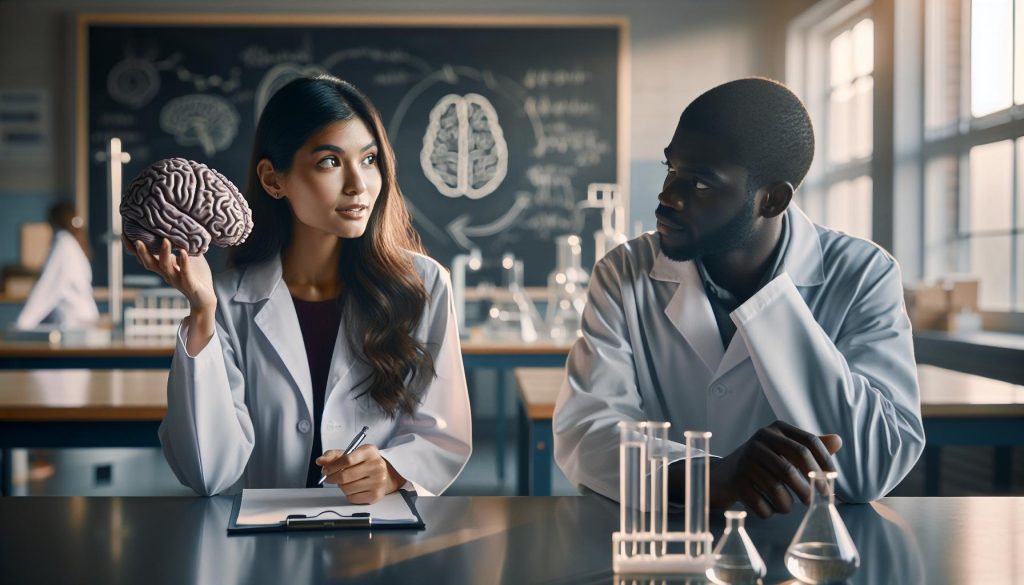
Did you know that the differences between male and female brains have sparked extensive research and debate among scientists and psychologists? Understanding whether the female brain exists as a distinct entity is crucial for grasping how gender may influence cognitive function and behavior. This inquiry not only illuminates the biological underpinnings of gender differences but also addresses the common myths that can impact workplace dynamics, mental health, and personal development. As we explore the science behind these differences, you’ll gain insights that empower you to foster a greater sense of harmony in work and life. So, let’s delve deeper into the fascinating world of brain science, uncovering the truths that can inform our understanding of ourselves and each other.
The Science of Gender Differences in the Brain
Research into the brain has revealed some compelling nuances when it comes to gender differences. Understanding these differences is crucial not only for academic exploration but also for practical applications in workplace wellness, cognitive health, and emotional well-being. The structure and functioning of male and female brains exhibit variations influenced by genetics, hormones, and environmental factors. For instance, studies show that while the overall brain size may differ, this does not correlate directly with cognitive abilities. Instead, it is the connectivity patterns and how neural pathways are utilized that play a more significant role.
Neuroscientific research indicates that women typically have a higher density of connections in the brain areas linked to emotion and social processing, while men may show more connectivity in areas associated with tasks involving spatial awareness and motor skills. This does not mean that one gender is inherently superior in cognitive function; rather, it emphasizes the need to appreciate diverse strengths. A balanced view of cognitive capabilities encourages a model of collaboration in work settings where both men and women can leverage their strengths effectively.
Incorporating this knowledge means fostering an inclusive environment that accounts for differences in processing and emotional expression. For instance, promoting team-building exercises that embrace diverse perspectives can enhance communication and innovation. Additionally, providing resources such as workshops on emotional intelligence can help individuals understand their unique cognitive styles, leading to greater workplace harmony and performance.
As our understanding of the brain’s complexities deepens, it becomes clear that these gender-related differences in brain function and structure are not only academic insights but also practical considerations. Embracing this knowledge can empower individuals and organizations to create strategies that foster mental health and optimize cognitive performance across diverse teams, ultimately enhancing overall well-being and productivity.
Debunking Myths: The Female Brain Explained
Research has shown that the concept of a distinctly “female brain” is rife with misconceptions, often perpetuated by stereotypes rather than scientific evidence. While it’s true that male and female brains can exhibit differences, these variances are often exaggerated in popular narratives. For example, many assert that women are inherently more emotional or better communicators due to their brain structure. However, such assertions oversimplify the complexities of neural functioning and ignore the significant overlap between genders in most cognitive abilities.
Studies indicate that while certain areas of the female brain may be more densely connected, particularly in regions associated with empathy and social cognition, this does not imply a definitive superiority in emotional intelligence or communication skills. Instead, these connections can facilitate nuanced social interactions, but they are not the sole determinants of one’s ability to understand or manage emotions. It is essential to recognize that both men and women possess a range of skills and strengths that can be influenced by environmental factors, individual experiences, and cultural contexts.
To further demystify gender stereotypes related to the brain, organizations can promote inclusive educational programs aimed at enhancing understanding of cognitive diversity. Workshops or team-building activities that celebrate different cognitive styles can boost collaboration. Implementing policies that support mental health and individual behavioral diversity not only fosters an empowering workplace environment but also encourages innovative problem-solving, bolstering overall productivity.
Moreover, maintaining cognitive wellness can benefit from tailored approaches. Employers can facilitate this by creating ergonomic workspaces equipped with adjustable standing desks and promoting regular breaks. Encouraging practices such as mindfulness and stress management techniques can also empower all employees to optimize their mental fitness, irrespective of gender differences. By prioritizing a holistic understanding of the brain-one that embraces the spectrum of both female and male cognitive abilities-workplaces can better support the diverse needs of their teams.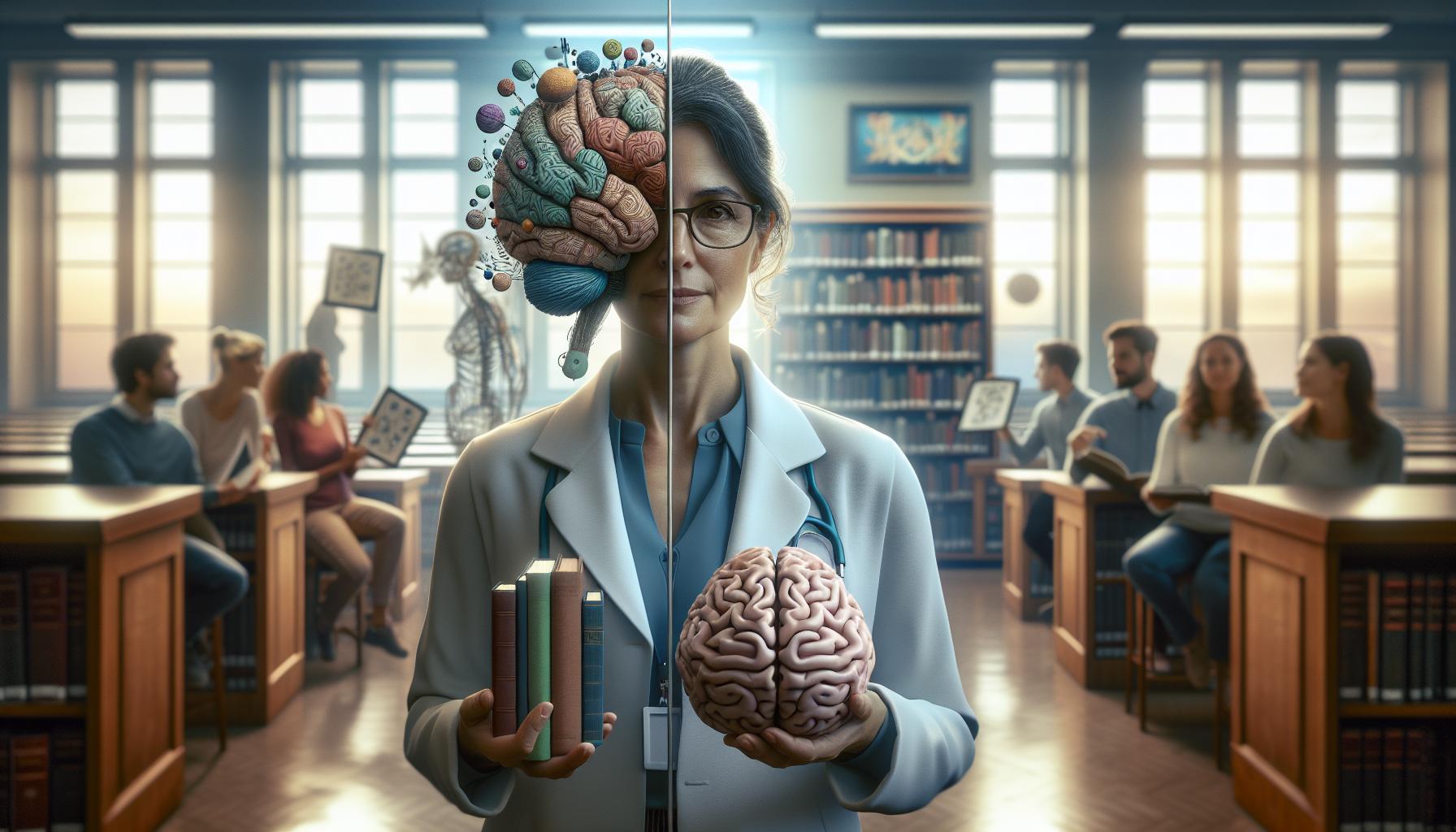
Neuroplasticity: Is Gender a Factor?
Neuroplasticity, the brain’s ability to reorganize itself by forming new neural connections throughout life, plays a crucial role in how individuals adapt to experiences, acquire new skills, and learn from their environments. While much of the research surrounding neuroplasticity has focused on how these changes occur, the question of whether neuroplasticity operates differently in males and females remains a topic of interest and debate. The neurological adaptations that occur in response to various stimuli-such as learning, memory, and trauma-can indeed manifest in ways that may be influenced by gender, but the extent and significance of these differences are still being unraveled.
Studies suggest that neuroplasticity is inherently robust regardless of gender. Both male and female brains can undergo significant changes in response to experiences and environments. For instance, evidence highlights that women often excel in tasks involving verbal memory and social cognition, potentially due to more extensive connectivity in certain brain regions. This might allow for unique neuroplastic responses when navigating complex social environments. In contrast, studies suggest that men may demonstrate a different strength in spatial awareness and tasks that require rapid reactions, indicating that the types of neuroplastic adaptations may differ based on the cognitive demands placed upon individuals.
To harness the potential of neuroplasticity effectively in the workplace, organizations can implement strategies that promote diverse learning opportunities. Offering training programs that focus on various skills-ranging from communication to analytical thinking-can maximize the brain’s adaptive capabilities across all team members. Regular workshops, brainstorming sessions, and collaborative projects can stimulate cognitive engagement, fostering an environment where neuroplasticity thrives. Additionally, providing resources for mental and physical health-like ergonomic workspaces and relaxation techniques-can further enhance cognitive function, allowing individuals of all genders to reach their full potential.
It’s also essential to acknowledge that lifestyle factors contribute significantly to neuroplasticity. Engaging in regular physical activity, maintaining a balanced diet rich in omega-3 fatty acids, practicing mindfulness, and getting adequate sleep are all practices that promote brain health and neuroadaptation. By cultivating an environment conducive to these healthy habits, workplaces can empower all individuals to harness their neuroplastic capabilities, ensuring that each employee’s path to growth and development is supported by the latest insights from neuroscience.
Hormonal Influences on Brain Function
Hormones play a pivotal role in shaping brain function, influencing everything from mood and behavior to cognitive abilities. These biochemical signals, such as estrogen and progesterone, are particularly important in understanding how the female brain may function differently from the male brain. Research indicates that estrogen can enhance synaptic plasticity and promote neuroprotection, which may facilitate better memory retention and emotional regulation. This hormonal influence becomes especially pronounced during various life stages, such as puberty, menstrual cycles, pregnancy, and menopause, where fluctuations can lead to notable changes in cognitive and emotional patterns.
The Impact of Hormonal Cycles
The cyclical nature of hormones in females has profound implications for brain function. For example, many women report changes in focus, mood, and cognitive clarity throughout their menstrual cycle, likely due to varying estrogen and progesterone levels. These shifts can affect workplace productivity and social interactions. To optimize work performance, it may be beneficial to adopt strategies that align with these cycles, such as scheduling intensive cognitive tasks during the follicular phase when estrogen levels are elevated, potentially enhancing concentration and problem-solving skills.
Practical Strategies to Leverage Hormonal Influences
Understanding the effects of hormones allows individuals and organizations to create a supportive environment that respects these natural fluctuations. Here are some actionable strategies:
- Flexible Scheduling: Encourage flexible work hours or break times that can accommodate individual energy levels throughout the month.
- Mood Monitoring: Promote mindfulness and self-reflection practices to help employees track how hormonal changes may influence their emotions and productivity.
- Education and Awareness: Providing workshops about the roles of hormones in cognitive performance can empower individuals to better manage their workloads and expectations.
Furthermore, lifestyle factors such as nutrition and physical activity can also mediate how hormones influence brain function. A diet rich in omega-3 fatty acids, antioxidants, and fiber supports hormonal balance, enhancing mood and cognitive clarity. Regular physical activity has been shown to alleviate stress and anxiety by modulating hormone levels, making it an essential component of a wellness strategy in the workplace.
By embracing these insights and fostering a culture that supports mental health and cognitive wellness, organizations can enhance productivity while respecting the unique challenges posed by . Implementing these strategies not only promotes individual well-being but also cultivates a more inclusive and understanding work environment.
Cognitive Abilities: Are They Gender-Specific?
Cognitive abilities have long been a topic of debate, particularly concerning whether they differ significantly between genders. While societal stereotypes often paint men as superior in spatial tasks and women as excelling in verbal skills, scientific research suggests that such abilities are not rigidly defined by gender but rather influenced by a complex interplay of biology, environment, and culture.
Studies indicate that both genders can exhibit strengths across various cognitive domains. For instance, research has shown that women often outperform men in verbal tasks, while men tend to excel in spatial reasoning. However, these trends do not reflect a fixed rule; instead, they reveal an average tendency. Factors such as practice, interest, and motivation can greatly influence an individual’s cognitive performance, allowing for significant overlap between genders. Encouragingly, this means that fostering diverse skills in both men and women is essential in educational and professional settings, where each individual can thrive irrespective of gender.
To create an environment that supports all cognitive abilities, consider implementing practices that promote holistic development. For example, incorporating diverse learning methods tailored to various learning styles can enhance cognitive skills for everyone. Offering workshops that focus on spatial awareness and reasoning for girls, while also providing verbal skill enhancement for boys, can level the playing field. Additionally, workplaces can benefit from cultivating an inclusive culture that values different cognitive strengths, encouraging collaboration that utilizes the unique talents of both genders.
Moreover, recognizing that cognitive abilities can be shaped by experiences throughout life reinforces the importance of supportive environments. Activities like team-building exercises and skills workshops can empower individuals to expand their cognitive abilities beyond traditional gender roles, ultimately leading to a more innovative and effective workforce. By focusing on individual strengths and fostering a supportive social climate, organizations can help mitigate the impact of stereotypes and enable all employees to reach their full cognitive potential.
Evolutionary Perspectives on Gender Differences
Understanding the evolutionary aspects of gender differences in brain function provides a fascinating lens through which we can view cognitive abilities and societal roles. Research suggests that males and females have evolved distinct strategies adapted to their roles in early human societies, which may be reflected in certain brain functions today. For instance, the division of labor in hunter-gatherer societies could have cultivated specific skills in men, such as improved spatial awareness for hunting, while women may have developed stronger social and verbal skills tied to foraging and community building.
These evolutionary pressures can also be seen in the ways the brain processes information. Evidence indicates that differences in brain structure, such as variations in the size of specific regions, may have evolved to enhance skills traditionally associated with each gender. Studies have shown that women tend to have a larger corpus callosum, the structure connecting the brain’s hemispheres, potentially facilitating better communication between emotional and analytical processes. This structural advantage may contribute to the greater emotional intelligence often attributed to women, enabling them to navigate social dynamics effectively.
Recognizing these evolutionary perspectives can empower individuals and organizations to appreciate the diverse cognitive strengths each gender brings to the table. By fostering environments that capitalize on these differences, workplaces can enhance collaboration and innovation. For example, teams composed of individuals with varied cognitive strengths could engage in brainstorming sessions that leverage both emotional insights and analytical problem-solving. This inclusivity not only enriches the workplace culture but can lead to more creative and effective solutions.
Moreover, understanding that these differences stem from evolutionary adaptations rather than inherent limitations allows us to challenge stereotypes around gender and intelligence. Encouragingly, cognitive abilities are not fixed; they can evolve with experience and education. This highlights the importance of nurturing diverse talents in all individuals, irrespective of their gender, and advocating for equal opportunities in learning and development. In doing so, we can dismantle outdated notions of fixed capabilities and instead support a culture of continuous growth and learning for everyone.
Societal Impact on Brain Development
The environments in which we grow up and operate significantly influence brain development, creating a complex interplay between societal factors and cognitive processes. From early childhood through adulthood, societal expectations and roles can shape how individuals experience learning, stress, and emotional health. For instance, research shows that girls who are encouraged to express their emotions and develop strong interpersonal skills often show enhanced verbal abilities and emotional intelligence in adulthood. Conversely, societal norms that promote stoicism in boys can lead to underdeveloped emotional processing skills, affecting their social interactions and mental health.
Promoting diversity in social roles can further enrich cognitive development. When children are exposed to a variety of perspectives-regardless of gender-they develop more adaptable cognitive strategies. For example, involvement in team sports or collaborative projects encourages both boys and girls to practice skills such as cooperation, negotiation, and empathy, elements that are crucial for personal and professional success. To create an inclusive environment, schools and workplaces should prioritize activities that break down traditional gender roles and encourage participation from all genders in varying roles.
Furthermore, the influence of culture cannot be underestimated. Societies that perpetuate rigid gender roles may inadvertently restrict the cognitive development of individuals by limiting their experiences and opportunities. For instance, boys might be pushed toward STEM fields, while girls may be encouraged toward nurturing professions, leading to significant disparities in career choices and cognitive skill development. Instead, fostering a culture that values individual strengths and encourages exploration can promote optimal brain development for everyone.
Implementing thoughtful strategies at work can also enhance cognitive health. Consider creating flexible work environments that allow for both structured and unstructured experiences, such as:
- Facilitating open discussions about gender norms and roles.
- Encouraging mentorship programs that promote cross-gender learning.
- Developing wellness programs that focus on emotional well-being and stress management.
Such practices not only promote a healthier workplace but also contribute to the ongoing evolution of brain development and mental health across genders, fostering a more agile and innovative workforce.
Intersection of Gender and Mental Health
Research shows that gender significantly influences mental health, with various studies indicating that men and women may experience and express mental illnesses differently. For instance, women are more likely to develop conditions such as anxiety and depression, while men may be at higher risk for substance abuse and antisocial behavior. Understanding these differences is crucial for creating effective treatment strategies and support systems tailored to each gender’s specific needs.
One critical aspect is the role of societal pressures and expectations that can shape mental health outcomes. Women often face immense societal pressure regarding body image, roles in relationships, and work-life balance, leading to increased stress and vulnerability to mental health issues. Conversely, men might grapple with societal norms that discourage emotional vulnerability, which can result in unaddressed mental health problems or reliance on maladaptive coping mechanisms. By encouraging open conversations about emotions and mental health for all genders, we can pave the way for healthier expressions of feelings and improved emotional well-being.
Additionally, it’s essential to consider the biological and hormonal differences that can influence mental health. Women experience hormonal fluctuations due to menstrual cycles, pregnancy, and menopause, which can impact mood and mental health. This insight emphasizes the need for gender-sensitive approaches to mental health treatment, including therapeutic strategies that consider these biological differences. For example, cognitive behavioral therapy (CBT) can be tailored to help women develop skills to manage anxiety or depression more effectively, focusing on both emotional and cognitive aspects of their mental health.
Establishing supportive environments, whether in workplaces or community settings, plays a vital role in promoting mental health across genders. Implementing policies that prioritize mental health resources, flexible working arrangements, and peer support networks can significantly reduce stress and improve overall well-being. Organizations should create safe spaces where employees can discuss mental health challenges openly, thereby reducing stigma and encouraging individuals to seek help when needed.
In summary, addressing the requires a multifaceted approach that considers societal, biological, and cultural factors. By fostering a supportive environment and emphasizing individual experiences, we can enhance emotional well-being for everyone and mitigate the adverse effects associated with gender-specific mental health challenges.
Understanding Emotional Processing in Women
Emotional processing in women is a captivating area of study that unveils the intricate ways women experience and articulate their feelings. Research indicates that women often possess heightened sensitivity to emotional cues and a deeper capacity for empathy, which influences their interactions and relationships. This emotional awareness can be traced back to both biological and social factors, shaping how women engage with their emotions and the world around them.
Women generally show greater activity in the brain regions associated with emotional regulation, such as the limbic system. This can manifest as a tendency to express emotions more openly, which is linked to various societal expectations. Cultural norms often encourage women to embrace vulnerability and emotional articulation, leading to stronger social bonds but also greater emotional labor in personal and professional settings. Understanding these dynamics can empower women to navigate their emotional landscapes more effectively in both workplace and personal contexts.
To foster healthy emotional processing, women can benefit from practical strategies, such as mindfulness and reflective practices that enhance emotional intelligence. Techniques like keeping a journal to articulate feelings or engaging in mindfulness meditation can nurture self-awareness and emotional regulation. Building supportive networks, whether through friendships or professional circles, also plays a crucial role. In the workplace, creating environments that encourage open dialogue about emotions can diminish stigma and promote collective well-being.
Taking personalized approaches to emotional health is essential. This involves recognizing that individual experiences may vary, and understanding one’s emotional triggers can support better responses in high-stress situations. By advocating for a culture of acceptance around emotional expression, women can enhance their emotional resilience and contribute positively to workplace dynamics. Prioritizing emotional wellness not only improves individual health but also fosters more harmonious organizational environments.
How Environment Shapes the Female Brain
The environment in which women develop, live, and work plays a crucial role in shaping their brains and cognitive functions. Research in neuroscience increasingly indicates that environmental factors, including social, educational, and professional settings, have profound impacts on brain development and function, highlighting the importance of creating supportive environments for women. For instance, studies show that experiences of stress or support can lead to variations in brain structure and function, emphasizing the brain’s remarkable capacity for neuroplasticity-the ability to reorganize itself by forming new neural connections throughout life.
Neuroplasticity and Environmental Influence
The concept of neuroplasticity suggests that experiences-both positive and negative-can induce changes in the brain’s wiring. For women, supportive environments can enhance cognitive flexibility, resilience, and emotional regulation. Engaging in environments that promote collaboration, open communication, and emotional expression helps strengthen the neural pathways associated with these skills. Conversely, environments that foster competition or limit emotional expression can lead to increased stress levels, which may negatively affect cognitive function and overall mental health.
Practical Tips for Enhancing Environmental Impact
To effectively harness the benefits of their environment, women can take intentional steps to create spaces that support their well-being and cognitive health:
- Ergonomic Workspaces: Setting up a workspace that minimizes physical strain can significantly boost productivity and cognitive function. Consider the following:
– Standing Desks: Incorporate height-adjustable desks to alternate between sitting and standing.
– Chair Support: Invest in ergonomic chairs that support the natural curve of the spine.
– Lighting: Ensure proper lighting to reduce eye strain and enhance focus.
- Mindful Breaks: Taking regular breaks to practice mindfulness techniques, like deep breathing or short walks, can rejuvenate the mind, reduce stress, and improve concentration.
- Cultivating a Supportive Network: Building positive relationships at work can enhance emotional resilience. Engage with colleagues who encourage open dialogue and share emotional experiences to foster a collaborative atmosphere.
Creating a Culture of Wellness
Promoting a culture of well-being within professional environments can lead to a more engaged and productive workforce. Implementing programs focused on stress management, emotional health, and professional development encourages a healthier work-life balance. Companies can integrate training sessions on emotional intelligence, resilience, and mindfulness practices to support employees’ cognitive and emotional needs.
By recognizing the significant influence of environmental factors on brain health, women can empower themselves to take charge of their cognitive development. Fostering environments that prioritize mental well-being not only enhances individual growth but also cultivates a collective resilience in the workplace, ultimately contributing to both personal satisfaction and professional success.
Neuroscience Research: Key Studies Uncovered
The exploration of gender differences in the brain has revealed fascinating insights, prompting a re-examination of long-held beliefs about male and female cognitive abilities. Recent studies have illuminated various aspects of brain function and organization, suggesting that while there are identifiable differences, the implications are often more nuanced than previously thought. For instance, research conducted at the University of California, Los Angeles, demonstrated that female brains exhibit more connectivity across hemispheres, potentially enhancing multitasking abilities, whereas male brains may show more localized processing, which can favor specialization.
Additionally, a key study published in the journal Nature Communications examined the impact of hormonal fluctuations on brain structure, highlighting the role of estrogen in enhancing synaptic plasticity in women. This underscores how hormonal cycles can affect cognitive functions such as memory and emotional regulation, offering tangible explanations for observed differences in behavior and mental health between genders. These findings not only challenge traditional stereotypes but also emphasize the plasticity of the brain, which adapts based on both biological influences and personal experiences.
To effectively support healthy cognitive function, workplaces can implement strategies that take these findings into account. Creating an adaptable work environment that acknowledges gender-specific needs may involve flexible work hours to accommodate varying peak productivity times, as well as opportunities for continuous learning and development tailored to different cognitive strengths.
Incorporating practices like mindfulness training can significantly improve emotional regulation and stress management for all employees, regardless of gender. Research consistently supports the benefits of mindfulness on brain health, including increased grey matter density in regions associated with memory, self-awareness, and empathy-important qualities in any collaborative setting. As organizations prioritize mental well-being, they not only enhance individual growth but also cultivate a more resilient and inclusive workplace culture that leverages the unique strengths of its diverse workforce.
Future Directions in Gender Brain Research
Understanding the intricate relationship between gender and brain function is a budding area of research, opening avenues for significant advances in both neuroscience and workplace wellness. As research continues to investigate the ways gender impacts cognitive abilities and emotional processing, future studies promise to unravel the complexities of how these differences manifest in everyday experiences and professional environments. One exciting direction is the utilization of neuroimaging technologies, such as fMRI and EEG, to explore brain connectivity and activity patterns among diverse populations, aiming for more inclusive findings that recognize gender as one of many intersecting factors influencing cognition.
Furthermore, researchers emphasize the importance of longitudinal studies that track changes in brain function over a person’s lifespan, allowing for a more comprehensive understanding of how life experiences shape cognitive abilities differently for each gender. This longitudinal approach can illustrate how societal influences, educational backgrounds, and occupational exposures contribute to developing cognitive profiles. Emphasizing the role of societal constructs will foster informed interventions that address the unique challenges faced by various genders in professional settings.
To proactively integrate these findings into workplace wellness initiatives, organizations should consider adopting training programs that aim to recognize and leverage the cognitive strengths inherent in diverse gendered experiences. This could involve crafting workshops focusing on emotional intelligence systems tailored to varying communication styles found across genders. By developing training that aligns with emerging research on brain function and cognition, workplaces will not only enhance productivity but also create a more inclusive, supportive environment for all employees.
In conclusion, as the dialogue surrounding gender differences in brain function grows richer, it invites a prompting call for employing proactive strategies that honor these insights for the betterment of workplace wellness and personal development. By fostering an environment of understanding and adaptation, organizations can tap into the unique strengths of their workforce, providing support that acknowledges diversity in cognition and ultimately promoting mental health and emotional well-being across genders.
Q&A
Q: What are the primary differences between male and female brains?
A: Male and female brains vary in size, structure, and function. Studies suggest women typically have more connections between hemispheres, which may contribute to better multitasking and emotional processing, while men may excel in spatial tasks due to greater connectivity within hemispheres. For deeper insights, explore “The Science of Gender Differences in the Brain” section.
Q: How do hormones influence brain differences in genders?
A: Hormones like estrogen and testosterone play key roles in brain development and functioning. Estrogen is linked to improved verbal abilities and emotional regulation, while testosterone influences spatial skills. Understanding these effects can enhance comprehension of cognitive differences detailed in the “Hormonal Influences on Brain Function” section.
Q: Can neuroplasticity affect gender-specific brain development?
A: Neuroplasticity, the brain’s ability to reorganize, is influenced by experiences, education, and environment. This means both genders can develop specific cognitive skills based on their unique experiences, supporting the idea that brain performance can improve over time. Refer to “Neuroplasticity: Is Gender a Factor?” for more information.
Q: What impact does society have on brain development in genders?
A: Societal expectations and roles significantly shape brain development. Early exposure to certain activities can enhance specific skills in either gender, reinforcing stereotypes. This complex interplay is discussed further in the “Societal Impact on Brain Development” section.
Q: Are emotional processing abilities different in men and women?
A: Yes, research indicates women tend to have stronger emotional processing skills, often due to both biological factors and social conditioning. This can lead to differences in emotional expression and empathy, as described in the “Understanding Emotional Processing in Women” section.
Q: How does environment shape cognitive abilities in women?
A: Environmental factors such as education, family support, and social interactions can greatly influence cognitive development in women. This shapes skills like communication and problem-solving, which are discussed further in the section “How Environment Shapes the Female Brain.”
Q: What neurological studies support gender differences in brain function?
A: Numerous studies illustrate differences in brain structure and function across genders. For example, brain imaging has shown variations in gray matter volume and connectivity patterns. Key research findings are outlined in the “Neuroscience Research: Key Studies Uncovered” section.
Q: How can understanding gender brain differences improve workplace dynamics?
A: Recognizing brain differences can lead to better communication and collaboration strategies in the workplace. Enhancing awareness of cognitive strengths related to gender can improve team performance and reduce conflict. For practical applications, see “Future Directions in Gender Brain Research.”
Final Thoughts
Understanding the science behind gender differences offers valuable insights into brain function and cognitive abilities. As we’ve explored, the existence of distinct female and male brain attributes can shape our interactions and perceptions. Don’t let curiosity stop here-dive deeper into related topics like workplace wellness, stress management techniques, and the effects of neuroplasticity on cognitive health.
For practical steps on enhancing your workspace and promoting well-being, check out our guides on setting up ergonomic workstations and managing workplace stress effectively. Remember, your thoughts and experiences matter; share them in the comments below, and let’s continue this conversation.
Ready to take the next step in optimizing your cognitive health? Explore our resources and consider subscribing to our newsletter for ongoing insights into brain health and wellness. Together, we can unlock the full potential of our minds!