Imagine a time when the very thought of brain surgery would have seemed fantastical, yet humanity’s quest to understand and heal the brain has been ongoing for centuries. “When Was the First Brain Surgery? Medical History Revealed” delves into the fascinating beginnings of neurosurgery, showcasing how early practices laid the groundwork for the advanced techniques we have today. Understanding this history is not only crucial for medical professionals but also empowers patients and advocates, shedding light on the extraordinary resilience of the human spirit in the face of neurological challenges. As we explore these pivotal moments, you’ll discover how ancient principles continue to influence modern practices, igniting curiosity about the ongoing evolution of brain health and surgery. Join us on this journey through time, where you’ll gain valuable insights into both the past and future of neurosurgery.
When Did Brain Surgery First Occur?
The journey of brain surgery is as compelling as the organ itself, with evidence suggesting that early forms of this practice date back thousands of years. Archaeological findings reveal that trepanation, the process of drilling or scraping holes into the skull, was performed as far back as the Neolithic period, around 10,000 BCE. This ancient technique, likely aimed at alleviating ailments such as headaches, epilepsy, or even mental disorders, illustrates humanity’s early attempts to understand and interact with the brain’s mysteries.
During these formative years, trepanation was not merely a medical procedure but often intertwined with spiritual practices. It was believed that removing segments of the skull could release evil spirits or restore the individual’s health. The tools used were rudimentary, often crafted from stone or metal, and the surgery repeatedly occurred in unsanitary conditions without the benefit of anesthesia, making the risks considerable.
As civilizations evolved, so did the sophistication of surgical techniques. The ancient Egyptians, Greeks, and Romans contributed significantly to the early understanding of the human body. Notably, the Hippocratic Corpus and writings from Galen during the 2nd century CE began to document structured approaches to medicine, including neurosurgery. Galen, in particular, highlighted the importance of the brain in mental functions and emphasized the need for careful observation during surgical procedures. This shift marked a pivotal change in acknowledging the brain’s role and laid the groundwork for more advanced surgical practices.
Understanding when brain surgery first occurred not only fascinates us but also emphasizes the remarkable progression towards today’s sophisticated techniques. Modern neurosurgery benefits from centuries of innovation, learning, and adaptation, reflecting a long-standing human endeavor to solve the complex problems arising from brain-related ailments.
The Fascinating History of Ancient Neurosurgery
The practice of neurosurgery has roots stretching back to ancient civilizations, where early practitioners experimented with both rudimentary techniques and mystical beliefs. Trepanation, the oldest known surgical procedure involving the drilling or scraping of the skull, dates to around 10,000 BCE and was prevalent across various cultures. This intervention was likely aimed at treating ailments such as headaches, epilepsy, and other neurological disturbances. It suggests that before modern medical understandings, societies sought to address brain-related issues, albeit through a blend of observation and superstition.
During these early days, trepanation was often performed not just as a medical remedy but as a spiritual act. Many believed that drilling into the skull could release malevolent spirits or cure mental illnesses by restoring the patient’s balance with the universe. Tools for these surgeries were typically crafted from materials like stone, bronze, and later iron, which, despite their simplicity, demonstrated significant ingenuity. The lack of sterilization and anesthesia meant these procedures carried considerable risks; however, archaeological evidence indicates that many patients survived even the most invasive surgeries, highlighting a remarkable resilience of the human body.
As societies advanced, so did the understanding of anatomy and surgical techniques. Notable ancient cultures such as the Egyptians, Greeks, and Romans played critical roles in shaping the early foundations of medicine. Texts like the Hippocratic Corpus and the observations of Galen in the 2nd century CE began to crystallize the knowledge of brain functions and anatomy. Galen’s emphasis on careful observation and experimentation marked a significant evolution in medical practice, transitioning from a purely mystical approach to one rooted in observation and documentation. These foundational insights laid the groundwork for future advancements in neurosurgery, establishing principles that would resonate through the ages.
Embracing this rich history reminds us that the journey towards modern neurosurgery has been anything but linear. It is a testament to human curiosity and the relentless pursuit of knowledge-a pursuit that continues to evolve with each discovery. Understanding ancient practices not only enhances our appreciation for contemporary methods but also underscores the significance of compassion and ethical considerations as we navigate the complexities of brain health today.
Key Innovations in Early Surgical Techniques
The journey of neurosurgery is marked by a series of remarkable innovations that laid the groundwork for the sophisticated techniques we see today. One of the earliest and most significant advances was the practice of trepanation. This procedure, which involved drilling or scraping a hole into the skull, not only dates back to prehistoric times but also demonstrates the early understanding of cranial anatomy. Ancient cultures utilized a variety of tools-crafted from materials such as stone, bronze, and later iron-to conduct these surgeries with surprising skill, often under rudimentary conditions. As scholars expanded their knowledge of human anatomy, similar techniques began to evolve, merging practical application with a growing body of medical understanding.
Animal Dissection and Anatomical Study
As civilizations advanced, so too did the methods used in early surgical practices. The systematic study of animal anatomy became a vital part of medical training in ancient Greece and Rome. Figures like Galen (2nd century CE) significantly contributed to this body of knowledge by conducting dissections that provided insights into the structure and function of the brain. His observations guided future surgeons in understanding the complexities of cranial surgeries, paving the way for more effective interventions. Galen’s insistence on empirical observation laid the fundamental principles of modern dissection techniques.
Introduction of Surgical Instruments
The introduction of more refined surgical instruments also marked a key innovation in neurosurgery. As surgical techniques evolved, tools became more specialized. The development of scalpels, forceps, and hooks allowed for greater precision during operations. Over time, these innovations not only improved the efficacy of procedures but also reduced the risks associated with them. Even the incorporation of rudimentary sterilization practices, influenced by the awareness of infection, began to underscore the importance of cleanliness in surgical environments, setting the stage for future advancements in patient safety.
The sophisticated understanding of human anatomy, combined with better surgical tools and techniques, enabled early surgeons to treat brain-related ailments with increasing effectiveness. These foundational advancements have informed countless generations of medical professionals, demonstrating the profound impact of early innovators in the field of neurosurgery. By appreciating these early techniques, we on a broader scale can understand not just the history of medicine but also the resilience and ingenuity inherent to human health practices.
Notable Figures in Early Brain Surgery
Throughout history, several notable figures have significantly shaped the field of brain surgery, each contributing unique insights and innovations that advanced neurosurgical practices. Among the earliest was Hippocrates, often regarded as the father of medicine. His observations and writings emphasized the importance of careful examination of the human body, laying groundwork for later anatomical studies. Although he did not perform surgeries himself, his philosophical approach to medicine influenced countless practitioners and emphasized a more systematic approach to diagnosing and treating ailments.
Another pivotal figure was Galen of Pergamon, a physician in the Roman Empire known for his extensive work on anatomy and physiology in the 2nd century CE. Galen’s dissections of animals, particularly apes and pigs, provided crucial insights into the brain’s structure and function. His anatomical texts became the cornerstone of medical education for centuries, detailing topics such as the function of the ventricles in the brain and the significance of the nervous system. This empirical approach set a precedent for future surgeons to base their practices on observation and dissection, enhancing the understanding of neurosurgical techniques.
Moving into the Middle Ages, Avicenna (Ibn Sina), a Persian polymath, contributed to the field through his comprehensive medical guide, The Canon of Medicine. This text synthesized the medical knowledge of his time and included sections on neurological disorders and their treatment, providing a bridge between ancient practices and modern neurosurgery. His ideas about the brain’s role in health and disease influenced thinkers in both the Islamic world and Europe.
The Renaissance saw advancements with figures such as Andreas Vesalius, who challenged Galenic doctrines through detailed human anatomical drawings based on his dissections. Vesalius’ rigorous approach to studying human anatomy improved the precision of surgical techniques, emphasizing the need for surgical education grounded in actual human anatomy rather than animal studies.
Finally, Hugh Ong made significant strides in neurosurgery in the 19th century by using anesthesia in surgical procedures. His work not only improved the experience of undergoing brain surgery but also opened the door for more complex operations that had previously been deemed too risky.
These early innovators forged a path for neurosurgery, and their legacies continue to inspire contemporary practices, reminding us of the relentless human pursuit of knowledge and healing in the face of adversity. Each figure played a role in making brain surgery not just a series of mechanical interventions but a field deeply rooted in scientific inquiry and understanding.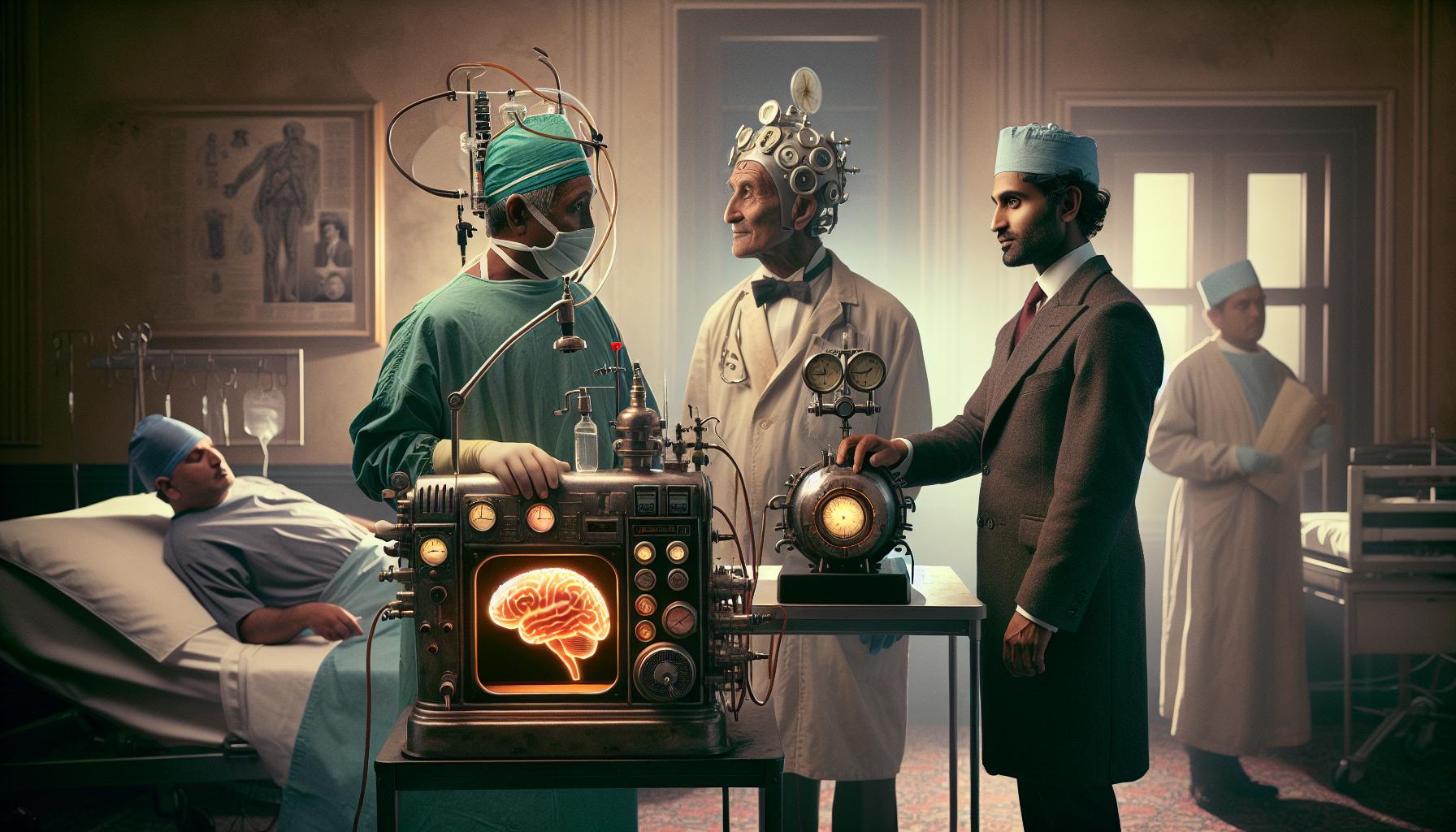
Uncovering the Evolution of Anesthesia in Neurosurgery
The advancement of anesthesia marked a revolutionary shift in the field of neurosurgery, transforming procedures that were once seen as perilous and brutal into safer and more humane operations. Before its advent, patients underwent surgery often without any pain relief, relying on various methods such as alcohol, opium, or even physical restraints. The development of anesthesia not only alleviated suffering but also expanded the scope of what surgeons could attempt, paving the way for complex brain surgeries that were previously deemed too risky.
Key Milestones in Anesthesia Development
The journey towards modern anesthesia started in the 19th century with pivotal discoveries. Ether was first used as a surgical anesthetic in the 1840s, notably by dentist Horace Wells, who demonstrated its effectiveness for tooth extraction. Shortly thereafter, chloroform gained popularity, especially in obstetrics, thanks to Queen Victoria’s use during childbirth. By the late 1800s, both substances made their way into the operating rooms, including neurosurgical procedures.
In 1846, the first public demonstration of ether anesthesia by William Morton in a Massachusetts hospital showcased its potential. This momentous event established anesthesia as an essential component in surgery, providing a crucial foundation for subsequent innovations.
Modern Advances in Anesthesia
In contemporary practice, the field of anesthesia has seen substantial advancements, leading to more refined and effective techniques. The introduction of intravenous anesthetics, such as propofol, and regional anesthesia techniques, like epidurals and nerve blocks, significantly improved patient care. These modern methods allow for quicker recovery times and fewer side effects, enabling neurosurgeons to perform intricate procedures with increased precision and safety.
This evolution serves as a reminder of the ongoing quest to enhance surgical outcomes and patient comfort. As surgical techniques evolve, so too do the options for anesthesia, reflecting a commitment to ethical standards and patient-centered care that prioritizes both safety and efficacy.
By understanding the progression of anesthesia in neurosurgery, we appreciate the invaluable contributions that shaped today’s practices, offering hope and healing to those undergoing brain surgery in ways that early practitioners could hardly have imagined.
Milestones in Brain Surgery Throughout the Ages
The evolution of brain surgery is a testament to human ingenuity and resilience in the face of medical challenges. Brain surgery dates back thousands of years, with evidence suggesting that early civilizations engaged in what can be considered primitive neurosurgical practices. Trepanation, the process of drilling or scraping a hole in the skull, was among the first surgical interventions, believed to relieve pressure or treat injuries resulting from trauma. Archaeological finds reveal that trepanation was practiced as early as 3000 BC in regions like ancient Peru and the Mediterranean.
Historical Milestones in Brain Surgery
Throughout history, various cultures made significant contributions to the field of brain surgery. The ancient Egyptians, for instance, performed surgeries on the skull, as documented in medical texts such as the Edwin Smith Papyrus, which dates back to around 1600 BC. These procedures often took place in conjunction with mummification, revealing an advanced understanding of human anatomy for their time.
By the Middle Ages, surgical practices began to abandon superstitions and embrace more systematic approaches, though advancements were still limited. It wasn’t until the Renaissance that anatomy and surgical techniques gained substantial momentum, largely due to figures like Andreas Vesalius, whose detailed studies of human anatomy laid the groundwork for modern surgical principles.
20th Century Innovations
The 20th century marked a significant turning point for neurosurgery, characterized by groundbreaking advancements. The advent of anesthesia transformed the nature of surgery, leading to more complex and invasive procedures with lasting benefits for patients. The introduction of antiseptic techniques by Joseph Lister diminished the risk of infection, significantly improving surgical outcomes.
Furthermore, the establishment of neurosurgery as a specialty can be traced back to pioneers like Harvey Cushing, often referred to as the “father of modern neurosurgery.” He developed techniques for treating brain tumors and made advancements in understanding the pituitary gland’s role in the endocrine system. His meticulous methods paved the way for the expansive field of neurosurgery we see today.
Finally, the latter part of the 20th and early 21st centuries have seen revolutionary technologies, such as MRI and CT imaging, improving diagnosis and precision in surgical planning. These tools have vastly improved outcomes and minimized risks associated with brain surgery, making it a safer endeavor for patients.
The milestones in brain surgery reflect the continuous quest for knowledge and improvements in medical practice, offering hope for advancements that will further enhance patient care and outcomes in neurosurgery. As modern techniques evolve, they carry the legacy of centuries of inquiry and innovation, ensuring that the field of brain surgery remains at the forefront of medical science.
Impact of World Wars on Neurosurgical Advances
The two World Wars were pivotal moments in the evolution of neurosurgery, catalyzing significant advancements that would shape modern medical practices. As military hospitals faced unprecedented numbers of head injuries and traumatic brain injuries in soldiers, the demand for effective surgical interventions prompted rapid developments in surgical techniques, anesthetics, and post-operative care. This urgent need not only improved treatment protocols but also established neurosurgery as a distinct medical specialty.
During World War I, the high incidence of skull fractures and penetrating brain injuries compelled surgeons to refine their techniques. Pioneers like Sir Harold Gillies, although primarily focused on plastic surgery, contributed to the understanding of craniofacial reconstruction, which directly benefited neurosurgical practice. Surgical methodologies were developed to address complex wartime injuries that had previously been thought insurmountable, directly influencing post-war civilian medicine. Surgeons like Harvey Cushing, later recognized as the “father of modern neurosurgery,” emerged during this time, emphasizing the need for precision and the understanding of neurosurgical anatomy, which had previously been overlooked.
World War II further accelerated innovations in neurosurgery. Surgeons utilized new techniques and devices, like the introduction of the operative microscope that allowed for greater precision during surgeries on delicate neurological structures. The establishment of trauma units in military hospitals facilitated research into the effects of head injuries and improved surgical responses. Anesthetics also saw improvements, which allowed for safer and more extensive procedures. These advancements trickled down into civilian practices, making what was once considered high-risk neurosurgery more routine and effective.
Additionally, the necessity of effective rehabilitation programs for returning soldiers led to the development of comprehensive post-operative care models that included physical therapy and neuropsychological support. This holistic approach emphasized the importance of recovery and rehabilitation, inspiring modern practices that focus not only on surgical interventions but also on enhancing the overall quality of life for patients after brain surgery.
In summary, the impacts of the World Wars on neurosurgical advances were profound and multifaceted. The urgency to treat traumatic injuries cultivated an atmosphere of innovation that led to lasting changes in surgical techniques, anesthetic practices, and rehabilitation, ultimately laying the groundwork for the sophisticated neurosurgical practices we rely on today.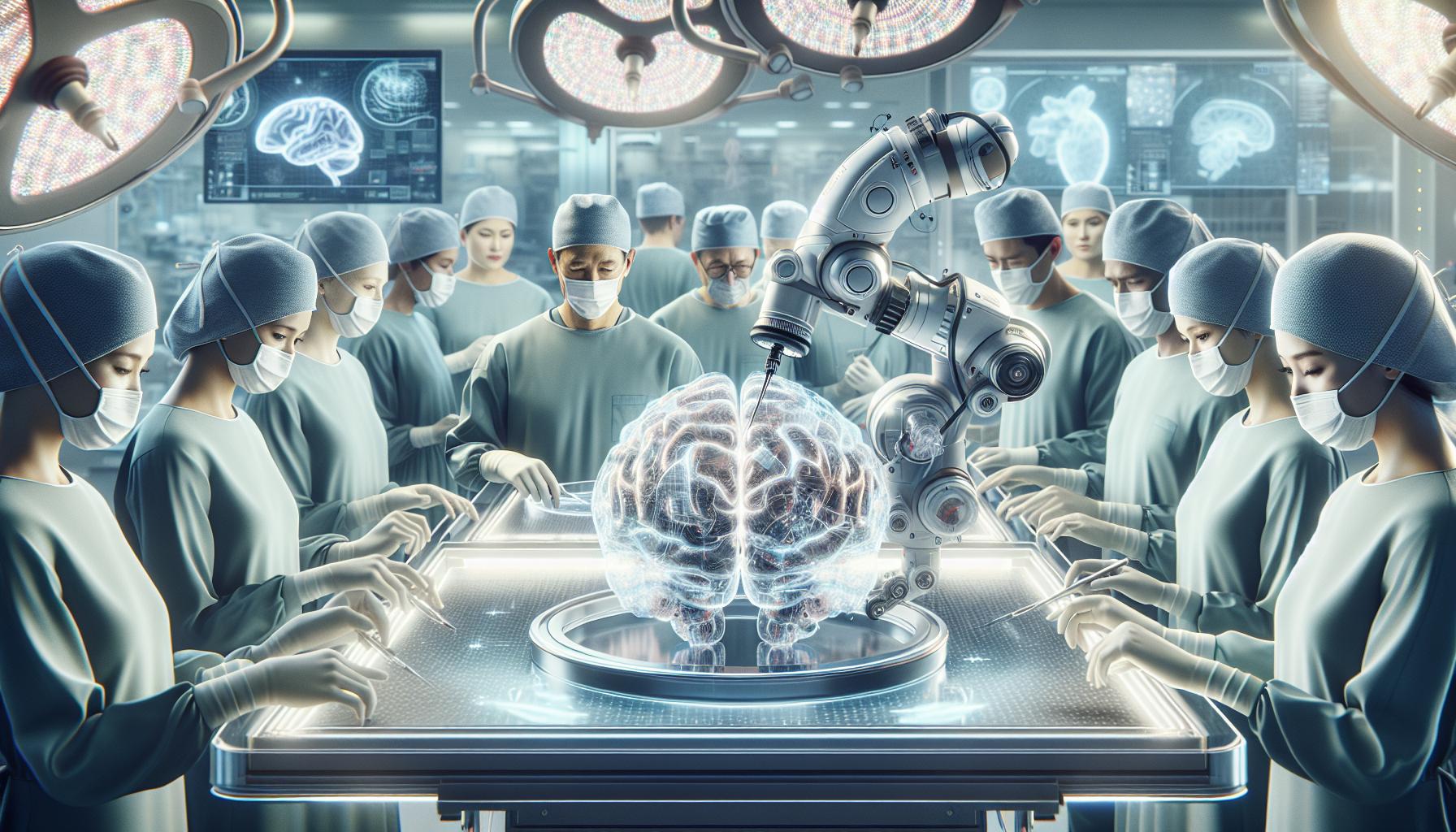
Revolutionary Technologies Changing Brain Surgery Today
The field of neurosurgery has undergone a remarkable transformation in recent years, driven by the integration of advanced technologies that enhance surgical precision, reduce patient risk, and improve recovery times. Cutting-edge innovations such as robotic-assisted surgery, intraoperative imaging, and minimally invasive techniques are revolutionizing how brain surgeries are performed, transforming what were once daunting procedures into highly refined operations that prioritize patient safety and outcomes.
One of the most significant advancements is the use of robotic systems in neurosurgery, allowing surgeons to perform intricate procedures with unparalleled accuracy. These systems enable surgeons to operate through smaller incisions, which not only minimizes tissue damage but also accelerates healing. For example, robotic arms can stabilize instruments during surgery, mitigating tremors and enabling finer movements, which is crucial when dealing with delicate brain structures. This level of precision also expands the range of treatable conditions, including complex tumors and vascular anomalies.
Intraoperative imaging technologies have also made significant strides, providing real-time visuals during brain surgery. Advanced MRI and CT scans conducted while the patient is still on the operating table allow surgeons to assess the brain’s structure and functionality, helping to guide their interventions effectively. This integration of immediate imaging ensures that critical structures are preserved and that the extent of the disease is accurately addressed during surgery, enhancing overall surgical success rates.
Additionally, minimally invasive techniques have transformed traditional surgeries that once required large incisions and extensive recovery time. Procedures like endoscopic brain surgery utilize small instruments and cameras that can be inserted through tiny openings, leading to less pain, reduced hospital stays, and quicker return to daily activities. Patients often experience fewer complications, benefiting from a less traumatic surgical experience.
As these technologies continue to evolve, they are not only enhancing the capabilities of neurosurgeons but also contributing to a more holistic approach to brain health. Innovations such as neuromodulation devices and brain-computer interfaces are paving the way for treatments that can alter electrical activity in the brain, targeting conditions like epilepsy and depression at their source. Combining these technologies with ongoing research into neuroplasticity and cognitive rehabilitation techniques creates a powerful synergy for improved patient outcomes in brain health management.
In summary, the revolutionary technologies now reshaping neurosurgery reflect a commitment to advancing patient care while embracing innovation. These developments not only redefine surgical possibilities but also align with a broader goal: to make brain surgeries safer, less invasive, and ultimately more effective, empowering patients on their journey to recovery.
Understanding the Risks of Early Brain Surgery
The emergence of neurosurgery, particularly in its early days, was fraught with numerous risks and complications that mirrored the limited medical knowledge and rudimentary techniques of the time. For instance, while archaeological findings suggest that trepanation-the practice of drilling or scraping a hole in the skull-dates back thousands of years, early practitioners were often unaware of the potential consequences. These ancient surgical techniques aimed to relieve pressure, treat head injuries, or even manage presumed psychological issues. However, the lack of understanding of brain anatomy and sterile techniques made such procedures highly perilous.
In its formative years, brain surgery carried significant risks, including:
- Infection: The absence of modern antiseptics meant that any open wound, especially in the skull, was susceptible to infection, which could lead to fatal complications.
- Blood loss: Significant hemorrhaging during surgery was common, given the primitive tools and techniques used, often leading to shock or death.
- Neurological damage: Without the knowledge of the brain’s complex structure, operations often resulted in unintended injuries to vital areas, causing lasting disabilities or cognitive impairments.
- Pain and trauma: Early procedures were conducted with minimal anesthesia, meaning patients often endured agonizing pain and trauma, which could further compromise recovery outcomes.
Moreover, the understanding of anesthesia was rudimentary at best. While some early surgeries utilized herbal concoctions or rudimentary sedatives, these methods often failed to account for individual patient differences in pain tolerance and response to substances. As a result, what would be considered routine today was, in earlier times, an unpredictable gamble with severe consequences.
The historical context underscores how far neurosurgery has advanced, not only in terms of technique but also in the ethical considerations surrounding patient safety and care. Today, with sophisticated imaging technologies and refined surgical practices, the risks associated with brain surgery have been significantly minimized, allowing for safer and more effective intervention. The evolution from these early, risky endeavors reflects an ongoing commitment in the medical community to enhance patient outcomes through continuous learning and improvement.
Ethical Considerations in Historical Neurosurgery
In the realm of neurosurgery, the ethical considerations surrounding early practices prompt reflection on the significant moral responsibilities that have evolved alongside medical advancements. Ancient surgeons often performed procedures such as trepanation without a comprehensive understanding of the human brain, driving them to make decisions that today may be viewed as ethically questionable. Cultural beliefs frequently influenced these early interventions-patients might have been considered possessed or mentally unstable, leading to surgeries intended to expel demons or restore balance rather than true medical necessity.
As these practices developed, the lack of informed consent loomed large. Early patients, often unaware of the risks, underwent surgery based on limited knowledge and understanding of their conditions. In an era devoid of modern ethics and patient rights advocacy, the concept of obtaining consent was not considered necessary; this lack of autonomy and respect for the patient’s choice raises profound ethical questions. Furthermore, the harsh realities of early surgical techniques, often accompanied by high mortality rates and severe suffering, exemplified a troubling dynamic where practitioner authority overshadowed patient welfare.
Contemporary perspectives emphasize the need for ethical frameworks in medical practices. Today’s surgical environments are informed by historical lessons, insisting on comprehensive informed consent processes that respect patient autonomy. Medical ethics now advocates for transparency, ensuring patients receive clear and thorough information about the risks, benefits, and alternatives to proposed treatments. This evolution signifies a growing recognition of the importance of ethical practice in fostering trust and supporting better outcomes in patient care.
The rich history of neurosurgery, particularly its ethical considerations, serves as a reminder of the ongoing need for reflection in medical practices. In recognizing how far we have come, it is imperative to remain vigilant about our responsibilities to patients, advocating for their rights and prioritizing their health and wellbeing in every decision made. As we continue to push the boundaries of surgical technologies and techniques, these ethical considerations should remain at the forefront, ensuring that advancement is matched by a commitment to compassionate care.
Contemporary Perspectives on Brain Surgery History
The evolution of brain surgery is a fascinating narrative that intertwines advancements in medical knowledge with societal perspectives on health and ethics. As we delve into contemporary understanding, it’s essential to recognize that today’s neurosurgical practices are significantly informed by learned experiences from the past. This historical backdrop provides valuable insights into how safety, efficacy, and ethical considerations have transformed the field.
In modern times, neurosurgery stands as a testament to the power of innovation and scientific understanding. Surgeries that once relied on rudimentary techniques and conjectures about brain function have evolved into precision-driven procedures utilizing advanced imaging technologies, minimally invasive techniques, and robotics. For instance, techniques like stereotactic neurosurgery enable surgeons to target specific brain structures with remarkable accuracy, reducing recovery times and minimizing risks associated with traditional open surgeries.
Furthermore, contemporary medical ethics profoundly dictate the practice of neurosurgery. The shift from paternalistic approaches-where a physician’s authority often dictated treatment-to a model emphasizing informed consent and patient autonomy reflects a broader cultural change in healthcare. Patients today are encouraged to participate actively in their treatment decisions, armed with comprehensive information about procedures, risks, and expected outcomes. This paradigm fosters deeper trust between patients and healthcare providers, ultimately leading to improved surgical outcomes and greater satisfaction.
Alongside surgical techniques, significant advancements in postoperative care and rehabilitation have made a noticeable impact on patient recovery. Evidence-based practices supporting neuroplasticity-the brain’s capacity to adapt and reorganize-are now integral components of rehabilitation strategies. For example, cognitive therapy and targeted exercises are increasingly utilized alongside surgical intervention to enhance recovery of brain functions post-surgery.
As we look to the future of neurosurgery, it’s crucial to balance innovation with ethical obligations. Emerging technologies, such as artificial intelligence, promise to revolutionize diagnostic and surgical procedures, but they also necessitate ongoing discussions about data ethics and patient privacy. By learning from the past and remaining steadfast in our ethical commitments, the field of neurosurgery can continue to thrive while ensuring that patient care remains the foremost priority.
Future Trends in Neurosurgical Practices
The future of neurosurgery is poised to revolutionize patient care and treatment outcomes through a blend of technological advancements and a deeper understanding of the brain’s complexities. With innovations such as artificial intelligence, machine learning, and continuous improvements in imaging techniques, neurosurgeons are now equipped to make more accurate diagnoses and craft tailored treatment plans. For instance, AI algorithms can analyze large datasets from imaging scans to identify subtle anomalies that might be missed by the human eye, facilitating earlier and more precise interventions.
As minimally invasive techniques gain traction, future surgical procedures promise to reduce recovery times while enhancing the precision of operations. Tools like robotic-assisted surgery allow for exceptional control, minimizing damage to surrounding tissues and significantly enhancing postoperative experiences. Moreover, the incorporation of augmented reality (AR) into surgical theaters is set to transform the way surgeons visualize and navigate complex brain structures during operations, leading to improved outcomes and patient safety.
Emphasis on Personalized Medicine
The shift towards personalized medicine is becoming increasingly important in neurosurgery. Understanding the genetic and biological makeup of patients enables more strategically targeted treatments, especially in oncological cases. For example, molecular profiling of brain tumors can guide treatment protocols that are specifically designed for individual patient needs, thus maximizing the likelihood of success while minimizing unnecessary interventions.
Furthermore, ongoing research into neuroplasticity-the brain’s remarkable ability to adapt and reorganize-continues to influence rehabilitation strategies post-surgery. Cognitive rehabilitation programs that integrate virtual reality and gamified elements are being developed to enhance neuroplasticity, help patients regain cognitive functions, and promote overall brain health. This holistic approach not only addresses the physical aspect of recovery but also fosters mental well-being and resilience.
In navigating these exciting developments, it remains essential for clinicians to uphold ethical standards, ensuring that innovations prioritize patient safety and consent. As technologies evolve, continuous dialogue around ethical practices will empower patients to remain informed participants in their treatment journeys, reinforcing trust in the ever-evolving landscape of neurosurgery.
Faq
Q: When was the first successful brain surgery performed?
A: The first successful documented brain surgery took place in 1845, executed by Scottish surgeon Sir William Macewen. He performed a trephination, which involves drilling a hole into the skull to relieve pressure from a traumatic brain injury, marking a significant milestone in neurosurgery.
Q: What techniques were used in ancient brain surgery?
A: Ancient brain surgery techniques included trepanation, where holes were drilled or scraped into the skull. This method was used to treat head injuries, epilepsy, and mental disorders, demonstrating early understanding of cranial anatomy and brain health.
Q: Who were some notable figures in the history of brain surgery?
A: Notable figures include Hippocrates, who documented cerebral conditions in ancient Greece, and Sir Victor Horsley, who advanced techniques in the early 20th century. Their contributions helped to shape the foundation of modern neurosurgery.
Q: How did World Wars impact brain surgery advancements?
A: The World Wars significantly accelerated advancements in brain surgery due to the increased need for treating head injuries. Innovations in surgical techniques and anesthesia were developed, leading to improved survival rates and outcomes for patients.
Q: What were the risks associated with early brain surgery?
A: Early brain surgery posed significant risks, including infections, hemorrhaging, and neurological deficits due to the lack of sanitation and advanced techniques. These risks were major barriers to the widespread acceptance of neurosurgical procedures.
Q: What were the ethical considerations in historical neurosurgery?
A: Early neurosurgery raised ethical concerns regarding consent, the reliability of patient outcomes, and the use of experimental techniques. Historical practices often lacked the informed consent we recognize and value today, raising questions about patient autonomy.
Q: How has brain surgery evolved over time?
A: Brain surgery has evolved through innovations such as antibiotics, advanced imaging techniques, and minimally invasive procedures. These developments have drastically improved patient safety, surgical precision, and recovery times compared to early methods.
Q: What is the future of brain surgery technology?
A: The future of brain surgery includes advancements in robotics, artificial intelligence, and neuroprosthetics. These technologies aim to enhance surgical precision and outcomes, offering promising new treatments for complex neurological disorders.
Future Outlook
As we dive into the fascinating history of brain surgery, it’s clear that the evolution of this complex medical field has paved the way for remarkable advancements in neuroscience and patient care. Understanding when and how brain surgery first took place highlights not only the ingenuity of early medical pioneers but also underscores the importance of ongoing research in brain health and surgical techniques.
For further insights, explore our detailed guides on brain health and wellness, including practical tips for setting up ergonomic workplaces that enhance cognitive performance and reduce stress. Don’t forget to check out our articles on neuroplasticity, where we explore how the brain can adapt and heal over time. Ready to enhance your understanding of brain health? Subscribe to our newsletter for the latest updates, and share your thoughts or experiences in the comments below-your engagement helps us foster a community dedicated to wellness. Let’s continue this journey together!