
Did you know that nearly 3 million people in the U.S. sustain a traumatic brain injury each year? Understanding the hidden risks that contribute to brain injuries is crucial for protecting our cognitive health. In this article, we will explore seven often-overlooked factors that can lead to brain injuries and how being aware of them can help you minimize your risk. Your brain is your most vital asset, playing a pivotal role in everything from decision-making to emotional regulation. By identifying these hidden dangers and adopting proactive strategies, you can enhance your cognitive performance and safeguard your mental well-being. Stay with us to learn practical steps you can take today to protect yourself and stay mentally sharp for years to come.
Understanding Brain Injury: Common Causes and Misconceptions

Understanding the complexities of brain injury can significantly impact how we navigate safety in our daily lives. Many people mistakenly believe that brain injuries occur only from severe trauma, such as car accidents or falls. In reality, they can also stem from less obvious causes like repetitive stress injuries, concussions due to sports activities, or even prolonged exposure to factors like stress and poor diet. Misconceptions about brain injuries can prevent individuals from recognizing symptoms early or taking necessary preventive measures.
The brain is a delicate and intricate organ, and understanding its vulnerabilities is key to preventing injury. For example, many fail to acknowledge that even mild concussions can lead to serious, long-term consequences if not properly treated. By recognizing that brain injuries can result from everyday activities, such as sports, improper ergonomics while working, or chronic stress, we can take more proactive steps in protecting our cognitive health.
Moreover, brain health misconceptions are common. Some individuals might think that cognitive decline is an inevitable part of aging, while others believe that there is nothing they can do to improve their brain function. In truth, various lifestyle modifications, including regular exercise, a balanced diet, and stress management techniques, can promote brain health and enhance neuroplasticity-the brain’s ability to adapt and grow. Empowering ourselves with accurate knowledge surrounding brain injuries allows us to make informed choices and adopt healthier habits that can safeguard our cognitive well-being for years to come.
Common Causes of Brain Injury:
- Physical trauma (falls, vehicle accidents)
- Repetitive stress (sports injuries)
- Chronic stress and lack of sleep
- Improper ergonomics while working
- Poor nutrition (deficiency in essential vitamins)
Addressing these misconceptions requires a commitment to ongoing education about brain safety and health, ensuring that everyone can foster environments conducive to well-being-whether at work, home, or elsewhere.
The Unseen Dangers: 7 Hidden Risks for Brain Injury
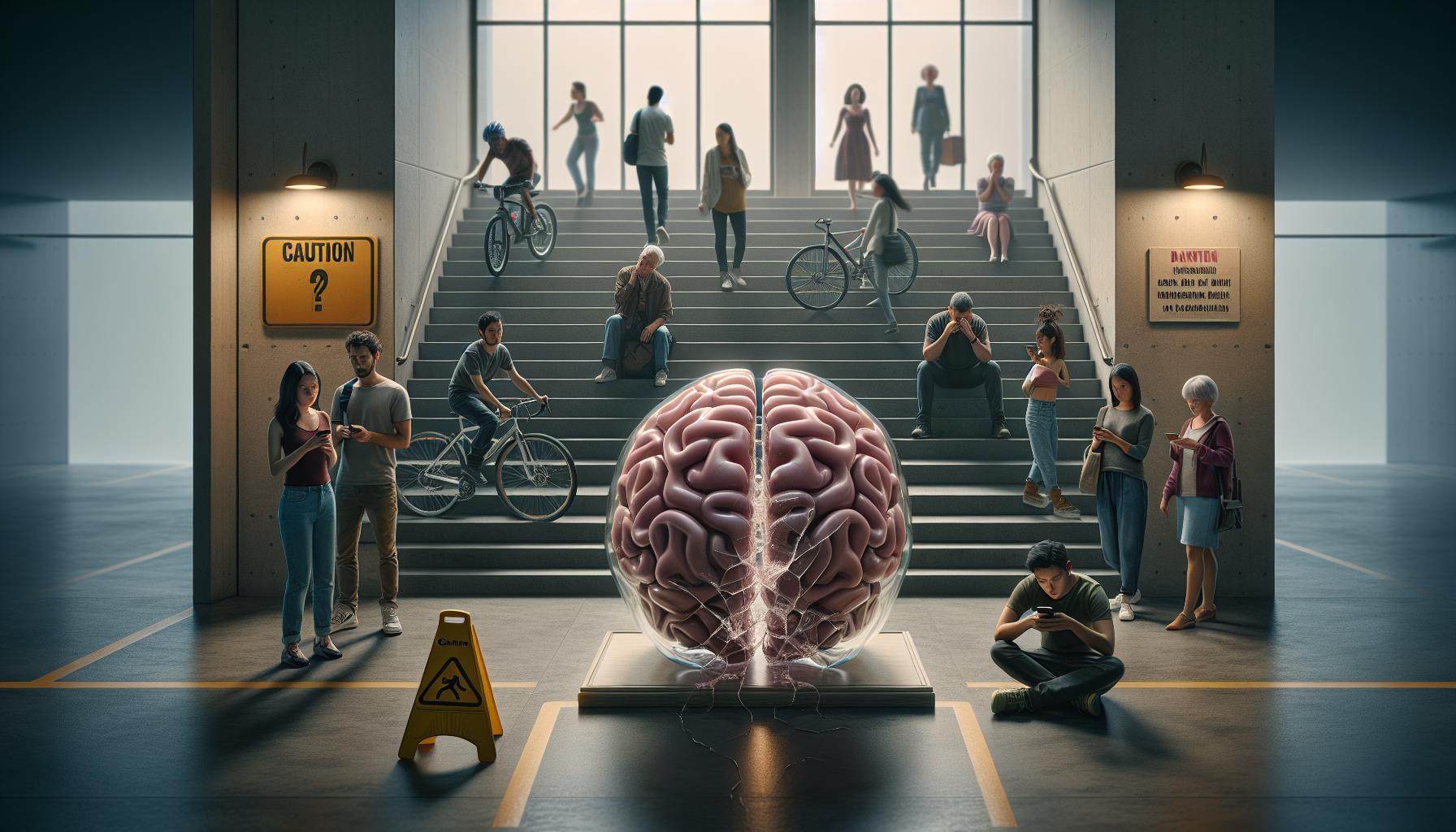
It’s astonishing to consider that many brain injuries can occur without the dramatic physical trauma often associated with them. Unseen dangers lurk in our everyday environments and behaviors, making awareness essential for safeguarding cognitive health. The following risks, while often overlooked, can contribute significantly to brain injury and long-term cognitive decline.
Hidden Risks You Should Avoid
- Chronic Stress: Continuous exposure to stress can lead to significant changes in brain structure and function. It is essential to implement stress management techniques, such as mindfulness or regular physical activity, to mitigate these effects.
- Poor Sleep Quality: Sleep plays a vital role in brain health; insufficient or poor-quality sleep can hinder cognitive function and increase the risk of brain injury. Aim for 7-9 hours of uninterrupted sleep per night and develop a consistent sleep routine.
- Nutritional Deficiencies: A diet lacking in essential nutrients-particularly omega-3 fatty acids, antioxidants, and vitamins-can impair brain function and increase vulnerability to injury. Integrate a variety of brain-healthy foods, such as leafy greens, berries, and nuts, into your meals.
- Improper Ergonomics: Poor workstation setup can lead to physical injuries that indirectly affect cognitive health. Make sure your chair, desk, and computer monitor are configured correctly to support posture and reduce strain.
- Excessive Screen Time: Prolonged exposure to screens can lead to eye strain and increased fatigue, which negatively impacts cognitive performance. Follow the 20-20-20 rule: every 20 minutes, take a 20-second break and look at something 20 feet away.
- Sedentary Lifestyle: Physical inactivity is linked to many health issues, including cognitive decline. Incorporating regular physical activity, even short walking breaks throughout the day, can bolster brain health and reduce the risk of potential injuries.
- Substance Abuse: Alcohol and drug use can significantly impair cognitive function and increase the risk of accidents that lead to brain injury. Staying informed about the effects of substances on brain health can guide better choices.
By recognizing these hidden hazards, individuals can take proactive measures to protect their cognitive well-being. Building a lifestyle focused on mental resilience involves not just identifying risks but also embracing habits that enhance brain function and longevity. Empower yourself through knowledge and prioritize practices that foster a healthy, thriving mind.
Identifying Risk Factors: Your Lifestyle and Habits

Identifying the factors that can lead to brain injuries is crucial in our fast-paced life where many risks lurk beneath the surface. Evidence suggests that lifestyle choices play a significant role in determining brain health, with certain habits posing greater dangers than we might expect. For instance, a sedentary lifestyle not only affects physical health but also increases cognitive decline risks. Integrating regular exercise, even through short walking breaks, can significantly enhance your brain’s resilience and improve overall mental function.
Moreover, stress management techniques are essential. Chronic stress can lead to neurochemical changes that impair cognitive processes and contribute to brain injuries over time. Mindfulness practices, such as meditation or yoga, can mitigate these effects and promote emotional well-being, thus protecting your brain. Establishing a work-life balance also helps in maintaining mental clarity and reducing the likelihood of injuries linked to fatigue or burnout.
Nutrition cannot be overlooked either. A diet rich in omega-3 fatty acids, antioxidants, and essential vitamins nourishes not only your body but also supports cognitive function. Regularly including brain-healthy foods, like fatty fish, berries, and leafy greens, in your meals can fortify your mind against potential injuries caused by nutritional deficiencies.
Equally important is your workspace environment. Setting up an ergonomic workstation is vital to prevent physical strain that can indirectly impact brain function. Ensure that your computer screen is at eye level, your chair supports your back, and that you’re practicing good posture throughout the day. Such adjustments can significantly reduce risks stemming from long hours of sedentary work.
In conclusion, taking proactive measures to understand and adjust your lifestyle can significantly reduce hidden risks associated with brain injuries. By adopting healthier habits, practicing effective stress management, maintaining a balanced diet, and organizing a comfortable workspace, you empower yourself to protect and enhance your cognitive health against the unseen dangers that may arise in daily life.
Workplace Hazards: Ergonomics and Brain Health
Creating a workspace that promotes your brain health is not just a luxury; it’s a necessity in today’s fast-paced and often sedentary work environment. Did you know that improper ergonomics can lead to not only physical discomfort but also cognitive impairment? Good ergonomics encourages not just comfort but also optimal brain function by minimizing fatigue and the risk of injury. The right setup can have a profound impact on your cognitive performance, enhancing focus, productivity, and overall brain health.
To foster an ergonomic workspace, start with your chair and workstation. Here’s how to create a supportive environment:
- Chair Height: Adjust your chair so that your feet rest flat on the floor, and your knees are at a 90-degree angle. A chair with lumbar support helps maintain the natural curve of your spine.
- Desk Setup: Keep your desk at elbow height to avoid strain on your wrists and arms while typing. The top of your computer monitor should be at or just below eye level, ensuring that you don’t strain your neck by looking up or down.
- Keyboard and Mouse Position: Your keyboard should be positioned so that your forearms are parallel to the floor. Use a mouse close to your keyboard to minimize reaching and straining.
Incorporating these elements helps prevent common workplace injuries, such as repetitive strain injuries, which can distract from your cognitive tasks. Moreover, a poorly designed workspace can increase stress levels, which has been linked to cognitive dysfunction over time. It’s crucial to take short breaks to stretch and change your position frequently. Implementing a standing desk option or utilizing a timer to remind you to take movement breaks can enhance not just physical comfort but also mental clarity.
In addition to physical adjustments, your workplace should be conducive to mental well-being. Reducing clutter and organizing your space can significantly decrease distraction, allowing for improved focus and productivity. Incorporating elements such as plants or natural light can also have restorative effects on your mental health, fostering a more positive work atmosphere.
By taking these simple steps to create an ergonomic workspace, you not only protect your body but also enhance your brain health. A proactive approach to ergonomics can minimize hidden risks of brain injury and cognitive decline, allowing you to thrive in your professional life. Remember, when it comes to brain health, every little adjustment counts!
Mental Health Matters: Stress and Cognitive Function

Understanding the impact of stress on cognitive function is crucial for maintaining both mental and brain health. Chronic stress can lead to significant changes in the brain, particularly in areas responsible for memory and learning, such as the hippocampus. Research shows that high levels of stress hormones, like cortisol, can impair neuroplasticity-the brain’s ability to adapt and reorganize itself. This can result in difficulties with concentration, decision-making, and memory retention, heightening the risk of cognitive decline and potential brain injuries over time.
To manage stress effectively, it’s essential to integrate practical stress-relief strategies into your daily routine. Here are some actionable tips that can help:
- Mindfulness and Meditation: Spend a few minutes each day practicing mindfulness or meditation. These practices can reduce anxiety and improve your focus, which is essential for maintaining cognitive function.
- Regular Physical Activity: Engaging in regular exercise has been shown to reduce stress levels and improve mood. Aim for at least 30 minutes of moderate activity most days of the week.
- Healthy Sleep Habits: Prioritize quality sleep, as it’s crucial for effective stress management. Aim for 7-9 hours per night and establish a calming bedtime routine to enhance sleep quality.
- Balanced Nutrition: Incorporate brain-healthy foods into your diet, including omega-3 fatty acids, antioxidants, and vitamins. Avoid excessive caffeine and sugar, which can exacerbate stress.
Creating a supportive environment is equally important. Seek to cultivate a workspace that fosters positivity and reduces stressors. For example, decluttering your desk can help minimize distractions and create a peaceful atmosphere. Incorporating natural elements like plants can also promote a sense of calm and improve air quality.
Moreover, don’t hesitate to reach out for professional help when needed. Counseling or therapy can provide valuable insights and coping strategies for managing stress effectively. By addressing both stress and cognitive demands head-on, you can enhance your overall brain health and diminish the hidden risks of brain injury, ultimately fostering a more balanced and productive life.
Nutrition for Brain Health: Foods to Avoid
The foods we consume can significantly influence our brain health, potentially lowering the risk of brain injury and cognitive decline. Just as certain nutrients empower our brains, other dietary choices can create unseen dangers that may increase the risk for brain injury or impede recovery. Understanding which foods to avoid allows us to take an active role in our neurological health.
One of the top food categories to limit is refined sugars. High sugar intake not only contributes to inflammation but may also lead to a spike in the risk of neurodegenerative diseases. Foods loaded with added sugars, like sugary snacks and beverages, can disrupt the balance of energy levels, leading to mood swings and cognitive fog. As the brain relies on stable energy sources, consistent consumption of these items can impair memory and attention.
Trans fats, often found in fried and processed foods, are another culprit to watch out for. These fats raise levels of bad cholesterol and encourage inflammation, directly impacting cognitive function and overall brain health. Additionally, processed meats containing preservatives like nitrates should be consumed sparingly, as they have been linked to increased anxiety and stress, which can contribute to poorer cognitive outcomes.
Smart Alternatives
To nourish and protect your brain, consider opting for whole foods rich in antioxidants and healthy fats. Incorporating fruits, vegetables, nuts, and seeds into your meals can improve brain function and counter the risks posed by harmful foods. For instance, leafy greens, berries, and fatty fish like salmon are excellent choices for their high levels of omega-3 fatty acids and natural antioxidants.
Maintaining a balanced and brain-friendly diet not only supports cognitive function but also fosters resilience against potential injuries. By avoiding harmful food choices and embracing healthier options, you empower yourself to create a thriving environment for your brain’s wellbeing. This proactive approach is vital in safeguarding against the hidden risks of brain injury while promoting optimal cognitive health.
Biohacking Your Brain: Safe Practices to Implement
In an increasingly dynamic world, optimizing brain health has become essential for enhancing cognitive function and resilience against injury. Biohacking your brain involves implementing safe, science-backed strategies that can help improve mental clarity, reduce stress, and fortify your cognitive abilities. One of the most critical aspects of this journey is the adoption of effective ergonomic practices within the workplace. Proper ergonomics is not merely about comfort; it plays a vital role in preventing physical strain that can lead to distractions, fatigue, and ultimately diminish brain function.
To create an ergonomic workspace, start by ensuring your desk is at the right height, allowing your elbows to rest at a 90-degree angle when typing. Consider using a standing desk or an adjustable workstation to promote movement throughout the day. Regularly changing positions can improve blood flow, leading to enhanced concentration and productivity. Don’t forget to position your monitor at eye level, as this can help reduce neck strain and encourage better posture. It’s also advisable to invest in a chair that supports proper alignment of the spine, enabling you to maintain comfort during long hours of work.
Another powerful way to biohack your brain is through mindful breathing and stress management techniques. Incorporating short, deliberate breaks for deep breathing throughout your day can significantly enhance your cognitive performance. For example, the 4-7-8 technique-inhale for 4 seconds, hold for 7 seconds, and exhale for 8 seconds-can quickly calm the nervous system and improve focus. Practicing mindfulness or meditation for even just a few minutes daily has been shown to increase neural connections in areas of the brain associated with concentration and emotional regulation.
In terms of nutrition, adopting a consistent approach to a brain-friendly diet can further your biohacking efforts. Incorporate foods rich in omega-3 fatty acids, antioxidants, and vitamins such as leafy greens, nuts, and berries. Understanding the link between gut health and cognitive function is crucial; consider including fermented foods or probiotics in your diet, as they can positively influence brain health. Additionally, staying hydrated is essential; dehydration can lead to cognitive decline, so aim for adequate water intake throughout your day.
Biohacking your brain requires a balanced approach, intertwining physical, nutritional, and psychological strategies to create an optimal mental state. Prioritize safe practices, consult professionals when making significant changes, and always listen to your body’s needs. By implementing these methods, you empower yourself to enhance your cognitive resilience and reduce the hidden risks associated with brain injuries.
Physical Activities and Brain Protection
Engaging in physical activities is one of the most effective ways to protect and enhance brain health. Regular exercise not only strengthens the body but also plays a crucial role in safeguarding cognitive functions and reducing the risk of brain injuries. The brain thrives on blood flow, and physical activity promotes circulation, enabling the delivery of essential nutrients and oxygen. Furthermore, exercise stimulates the production of neurotrophic factors, which support brain cell growth and repair, fostering neuroplasticity-the brain’s ability to adapt and reorganize itself.
To optimize brain protection through physical activity, consider incorporating the following strategies into your routine:
- Diverse Exercise Routine: Aim for a balance of aerobic activities, strength training, and flexibility exercises. Activities like running, cycling, swimming, and yoga not only improve physical fitness but also enhance mental agility. Research shows that activities requiring coordination and balance, such as dance or martial arts, can be particularly beneficial in preventing falls and related head injuries.
- Consistency is Key: Establishing a regular exercise schedule, even for as little as 30 minutes a day, can lead to substantial brain health benefits. Consistency helps maintain elevated levels of brain-derived neurotrophic factor (BDNF), which supports neuron survival and encourages the growth of new neurons.
- Mind-Body Connection: Incorporate mind-body exercises such as tai chi or pilates. These practices not only enhance physical strength and flexibility but also promote mindfulness, reducing stress and anxiety-two factors that can adversely affect cognitive health.
- Engage Socially: Group activities, whether they are team sports or fitness classes, can enhance motivation while creating a supportive community. Social interaction itself is a protective factor for the brain, contributing to emotional well-being and cognitive resilience.
In addition to regular exercise, engaging in physical activities can serve as a proactive approach to preventing brain injuries. When participating in sports or high-impact activities, wearing appropriate protective gear, such as helmets or padding, is crucial. Encouraging safe practices not only protects you but also fosters a culture of safety among peers, significantly reducing the likelihood of accidents.
Exploring various physical activities can also uncover new interests, enhancing your overall enthusiasm for staying active. Whether it’s hiking in nature or joining a local sports league, each step you take towards regular physical engagement serves double duty: enriching your body while fortifying your brain against potential risks. Prioritize movement, listen to your body, and consider professional guidance to ensure that your exercise regime is both safe and effective-your brain will thank you for it.
Preventive Strategies: How to Safeguard Your Brain
Understanding how to safeguard your brain health involves a multi-faceted approach that prioritizes preventative strategies. By recognizing potential risks and actively working to mitigate them, you can significantly enhance your cognitive resilience and overall wellness. From ergonomic workspaces to stress management techniques, adopting a proactive mindset is essential for maintaining brain integrity and function.
One of the most effective preventive strategies is optimizing your workspace. Ensure that your desk setup promotes proper posture, reducing strain on your neck and spine. Consider the following actionable steps for an ergonomic workspace:
- Adjust your chair and desk height: Your feet should be flat on the ground, and your knees should be at a 90-degree angle. This positioning helps prevent discomfort and fatigue.
- Position your monitor correctly: The top of your monitor should be at or slightly below eye level, and it should be about an arm’s length away. This helps minimize eye strain.
- Use a supportive chair: Look for chairs that offer lumbar support to maintain the natural curve of your spine.
- Incorporate movement: Take regular breaks to stretch and walk around. This not only enhances circulation but also allows your brain to reset, boosting productivity and focus.
In addition to a well-structured workspace, managing stress effectively is crucial for brain health. Higher levels of stress can lead to cognitive decline and negatively impact emotional well-being. Implementing mindfulness practices, such as meditation or breathing exercises, can reduce stress and improve overall cognitive function. Setting aside just a few minutes each day for these practices can lead to significant improvements in mood and mental clarity.
A balanced diet also plays a vital role in brain health. Consuming nutrient-rich foods can enhance cognitive functions and protect the brain from degeneration. Focus on incorporating foods high in antioxidants, omega-3 fatty acids, and vitamins. Some brain-boosting food options include:
- Fatty fish: Rich in omega-3s, essential for brain health.
- Berries: Packed with antioxidants that help delay brain aging.
- Nuts and seeds: Provide vital nutrients, including vitamin E, which is linked to lower cognitive decline.
- Dark chocolate: Contains flavonoids that may improve memory and mood.
Lastly, consider the importance of building a supportive community. Surrounding yourself with positive influences and engaging in social activities can enhance your emotional resilience and provide a buffer against stress, ultimately benefiting your cognitive health. Social connections provide mental stimulation and emotional support, which are integral to maintaining a healthy brain.
By implementing these preventive strategies, you can establish a solid foundation for brain health, empowering yourself to thrive both personally and professionally. Recognizing the interplay between your environment, lifestyle, and mental well-being is key to safeguarding your cognitive future.
Signs of Brain Injury: Recognizing Symptoms Early
Recognizing the early signs of a brain injury is crucial for effective treatment and recovery. Many people mistakenly believe that brain injuries only result from severe trauma, like car accidents or falls, while in reality, even mild incidents can lead to significant consequences. The brain is exceptionally resilient but also vulnerable; awareness of potential symptoms can empower individuals to seek help and support early on.
Common Symptoms to Watch For
The symptoms of brain injuries can manifest immediately or develop over time, making vigilance essential. Early indicators may include:
- Headaches: Persisting or worsening headaches that differ from previous experiences.
- Dizziness or balance problems: Feeling unsteady or lightheaded.
- Confusion or a foggy mind: Difficulty concentrating, understanding, or recalling information.
- Nausea or vomiting: These may be connected to increased pressure in the skull.
- Changes in mood or behavior: Noticeable shifts in personality, irritability, or emotional responses.
Understanding these common symptoms can help in recognizing a potential brain injury early. It’s important to remember that the severity and type of symptoms can vary widely depending on the individual and the nature of the injury.
Importance of Seeking Professional Help
If you or someone you know experiences these symptoms following an incident, it’s critical to not dismiss them as minor issues. An immediate evaluation by a healthcare professional is advised, as timely intervention can mitigate long-term effects and lead to better recovery outcomes. Brain injuries, particularly those that may initially seem mild, can have ripple effects on cognitive function and emotional health if left unchecked.
By maintaining awareness of these signs and fostering an open dialogue about brain health in both personal and workplace settings, individuals can take proactive steps to protect their cognitive well-being. This vigilant approach not only contributes to personal safety but also enhances overall workplace wellness.
When to Seek Help: Professional Guidance for Concern
Recognizing when to seek professional guidance regarding brain health can be a pivotal moment in safeguarding your cognitive function. Many individuals may brush aside concerning symptoms, attributing them to stress or fatigue, but understanding the serious implications of brain injuries is crucial. The brain, while remarkably adaptive, is also incredibly delicate; even seemingly minor injuries can lead to significant long-term effects if ignored. If you notice symptoms such as persistent headaches, confusion, or balance issues, it’s essential not to downplay their significance.
When to Seek Help
If you’ve experienced a head injury, whether from a fall, sports activity, or other incidents, it’s prudent to consult a healthcare professional, even if you feel fine. Symptoms may take time to manifest, making early intervention vital. Do not hesitate to reach out to a specialist if you observe:
- Exacerbating Headaches: If headaches persist or intensify, especially if they feel different from your usual headaches.
- Cognitive Changes: Difficulty in concentrating, confusion, or memory problems are all signals that warrant medical evaluation.
- Balance Issues or Dizziness: These symptoms can indicate potential damage to the areas of the brain responsible for maintaining equilibrium.
- Emotional Shifts: Sudden bouts of irritability or changes in mood can point to underlying brain health concerns.
Immediate evaluation not only assesses the extent of any injury but also helps establish a plan for recovery. Neuropsychological assessments can provide insights into cognitive functioning, while imaging tests may help identify structural changes within the brain. Prevention is always better than cure; therefore, maintaining an open dialogue about brain health, especially in workplace settings where stress and accidents can occur, can foster a culture of awareness and proactive health management.
Empowering Your Health Journey
Take proactive steps to protect your brain health through regular check-ups and open communication with healthcare providers. Simple lifestyle changes, like stress management techniques and ergonomic workspaces, can significantly reduce the risk of brain injuries. Prioritize self-care and be vigilant about any symptoms that arise, as early intervention can lead to better outcomes. Whether it’s through mindful breaks during the workday or implementing safe physical practices, fostering a supportive environment is key to enhancing cognitive well-being. Addressing concerns with qualified professionals ensures you are taking the right measures to safeguard both your brain and overall health.
Q&A
Q: What are the primary causes of brain injury?
A: Brain injury can result from various factors including trauma from accidents, sports injuries, falls, and assaults. Non-traumatic causes include strokes, tumors, infections, and lack of oxygen. Understanding these causes can help in prevention and early detection. For more information, refer to the section on common causes in the article.
Q: How can poor nutrition lead to brain injury?
A: Poor nutrition can contribute to brain injury by causing deficiencies in essential nutrients that support cognitive function and brain health. Foods high in sugar and unhealthy fats may increase inflammation, which can affect brain function. For a detailed guide on nutrition, see the “Nutrition for Brain Health” section.
Q: What role does mental health play in the risk of brain injury?
A: Mental health is crucial as conditions like depression and anxiety can affect cognitive function, increasing the risk of accidents or neglecting safety. Stress management techniques can bolster cognitive health and reduce this risk. Explore strategies in the “Mental Health Matters” part of the article.
Q: Are there specific occupational hazards that increase brain injury risk?
A: Yes, hazardous work environments, such as those involving heavy machinery, heights, or prolonged exposure to stress, can lead to brain injuries. Implementing ergonomic solutions and safety protocols can mitigate these risks, as discussed in the “Workplace Hazards” section.
Q: What preventative measures can I take to avoid brain injuries?
A: Effective prevention strategies include using safety equipment in sports and at work, maintaining nutritional health, managing stress, and engaging in physical activities that strengthen the brain. Comprehensive preventive strategies are highlighted in the article.
Q: How can physical activity help in preventing brain injuries?
A: Regular physical activity boosts blood flow to the brain, enhances neuroplasticity, and improves cognitive function, lowering the risk of brain injuries. For effective practices, see the “Physical Activities and Brain Protection” section of the article.
Q: When should I seek professional help for possible brain injury symptoms?
A: Seek professional help if you experience severe headaches, confusion, loss of consciousness, or changes in mood and behavior. Early intervention is crucial for effective treatment, which is detailed in the “When to Seek Help” section of the article.
Q: What hidden risks should I be aware of regarding brain injury?
A: Hidden risks include vitamin deficiencies, chronic stress, improper ergonomics, and lack of regular health check-ups. Identifying and mitigating these risks is vital for brain health, as explained in “The Unseen Dangers” section of the article.
Insights and Conclusions
By understanding the hidden risks that can lead to brain injuries, you empower yourself to take proactive steps in safeguarding your cognitive health. It’s crucial to remain vigilant and informed; don’t let these factors compromise your well-being. Now that you’re equipped with knowledge from “What Caused Brain Injury? 7 Hidden Risks You Should Avoid Now,” consider exploring our related articles on workplace wellness and stress management techniques to enhance your cognitive performance further.
Ready to make a change? Sign up for our newsletter for actionable tips on creating ergonomic workspaces and reducing stress in your daily routine, or check out our guides on safe biohacking practices to optimize your brain health. Let’s take the next step together-your brain deserves the best care possible! Feel free to leave a comment below sharing your thoughts or experiences, as we look forward to engaging with our community on this critical topic.