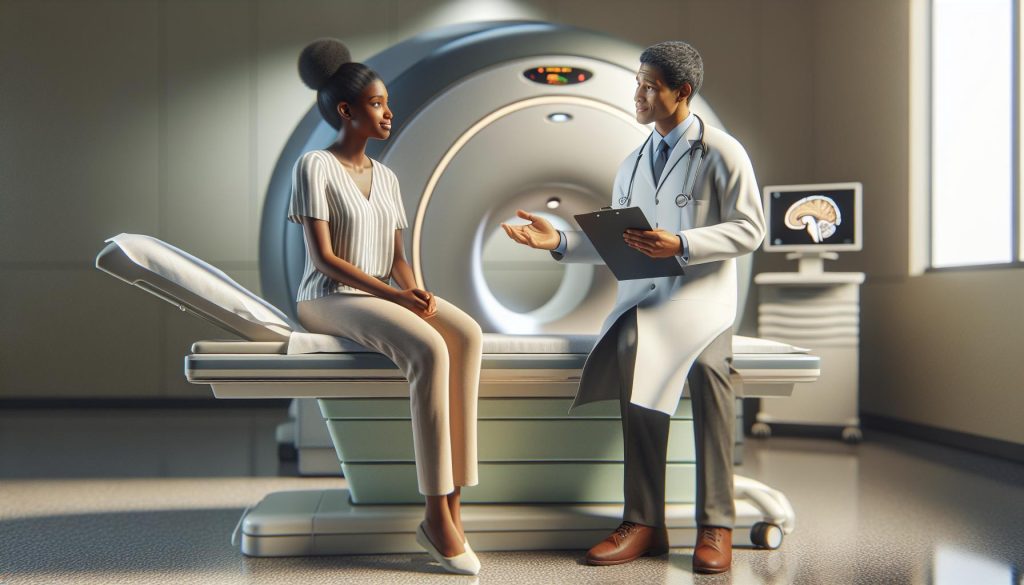
Did you know that brain scans are a powerful tool for understanding your cognitive health? Whether you’re experiencing unexplained symptoms, seeking answers for a persistent issue, or simply curious about your brain’s wellness, understanding how to get a brain scan is essential. This guide will walk you through the process, helping to demystify what these scans entail, their purposes, and how they can empower you to take charge of your mental well-being. By understanding the steps involved, you can approach your healthcare decisions with confidence and clarity, paving the way for informed conversations with your medical professionals. Continue reading to uncover the vital information you need to navigate the path to a brain scan and enhance your journey toward cognitive health.
Understanding Brain Scans: Types and Purpose

Brain scans are essential tools for visualizing the intricate workings of our brains, enabling medical professionals to diagnose and manage various neurological conditions effectively. They provide invaluable insights into the brain’s structure and function, helping identify abnormalities such as tumors, bleeding, and degenerative diseases. With the increasing awareness of cognitive health, understanding brain scans becomes crucial not only for those experiencing symptoms but also for those seeking to optimize their mental well-being.
There are several types of brain scans, each serving distinct purposes based on the information required. Magnetic Resonance Imaging (MRI) offers high-resolution images of brain anatomy and is ideal for detecting small abnormalities. In contrast, Computed Tomography (CT) scans are quicker and particularly effective for identifying acute bleeding or fractures, although they provide less detail than MRIs. Positron Emission Tomography (PET) scans can help observe metabolic processes in the brain and are often used in cancer diagnosis and assessing brain disorders. Lastly, Electroencephalography (EEG) records electrical activity in the brain, making it valuable for diagnosing epilepsy and sleep disorders. Understanding these modalities empowers individuals to engage in informed discussions with their healthcare providers about their diagnostic needs and options.
As cognitive health gains traction in the conversation around overall well-being, remembering that brain scans not only target existing conditions but also contribute to preventive care is essential. Regular evaluations can help catch potential issues early, paving the way for timely intervention. Engaging in proactive wellness strategies, including discussing brain scan options with medical professionals, supports a holistic approach to mental health, providing peace of mind and fostering a culture of mindfulness towards cognitive health.
Why and When You Need a Brain Scan
Brain scans can be life-changing tools for diagnosing and monitoring a variety of neurological conditions. Understanding when and why you might need one can empower you to take charge of your cognitive health. For instance, experiencing persistent headaches, memory loss, changes in mood, or other unexplained neurological symptoms can be strong indicators that a brain scan is warranted. These images not only provide clarity regarding existing conditions but also facilitate early detection of potential issues.
In cases where your healthcare provider suspects a brain tumor, stroke, or brain injury, advanced imaging techniques like MRI or CT scans may be recommended. These scans can reveal critical information about structural abnormalities that could have devastating consequences if left unresolved. Moreover, if there is a family history of neurological diseases such as Alzheimer’s or epilepsy, proactive imaging might be a key element of preventative care.
Preparing for these scans is crucial; it not only allows you to gain insights into current health conditions but also sets the stage for future wellness. Often, people find comfort in understanding their brain health through visual assessments, further encouraging them to engage in healthy lifestyle choices. Discussing your concerns with a neurologist can help clarify the need for specialized imaging based on your symptoms, medical history, and overall health goals.
By fostering an open dialogue with healthcare professionals, you can ensure that your cognitive wellness is prioritized. This dialogue could open avenues toward effective treatment strategies or lifestyle adjustments that support long-term brain health. So, if you find yourself questioning your cognitive state or experiencing unusual symptoms, don’t hesitate to consult a professional. Recognizing the signs early on could lead to timely interventions that significantly improve your quality of life.
Preparing for Your Brain Scan Appointment

Preparing for a brain scan can often be a daunting process, but understanding what to expect can significantly alleviate anxiety. A brain scan is a crucial step in diagnosing neurological conditions, and being well-prepared helps ensure everything goes smoothly. A key aspect of preparation involves clarifying any questions or concerns with your healthcare provider, allowing for a clear understanding of the purpose and procedure of the scan.
Before your appointment, gather relevant medical information, such as your medical history, any medications you are taking, and details about previous neurological issues. This information can aid healthcare professionals in assessing your condition more thoroughly. Depending on the type of scan-whether MRI, CT, or another method-specific instructions may be provided. For instance, certain scans might require fasting, while others could necessitate the removal of metal objects or jewelry. Always follow these guidelines carefully to avoid complications that could delay your scan.
Another valuable preparation tip is to plan for your comfort on the day of the appointment. If the scan involves lying still for an extended period, consider bringing a lightweight blanket or wear comfortable clothing to help you relax. It can also be beneficial to have someone accompany you, especially if sedation or contrast dye is involved, as someone may need to drive you home afterward.
The emotional aspect of undergoing a brain scan is just as important as the logistical preparation. It’s entirely normal to feel anxious about potential findings. Engaging in stress-relief techniques, such as deep breathing exercises, mindfulness, or even light reading while waiting, can help create a more calming environment. Remember, the purpose of the scan is to gain valuable insights into your brain health, guiding you toward a healthier lifestyle or necessary treatments. By approaching this process informed and relaxed, you empower yourself on your journey to cognitive wellness.
What to Expect During a Brain Scan
Undergoing a brain scan can be an intriguing yet anxiety-inducing experience, especially when you’re unsure what to expect. Understanding this process can empower you and alleviate some of the stress involved. Typically, upon arrival at the imaging center, you’ll check in and may need to complete some paperwork. It’s essential to inform the staff about any medical conditions, allergies, or previous reactions to contrast materials, if applicable.
As you prepare for the scan, the healthcare team will guide you through the process, explaining the specifics related to the type of scan you are undergoing, whether it’s an MRI, CT, or another method. Most importantly, they will give you instructions on what to do once in the exam room. For instance, you may be asked to change into a gown and leave any metal items outside to avoid interference with the equipment.
Once it’s your turn, you’ll be positioned comfortably on the scanning table. For MRIs, you’ll lay still inside a large tube-like machine, which can feel constricting. Deep breathing exercises or visualizing calming imagery can help ease any feelings of claustrophobia or anxiety. The process typically lasts anywhere from 15 to 60 minutes depending on the scan type and complexity. During this time, you might hear loud thumping noises for MRI scans, but earplugs or headphones will usually be provided to help minimize any discomfort.
After the scan is complete, the radiology team will assist you in getting up and may provide preliminary information about the next steps, including how and when you’ll receive your results. It’s completely natural to feel a sense of accomplishment after completing a brain scan, knowing you’ve taken an important step towards understanding your brain health. Remember, this experience is a part of your journey to wellness, and you’re one step closer to gaining valuable insights into your cognitive health.
Common Brain Scan Techniques Explained
Understanding the different types of brain scans available can empower you with knowledge about your health and wellness. Brain imaging technologies are designed not only to diagnose conditions but also to provide insights into brain function and structure. The three most commonly used techniques are MRI, CT scans, and PET scans, each with its unique purpose and methodology.
MRI (Magnetic Resonance Imaging)
MRI uses powerful magnets and radio waves to create detailed images of the brain. It is particularly useful for examining soft tissues and can reveal abnormalities like tumors, inflammation, and structural anomalies. Unlike CT scans, MRI does not use ionizing radiation, making it a safer option for repeated imaging. During an MRI, staying still is crucial, as movement can blur the images. For individuals who may experience anxiety in confined spaces, such as the tube of an MRI machine, relaxation techniques like deep breathing or guided imagery can be beneficial.
CT Scan (Computed Tomography)
CT scans use X-ray technology to produce cross-sectional images of the brain. This technique is often employed in emergency situations, as it quickly helps identify bleeding, stroke, or trauma. CT scans are faster than MRIs and are typically more accessible, making them a primary choice in acute care settings. However, due to the use of radiation, they may not be recommended for frequent use, especially in younger patients.
PET Scan (Positron Emission Tomography)
A PET scan offers a functional view of the brain, highlighting areas of high or low activity. This type of scan is particularly useful in research and for diagnosing conditions like Alzheimer’s disease and tumors. During a PET scan, a small amount of radioactive material is injected into the body, which allows the scanner to visualize metabolic processes in the brain. While this technique provides critical insights into brain function, the use of radioactivity necessitates careful consideration and professional guidance.
Each scanning technique has specific strengths and is chosen based on the patient’s needs and the information required. Whether assessing structural concerns with an MRI, detecting acute conditions with a CT scan, or evaluating brain activity with a PET scan, these technologies offer invaluable insights into our brain health. Understanding the differences enables you to engage in informed discussions with your healthcare providers about which method is best suited for your situation.
Interpreting Your Brain Scan Results
Understanding your brain scan results can be both an enlightening and daunting experience. These scans are crucial tools in diagnosing and monitoring various neurological conditions, but interpreting the findings requires a good grasp of what the images actually show. Whether you’ve undergone an MRI, CT, or PET scan, the insights gleaned from these images can provide valuable information about your brain health and functionality.
When your healthcare provider reviews your results, they will look for anomalies such as tumors, lesions, or signs of stroke, which can indicate underlying health issues. It’s important to remember that not all abnormalities are indicative of serious problems. For instance, some findings may simply reflect structural variations that are not clinically significant. Thus, discussing these results in detail with your doctor is essential to understand their implications fully.
Here are some key aspects to consider when :
- Types of Findings: Brain scan results may include a variety of findings, from benign conditions like small vessel disease to more serious concerns like tumors or hemorrhages. Understanding the context and significance of these findings is key.
- Comparative Analysis: Your doctor may compare current scans to previous ones to monitor changes over time. This can help in assessing the progression of a condition or the effectiveness of treatment.
- Follow-Up Actions: Depending on the results, your doctor may suggest further testing, monitoring, or treatment options. Be proactive in asking questions about what the next steps entail.
- Patient Education: Don’t hesitate to use this opportunity to educate yourself about brain health. By understanding your results, you can advocate for your health needs more effectively.
Ultimately, the more informed you are about your brain scan results, the better equipped you will be to make decisions about your health. Consider keeping a journal of your questions and observations to bring to your appointments. This proactive approach not only enhances your understanding but also contributes to better communication with your healthcare provider, ensuring you receive comprehensive care tailored to your specific needs.
Potential Risks and Safety Measures
Undergoing a brain scan can provide crucial insights into your neurological health, but it’s essential to be informed about the potential risks and the safety measures in place. Although advances in imaging technology have made procedures like MRI, CT, and PET scans quite safe, understanding what could go wrong is important for peace of mind and preparation.
One key risk associated with brain scans, particularly MRI and CT scans, involves exposure to radiation, notably in CT scans. It’s crucial to discuss the necessity of the scan with your healthcare provider, who can explain the benefits versus the risks involved, including the potential for cumulative radiation exposure over time. While MRI scans do not involve radiation, they can pose risks for patients with certain medical implants or devices, such as pacemakers or cochlear implants, which can interfere with the scan or be damaged by the strong magnetic field. Always inform your technician or physician about any implants before the scan to ensure safety.
Another potential risk is the experience of anxiety or claustrophobia during the scan, especially in MRI machines, which are narrow and can feel confining. If you have a history of anxiety or discomfort in tight spaces, consider discussing this with your doctor beforehand. They may offer solutions such as sedative medications or suggest an open MRI, which provides more space and can reduce feelings of claustrophobia.
### Safety Measures
To mitigate these risks, several safety measures are implemented during brain scans. Facilities are equipped with specialized staff trained in ensuring patient safety and comfort. For instance, before a CT scan, a clinician assesses your medical history to determine if a contrast dye is necessary or if you have any allergies that might complicate the procedure. With MRI scans, technicians use screening devices to check for any metallic implants that could pose a risk.
Moreover, if you’re feeling anxious about the procedure, take advantage of the opportunity to ask questions. Understanding what will happen during the scan can alleviate concerns. Prepare by wearing comfortable clothing without metal fastenings, and remember that you can always request a break during the procedure if needed.
To further enhance your comfort and safety, consider following these tips:
- Communicate: Always communicate openly with your healthcare provider about your medical history and any concerns you have.
- Stay Informed: Ask for clear explanations about the procedure, its purpose, and the expected outcomes.
- Follow Pre-Scan Instructions: Adhere to any dietary restrictions or preparation protocols provided by your healthcare team.
- Bring Support: If allowed, bring a friend or family member to help calm your nerves during the procedure.
By being proactive and informed, you can navigate the brain scan process with confidence, ensuring that any potential risks are minimized while taking full advantage of the valuable health insights these scans can provide.
Aftercare: What to Do Post-Scan
After undergoing a brain scan, it’s essential to focus on how to support your recovery and overall well-being. While many individuals return to their usual activities right after the scan, there are specific aftercare steps that can enhance your comfort and mental clarity, allowing you to process any information received from your healthcare provider.
First, take some time to relax. While the scanning process itself is usually quick, the experience can still be a bit taxing, especially if you felt any anxiety during the procedure. Engage in calming activities post-scan, such as meditation or deep-breathing exercises, to help ground your thoughts and alleviate any lingering stress. This is especially important for those who may be waiting for results; remember, it’s natural to feel a bit overwhelmed.
Hydration and Nutrition
Staying hydrated is crucial after a brain scan, particularly if contrast dye was used. Water aids in flushing out the dye from your system, promoting recovery and reducing any potential side effects. Coupling hydration with nutritious snacks can also boost your cognitive function, so consider foods rich in omega-3 fatty acids, antioxidants, and vitamins. Foods like salmon, blueberries, and spinach are excellent choices.
Monitor Your Health
Keep an eye out for any unusual symptoms or discomfort following your scan. While serious complications are rare, reporting changes in your condition to your healthcare provider is vital. If you receive the results immediately, take ample time to discuss them with your physician. Understanding your health status is key to making informed decisions moving forward.
Emotional Well-being
It’s not uncommon to experience a mix of emotions after receiving your results, ranging from relief to anxiety. Seeking support through conversations with family or friends can be very helpful. If discussion alone doesn’t alleviate your concerns, consider reaching out to a mental health professional for support in processing any emotional distress.
Prioritizing these aftercare steps can lead not only to a smoother recovery but also to enhanced cognitive health. Being proactive about both your physical and mental wellness ensures that you are better equipped to handle the information and decisions that arise from your brain scan.
Cost Considerations for Brain Scans
Understanding the financial aspects of brain scans is crucial for anyone considering this important diagnostic tool. Brain scans, which include technologies like MRI, CT, and PET scans, can range significantly in cost based on various factors such as the type of scan, the facility you choose, and whether you have insurance that covers such procedures.
Costs can typically vary from a few hundred to several thousand dollars. For instance, a standard MRI scan may cost between $400 and $3,500 depending on your location and the specifics of the imaging required. CT scans often fall within a similar price range, while PET scans can be on the higher end, sometimes exceeding $5,000. It’s essential to verify costs with your healthcare provider and the imaging facility prior to your appointment to avoid any unexpected financial burdens.
Insurance Coverage
Many health insurance plans cover brain scans when they are deemed medically necessary. However, understanding your plan’s specific coverage is vital. Check with your insurance company to see if preauthorization is required and whether your chosen facility is in-network to minimize out-of-pocket expenses. The information provided by your healthcare provider regarding the necessity of the scan can often support your case for coverage.
Payment Options
If you lack insurance or face high deductibles, inquire about payment plans that many facilities offer. Some imaging centers provide discounts for cash payments or options to finance the cost over time. Always discuss potential financial assistance with the administrative staff at the imaging center before proceeding with your scan.
Navigating the costs associated with brain scans can feel overwhelming, but being informed about your options can ease the process. Planning ahead not only supports cognitive health through timely diagnostics but also ensures that financial considerations are managed effectively.
Insurance Coverage and Brain Scans
Understanding how insurance coverage works for brain scans can significantly reduce the stress associated with health decisions. Many individuals underestimate the need to investigate their health plan’s specifics, which can potentially lead to unexpected bills. The key here is to navigate this process proactively. To maximize your insurance benefits, start by contacting your insurance provider. Inquire whether brain scans are covered under your plan and if preauthorization is required. Being well-informed can ensure that you’re not left with hefty out-of-pocket expenses.
Additionally, it’s essential to verify whether the imaging facility you choose is in-network. Using in-network facilities typically lowers your costs and simplifies the claims process. When discussing the necessity of the scan with your healthcare provider, request that they document why the brain scan is medically necessary. This documentation can bolster your case for insurance reimbursement if issues arise.
Practical Steps for Coverage Verification
Here are some practical steps to ensure you’re adequately covered for your brain scan:
- Contact Your Insurance Provider: Ask detailed questions about coverage for brain scans, focusing on the types (MRI, CT, PET) and how they class them as necessary.
- Check for Preauthorization: Understand if you need pre-approval before the scan; this can vary by insurance and scan type.
- Confirm Facility Status: Make sure the imaging center is in-network, which can save you considerable money.
- Get Documentation from Your Doctor: Secure a written justification of the necessity for the scan to help with the claims process.
Navigating insurance can be daunting, but being prepared can lead to a smoother experience. If you face obstacles with coverage or high out-of-pocket costs, don’t hesitate to discuss financial assistance options with the imaging center’s staff. Many facilities offer payment plans or may have programs for those who are uninsured. Taking these proactive steps not only supports your cognitive health but also empowers you to manage your health care effectively.
Finding a Qualified Imaging Center
When it comes to securing a brain scan, finding the right imaging center is crucial for both your health outcomes and your peace of mind. The quality of care, the expertise of the technicians, and the technology used can significantly impact the accuracy of your results. Here are some key factors to consider when looking for a qualified imaging center:
Start by asking your healthcare provider for recommendations. Often, they can refer you to facilities they trust and have worked with previously. This can be a great first step in ensuring that you choose a center known for its quality and reliability. Once you have a few options, take the time to research each center. Look for reviews and testimonials from other patients, as they can provide valuable insights into their experiences, including the professionalism and comfort level at the facility.
Consider the types of imaging available and whether the center is equipped with the latest technology. Centers that invest in state-of-the-art equipment are more likely to provide accurate assessments. It can also be beneficial to check if the facility specializes in brain imaging, as specialized centers often have more experienced radiologists who are adept at interpreting brain scans. Additionally, ensure that the center is accredited by relevant health authorities, which guarantees that they meet specific safety and quality standards.
Accessibility and Convenience
Accessibility is another essential factor. Choose a location that is easy to reach, whether by public transport or car, as this can reduce stress on the day of your appointment. Inquire about appointment availability and wait times, as a facility that can accommodate your schedule will make the process smoother.
Finally, don’t hesitate to engage in a dialogue with the staff. A responsive and informative team can make a significant difference in your experience. Ask questions about the procedures, safety measures, and what to expect during your visit. Understanding the process not only prepares you but can also alleviate any anxiety about the scan.
By taking these steps and conducting thorough research, you’ll not only enhance your chances of a positive experience but also empower yourself in managing your cognitive health effectively. Your brain is vital to your overall well-being, and selecting the right imaging center reflects a proactive approach to its care.
Frequently Asked Questions About Brain Scans
Curiosity about brain scans is common, especially considering their critical role in diagnosing and monitoring various neurological conditions. These imaging techniques are a window into the brain’s structure and function, providing essential insights that can guide treatment decisions. Here are some frequently asked questions that might help alleviate concerns and clarify the brain scan process.
What are the different types of brain scans?
There are several types of brain scans, each with unique applications and techniques. The most common include:
- MRI (Magnetic Resonance Imaging): Uses powerful magnets and radio waves to create detailed images of the brain’s structure.
- CT (Computed Tomography): Combines X-ray images to produce cross-sectional views of the brain, often used in emergency settings.
- PET (Positron Emission Tomography): Measures metabolic activity in the brain by tracing a small amount of radioactive material.
- SPECT (Single Photon Emission Computed Tomography): Similar to PET, but uses gamma rays to evaluate blood flow and activity.
- fMRI (Functional MRI): Measures brain activity by detecting changes in blood flow, used to understand brain function.
Are brain scans safe?
In general, brain scans are considered safe. However, the specific risks depend on the type of scan. For instance, MRI scans do not involve radiation and are typically very safe, though they are not suitable for people with certain implants (like pacemakers). CT and PET scans do involve exposure to radiation, so it’s important to discuss these risks with your healthcare provider, especially if you expect to have multiple scans over time.
How should I prepare for a brain scan?
Preparation can vary based on the type of scan. For instance, if you’re having an MRI, you may need to avoid eating or drinking for several hours beforehand, and you should wear comfortable, loose-fitting clothes without metal hardware. Conversely, for a CT scan, you might need a contrast material which can require dietary restrictions or hydration beforehand. Always follow your healthcare provider’s specific instructions to ensure optimal results.
How long will the scan take, and when will I receive the results?
The duration of a brain scan can vary widely. An MRI may take anywhere from 30 minutes to over an hour, while a CT scan can be completed in just a few minutes. After the scan, the images are reviewed by a radiologist who will prepare a report. Depending on the healthcare facility, your doctor may receive these results within a day or two, which will then be discussed with you in a follow-up appointment.
By educating yourself and addressing common concerns about brain scans, you can approach the process with more confidence. Understanding the procedures and their purposes contributes to better health management and empowers you to take an active role in your cognitive health journey.
Frequently asked questions
Q: What should I wear for a brain scan?
A: Wear comfortable, loose-fitting clothing without metal fasteners. Most brain scans, such as MRI, require you to remove jewelry, accessories, and anything metallic. For detailed preparation tips, refer to the section on “Preparing for Your Brain Scan Appointment.”
Q: How long does a brain scan take?
A: The duration of a brain scan varies by type: an MRI can take 30 to 60 minutes, while CT scans are often completed in around 10 minutes. Refer to “What to Expect During a Brain Scan” for more details.
Q: Can I eat before a brain scan?
A: Eating before a brain scan depends on the type of scan. For most MRIs and CTs, you can eat normally, but some scans may require fasting. Check the “Preparing for Your Brain Scan Appointment” section for specifics.
Q: Are brain scans safe?
A: Yes, brain scans are generally considered safe. MRI uses no radiation, while CT scans do expose you to some, but the health benefits outweigh the risks in most cases. Read “Potential Risks and Safety Measures” for more information.
Q: What happens if a brain scan shows something abnormal?
A: If a scan reveals abnormalities, your doctor will discuss the results and may recommend further testing or treatment options based on those findings. You can learn more about interpreting results in the section on “Interpreting Your Brain Scan Results.”
Q: How do I choose a qualified imaging center for a brain scan?
A: To choose a qualified imaging center, consider factors such as certification, equipment quality, and patient reviews. The section on “Finding a Qualified Imaging Center” provides further guidance.
Q: Is there a difference between an MRI and a CT brain scan?
A: Yes, an MRI uses magnetic fields and radio waves to create detailed images without radiation, whereas a CT scan utilizes X-rays. Each has unique uses and advantages discussed in “Common Brain Scan Techniques Explained.”
Q: Can I drive after a brain scan?
A: Most patients can drive after a brain scan, particularly if anesthesia isn’t used. However, if sedation is involved, arrange for someone else to take you home. Refer to the “Aftercare: What to Do Post-Scan” section for more information.
Final Thoughts
Now that you’re equipped with everything you need to navigate the brain scanning process, don’t hesitate to take the next step towards prioritizing your brain health. Remember, understanding the reasons for a brain scan and being well-prepared can make all the difference in your experience. To further enhance your awareness, consider exploring our articles on workplace wellness and stress management, as these practices can greatly influence your cognitive health.
If you have any lingering questions or need personalized guidance, reach out to our experts for a consultation. Additionally, subscribe to our newsletter for ongoing tips and resources to keep your brain-and body-in peak condition. Your health journey doesn’t have to end here; dive into our related content on the brain’s functions and tips for maintaining cognitive performance. Optimize your well-being today!