
Why is grey matter grey? This intriguing question opens a portal to the fascinating intersection of neuroscience and color theory, revealing insights not just about brain health but also about how our cognition shapes our experiences. Understanding the color of grey matter provides a window into the complexities of our brain’s structure, revealing a wealth of knowledge about its functions and our overall mental wellness. As we explore this subject, consider how the interplay of color and our cognitive state affects daily life, wellbeing, and productivity. Discovering the science behind grey matter can empower you to nurture your cognitive health while addressing the challenges of stress and maintaining a balanced work-life harmony. Join us on this journey to unravel the mysteries and practical implications behind why grey matter is, in fact, grey, and learn how this knowledge can enhance your approach to brain wellness.
Understanding Grey Matter: What Color Truly Means
The brain, often described as the seat of human intelligence, experiences the world not just through thoughts and behaviors but also through its unique composition, particularly grey matter. This substance, essential for cognitive function, gets its characteristic hue from neuronal cell bodies, which house the majority of the brain’s synapses and connections. Understanding why grey matter appears the way it does can offer insights not only into neuroanatomy but also into our overall cognitive health and functioning.
Primarily, grey matter is composed of neuronal cell bodies, dendrites, and synapses, which are critical for processing and transmitting information within the brain. The richness of these structures, combined with the vascularization that supplies essential nutrients and oxygen, contributes to its distinctive color. Interestingly, grey matter can also appear pink or brownish in some contexts due to blood flow and the metabolic activity of nearby cells, reacting dynamically to the brain’s needs. This variation is fascinating, emphasizing that brain color is not fixed but rather a reflection of its state at any given moment.
Beyond Color: Why It Matters
Understanding grey matter’s color is more than just an aesthetic consideration; it holds implications for cognitive health. Healthy grey matter is vital for processing information, emotional regulation, and decision-making. If grey matter density is compromised due to injury, illness, or lifestyle factors such as chronic stress, it can lead to cognitive decline. Regular exercise, a balanced diet, and mental challenges like puzzles or learning a new skill can support grey matter health, enhancing both its volume and functionality.
Moreover, as research in neuroplasticity reveals, the brain’s capacity to reorganize itself in response to new experiences allows for recovery and improvement even after setbacks. In practical terms, creating an environment that promotes cognitive health-whether through adequate nutrition, stress management, or continuous learning-can play a significant role in maintaining vibrant grey matter and, consequently, robust mental faculties. Investing in your brain health is an empowering step toward personal and professional well-being.
The Science of Brain Color: Composition and Function
The brain’s color is far more than a mere curiosity; it is a reflection of its intricate structure and function. Grey matter, the darker tissue in the brain, is predominantly composed of neuronal cell bodies, dendrites, and synapses, forming the essential network for cognitive processes. This unique composition enables grey matter to play a pivotal role in information processing, emotional regulation, and decision-making. The presence of glial cells and blood vessels within this area not only supports the neurons but also contributes to its characteristic hue. The vascularization, which allows for a steady supply of nutrients and oxygen, can cause variations in color due to fluctuations in blood flow and metabolic activity, further demonstrating that brain color is dynamic rather than static.
Understanding the composition of grey matter can empower individuals to enhance their cognitive health. Engaging in activities that promote neuroplasticity-such as learning new skills, practicing mindfulness, and even physical exercise-can boost grey matter volume and function. For instance, aerobic exercise has been shown to improve brain health by increasing capillary growth and enhancing blood flow, which can positively affect the brain’s color as well as its performance. Moreover, a diet rich in omega-3 fatty acids, antioxidants, and essential nutrients is crucial for maintaining the integrity of grey matter. Foods such as fatty fish, leafy greens, and berries not only nourish the brain but also support cognitive resilience and flexibility, helping to counteract age-related decline.
A key takeaway is that the health of grey matter is closely linked to lifestyle choices. By prioritizing a balanced diet, regular physical activity, and mental challenges, individuals can actively support their brain’s color and overall function. Establishing healthy habits-such as taking breaks during long work sessions, using ergonomic workspaces, and practicing stress management techniques-can mitigate the impact of workplace stressors, leading to enhanced cognitive performance. As any change in the brain reflects a change in its functionality, investing in brain health is not just beneficial for today but lays the foundation for a robust mental future.
Why Is Grey Matter Grey? Exploring Pigmentation
The striking grey hue of grey matter in the brain is not merely aesthetic; it serves as a hallmark of its complex composition. This distinct color arises from the high concentration of neuronal cell bodies, dendrites, and synapses, which work collectively to facilitate essential brain functions like cognition and emotional regulation. The presence of structures like glial cells, which support and protect neurons, also contributes to the grey pigmentation. Additionally, the intertwining with blood vessels plays a crucial role. The vascular system provides nutrients and oxygen, and the density and activity of this blood flow can lead to noticeable variations in color, further emphasizing the dynamic nature of the brain’s color.
When exploring why grey matter appears grey, one must consider the biological implications of this coloration. Grey matter is primarily found in regions of the brain involved in processing information and complex cognitive tasks, where its color represents not just physical structure but functional capacity. Unlike white matter, which predominantly consists of myelinated axons and appears lighter due to the insulating myelin sheath, grey matter’s darker pigmentation harnesses the cellular density essential for synaptic connections and neural circuits. This characterization of grey matter allows it to effectively manage the brain’s communications, making its distinctive tone a reflection of both its biological makeup and its operational significance.
To maintain and enhance the integrity of grey matter, it is crucial to adopt lifestyle practices that boost brain health. Engaging in regular exercise, maintaining a balanced diet rich in omega-3 fatty acids, and participating in cognitively stimulating activities like puzzles or learning new skills can all promote neuroplasticity and, consequently, the functionality of grey matter. Simple steps such as incorporating short physical activity breaks during work hours or preparing meals that include brain-nourishing foods can empower individuals to take control of their cognitive health. By understanding the science behind the pigmentation of grey matter, one can appreciate the profound importance of these lifestyle choices in fostering a resilient and vibrant brain.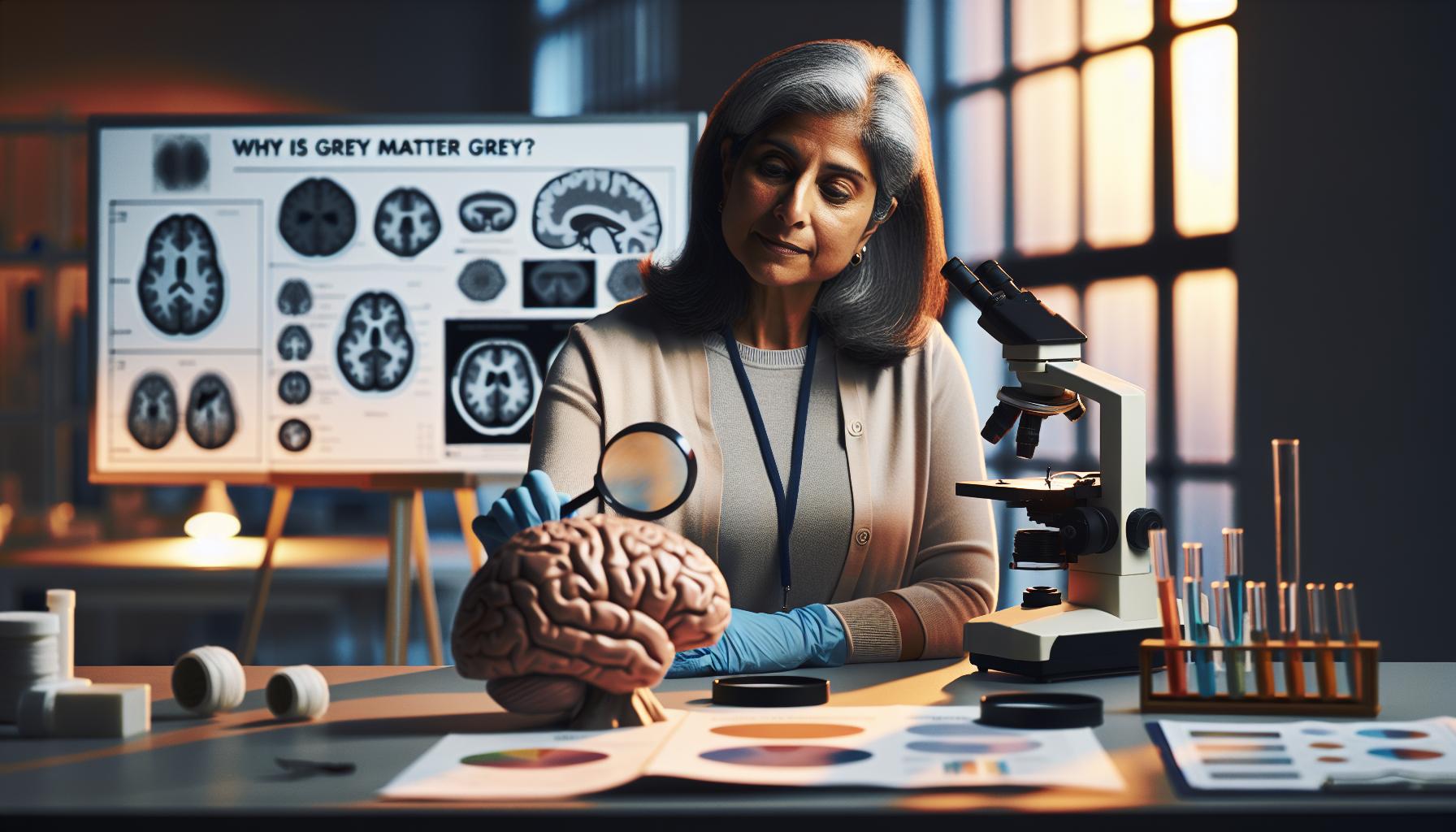
The Role of Myelin: White Matter vs. Grey Matter
The intricate relationship between grey and white matter is key to understanding brain functionality and health. Myelin, the fatty substance that coats and insulates the axons in white matter, plays a crucial role in speeding up electrical impulses that facilitate communication between neurons. This insulation ensures that signals travel quickly and efficiently across the brain, akin to how electrical wiring operates in a sophisticated system. For instance, when you learn a new skill, such as playing a musical instrument, the pathways in your white matter become more efficient, enhancing your neuroplasticity-the ability of the brain to reorganize itself by forming new connections.
In contrast, grey matter comprises neuronal cell bodies, dendrites, and synapses, making it the hub of processing and integration. While grey matter is adept at nutrient processing and cognition, white matter is indispensable for the communication of information across different brain regions. This structural dichotomy allows the brain to be both reactionary and proactive; grey matter engages in delicate tasks such as decision-making and memory, while white matter supports these processes by ensuring rapid communication.
To foster optimal interactions between grey and white matter, consider lifestyle changes that promote overall brain health. Integrating regular physical activity can enhance myelination, boosting cognitive functioning and the health of both grey and white matter. Furthermore, a brain-healthy diet rich in omega-3 fatty acids, antioxidants, and vitamins can support myelin integrity, ensuring that the brain remains resilient and agile. Here are some practical steps to improve your brain health:
- Engage in aerobic exercise: Activities like jogging, swimming, or cycling can enhance cognitive functions and increase blood flow, supporting both types of matter.
- Consume a balanced diet: Foods rich in omega-3s (like fish or flaxseeds), dark leafy greens, and whole grains contribute to cellular health and myelin production.
- Pursue mental challenges: Regularly engaging in puzzles, learning a new language, or playing musical instruments benefits both grey matter’s processing ability and white matter’s communication speed.
- Get adequate sleep: Rest is critical for myelin repair and regeneration, ensuring that your brain functions optimally.
Ultimately, recognizing the synergistic roles of grey and white matter empowers us to adopt healthier habits that can enhance cognitive performance, improve memory, and contribute to overall brain resilience. By focusing on lifestyle choices that support the health of both grey and white matter, individuals can create a more adaptable and capable brain ready to tackle the challenges of everyday life.
How Grey Matter Impacts Cognitive Function
The color grey in the human brain is much more than a mere pigmentation; it symbolizes a wealth of information processing and intelligence within. Grey matter is crucial for numerous cognitive functions, including memory, attention, and decision-making. It consists primarily of neuronal cell bodies, dendrites, and synapses, all essential components involved in processing information. As our brains age or as we engage in various activities, the health and efficiency of our grey matter can fluctuate, impacting our overall cognitive performance.
One of the most powerful ways to enhance grey matter functionality is through stimulating mental activities. Engaging in new learning experiences, such as mastering a new language or picking up a musical instrument, has been shown to promote neuroplasticity-the brain’s ability to forge new connections and reinforce existing pathways. This not only builds a more robust cognitive framework but also helps in slowing the aging process of the brain. Neuroplasticity is vital for maintaining and improving cognitive abilities, making it essential to continuously challenge ourselves.
In addition to mental exercises, lifestyle choices play a significant role in optimizing grey matter health. Research suggests that regular physical activity, particularly aerobic exercises such as running or swimming, increases the volume of grey matter in the brain by enhancing blood flow and nutrient delivery. Moreover, a diet rich in omega-3 fatty acids, antioxidants, and vitamins can support grey matter integrity. Incorporate the following practical steps into your routine to boost cognitive function:
- Engage in lifelong learning: Take up new hobbies, attend workshops, or participate in online courses to keep your brain active.
- Prioritize physical activity: Aim for at least 150 minutes of moderate exercise each week to stimulate blood flow and brain health.
- Optimize nutrition: Include foods like fatty fish, nuts, seeds, and colorful fruits and vegetables in your meals to support neuronal health.
- Practice mindfulness and relaxation: These techniques can reduce stress and enhance cognitive performance by improving focus and emotional regulation.
By adopting these habits, you’re not only enhancing your grey matter’s resilience but also greatly enriching your overall cognitive function. A proactive approach to brain health allows us to tackle the challenges of daily life with clarity, creativity, and confidence, fostering both personal and professional growth.
Influence of Diet on Brain Color and Health
An intriguing aspect of maintaining optimal cognitive function lies in the significant role that diet plays in the health and appearance of grey matter. The food we consume not only provides essential nutrients to support brain structure and function but can also affect its color, which reflects the underlying neuronal activity and health. A diet rich in specific nutrients can enhance grey matter density, thereby promoting better cognitive abilities, emotional regulation, and overall brain health.
The interplay between nutrition and brain health is especially evident through the consumption of omega-3 fatty acids. These essential fats, found abundantly in fatty fish like salmon, walnuts, and flaxseeds, are known to support the integrity of neuronal membranes and aid in the formation of grey matter. Studies have shown that increased intake of omega-3 fatty acids correlates with higher grey matter volume, which is crucial for memory and learning processes. Additionally, antioxidants, prevalent in colorful fruits and vegetables, protect neurons from oxidative stress, further promoting brain health. Incorporate foods like blueberries, spinach, and broccoli to ensure your diet is not only vibrant but also brain-boosting.
Furthermore, proper hydration is equally vital for maintaining brain function and color. Studies indicate that even mild dehydration can impair cognitive performance and mood. Aim to drink plenty of water throughout the day and consider hydrating foods, such as cucumbers and oranges, to bolster your intake.
To optimize your diet for brain health, consider these practical steps:
- Include omega-3 sources: Regularly eat fatty fish, nuts, and seeds to support neuronal health.
- Prioritize colorful fruits and vegetables: Aim for a variety of colors on your plate; each color represents different nutrients that benefit the brain.
- Stay hydrated: Set reminders to hydrate throughout your workday to ensure your brain is functioning optimally.
- Limit processed sugars and unhealthy fats: A diet high in these can lead to cognitive decline and negatively affect the health of grey matter.
By focusing on nutrient-rich foods and maintaining hydration, you can positively influence your grey matter and boost your cognitive performance. These dietary habits support a healthier brain, enhancing your ability to manage workplace stress and engage effectively in your tasks. Embracing these changes not only promotes individual wellness but also contributes to a more vibrant workplace culture centered on cognitive health.
The Fascinating World of Neuroplasticity and Color
Neuroplasticity, the brain’s remarkable ability to reorganize and form new neural connections throughout life, plays a crucial role in how we perceive the world, including the colors and characteristics of our grey matter. This dynamic process allows the brain to adapt to new experiences, learn new information, and even recover from injuries. Interestingly, the properties of our grey matter can vary over time, influenced by numerous factors, including our environment, experiences, and even the foods we consume.
To harness the power of neuroplasticity in relation to brain color and health, it’s essential to engage in activities that stimulate cognitive function. These can range from challenging puzzles and learning new skills to physical exercise, which has been shown to boost the production of neurotrophic factors-proteins that support neuron growth and survival. Regular engagement in these activities not only enriches grey matter density but also contributes to the underlying color of the brain as a reflection of its health and vitality.
Moreover, our emotions and stress levels can impact neuroplasticity and, by extension, the coloring of grey matter. A positive, supportive environment fosters healthy brain function, enhancing neuroplasticity, while chronic stress can have detrimental effects. Practices such as mindfulness and stress-management techniques-including deep breathing exercises, yoga, and regular physical activity-can promote a more favorable brain environment, encouraging healthier signaling within the grey matter.
- Engage in regular physical activity: Aim for at least 30 minutes of moderate exercise daily to promote neurotrophic factors.
- Challenge your brain: Incorporate puzzles, games, or new learning experiences to stimulate neural pathways.
- Practice mindfulness: Utilize stress-reduction techniques like meditation to enhance emotional well-being and improve cognitive resilience.
- Maintain a balanced diet: Focus on nutritional foods that support brain health, boosting both cognitive function and grey matter vitality.
Understanding that the brain is not static but rather a living, breathing entity that changes with our experiences empowers us to take control of our cognitive health. By fostering positive environments and activities, we not only improve our brain’s functionality but also enrich its appearance, ensuring that grey matter remains vibrant and optimally functional. Embracing these practices will not only lead to enhanced workplace performance but also contribute to a healthier and more fulfilling life overall.
Color Perception in Neuroscience: Beyond Grey Matter
Color perception in the human brain is a complex interplay of biology and cognition, transcending the mere shades of grey and revealing the profound influence of environment and experience on how we interpret color. Our understanding of color is not solely derived from the physical properties of light but is also shaped by neurological processes that integrate sensory input with past experiences. This relationship is crucial because it highlights that our perception of color, including grey, is subjective, deeply rooted in the context within which we encounter colors.
Research suggests that the brain’s processing of color involves not just the visual cortex but also areas that govern emotional and cognitive responses. For instance, the presence of certain colors can elicit emotional reactions, influencing how we perceive subsequent colors. Interestingly, grey matter in the brain plays a vital role in these perceptual processes. The variations in grey matter density across different regions can affect our visual and cognitive capabilities, including how we react to and interpret color stimuli. This intricate connection elucidates why the same shade can be perceived differently across individuals and contexts.
To enhance your own color perception and cognitive health in the workplace, consider implementing practices that stimulate your visual and cognitive senses. Engage with diverse color environments, integrate multi-sensory stimuli during tasks, and refine your lighting conditions. For example, using natural light and varying color temperatures can enhance your mood and productivity. Don’t overlook the benefits of mindful observation; take the time to appreciate colors in your surroundings, as this can bolster both your appreciation of aesthetics and your cognitive functioning.
Moreover, as you cultivate an awareness of how you perceive color, recognize the importance of emotional regulation. Stress is a known inhibitor of cognitive function and can distort perception. Employing strategies such as deep breathing, taking breaks, or practicing mindfulness can foster a healthier emotional landscape, allowing for greater clarity in both color perception and cognitive tasks. Through these strategies, not only will you enhance your engagement with the visual world, but you will also contribute to overall workplace wellness and cognitive health.
Common Misconceptions About Brain Color
Misunderstandings about brain color can lead to confusion not only about neuroanatomy but also about how we perceive reality. One prevalent myth is that grey matter is the only significant part of the brain responsible for processing information. While it plays a crucial role in cognitive functions, it’s important to recognize that both grey and white matter contribute uniquely to our cognitive capabilities. Grey matter primarily consists of neuronal cell bodies, whereas white matter is made up of myelinated axons that facilitate communication between different brain regions. This complex interplay means that the efficiency of brain function relies on both components working seamlessly together.
Another misconception revolves around the idea that brain color can signify health status. While variations in the appearance of grey matter and white matter might indicate certain medical conditions, the notion that a “dark” brain is less healthy than a “light” one oversimplifies a highly intricate system. Brain health is better assessed through cognitive performance and well-being, rather than superficial color characteristics. Furthermore, environmental and biological factors can influence brain health, emphasizing that a multifaceted approach is essential when considering cognitive wellness.
On the topic of diet, a common belief is that certain foods can directly change brain color or composition. While nutrition plays a pivotal role in overall brain health-enhancing cognitive function and supporting neural connections-no specific diet can alter the fundamental coloration of grey or white matter. Instead, a balanced diet rich in antioxidants, omega-3 fatty acids, and vitamins can optimize brain function and promote resilience against cognitive decline. This understanding encourages individuals to focus on sustaining a healthy lifestyle rather than fixating on superficial changes.
Taking a broader view, the fascination with brain color can lead to an insightful examination of how we understand ourselves and our cognitive processes. Creating an awareness of these misconceptions allows us to appreciate the brain’s complexity while fostering better health practices. Engaging in activities that promote neuroplasticity-such as learning new skills or maintaining social connections-can ultimately enhance cognitive function regardless of the brain’s color. In the context of workplace wellness, incorporating habits that challenge the mind can contribute significantly to cognitive health, promoting not just productivity but also mental well-being.
Artist’s Perspective: Depicting the Human Brain
Artistic representations of the brain often evoke awe, but they also reflect a deeper understanding of both aesthetics and science. When artists depict the human brain, they must navigate the dual challenges of anatomical accuracy and the emotional weight that this organ carries as the center of thought and identity. For instance, the prevalent portrayal of the brain in shades of grey not only hints at the actual coloration of grey matter but also symbolizes complexity, depth, and the profound mysteries of human cognition.
Incorporating vibrant colors and forms can convey the intricate workings and emotional landscape of the mind. Artists often utilize techniques such as layering textures and integrating bright hues to represent neural pathways and synaptic connections, offering a visual metaphor for neuroplasticity-the brain’s remarkable ability to reorganize itself through experience. This dynamic representation encourages viewers to appreciate not just the static structure of the brain but also its capacity for change and adaptation.
To effectively depict the brain while maintaining a focus on workplace wellness and cognitive health, artists can draw inspiration from scientific research. For example, integrating elements that symbolize mental well-being-such as clear skies, flowing water, or lush landscapes-can convey a sense of calm and resilience. These motifs resonate with the understanding that a healthy mindset supports cognitive performance and fosters a harmonious work-life balance.
Furthermore, collaborating with neuroscientists and psychologists can refine artists’ interpretations of the brain. Such collaborations might include sharing insights on how stress affects brain physiology or the importance of a nutrient-rich diet in promoting neurohealth. By doing so, artists not only enhance their creations but also help communicate vital information about brain health to a broader audience, transforming their art into an educational tool that promotes wellness in everyday life.
The Evolution of Brain Color: A Historical Perspective
Throughout history, the understanding of brain color has evolved alongside advancements in neuroscience and anatomy. Initially, the brain was often depicted in various sensational colors based on artistic interpretation rather than scientific accuracy. Artistic representations in the Renaissance, for example, were more focused on idealism, where colors were chosen for their emotional impact rather than their authenticity. Artists like Leonardo da Vinci began to explore anatomical accuracy, paving the way for deeper intrigue into why the brain has its characteristic hues.
As scientific inquiry progressed, the examination of brain color unveiled the complex roles of gray matter and white matter in cognitive function. Gray matter, primarily composed of neuron cell bodies, is not merely gray in appearance; its actual color can vary from pinkish to a darker shade depending on factors such as blood flow and cellular health. White matter, rich in myelin sheaths that insulate nerve fibers, contributes to the brain’s ivory or white appearance. This structural understanding shifted perceptions about color, emphasizing function over aesthetic.
The fascination with brain color has also prompted further research into its implications for health and cognition. For instance, recent studies have indicated that factors such as diet significantly influence brain health, potentially altering its physical appearance. Eating nutrient-rich foods can enhance myelination and overall brain function, impacting how the brain operates. A diet abundant in omega-3 fatty acids, antioxidants, and vitamins is believed to foster not just brain health but also its vividness in color perception, ultimately supporting cognitive performance and emotional well-being.
As we explore the evolution of brain color, it becomes clear that there is more than meets the eye. Understanding the inherent hues of the brain fosters a holistic view of cognitive health. By recognizing that brain color is shaped by both anatomical and functional aspects, we can appreciate the intricate connection between our physical and mental capabilities, leading to informed decisions about lifestyle choices that promote cognitive wellness. Balancing artistic representation with scientific facts can further inspire awareness and appreciation of our most vital organ, encouraging proactive measures in workplace wellness and mental health management.
Future Research: What We Still Don’t Know About Brain Color
Understanding the nuances of brain color remains a captivating frontier in neuroscience. As we delve into the complexities of gray matter and its pigmentation, researchers are only beginning to unearth the underlying factors that influence these characteristics. Current studies suggest that varying levels of blood flow, cellular activity, and even the presence of different proteins can contribute to the variety of hues observed in gray matter. However, the precise mechanisms remain largely unknown, presenting an exciting avenue for future exploration.
The Impact of Neurotransmitters and Health on Brain Color
Another intriguing aspect is how neurotransmitters and overall brain health affect color perception. While we understand that neurotransmitters like dopamine and serotonin play crucial roles in mood and cognitive function, the link between their levels and the visual appearance of gray matter has not been fully explored. Future research could investigate how fluctuations in these chemicals-potentially influenced by stress, lifestyle choices, or disease-might affect brain pigmentation and, consequently, cognitive performance.
Environmental and Lifestyle Influences
Moreover, it is essential to consider environmental factors that contribute to brain health and, by extension, its color. Factors such as exposure to toxins, air quality, and even social interactions could play roles in shaping the brain’s structure and appearance. Dietary habits are already known to impact brain health, yet research is needed to clarify how specific nutrients not only promote healthy functioning but might also directly influence brain color. Researchers should examine the potential synergistic effects of these factors, leading to a deeper understanding of how to foster optimal brain health and function.
Implications for Neurological Disorders
In the realm of neurological disorders, further understanding of brain color could yield valuable insights. Conditions such as Alzheimer’s or multiple sclerosis may exhibit distinct changes in brain pigmentation, which could serve as early indicators of disease progression or flare-ups. If research can establish reliable correlations between brain color and specific neurological conditions, it may enhance diagnosis and treatment strategies, enabling proactive management of these diseases.
Overall, the future of research into the colors of the brain holds vast potential not only to expand our scientific knowledge but also to inform therapeutic practices aimed at enhancing cognitive health and workplace wellness. By understanding how these colors reflect and impact our mental capabilities, we can empower individuals to make informed lifestyle choices that promote not just health, but flourishing cognitive function. By prioritizing a holistic approach to brain health through proper diet, stress management, and environmental considerations, we create a conducive atmosphere for optimal cognitive performance, fostering workplace well-being and personal efficacy.
Q&A
Q: What causes the color of grey matter in the brain?
A: The grey color of grey matter is primarily due to the presence of neuronal cell bodies, dendrites, and glial cells. These structures contain little myelin, which distinguishes them from white matter, where myelin sheaths give a white appearance. Understanding this distinction helps clarify brain function and health.
Q: How does grey matter color affect cognitive function?
A: The color of grey matter is linked to its composition, including neuronal density and health. A healthy grey matter structure is essential for proper cognitive functions, such as memory, decision-making, and problem-solving. Any changes in its color can indicate neurological issues.
Q: Can diet influence the color of grey matter?
A: Yes, diet can significantly impact brain health, including the appearance of grey matter. Nutrients that support brain function, such as omega-3 fatty acids, may help maintain the integrity and characteristics of grey matter. A balanced diet is crucial for cognitive performance.
Q: How do different brain imaging techniques show grey matter?
A: Various imaging techniques, such as MRI scans and CT scans, effectively visualize grey matter. MRIs, in particular, provide detailed images highlighting the differences in grey and white matter, helping researchers and clinicians assess brain health and disease.
Q: Are there common misconceptions about grey matter color?
A: One common misconception is that all brain matter looks the same; however, brain structures contain diverse types of cells that contribute to color differences. Grey matter’s distinctive color is pivotal for understanding brain function and health.
Q: What role does myelin play in distinguishing grey matter from white matter?
A: Myelin is a fatty substance that insulates nerve fibers, giving white matter its characteristic color. Unlike white matter, grey matter has fewer myelinated fibers, allowing for the direct communication between neurons, which is essential for various brain functions.
Q: Can neuroplasticity change the appearance of grey matter?
A: Yes, neuroplasticity can influence grey matter characteristics, allowing the brain to adapt to learning and experiences. Increased neuronal connections and growth can lead to changes in grey matter volume, which may affect its appearance over time.
Q: How does the evolution of brain color relate to intellectual development?
A: The evolution of brain color, particularly the differentiation between grey and white matter, reflects the complexity of brain structures associated with higher cognitive functions. This adaptability has allowed for the development of advanced intellectual capabilities in humans.
Final Thoughts
As we’ve explored the intriguing science behind why grey matter appears grey, it’s clear that color perception plays a vital role in our understanding of the brain. Now that you recognize the importance of color in cognitive function, consider diving deeper into related topics. Check out our articles on enhancing cognitive performance and the benefits of a balanced work environment.
Don’t miss out on future insights that can empower your journey toward better brain health! Subscribe to our newsletter for tips on workplace wellness, stress management strategies, and evidence-based biohacking techniques. Whether you’re looking to optimize your workspace or learn how to support neuroplasticity, there’s always more to discover. Engage with us by sharing your thoughts or asking questions in the comments below-let’s continue this fascinating conversation together!