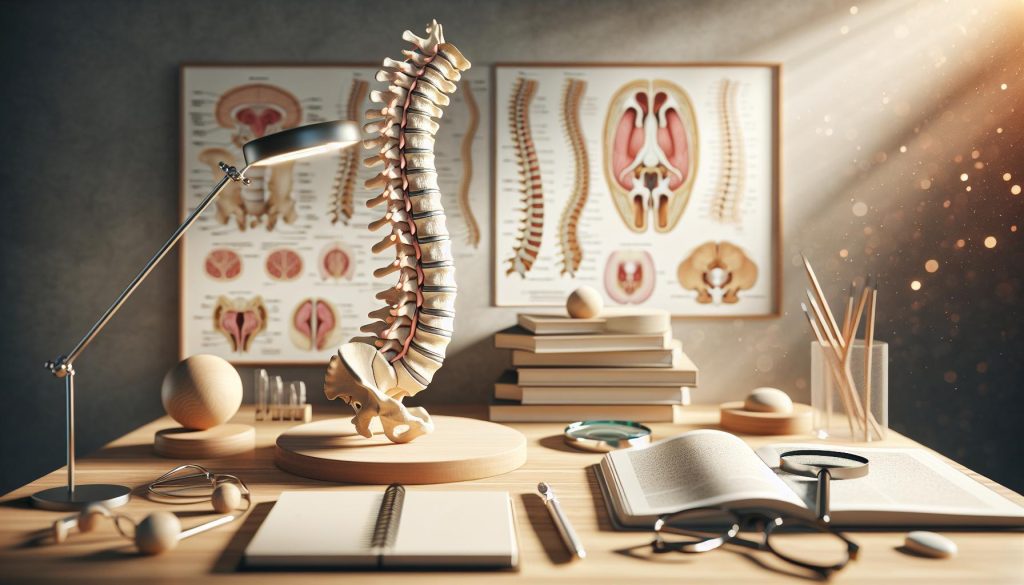
Did you know that the grey matter in your spinal cord plays a crucial role in processing information and responding to stimuli? Understanding the anatomy of the spinal cord, particularly the location and function of grey matter, is vital for anyone interested in health, wellness, and the complexities of our neurological systems. The grey matter, primarily composed of neuron cell bodies, is integral for reflexes and communication between the brain and body. By delving into where this vital substance resides, you’ll uncover insights not only about basic anatomy but also its significance in maintaining overall wellness. Join us as we simplify the complexities of spinal cord anatomy, making it accessible and relevant to your understanding of health and well-being. This knowledge could empower you to better appreciate how your body functions and the importance of maintaining its health.
Understanding the Structure of the Spinal Cord
The spinal cord is a remarkable structure serving as the main pathway for transmitting information between the brain and the rest of the body. Comprised of both grey and white matter, the spinal cord not only facilitates reflexes but also plays a crucial role in motor control and sensory processing. The organisation of these two types of tissue provides insights into how our bodies function seamlessly. In the spinal cord, the grey matter is centrally located, forming an “H” or butterfly shape, surrounded by white matter, which contains the myelinated axons that convey signals to and from the brain.
Grey matter primarily consists of neuronal cell bodies, dendrites, and axon terminals. This dense concentration of neurons enables it to play a significant role in processing and integrating sensory and motor signals. The spinal cord’s grey matter can be divided into various horns: the anterior horn, which houses motor neurons that innervate skeletal muscles; the posterior horn, which processes sensory information; and the lateral horn, found in certain segments of the spinal cord, which contains neurons of the sympathetic nervous system. Understanding this intricate design not only highlights how closely the brain and spinal cord are intertwined but also underscores the importance of maintaining a healthy spinal cord for optimal neurological function.
Moreover, the connections formed within the grey matter are essential for reflex actions. For instance, when a hand touches something hot, sensory receptors send a signal that is processed in the grey matter, resulting in an immediate motor response to pull away from the source of heat. This quick reaction is pivotal not just for survival but also illustrates how our body maintains dynamic communication within itself. Recognising the structure and function of the spinal cord can empower individuals to take proactive steps toward spinal health, ensuring that they remain agile and responsive in their daily lives.
Ultimately, understanding the spinal cord’s structure reveals the delicate balance of systems that keep us functioning. By appreciating how grey matter works within this context, individuals can better support their spine health through proper ergonomics at work, maintaining physical fitness, and incorporating practices that promote overall well-being, paving the way for both physical and cognitive resilience.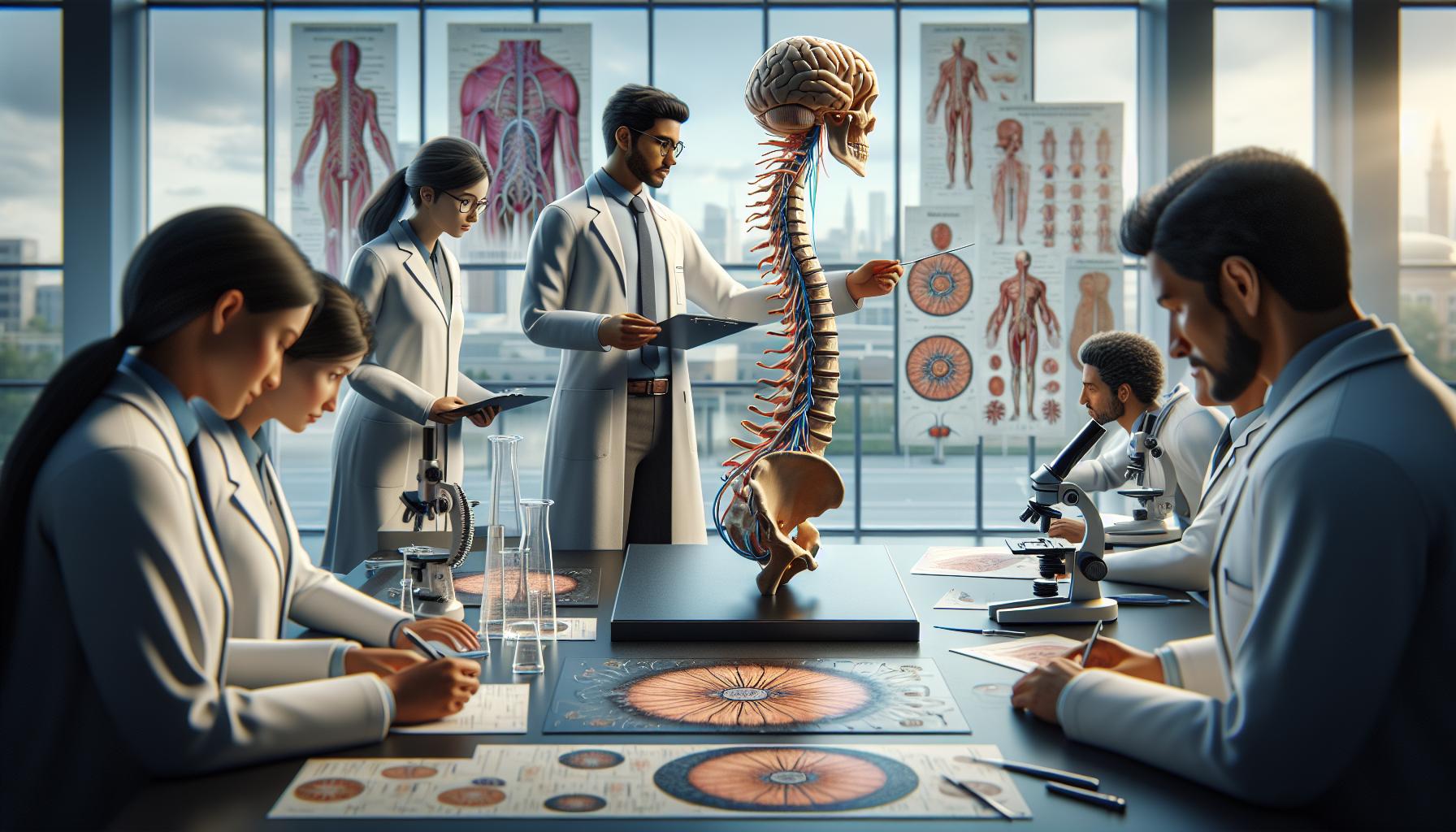
The Role of Grey Matter in Central Nervous System
Understanding the intricate role of grey matter is essential for appreciating how our central nervous system operates effectively. Within the spinal cord, grey matter acts as theheart of neuronal signaling. It comprises densely packed neuronal cell bodies and plays a crucial role in the processing of sensory and motor information. The spinal cord’s grey matter is often organized into distinct regions or “horns,” each responsible for different functions, creating a complex but efficient system that regulates bodily responses.
Grey matter primarily facilitates communication between the brain and the body. When sensory receptors in the skin detect stimuli, such as a sharp object, the signals transmitted through these pathways enter the spinal cord and are processed in the posterior horn of the grey matter. Here, the information can trigger a reflex response even before it reaches the brain, showcasing the speed and efficiency of these neural circuits. This reflex mechanism is vital for survival, allowing the body to respond quickly to potentially harmful situations, emphasizing the importance of maintaining healthy grey matter function.
In addition to processing sensory input, grey matter also plays a role in motor control. Motor neurons located in the anterior horn send signals to muscles, facilitating voluntary movements. The lateral horn is especially important for autonomic functions, controlling involuntary activities. Given its diverse roles, ensuring that grey matter remains healthy and well-functioning is critical for overall neurological health and physical coordination.
Supporting the health of your spinal cord’s grey matter can be achieved through various lifestyle modifications.
- Regular Physical Activity: Engaging in exercises like yoga or resistance training enhances blood flow and neuroplasticity, ultimately benefiting grey matter.
- Healthy Diet: Consuming foods rich in omega-3 fatty acids, antioxidants, and whole grains supports neural health and cognitive function.
- Ergonomic Workspace: Optimizing your work environment to minimize strain on your spine can help maintain overall well-being.
By taking proactive steps toward spinal health, you enhance not only your physical agility but also your cognitive resilience, ensuring a robust central nervous system ready to meet the challenges of everyday life.
Distinguishing Grey Matter from White Matter
In the anatomy of the spinal cord, understanding the distinction between grey matter and white matter is crucial for grasping how our nervous system operates. Grey matter consists primarily of neuronal cell bodies, dendrites, and unmyelinated axons. This dense aggregation is where the majority of synaptic activity occurs, facilitating the processing of sensory and motor functions. In contrast, white matter is composed mainly of myelinated axons, which create the communication pathways allowing signals to travel efficiently between different regions of the brain and spinal cord. This myelination gives white matter its characteristic color, as the fatty sheaths that cover the axons appear white.
Grey matter is organized into specific regions, known as horns, within the spinal cord. These include the anterior, posterior, and lateral horns, each playing distinct roles in reflex and voluntary motor functions. For example, the anterior horn is critical for sending signals to skeletal muscles, while the posterior horn processes sensory information from the body. White matter, located around the grey matter, contains ascending and descending tracts that relay information to and from the brain, ensuring coordinated bodily functions and responses.
The functional interplay between grey and white matter is essential for overall neurological health. The efficient communication between these two types of matter enhances cognitive functions and motor skills. Lifestyle factors can influence this balance; for example, engaging in regular physical activity not only strengthens grey matter by promoting neurogenesis but also boosts white matter integrity through improved blood circulation and nutrient delivery.
To support both grey and white matter health, consider adopting practices such as:
- Mindful Movement: Incorporate activities like dancing or tai chi that engage both body and mind.
- Healthy Nutrition: Focus on a diet rich in antioxidants and omega-3 fatty acids, which help protect neuronal health.
- Stress Management: Utilize mindfulness and relaxation techniques to reduce stress, which can negatively impact both grey and white matter.
By understanding and nurturing the distinct yet interconnected roles of grey and white matter, you can actively contribute to your overall neurological well-being, enhancing both mental agility and physical resilience.
Key Functions of Grey Matter in the Spinal Cord
The intricate web of the spinal cord functions as a hub of communication within the central nervous system, with grey matter playing a pivotal role. Grey matter is where the action happens; this tissue is densely packed with neuronal cell bodies, dendrites, and unmyelinated axons, making it essential for processing and relaying information. Located in an organized fashion, grey matter is primarily found in the spinal cord’s anterior (ventral), posterior (dorsal), and lateral horns. These regions hold specific responsibilities: the anterior horn houses the motor neurons that innervate skeletal muscles, while the posterior horn processes incoming sensory information from the body.
One of the key functions of grey matter is its involvement in reflex arcs, which are the automatic responses to certain stimuli. For example, when you touch a hot surface, sensory neurons transmit signals to the posterior horn, and then interneurons in the grey matter help process this information and relay a quick response back through the anterior horn. This rapid communication facilitates immediate reactions without needing to route the signals through the brain, highlighting the efficiency of grey matter in critical protective reflexes.
Additionally, grey matter supports higher functions such as coordination and balance. Through neural circuits that integrate sensory and motor information, the spinal cord enables complex movements that are essential for daily activities. This connectivity allows for smooth transitions between various physical tasks-whether you’re walking, biking, or simply reaching for an object. Furthermore, new research indicates that engaging in regular physical activity not only enhances grey matter health by promoting the growth and maintenance of neurons but also improves cognitive functions through neuroplasticity.
Ultimately, nurturing the health of grey matter is vital for overall spinal and neurological function. Practices such as regular exercise, maintaining a nutritious diet rich in omega-3 fatty acids, and implementing stress management techniques can significantly benefit grey matter integrity. By integrating these lifestyle habits, you can support not just physical movement but also cognitive agility, empowering you to achieve better workplace wellness and overall health.
Mapping the Locations of Grey Matter
The spinal cord’s architecture is an incredible testament to the complexity of the human nervous system, and understanding where grey matter is located enhances our appreciation for its critical functions. Grey matter is concentrated in three key regions of the spinal cord: the anterior (ventral) horns, the posterior (dorsal) horns, and the lateral horns. Each of these areas serves distinct purposes and plays a vital role in the body’s neural communication pathways.
In the anterior horns, you’ll find clusters of motor neurons responsible for transmitting signals to skeletal muscles. This is where the excitement of movement originates; it’s essential for voluntary actions such as walking or grasping objects. For those who are active in their work or personal lives, focusing on activities that engage these muscles can strengthen their connection to this vital area of grey matter, promoting better motor control.
The posterior horns serve as a reception area for sensory information from throughout the body. When you touch a surface or experience temperature changes, signals travel through sensory neurons directly to this location, where they are processed before being relayed to the brain. This proximity to the body’s sensory inputs makes the posterior horns essential for maintaining awareness and responsiveness to our environment.
Meanwhile, the lateral horns, which predominantly exist in the thoracic and upper lumbar regions of the spinal cord, are integral to the autonomic nervous system. They coordinate involuntary functions like heart rate and digestion. Understanding this connection can empower workplace wellness initiatives by promoting practices that reduce stress and improve overall autonomic function, which can directly impact energy levels and focus during working hours.
By appreciating the specific locations of grey matter within the spinal cord, individuals can become more mindful of their body and brain health. Integrating physical activities that engage these areas, such as stretching, resistance training, or yoga, can bolster spinal health while enhancing mental clarity and resilience. Remember, fostering a healthy lifestyle that includes regular movement, a balanced diet, and stress management can invigorate grey matter, enhancing your daily cognitive performance and overall wellness.
Common Myths about Spinal Cord Anatomy
Many people harbor misconceptions about the anatomy of the spinal cord, particularly regarding the roles and characteristics of grey matter. Understanding these myths is crucial for fostering better awareness of spinal health and encouraging proactive wellness strategies.
One widespread myth is that grey matter is only involved in sensory and motor functions. While it’s true that grey matter contains motor neurons in the anterior horns and processes sensory information in the posterior horns, it is also a hub for complex neural activity, including reflexes and the integration of sensory inputs. This means that grey matter is fundamental in coordinating responses, not just for reflex actions but for more integrated movements that require processing multiple signals at once.
Another common belief is that grey matter remains static throughout life. In reality, grey matter’s structure can change significantly depending on various factors, including age, experience, and lifestyle. Neuroplasticity allows the brain to adapt, and engaging in physical exercise, mental challenges, and social interactions can promote the health of grey matter. This underscores the importance of maintaining an active lifestyle, which can influence cognitive performance and overall spinal cord health.
Moreover, some assume that because grey matter is so integral to the central nervous system’s functionality, any damage to it is irreparable. While severe injuries do pose significant risks, research in neuroscience has shown that there are therapeutic approaches that can help regenerate or support damaged pathways. Progress in spinal cord studies, including innovative rehabilitation techniques and neuroprotective strategies, offers hope for recovery and improved function for individuals affected by spinal cord injuries.
By debunking these myths, individuals can appreciate the significance of grey matter not just as a static structure, but as a dynamic contributor to health, wellness, and resilience. Regular movement, mental stimulation, and a balanced lifestyle can cultivate spinal health, ultimately fostering a more harmonious connection between body and mind.
Impacts of Grey Matter Damage on Health
The health of grey matter in the spinal cord is crucial for overall neurological function, and damage to this vital region can have profound effects on daily life and well-being. Grey matter is responsible for processing sensory information and coordinating motor control, so any impairment in this area can lead to considerable physical and cognitive challenges. For instance, individuals with spinal cord injuries often experience difficulties in movement, reflexes, and sensation, underscoring the essential role grey matter plays in maintaining our body’s functionality.
Research has shown that grey matter damage can result in conditions such as chronic pain, loss of motor skills, and even depression. The disruption of the neural circuits housed within grey matter means that signals may not be processed effectively, leading to inconsistent responses to stimuli. For example, those who have suffered a spinal cord injury may experience hypersensitivity or a reduced ability to feel touch, which can impact their quality of life. Understanding the intricacies of how grey matter functions can help in developing targeted therapies that may assist in recovery and rehabilitation.
To mitigate the impacts of grey matter damage, early intervention is key. Therapeutic approaches such as physical therapy, occupational therapy, and neuromodulation techniques can promote recovery. Engaging in targeted exercises can strengthen remaining pathways and improve functional outcomes. Additionally, embracing a healthy lifestyle-encompassing balanced nutrition, physical activity, and mental wellness practices-can support the regeneration and resilience of grey matter. Neuroplasticity-the brain’s ability to reorganize itself by forming new neural connections-reminds us that with the right support and interventions, recovery is possible.
In particular, incorporating mind-body practices such as yoga and mindfulness can also play a significant role in enhancing spinal health by reducing stress, which has been linked to better neural functioning and improved emotional well-being. Regularly practicing these techniques not only aids in physical recovery but can also enhance cognitive functions associated with grey matter, such as memory and spatial awareness. Always consult with healthcare professionals before starting any new health regimen, ensuring that your approach is safe and tailored to your individual needs.
Innovative Research in Spinal Cord Studies
Recent advancements in spinal cord studies reveal exciting possibilities for enhancing our understanding of grey matter function and recovery from injuries. Research has illuminated the complex interplay within the spinal cord’s grey matter, uncovering potential pathways for regeneration and rehabilitation that could significantly improve outcomes for individuals with spinal cord injuries. Innovations in imaging technologies, such as high-resolution MRI and functional neuroimaging, allow scientists to observe the functional dynamics of grey matter and its response to various stimuli, paving the way for more effective therapeutic strategies.
One emerging area of interest is the study of neuroplasticity-the brain’s remarkable ability to adapt and reorganize itself. Researchers are exploring how targeted interventions, including physical therapy and electrical stimulation, can promote the rewiring of neural circuits that have been damaged. For instance, a groundbreaking study demonstrated that repetitive task training significantly enhanced motor recovery in patients with spinal cord injuries, highlighting the role of consistent practice in facilitating neuroplastic changes within the grey matter.
Additionally, scientists are examining the potential of stem cell therapies and biomaterials to revive damaged grey matter. Early clinical trials indicate that introducing stem cells can stimulate repair processes and create a supportive environment for neural regeneration. These innovations not only showcase the promising future of spinal cord treatment but also align with a holistic approach to health, emphasizing the importance of physical, emotional, and social well-being in recovery.
As research progresses, it is crucial for patients and caregivers to stay informed and involved. Engaging in discussions with healthcare providers about new treatment options and participating in clinical trials can offer access to cutting-edge therapies. Moreover, understanding the science behind grey matter and spinal health fosters empowerment in patients as they navigate their recovery journey, encouraging proactive involvement in their healing process.
Practical Implications of Grey Matter Insights
The insights gained from understanding grey matter in the spinal cord extend far beyond academic theory-they have significant practical implications for enhancing everyday life and well-being. A better grasp of how grey matter functions informs strategies for improving cognitive and physical health, especially in work environments. An interesting fact to consider is that engaging in activities that stimulate neuroplasticity can lead to real, measurable improvements in mental and physical capabilities, making it vital for both individuals and organizations to foster such practices.
Creating a Supportive Workspace
A well-designed workspace is crucial for maintaining spinal health and overall wellness. Here are key elements to consider when setting up your environment:
- Ergonomic Furniture: Use chairs that support the lumbar curve of your spine and desks that can be adjusted for both sitting and standing positions.
- Screen Placement: Ensure your monitor is at eye level to minimize neck strain.
- Movement Breaks: Schedule short breaks every hour to stand, stretch, or walk, promoting circulation and preventing stiffness.
- Task Variation: Alternate between different tasks to engage different muscle groups and cognitive functions, fostering better focus and productivity.
Harnessing Neuroplasticity
Understanding neuroplasticity gives empowering leverage to individuals. By adopting specific strategies, you can activate and enhance your brain’s ability to rewire itself. Consider implementing the following practices:
- Continued Learning: Engage in new learning opportunities, such as language or musical instruments, to stimulate grey matter growth.
- Physical Activity: Regular exercise, especially activities that require coordination or skill, can boost cognitive functions and promote grey matter health.
- Meditation and Mindfulness: Practices that reduce stress can create a more favorable environment for grey matter preservation and growth, helping to counteract the impacts of chronic stress.
Exploring innovative biohacking techniques can also yield positive results. Safe dietary choices rich in omega-3 fatty acids, antioxidants, and nutrients like vitamins E and D support brain health. A diet that includes leafy greens, nuts, and fatty fish not only nourishes the brain but also fosters a resilient nervous system.
In conclusion, integrating insights about grey matter into daily routines-whether through workspace design, lifestyle choices, or learning strategies-can empower individuals to support their cognitive and spinal health effectively. By taking actionable steps today, you can pave the way for long-term resilience and wellness, leading to a more productive and fulfilling life.
Neuroscience Breakthroughs Related to Grey Matter
Recent advancements in neuroscience have shed light on the intricate role of grey matter in the spinal cord, revealing its critical functions not only in movement and sensation but also in processing complex information. One groundbreaking area of research highlights how grey matter is linked to neuroplasticity, the brain’s remarkable ability to reorganize itself by forming new neural connections throughout life. This ability is particularly vital in rehabilitation scenarios, where targeted physical therapy can enhance recovery from spinal cord injuries by promoting grey matter growth and adaptability.
One fascinating study demonstrated that engaging in specific physical activities that target motor skills can significantly increase the density of grey matter in related areas of the spinal cord. Such activities stimulate the neurons, promoting growth and even helping to offset age-related decline in cognitive functions. This research underscores the importance of staying physically active, as exercises that enhance coordination not only support muscular health but also fortify the neural networks essential for cognitive functions.
Moreover, neuroscientific breakthroughs have identified techniques such as transcranial magnetic stimulation (TMS) to enhance the functionality of the grey matter in patients with spinal cord injuries or neurological disorders. TMS has shown promise in improving motor function and cognitive capabilities, offering hope for better therapeutic strategies that can lead to real improvements in quality of life. As researchers explore the implications of these methods, they open pathways for innovative treatments that can potentially restore lost functions and improve overall neurological health.
Understanding these advances empowers individuals to take an active role in their health. By incorporating physical activities that promote neuroplasticity and utilizing emerging therapies, individuals can enhance their cognitive health and resilience. This proactive approach not only enriches personal well-being but also contributes to broader applications in health and rehabilitation fields. As research continues to evolve, the insights gained from studying grey matter will likely lead to even more effective strategies for enhancing both spinal health and cognitive function across diverse populations.
How to Support Spinal Health and Function
Maintaining spinal health is crucial for overall well-being, as the spine plays an essential role in protecting the spinal cord and facilitating nervous system function. One of the most effective ways to support spinal health is through regular physical activity that not only strengthens muscles but also stimulates grey matter in the spinal cord. This, in turn, can enhance neuroplasticity-the brain’s ability to adapt and reorganize itself-leading to improved cognitive and physical performance.
Integrating ergonomic practices into your daily routine is also vital. Setting up an ergonomic workspace can prevent strain on the spine and support proper posture. Here are some tips to create an ergonomic workstation:
- Desk Height: Adjust your desk so that your elbows are at a 90-degree angle when typing.
- Chair Selection: Use a chair that provides lumbar support to maintain the natural curve of your spine.
- Monitor Placement: Position your monitor at eye level to keep your neck aligned with your spine and reduce strain.
- Foot Position: Keep your feet flat on the ground or on a footrest to enhance stability.
Regular movement is equally important. Aim to incorporate short breaks every hour to stretch or walk around. Simple stretches can alleviate tension and enhance circulation, which is beneficial for spinal health. Additionally, engaging in physical activities that focus on coordination and balance, such as yoga or tai chi, can enhance the density of grey matter in the spinal cord and contribute to better posture and spinal function.
Moreover, understanding the role of nutrition can play a supportive role in spinal health. Diets rich in omega-3 fatty acids, antioxidants, and nutrients like magnesium and calcium can promote neural health and mitigate inflammation. Staying well-hydrated is equally essential, as sufficient water intake aids in maintaining the elasticity of spinal discs.
Cultivating a lifestyle that prioritizes both physical and mental wellness will yield long-term benefits for spinal health and function. This holistic approach empowers individuals to take charge of their health, making informed choices that not only support the spine but also enhance cognitive resilience and overall quality of life. For significant concerns, consultation with healthcare professionals should be prioritized to tailor practices to individual needs effectively.
Frequently asked questions
Q: What is the primary function of grey matter in the spinal cord?
A: The primary function of grey matter in the spinal cord is to process information from the body and coordinate reflexes. It contains neuronal cell bodies that facilitate communication between the brain and spinal nerves. For a deeper understanding of its roles in the central nervous system, check the section on the “Role of Grey Matter in Central Nervous System.”
Q: How does grey matter differ in structure from white matter in the spinal cord?
A: Grey matter is composed of neuronal cell bodies and is found in the central part of the spinal cord, resembling a butterfly or an H shape. In contrast, white matter surrounds the grey matter and consists primarily of myelinated axons that transmit signals over long distances. For more details, refer to the “Distinguishing Grey Matter from White Matter” section.
Q: Where specifically is grey matter located within the spinal cord?
A: Grey matter is located in the central region of the spinal cord, forming an H-shaped structured area. It is divided into anterior (ventral) horns for motor neuron cell bodies and posterior (dorsal) horns for sensory processing. For precise mapping, see the “Mapping the Locations of Grey Matter” section.
Q: Why is grey matter essential for spinal cord functions?
A: Grey matter is essential as it integrates sensory information and coordinates motor responses. It supports reflex arcs, enabling quick reactions without involving the brain, which is vital for survival. To learn more about its key functions, review the “Key Functions of Grey Matter in the Spinal Cord” section.
Q: When does grey matter damage impact spinal cord health?
A: Damage to grey matter can significantly impair spinal cord functions, leading to issues like loss of motor control, sensory deficits, and reflex abnormalities. Understanding the impacts of damage provides insight into conditions like spinal cord injuries. Explore the “Impacts of Grey Matter Damage on Health” section for a detailed discussion.
Q: How can one enhance the health of grey matter in the spinal cord?
A: Enhancing grey matter health includes engaging in regular exercise, maintaining a balanced diet rich in omega-3 fatty acids, and practicing stress-reduction techniques like mindfulness. These practices support overall cognitive and spinal health. For specific strategies, check the “How to Support Spinal Health and Function” section.
Q: What recent research is being conducted on grey matter related to the spinal cord?
A: Recent research focuses on neuroplasticity and how grey matter adapts following injury or disease. Studies are exploring treatments to enhance recovery and regeneration in spinal cord injuries. For innovative findings, refer to the “Innovative Research in Spinal Cord Studies” section.
Q: How does grey matter size relate to neurological health?
A: The size of grey matter regions is often linked to cognitive and neurological health. For instance, increased grey matter volume is associated with better motor and cognitive functions. Monitoring these changes can offer insights into neurological conditions. For more insights, refer to the rest of the article on spinal cord anatomy.
Feel free to explore more about spinal cord anatomy and understand how it impacts your overall health!
Wrapping Up
In summary, understanding the location and function of grey matter in the spinal cord is crucial for grasping how our nervous system operates. This knowledge not only enhances your anatomy comprehension but also empowers you to make informed decisions about your health. If you’re eager to explore more, check out our articles on neuroplasticity and workplace wellness strategies to optimize brain health. Don’t wait-subscribe to our newsletter for the latest insights into cognitive performance and stress management techniques.
For further reading, consider diving into our resources on ergonomic workspaces and biohacking methods that promote mental clarity and well-being. Your journey towards improved brain health and stress resilience starts now! Join the discussion in the comments below or share your thoughts on how you manage workplace stress effectively. Your voice matters, and together, we can foster a community committed to lasting wellness.