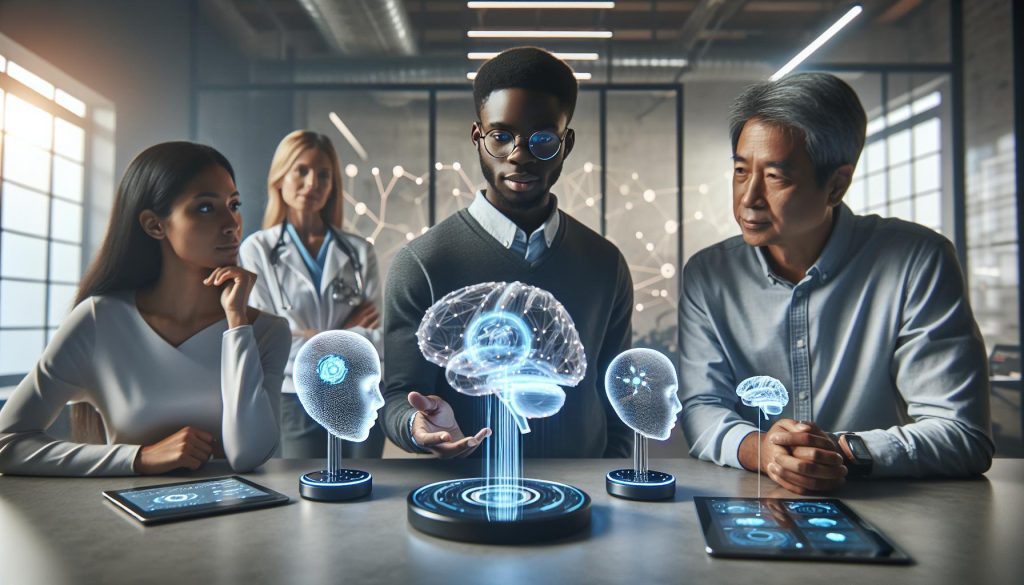
In a world increasingly driven by information and demands, understanding advanced brain technology is key to enhancing cognitive performance and achieving optimal brain health. This field, grounded in neuroscience, leverages music programs and biohacking techniques to unlock our brain’s potential and promote mental well-being. As we navigate the complexities of work-life balance and stress management, integrating these innovative tools can empower individuals to realize their fullest capabilities. By examining the principles and practical applications of advanced brain technology, readers can gain insights into how they can improve focus, productivity, and emotional resilience. Dive in to discover how these advancements are shaping the future of cognitive enhancement and how you can harness them for a healthier, more balanced life.
What Is Advanced Brain Technology?
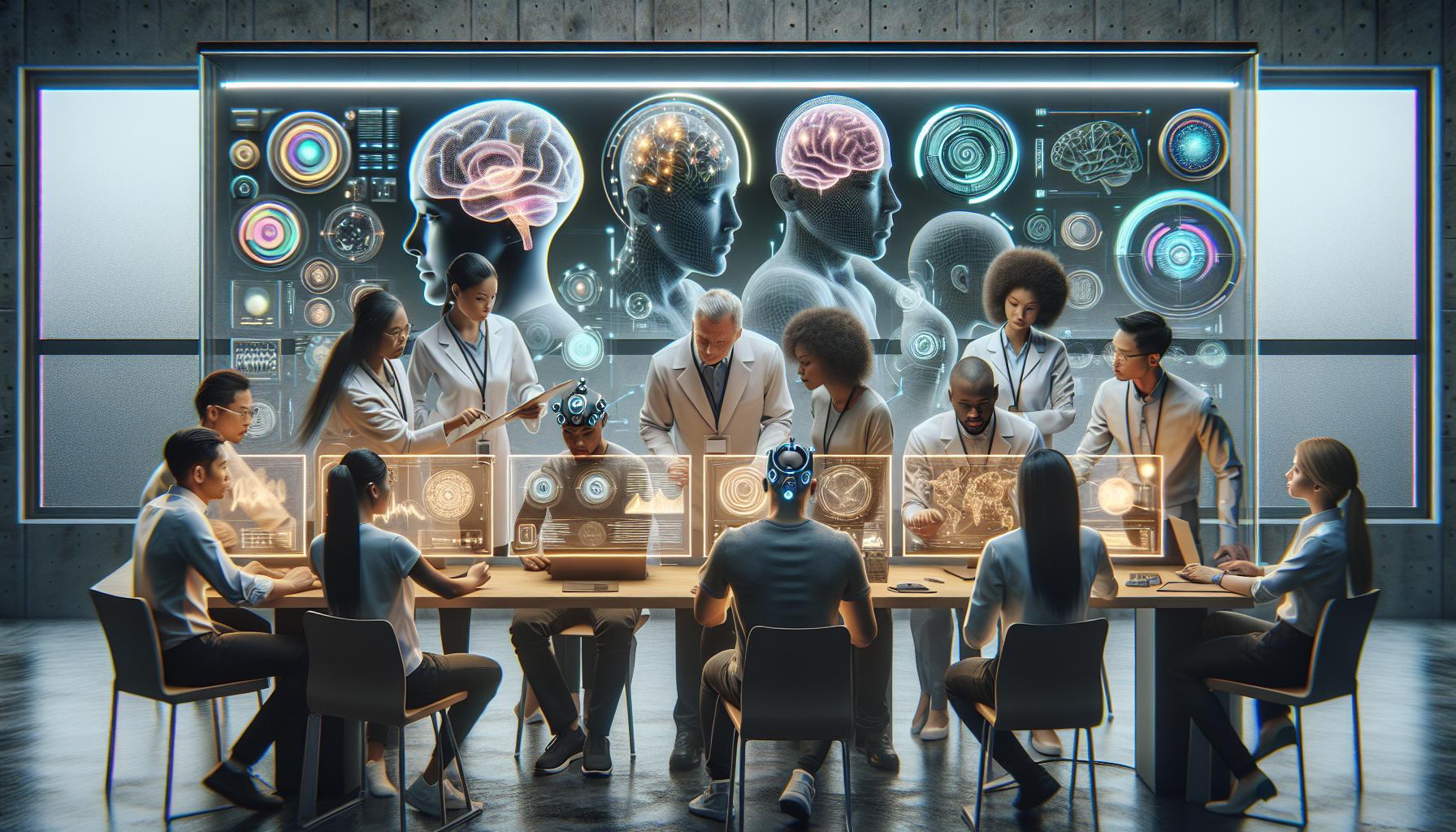
The realm of advanced brain technology is fundamentally transforming how we understand and enhance cognitive function. This interdisciplinary field integrates neuroscience, technology, and psychology to leverage the brain’s capabilities, promoting improved mental performance and well-being. At its core, advanced brain technology encompasses tools and strategies designed to improve cognitive functions such as memory, attention, and problem-solving abilities. With the proliferation of innovations including neurofeedback, brain-computer interfaces, and wearable cognitive enhancement devices, the possibilities for personal and professional development are rapidly expanding.
These technological advancements not only aim to boost individual cognitive capacities but also to address broader concerns like neurodegenerative diseases and mental health issues. For instance, gamified brain training apps are increasingly favored not just for their engaging formats but also for their potential efficacy in enhancing memory and attention through challenging exercises stratified by skill level. Similarly, wearable devices equipped with neurostimulation techniques, such as transcranial direct current stimulation (tDCS), offer users the chance to experience immediate cognitive improvements, thus blurring the lines between traditional learning methods and real-time cognitive enhancement.
As we delve deeper into advanced brain technologies, it’s important to maintain a responsible approach. While these tools are promising, ensuring educational resources and professional guidance accompany their use is vital for safe and effective cognitive enhancement. By fostering awareness and understanding of these advancements, individuals can harness the transformative power of brain technology responsibly, promoting not only personal growth but also encouraging a culture of mental health awareness and proactive cognitive well-being.
Understanding Cognitive Enhancement Techniques
can significantly transform one’s cognitive landscape, making it vital for optimizing mental performance in both personal and professional spheres. By leveraging principles from neuroscience and psychology, these techniques aim to enhance core cognitive functions such as memory, attention, and learning capacity. The landscape is evolving rapidly, with advancements that range from neurofeedback therapies to personalized cognitive training apps, all designed to make cognitive enhancement accessible and effective.
One key approach in cognitive enhancement is brain training-utilizing apps and software that incorporate gamified exercises specifically designed to target various cognitive abilities. For example, platforms like Lumosity allow users to engage in challenges that not only stimulate cognitive growth but also adapt to their skill level. These methods rely on the brain’s ability to adapt through neuroplasticity, which is fundamental to improving skills and enhancing overall mental agility.
Another innovative technique is neurostimulation, including tools like transcranial direct current stimulation (tDCS). This method involves stimulating specific brain regions using low electrical currents to enhance cognitive functioning, reported to improve memory recall and decision-making speed. Such technologies offer practical applications for individuals looking to boost their productivity or overcome mental fatigue.
Implementing cognitive enhancement techniques can also involve lifestyle adjustments that facilitate better brain health. Simple practices, such as maintaining a balanced diet rich in omega-3 fatty acids, regular physical exercise, and prioritizing sleep, can profoundly influence cognitive performance. In workplaces, fostering environments that support cognitive wellness-like using standing desks or creating ergonomic workspaces-can help reduce stress and improve focus, thereby enhancing everyday productivity.
In summary, understanding and utilizing cognitive enhancement techniques involves a blend of advanced technological tools and lifestyle adjustments that can empower individuals to optimize their cognitive resources effectively. By adopting these strategies, one can achieve greater mental clarity, improve work performance, and cultivate a healthier, more balanced approach to cognitive enhancement.
The Science Behind Advanced Brain Technology

Research in neuroscience has provided exciting insights into how advanced brain technologies can optimize cognitive functions like memory, focus, and problem-solving. One of the cornerstones of this field is the understanding of neuroplasticity, the brain’s remarkable ability to reorganize and adapt its structure and function in response to new experiences. This foundational principle underlies many cognitive enhancement techniques, allowing individuals to improve their mental performance over time.
One significant advancement is the integration of neurofeedback systems that help train individuals to regulate their brain activity. Users can visualize their brain waves in real-time and make subtle adjustments to enhance desired states such as calmness or focus. For instance, by using EEG headsets combined with biofeedback software, individuals can learn to enter a state of high concentration or relaxation, making these systems useful for stress management and productivity enhancement in high-pressure work environments.
Genetic and biochemical insights into brain function have also led to the development of nootropic substances, often referred to as “smart drugs,” which aim to promote enhanced cognitive functions. For instance, compounds like omega-3 fatty acids and adaptogenic herbs, such as Rhodiola Rosea, are researched for their potential to support brain health and improve cognitive resilience. These biohacking strategies can be seamlessly integrated into daily routines, emphasizing the importance of a balanced diet, regular exercise, and adequate rest-foundational elements that significantly influence cognitive performance.
Moreover, the advent of mobile applications dedicated to cognitive enhancement provides accessible avenues for individuals seeking to optimize their mental acuity. Games and training programs designed to challenge the brain help improve skills in areas such as memory processing, predictive analysis, and problem-solving. This democratization of technology means that everyone, regardless of background, can access tools that support their cognitive journey.
Incorporating these technologies and strategies into daily life not only enhances cognitive abilities but also promotes overall well-being. As we navigate the challenges of modern work life, being empowered with knowledge about brain health serves as a crucial step toward achieving optimal performance. Embracing these advancements, while prioritizing safety and professional guidance, ensures that we can responsibly leverage our brain’s capabilities for improved productivity and mental clarity.
Types of Cognitive Enhancements Available

The landscape of cognitive enhancement is rapidly evolving, presenting numerous avenues for individuals to enhance their mental capabilities. Advanced brain technology encompasses a variety of methods and tools designed to optimize cognitive functions, allowing users to improve focus, memory, and overall brain health. These enhancements can be broadly categorized into several types, each offering unique benefits and applications.
Nootropics and Dietary Supplements
One of the most popular forms of cognitive enhancement involves the use of nootropics-substances that are believed to improve cognitive function. These can include natural supplements like omega-3 fatty acids, found in fish oil, and adaptogenic herbs such as Rhodiola Rosea, known for their stress-reducing properties. Many individuals also explore vitamins and minerals that support brain health, such as B vitamins and magnesium. Incorporating these supplements into a balanced diet, while maintaining proper hydration and nutrients, can significantly bolster cognitive resilience.
Neurofeedback and Brain Training
Neurofeedback systems represent another innovative approach to cognitive enhancement. By using EEG technology, these systems allow individuals to monitor their brain waves in real-time, providing feedback that enables them to learn how to control their mental states. This can be particularly beneficial for improving focus and managing stress. Additionally, cognitive training programs and apps have emerged, utilizing games and puzzles to stimulate brain activity. Regular engagement with these tools can enhance skills such as memory recall and problem-solving, making them excellent components of a cognitive enhancement regimen.
Mindfulness and Meditation Techniques
Mindfulness practices and meditation techniques have gained attention for their pro-cognitive benefits. Research shows that consistent meditation can lead to structural changes in the brain, enhancing areas associated with attention and emotional regulation. Incorporating daily mindfulness exercises, whether through guided meditation apps or simple breathing techniques, can promote clarity and reduce workplace stress. This holistic approach to cognitive enhancement emphasizes the interconnectedness of mental well-being and brain health.
Technological Gadgets and Wearables
The rise of cognitive improvement gadgets introduces exciting possibilities for enhancing brain function. Wearable devices that track cognitive load and alert users when they need to take breaks can help maintain optimal focus throughout the day. Furthermore, brain-training platforms that utilize gamification principles can engage users in fun, interactive ways while challenging their cognitive abilities. These tools not only enhance cognitive performance but also encourage a healthy balance between productivity and relaxation.
Incorporating a variety of these cognitive enhancement techniques into daily routines empowers individuals to take control of their mental health. As you explore these advancements, consider focusing on safe practices and seeking professional guidance, especially when venturing into nootropic supplementation. Emphasize the importance of integrating these tools and strategies into a holistic wellness plan that supports both mental performance and overall well-being.
How Brain Technology Affects Daily Performance
The integration of advanced brain technology into daily life has opened new avenues for enhancing cognitive performance, offering practical solutions that can transform how we think, work, and interact. By leveraging tools such as neurofeedback systems and cognitive training apps, individuals can actively engage in refining their mental faculties. These technologies provide real-time insights that empower users to improve focus and manage stress more effectively-crucial skills in today’s fast-paced work environments.
Boosting Productivity Through Technology
One of the most significant impacts of advanced brain technology is its ability to enhance productivity. For example, wearable devices that monitor cognitive load can alert users when they are reaching their mental limits, prompting them to take brief, restorative breaks. This periodic resetting helps maintain high levels of focus and reduces the risk of burnout. Additionally, by incorporating brain-training games into a daily routine, users can keep their minds sharp and agile, enhancing skills like memory retention and problem-solving.
The Role of Mindfulness in Daily Performance
Mindfulness practices, supported by technology, play a vital role in improving daily performance. Apps that guide users through mindfulness and meditation exercises have been shown to promote emotional regulation and increase attention spans. Regular engagement with these techniques not only enhances cognitive function but also fosters a more positive mindset. As stress melts away and clarity emerges, individuals find themselves better equipped to tackle challenges at work and home.
Creating an Optimal Work Environment
Incorporating ergonomic setups and standing desks can also significantly influence cognitive performance. Research indicates that physical comfort enhances mental capacity; thus, creating a workspace that accommodates movement and proper posture is essential. When combined with brain-enhancing technologies, such as cognitive training tools that hold users accountable and engaged, these ergonomic practices can work synergistically to maximize mental efficiency and overall productivity.
By embracing these advancements, individuals can take charge of their mental health and productivity. It is important to choose safe practices, particularly when experimenting with cognitive technologies or supplements, and consulting with professionals can ensure that these methods align with individual health needs. As new tools and techniques emerge, the potential to uplift daily performance is limitless, paving the way for a future where cognitive enhancement is an integral aspect of personal and professional development.
Ethical Considerations in Cognitive Enhancement
As advanced brain technologies gain traction in various sectors, they prompt a critical examination of the ethical implications surrounding cognitive enhancement. These technologies, designed to boost mental capacities, raise important questions about equity, autonomy, and the definition of what it means to enhance human performance. One captivating aspect of these discussions is the potential divide between those who can afford access to cutting-edge cognitive tools and those who cannot. This inequality may lead to a society where cognitive advantages are not universally accessible, further widening existing gaps in educational and economic opportunities.
Informed Consent and Personal Autonomy
A key ethical consideration is the concept of informed consent. As consumers engage with brain enhancement tools-be it through neurofeedback devices or cognitive training apps-it’s vital that they fully understand the benefits and possible risks involved. Robust user education must be prioritized, ensuring that individuals can make empowered choices without coercion. Encouraging open dialogues around these technologies will help clients feel more secure in their decisions, aligning with the principle of personal autonomy.
The Impact on Workplace Norms
The integration of cognitive enhancement tools in work environments also warrants careful scrutiny. As organizations adopt these technologies to improve employee performance, it can create a culture where enhancement is perceived as necessary rather than optional. This societal pressure may lead to ethical dilemmas, such as whether employees feel compelled to use enhancement tools to keep up with peers, raising questions about authenticity and the natural limits of human capability. To mitigate this, fostering an environment that values mental wellness alongside performance is crucial. Companies should create policies that respect individual choices, emphasizing wellness rather than competitiveness.
Regulatory and Safety Concerns
Finally, the regulation of cognitive enhancement products is an emerging area of concern. Without stringent testing and clear guidelines, users may inadvertently expose themselves to unsafe practices or unverified supplements. Ethical responsibility extends to manufacturers and developers to conduct thorough research, promoting products that are not only effective but also safe. Consulting with healthcare professionals before engaging with these technologies can serve as a safeguard against potential risks, ensuring that enhancements align with users’ overall health goals.
In summary, as we embrace the potential of advanced brain technology, it’s essential to navigate these ethical considerations thoughtfully. By fostering equity, ensuring informed consent, respecting personal autonomy, and advocating for regulated safety measures, we can create an environment that promotes not only cognitive enhancement but also workplace wellness and personal responsibility.
The Role of Neuroplasticity in Brain Health
The brain is remarkably adaptable, with its ability to reorganize itself throughout life known as neuroplasticity. This fundamental characteristic not only enables recovery from injuries but also enhances cognitive capabilities, making it a central focus in the discussion of advanced brain technology and cognitive enhancement. Neuroplasticity underlies the principle that with the right training and stimulation, our brains can form new connections and pathways, facilitating improved mental functions such as memory, problem-solving, and learning.
Utilizing neuroplastic approaches, individuals can harness tools like cognitive training exercises, meditation, and intentional learning strategies to promote brain health. For instance, engaging in activities that challenge your brain-such as learning a new language or instrument-can create new neural pathways that enhance cognitive flexibility. By integrating neuroplasticity-based practices into daily routines, one can significantly elevate mental performance and resilience in the workplace.
Strategies for Enhancing Neuroplasticity
To maximize the benefits of neuroplasticity, consider incorporating these practices into your lifestyle:
- Continuous Learning: Stay curious and seek out new knowledge or skills.
- Meditation: Regular mindfulness practice can improve focus and emotional regulation.
- Physical Exercise: Exercise boosts brain-derived neurotrophic factor (BDNF), which is crucial for brain health.
- Social Interaction: Engaging socially stimulates cognitive functions and mental well-being.
- Sufficient Sleep: Quality sleep is essential for memory consolidation and overall cognitive health.
As we delve deeper into brain enhancement technologies, it’s essential to remember the significant role neuroplasticity plays in supporting our cognitive capabilities. Whether through digital applications designed to stimulate brain activity or novel neurofeedback devices, the integration of neuroplastic principles can lead to meaningful improvements in mental performance. By embracing this knowledge and employing safe, evidence-backed techniques, individuals can foster a healthier brain environment that promotes productivity, creativity, and well-being, aligning with the future of cognitive enhancement through advanced brain technology.
Tech Gadgets for Cognitive Improvement
As our understanding of the brain advances, so too does the development of innovative gadgets designed to improve cognitive function and overall brain health. These tech tools harness the principles of neuroplasticity and cognitive enhancement, providing users with practical ways to boost their mental performance in everyday life. Whether you’re looking to enhance memory, focus, or learning capabilities, there’s a growing array of devices to consider.
One popular category of cognitive improvement gadgets includes brain training apps and platforms, which offer engaging exercises targeted at sharpening various cognitive skills. For example, programs like Lumosity and Peak involve fun, interactive games that challenge problem-solving abilities, memory recall, and mental agility. These apps often incorporate progress tracking, making it easy to see improvements over time and adjust training routines as needed.
Another innovative field is neurofeedback technology, which provides real-time data on brain activity to help users optimize their mental states. Devices like Muse, a brain-sensing headband, guide users through meditation by monitoring EEG levels and giving feedback on relaxation levels. By training the mind to reach optimal states of focus or calm, users can improve their mental well-being and cognitive resilience. Additionally, transcranial direct current stimulation (tDCS) devices are gaining traction, offering the ability to enhance cognitive functions like memory and problem-solving by subtly stimulating specific brain regions.
While the promise of these gadgets is significant, it’s essential to approach cognitive enhancement responsibly. When integrating technology into your routine, opt for well-reviewed products that have scientifically backed efficacy. Consultation with healthcare professionals or cognitive specialists can also be beneficial, ensuring that any enhancements align with your personal health goals and context. By being informed and cautious in your approach, you can effectively leverage advanced brain technology to foster improved cognitive health and performance.
Incorporating such gadgets into daily life not only champions workplace wellness but also supports a proactive stance on mental fitness. Embrace the potential of these tools as part of a holistic strategy towards optimizing brain function and enjoying the cognitive benefits they can bring.
Biohacking: Safe Strategies for Brain Enhancement
In today’s fast-paced world, enhancing cognitive function is more important than ever, and many individuals are turning to biohacking as a viable strategy to achieve peak mental performance. Biohacking includes a range of methods aimed at optimizing brain functionality, from nutritional adjustments to incorporating cutting-edge technology. Understanding safe and effective strategies can empower you to embark on this transformative journey.
One effective biohacking approach begins with diet. Nutrient-rich foods play a crucial role in brain health. Incorporate items high in omega-3 fatty acids, such as fatty fish, chia seeds, and walnuts, which support cognitive function and mood stability. Additionally, antioxidant-rich fruits and vegetables combat oxidative stress, which is linked to cognitive decline. For an extra boost, consider including fermented foods like yogurt and kimchi, which can enhance gut health and, in turn, positively influence brain function through the gut-brain axis.
Regular physical activity also significantly impacts cognitive performance. Exercise increases blood flow to the brain, promoting the growth of new neurons and enhancing overall brain function. Aim for at least 150 minutes of moderate activity per week to reap benefits such as improved memory and better focus. Combine this exercise with mindfulness practices, such as meditation or yoga, which have been shown to enhance neuroplasticity-the brain’s ability to reorganize itself by forming new neural connections.
Incorporating technology into your routine can enhance these natural strategies. Tools like neurofeedback devices monitor brain activity, providing insights that help you train your brain to achieve optimal states. Apps designed for meditation and mindfulness can guide you through stress-relieving practices, crucial for maintaining overall cognitive health.
While exploring biohacking techniques, it’s essential to remain cautious and consult with healthcare professionals-especially when considering supplements or advanced technologies. Creating a balanced approach rooted in evidence-based practices will ensure not only your cognitive enhancement but also your overall wellness. Embrace your journey toward cognitive optimization as a commitment to your health, equipping yourself with the knowledge to make informed choices that lead to a better, more focused you.
Future Trends in Brain Technology Development
As technology rapidly evolves, the field of brain enhancement is witnessing remarkable advancements. The future of cognitive enhancement technologies holds the promise of transformative tools that could significantly improve mental capabilities. These developments are not only aimed at optimizing cognitive function but also at enhancing overall brain health, making it possible to manage stress and boost productivity more effectively in our daily lives.
One exciting trend is the integration of artificial intelligence (AI) in cognitive enhancement. AI algorithms can analyze vast amounts of data to provide personalized insights and recommendations on brain training and wellness strategies. For instance, smart apps could adapt exercises and routines based on an individual’s unique cognitive strengths and weaknesses, optimizing learning and retention in ways never before possible. This level of personalization can lead to greater engagement and more effective results in brain training programs.
Moreover, emerging technologies, such as transcranial direct current stimulation (tDCS) and neurofeedback devices, are paving the way for innovative cognitive enhancement methods. tDCS involves passing a low electrical current through the scalp to stimulate brain areas associated with specific cognitive functions. Meanwhile, neurofeedback devices help users gain control over their brain activity by providing real-time feedback. These technologies are becoming more accessible, offering users the ability to engage in targeted brain training from the comfort of their homes, thus democratizing cognitive enhancement.
Furthermore, advancements in wearable technology are set to complement these methods. Wearable devices that track brainwave patterns or physiological responses can aid individuals in understanding and managing their mental states. For example, a new generation of smart headbands and earbuds can help monitor stress levels and suggest timely interventions, such as guided breathing exercises or mindfulness sessions, enhancing the overall work-life balance.
As these trends unfold, it is crucial to approach cognitive enhancement with a balanced perspective, ensuring that the pursuit of improved mental function does not compromise overall well-being. Consultation with healthcare professionals remains essential, especially when exploring new technologies or methods. By embracing these advancements responsibly, individuals can take significant strides towards achieving peak cognitive performance while maintaining a healthy equilibrium in their lives.
Real-world Applications of Cognitive Enhancements
Cognitive enhancements are not just abstract concepts confined to laboratories; they have tangible applications in our daily lives, improving productivity, learning, and overall mental well-being. These advancements have started making their way into workplaces, educational settings, and personal wellness routines, allowing individuals to take control of their cognitive performance in practical ways.
One real-world example can be seen in corporate settings where employers are increasingly adopting tools like brain training apps and neurofeedback devices. These applications allow employees to undergo mental exercises that enhance skills such as memory, focus, and decision-making. Companies have reported increases in productivity and creativity when staff members engage with these technologies. For instance, businesses using gamified cognitive training have seen a reduction in cognitive load during task execution, leading to more efficient workflows.
Additionally, cognitive enhancement techniques can be effectively integrated into educational environments. Schools and universities are leveraging technologies like adaptive learning platforms that tailor lessons based on individual student strengths and weaknesses. This personalized approach not only improves academic outcomes but also fosters a growth mindset, encouraging students to become active participants in their learning journeys. Moreover, using brainwave monitoring tools, educators can gauge when students are stressed or disengaged, allowing for timely interventions to enhance motivation and focus.
In terms of personal wellness, the growing trend of biohacking emphasizes self-improvement through preventive health measures that support cognitive functions. Techniques such as meditation, dietary changes, and structured physical exercise routines are scientifically proven methods to enhance brain health. For instance, incorporating omega-3 fatty acids into one’s diet has shown promise in boosting cognitive functions, including memory and concentration. Combining these dietary strategies with technology-like using meditation apps that utilize neurofeedback to help users better understand their mental states-creates a holistic approach to cognitive enhancement.
By embracing these advancements in cognitive enhancement, individuals can empower themselves to achieve optimal mental performance. However, it remains essential to approach these tools and techniques responsibly. Consulting with healthcare professionals when embarking on new cognitive strategies can ensure these methods are suitable and safe, allowing for sustained benefits without compromising overall well-being. As we navigate this exciting landscape of brain technology, a balanced, informed approach will pave the way for improved cognitive health and workplace harmony.
Myths and Facts About Brain Technology
Many assumptions about brain technology circulate in popular discourse, leading to confusion and skepticism. One common myth is that brain enhancement technologies offer quick fixes or miracle solutions to improve cognitive function. In reality, while tools such as neurofeedback and cognitive training apps can facilitate growth, they require consistent practice and engagement. Cognitive enhancements are akin to physical training-a gradual process that depends on effort, just as you wouldn’t expect to attain peak fitness with a single workout.
Another prevalent misconception is that brain technologies are only for individuals with cognitive impairments or serious mental health issues. In truth, these tools can benefit anyone looking to improve their mental performance. For instance, students can use adaptive learning platforms to tailor educational experiences to their unique needs, enhancing both understanding and retention of information. In corporate environments, employees can embrace brain training applications to sharpen their focus and decision-making abilities, ultimately contributing to a more innovative and productive workspace.
Understanding the Real Benefits
The emphasis on instant results often overshadows the sophisticated science behind brain technology, which is rooted in principles like neuroplasticity. Neuroplasticity is the brain’s ability to reorganize itself by forming new neural connections throughout life, emphasizing that the brain is a dynamic organ capable of growth and adaptation. This means that with the right techniques and tools, people can enhance their cognitive abilities over time, reinforcing the importance of a consistent, long-term approach to using these technologies.
Lastly, some may believe that utilizing brain enhancement technologies is entirely risk-free. While many applications are safe, it’s crucial to consult healthcare professionals before adopting new cognitive strategies, especially those involving biohacking techniques. Invasive procedures or unverified supplements can pose risks, making it vital to approach brain enhancement responsibly. By fostering an informed understanding and addressing these myths, individuals can more effectively navigate the landscape of cognitive performance and wellness, leading to sustainable improvements in their daily lives.
Frequently Asked Questions
Q: What is the goal of Advanced Brain Technology?
A: The goal of Advanced Brain Technology is to enhance cognitive functions through innovative tools and techniques. This includes improving memory, attention, and overall mental performance using technology that supports brain health and neuroplasticity.
Q: How does Advanced Brain Technology differ from traditional cognitive enhancement methods?
A: Advanced Brain Technology incorporates cutting-edge techniques such as neurofeedback, brain-computer interfaces, and personalized training programs. Unlike traditional methods, these technologies offer tailored solutions that adapt to individual brain patterns and learning styles for more effective results.
Q: What are some common applications of Advanced Brain Technology in education?
A: Common applications in education include using brain training apps to improve focus and retention, implementing neurofeedback for students with learning disabilities, and employing adaptive learning systems that respond to a student’s cognitive load and performance.
Q: Can Advanced Brain Technology improve mental health?
A: Yes, Advanced Brain Technology can potentially improve mental health by integrating techniques such as biofeedback and meditation apps, which help users manage stress and anxiety, learn emotional regulation, and enhance overall well-being through sustained cognitive engagement.
Q: What are the ethical implications of using Advanced Brain Technology?
A: Ethical implications include concerns about privacy, consent, and the potential for misuse of technology. It’s essential to ensure that advancements prioritize mental health and cognitive integrity while adhering to ethical guidelines to prevent exploitation and inequity in access.
Q: How is neuroplasticity related to Advanced Brain Technology?
A: Neuroplasticity is foundational in Advanced Brain Technology, as it describes the brain’s ability to reorganize itself by forming new neural connections. Technologies that encourage neuroplasticity can enhance cognitive functions, leveraging this capacity for improved learning and mental resilience.
Q: What role do wearable devices play in Advanced Brain Technology?
A: Wearable devices play a significant role by monitoring brain activity and offering real-time feedback during cognitive tasks. This data helps users identify performance patterns and optimize their brain training exercises, fostering greater cognitive improvements and healthier habits.
Q: Are there any safety concerns when using Advanced Brain Technology?
A: While most Advanced Brain Technology is safe, some applications may pose risks if not used properly. It’s important to follow guidelines, seek professional advice, and choose FDA-approved devices to ensure effective and safe cognitive enhancement practices.
In Retrospect
As we explore the future of cognitive enhancement with advanced brain technology, it’s clear that these innovations hold significant potential for improving our mental capacities and overall wellbeing. By leveraging insights into neuroplasticity and effective biohacking strategies, you can enhance your cognitive performance today. Don’t miss out-consider subscribing to our newsletter for the latest research and actionable tips on brain health.
For further exploration, check out our resources on creating ergonomic workspaces and managing workplace stress, essential components for nurturing your cognitive capabilities. If you have any thoughts or experiences with brain technology, we invite you to share your insights in the comments below. Together, we can build a community focused on optimizing our mental health and workplace performance. Embrace the future of cognitive enhancement-your brain deserves it!