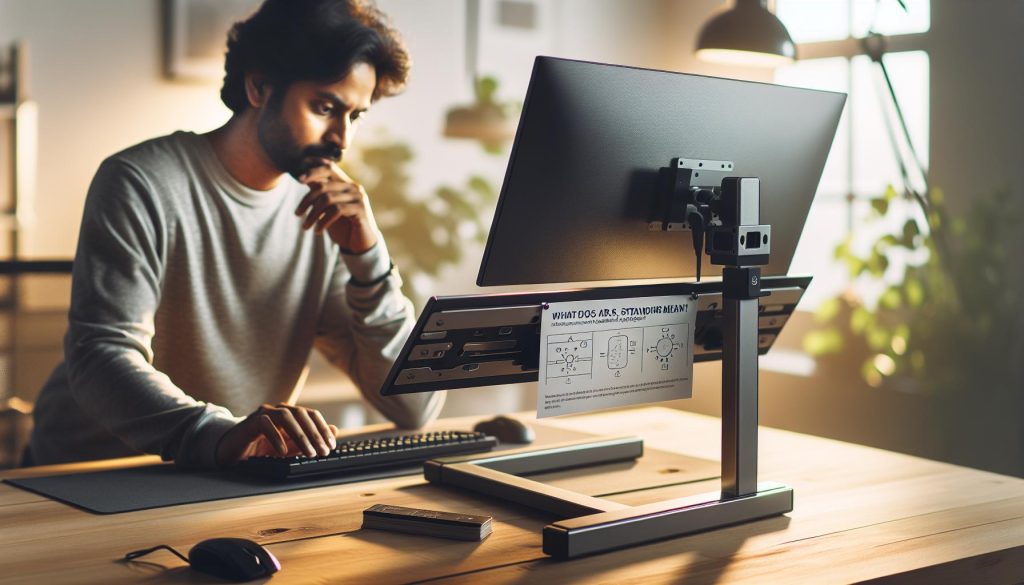
In today’s fast-paced work environment, understanding ergonomic tools like standing desks is crucial for enhancing workplace wellness. But what does ASR mean in this context? ASR, or Active Sitting Ratio, measures the time you spend actively moving versus sitting while working at a standing desk. A balanced ASR can lead to improved productivity, reduced fatigue, and better overall health. As many of us transition to remote or hybrid work, prioritizing our physical and mental well-being has never been more essential. This guide simplifies the technical aspects of ASR, helping you make informed choices about your workspace setup. Engage with the insights ahead to optimize your environment and foster a healthier work-life harmony.
What is ASR and Its Importance for Standing Desks
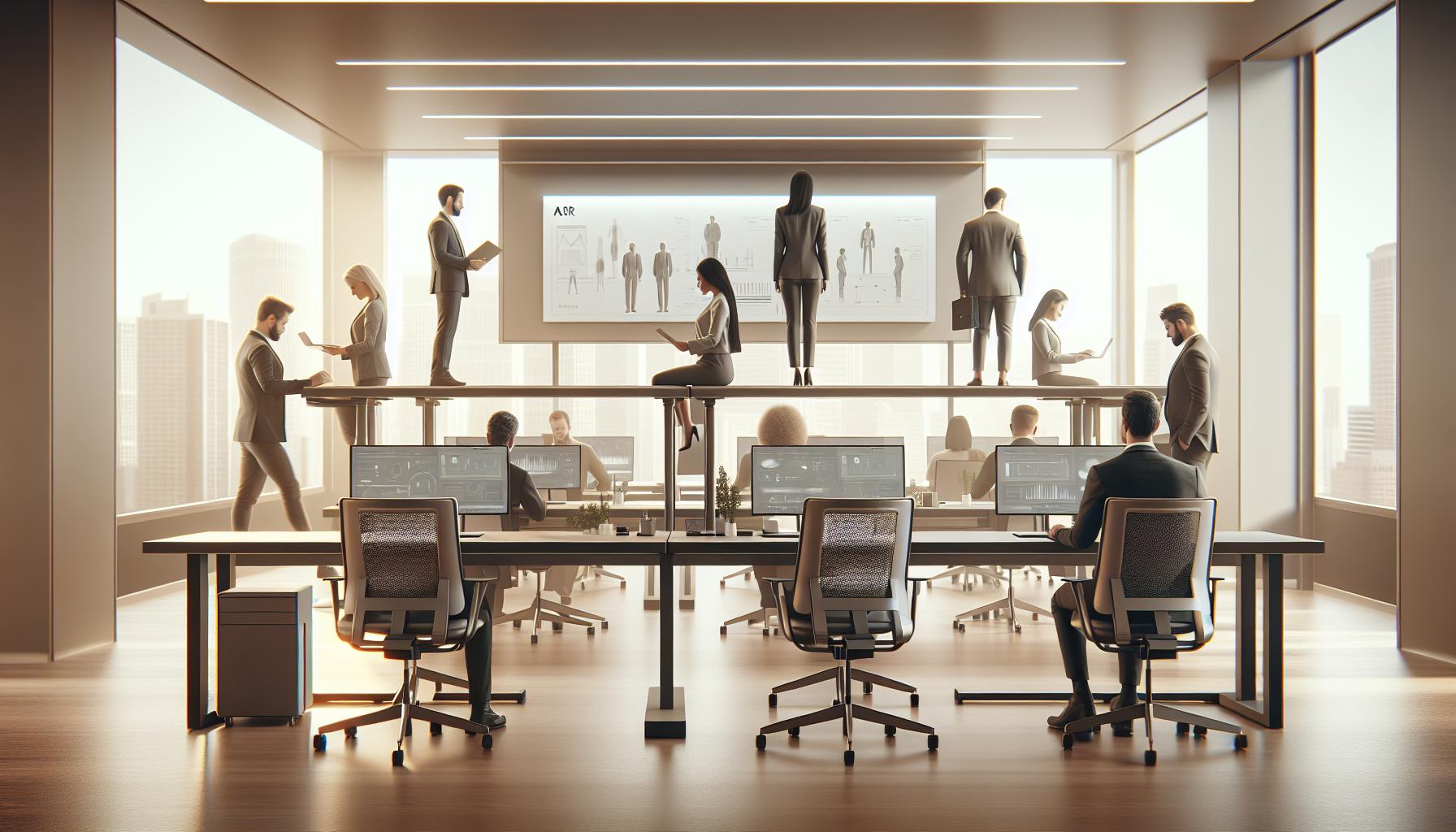
The growing integration of technology in our workspaces has led to significant advancements in standing desk design, particularly through Automatic Sit-Stand Recognition (ASR) features. ASR provides an intuitive experience by automatically adjusting the height of your desk based on user preferences or activity. This functionality is not merely a convenience; it is a critical component in promoting better posture and reducing the health risks associated with prolonged sitting. By allowing users to effortlessly transition between sitting and standing, ASR technology becomes an invaluable ally in the quest for a healthier work environment.
Incorporating ASR into standing desks facilitates greater adaptability to individual work habits. Employees can program personal settings that align with their daily routines, enhancing comfort and productivity. This technology supports the concept of dynamic work patterns, allowing users to alternate their position in response to their physical and mental needs throughout the workday. For instance, a user might prefer to stand during morning meetings for increased alertness, while sitting during focused tasks in the afternoon. This flexibility ultimately fosters a more engaged and productive workforce.
Furthermore, the importance of ASR in standing desks extends beyond mere convenience; it plays a significant role in workplace ergonomics. It encourages movement, which is essential for maintaining good circulation and reducing muscle fatigue. As desk jobs become increasingly sedentary, the integration of ASR technology can help combat the adverse effects linked to inactivity, such as musculoskeletal disorders and cardiovascular issues. By facilitating and promoting regular adjustments in posture, ASR contributes to overall employee wellness and can lead to reduced healthcare costs for employers, as healthier employees typically require fewer medical interventions.
In summary, the Automatic Sit-Stand Recognition system represents a transformative advancement in standing desk technology, making ergonomic practices more accessible and effective for a diverse range of users. By integrating ASR features, standing desks not only enhance comfort and productivity but also contribute positively to employee health, making them an essential addition to modern workspaces.
Understanding the Benefits of ASR Technology

The rise of Automatic Sit-Stand Recognition (ASR) technology marks a significant stride in cultivating healthier work environments, making it easier than ever to prioritize well-being amid a busy professional life. By seamlessly adjusting the height of a desk based on user preferences, ASR empowers individuals to maintain better posture and reduce the risks associated with extended periods of sitting. This intuitive technology not only encourages frequent position changes but also supports enhanced cognitive performance and energy levels throughout the workday.
One of the overarching benefits of ASR technology is its potential to foster a culture of movement in the workplace. As research continues to highlight the dangers of a sedentary lifestyle, integrating standing desks with ASR can be a game-changer. Users can effortlessly transition between sitting and standing, carving out opportunities for movement that often get overlooked during crunch hours. This dynamism leads to improved circulation, reduced fatigue, and ultimately a more engaged and productive workforce. For example, studies suggest that alternating between sitting and standing can enhance focus and creativity, setting the stage for more fruitful brainstorming sessions and collaborative efforts.
Moreover, ASR technology aids in personalizing the work experience. Every individual has unique ergonomic needs, and the ability to program specific height preferences means users can achieve optimal comfort tailored to their bodies. This personalization can significantly reduce discomfort and musculoskeletal issues, making it easier to sustain longer work sessions without the weariness that often accompanies traditional desk setups. For instance, an employee tackling intensive writing tasks might prefer a seated position for focus but might switch to standing when collaborating with team members, enhancing both comfort and productivity.
As more organizations recognize the importance of employee wellness, incorporating ASR technology into standing desks serves as a proactive strategy for promoting healthier work habits. By facilitating easy adjustments, enhancing comfort, and encouraging regular movement, ASR doesn’t just improve immediate workspace ergonomics; it also contributes to long-term health benefits. This integration is particularly pivotal as we strive to balance work demands with the need for self-care, highlighting the necessity of innovative solutions in modern workspaces.
How ASR Enhances Ergonomics in Your Workspace
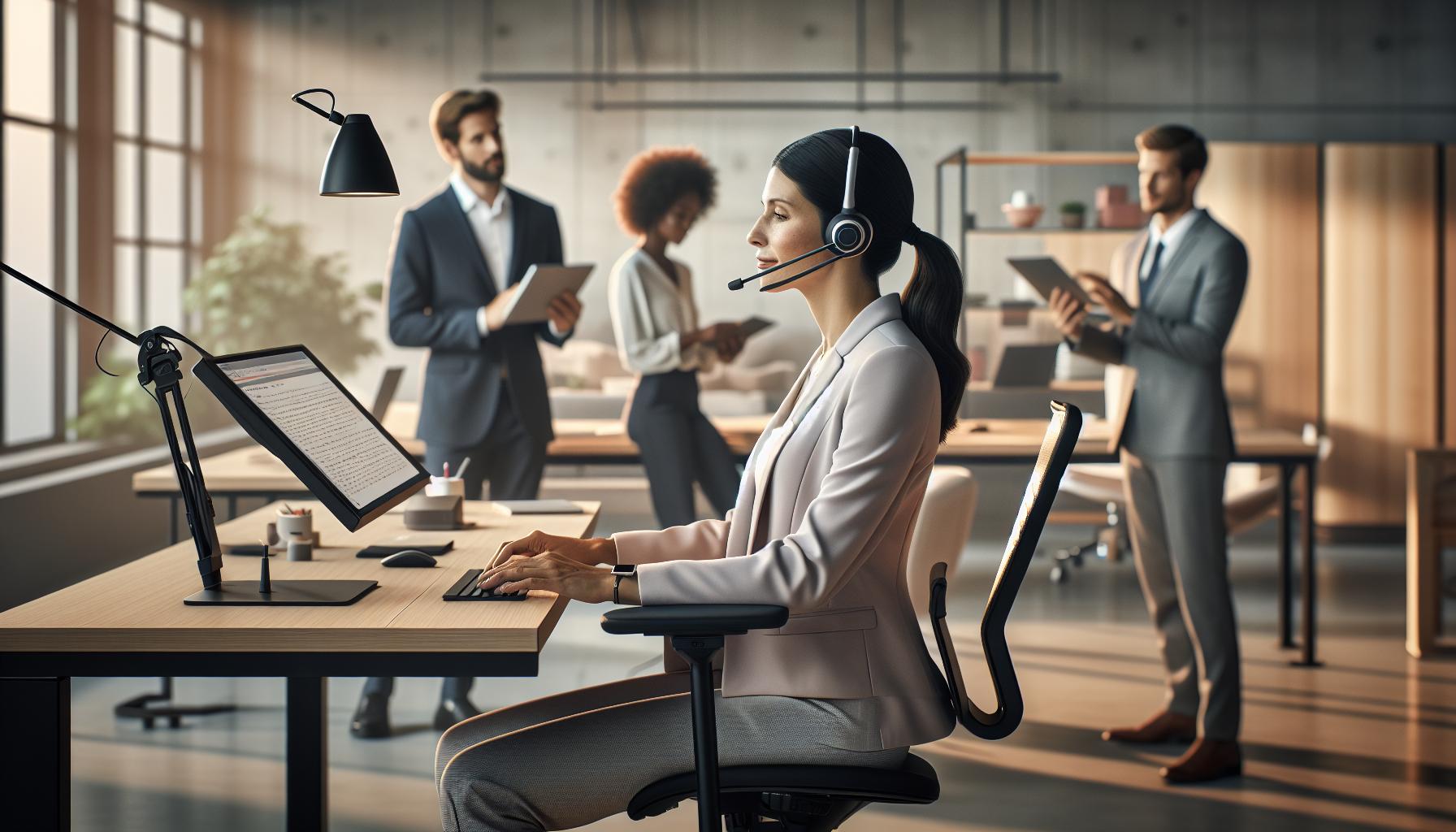
Integrating Automatic Sit-Stand Recognition (ASR) technology into your workspace significantly elevates ergonomic standards, breaking the mold of traditional seating arrangements. This innovative feature allows desks to automatically adjust to your preferred sitting or standing height throughout the day, promoting healthier posture and reducing strain commonly associated with prolonged sitting. By creating an adaptable work environment, ASR encourages users to alternate positions with ease, ultimately leading to reduced muscle fatigue and improved overall comfort.
One of the key advantages of ASR is its ability to foster natural movement patterns. As research underscores the importance of reducing sedentary behavior, ASR functionality becomes invaluable in reminding users to switch postures at intervals that suit their work rhythms. Not only does this enhance physical well-being by stimulating blood circulation and reducing the risk of musculoskeletal disorders, but it also contributes to cognitive benefits. Engaging in regular position changes has been linked to increased alertness and creativity, critical components for effective problem-solving and collaboration in professional settings.
Moreover, ASR technology truly personalizes the working experience. Every individual has unique ergonomic demands based on factors like height, body type, and work habits. With ASR, users can easily set specific preferences that adapt throughout the day, ensuring that comfort levels are maintained regardless of tasks at hand. For instance, during focused work like report writing, one might prefer sitting for stability and concentration, while collaborative sessions could benefit from standing, fostering openness and engagement. This dynamic adaptability not only maximizes comfort but also enhances productivity, encouraging employees to make the most of their work time.
To maximize the benefits offered by ASR, it’s essential to be mindful of how you set up your workspace. Ensure your monitor is at eye level and your keyboard is positioned so that your elbows remain at a comfortable 90-degree angle. Regularly switching between sitting and standing every 30 to 60 minutes helps maintain energy levels throughout the day, impacting not just physical health but well-being and efficiency. By thoughtfully integrating ASR technology into your daily routine, you lay the groundwork for a more comfortable, productive, and fulfilling work experience.
Key Features of ASR in Standing Desks

One of the standout features of Automatic Sit-Stand Recognition (ASR) technology in standing desks is its ability to seamlessly adjust to user preferences. Unlike traditional height-adjustable desks that require manual intervention, desks with ASR intelligently recognize user behavior and adapt accordingly. This means that as soon as a user steps away or sits down, the desk will automatically adjust to the desired position, promoting a proactive approach to workspace ergonomics. This capability not only caters to individual comfort but also supports health by encouraging frequent changes in posture.
- Smart Sensors: ASR technology relies on sophisticated sensors that monitor user habits and movements. This allows the desk to learn and remember optimal sitting and standing positions for each user, significantly enhancing the customization aspect.
- Ease of Use: With ASR, there is no need to fumble for buttons or switches. The technology allows for smooth transitions between sitting and standing, making it easier to engage in healthy posture changes throughout the workday.
- Reminders for Mobility: Many ASR desks come equipped with reminder systems that nudge users to change positions at regular intervals. Research suggests that reducing sedentary time can enhance circulation and decrease the risk of long-term health issues.
- Integration with Health Apps: Some ASR models can sync with health monitoring applications, providing valuable insights into your daily activity levels and promoting a balanced lifestyle that incorporates movement.
The design of ASR desks often includes robust stability features, ensuring that the desk remains steady during transitions. This is particularly beneficial during tasks that require fine motor skills, such as typing or drawing. Also, many ASR desks feature memory presets that enable users to quickly return to preferred heights with a single touch. This is particularly advantageous for shared workspaces or homes where multiple individuals have varying height requirements.
Ultimately, the integration of ASR in standing desks is more than just a technological advancement; it’s a commitment to fostering healthier work environments. As organizations continue to prioritize employee well-being, understanding and leveraging ASR technology can significantly contribute to improving overall workplace ergonomics and boosting productivity.
Common Misconceptions About ASR Explained
Many people are intrigued by Automatic Sit-Stand Recognition (ASR) technology in standing desks, yet misconceptions abound that can cloud its benefits and functionalities. A common myth is that ASR is merely a luxury feature rather than a necessity for a healthy workplace. In reality, the growing body of research supports the idea that frequent changes in posture can significantly reduce the risk of chronic health issues associated with sedentary lifestyles. By enabling automatic adjustments, ASR promotes a more dynamic work environment, aligning itself with modern understandings of productivity and employee wellness.
Another misunderstanding is that ASR technology is complex and difficult to operate. Many users fear that such advanced features may complicate their workflow. However, ASR is designed with user-friendliness in mind. With its intuitive sensors, the technology learns individual habits over time, making it easier for users to transition between sitting and standing without needing to press buttons or adjust settings manually. This simplicity not only enhances convenience but also encourages more regular movement throughout the day.
Some may question the reliability of ASR systems, fearing they might not respond accurately to user behaviors. However, reputable ASR models are engineered with advanced sensors that provide accurate recognition of user movements. They adjust based on real-time data, effectively learning the most comfortable positions for each individual, thereby ensuring that users remain supported and can focus sustainably on their tasks.
Equipped with a better understanding, users can leverage ASR technology to enhance their workspace ergonomics effectively. Recognizing the facts behind common misconceptions allows individuals to dive deeper into how ASR can truly revolutionize their daily work routine, promoting not just productivity but overall well-being. As you consider incorporating a standing desk with ASR, keep these misconceptions in mind to make an informed and empowered decision toward a healthier work environment.
Step-by-Step Guide to Setting Up ASR Settings
To fully embrace the benefits of Automatic Sit-Stand Recognition (ASR) technology in your standing desk, a systematic setup process is crucial. Having an ASR-equipped desk enables you to intuitively shift between sitting and standing positions, enhancing both your comfort and productivity. Here’s a straightforward guide to help you configure your ASR settings, ensuring you make the most out of this innovative feature.
Initial Setup
Begin by placing your desk in a location that allows easy access to power outlets, as most ASR desks require electricity. Ensure your workspace is clear of any obstructions that could interfere with the sensors that detect your movements. Once the desk is plugged in, turn it on following the manufacturer’s instructions.
Personal Profile Creation
Many ASR systems allow you to create a personal profile, which tailors the desk’s functionality to your preferences. To do this, follow these steps:
- Access the desk’s control interface, usually a touchscreen or a set of buttons located on the desk frame.
- Input your height and preferred sitting and standing positions. This information helps the system adjust the desk to your optimal settings.
- Some models may also allow you to upload this information via an app, providing an even more personalized experience.
Calibrating the Sensors
Once your profile is set up, it’s time to calibrate the sensors. This step ensures that the ASR functionality recognizes your movements accurately:
- Follow the on-screen instructions to initiate the sensor calibration process.
- Perform a series of predetermined movements, which may include sitting, standing, and transitioning between the two. The desk will learn how you interact with it and adjust accordingly.
Establishing Movement Reminders
To maximize the health benefits of ASR, take advantage of any reminder features:
- Set reminders for when to change positions, which can often be customized based on your work hours or preferences.
- Use the integration feature with productivity apps if available. This can facilitate a more structured workflow while keeping your posture in check.
By taking these steps, you leverage the full capabilities of ASR technology, encouraging a dynamic workflow that promotes wellness and productivity. Transitioning between sitting and standing throughout your workday becomes seamless, supporting cognitive function and reducing fatigue. Remember, incorporating movement into your routine is not just a feature-it’s a fundamental aspect of thriving in today’s work environment.
Tips for Choosing the Right ASR Feature
Choosing the right Automatic Sit-Stand Recognition (ASR) feature for your standing desk can significantly enhance your workday experience. It’s essential to understand that not all ASR technologies are created equal; their capabilities can vary widely based on the manufacturer and model. When making your decision, consider the integration of user-friendliness and advanced features that align with your work habits and personal needs.
One critical aspect to evaluate is the customization options available with ASR features. Look for desks that allow you to adjust height presets tailored specifically to your measurements. This personalized setup enables you to transition smoothly between sitting and standing without constantly readjusting the desk, ultimately promoting better posture and comfort. Some desks come equipped with smartphone apps or touchscreen interfaces that not only simplify adjustments but also track your usage patterns, helping you develop healthier habits over time.
Another vital factor is the sensor accuracy and responsiveness of the ASR system. Choose desks with advanced motion detection technology that can quickly recognize changes in body position and adjust accordingly. This ensures that you can switch between sitting and standing without unnecessary delays, keeping your workflow uninterrupted. Reading reviews or asking for demonstrations can help you gauge how well the sensors perform in real-world conditions.
Lastly, consider the integrative features that some standing desks offer. For example, a desk that pairs its ASR technology with reminders or scheduled prompts can encourage you to move more throughout the day. This feature can be instrumental in combatting the health risks associated with prolonged sitting, leading to an overall improvement in your well-being and productivity. Desks that allow integration with health and productivity apps can further enhance your experience by providing insights and recommendations based on your usage patterns.
In summary, selecting the right ASR feature involves evaluating customization capabilities, sensor performance, and integration options to ensure it meets your working style and enhances your overall productivity and well-being.
Comparing ASR with Other Desk Adjustments
In the evolving landscape of ergonomic office furniture, Automatic Sit-Stand Recognition (ASR) stands out as a significant advancement compared to traditional desk adjustments. ASR technology not only automates the transition between sitting and standing, but it also takes into consideration the user’s posture and preferences, leading to a more dynamic workspace. While manual height adjustments can be clunky and often inconvenient, ASR systems respond fluidly to user movements, delivering a seamless experience that promotes better posture and comfort throughout the day.
When comparing ASR to other desk adjustment methods, it’s essential to consider the overall user experience. Traditional height-adjustable desks require individuals to pause their workflow to manually set their desired height, which can disrupt focus and productivity. In contrast, ASR systems are equipped with sensors that detect when a user sits or stands and adjust the desk height accordingly. This hands-free operation can greatly increase efficiency, minimizing the time spent fiddling with controls and allowing users to keep their attention on their tasks.
Moreover, ASR’s ability to learn from user behavior enhances its functionality. Many ASR-equipped desks can store personalized height preferences for multiple users, adapting not only to individual needs but also adjusting throughout the day based on usage patterns. This level of customization is typically unavailable in manual adjustment systems, which can lead to discomfort and potential health issues if users consistently use suboptimal desk heights.
Benefits of ASR Over Manual Adjustments
- Enhanced Productivity: ASR minimizes disruptions, allowing users to maintain focus on their work.
- Improved Posture: Continuous adjustments ensure that the workstation supports ergonomic posture automatically.
- Customization: ASR desks can remember individual settings, accommodating multiple users easily.
- User Engagement: Simplified interactions with the desk lead to more frequent movement, encouraging healthier habits.
In conclusion, while traditional desk adjustments have their place, the adoption of Automatic Sit-Stand Recognition technology offers a superior solution for ergonomic workspaces, promoting a healthier, more productive working environment. By embracing this innovative feature, users can significantly enhance their overall well-being and cognitive performance, making every minute spent at the desk count.
Impact of ASR on Workplace Productivity
The integration of Automatic Sit-Stand Recognition (ASR) technology into the workplace is transforming how employees engage with their work environments, promoting not just comfort and health but also significant enhancements in productivity. Research has shown that prolonged periods of sitting can lead to health complications and reduced focus, but ASR systems effectively encourage movement by automatically adjusting desk heights based on user behavior. This seamless transition between sitting and standing minimizes disruptions, allowing individuals to concentrate on their tasks without interruption.
One of the key ways ASR impacts workplace productivity is through the cultivation of a more dynamic workflow. With traditional desks, productivity can take a hit when users have to manually adjust their workstations, leading to moments of distraction and loss of focus. In contrast, ASR eliminates this hindrance, as adjustments are made automatically, facilitating a continuous and engaging work process. By incorporating more movement throughout the day, employees can maintain higher energy levels and enhance cognitive functions, which are crucial for tasks requiring concentration and creativity.
Moreover, ASR technology often includes data analytics that help users gain insight into their working habits. For instance, individuals can track their standing versus sitting time and adjust their behaviors accordingly. This feedback mechanism empowers users to manage their physical activity proactively, fostering a healthy work-life balance. With healthier habits comes improved morale and motivation, which are essential ingredients for a productive work environment.
In summary, the extends beyond mere convenience. It creates a supportive ecosystem that promotes well-being, improves focus, and encourages a healthier lifestyle. By integrating ASR into daily routines, individuals not only enhance their work output but also contribute to a culture of wellness in the workplace, benefiting both employees and employers alike.
Real User Experiences: ASR in Action
User experiences with Automatic Sit-Stand Recognition (ASR) technology provide compelling insights into how it can transform daily working habits. Many users have reported significant improvements in comfort and productivity after integrating ASR into their standing desks. For instance, Emma, a marketing manager, shared how the seamless transition between sitting and standing allowed her to stay engaged in her tasks without the distraction of manual adjustments. “I used to feel sluggish after long periods of sitting. Now, with ASR, I’m on my feet more often, and it’s made a world of difference,” she noted.
ASR not only encourages movement but also helps users optimize their routines through data tracking. John, a software developer, utilizes the analytics feature of his ASR-enabled desk to monitor his sitting and standing durations. He noticed a trend where his focus and creativity peaked during the hours when he stood more frequently. “It’s like having a personal coach,” John described. “I can see the data, adjust my habits, and feel a noticeable boost in my energy levels and overall performance.” This objective feedback empowers users to make informed decisions about their work habits, fostering a healthier balance between productivity and well-being.
Real-Life Integration of ASR
Many users appreciate how ASR has been a game changer in their workflow. For Sarah, an educator, the technology has enhanced classroom engagement. “I frequently switch between standing and sitting while teaching. ASR helps me stay dynamic, which keeps my students’ attention,” she stated. Her experience highlights how ASR not only benefits individual users but can also positively influence team dynamics and learning environments.
These narratives demonstrate the practical advantages of ASR, illustrating that it is more than just a novel feature; it forms the cornerstone of a proactive approach to workplace health. As users continue to explore the integration of ASR technology, they often discover newfound perspectives on work-life harmony, greatly benefiting both their professional output and personal well-being.
Future Trends of ASR Technology in Ergonomics
The advancements in Automatic Sit-Stand Recognition (ASR) technology signal a transformative era in workplace ergonomics, driving a significant shift in how we approach standing desks and overall working habits. As more professionals recognize the importance of balancing sitting and standing, future ASR technologies are expected to evolve, incorporating smarter algorithms and enhanced user customization. This integration may lead to systems that not only recognize when to adjust but also understand the user’s health data, offering personalized reminders based on an individual’s activity level and stress markers.
One potential trend is the integration of biometric feedback systems, which utilize wearable technology to monitor the user’s heart rate, posture, and movement patterns. Imagine a standing desk that adjusts its height according to your stress levels detected through a smartwatch or fitness tracker. This capability would encourage optimal body positioning throughout the day and proactively prevent fatigue or discomfort caused by prolonged static postures. Furthermore, by leveraging artificial intelligence, these desks could analyze work patterns over time, suggesting the most beneficial times to sit or stand based on historical data and personal performance metrics.
Additionally, with the rise of telecommuting, ASR technology is likely to expand its functionalities to accommodate diverse home office setups. Future standing desks may offer seamless connectivity to productivity apps, allowing them to sync with calendars and project deadlines to recommend when to change positions based on task intensity. This feature supports a more dynamic work environment, where productivity is not just measured by hours worked but by the quality of engagement throughout the day.
In terms of community and collaborative work settings, ASR technology may also influence the design of office layouts. Desk clusters equipped with smart ASR systems could encourage teams to engage in mobility breaks together, fostering a culture of health and collaboration. Companies might invest in training that focuses on the benefits of active workstations, maximizing the tool’s potential to enhance employee wellness and productivity.
As these innovations materialize, staying engaged with developments in ASR technology can empower individuals and teams to create healthier, more adaptable work environments. Understanding how to effectively integrate these systems into daily routines will not only enhance ergonomic benefits but also promote a culture of well-being that can lead to significant improvements in both individual and collective productivity. The future of ASR holds the promise of a more responsive workplace, where technology supports workers in achieving a harmonious balance between effort and rest.
Maximizing Wellness: Integrating ASR into Daily Routine
Integrating Automatic Sit-Stand Recognition (ASR) into your daily routine can significantly enhance your workplace wellness and overall productivity. One of the primary benefits of ASR technology in standing desks is its ability to promote an active lifestyle by seamlessly transitioning between sitting and standing positions throughout your workday. Studies have shown that alternating your posture can reduce back pain, improve circulation, and increase energy levels, all of which contribute to better cognitive function and mood.
To effectively incorporate ASR into your day, consider establishing a schedule that aligns with your work patterns and natural body rhythms. For instance, you might set reminders to stand at regular intervals, such as every 30 to 60 minutes, but also allow the ASR system to adapt to your usage, making adjustments based on your engagement levels. Implementing this structure ensures that you are not only reminded to move but that you also become more attuned to your body’s needs, enhancing self-awareness regarding your physical comfort and productivity.
Practical Steps for Daily ASR Integration
- Set Up Your Desk: Ensure that your standing desk is properly adjusted. Your elbows should be at a 90-degree angle, and your monitor should be at eye level to reduce strain.
- Utilize ASR Features: Take advantage of the ASR settings to automatically adjust your desk height during periods of extended work. Trust the technology to recognize inactivity and remind you to stand.
- Incorporate Movement: When standing, consider light stretching or walking around during phone calls or meetings to further promote movement.
- Track Your Activity: Some ASR systems can integrate with activity trackers. Monitor your standing time versus sitting time, aiming for a balanced routine that keeps you engaged and active.
Your body thrives on movement, and encouraging fluid transitions throughout your workday helps mitigate the risks associated with prolonged sitting. As you leverage the capabilities of ASR, remember that wellness extends beyond physical activity; it encompasses stress management, cognitive engagement, and overall job satisfaction. By integrating these practices into your daily routine, you not only enhance your physical health but also cultivate a more dynamic and responsive work environment. This approach fosters better mental clarity and emotional resilience, positioning you for success throughout your workday.
Faq
Q: What is the ASR feature on standing desks?
A: The ASR feature, or Automatic Standby Ready, is a technology in standing desks that allows for automatic adjustments between sitting and standing positions. It aims to enhance ergonomics and user comfort by adapting to user preferences with minimal effort.
Q: How does ASR improve workspace ergonomics?
A: ASR enhances ergonomics by providing users with optimal height adjustments based on their individual needs. This reduces strain on the back and neck, promoting better posture and comfort during long hours of work.
Q: What types of standing desks have ASR technology?
A: Many modern standing desks feature ASR technology, including electric and manual models. Look for desks from reputable brands that specify ASR in their product descriptions, ensuring a user-friendly ergonomic experience.
Q: Can ASR on a standing desk help with productivity?
A: Yes, ASR can boost productivity by allowing quick transitions between sitting and standing. This flexibility helps maintain energy levels throughout the day, reducing fatigue and enhancing focus during tasks.
Q: Are there any drawbacks to using ASR on standing desks?
A: Some drawbacks include potential mechanical issues over time or reliance on technology that could malfunction. It’s also crucial that users remember to adjust their height appropriately to avoid discomfort.
Q: How should I maintain an ASR standing desk?
A: Regular maintenance of an ASR desk includes checking for software updates, ensuring all mechanical parts are functioning smoothly, and keeping the desk clean. Refer to the manufacturer’s guidelines for specific maintenance practices.
Q: Is ASR technology suitable for all users?
A: ASR technology is beneficial for a wide range of users, but those with specific health conditions should consult with a healthcare professional to determine the best ergonomic setup for their needs.
Q: Can I adjust ASR settings for multiple users?
A: Yes, many ASR standing desks allow you to save personalized height preferences for different users. This feature is excellent for shared workspaces, making it easy to switch between settings as needed.
The Conclusion
Now that you understand what ASR means in the context of standing desks, it’s time to elevate your workspace experience. Embrace the benefits of adjustable standing desks to enhance your productivity and promote better workplace wellness. If you’re looking for additional insights, check out our guides on ergonomic setups and brain health strategies to fully optimize your work environment.
Take the next step; subscribe to our newsletter for more tips on stress management and cognitive performance, or explore our product recommendations for the best standing desks on the market. Don’t miss out on the chance to transform your workspace into a healthier and more productive haven. Have questions or experiences to share? We’d love to hear from you in the comments below! Your journey towards a better work-life balance starts now.