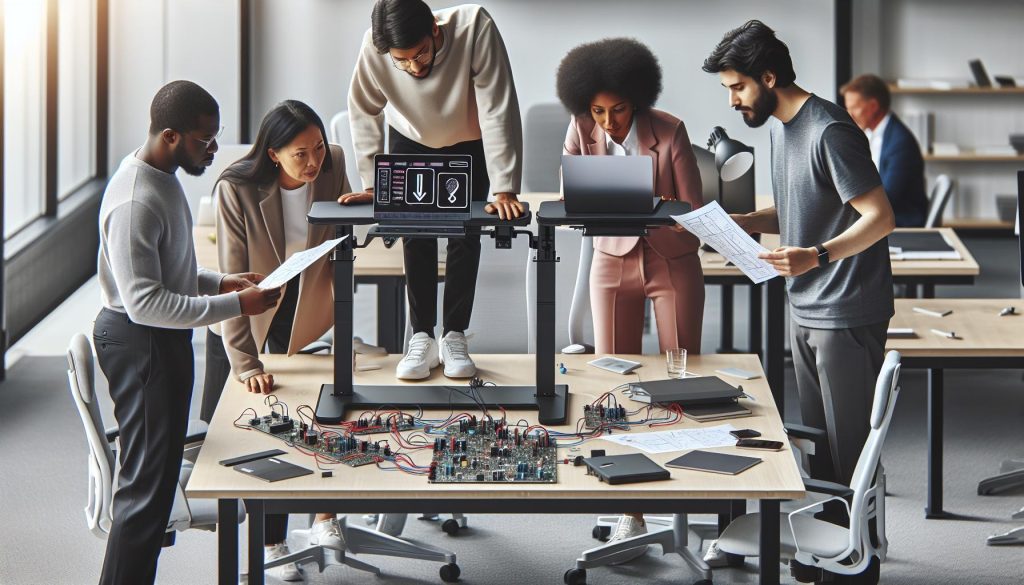
In today’s fast-paced work environment, the quest for enhanced productivity and well-being often leads individuals to innovative solutions like standing desks. But have you ever encountered the term “ASR” in relation to these desks? Understanding what ASR means can empower you to maximize the ergonomic benefits of your workspace. ASR, or Active Seat Response, is a feature that optimizes your standing desk’s height adjustments to suit your unique comfort needs, promoting better posture and reducing fatigue. By diving into the mechanics of ASR, you’ll not only enhance your workspace comfort but also support your cognitive health and productivity. This exploration is crucial for anyone looking to harmonize work efficiency with physical wellness. Ready to unlock the potential of your standing desk? Let’s discover how ASR can transform your work life!
Understanding ASR: A Key Feature of Stand Up Desks
Standing desks have revolutionized the way we approach our workspaces, and one key feature that enhances their functionality is ASR-Automatic Sit-Stand Recognition. This innovative technology is designed to adapt to your movement patterns, allowing for a seamless transition between sitting and standing positions throughout the day. For individuals seeking to boost their productivity and well-being, understanding ASR is crucial. It enables you to effortlessly manage your posture and eliminate the need for manual adjustments, making it easier to incorporate healthy habits into your daily routine.
A standout feature of ASR is its ability to recognize when you are actively using the desk. This intelligent system can prompt reminders to switch postures based on your usage patterns, which can significantly mitigate the risks associated with prolonged sitting. For example, if you’ve been sitting too long, ASR may gently suggest it’s time to stand and stretch, contributing to better circulation and reduced fatigue. This functionality supports cognitive health by encouraging movement, which is linked to enhanced brain function and improved mood. Consider how simply standing up can help you regain focus during a long work session; ASR makes this process intuitive and effortless.
Implementing ASR into your workspace isn’t just about adding another gadget; it’s about fostering a healthier work environment where you are more attuned to your body’s needs. By actively engaging with the ASR capabilities of your standing desk, you can balance your time spent working with necessary movement, thus maintaining energy levels throughout the day. Whether it’s taking a break to stand or transitioning to a seated position, the ASR system encourages you to be proactive about your health and wellbeing, ultimately leading to a more productive work experience.
Incorporating ASR into your workspace exemplifies the shift towards smarter, more ergonomic solutions that prioritize user health while enhancing overall productivity. As work habits continue to evolve, embracing technologies like ASR can be a game-changer in creating environments that support both comfort and efficiency.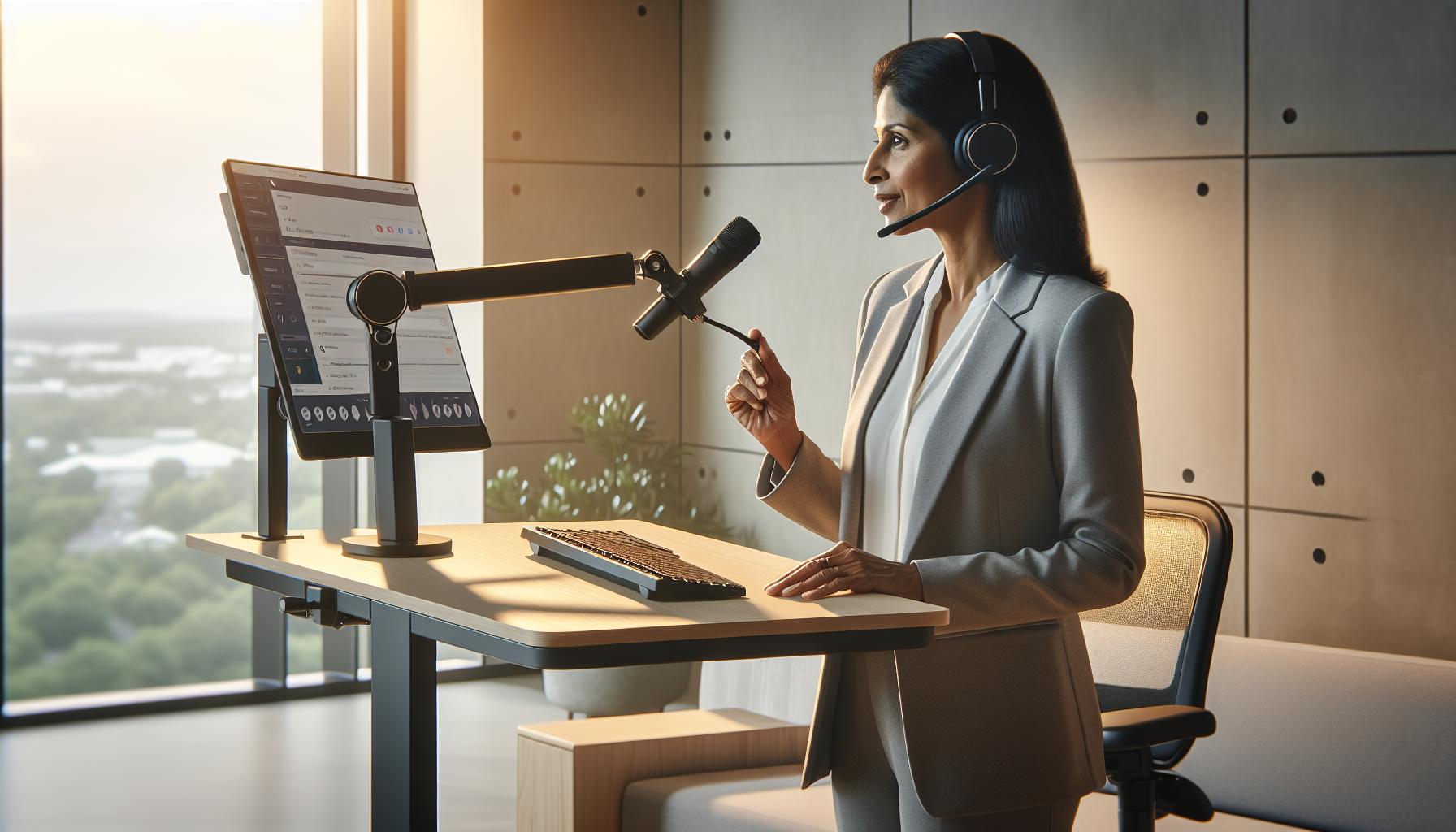
The Importance of ASR for Ergonomic Workspaces
In today’s fast-paced work environment, where many people find themselves glued to their chairs for hours, the automatic sit-stand recognition (ASR) feature in stand-up desks is not just a luxury-it’s a necessity for maintaining both physical and mental health. ASR technology intelligently monitors your activity, encouraging timely transitions between sitting and standing, which can significantly contribute to better posture and reduced strain on your body. This adaptability is crucial, especially for those who struggle with self-discipline when it comes to movement, as ASR ensures that you’re reminded to change positions without having to think about it consciously.
Research indicates that sedentary behavior is linked to various health issues, including obesity, diabetes, and cardiovascular problems. ASR steps in by managing these risks through proactive posture changes. When the ASR system detects that you’ve been sitting for an extended period, it can send reminders or even automate adjustments to your desk height. This simple yet effective feature not only helps you avoid the adverse effects associated with prolonged sitting but also promotes more active movement throughout the day, aiding in circulation and energy levels.
Moreover, the integration of ASR into your workspace enhances cognitive performance. Studies show that regular changes in posture can lead to improved focus and productivity. When you stand up, your body receives a rush of blood flow that invigorates your brain, helping to ward off fatigue and restore mental clarity. The ease of having a desk that acknowledges and adapts to your needs fosters a more mindful approach to your work habits, turning your workspace into a dynamic environment that promotes health and efficiency.
To maximize the benefits of ASR, consider organizing your workspace to facilitate movement. Place commonly used items at different heights or distances to encourage you to shift from sitting to standing or to walk over to grab a document. By using ASR technology in tandem with intentional workspace organization, you can create an ergonomic habitat that supports not just your physical health but also fosters a challenging and engaging work atmosphere, making every work session more effective.
How ASR Enhances Your Productivity
Did you know that just standing up can significantly enhance your focus and productivity? This is where automatic sit-stand recognition (ASR) technology in stand-up desks plays a transformative role. By intelligently prompting you to change your position, ASR fosters a more dynamic workspace that helps to combat the fatigue and mental fog that often accompany prolonged sitting. When your desk automatically adjusts based on your sitting patterns, it becomes an ally in maintaining your energy and concentration throughout the day.
One of the key benefits of ASR technology is its ability to integrate seamlessly into your work routine. With reminders to stand or enhancements for optimizing height, ASR reduces the cognitive load of managing your posture. This small shift in workplace ergonomics leads to greater engagement and creativity, as frequent changes in position stimulate blood flow and oxygen delivery to the brain. Research has shown that such physical movement correlates positively with task performance, as it encourages a state of alertness and readiness.
Additionally, ASR can support better time management by promoting micro-breaks that enhance focus. Instead of waiting for fatigue to set in, the desk encourages breaks based on your unique habits. A standing session might last 30-60 minutes before a gentle reminder nudges you to switch positions, allowing you to maintain a productive rhythm throughout the day. Implementing ASR not only creates a more comfortable workspace but also empowers you to take ownership of your work habits, ultimately leading to increased efficiency and satisfaction.
Incorporating ASR into your daily routine is not just about reducing sedentary behavior; it’s about creating a proactive environment that supports your mental and physical well-being. When your workspace actively participates in your productivity, it helps you achieve not just your professional goals, but also a healthier lifestyle. By embracing this innovative technology, you set the stage for a more effective and fulfilling work experience.
Technical Insights: ASR Mechanisms Explained
The innovative ASR (Automatic Sit-Stand Recognition) technology is at the forefront of creating healthier workspaces, seamlessly integrating technology with ergonomic principles to enhance both physical and cognitive well-being. At its core, ASR utilizes sensors and algorithms to monitor your sitting and standing patterns, automatically adjusting the desk height to encourage movement throughout your workday. This constant adaptation helps mitigate the risk factors associated with prolonged periods of sitting, such as fatigue and decreased concentration, by reminding you when it’s time to change positions.
The mechanism behind ASR includes a variety of components working in harmony. Advanced sensors track your posture and activity levels, determining the optimal times for standing or sitting based on your specific habits. This data-driven approach not only reduces the cognitive load of maintaining proper posture but also helps cultivate a proactive mindset towards movement. For instance, you might find that your desk automatically rises after you’ve sat for a defined duration, prompting you to stand up, stretch, or shift focus-a simple yet effective way to break the inertia of a sedentary lifestyle.
Furthermore, ASR integrates with user-friendly interfaces that allow for customization. Many ASR-enabled desks come with mobile apps that provide insights into your daily activity levels, encouraging you to set goals for movement and offering reminders to take breaks. This level of interaction empowers users to manage their workspace actively and intuitively, enhancing both productivity and overall health. In a workplace where cognitive performance and well-being are paramount, these features of ASR technology position it as an essential tool for modern work environments, effectively transforming how we engage with our tasks throughout the day.
Overall, understanding the technical intricacies of ASR not only highlights its benefits but also allows users to maximize its potential. By embracing this technology, you take a significant step towards fostering an environment that champions movement, engagement, and health in your daily work routine.
Comparing ASR with Other Desk Features
The integration of Automatic Sit-Stand Recognition (ASR) technology in standing desks represents a significant evolution in the realm of ergonomic workspace design. Unlike traditional height-adjustable desks that require manual adjustments, ASR-enabled desks automatically monitor user behavior and adjust accordingly, encouraging a more dynamic sitting and standing pattern. This innovative feature stands out when compared to other desk attributes such as programmable height settings, manual adjustment levers, and basic electric lift systems, which may not provide the same user-driven adaptability.
One of the most compelling aspects of ASR is its ability to support users in maintaining a healthy balance between sitting and standing. While programmable desks allow users to preset specific heights, they lack the real-time responsiveness that ASR offers. For instance, users might forget to stand up after prolonged sitting periods, but ASR systems actively prompt changes in position based on detected inactivity. This not only fosters better physical health by combatting sedentary behavior but also enhances cognitive performance, as frequent position changes can invigorate mental alertness.
Additionally, when comparing ASR with manually adjusted desks, the differences become even more pronounced. Manual systems require physical effort to change height and often disrupt workflow, while ASR systems operate smoothly in the background, letting users focus on their tasks. This seamless operation is particularly advantageous in busy office environments where distractions abound. Furthermore, ASR-enabled desks typically feature user-friendly interfaces or companion apps, allowing individuals to track their activity and set personalized goals, thereby maximizing the benefits of ergonomic principles.
When evaluating these features, it’s crucial to consider the holistic approach that ASR brings to workplace wellness. By consciously integrating movement throughout the day, ASR systems not only promote physical well-being but also positively influence mental health. Users experience decreased fatigue, higher energy levels, and improved productivity, making ASR a game-changer in modern workspaces. As organizations increasingly prioritize employee health, understanding how ASR stands apart from traditional desk features can help individuals choose the best tools for a balanced and efficient work environment.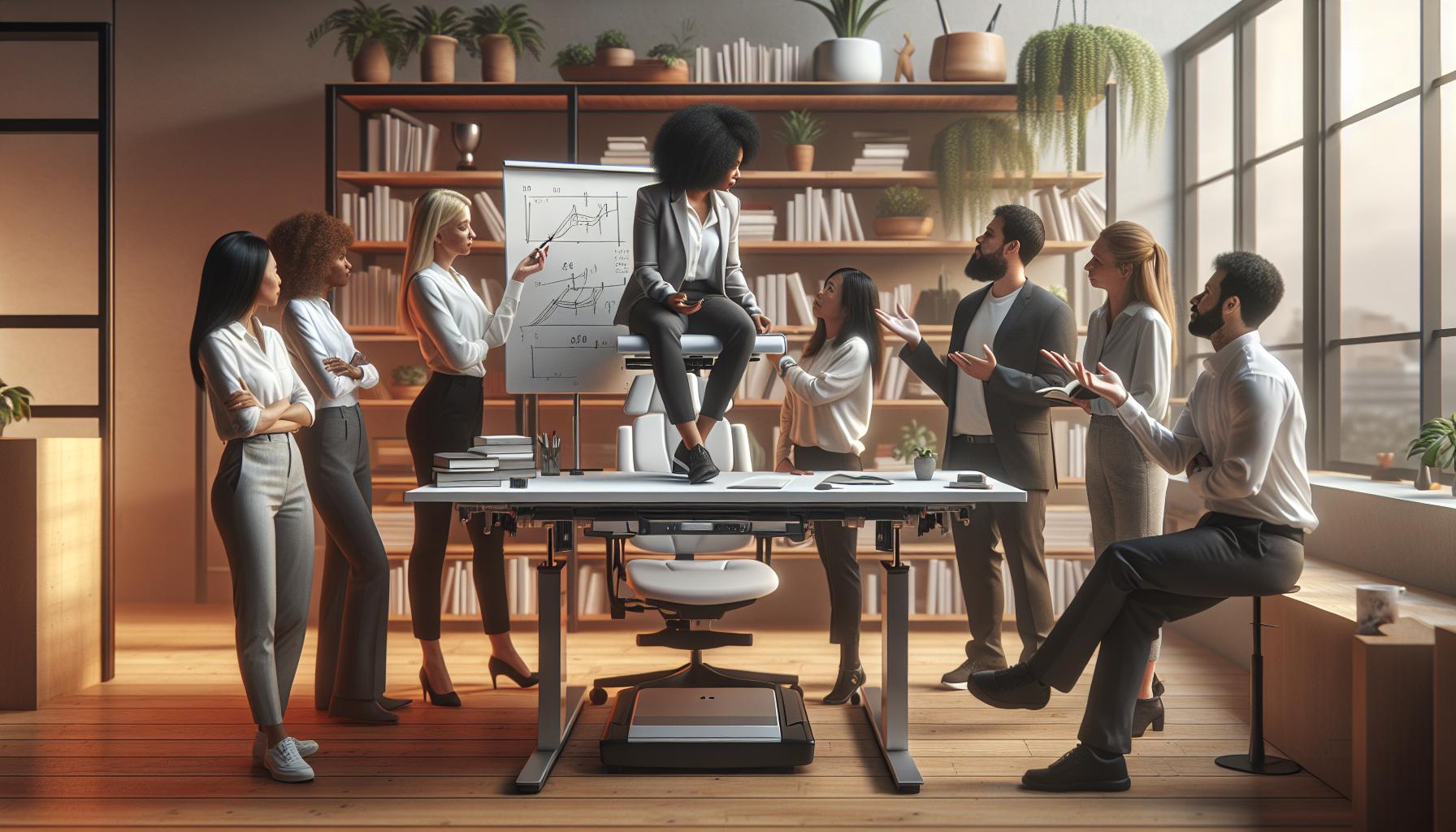
Common Myths About ASR in Stand Up Desks
There’s a common misconception that Automatic Sit-Stand Recognition (ASR) technology is just another gimmick in the realm of standing desks-something that merely complicates the choice of ergonomic furniture. However, this technology fundamentally enhances user experience by automatically promoting healthier movement patterns throughout the day. In fact, ASR technology aims to address one of the most daunting issues of modern work life: prolonged sitting. Many users mistakenly believe that standing desks alone are sufficient for health benefits, yet engaging with ASR can significantly elevate both physical and cognitive wellness.
Another prevalent myth is that ASR systems require constant user engagement and monitoring. In reality, ASR is designed to operate seamlessly, tracking user behavior and adjusting heights automatically. This functionality means that users can stay focused on their tasks without the distraction of manual adjustments. Rather than necessitating a more attention-heavyapproach, ASR enables users to enhance their productivity by eliminating the need for frequent, often disruptive, breaks to adjust desk heights manually.
Some users express concern that ASR may lead to excessive standing, detracting from the potential benefits of sitting. However, ASR systems are engineered to encourage a balanced approach to sitting and standing by prompting users to change positions at optimal intervals. This integrated response fosters a dynamic workflow that counters sedentary behavior without overwhelming the user with standing demands. The key is moderation, and ASR facilitates an intuitive balance rather than pushing users into extremes.
Despite these misconceptions, adopting ASR technology promotes greater adherence to healthy work practices. Users may find increased energy levels, improved mood, and better mental clarity simply by embracing the movements suggested by their ASR-equipped desks. Encouraging frequent position changes not only helps maintain physical health but also has been linked to enhanced cognitive performance, illustrating how ASR desks can transform the workplace when used as intended. As organizations strive to create healthier work environments, dismantling these myths will empower individuals to make informed choices about their ergonomic setups and overall well-being.
Setting Up ASR for Optimal Comfort and Health
Creating a workspace that fosters both comfort and health is imperative for anyone looking to enhance their productivity and well-being. Integrating Automatic Sit-Stand Recognition (ASR) technology into your setup is a significant step toward achieving that goal. This intuitive system not only encourages movement but also helps mitigate the adverse effects of prolonged sitting by automating height adjustments based on your activity and posture. Here’s how to set up ASR for optimal comfort and health.
To start, ensure that your desk is at the correct height for both sitting and standing positions. When sitting, your elbows should be at a 90-degree angle and your feet comfortably flat on the ground. For standing, the desk height should allow your elbows to fall naturally without straining your shoulders. Most ASR desks have predefined memory settings; take the time to save your preferred heights after adjusting the desk. This will make transitions smoother and reduce the likelihood of discomfort due to improper desk height.
Next, incorporate reminders or prompts that encourage regular position changes. ASR technology is designed to suggest intervals for transitioning between sitting and standing, but setting personal reminders can enhance adherence to movement. Consider using a timer or a mobile app that syncs with your ASR desk, notifying you to change your position every 30 to 60 minutes. This balance is essential, as alternating between postures has been shown to improve circulation and maintain energy levels throughout your workday.
Creating an ergonomic workspace goes beyond just adjusting desk height. Pay attention to your monitor placement and keyboard positioning. Your computer screen should be at eye level, approximately 20 to 30 inches away, to prevent neck strain. A separate keyboard and mouse can help maintain a neutral wrist position, further supporting your health as you use your ASR desk. Regularly assess these setups as your daily routines change, making adjustments as needed for maximum comfort.
By effectively setting up your ASR system, you can make significant strides toward a more proactive and health-conscious work environment. This not only helps combat the negative effects of sedentary behavior but also enhances cognitive function, allowing you to remain focused and engaged throughout the day. As you integrate these practices, remember that prioritizing your health and well-being is a journey. Taking the time to assess and adjust your workspace will pave the way toward a more dynamic and fulfilling work experience.
User Experiences: ASR in Action
In today’s fast-paced work environment, where sedentary behavior is increasingly common, the integration of Automatic Sit-Stand Recognition (ASR) technology has transformed the way we interact with our workspaces. Users often report that the real-time height adjustments provided by ASR not only enhance their comfort but also promote a more dynamic work experience. Imagine being able to focus on your tasks while your desk intuitively adjusts to your posture, minimizing the toll of static sitting or standing for extended periods.
Many users have shared their positive experiences with ASR systems. For instance, one user noted that their productivity increased significantly after adopting an ASR desk. They found that the automatic reminders to switch between sitting and standing helped them maintain energy and focus throughout their workday. By saving specific height preferences, they could transition effortlessly, without interrupting their workflow. Such seamless integration allows for natural movements that reduce discomfort and enhance concentration.
Feedback indicates that users appreciate the health benefits accompanying ASR technology. Reports suggest that regular position changes can lead to improved circulation, reduced back pain, and an overall increase in workplace satisfaction. Additionally, users often emphasize the psychological boost they receive from having control over their work environment. The ability to switch effortlessly between postures reinforces a sense of agency, which is critical for long-term workplace wellness.
To further enhance the user experience with ASR, consider sharing these supportive tips with your colleagues:
- Set clear height presets for both sitting and standing positions to eliminate guesswork.
- Incorporate light stretching or quick exercises during your transitions to keep energy levels up.
- Utilize apps or wearable technology to track your movement and remind you to adjust your position periodically.
By embracing the capabilities of ASR technology, individuals can create a more robust, engaging, and health-conscious work environment that ultimately supports both physical well-being and cognitive performance.
Potential Drawbacks of ASR Technology
While Automatic Sit-Stand Recognition (ASR) technology has propelled the functionality of standing desks into modern ergonomic realms, it is essential to recognize that it is not without its drawbacks. Users have reported a variety of challenges when integrating ASR into their workspaces, highlighting that technology, while helpful, may also pose complications.
One significant concern is the reliance on technology itself. ASR systems can suffer from technical issues such as software glitches or hardware malfunctions, which may hinder the desk’s ability to adjust correctly. For instance, a malfunctioning sensor might result in missed reminders to stand or sit, potentially leading to extended periods in a static position. This is counterproductive, as the primary goal of using an ASR desk is to encourage movement. Furthermore, if the desk’s memory for height presets is lost due to a power outage or a system reset, users can experience frustration and discomfort as they work to readjust their setup manually.
Another issue is the potential for over-reliance on automated features. Some users might become passive participants in their workplace wellness, forgetting to engage in other important activities like taking breaks or stretching. ASR’s automatic reminders can create a false sense of security regarding physical movement, leading to habits where users become less attentive to their own body signals. This complacency could ultimately diminish the overall health benefits that come from actively managing one’s posture and movement during the workday.
In terms of cost, ASR desks are often more expensive than standard standing desks, which can deter some consumers. While the investment may be justified for those benefiting significantly from the technology, others might find it difficult to weigh these advantages against the financial outlay. For those who are more budget-conscious, it is worth exploring simple manual adjustments as an effective alternative.
Lastly, there can be individual variances in how different users respond to ASR features. Some users may find the automatic transitions to be disruptive to their workflow, causing interruptions during crucial tasks. Alternatives like customizable reminders through apps may be better suited for those who prefer to manage their posture actively and in a way that aligns with their unique workflow patterns.
Understanding these potential drawbacks can arm users with the knowledge needed to make informed decisions and implement strategies that maximize the benefits of ASR technology while mitigating its limitations. With a balanced approach, anyone can enjoy the ergonomic advantages of standing desks, fostering an environment conducive to both productivity and health.
Maintaining and Troubleshooting ASR Systems
Maintaining the functionality of Automatic Sit-Stand Recognition (ASR) systems is crucial for ensuring that your standing desk operates smoothly and effectively supports your ergonomic needs. Regular maintenance can prolong the life of your desk and enhance your overall workspace experience. To keep your ASR desk in optimal condition, regularly check the sensors for dust or obstructions, as these can hinder their ability to accurately detect your presence and adjust accordingly. A simple wipe with a soft, dry cloth can go a long way in ensuring they remain unobstructed.
It’s also important to monitor the software and firmware that control the ASR functionality. Manufacturers often release updates that improve performance and address bugs. Check their official website or user manual for instructions on how to keep your desk’s software up to date. If you’re experiencing issues, such as unresponsive height adjustments or missed transitions, performing these updates can often resolve many technical glitches. For deeper problems, consider resetting your desk to factory settings, which can clear up persistent software bugs.
### Troubleshooting Common Issues
When problems arise, it’s beneficial to have a clear troubleshooting guide:
- Height Adjustment Failures: Ensure the desk is plugged in and that all connections are secure. Check if the power source is functioning.
- Missed Sit-Stand Reminders: Verify that the ASR feature is enabled in the settings. If not, recalibrate the system to recognize your preferences.
- Sensor Malfunctions: Inspect the sensors for dirt or debris. If cleaning doesn’t resolve the issue, contact customer support for further assistance.
By familiarizing yourself with these basic troubleshooting steps, you can quickly identify and address common issues without unnecessary delays.
### Keeping ASR Systems Healthy
Apart from technical upkeep, the user experience greatly impacts the performance of ASR systems. To ensure you maximize the benefits:
– Create a routine that involves both sitting and standing periods throughout your workday. This habitual movement aligns with the ASR technology’s goals of promoting ergonomic habits.
– Be mindful of your body’s responses. Over-reliance on automated systems might make you less aware of your physical needs, so consciously tune in to your body signals and adjust as necessary.
Incorporating these maintenance and troubleshooting strategies can lead to a more productive and health-conscious work environment, allowing you to experience the full advantages of having an ASR-equipped standing desk.
Choosing the Right Stand Up Desk with ASR
When selecting a standing desk equipped with Automatic Sit-Stand Recognition (ASR) technology, understanding the nuances of this feature can significantly enhance both your productivity and comfort. ASR systems are designed to automatically adjust the desk height based on your presence, which encourages frequent movement and healthier habits throughout your workday. However, not all ASR-equipped desks are created equal, so it’s essential to consider a few key factors to find the right fit for your specific needs.
Firstly, the responsiveness and accuracy of the ASR feature can vary between models. Look for desks that utilize multiple sensors to detect your position effectively. These sensors should not only recognize when you are standing or sitting but also adapt to your movement patterns over time, optimizing the transition between the two. Read user reviews and expert testimonials to gauge the reliability of the ASR functionality before making a purchase.
In addition to technical specifications, ergonomics play a crucial role in your choice. Ensure that the desk offers a broad height range that accommodates both tall and shorter users comfortably. Additionally, consider desks with programmable height presets that enable quick transitions to your ideal heights. This tailored approach minimizes strain, promoting better posture and reduced risk of discomfort associated with prolonged sitting or standing.
Key Considerations for Your Purchase
- Sensor Quality: Evaluate the number and type of sensors used in ASR functionality for precise height adjustments.
- Height Adjustability: Check the maximum and minimum heights to ensure compatibility with your stature.
- Durability and Stability: Assess the desk’s build quality to prevent wobbling when raised or lowered, which could disrupt your work.
- Design and Aesthetics: Choose a style that complements your workspace, as a visually appealing environment can enhance your mood and productivity.
- Customer Support and Warranty: Investigate the manufacturer’s support services and warranty options, which can be essential for long-term satisfaction.
Incorporating a standing desk with ASR features is more than just a change in furniture; it’s a commitment to a healthier work lifestyle that enhances cognitive performance and overall well-being. By choosing the right desk with smart ASR technology, you’re not only investing in your immediate comfort but also in your long-term health and productivity. Remember, the ultimate goal is to create a workspace that fosters movement and helps you maintain a balanced approach to your daily tasks.
FAQ
Q: What is ASR in the context of stand-up desks?
A: ASR stands for Automatic Height Recognition. It allows a stand-up desk to automatically adjust to user-defined height preferences, enhancing usability and promoting proper ergonomics. This feature helps in easily transitioning between sitting and standing positions.
Q: How does ASR technology benefit ergonomic workspaces?
A: ASR technology optimizes the ergonomic setup by ensuring that the desk height is always adjusted to the correct level for the user, reducing strain on the neck and back. This contributes to better posture and long-term health benefits.
Q: Can ASR improve productivity while using a stand-up desk?
A: Yes, ASR can enhance productivity by allowing for quick adjustments to desk height, facilitating a comfortable transition between tasks. Comfort leads to better focus and performance during work sessions.
Q: What are the key features of ASR mechanisms in standing desks?
A: Key features of ASR include automatic height adjustments, memory settings for multiple users, and sensors that detect user preferences. These features streamline use and customize the desk experience for individual needs.
Q: Are there any limitations to using ASR in stand-up desks?
A: Potential drawbacks of ASR might include higher costs compared to manual desks and reliance on electronic components, which can fail over time. Regular maintenance can mitigate some issues associated with ASR technology.
Q: How do I troubleshoot ASR settings on my stand-up desk?
A: To troubleshoot ASR settings, first check for power sources and connections. Reset the desk to factory settings if it fails to adjust automatically. For persistent issues, refer to the manufacturer’s manual or customer support.
Q: What should I consider when choosing a stand-up desk with ASR?
A: When selecting a stand-up desk with ASR, consider factors such as height range, weight capacity, additional features like programmable presets, and design aesthetics. Ensure the desk suits your ergonomic needs.
Q: How can I maintain ASR technology in my stand-up desk?
A: Regular maintenance of ASR technology involves ensuring that all moving parts are clean and free of dust, checking electrical connections periodically, and updating firmware if applicable. This helps prolong the desk’s lifespan and functionality.
These questions and answers provide valuable insights into ASR technology in stand-up desks, enhancing user understanding while optimizing content for search visibility and featured snippets. For more detailed information, check sections on technical insights and user experiences in the main article.
Insights and Conclusions
Understanding ASR on a stand-up desk is just the beginning of enhancing your workspace for better health and productivity. This critical feature can significantly improve your daily routine, promoting movement and comfort throughout your workday. As you consider optimizing your setup, don’t stop here-explore our detailed guides on ergonomic workspace adjustments and effective stress management techniques to create a healthy work-life balance.
Ready to take action? Dive deeper into our articles on improving cognitive performance and biohacking wellness to fuel your brain health. Feel free to share your standing desk experiences in the comments below or connect with our community for tips and support. Make the change today for a more dynamic, productive tomorrow!