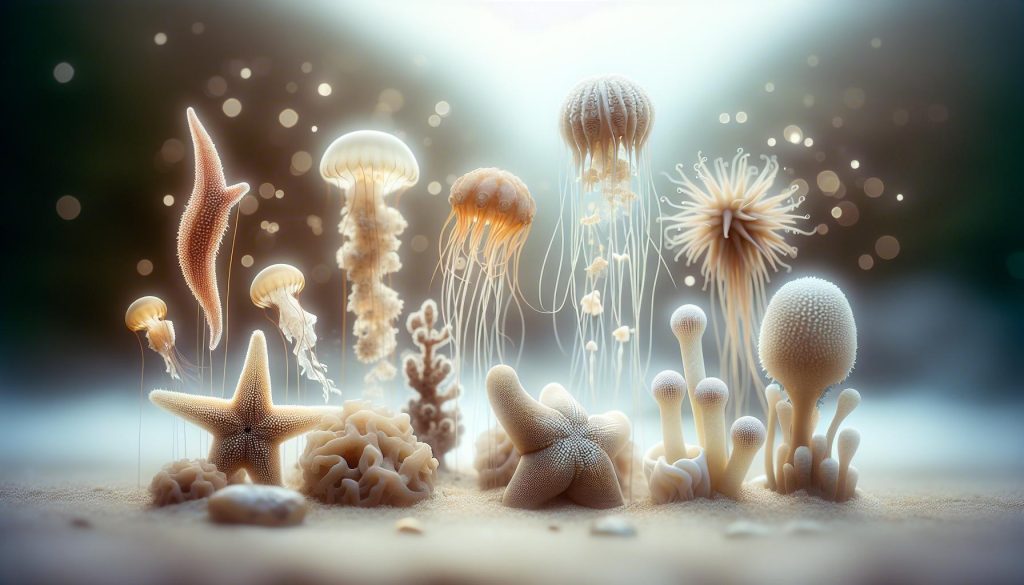
Did you know that some of the ocean’s most intriguing inhabitants navigate life without a brain? From the mesmerizing jellyfish to the adaptable sea anemone, these fascinating creatures challenge our understanding of intelligence and survival. Exploring these brainless beings not only enhances our appreciation of marine biology but also inspires curiosity about the diverse ways life can thrive on Earth. In this article, we’ll uncover five surprising animals that have adapted brilliantly to their environments, providing insight into how life can persist and flourish, even without the organ we associate most with cognition. Prepare to be amazed by the incredible capabilities of these unique creatures and discover what their existence reveals about the complexity of life itself.
What Are Brainless Animals and How Do They Survive?
Many fascinating organisms on our planet live without a brain, demonstrating incredible adaptations that allow them to survive and thrive. These brainless creatures, including jellyfish, sea sponges, and certain types of worms, rely on simple biological systems that facilitate essential functions like movement, feeding, and responding to their environment. For instance, jellyfish utilize a nerve net-a decentralized network of nerve cells-that allows them to pulse and move through the water efficiently, despite lacking a central nervous system. This unique ability showcases how life can exist and operate under alternative biological structures, challenging conventional assumptions about what is necessary for survival.
Brainless animals can be surprisingly versatile. They often possess specialized cells that enable them to detect changes in their surroundings and respond accordingly. For example, sea sponges utilize a simple cellular organization to filter food from water, reacting to environmental stimuli without a centralized brain. These adaptations often prove advantageous, allowing these creatures to conserve energy and resources while continuing to thrive in their habitats.
Understanding how these organisms function opens a broader discussion about evolutionary biology. The diversity of survival strategies among brainless animals can shed light on the evolutionary pathways that lead to complexities in brain development across different species. As research continues, examining the functional characteristics of these creatures may offer valuable insights into the fundamental principles of life and the various forms intelligence can take, extending beyond the traditional brain-centric view of cognition.
Exploring the Unique Characteristics of Jellyfish
Jellyfish are among the most intriguing creatures in the ocean, showcasing a remarkable ability to thrive without a centralized brain. These ancient animals, part of the phylum Cnidaria, have inhabited the Earth for over 500 million years, long before the first dinosaurs roamed. Their unique biology challenges conventional notions of intelligence and survival, demonstrating that complex behaviors can arise from simple neural networks.
One of the most significant characteristics of jellyfish is their decentralized nervous system, formed by a vast network of interconnected neurons known as a nerve net. This structure enables them to perform essential functions, such as propulsion, feeding, and responding to environmental stimuli. By contracting their bell-shaped bodies, jellyfish can propel themselves through the water, while their nerve nets facilitate coordinated movements even without a central processing unit like a brain. Additionally, some species, such as the Caribbean box jellyfish, have shown the ability to learn from past experiences, showcasing a form of associative learning traditionally linked to more cognitively complex organisms [1[1][3[3].
Moreover, jellyfish exhibit fascinating traits like bioluminescence, which allows them to produce light as a defense mechanism against predators. This attribute adds another layer to their survival strategy, as they can distract or deter potential threats in their underwater environment. The ability to adapt and utilize their surroundings effectively exemplifies how jellyfish have managed to flourish despite their lack of a centralized brain and offers valuable insights into alternative life forms and survival mechanisms in nature.
In summary, the unique characteristics of jellyfish reveal a complex interplay of biology and behavior, defying the idea that a centralized brain is necessary for life’s essential functions. Their adaptability and resilience serve as a testament to the diverse evolutionary pathways that exist within the animal kingdom, highlighting the many ways life can manifest and succeed in various forms.
The Fascinating World of Sponges: Living Without Brains
Sponges are among the oldest and simplest multicellular organisms on Earth, with a lineage that dates back over 600 million years. These remarkable creatures have adapted to thrive in diverse aquatic environments, from shallow coastal waters to the deep sea, all while living without a brain or centralized nervous system. Instead of complex brains, sponges rely on a unique system of cells and channels to manage their bodily functions and interactions with the environment.
One of the defining characteristics of sponges is their porous structure, which allows them to filter feed by drawing water in through numerous small openings, or ostia, and expelling it through a larger outlet called the osculum. This process not only supplies them with nutrients but also helps facilitate gas exchange, making them efficient survivors. The cells lining these channels, called choanocytes, have flagella that create water currents, enabling sponges to achieve both feeding and respiration with minimal effort.
Sponges also demonstrate fascinating symbiotic relationships that enhance their resilience. Many harbor photosynthetic algae or bacteria within their tissues, which can provide additional nutrients through photosynthesis. This partnership is beneficial in nutrient-poor environments, showcasing how sponges adapt to their surroundings without needing a complex brain or nervous system. Moreover, certain sponge species can regenerate lost parts and even reproduce asexually through budding or fragmentation, highlighting their formidable survival strategies.
In essence, sponges exemplify how complexity in life is not solely a function of having a brain. Their survival mechanisms reveal the incredible adaptability of life forms that rely on simplicity rather than centralization. Understanding sponges and their ecological roles can inspire new insights into biological resilience and the potential for survival in ever-changing environments. By appreciating such unique organisms, we can also reflect on broader questions of life, cognition, and adaptation that challenge traditional notions of intelligence.
Understanding the Anatomy of Sea Urchins
Sea urchins are fascinating creatures that exemplify survival without the complexities of a brain. Their unique anatomy is designed for both defense and environmental interaction, showcasing a remarkable evolutionary adaptation. Covered in spines that deter predators, sea urchins possess a hard outer shell known as a test, which provides structural support. This exterior is punctuated by an intricate system of tube feet that extend from their body, allowing for locomotion and the ability to manipulate their surroundings.
Body Structure
The sea urchin’s body is organized around a radial symmetry, typically featuring five rows of tube feet that extend from its mouth to its anus. These tube feet are part of a water vascular system that functions similarly to a hydraulic system, enabling the sea urchin to move, cling to surfaces, and capture food. Their mouth, located on the underside, is equipped with a unique structure known as Aristotle’s lantern, made up of calcium carbonate plates and teeth that can scrape algae off rocks, making them efficient herbivores.
Neurosensory Adaptations
While lacking a centralized brain, sea urchins are not devoid of sensory capabilities. They have a network of nerve rings and radial nerves that allow them to respond to environmental stimuli, such as light, temperature changes, and chemical signals from their surroundings. This decentralized nervous system enables them to coordinate movement and react effectively to threats, demonstrating that complex behavior can arise from a simpler neural architecture.
Another intriguing aspect of their anatomy is their ability to regenerate. Sea urchins can regrow lost tube feet and even spines after injury, enhancing their survival prospects in the wild. This regenerative ability is a key feature that helps them thrive in diverse and often challenging marine environments.
In summary, sea urchins showcase a fascinating approach to survival that does not rely on a brain. Their anatomy, designed for effective interaction with their environment and capable of regeneration, highlights the remarkable adaptability of life forms that operate without centralized nervous systems. Understanding these unique adaptations not only enriches our appreciation of marine biodiversity but also invites reflection on the diverse strategies creatures develop to thrive in their habitats.
Why Do Some Animals Thrive Without a Central Nervous System?
Many animals thrive without a central nervous system, showcasing that survival strategies can be effective even with simpler biological structures. For example, creatures like jellyfish and sponges have evolved unique adaptations that allow them to interact with their environments and fulfill their ecological roles without the complexities associated with a traditional brain. They rely on mechanisms that do not necessitate centralized control, demonstrating the versatility of life forms.
One significant reason these animals thrive is through a decentralized neural architecture. For instance, jellyfish utilize a network of nerve nets that govern their movements, allowing them to respond to stimuli like light and food without needing a central processing unit. This simplicity can be advantageous in environments where quick reactions are vital for survival. Sponges, on the other hand, filter feeding organisms that lack a nervous system altogether, rely on the flow of water through their porous bodies to provide necessary nutrients and oxygen while removing waste products.
Moreover, these animals can exhibit remarkable behavioral aspects despite their lack of a brain. They can navigate their surroundings, capture prey, and avoid predators through instinctive responses coded within their cellular structures. This innate ability to adapt to environmental changes is a testament to the effectiveness of evolution in developing survival strategies that do not depend on a central nervous system.
Understanding these mechanisms provides valuable insights into the resilience and adaptability of life. It highlights that complexity in behavior does not always require complexity in anatomy. For humans, this can serve as a reminder that wellness and performance, whether cognitive or physical, can be enhanced through simplified and effective approaches, echoing the biological efficiency seen in these remarkable brainless animals.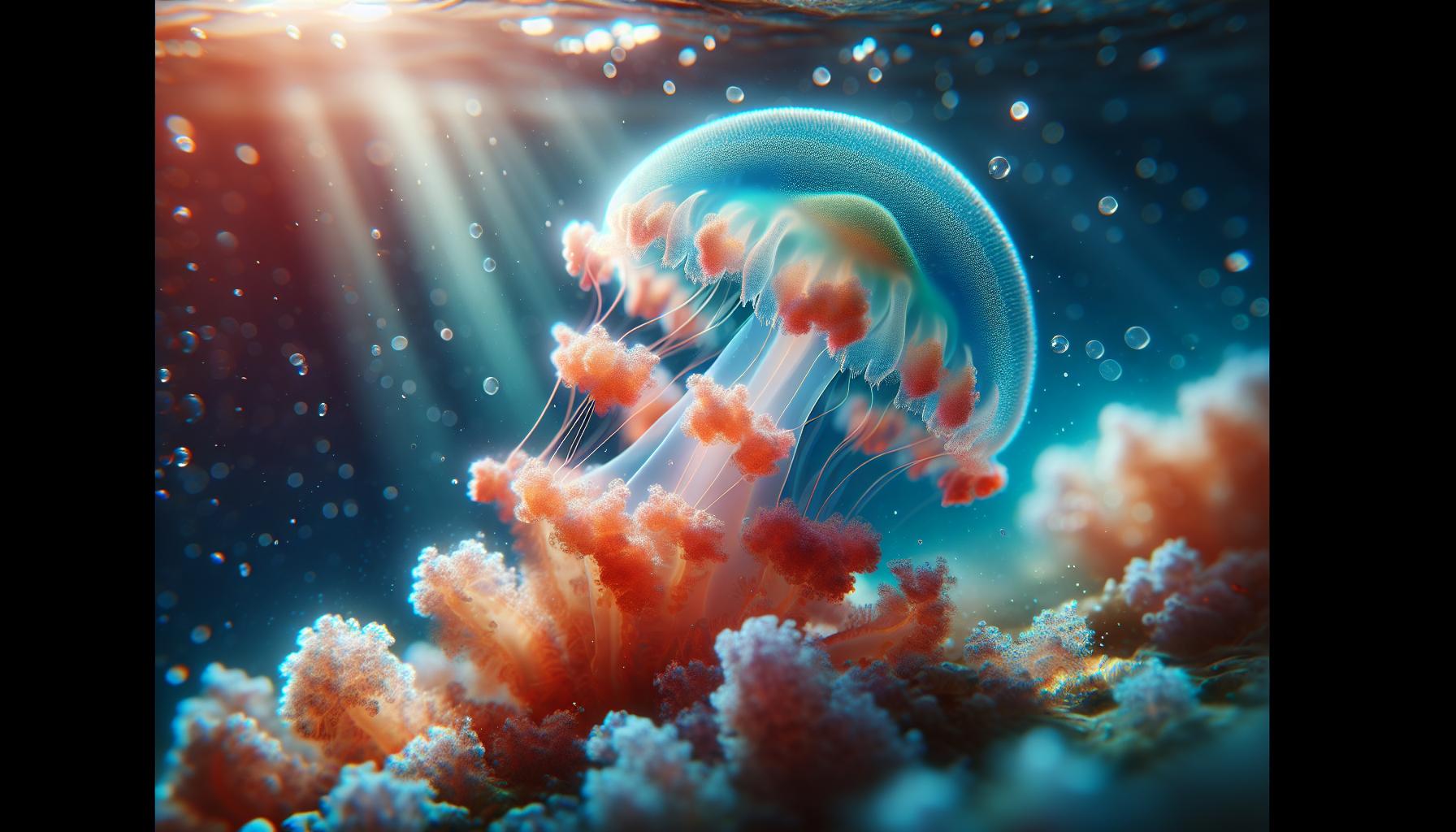
The Role of Simple Neural Networks in Brainless Creatures
Many brainless creatures exhibit survival strategies that may seem astounding, given their lack of a centralized brain. These organisms rely on simple neural networks-collections of nerve cells that can process information in a decentralized manner-allowing them to interact effectively with their environment. For instance, jellyfish employ a distributed nerve net that enables them to respond to environmental stimuli like food and light, facilitating coordinated movement without the need for a brain. Such systems exemplify an elegant solution to survival, showcasing how life can thrive through simplicity.
How Simple Neural Networks Operate
Brainless animals like jellyfish are equipped with nerve nets, which can be thought of as a web of interconnected neurons spread throughout their bodies. This setup allows them to perform essential functions such as swimming and feeding by coordinating muscle contractions in response to various stimuli. When these creatures encounter changes in their surroundings, their neural nets allow for immediate reactions, demonstrating that complex behavioral responses can emerge from relatively simple biological frameworks. This adaptability is not just crucial for predation and reproduction; it also aids in avoiding threats and adapting to environmental changes, underscoring the importance of decentralized information processing.
Examples Beyond the Jellyfish
While jellyfish are perhaps the most notable example, other brainless creatures also benefit from simple neural networks. Sponges, for instance, lack any nervous system but still manage to thrive by using the flow of water through their porous bodies to obtain nutrients. This passive mechanism is achieved through cellular cooperation, allowing them to filter feed effectively without any neural coordination.
Similarly, sea anemones, equipped with a decentralized nerve net, can respond to prey and predators alike. They employ simple reflexive movements to capture food or retract their tentacles when threatened, illustrating that even without a centralized brain, organisms can effectively navigate and survive in their environments.
In exploring , we gather crucial insights into resilience and biological efficiency. This understanding may not only reshape our perspective on cognition but also prompts us to appreciate the variety of life that persists without complex neural architectures. As we reflect on these adaptations, we can draw encouragement to embrace simplicity and efficiency in our own lives, both personally and professionally.
Unexpected Brainless Animals: More Than You Think
Some of the most remarkable creatures in the ocean thrive without a brain, defying our traditional notions of intelligence and survival. For instance, sea sponges, which may appear deceptively simple, are among the oldest multi-cellular organisms on Earth. They lack a nervous system entirely, yet they have developed a highly efficient way of filtering water and extracting nutrients through a process known as diffusion. This emanates from their porous bodies, allowing them to thrive in various environments, deepening our appreciation for biological diversity.
In addition to sponges, many might be surprised to learn that creatures like sea cucumbers and sea urchins also function effectively without centralized nervous systems. Sea cucumbers utilize a unique method of respiration and feeding, employing a set of tube feet that help them navigate the seafloor while consuming organic material. Their decentralized nervous system allows for movement and reflexive responses to stimuli, enabling them to withdraw into their bodies for protection. Sea urchins, on the other hand, possess a nerve net, similar to that of jellyfish, which allows them to exhibit complex behaviors such as movement and foraging without relying on a brain.
Another unexpected member of the brainless animal kingdom is the anemone. Using a decentralized nerve net, they possess the ability to sense their environment, retracting their tentacles when danger approaches or extending them towards potential prey. Their simple yet effective strategies not only ensure survival but also highlight the intricate balance of marine ecosystems, where each organism plays a pivotal role despite the lack of conventional cognition.
These examples challenge our understanding of intelligence and adaptability in the animal kingdom. They remind us that complexity does not always equate to capability; instead, simplicity can translate to resilience. Drawing inspiration from these wondrous creatures, we can reflect on the potential of straightforward solutions in our daily lives, fostering both personal and professional growth by embracing the grace of simplicity.
The Evolutionary Advantage of Living Without a Brain
An intriguing aspect of life on Earth is the survival of organisms that thrive without brains. These brainless creatures, which include species like sea sponges, jellyfish, and sea cucumbers, exemplify how evolution can take diverse paths to meet ecological demands. Living without a centralized nervous system allows these animals to simplify their body structures, which can provide significant evolutionary advantages. For instance, their minimalistic architecture enables them to conserve energy and resources, essential for survival in available environments.
The decentralized nervous systems found in many brainless species, such as the nerve nets in jellyfish and sea urchins, facilitate a range of adaptive responses without the complexities of a brain. This arrangement allows them to react to their environment efficiently, engaging in behaviors that promote foraging, movement, and protection from predators. Brainless creatures like hydra can regenerate and adapt to changing conditions remarkably well, illustrating how evolutionary simplicity can lead to resilience. Such capabilities might inspire a reevaluation of what it means to be ‘intelligent’ in the animal kingdom.
Moreover, these organisms utilize unique means of achieving homeostasis and fulfilling life functions. For example, sea cucumbers filter feed using tube feet, showcasing an efficient way to interact with their environment while lacking a central control system. The evolutionary trajectory that led to life without a brain also emphasizes a broader message about adaptability-sometimes, the most straightforward solutions are the most effective.
Understanding the evolutionary advantages of living without a brain can provide insights into resilience and resourcefulness. It challenges the notions of intelligence and adaptability, revealing that complex survival strategies often emerge from fundamental biological mechanisms. By learning from these creatures, we can appreciate the power of simplicity, not only in nature but also in our personal and professional lives, where embracing straightforward approaches often leads to better outcomes.
How Brainless Animals Interact with Their Environment
Brainless animals have developed remarkable ways to interact with their environment, showcasing a complexity that belies their lack of a central nervous system. For instance, many jellyfish utilize a decentralized nerve net that allows them to sense changes in their surroundings and respond effectively. This unique arrangement facilitates simple movements and feeding behaviors, enabling them to thrive in the open ocean. Their ability to pulse rhythmically helps them navigate currents, while also optimizing their chances of catching prey like small fish and plankton.
Another fascinating example comes from sea cucumbers, which have adapted unique feeding strategies to filter feed. They use specialized tube feet, which not only help in gathering food particles from the water but also play a crucial role in their interaction with the substrate. This adaptability enables them to live in various environments, from sandy ocean floors to rocky crevices, highlighting how simple anatomical functions can align with survival strategies.
Moreover, sponges exemplify an entirely different interaction mechanism. They lack a nervous system yet manage to sustain themselves through a constant water flow, which they achieve via specialized cells. These cells filter out nutrients, oxygen, and waste, demonstrating an efficient method of absorbing resources directly from their environment. This interaction emphasizes the simplicity behind sophisticated survival strategies, prompting us to reconsider our assumptions about intelligence and complexity in nature.
These adaptations demonstrate that even without a brain, these animals efficiently sense and respond to their environments, thriving in ecosystems where other species might struggle. In a world where complexity often overshadows simplicity, these brainless organisms serve as a powerful reminder of the diverse strategies life can employ to endure and succeed in varying conditions.
What We Can Learn from Brainless Species
The existence of brainless creatures challenges our understanding of intelligence and adaptation in the animal kingdom. Among the most intriguing are jellyfish, sponges, and sea urchins, each utilizing unique survival strategies that reveal much about simplicity, resilience, and evolution. For instance, jellyfish employ a decentralized nerve net, enabling them to respond to environmental changes efficiently. This not only highlights their adaptability but also prompts us to rethink cognitive functions in non-traditional organisms.
One valuable lesson from these creatures is the importance of flexibility in our approaches. Brainless species demonstrate different modes of responding to stimuli without centralized control. This principle can translate into various aspects of life, such as workplace wellness. Embracing a flexible mindset allows for improved adaptability in stress management and cognitive performance. Here’s how:
- Emphasize Adaptive Strategies: Just as jellyfish adjust to currents, we can develop adaptive strategies in our work environments. This could involve switching up routines to foster creativity or re-evaluating time management techniques to enhance productivity.
- Leverage Simple Structures: Take cues from sponges, which efficiently filter nutrients through a straightforward system. In our lives, establishing simple yet effective routines can minimize overwhelm and promote clarity. Consider using checklists or time-blocking to simplify task management.
- Focus on Collective Wellbeing: Sea urchins demonstrate the power of community in survival. In the workplace, fostering a supportive culture can enhance team resilience and collective problem-solving. Encourage open communication and collaboration to create an environment where everyone thrives.
By observing brainless species, we can incorporate these lessons into our lives, promoting a balance between simplicity and effectiveness. This adaptability not only helps us navigate challenges but also enhances our overall cognitive health and workplace wellness. Making conscious choices rooted in simplicity and adaptability can lead to significant improvements in how we manage stress and enhance productivity.
Comparing Brainless Animals to Their Brainy Counterparts
The diversity in survival strategies between brainless animals and their brainy counterparts reveals intriguing adaptations to environmental challenges. For instance, jellyfish and sponges, which lack centralized brains, rely on decentralized neural networks to interact with their surroundings. This enables them to respond to stimuli effectively without the complex processing capabilities typical of more intelligent species. Studies have shown that jellyfish can still exhibit learning behaviors despite their simpler anatomy, suggesting a form of cognition that operates outside conventional definitions of intelligence, prompting us to revisit our assumptions regarding animal brains and behavior.
In contrast, brainy animals, such as mammals, often possess sophisticated cognitive abilities, which allow for complex problem solving and social interactions. These higher brain functions enable animals like elephants and dolphins to adapt to various environmental challenges, learn from experiences, and even exhibit emotional intelligence. The difference lies in the balance of simplicity and complexity; while brainy animals can process information rapidly and retain memories more effectively, brainless creatures demonstrate remarkable resilience through their effective, though less intricate, coping mechanisms.
This comparison highlights the different evolutionary paths taken in the animal kingdom. Brainless species, such as certain types of worms and cnidarians, showcase how essential functions can be managed without a traditional brain structure. They survive through innate behaviors driven by their environment, relying on chemical signals and environmental cues for navigation and survival. Such insights can offer lessons in flexibility and adaptability, reminding us that intelligence is not solely measured by brain size or complexity, but also by the effectiveness of an organism’s survival strategies.
Ultimately, reflecting on how these creatures thrive informs our understanding of cognitive health and adaptability in our lives. Embracing aspects of simplicity, such as streamlined routines and effective communication, can enhance our problem-solving abilities and overall wellness. By learning from nature’s varied examples, we can develop practical strategies that promote resilience and adaptability in our personal and professional environments.
The Future of Research on Brainless Creatures
The study of brainless creatures presents a fascinating frontier in biology, revealing insights that challenge our fundamental understanding of cognition, behavior, and evolution. Advances in research are shedding light on how these organisms function so effectively without centralized brains or complex neural networks. For instance, ongoing studies on the learning abilities of jellyfish suggest that even simple neural architectures can lead to adaptive behavior, demonstrating that intelligence may exist in surprising forms outside traditional brain structures. This has opened up new avenues for exploring the consequences of neural simplicity on survival and evolution.
Research Innovations
Groundbreaking methods like advanced imaging techniques and genetic analysis are enhancing our understanding of brainless animals. Scientists are now investigating the genetic basis of neural function and how it translates into behavior. Such research is not only pivotal for understanding marine life but may also have implications for how we define intelligence in a broader context. For instance, identifying the role of specific genes in the simpler neural networks of sea anemones could provide insights into how more complex brains evolved and function today.
The Broader Implications
The implications of studying these creatures extend beyond biology; they may inform fields as varied as artificial intelligence and robotics. Understanding the mechanisms by which brainless organisms navigate their environments could inspire the development of bio-inspired technologies that utilize decentralized processing, which can be more resilient to system failures. This exploration highlights a shift in perspective about the nature of intelligence itself, encouraging us to embrace a more inclusive definition that encompasses a wider range of survival strategies.
As research progresses, findings related to brainless animals can also offer lessons in workplace wellness and cognitive health. For example, the adaptability observed in organisms like sponges and jellyfish underscores the value of resilience and simple strategies in achieving balance and effectiveness. By observing how these creatures respond to their environment, we may uncover principles that can be applied to enhance our own work-life harmony, such as focusing on fundamental tasks and streamlining complex systems for better outcomes. Understanding nature’s ingenuity reminds us that wellness and productivity often stem from simplicity and adaptability, qualities that are just as vital in our personal and professional lives.
FAQ
Q: What are some examples of animals that don’t have brains?
A: Some surprising animals that lack brains include jellyfish, sponges, sea urchins, and flatworms. Each of these creatures has evolved unique ways to survive and interact with their environment despite their lack of a central nervous system, relying on simple neural networks or other mechanisms for function.
Q: How do brainless animals survive without a brain?
A: Brainless animals survive through alternative biological systems. For instance, jellyfish use a decentralized nerve net for movement and responsiveness, while sponges filter feed using water currents without a nervous system. These adaptations allow them to thrive in various environments without a brain.
Q: Can brainless animals feel pain?
A: The concept of pain in brainless animals is debated. While animals like jellyfish possess simple nerve cells, there is no central brain for processing pain. Thus, while they may react to harmful stimuli, it remains uncertain if they experience pain as complex animals do.
Q: What roles do simple neural networks play in brainless creatures?
A: Simple neural networks allow brainless creatures to coordinate movements and respond to their surroundings effectively. For example, in sea anemones, nerve nets facilitate basic functions like feeding and locomotion, demonstrating how advanced behaviors can arise without a traditional brain structure.
Q: Are there evolutionary advantages to being brainless?
A: Yes, being brainless can confer advantages such as reducing energy costs associated with maintaining a brain. Some brainless animals adapt better to specific environments or lifestyles, leading to success in ecological niches where complex processing may not be necessary.
Q: How do brainless animals interact with their environment?
A: Brainless animals interact with their environment through sensory receptors that detect changes in their surroundings. For example, jellyfish can sense light and obstacles, enabling them to navigate effectively while relying on their simple nerve nets to coordinate movements.
Q: What can we learn from studying brainless animals?
A: Studying brainless animals can offer insights into evolution, neurobiology, and behavior. Understanding how these creatures function without a brain can shed light on the fundamentals of life and may inspire bioengineering and medical advancements in neural regeneration or artificial intelligence.
Q: Why are sponges considered brainless?
A: Sponges are considered brainless because they lack a nervous system or brain. They have specialized cells that allow them to filter feed and respond to environmental stimuli, demonstrating that complex life can exist without a centralized nerve processing system.
Wrapping Up
As we’ve discovered, the world of brainless animals is full of astonishing creatures that challenge our understanding of consciousness and survival. These unique beings remind us that intelligence comes in many forms, and exploring their fascinating adaptations can lead to richer insights about the animal kingdom. If you’re curious to dive deeper into how various species thrive without traditional brain structures, don’t miss our related articles on “The Remarkable Lives of Jellyfish” and “Starfish Survival Strategies.”
Now is the perfect time to expand your knowledge and explore the wonder of nature further. Have questions or a surprising creature of your own to share? Join the conversation in the comments below or sign up for our newsletter to stay updated on the latest discoveries in the animal realm. Your adventure into the mysteries of nature doesn’t have to end here-let it lead you to your next big discovery!