In today’s fast-paced work environment, many individuals experience discomfort and fatigue from prolonged sitting, making adjustable standing desks like the Vivo a practical solution for enhancing workplace wellness. Learning how to lower your Vivo standing desk can significantly improve your comfort levels, boost productivity, and promote better posture. Whether you’re transitioning between sitting and standing or fine-tuning your setup for optimal ergonomics, simple solutions exist to make the process seamless. By adapting your workspace to your needs, you empower yourself to combat the adverse effects of a sedentary lifestyle and create a healthier work environment. Discovering these techniques can transform the way you work, so let’s explore effective methods to lower your Vivo standing desk and enhance your overall well-being.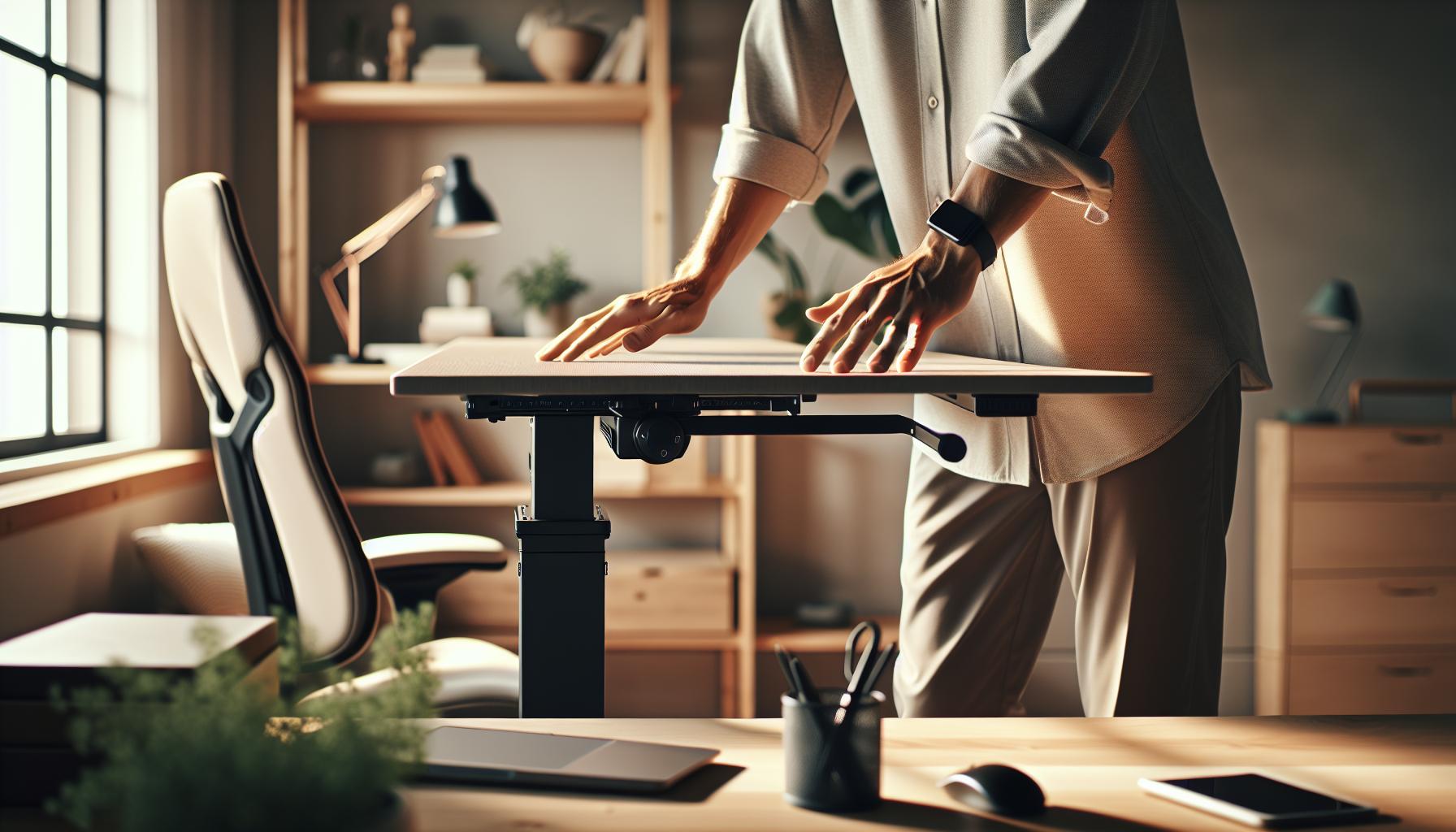
Understanding the Vivo Standing Desk Mechanism
The Vivo standing desk mechanism is a design marvel that blends functionality with user comfort, transforming the way we work in a digital age. At its core, the mechanism operates on a combination of hydraulic lift technology and sturdy frame construction, allowing for smooth and effortless height adjustments. This adaptability caters to various body types and work preferences, enhancing ergonomic alignment and overall productivity. By understanding how this mechanism functions, users can better leverage its features for maximum comfort and efficiency throughout the workday.
Central to the Vivo desk’s operation is its dual or single motor system, depending on the model. These motors provide a powerful yet quiet adjustment process, enabling users to transition seamlessly from sitting to standing positions. This transition is key in reducing the risk of musculoskeletal disorders that are often linked to prolonged sitting. The ease of adjustment is also a significant factor in promoting healthier work habits, allowing users to change their posture frequently and combat sedentary lifestyle risks.
Moreover, the desk’s stability is reinforced by its wide base and high-quality materials, which work harmoniously with the lifting mechanism. This stability ensures that once the desired height is reached, the desk remains steady, allowing for uninterrupted focus on tasks. Users can also customize their desk setup with various accessories, such as keyboard trays and monitor risers, to further enhance ergonomic benefits. Understanding these elements not only empowers users to maximize their desk’s potential but also encourages a proactive approach to workplace wellness.
Common Issues When Lowering Your Vivo Desk
Lowering a Vivo standing desk can be an empowering aspect of your daily routine, allowing you to adapt your workspace to your unique needs. However, several common issues may arise during this adjustment process, hampering an otherwise smooth experience. Understanding these pitfalls can significantly enhance your ergonomic setup and promote a more dynamic approach to work.
One frequent challenge users face is an unresponsive motor system. If the desk refuses to lower, it could be due to a power supply issue or a cable obstruction. It’s critical to ensure that all connections are secure and that the power source is functioning optimally. Sometimes, simply unplugging the desk for a minute can reset the system and restore its movement.
Another common issue concerns friction within the mechanism. Over time, dust and debris can accumulate in the moving parts, causing resistance and hindering the lowering action. Regularly cleaning the area around the lifting columns and the base can prevent this buildup, leading to smoother operation. Additionally, users might notice that the desk feels unstable when adjusted to lower heights. This can be mitigated by ensuring that the desk is set up on a flat surface, as uneven ground can lead to wobbling and discomfort during use.
Finally, troubleshooting tips may also include checking for software or firmware updates if your model is equipped with smart technology. Staying informed about updates can often resolve bugs or glitches in the system. Prioritizing these common issues and understanding the mechanisms behind them will empower you to maintain a healthy and adaptable workspace that encourages productivity and well-being throughout your day.
Effective Techniques for Smooth Adjustments
Adjusting your Vivo standing desk effectively not only enhances comfort but also promotes overall workplace wellness. Understanding the nuances of your desk’s adjustment mechanism can minimize disruptions during your workflow. Engaging in smooth transitions requires a combination of techniques and mindfulness toward how you utilize the desk.
To start, consider your workspace layout and ensure that the path for lowering your desk is free from obstructions. This small but vital step can alleviate frustrations related to snagging wires or other items that may hinder smooth movement. Moreover, always adjust your desk height slowly; allowing the mechanism to operate at a measured pace helps maintain stability. A gradual shift not only prevents sudden jerks that can catch you off guard but also extends the lifespan of your desk by reducing wear and tear on its components.
Another effective technique involves timing your adjustments. Plan to lower the desk during brief pauses in your work. Utilizing events such as breaks or transitions between tasks can ensure you remain focused and engaged rather than distracted by the operation. This also nurtures a mindful work environment, where your awareness of ergonomic needs is harmonized with your workflow.
Incorporating proper body mechanics while adjusting your desk can further enhance your experience. When transitioning from sitting to standing, make it a habit to engage your core and maintain a neutral spine. This not only helps in executing height adjustments but also reinforces good posture throughout your day. Furthermore, setting your desk at an optimal height for both sitting and standing is essential-ensuring that your elbows remain at a 90-degree angle when typing can significantly enhance comfort and reduce strain.
By equipping yourself with these effective techniques, you’ll not only promote a seamless adjustment experience but also cultivate a more productive, ergonomic work environment conducive to both physical well-being and cognitive health. Prioritizing your body’s needs while utilizing your Vivo standing desk empowers you to thrive in your workspace.
Tools to Simplify Your Desk Lowering Process
When it comes to efficiently lowering your Vivo standing desk, utilizing the right tools can make all the difference. A well-equipped workspace not only enhances productivity but also contributes to your overall well-being. Whether you’re seeking to streamline the lowering process or enhance your ergonomic setup, incorporating specific tools can provide significant benefits.
One of the most effective tools for simplifying desk adjustments is a height adjustment reminder. These can be integrated apps or physical devices that prompt you to change your position throughout the day. Setting reminders to lower your desk during specific work intervals encourages you to maintain a dynamic workspace-shifting between sitting and standing to promote circulation and reduce fatigue.
Another essential tool is a cord management system. Managing cables properly minimizes distractions and obstructions when adjusting your desk height. Various solutions include cable clips, sleeves, or cable trays that keep wires organized and out of the way. This not only streamlines the lowering process but also fosters a cleaner, more focused workspace.
A height gauge can also be invaluable. This tool allows you to mark optimal sitting and standing heights clearly, ensuring that you can quickly adjust without guesswork. Some users even opt for multiple gauges to accommodate various positions or preferences throughout the day. By providing a clear visual cue, you are more likely to maintain the ergonomic standards critical for your back and neck health.
Lastly, consider integrating desktop ergonomics tools such as adjustable keyboard trays or monitor risers to enhance your overall workstation comfort. These tools ensure that your equipment aligns properly when altering desk heights, mitigating strain and promoting better posture. For instance, maintaining a neutral wrist position while typing, regardless of whether you’re seated or standing, is crucial for preventing discomfort.
Through the use of these supportive tools, you create an environment that emphasizes comfort and efficiency. A well-adjusted workspace empowers you not only to feel better physically but also to perform at your cognitive best. By fostering mindfulness around your workspace adjustments, you contribute to a holistic approach to workplace wellness that enhances both productivity and health.
Maintaining Ergonomics While Lowering Your Desk
Maintaining ergonomic integrity while adjusting your Vivo standing desk is essential to ensure both comfort and productivity. As you transition between sitting and standing positions, your body will have specific needs that demand attention. One of the most critical factors to consider is the alignment of your monitor, keyboard, and other desktop elements. For instance, your monitor should be at eye level to prevent neck strain, while your keyboard and mouse should be positioned so that your wrists remain neutral and your elbows are at approximately a 90-degree angle.
As you lower your desk, take a moment to assess your posture. Many people inadvertently adopt poor positioning during adjustments, which can lead to discomfort and long-term health issues. To help maintain ergonomic alignment, consider using a height gauge or markers on your desk to remind you of your optimal settings. Keeping a checklist of these heights can ensure that your workspace adapts to your body’s needs as you switch between sitting and standing.
Furthermore, integrating supportive tools can enhance this ergonomic experience. An adjustable chair that allows for easy transitions, combined with a footrest while sitting, can further prevent strain on your lower back. When lowering your desk, incorporate micro-movements to engage your muscles and promote good circulation. For example, shift your weight from one foot to the other or perform slight bends in your knees to release tension.
Finally, be conscious of your breathing and overall body tension throughout the adjustment process. Taking deep breaths can help reduce stress and remind you to focus on maintaining a relaxed posture. By incorporating these practices, you not only make the act of lowering your desk more comfortable but also cultivate a workspace that promotes long-term wellness and cognitive performance. This holistic approach can significantly contribute to a positive and productive work environment.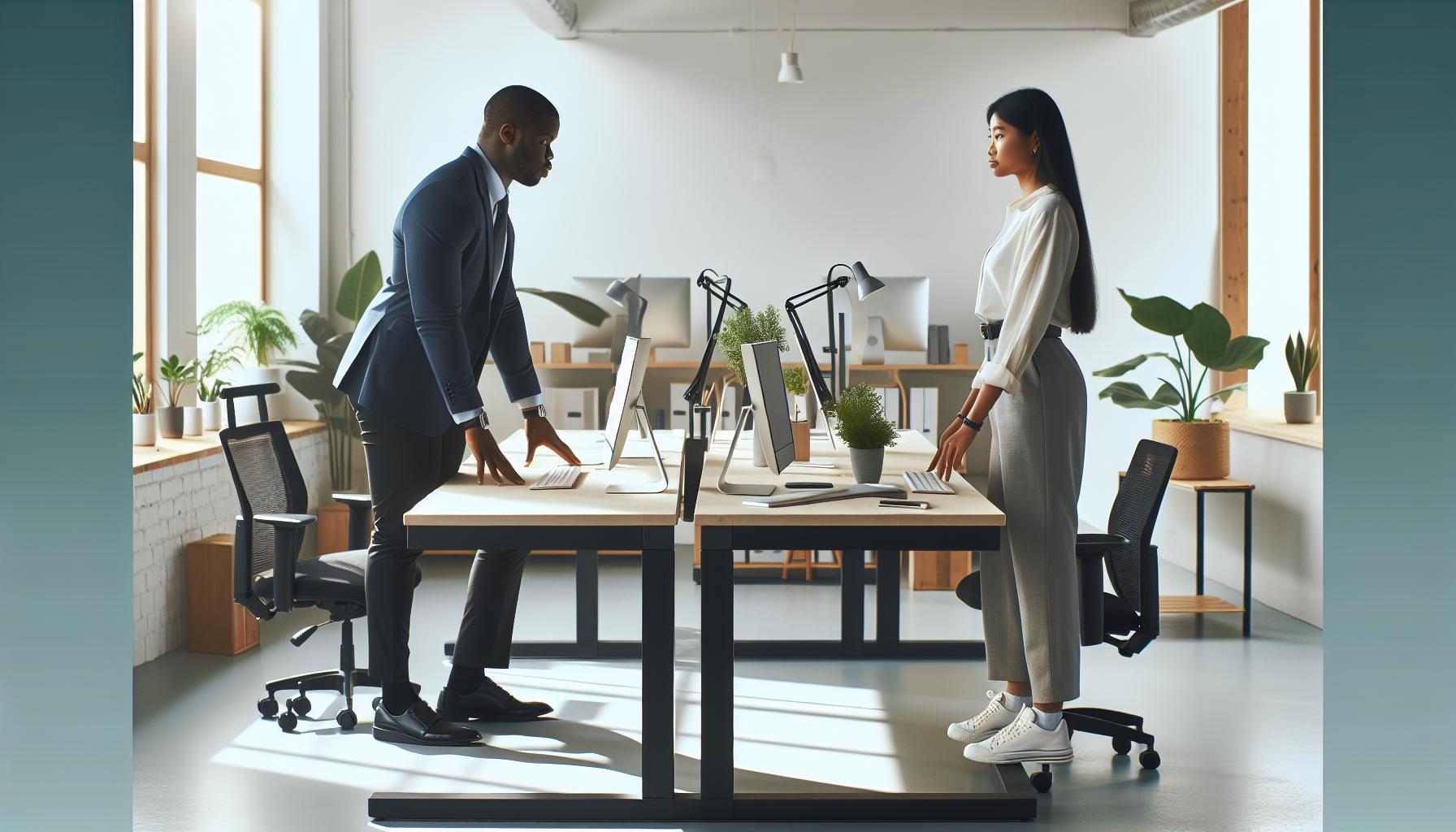
Troubleshooting Vivo Desk Lowering Problems
Adjusting your standing desk should be a seamless experience, but it can sometimes present challenges that disrupt your workflow. Whether you’re encountering difficulties lowering your Vivo desk or facing unexpected resistance, understanding the common issues and solutions can help you maintain productivity and comfort throughout your workday.
One frequent challenge when lowering a Vivo desk is inconsistency in height adjustment. This can stem from wear and tear on the mechanisms or dirt accumulation within the gears. To address inconsistency, ensure that the desk’s lifting mechanism is clean and free of debris. Regularly check for loose screws or components that could affect its operation. If adjusting the desk results in only minor height changes or a reluctance to move, it may be necessary to lubricate the joints and movable parts with a silicone-based lubricant. Apply a light coat and operate the desker a few times to distribute the lubricant evenly.
Additionally, if your desk is not lowering at all, check if the power source or the control switch is functioning correctly. A desk powered by an electric mechanism may require a reset. Unplugging the desk for a minute before reconnecting can sometimes resolve electronic glitches. If the problem persists, inspect the wiring for signs of wear or disconnection, and consult the user manual for troubleshooting specific to your model.
Furthermore, maintaining a supportive work environment while tackling lowering issues is essential. If you experience discomfort when attempting to adjust your desk, incorporate mindful breathing techniques to reduce tension. Engaging in light stretching can also support your body during transition periods. Remember, a well-functioning desk not only enhances physical wellness but also contributes significantly to cognitive health; so it’s worth taking the time to troubleshoot and address these issues effectively.
User Manual Insights for Vivo Desk Adjustments
To enhance your experience with adjusting your Vivo standing desk, the user manual serves as an invaluable resource, providing specific guidelines and insights tailored to your model. One of the first steps is to familiarize yourself with the desk’s adjustment mechanism. Whether your desk operates manually or electronically, understanding how the controls function is crucial for smooth operation. For electric models, the manual typically includes information about resetting the desk or diagnosing issues if the adjustment buttons are unresponsive.
Consult the user manual for troubleshooting tips, especially regarding common adjustment problems. It often includes visual diagrams that clarify how to identify parts that may need tightening or maintenance. For instance, if you experience difficulty lowering your desk, the manual may suggest checking the lifting mechanism for obstructions or examining the power connections. The troubleshooting sections frequently provide step-by-step procedures that can simplify the process of ensuring your desk operates optimally.
Moreover, the user manual emphasizes the importance of regular maintenance to prolong the life of your desk. Following the recommended cleaning and lubrication routines can prevent build-up that interferes with movement. Notably, many manuals advise users to periodically check for loose components, which is essential for both safety and efficient function. Keep a maintenance schedule in mind – this not only supports desk performance but also contributes positively to your overall workspace ergonomics.
Finally, don’t underestimate the importance of incorporating ergonomic principles while using the desk. User manuals often include recommendations for optimal desk height settings based on your height and chair specifications, promoting comfort and reducing the risk of strain during prolonged use. By following these guidelines and actively engaging with the user manual, you can ensure that your Vivo desk remains a tool that supports your productivity and well-being.
Preventative Maintenance for Smooth Operation
To keep your Vivo standing desk operating smoothly and efficiently, regular preventative maintenance is essential. This proactive approach not only enhances the performance of your desk but also contributes to a healthier and more productive workspace. Over time, dust and debris can accumulate in the mechanisms, potentially hindering adjustment capabilities. Therefore, it’s important to establish a routine for cleaning and maintenance.
Start by periodically inspecting the height adjustment mechanism. Use a microfiber cloth to wipe down the surfaces and remove any dust buildup, especially around the joints and movable parts. For electric models, ensure that the power connections and cords are free from tangles and obstructions, as this can affect functionality. If your desk has a manual operation, check for any visible wear on the hand cranks or mechanisms and ensure they are operating smoothly without resistance.
Regular lubrication is another key aspect of maintenance. Utilize a silicone-based lubricant on the moving parts to facilitate smooth operation while preventing rust and wear. Avoid using oil-based lubricants as they can attract more dust and dirt, which may worsen the situation. Additionally, set a calendar reminder to check for loose screws or bolts in the frame periodically; tightening them can prevent any safety issues and ensure stability.
Remember, ergonomics go hand-in-hand with maintenance. A properly maintained desk can help maintain the ideal height settings based on your own ergonomics, contributing to your overall wellness at work. Always adjust the desk height to promote a neutral wrist position and ensure your elbows are bent at approximately 90 degrees while typing to reduce the risk of strain. By committing to a maintenance schedule, not only do you ensure the longevity of your Vivo standing desk, but you also create a more productive and comfortable workspace conducive to well-being.
Creating a Personalized Setup for Comfort
Creating a workspace that prioritizes comfort and efficiency can significantly enhance your productivity and overall well-being. A personalized setup not only caters to your unique body mechanics but also fosters a more inviting and functional work environment. One of the primary benefits of a standing desk, like the Vivo, is the ability to adjust its height, allowing you to customize it to your exact needs throughout the day.
Start by determining your ideal standing height. When standing, your elbows should be bent at a 90-degree angle when your hands are on the keyboard. Stand tall, with your feet flat on the ground and your monitor positioned at eye level to prevent neck strain. This alignment promotes a strong posture and minimizes the risk of discomfort during long working hours. Consider using a measuring tape to find the best fit for your workspace; this simple step can vastly improve your comfort levels.
To further enhance your setup, incorporate accessories that align with your personal style and comfort needs. Anti-fatigue mats can relieve pressure on your feet and legs during long periods of standing. Additionally, ergonomic chairs can be invaluable for seated work sessions, ensuring that you can switch postures with ease. Position your office tools, such as your keyboard and mouse, within arms’ reach, and adopt a clutter-free workspace to promote focus and clarity.
Experiment with various layouts and arrangements until you find what works best for you. The key is to listen to your body and make adjustments as needed. Adopting a blended approach that incorporates standing and sitting throughout your day can keep you energetic and engaged, promoting both physical health and cognitive efficiency. Remember that creating a personalized workspace is a journey, not a destination-enjoy the process of discovering what makes you most comfortable and productive.
Best Practices for Standing Desk Use
Creating a productive workspace that fosters both health and efficiency can significantly enhance your work experience, particularly when using a standing desk like the Vivo. To maximize the benefits of your Vivo standing desk, it’s essential to adopt best practices that promote comfort, posture, and mental well-being.
Start by ensuring your desk height is properly adjusted for standing use. Your elbows should be positioned at a 90-degree angle while typing, and your screen should be at eye level to minimize strain on your neck and eyes. It’s helpful to periodically check your posture; small adjustments throughout the day can prevent muscle fatigue and promote circulation. Consider using a footrest to shift your weight occasionally, which can help alleviate pressure on your feet and legs.
Incorporating movement into your day can significantly boost cognitive performance and overall well-being. Aim to alternate between sitting and standing every 30 to 60 minutes to keep your circulation flowing and to engage different muscle groups. Simple exercises, like stretching or short walks, can break the monotony of prolonged standing and re-energize you. Additionally, keep your workspace organized and clutter-free. An orderly environment not only improves focus but also reduces stress, allowing your mind to operate at its best.
It’s also wise to listen to your body and adjust as needed. If you begin to feel discomfort while standing, don’t hesitate to lower your desk and take a seated break. Having a supportive chair at hand is crucial, allowing for fluid transitions between sitting and standing. By understanding and implementing these best practices, you’ll create a healthier, more productive environment that will support your wellness and cognitive health throughout the workday.
Tips for Transitioning to Standing Workstations
Transitioning to standing workstations can seem daunting, but it’s a powerful shift that can enhance productivity and well-being. Research indicates that even small changes in posture and movement can lead to significant improvements in focus and energy levels. For those embracing a Vivo standing desk, it’s essential to approach this change mindfully to ensure a smooth adjustment.
Start by introducing standing into your routine gradually. Instead of jumping straight into a full day of standing, consider mixing short standing periods with your typical seated work time. For instance, stand for 15-20 minutes every hour and gradually increase this duration as your body adjusts. This flexibility not only reduces the potential for discomfort but also allows your muscles to acclimatize to this new way of working.
Consider the impact of your setup on your comfort levels. Ergonomics play a vital role in how you feel throughout the day, so ensure your screen is at eye level and your desk height allows for a neutral wrist position. You might even want to invest in an anti-fatigue mat, which can provide cushion and support as you stand. Taking a moment to adjust your workstation can mean the difference between a productive day and one filled with aches and pains.
Remember to incorporate movement into your routine. Standing still for extended periods can lead to discomfort and fatigue. Simple practices like shifting your weight from one foot to the other, using a footrest, or taking short walks around your workspace can keep the blood flowing and help maintain your energy levels. Also, integrating a variety of movements, such as stretching or even using a balance board, can further promote physical engagement.
Lastly, always listen to your body. If you feel any discomfort, don’t hesitate to lower your desk and take a break in a seated position. Being adaptable is key to finding the right balance that suits your needs. By following these steps, you’ll not only enhance your overall comfort but also boost your cognitive performance, leading to a healthier and more productive work environment.
Expert Recommendations for Workplace Wellness
In modern workplaces, the balance between sedentary and active work is crucial for mental and physical well-being. Standing desks, like those from Vivo, not only encourage movement but also enhance cognitive performance and overall productivity. To maximize the benefits of a Vivo standing desk, it’s important to approach its use mindfully and incorporate strategies that promote comfort and wellness throughout your workday.
Embrace the Power of Posture
Maintaining a neutral posture while using a standing desk can significantly impact your productivity and comfort. Ensure that your screen is at eye level and your elbows are at 90 degrees, allowing for a relaxed and natural wrist position. Consider using ergonomic accessories such as a chair mat to provide a smooth surface for your feet and reduce fatigue. Incorporating frequent micro-breaks, such as stretching or simply shifting your weight, can enhance circulation and lower the risk of discomfort.
Incorporate Movement Through Simple Exercises
Integrating light exercises throughout your day can counteract the physical strain of prolonged standing. Simple movements, such as calf raises or gentle side bends, can easily fit into your workflow. Additionally, using methods like a standing desk converter can allow quick adjustments to your preferred height, making it easier to switch between sitting and standing as needed. These active moments not only refresh your body but also sharpen your focus and creativity.
Listen to Your Body and Make Adjustments
It’s essential to attune yourself to how your body feels while you work. If you start to feel fatigue or discomfort, it may be time to lower your desk slightly or take a moment to sit down. This awareness not only helps prevent long-term injury but also encourages a more adaptive work style. Adjusting your workspace as you notice changes in comfort can lead to a more sustainable work pattern that supports both productivity and health.
Consulting Professionals for Personalized Wellness Plans
For those who find it challenging to adapt to a standing desk or experience persistent discomfort, consulting with a health professional or ergonomic specialist can provide tailored strategies. They can offer insights on the best practices suited to individual needs, ensuring that your work setup aligns with both your physical wellness and daily productivity. By prioritizing your health, you’re not only investing in your immediate comfort but also fostering a long-term positive relationship with your working environment.
By implementing these recommendations, you can create a workspace that promotes wellness and enhances cognitive capabilities while utilizing your Vivo standing desk. Fostering a dynamic work atmosphere that encourages movement is a step towards greater well-being and productivity.
Frequently asked questions
Q: How do I lower my Vivo standing desk manually?
A: To lower your Vivo standing desk manually, locate the control switch, typically found on the side of the desk. Press and hold the down button until the desk reaches your desired height. If the desk doesn’t move, ensure it’s plugged in and the locking mechanism is disengaged.
Q: What should I do if my Vivo standing desk won’t lower?
A: If your Vivo standing desk isn’t lowering, first check the power connection and reset the desk by holding the down button for a few seconds. If issues persist, consult the troubleshooting section of the user manual for specific guidance on potential mechanical problems.
Q: Are there any tools needed to adjust my Vivo standing desk?
A: Generally, no special tools are needed to adjust a Vivo standing desk. Manual adjustments can be made using the control panel. However, having a level or a hex key can help if you need to make adjustments to the frame or legs for stability.
Q: How can I ensure my Vivo desk maintains proper ergonomics while lowering?
A: To maintain ergonomics while lowering your Vivo desk, adjust the height to ensure your elbows are at a 90-degree angle and your screen is eye level. Periodically reassess and adjust the desk height as needed, especially if using different seating or standing positions.
Q: What are common issues when lowering a Vivo standing desk?
A: Common issues when lowering a Vivo standing desk include mechanical hindrances, power supply issues, or jammed components. Regular maintenance and cleaning of the desk’s moving parts can help prevent these issues from occurring.
Q: Can I lower my Vivo standing desk quietly?
A: Yes, to lower your Vivo standing desk quietly, engage the slow lowering feature if available on your model. Holding the down button gently rather than pressing too hard can also minimize noise during adjustments.
Q: When should I perform maintenance on my Vivo standing desk?
A: Perform maintenance on your Vivo standing desk every few months. Check for loose components, clean any dust from moving parts, and ensure the height adjustment mechanism operates smoothly for optimal performance.
Q: How do I reset my Vivo standing desk adjustment settings?
A: To reset your Vivo standing desk adjustment settings, unplug the desk for 30 seconds before plugging it back in. Then, press and hold the up button until the desk reaches its maximum height. After that, press and hold the down button until it reaches the lowest point. This resets the memory functions.
Key Takeaways
Now that you’ve learned effective methods to lower your Vivo standing desk, it’s time to put these solutions into action and enhance your workspace ergonomics. Remember, a well-set-up desk not only boosts productivity but also supports your brain health and overall wellness. If you have any lingering questions or concerns about setting it up correctly, check out our guides on ergonomic workspaces and healthy work habits for further insights.
Don’t forget to explore our resources on workplace wellness and stress management techniques to optimize your work environment even more. Join our newsletter for ongoing tips that will empower you to create a healthier work-life balance. Your journey to a better workspace starts now-take the next step today and share your improvements in the comments below!