
Have you ever experienced that mid-afternoon slump, where your energy dips and focus wanes? You’re not alone. Many desk workers struggle with prolonged sitting, leading to fatigue and decreased productivity. As awareness grows around workplace wellness, the standing desk has emerged as a popular solution. In this guide, we’ll explore whether investing in a standing desk is right for you, considering its potential benefits not only for physical health but also for cognitive performance and overall well-being. Discover how a simple adjustment to your workspace can rejuvenate your work-day, enhance motivation, and promote a healthier lifestyle. Let’s dive in and find out if a standing desk could be the key to unlocking your productivity potential!
Benefits of Using a Standing Desk for Workplace Wellness
Using a standing desk can profoundly influence workplace wellness, transforming the way you feel throughout your workday. Unlike conventional sitting arrangements, standing desks encourage more movement and reduce the sedentary time that has been linked to various health issues, such as obesity and cardiovascular disease. Research reveals that transitioning to a standing desk can alleviate chronic pain, particularly in the back and neck areas, leading to a more comfortable and productive work environment. This improvement in comfort directly correlates with enhanced employee morale and overall job satisfaction.
Furthermore, standing desks support better posture and promote physical activity. The simple act of standing encourages subtle movements, increases muscle activity, and can enhance circulation. An environment that stimulates movement can aid in cognitive function, as increased blood flow to the brain helps improve focus, creativity, and decision-making capabilities. Studies indicate that standing while working can lead to a noticeable boost in productivity, particularly in creative tasks where idea generation is key. The psychological benefit of standing-a sense of empowerment and energy-can also significantly reduce feelings of fatigue and stress.
To maximize the advantages of a standing desk, it is important to properly integrate it into your workplace routine. This involves finding a balance between standing and sitting, ensuring you’re not overly fatigued while boosting your productivity. Small, manageable adjustments, such as alternating between sitting and standing every half hour, can lead to long-term improvements in health and productivity. The cumulative effects of these practices not only uplift individual well-being but also foster a positive workplace culture that values health and productivity.
How Standing Desks Improve Brain Health and Productivity
Standing desks are becoming increasingly popular, not just for physical health but for cognitive enhancement as well. Research indicates that the act of standing can significantly improve brain function, engagement, and overall productivity. In fact, when you stand, you increase blood circulation throughout your body, including your brain, which is critical for cognitive processes such as concentration, creativity, and problem-solving.
Benefits of Standing for Brain Health
The relationship between physical posture and cognitive performance is well-documented. Standing desks promote better posture, which can lead to less strain on your body and more energy directed toward thinking and decision-making. This increased energy often translates into higher levels of productivity, as employees report improved focus and reduced feelings of fatigue. The psychological benefit of standing-such as a greater sense of agency and motivation-contributes positively to morale and work satisfaction.
- Improved Focus: Standing encourages frequent movements which can break up monotony, leading to better focus over long periods.
- Boosted Creativity: Studies suggest that standing may facilitate creative thinking and idea generation, particularly during brainstorming sessions.
- Enhanced Mood: The energy boost from standing can elevate mood and reduce stress, creating a more favorable work environment.
Strategies for Maximizing Productivity with a Standing Desk
To truly reap the benefits of a standing desk for brain health and productivity, consider implementing a few strategic practices:
- Establish a Routine: Alternate between sitting and standing throughout the day. For instance, consider using a timer to switch every 30 to 60 minutes. This balance can prevent fatigue while maintaining a boost in engagement.
- Incorporate Movement: Use the standing desk as an opportunity to incorporate light activities, such as stretching or walking around your workspace during breaks. These movements can significantly enhance both physical and mental well-being.
- Mindful Breathing Practices: Standing can create an opening for mindfulness. Taking a few minutes for deep breathing can clear your mind, helping to refocus your thoughts and maintain productivity.
- Personalize Your Space: Optimize your standing desk setup to ensure it meets your ergonomic needs. A well-placed screen and comfortable footwear can enhance comfort and focus.
By integrating these strategies into your work routine, you can foster a workspace that is not just conducive to physical health but also enhances cognitive performance, ultimately leading to a more productive and satisfying work experience.
Key Features to Look for in a Standing Desk
Choosing the right standing desk can significantly impact your health and productivity. Fortunately, several key features can help you find a model that enhances your workplace wellness while meeting your individual needs. Understanding these features allows you to make an informed choice that supports your goals for a healthier work environment.
One of the most important features to look for is adjustability. A desk that easily transitions between sitting and standing positions typically allows for a greater range of heights, accommodating users of varying sizes. Look for desks with a smooth electric or manual lift mechanism, as this will provide convenience during frequent height adjustments. Additionally, having preset height options can allow you to quickly return to your preferred positions.
Stability is another crucial aspect. You want a standing desk that remains stable at any height, minimizing any wobbling that can distract you or lead to discomfort. Desks with heavier bases or reinforced designs tend to perform better in this regard.
Equally essential is surface area. Ensure the desk has ample room for not just your computer, but also for any other necessary equipment such as monitors, notebooks, or personal items. A spacious surface promotes organization and can enhance your overall workflow.
Finally, consider the aesthetics and design of the desk to align with your workspace decor. Choose materials and styles that inspire you and contribute positively to your working environment. For some users, additional features like cable management systems or built-in USB ports for device charging may enhance functionality and reduce clutter.
In conclusion, investing time in researching standing desk features-such as adjustability, stability, surface area, and design-can help create an ergonomic and productive workspace tailored to your needs. This is not merely a furniture decision; it’s an integral step in promoting your health and well-being in the workplace.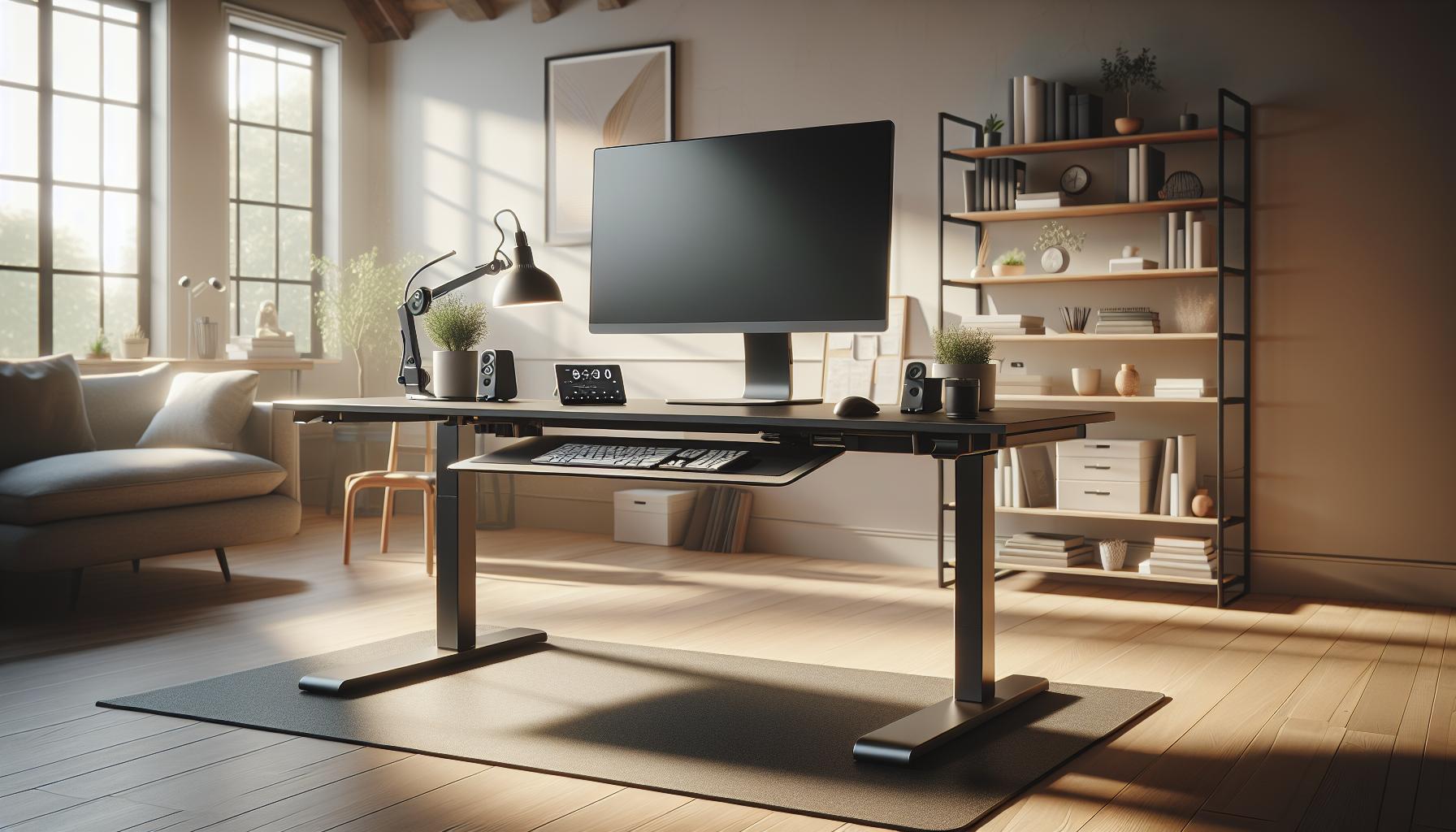
Essential Ergonomic Setup for Your Standing Desk
To achieve the optimal benefits from your standing desk, a thoughtful ergonomic setup is essential. With the right adjustments, you can significantly enhance comfort, reduce fatigue, and promote better focus and productivity. Start by ensuring your desk height allows your elbows to be at a comfortable 90-degree angle or slightly obtuse when typing. The keyboard should be positioned so that your wrists remain straight and relaxed; consider using a wrist rest for added support.
Monitor placement is crucial for maintaining neck and eye health. The top of your monitor screen should be at or just below eye level, about an arm’s length away. This positioning helps minimize neck strain and encourages a more natural posture. If you find yourself tilting your head down or excessively upward, adjust your setup until you can maintain a neutral and relaxed stance. For those using multiple monitors, arrange them in a way that avoids awkward twisting of the body, ensuring visual harmony.
In addition to desk and monitor adjustments, it’s vital to consider your footwear and the surface you’re standing on. Wear supportive shoes to reduce fatigue and consider using an anti-fatigue mat for additional cushioning. Frequent movement is also essential-aim to shift your weight from one leg to another or incorporate small movements to keep your circulation flowing. You can take it a step further by integrating gentle stretching into your routine, especially for the back, hips, and legs, to prevent stiffness.
Creating a personalized workspace that prioritizes ergonomic principles does more than enhance comfort; it also positively impacts your overall workplace wellness and cognitive health. By investing time in adjusting your standing desk ergonomics, you lay the foundation for a healthier, more productive workday. Remember, these changes not only help keep discomfort at bay but also empower you to maintain focus and creativity while working.
Step-by-Step Guide to Transitioning to a Standing Desk
Transitioning to a standing desk can feel daunting, but with the right approach, you can make this shift smoothly and safely. Experts recommend easing into a standing desk routine rather than making the leap all at once. This not only helps your body adapt to the new posture but also minimizes the risk of discomfort or fatigue often associated with prolonged standing. Here’s a step-by-step guide to help you transition effectively.
1. Start Slow
Begin by incorporating short standing sessions into your daily routine. For instance, try standing for 15-30 minutes every hour. Gradually increase the duration as your body gets accustomed to the change. This incremental approach not only helps build stamina but also enables your muscles and joints to adapt without overwhelming strain.
2. Position Your Desk Correctly
To achieve maximum benefits from your standing desk, ensure it’s set at the right height. When standing, your elbows should be at a 90-degree angle, and your wrists should remain straight while typing. Adjust your monitor so that the top of the screen aligns with your eye level, which will help maintain a neutral neck position and reduce strain.
3. Invest in Proper Footwear and Accessories
Good footwear plays a vital role in your comfort while standing. Choose supportive shoes that provide adequate arch support and cushioning. Additionally, consider using an anti-fatigue mat which can significantly reduce discomfort and fatigue associated with standing for extended periods.
4. Incorporate Movement
Standing still for long periods can cause fatigue just as sitting can. To combat this, incorporate movement throughout your day. Shift your weight from one foot to the other, take short walks around your workspace, or engage in light stretching. These small actions can improve circulation and keep your energy levels up.
5. Listen to Your Body
Pay attention to how your body responds to standing. If you start feeling discomfort or fatigue, it’s essential to take breaks and sit down as needed. Consider alternating between sitting and standing to find the right balance that suits your work style.
By implementing these strategies, not only can you ensure a more comfortable transition to a standing desk, but you can also enhance your productivity and overall workplace wellness. Embrace your new workspace proactively, and remember that every small step counts towards creating a healthier work environment.
Managing Common Discomforts with Standing Desks
Switching to a standing desk can enhance your work life, but it can also lead to discomfort if not managed properly. Surprisingly, studies indicate that nearly 50% of people experience discomfort when using a standing desk, especially if they transition too quickly or don’t utilize proper ergonomic practices. To navigate this shift successfully, understanding how to manage common discomforts is essential for maintaining both physical comfort and productivity.
One of the primary discomforts associated with standing desks is fatigue in the legs and feet. Over time, prolonged standing can lead to muscle fatigue, soreness, or even conditions such as plantar fasciitis. To alleviate this, it’s beneficial to wear supportive footwear and consider integrating an anti-fatigue mat under your desk. These mats provide cushioning and promote better posture, helping to distribute weight and reduce pressure on your joints. Additionally, regularly changing your stance and shifting weight from one foot to the other can enhance circulation and reduce fatigue.
Another common issue relates to the back and neck. Poor posture while standing-often due to an improperly set desk height-can exacerbate discomfort. To combat this, ensure that your desk is adjusted so that your elbows are at a 90-degree angle when typing, and your monitor is at eye level to maintain a neutral neck position. Utilizing a chair that encourages good posture can also be beneficial during breaks. Incorporating stretching exercises throughout the day can further help relieve tension; gentle neck rolls, shoulder shrugs, and lower back stretches can keep muscles engaged and prevent stiffness.
It’s important to listen to your body as you adapt to a standing desk. Start by incorporating standing sessions gradually, as this allows your body to adjust to the new posture without overwhelming strain. If discomfort arises, consult with a health professional or ergonomist who can provide personalized recommendations. Regular breaks-whether sitting, walking, or performing light stretches-are crucial. This not only helps in reducing discomfort but also improves overall cognitive performance and keeps your energy levels elevated. By being proactive and establishing a routine that incorporates movement and posture checks, you’ll create a sustainable and enjoyable working environment.
Best Practices for Maintaining Focus and Energy
A productive workday can often feel elusive, but maintaining focus and energy while using a standing desk can significantly enhance your cognitive performance. Research shows that switching to a standing desk can lead to increased engagement and reduced fatigue, but it’s essential to implement best practices to maximize these benefits. By incorporating specific strategies into your daily routine, you can harness the full potential of your standing desk, paving the way for both productivity and wellness.
One effective approach is to embrace movement throughout your day. Standing does not mean being stagnant; incorporate micro-movements or short walks to stimulate blood flow and invigorate your mind. Set a timer to remind yourself to switch positions or take short breaks every 30 minutes. This can be a simple walk around your office or a few stretches to relieve tension. Consider utilizing a walking desk or a treadmill to blend productivity with physical activity during brainstorming sessions or conference calls.
Stay Hydrated and Nourished
Maintaining proper hydration is another key practice that underpins focus and energy levels. Keep a water bottle at your desk to encourage regular sips throughout your workday. Proper hydration can enhance cognitive function, boosting concentration and reducing feelings of fatigue. Similarly, opt for brain-boosting snacks, like nuts, fruits, or yogurt, which provide sustained energy without the sugar crash that junk food might induce.
Optimize Your Environment
Creating an inspiring workspace can also significantly affect your concentration and motivation. Personalize your standing desk area with items that inspire you, such as plants, photographs, or motivational quotes. Adjust the lighting to suit your preferences and reduce glare on your screen. Consider using noise-canceling headphones with soft music or ambient sounds to help block distractions and create an environment conducive to concentration.
Lastly, practice mindfulness and stress management techniques. Simple breathing exercises can help center your focus and alleviate any stressors that may arise throughout your workday. Incorporating brief moments of mindfulness can sharpen your cognitive abilities and foster emotional resilience, allowing you to adapt your energy levels to the demands of your work. By integrating these practices, you’ll not only maintain your focus and energy but also enhance your overall workplace wellness in a standing desk setting.
Addressing Workplace Stress with Standing Desk Solutions
Adopting a standing desk can be a transformative strategy for managing workplace stress, as it fosters a more active, dynamic environment that can alleviate both physical and mental strain. Research indicates that prolonged sitting is linked to a range of health issues, including increased anxiety and depression. By implementing a standing desk, you not only promote better posture but also encourage movement, which has been shown to release endorphins, the body’s natural stress relievers. This simple shift in your workspace can contribute to a more positive and energized mindset throughout the workday.
Incorporating regular movement into your routine is vital for both physical comfort and mental clarity. Set reminders to shift your weight, stretch, or take a brief walk every 30 to 60 minutes. Engaging in these micro-breaks can serve as a mental reset, reducing feelings of overwhelm and enhancing focus. Moreover, consider integrating simple desk exercises or stretches specifically tailored for a standing position, such as calf raises or shoulder rolls, into your daily schedule. These practices not only combat stiffness but also elevate your mood and productivity.
Another effective strategy is to personalize your standing desk setup in a way that reduces stress. Research shows that a well-designed workspace can enhance cognitive performance and job satisfaction. Utilize tools like footrests to shift your weight and adjustable desk mats to promote comfort while standing. Enhance your environment with plants, inspiring quotes, or artwork-these elements can create a more soothing atmosphere and foster creativity. Additionally, if noise is a concern, consider noise-canceling headphones or playing calming music to help maintain focus amidst potential distractions.
Finally, integrating mindfulness techniques into your daily routine can greatly mitigate workplace stress. Studies have shown that brief moments of mindfulness, such as deep breathing exercises, can help center your thoughts and reduce anxiety. Even a minute or two of focused breathing while standing can reset your mental state, allowing you to approach tasks with renewed energy and clarity. By adopting a standing desk along with these supportive practices, you can create a holistic approach to managing workplace stress, ultimately enhancing both your well-being and productivity.
Real User Experiences: Standing Desk Success Stories
Making the switch to a standing desk has transformed the work experiences of many individuals, leading to improved health and productivity. For instance, Sarah, a graphic designer, discovered that after just a few weeks of using a sit-stand desk, her chronic back pain significantly decreased. She felt more energetic throughout the day and could focus for longer periods without feeling fatigued. Sarah now advocates for standing desks among her colleagues, noting how easy it is to alternate between sitting and standing, which enhances her comfort during extended creative sessions.
Another user, Mark, a software engineer, initially skeptical about the standing desk craze, decided to give it a try after struggling with lethargy and frequent headaches from long hours of desk work. He reported that within a month of using a standing desk, his headache symptoms diminished and he experienced increased mental clarity and focus. He attributes this boost to the enhanced circulation and movement that a standing desk encourages. Mark’s experience underscores the potential cognitive benefits, as he now feels more engaged and productive, resulting in higher quality work and improved collaboration with his teammates.
Users also share their tips on managing discomfort when transitioning to standing desks. Jessica, a marketing manager, suggests incorporating comfortable footwear and utilizing anti-fatigue mats to alleviate any strain on the feet and legs. By adjusting her desk height and taking regular movement breaks, she found an ideal balance that keeps her energized without sacrificing comfort. She emphasizes the importance of gradually increasing standing time, allowing the body to acclimatize while still enjoying the benefits of reduced sitting time.
Ultimately, these success stories illustrate that investing in a standing desk can lead to significant improvements in workplace wellness. When equipped with practical strategies and a supportive setup, users can facilitate a healthier and more productive work environment. From alleviating physical discomfort to boosting cognitive performance, real-world experiences provide compelling evidence for the positive impact of standing desks in various work settings, encouraging others to consider this beneficial shift in their daily routines.
Comparing Standing Desks: Types and Prices Explained
When considering a investment in a standing desk, it’s important to understand the variety of options available, as well as the pricing associated with them. Different types of standing desks cater to various work styles and budgets, ensuring that everyone can find a solution tailored to their unique needs. From simple models that allow you to adjust your existing desk height to full-featured electric sit-stand desks, the options can be overwhelming but also exciting.
Types of Standing Desks
- Manual Standing Desks: These desks are typically the most affordable. They often include a lever or crank mechanism that allows you to adjust the height manually. While they are cost-effective, they may require more physical effort to set up.
- Electric Standing Desks: These desks feature a motorized system that makes it effortless to adjust height at the push of a button. They tend to come with more features, such as programmable settings for preferred heights, but they also come at a higher price point.
- Desk Converters: If you’re not ready to replace your existing desk, converters are a great option. These sit on top of your current desk and can be adjusted to standing height. They are often portable and generally less expensive than purchasing a new desk.
- Height-Adjustable Tables: These are often larger and designed for collaborative work environments. They allow for adjustments to accommodate multiple users and can support various activities, from meetings to group work.
Price Ranges
Standing desks vary significantly in price based on their features and construction. Here’s a general guide to what you might expect:
| Type | Price Range |
|---|---|
| Manual Standing Desks | $150 – $400 |
| Electric Standing Desks | $300 – $1,200 |
| Desk Converters | $100 – $300 |
| Height-Adjustable Tables | $500 – $1,500 |
Price isn’t everything; quality and ergonomics are key considerations as well. When investing in a standing desk, look for models that offer robust stability, a wide height range to suit both sitting and standing postures, and necessary adjustability features. Research user reviews and expert recommendations to ensure that you make an informed choice that aligns not only with your budget but also with your workplace wellness goals.
Choosing the right standing desk can significantly enhance your work experience, boost productivity, and support your overall health. Remember, it’s about finding the right balance that works for you, enabling you to create a healthier, more dynamic workspace.
Tips for Creating a Balanced Sitting and Standing Routine
Embracing a balanced approach to your sitting and standing routine can revolutionize your workday, promoting not only physical well-being but also enhanced productivity and brain health. Studies reveal that alternating between sitting and standing can help combat fatigue, improve mood, and boost focus. To harness these benefits, consider the following strategies that will empower you to create a dynamic and energizing workspace.
Starting your day with a clear plan is essential. Aim to incorporate standing intervals strategically throughout your day. For instance, you could begin by standing for 30 minutes at the start of your work session, followed by a sitting period of one hour. This pattern allows your body to acclimate gradually. You can adjust these intervals based on personal comfort and productivity levels. Keeping an eye on a timer or utilizing productivity apps can help you stick to your schedule without being constantly mindful of the clock.
To make your transitions more seamless, set up an ergonomic workspace that encourages movement. Ensure your standing desk is set at correct height – your elbows should form a 90-degree angle while typing. Incorporate an anti-fatigue mat to support your feet during standing periods, and consider using a footrest or shifting your weight between legs to prevent discomfort. Additionally, simple exercises, such as stretching or calf raises, can be performed during standing times to keep your blood circulation active and maintain energy.
Lastly, listen to your body. As you iterate on your perfect routine, be mindful of any signs of discomfort or fatigue, and don’t hesitate to adjust your standing and sitting intervals accordingly. For long-term sustainability, aim for a balance that feels natural and invigorating, celebrating small wins along the way. By cultivating a flexible and engaging work environment, you’re not just investing in your physical health but also powering up your cognitive performance and overall workplace happiness.
Expert Recommendations for Sustaining Healthy Work Habits
In today’s fast-paced work environment, maintaining healthy work habits is essential for both physical well-being and cognitive performance. Research shows that implementing evidence-based strategies can significantly enhance productivity and mood, while also fostering workplace satisfaction. Incorporating practices such as regular movement, mindful breaks, and purposeful ergonomics can create a balanced routine that counters the negative effects of sedentary behavior.
Incorporating Movement
To sustain healthy work habits, it’s important to integrate movement throughout your day. Aim for short exercise bursts or stretching every 30 to 60 minutes. This could be as simple as a five-minute walk around the office or a quick series of desk stretches to improve circulation and reduce muscle tension. Consider using reminders or apps designed to alert you when it’s time to stand up or shift your posture.
Ergonomic Awareness
An ergonomic workspace is key to minimizing strain and enhancing productivity. Ensure your standing desk is properly adjusted, with your screen at eye level and your keyboard positioned to allow a neutral wrist posture. Utilize supportive accessories such as ergonomic chairs when sitting, anti-fatigue mats while standing, and footrests to encourage a better posture. These adjustments not only enhance comfort but also contribute to long-term health benefits, reducing the risk of chronic issues related to poor ergonomics.
Mindful Breaks and Recharge Strategies
Mindfulness can play a significant role in elevating workplace wellness. Taking structured breaks to breathe deeply, meditate, or even engage in a brief mental exercise can refresh your cognitive resources. Incorporating techniques like the Pomodoro Technique, which consists of timed focused periods followed by short breaks, can help maintain high levels of focus without feeling overwhelmed.
Ultimately, creating a responsive routine tailored to your needs is vital. Experiment with various strategies and adjust based on your comfort and productivity levels. Recognize that cultivating healthy work habits takes time, so be patient with yourself and celebrate the small victories along the way. By fostering an environment that prioritizes both movement and mindfulness, you are on the path to achieving not just better work habits but also improved overall well-being.
Q&A
Q: What are the key benefits of using a standing desk?
A: Standing desks offer several benefits, including improved posture, reduced back pain, and increased energy levels. They can also enhance productivity and focus by promoting movement throughout the day. For more information, check out the section on the Benefits of Using a Standing Desk for Workplace Wellness.
Q: How do I choose the right standing desk for my needs?
A: When selecting a standing desk, consider factors such as height adjustability, surface area, and weight capacity. Additionally, look for ergonomic features that promote a comfortable setup. Refer to the Key Features to Look for in a Standing Desk section for detailed guidance.
Q: Can using a standing desk help with weight management?
A: Yes, using a standing desk can contribute to weight management by encouraging more calorie burn compared to sitting. It also promotes movement and activity throughout the workday, fostering healthier habits. For a deeper understanding, see the article’s sections on maintaining focus and energy.
Q: What are some common discomforts associated with standing desks?
A: Common discomforts include fatigue, foot pain, and lower back strain. To mitigate these issues, ensure your desk is set up ergonomically, take regular breaks to sit or move, and consider using a footrest. For more tips, explore the Managing Common Discomforts with Standing Desks section.
Q: How long should I stand when using a standing desk?
A: It’s recommended to alternate between sitting and standing throughout the day. A common guideline is to aim for standing 15-30 minutes for every hour of work. For tips on balancing your routine, check the Tips for Creating a Balanced Sitting and Standing Routine section.
Q: Will a standing desk improve my productivity?
A: Yes, many users report increased productivity when using standing desks due to enhanced focus and energy levels. Standing can also decrease the likelihood of fatigue. For insights into productivity, read the sections on Best Practices for Maintaining Focus and Energy.
Q: How can I transition to using a standing desk effectively?
A: Ease into using a standing desk by gradually increasing your standing time. Start with short intervals and build up as your body adjusts. For a comprehensive transition plan, refer to the Step-by-Step Guide to Transitioning to a Standing Desk section.
Q: Are there specific standing desk types for different work environments?
A: Yes, various types of standing desks cater to different settings, including manual and electric adjustments. Some models also accommodate multiple users. For an in-depth comparison, explore the Comparing Standing Desks: Types and Prices Explained section.
The Way Forward
As you weigh the benefits of investing in a standing desk, remember that enhancing your workspace can significantly boost your workplace wellness and overall cognitive performance. By transitioning to a standing desk, you can promote better posture, increase energy levels, and reduce the risks associated with prolonged sitting. Don’t hesitate to take action-transform your workspace today and experience the difference firsthand!
Explore our detailed guides on creating ergonomic workspaces and optimizing your daily habits for brain health. Curious about how standing desks can influence stress management? Check out our tips on integrating mindfulness and movement into your workday. Join our newsletter for more insights and practical tools tailored to elevate your work-life harmony. Your productivity and well-being are just a decision away!