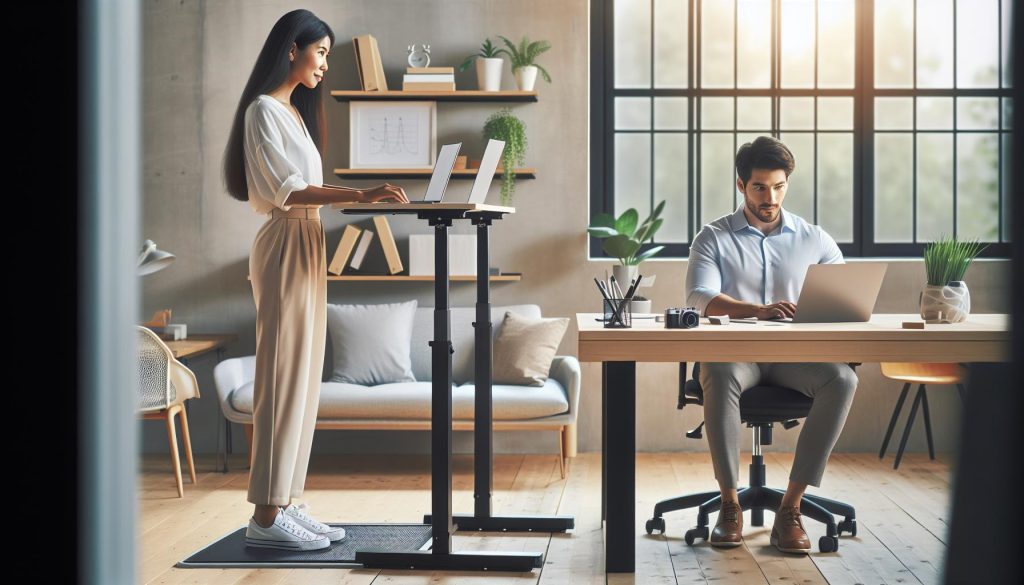
In today’s increasingly desk-bound work environment, a pressing question arises: Is standing better than sitting at a desk? Studies reveal that prolonged sitting can lead to a myriad of health issues, including obesity and cardiovascular disease. As you navigate your daily tasks, you may find yourself grappling with fatigue and discomfort that impact your productivity and overall well-being. By exploring the benefits of standing while working, you not only have the opportunity to improve your posture and energy levels but also to enhance your cognitive function and focus. This article delves into the surprising advantages of transitioning to a standing desk, providing insights and practical tips that can empower you to make healthier choices in your work life. Join us as we uncover how making simple adjustments to your workspace can lead to better health outcomes and heightened workplace satisfaction.
The Benefits of Standing Desks for Health and Wellness
Adopting a standing desk can serve as a pivotal change in your work environment, potentially leading to significant health and wellness benefits. Studies have shown that standing more while working can help mitigate the adverse effects of prolonged sitting, which is often associated with increased risks of obesity, cardiovascular disease, and even certain types of cancer. By integrating standing into your work routine, you can promote better metabolic health, decrease blood sugar levels, and improve circulation, contributing not just to physical well-being, but also to enhanced mental clarity and productivity.
One of the most notable advantages of standing desks is their positive impact on posture and musculoskeletal health. Transitioning from a seated to a standing position encourages a more aligned spine and can alleviate the common back and neck pain that many office workers experience. When combined with proper ergonomic practices-like ensuring your monitor is at eye level and your keyboard is comfortably positioned-standing desks can substantially support a healthier body posture over time. To maximize these benefits, consider alternating between sitting and standing throughout the day, which promotes movement and helps maintain overall energy levels.
In addition to physical benefits, studies suggest that standing desks can boost cognitive function and productivity. Engaging in an upright position may stimulate activity in areas of the brain related to alertness and creativity. Moreover, the act of standing can help combat the midday fatigue that often plagues desk workers, leading to increased focus and efficiency. For those looking to enhance their work performance and mental acuity, adopting a standing desk could be a transformative choice.
Finally, embracing a standing desk is not just about standing all day; it’s about making a conscious effort to move more. Incorporating regular movement, such as stretching or walking, throughout your workday can further enhance these benefits. Programs that encourage active engagements, whether through walking meetings or quick break exercises, can significantly improve both physical health and workplace morale. By embracing the shift from a sedentary lifestyle to a more balanced approach that includes standing and movement, you are taking a proactive step towards a healthier and more productive work experience.
Sitting versus Standing: What Research Shows
Research indicates that the shift from sitting to standing at work can yield significant health improvements, reshaping our understanding of workplace ergonomics. A growing body of studies suggests that prolonged sitting is linked to various health risks, including obesity, diabetes, cardiovascular problems, and even a higher likelihood of premature mortality. This alarming information has motivated many workers and employers to explore alternatives, such as standing desks, as a means to mitigate these risks.
Empirical studies provide compelling evidence about the benefits of standing during work hours. For instance, research published in journals like “Preventive Medicine” highlights that individuals who incorporate standing into their daily routines often report lower levels of fatigue and a greater overall sense of well-being. In practical terms, standing can also contribute to increased metabolic activity, helping to burn more calories compared to a sedentary position. On average, standing burns approximately 50% more calories than sitting, which can accumulate significantly over time, especially when combined with other physical activities throughout the day.
However, transitioning from sitting to standing is not solely about the physical benefits; cognitive performance is also enhanced. Studies have shown that standing can improve focus and encourage more creative thinking. When the body is engaged and active, it sends signals that enhance brain function, leading to sharper concentration and better productivity. Participants in standing desk studies have reported awakening mental clarity and even a reduction in stress levels, which can collectively augment workplace efficiency.
Despite these advantages, it’s important to listen to our bodies. Standing for long periods can lead to discomfort, so finding a balance is crucial. Creating an ergonomic workspace, alternating between sitting and standing, and incorporating movement can ensure that individuals experience the benefits of both positions. By integrating these practices into daily routines, workers can harness the full potential of standing desks and foster a healthier, more productive work environment.
How Standing Improves Posture and Reduces Pain
Research shows that maintaining a standing position throughout the workday can significantly improve posture and alleviate common discomforts associated with prolonged sitting. When individuals sit for extended periods, particularly in poorly designed workspaces, they often develop a slouched posture, which can lead to musculoskeletal pain, particularly in the back, neck, and shoulders. By contrast, standing desks encourage a more upright posture, allowing the spine to align naturally and spreading weight evenly across the body.
Enhanced Postural Alignment
Standing activates the core muscles, promoting better spinal alignment. Engaging these muscles helps prevent the sagging usually seen in sitting. A simple adjustment while standing can enhance your posture: ensure your head is in line with your spine, your shoulders are back, and your feet are flat on the floor. Utilizing a footrest can further benefit posture by allowing slight shifts in weight distribution, which reduces fatigue and discomfort.
Reducing Discomfort and Pain
Individuals who integrate standing into their work routine often report a decrease in chronic pain and discomfort. Research published in “Ergonomics” indicates that transitioning from a sitting to a standing position can help reduce lower back pain by as much as 32%. Furthermore, regular movement throughout your day-whether standing or walking-facilitates blood circulation, reducing achiness and stiffness frequently experienced after long hours in a chair.
To effectively utilize a standing desk while minimizing discomfort, consider these practical steps:
- Establish an Ergonomic Workspace: Adjust your desk height so that your elbows are at a 90-degree angle when typing.
- Use Supportive Footwear: Choosing shoes with adequate support can greatly influence comfort levels.
- Incorporate Anti-Fatigue Mats: Standing on cushioned mats can alleviate pressure on your feet and legs.
- Alternate Between Sitting and Standing: Set a timer to switch positions every 30 to 60 minutes to avoid overexertion.
By adopting these practices, individuals can experience the full benefits of standing desks, transforming their work environment into one that prioritizes both comfort and productivity.
The Impact of Standing on Cognitive Function
Research has increasingly shown that standing more often during the workday can play a significant role in enhancing cognitive function. When you stand, your body engages in a more active posture, which can boost blood circulation and oxygen flow to the brain. This increase in blood flow is critical because the brain requires a constant supply of oxygen to operate at its best.
Studies indicate that standing while working can improve attention span, creativity, and overall job performance. For instance, one study found that participants who used standing desks scored higher on various cognitive tasks than those who remained seated. This could be attributed to the fact that standing encourages intermittent movement, which stimulates the brain and helps maintain energy levels.
Aside from short-term cognitive benefits, adopting a standing work position may also contribute to long-term brain health. Engaging in regular movement-whether standing or incorporating walking breaks-can positively influence neuroplasticity, the brain’s ability to reorganize itself by forming new neural connections. This adaptability is crucial for learning, memory, and mental agility.
To reap these cognitive benefits, it’s essential to set up your workspace thoughtfully. Ensure your standing desk is at a comfortable height to maintain good posture while working. Incorporate regular breaks to stretch or walk, as these actions can help refresh your mind and prevent fatigue. Additionally, listening to music or podcasts can further stimulate your brain as you work standing up, making the experience both enjoyable and productive.
Emphasizing movement and engagement in your daily routine can create an environment conducive to improved cognitive performance, ultimately leading to enhanced productivity and better overall workplace wellness.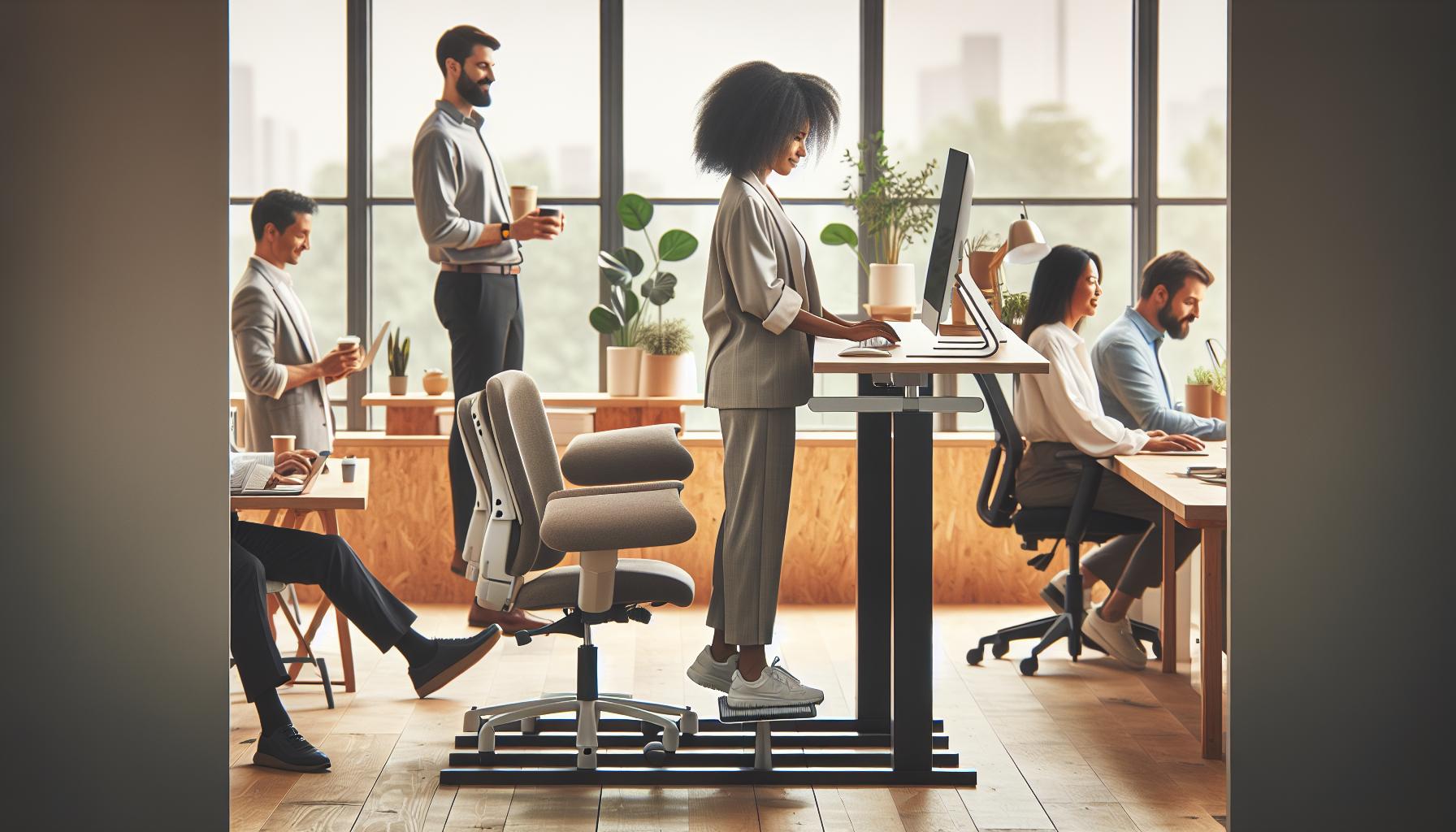
Ergonomic Considerations for Standing Workspaces
Creating an ergonomic standing workspace is essential for maximizing the health benefits associated with standing desks while minimizing any potential discomfort. Studies show that improper setup can lead to fatigue, discomfort, and even musculoskeletal issues. To truly benefit from the advantages of frequent standing, it’s important to pay attention to a few key elements of your workspace.
First, the height of your desk is critical. A well-adjusted standing desk should enable your elbows to remain at a 90-degree angle or slightly obtuse when typing. Your screen should be at eye level, allowing you to maintain a neutral neck position. Many experts recommend that the top of your monitor should be at or just below eye level, which can help prevent neck strain. To accommodate these needs, consider investing in a monitor stand or adjustable accessories to elevate your screen to the proper height.
Another important ergonomic consideration is your footwear. A supportive pair of shoes can significantly affect your comfort level throughout the day. Avoid flat shoes or high heels; instead, choose footwear that provides cushioning and arch support. Additionally, using an anti-fatigue mat can make a considerable difference, helping to reduce discomfort by providing a softer surface for your feet, encouraging movement, and promoting better circulation.
To cultivate a wellness-focused workspace, it’s also essential to incorporate movement into your routine. This includes simple stretching exercises or brief walks every 30 minutes to counteract the static posture of standing. You might even consider using a footrest or a small stool to alternate your weight between legs throughout the day, enhancing your comfort and helping to relieve tension.
Lastly, lighting plays a pivotal role in an ergonomically optimized workspace. Ensure that your workspace is well-lit to reduce eye strain, especially if you’re using digital devices. Natural light is beneficial, but if that’s not feasible, select a quality desk lamp that can be adjusted to minimize glare on screens.
By investing time in setting up your standing workspace thoughtfully, you can enjoy the cognitive and physical benefits of standing desks while promoting a healthier, more productive work environment.
Best Practices for Transitioning to Standing Desks
Transitioning to a standing desk can be a game changer for your health and productivity, but it requires thoughtful planning and adjustment. Many people underestimate the importance of a gradual shift, which not only helps your body adapt but also maximizes the benefits of this new workspace dynamic. To effectively transition, consider these practical steps that empower you to embrace a standing work routine while minimizing discomfort.
Start by integrating standing into your daily routine slowly. Rather than jumping from sitting all day to standing all day, aim for a mix of both. Begin with 15 to 30 minutes of standing every hour, gradually increasing that time as your body adjusts. This gentle approach helps reduce muscle fatigue and discomfort, allowing you to acclimate without overwhelming your body. Utilize a timer or app to remind you to switch between sitting and standing throughout the day.
Another crucial aspect is setting up your workspace ergonomically to support your new standing routine. Ensure that your standing desk is at the right height, ideally allowing your elbows to rest comfortably at a 90-degree angle with your hands positioned slightly above your keyboard. Arrange your monitor so that the top of the screen is at or just below eye level to maintain a neutral neck position. Investing in anti-fatigue mats can also significantly enhance your comfort by providing cushioning that encourages subtle movement and better circulation.
To further aid the transition, consider footwear carefully. Wearing supportive shoes can drastically reduce fatigue and enhance your overall standing experience. Avoid hard, flat shoes or high heels, and opt for footwear that provides arch support and cushioning. Additionally, incorporating micro-movements-like gentle bending, shifting your weight from one leg to another, or even performing light stretches-can improve circulation and alleviate stiffness throughout the day.
To maintain a balanced approach, keep in mind that sitting is not inherently detrimental. The key to workplace wellness lies in truly understanding that embracing a dynamic work posture-where you alternate between sitting and standing-can lead to optimal health outcomes. Monitor how your body reacts and adjust your routine as needed. If you experience persistent discomfort, consider consulting a health professional to ensure that your setup is conducive to your physical health and productivity goals.
By taking a thoughtful and balanced approach to incorporating standing into your work routine, you can effectively improve your work environment while supporting your overall well-being and productivity.
Potential Drawbacks of Standing All Day
While standing desks have garnered acclaim for promoting better health and productivity, standing all day is not without its challenges. Prolonged standing can lead to discomfort and even physical health issues if not managed properly. According to research, workers standing for long periods may experience increased fatigue and discomfort in their legs, back, and feet, potentially leading to chronic pain over time.
One notable downside is the strain it places on certain areas of the body. Standing continuously can lead to issues including repetitive strain injuries and conditions like varicose veins due to the pressure exerted on the veins in the lower body. Investing in supportive footwear and alternating positions throughout the day can mitigate these effects. Consider using a footrest to shift your weight and allow for better circulation.
Moreover, the mental fatigue that can accompany prolonged standing should not be overlooked. Just as sitting for long stretches can lead to lethargy, standing too much may result in a different kind of exhaustion. Cognitive overload can occur, impacting focus and productivity. For this reason, implementing scheduled breaks for sitting or movement not only allows for physical rest but also helps refresh mental stamina.
It’s essential to recognize that the ultimate goal is not a rigid adherence to standing. A balanced approach, incorporating both sitting and standing throughout the day, is necessary for maintaining optimal health and wellness in the workplace. Monitoring one’s body and being attuned to signs of discomfort can help individuals create a more nurturing and effective work environment. Regularly consult with healthcare providers, especially if experiencing persistent issues, to find tailored solutions that support both physical and cognitive well-being.
Incorporating Movement: The Role of Active Workstations
In a world where sedentary lifestyles have become the norm, incorporating movement through active workstations is revolutionizing how we approach productivity and wellness in the workplace. These innovative setups are designed to encourage bodily movement while we work, fundamentally changing our interactions with our desks and promoting healthier habits throughout the day. Studies show that simple adjustments-such as integrating standing desks, treadmill desks, or even desk cycles-can significantly enhance both physical health and cognitive performance.
An effective way to maximize the benefits of an active workstation is to apply the principle of micro-movement. This concept advocates for frequent, small bursts of activity rather than adhering to prolonged periods of sitting or standing. For example, during video calls, consider standing up instead of sitting; this not only encourages better posture but also helps keep energy levels high. Additionally, you can set a timer to remind you to switch positions or engage in brief exercises such as calf raises, desk push-ups, or stretching. These quick adjustments can lead to improved circulation and reduced stiffness, counteracting the drawbacks of prolonged immobility.
Tips for Setting Up an Active Workstation
To create an active workstation that promotes movement effortlessly, consider the following tips:
- Height-Adjustable Desks: Opt for a desk that can easily transition between sitting and standing. This versatility allows you to change your working position throughout the day, keeping your body engaged.
- Exercise Balls or Balance Boards: Incorporate stable alternatives like exercise balls or balance boards for sitting. They engage your core and promote better posture while keeping your muscles active.
- Walking Meetings: When possible, take meetings on the move. This not only incorporates movement but also boosts creativity and problem-solving skills.
- Desk Accessories: Use tools such as under-desk treadmills or stationary bikes for low-impact movements while typing or reading.
Establishing a culture that encourages movement not only fosters individual well-being but also enhances team dynamics. By organizing challenges or group activities, such as step competitions, workplaces can create an environment that motivates employees to prioritize their health. As we continue to explore active workstations, it’s essential to listen to our bodies and find a balance that works-for every individual will have their unique needs and preferences. Embracing movement at work is more than a trend; it’s a commitment to fostering long-term health and productivity.
Tips for Managing Fatigue While Standing
Standing for extended periods can lead to fatigue, discomfort, and even health complications if not managed effectively. It’s essential to adopt strategies that help mitigate these effects while maximizing the benefits of a standing desk. To maintain energy and focus throughout the day, consider implementing the following practices that encourage movement, rest, and proper ergonomics.
First and foremost, pay attention to your footwear. Wearing supportive shoes can make a significant difference in how your body handles the strain of standing. Choose shoes with cushioning and arch support to reduce fatigue in your feet and legs. Additionally, using anti-fatigue mats can provide a softer standing surface that promotes comfort and encourages micro-movements, further reducing strain.
Another effective approach is to integrate movement breaks into your routine. Set a timer to remind yourself to take short breaks every 30 to 60 minutes. During these breaks, step away from your workstation to stretch, walk around, or perform light exercises, such as calf raises or leg swings. This practice not only revitalizes your muscles but also boosts circulation, preventing stiffness and fatigue. You can even consider using a fitness tracker or app that reminds you to move, making it easier to stay active throughout the day.
Maintaining proper posture is crucial in managing fatigue while standing. Ensure that your monitor is at eye level and that your elbows are at a 90-degree angle when typing. Keeping your weight evenly distributed between both feet can also alleviate pressure on specific joints. If possible, utilize a footrest or small stool to shift your weight periodically and give your legs a break.
Setting up a standing workstation with ergonomic adjustments can be a game-changer. Here are some basic tips to optimize your space:
- Monitor Height: Position your monitor so that the top is at or slightly below eye level.
- Keyboard Position: Your keyboard should be close enough that your elbows remain at your sides while typing.
- Foot Placement: Keep your feet flat on the ground, and use a footrest to elevate one foot occasionally if necessary.
Incorporating these strategies into your daily routine helps create a sustainable standing habit that minimizes fatigue and supports overall well-being. By blending movement, proper posture, and mindful practices, you can enjoy the advantages of standing while ensuring that discomfort doesn’t become a barrier to productivity. Prioritize listening to your body, and make adjustments based on your comfort and energy levels throughout the workday.
Balancing Sitting and Standing for Optimal Health
Finding the right balance between sitting and standing can significantly enhance your overall health and productivity. Research has consistently shown that prolonged periods of sitting can lead to various health issues, including obesity, diabetes, and cardiovascular disease. However, while standing desks have emerged as a popular solution, standing too long without proper management can also create discomfort and fatigue. Therefore, a harmonious approach to your work routine that incorporates both positions is crucial for optimal well-being.
To effectively balance sitting and standing, consider adopting a flexible work schedule that allows for rotation between the two positions. For instance, you might start your morning sitting for the first hour while tackling tasks that require focus and concentration, then switch to standing after a break to maintain energy and engagement. A common recommendation is to aim for a 1:1 ratio-alternating between sitting and standing every 30 minutes. This strategy not only alleviates the stress on your body from maintaining one position for too long, but it also boosts circulation and keeps your muscles engaged.
Implementing a Hybrid Approach
To achieve a sustainable balance, integrate movement and resting strategies throughout your day:
- Use Technology: Utilize apps or timers to remind you to switch positions regularly. Many modern standing desks come with programmable settings that can assist in this transition.
- Listen to Your Body: Pay attention to signs of discomfort, fatigue, or loss of focus. Adjust your position according to your body’s feedback; if standing becomes tiring, take a break and sit.
- Create Zones: Designate specific areas in your workspace for sitting and standing tasks. This mental separation can help you switch more seamlessly between the two modes.
Remember, the goal is not to eliminate sitting altogether but to minimize excessive periods in either position. By making intentional choices about when to stand and when to sit, you can better support your cognitive function and physical health. This flexible approach not only contributes to your immediate comfort and energy levels but can also lead to long-term health benefits, improving your overall quality of life at work and beyond.
Real-life Success Stories: Improved Well-being from Standing
Many individuals have embraced standing desks as a transformative solution to improve their overall well-being, citing significant improvements in their work-life experiences. For instance, Sarah, a graphic designer, reported a marked decrease in her daytime fatigue and discomfort after switching to a standing desk. Initially skeptical, she gradually integrated standing into her work routine, eventually experiencing enhanced focus and creativity in her projects. Her story exemplifies how physical positioning can influence not only comfort but also productivity.
Another compelling case is that of Mark, a project manager, who struggled with chronic back pain due to long hours of sedentary work. After consulting with a wellness coach, he decided to invest in a height-adjustable desk and started alternating between sitting and standing throughout the day. Within weeks, he noticed a substantial reduction in pain levels and found himself able to concentrate better during meetings and while tackling complex tasks. Mark’s experience highlights the potential of standing desks to offer relief from discomfort that can derail productivity.
It’s essential to recognize that success stories often stem from a commitment to sustainable practices. Transitioning to a standing desk shouldn’t be seen as a single solution but as part of a broader lifestyle change that includes movement throughout the day. By incorporating short walking breaks or simple stretches, many users report substantial improvements in both physical and mental health. These individuals note a newfound energy that allows them to tackle their responsibilities with vigor and enthusiasm.
For those considering this shift, the key lies in personalizing the experience. Individual arrangement and comfort at the workstation can make all the difference. Experimenting with desk heights, using anti-fatigue mats, or even investing in supportive footwear are steps that can further enhance the standing desk experience. Such adjustments not only support physical health but also exhibit how the right environment fosters a more productive and enjoyable work life.
Future Trends in Workspace Design: Standing Desks and Beyond
The landscape of workplace design is rapidly evolving, driven by a growing awareness of health and wellness among employees and employers alike. Standing desks, once considered a niche trend, are now at the forefront of a broader movement focused on ergonomics, productivity, and cognitive wellbeing. As we look towards the future of workspaces, several key trends are emerging that promise to further enhance our physical and mental health while aligning with modern lifestyle needs.
The integration of technology into standing desk solutions is becoming more sophisticated. Smart desks equipped with sensors can monitor posture and movement, providing real-time feedback to users. These innovations encourage users to alternate their positions more effectively throughout the day, minimizing the risks associated with prolonged sitting or standing. For example, some models automatically adjust height based on user preferences or schedule reminders for breaks, promoting a more dynamic work environment that fosters movement.
Additionally, the influence of design thinking is ushering in more aesthetically pleasing, adaptable workspaces that prioritize user experience. Companies are recognizing that the environment greatly impacts employee satisfaction and productivity. By incorporating elements such as biophilic design-which integrates natural elements into the workspace-and customizable standing desks, organizations are creating spaces that not only support health but also inspire creativity. This approach is essential in fostering an engaging workplace that resonates with the employees’ need for connection to their environment.
Moreover, integrating wellness into workplace culture is critical. Employers are increasingly offering education on desk ergonomics and the importance of regular movement breaks. Workshops focused on stress management, mindfulness, and biohacking techniques empower employees to take control of their health. This holistic approach to workspace design goes beyond physical ergonomics-it encompasses mental health support, promoting a balanced approach that can lead to higher job satisfaction and retention rates.
In conclusion, as standing desks become a staple in modern offices, the future of workspace design looks to blend health, technology, and aesthetic appeal. Companies that embrace these trends not only enhance workplace wellness but also position themselves as forward-thinking, invested in the health and productivity of their workforce. The ultimate goal is to create an environment where individuals can thrive-both physically and mentally-leading to improved performance and overall job satisfaction.
Q&A
Q: What are the long-term health effects of standing desks?
A: Long-term use of standing desks can lead to improved posture, reduced back pain, and decreased risk of obesity and heart disease. However, it’s essential to balance standing with sitting to minimize fatigue and other potential discomforts. Incorporating movement throughout the day is also beneficial for overall health.
Q: Can using a standing desk improve productivity?
A: Yes, using a standing desk can boost productivity by enhancing energy levels and focus. Many users report feeling more alert and engaged while standing, which can lead to better work performance. However, personal preferences vary, so experimenting with different setups can help find the best balance.
Q: How can I prevent fatigue when using a standing desk?
A: To prevent fatigue while using a standing desk, alternate between sitting and standing, use an anti-fatigue mat, and take regular movement breaks. Stretching and shifting your weight from one leg to another throughout the day can help reduce discomfort and maintain energy levels.
Q: Are there specific ergonomic considerations for standing workstations?
A: Yes, ergonomic considerations for standing workstations include adjusting desk height to elbow level, keeping the monitor at eye level to reduce neck strain, and using supportive footwear. It’s also important to maintain a neutral wrist position while typing to minimize strain.
Q: How can I transition from sitting to standing while working?
A: To transition from sitting to standing, start by alternating between both positions for short intervals. Gradually increase the standing time as your body adapts. Incorporating movement, such as walking during phone calls, can ease the shift and enhance overall comfort.
Q: What are the psychological benefits of standing at work?
A: Standing at work can enhance mood and increase engagement by reducing feelings of lethargy. Increased energy levels contribute to a more positive work environment and greater overall satisfaction. Moreover, the act of standing can promote a proactive mindset and boost confidence.
Q: How does standing affect creativity and problem-solving?
A: Standing can positively influence creativity and problem-solving skills. The increased blood flow and engagement often lead to heightened alertness, fostering innovative thinking. Experimenting with standing while brainstorming or in collaboration can help spark new ideas and solutions.
Q: What types of standing desks are best for home offices?
A: The best standing desks for home offices are those that are adjustable, allowing for easy transitions between sitting and standing. Look for desks with a sturdy frame, a spacious work surface, and built-in cable management. Additional features, like programmable height settings, can enhance convenience and usability.
Closing Remarks
As you reflect on whether standing is indeed better than sitting at your desk, remember that optimizing your workspace can lead to significant improvements in your overall well-being and productivity. To assist you on this journey, explore our comprehensive guides on setting up ergonomic workplaces and healthy work habits. Don’t forget to check out our articles on stress management techniques and biohacking strategies to enhance your brain health.
Ready to take the next step? Sign up for our newsletter to stay updated with the latest insights on workplace wellness and cognitive performance. If you have questions or thoughts on your desk setup, feel free to share in the comments below. Your journey to a healthier work life starts now-embrace the change!