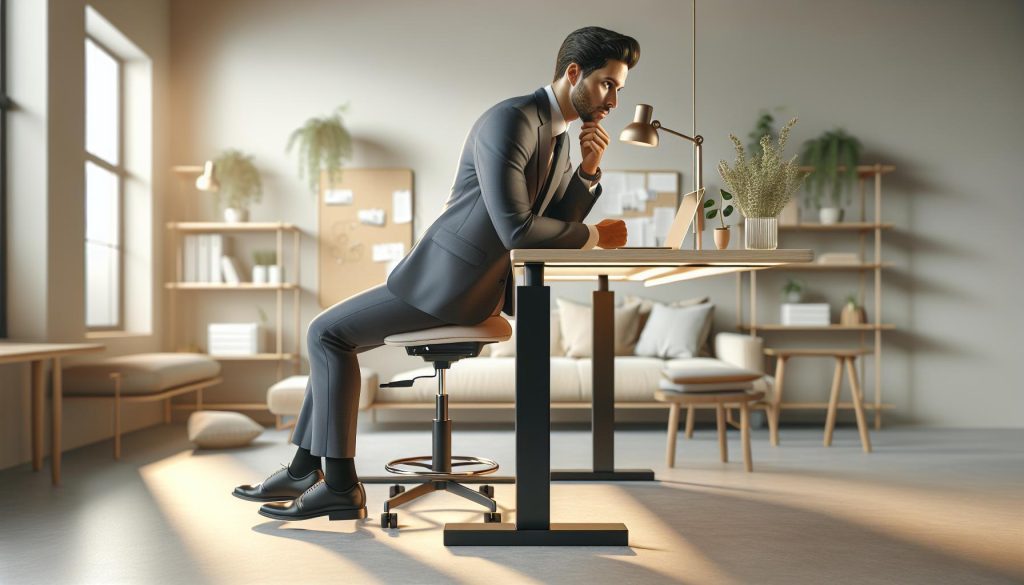
In today’s digital age, where the average person spends over seven hours a day sitting, the rise of standing desks is more than just a trend-it’s a response to a pressing health crisis. Studies show that prolonged sitting can lead to serious health issues, including obesity and cardiovascular disease. But, is investing in a standing desk a worthwhile decision for your overall well-being? Understanding the return on investment (ROI) for your health involves considering not just the financial cost, but also the significant benefits to your physical and cognitive health. By exploring the advantages of incorporating a sit-stand workstation into your daily routine, you can enhance productivity, reduce stress, and ultimately foster a healthier work environment. Join us as we delve into the practicalities of standing desks and how this simple shift could be a game changer for your health and work-life harmony.
Understanding the Benefits of Standing Desks for Health
In the modern workplace, the traditional notion of sitting for hours on end while working is increasingly being scrutinized. One compelling reason to consider a standing desk is the positive impact it has on your overall health. Numerous studies indicate that reducing sedentary time can lower the risks associated with chronic diseases, enhance your mood, boost energy levels, and improve both cognitive function and productivity. For instance, research suggests that standing desks can lead to lower blood pressure and improved blood sugar levels, making them a great option for health-conscious individuals looking to combat the detrimental effects of prolonged sitting [[1]](https://www.healthline.com/nutrition/7-benefits-of-a-standing-desk).
Beyond the physical benefits, standing desks can also play a role in enhancing mental wellness. Engaging in regular movement throughout the day helps to release endorphins, the body’s natural mood lifters, which can lead to improved focus and emotional well-being. Occupational therapist Michael Milicia highlights that taking breaks to stand, stretch, and move are essential for maintaining comfort and productivity during work [[2]](https://health.clevelandclinic.org/benefits-of-standing-desks). Furthermore, by alternating between sitting and standing, users of standing desks can experience cognitive gains, such as better decision-making and problem-solving abilities, due to increased blood flow and engagement of brain functions [[1]](https://www.healthline.com/nutrition/7-benefits-of-a-standing-desk).
To fully reap the health benefits of standing desks, it’s essential to establish a proper setup. This means ensuring that your desk height is adjustable and aligned with your body mechanics, allowing for a neutral spine position. Incorporating supportive footwear and using anti-fatigue mats can help mitigate any strain associated with prolonged standing. Embracing these practices fosters an environment where health and productivity can flourish [[3]](https://www.nuffieldhealth.com/article/standing-desk-health-benefits).
By understanding these multifaceted benefits, individuals can make informed decisions about introducing standing desks into their work life-transforming not just their workspace, but their overall health and well-being in the process.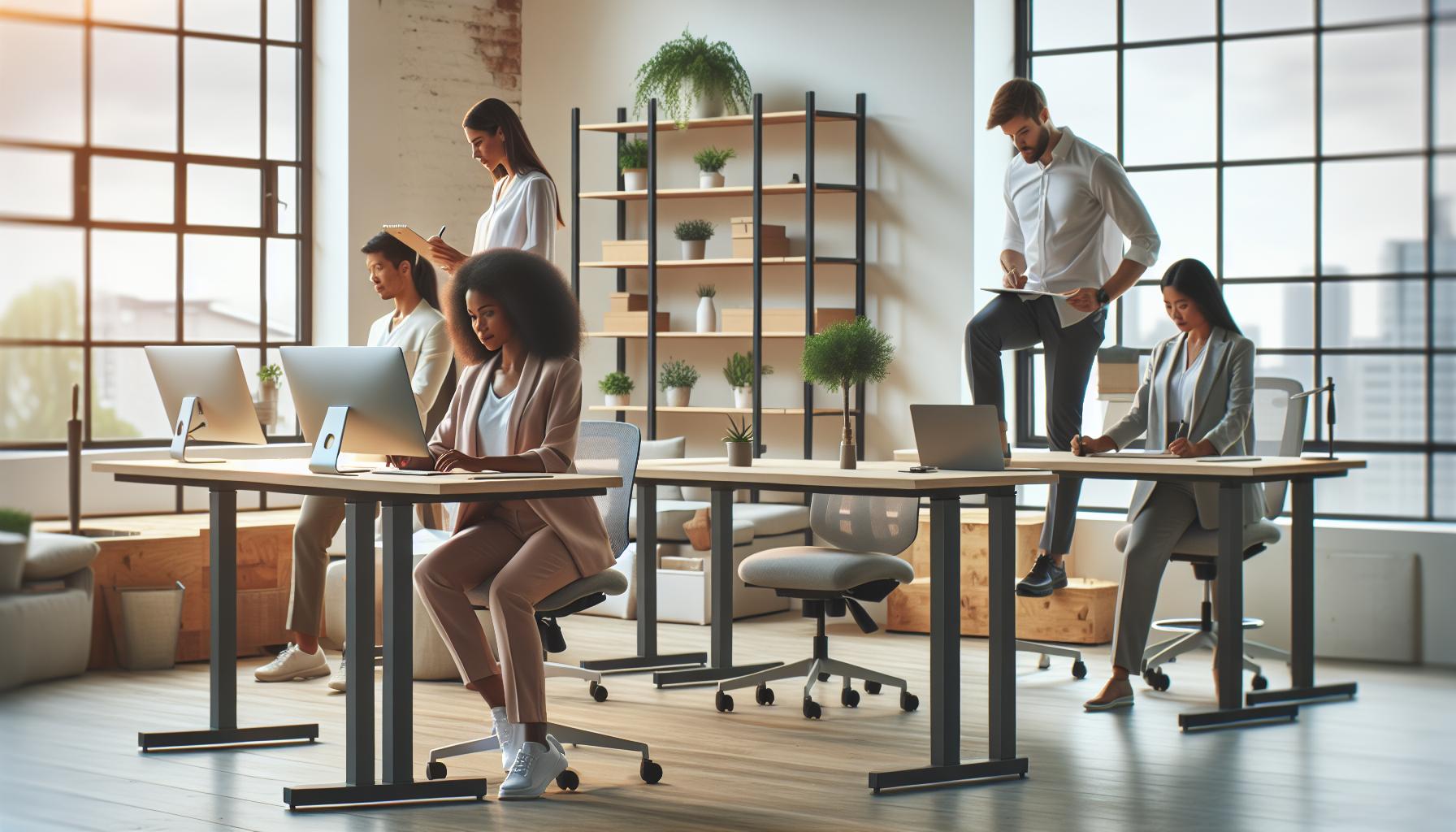
Evaluating the Cost vs. Health Returns of Standing Desks
The investment in a standing desk often raises questions about its long-term value compared to its initial cost. While these desks can range in price from affordable to premium, what truly matters is understanding the potential return on investment (ROI) in terms of health, productivity, and well-being. According to various studies, the health benefits of standing desks can lead to significant savings by reducing the likelihood of chronic diseases, enhancing workplace efficiency, and decreasing absenteeism due to health-related issues.
A standing desk is more than a simple office accessory; it’s a proactive approach to mitigating the risks associated with prolonged sitting. Research indicates that standing more often can help burn additional calories-around 50 more per hour compared to sitting-which can contribute to weight management and improved metabolic health. This calorie burn, though it may seem modest, adds up over time, potentially leading to significant health benefits and reduced healthcare costs in the future. Furthermore, individuals using standing desks often report lower rates of back pain and improved posture, which can minimize discomfort and reduce the need for physical therapy or medical consultations.
When considering the adoption of a standing desk, evaluate the potential health savings against the initial investment. For example, if a typical office worker can improve their health to the extent that they avoid costly medical interventions, the desk may effectively pay for itself. Specifically, consider the following benefits that can bolster overall productivity:
- Enhanced Focus: Many users find that alternating between sitting and standing can boost concentration and creative thinking, leading to higher performance levels in tasks.
- Increased Energy: Standing desks can contribute to improved energy levels throughout the day, which can ultimately translate to less fatigue and better overall output.
- Positive Mood Changes: Engaging in more physical activity during work hours has been linked to mood elevation and reduced feelings of stress, resulting in a more harmonious work environment.
Investing in a standing desk might seem significant at first, but when weighed against the potential health returns and increased productivity, it’s clear that the long-term benefits can outweigh the initial expenditures. With thoughtful consideration and a focus on ergonomic setup, transitioning to a standing desk is not just an expense; it is an investment in a healthier and more productive future.
Ergonomic Considerations: Setting Up Your Standing Desk
Creating an effective standing desk setup is essential for maximizing its health benefits while minimizing discomfort. Research shows that proper ergonomic alignment not only reduces the risk of strain and injury but also enhances productivity and comfort throughout the workday. To achieve this, it is crucial to pay attention to your posture and workstation configuration.
Start by adjusting the height of your desk so that your elbows are at a 90-degree angle when typing. Your wrists should be straight, and your hands should float comfortably above the keyboard. If you find yourself stretching or reaching uncomfortably, it may be time to reassess your desk’s height. A good rule of thumb is to have the top of your monitor screen at or slightly below eye level, about an arm’s length away, to prevent neck strain and ensure proper alignment of your spine.
Key Elements for an Ergonomic Standing Desk Setup:
- Feet Placement: Stand with your feet hip-width apart, distributing your weight evenly. Consider using a footrest to shift your weight from one foot to the other, which can help reduce fatigue.
- Monitor Position: Your monitor should be directly in front of you. Use risers if necessary to get the right height. A dual monitor setup should allow both screens to be at the same height and aligned side by side.
- Keyboard and Mouse: Keep your keyboard and mouse close enough so that you can use them without extending your arms. A wrist support can be beneficial for maintaining neutral wrist positioning.
- Anti-Fatigue Mat: Consider investing in an anti-fatigue mat to provide additional cushioning for your feet, reducing fatigue and discomfort during long periods of standing.
Additionally, it’s beneficial to integrate movement throughout your day. Set reminders or schedules for brief activity breaks every 30 to 60 minutes. Simple stretches or a short walk can revitalize your mind and body, reinforcing the cognitive benefits derived from regular physical movement.
Remember that transitioning to a standing desk is not an all-or-nothing approach. Gradually increasing your standing time can help your body adjust without overwhelming it. Listen to your body-if you experience discomfort, take a moment to sit down and allow for recovery. Adopting a balanced approach will create a sustainable workflow that not only supports your physical well-being but also enhances your productivity and concentration.
Optimizing Your Workspace for Comfort and Performance
Creating a workspace that promotes both comfort and performance is essential for anyone considering or currently using a standing desk. Research has shown that the environment where you work significantly impacts your health, productivity, and overall well-being. By optimizing your workspace, you can harness the full benefits of a standing desk while minimizing discomfort and fatigue, thereby enhancing your cognitive functioning and engagement throughout the workday.
Adjusting Your Environment
Begin by evaluating your workspace. Make sure your desk is at the appropriate height-typically, this means your elbows should be at a 90-degree angle when typing, and your monitor should be at or just below eye level. This alignment prevents neck strain and promotes a healthy posture. If you’re using two monitors, position them side by side at the same height to ensure you don’t have to turn your neck excessively, which can lead to discomfort and decreased focus.
Consider your flooring as well. Standing on a hard surface for extended periods can lead to fatigue and discomfort. Invest in an anti-fatigue mat, which not only provides cushioning but also encourages small movements in your feet-helping to stimulate blood flow and reduce strain on your lower back and legs.
Incorporating Movement
Incorporating movement into your daily routine is another critical aspect of workspace optimization. Even with a standing desk, remaining static for long periods can negate the health benefits. Set reminders to take short walks or perform stretches every 30 to 60 minutes. These brief activities can rejuvenate your body and mind, enhancing your mental acuity and reducing feelings of fatigue. Research has documented the positive impact of movement on cognitive function, indicating that even simple movements can strengthen neural connections in the brain, thus supporting overall cognitive health.
Personal Comfort and Ergonomics
Explore additional ergonomic tools that can further enhance your comfort. A footrest can enable you to shift your weight smoothly between feet, and a document holder can bring printed materials to eye level, reducing neck strain when reading while standing. Additionally, keep frequently used items-like your phone or mouse-within easy reach to avoid unnecessary stretching or twisting.
By actively optimizing your desk setup and integrating movement into your routine, you not only improve your comfort but also significantly enhance your work performance and cognitive health. Embracing these small yet impactful changes can make a remarkable difference in your daily work life, enabling you to reap the full benefits of a standing desk while safeguarding your health and productivity.
Impact of Standing Desks on Productivity and Focus
Adopting a standing desk can have a profound effect on productivity and focus, transforming not just how work is approached but also how energized and engaged individuals feel throughout the day. Research indicates that standing desks can help reduce discomfort and fatigue often associated with prolonged sitting, leading to increased energy levels and enhanced concentration. When employees can move more freely and adopt a more dynamic posture, they often experience improved blood flow and a greater sense of alertness, creating an environment conducive to higher levels of focus and creativity.
To fully leverage the productivity-boosting benefits of a standing desk, consider integrating movement into your work routine. While standing can be beneficial, remaining static for long periods can lead to muscle fatigue and distract from your concentration. Establishing short activity breaks every 30 to 60 minutes can refresh your mind and body. Simple stretches, quick walks, or even just shifting your weight can stimulate your brain and enhance cognitive performance. Recognizing this dynamic relationship between movement and mental acuity can transform how you approach daily tasks, making them feel less daunting and more achievable.
It’s also crucial to recognize the psychological aspects at play. Standing while working can foster a more proactive mindset. Employees may feel more empowered and less confined compared to traditional sitting setups. This shift can encourage more interactive collaboration, spontaneous brainstorming sessions, and overall stronger engagement with both individual and team tasks. As studies suggest, environments that support mobility and comfort directly correlate with heightened workplace satisfaction and productivity.
Lastly, the impact of a standing desk extends beyond immediate productivity gains-it contributes to long-term health benefits that can result in fewer sick days and reduced healthcare costs. The investment in a standing desk not only offers immediate returns in focus and energy but also pays off by enhancing overall wellness, creating a healthier and more productive work environment. Embracing a standing desk as part of a holistic approach to workplace wellness can significantly transform how you feel and perform every day.
Neuroscience Behind Movement: How Standing Desks Help Brain Health
Research indicates that our brains thrive on movement, significantly enhancing cognitive function and mental well-being. When using a standing desk, individuals are not only combating sedentary behavior but also promoting better cerebral circulation and neuroplasticity-the brain’s ability to adapt and grow. Standing contributes to increased blood flow, delivering vital oxygen and nutrients essential for optimal brain function. This enhanced circulation can lead to heightened alertness and improved cognitive performance, making tasks more manageable and less daunting.
A standing desk encourages the integration of movement throughout the workday, which can drastically improve brain health. Engaging in dynamic postures and frequent shifts in position can stimulate neural activity, enhancing problem-solving skills and creativity. Studies have shown that movement stimulates brain-derived neurotrophic factor (BDNF), a protein crucial for long-term memory and learning. By incorporating standing into your work routine, you may not only improve alertness but also promote the growth of new neural connections, empowering greater cognitive resilience.
To maximize these brain health benefits, consider setting specific intervals for movement and activity. For example, every hour, commit to a brief walk or a series of stretches. These short breaks can help alleviate physical strain while simultaneously recharging your cognitive energy, allowing you to return to tasks with renewed focus.
Additionally, it’s important to create an ergonomic workspace that promotes comfort and reduces fatigue. Proper desk setup-ensuring screens are at eye level and keeping your wrists straight while typing-can prevent discomfort and help sustain productivity over longer periods. By embracing a standing desk and mindful movement practices, individuals can foster a more vibrant work environment that not only enhances productivity but also champions long-term brain health and resilience.
Addressing Common Myths About Standing Desks
Many people assume that standing desks are a panacea for all workplace issues, but several misconceptions can cloud their potential benefits. For instance, one common myth is that switching to a standing desk will automatically eliminate all health risks associated with prolonged sitting. While standing desks are a valuable tool in combating sedentarism, they are not a cure-all. It’s essential to understand that merely standing for long periods can lead to its own set of problems, including leg fatigue and back pain. A balanced approach, incorporating both sitting and standing throughout the day, is crucial for maintaining physical comfort and health.
Another prevalent belief is that using a standing desk guarantees increased productivity. While many studies report positive effects on productivity associated with standing desks, the reality can vary greatly depending on the individual. For some, standing can lead to fatigue or distraction, particularly if the transition is abrupt or not managed properly. It’s worth noting that productivity often increases when users combine standing with regular movement, such as walking breaks or stretches, rather than simply remaining static in a standing position.
Additionally, concerns regarding standing desks and cognitive performance frequently arise. Some assume that standing will inherently boost focus and creativity. However, research shows that the benefits of standing desks are most effectively harnessed when they are part of an overall strategy that includes dynamic movement and an ergonomically optimized workspace. For example, changing positions frequently and ensuring that the desk height is correctly adjusted can help maximize cognitive engagement and maintain mental agility throughout the day.
In summary, addressing these myths is key to understanding how to implement standing desks appropriately into your routine. Engaging with the desk gradually, mixing standing with sitting, and enhancing movement can lead to the most significant health and productivity returns. Listening to your body and adjusting your habits to suit your unique needs will ensure that you reap the full benefits of this valuable workspace innovation.
Sustainable Work Habits: Combining Sitting and Standing
Integrating a mixture of sitting and standing throughout the workday can drastically enhance your overall health and productivity. Research indicates that a sedentary lifestyle can lead to various health issues, but merely standing for extended periods is not the solution either. The key lies in adopting sustainable work habits that encourage a balanced approach, maximizing the benefits of both sitting and standing.
To start, aim to alternate between sitting and standing every 30 to 60 minutes. This interval can significantly reduce discomfort and help maintain energy levels. Consider using a timer or an app that nudges you to change positions. Implementing micro-breaks-short periods of movement, even a quick walk around your workspace-can further enhance circulation and bolster mental clarity. Regular movement helps stimulate cognitive functions, supported by evidence showing that frequent changes in posture can positively impact focus and creativity.
Creating an ergonomic workspace is another crucial aspect of developing sustainable work habits. When seated, ensure your chair supports your spine while allowing your feet to rest flat on the floor. Conversely, when standing, adjust your desk height so that your elbows are at a 90-degree angle and your screen is at eye level to prevent strain. Using an anti-fatigue mat can also ease the discomfort associated with prolonged standing, making the experience much more pleasant.
Furthermore, consider a gradual transition if you’re new to standing desks. Start with shorter standing durations, progressively increasing the time as your body adapts. This strategy avoids overwhelming discomfort and promotes a more enjoyable routine. Monitor how your body responds and make adjustments based on your comfort and productivity levels. With these practices, combining sitting and standing will not only become a manageable habit but also significantly contribute to your physical and mental well-being at work.
Measuring Your Health ROI: Tracking Benefits Over Time
Investing in a standing desk is more than just a trend; it can yield significant returns on health through tangible changes over time. Tracking your health ROI involves monitoring various aspects of physical and mental well-being, enabling you to see the impact of your investment in ergonomic solutions. Notably, many individuals report decreased discomfort, enhanced energy levels, and improved focus as they incorporate stand-biased behaviors into their daily routines.
To effectively measure these benefits, start by establishing a baseline for your current health metrics. This may include keeping a record of your energy levels, productivity at work, and any physical discomfort you experience throughout the day. Utilize tools like health apps or simple journals to log these observations regularly, allowing you to compare your experiences before and after your transition to a standing desk.
Additionally, consider implementing physiological metrics such as heart rate variability or posture analysis. Self-assessments can be beneficial, but you might also consult with health professionals who can provide objective measures of improvements in cardiovascular health, flexibility, and overall fitness. Monitoring changes in mood and stress levels is equally important, as standing desks are linked to improved mental health outcomes and reduced fatigue, fostering an environment that’s conducive to productivity.
As you track these indicators, analyze how they correlate with your standing desk usage. For instance, will you notice sharper focus and less fatigue during afternoon work sessions? Creating a simple tracking chart may help visualize improvements over time, making it easier to justify your investment. Remember, the journey towards better health is unique for everyone, and being patient is key. Over time, alongside proper ergonomics and activity integration, you’ll likely find that the standing desk is not just a piece of furniture but a transformative investment in your overall well-being.
Top Standing Desk Options: Features and Recommendations
In the quest for a healthier work environment, selecting the right standing desk is crucial. With various options flooding the market, understanding their key features and benefits can empower you to make an informed decision that aligns with your wellness goals. Standing desks can not only enhance your posture but also boost your energy levels, making your workspace a hub of productivity and well-being.
When exploring standing desk options, consider the following essential features:
Height Adjustment
One of the most significant benefits of standing desks is the ability to adjust height effortlessly. Look for options with electric or manual height adjustment mechanisms that allow you to shift between sitting and standing with ease. This flexibility is vital for accommodating different users and ensuring a comfortable work position.
Stability and Durability
A stable desk is crucial for maintaining focus while you work. Consider designs that feature solid construction materials, such as steel frames and high-quality wood or laminate surfaces. Desks with a lower center of gravity typically offer better stability, even at higher elevations.
Workspace Layout
Evaluate the desk’s surface area to ensure it fits your work needs. A spacious desktop alleviates clutter and allows room for monitors, writing materials, and other essential tools. Some desks also come with integrated cable management systems, which can keep your workspace tidy.
Ergonomics
Ergonomic desks often come with features that promote comfort. Look for desks that allow you to place your screen at eye level and your keyboard at elbow height when standing. Additional accessories like anti-fatigue mats can further reduce strain on your legs and feet during extended periods of standing.
To help streamline your options, consider these top standing desk recommendations:
| Brand | Model | Key Features |
|---|---|---|
| Vari | Vari Electric Standing Desk | Electric height adjustment, spacious work surface, sturdy design |
| Flexispot | Esben Standing Desk | Smart height presets, wide range of height adjustments, customizable desktop |
| Uplift Desk | Uplift V2 Standing Desk | Robust stability, numerous customization options, advanced cable management |
| Ergotron | WorkFit-D Sit-Stand Desk Converter | Desktop converter, height adjustable, compact design |
Choosing a standing desk is an investment in your well-being that can enhance both physical and cognitive health. With the right desk, you can promote better posture, boost your energy levels, and ultimately improve your productivity at work. Remember to listen to your body as you transition and opt for solutions that integrate seamlessly into your work habits, ensuring a balanced approach to standing and sitting throughout your day.
Real-Life Success Stories: Transforming Workspaces
Switching to a standing desk can create significant transformations in workplace environments, as illustrated by a range of real-life success stories. These narratives not only highlight how individuals have improved their health and productivity but also inspire many others considering this shift. For instance, a marketing firm that implemented standing desks across its office reported a dramatic reduction in employee complaints about back pain and fatigue. Energized by the ability to change positions throughout the day, staff described feeling more motivated and engaged in their work. This positive feedback was accompanied by a measurable increase in team productivity, illustrating the profound impact of a well-designed workspace on overall company performance.
Another compelling example comes from a freelance graphic designer who transitioned to using a sit-stand desk. Initially skeptical, she found that alternating between sitting and standing helped to break the monotony of her long work hours. After a few weeks, she noticed enhanced creativity in her designs and a newfound focus that she believed stemmed from the increased physical movement. Her story highlights how transforming a workspace can spark innovation and improve mental clarity, ultimately emphasizing the cognitive benefits of movement in daily routines.
Key Points from Success Stories
- Improved Health: Reduction in physical ailments like back pain.
- Increased Energy: Employees reported higher energy levels and reduced fatigue.
- Enhanced Productivity: Teams experienced a noticeable boost in performance metrics.
- Greater Creativity: Workers like designers found that movement relaxed their minds, leading to innovative ideas.
These success stories serve as powerful reminders of the multifaceted benefits that standing desks can offer. By investing in adaptable workstations, companies are not just upgrading furniture; they are fostering a culture of wellness and productivity that resonates through their teams. As such, the decision to incorporate standing desks becomes not only an investment in health but a strategic move towards thriving workplace dynamics. Ultimately, each story reinforces the understanding that with the right tools and support, employees can achieve better work-life harmony, cognitive health, and performance.
Practical Tips for Transitioning to a Standing Desk
Making the shift to a standing desk can revolutionize your work environment, but it’s crucial to approach this transition thoughtfully to reap the maximum benefits. Start by gradually incorporating standing periods into your day. Aim for 15-30 minutes of standing every hour, and increase this duration based on your comfort and stamina. This incremental approach helps your body adjust to the new posture and avoids fatigue or soreness related to prolonged standing.
Setting up your standing desk properly is vital for ergonomic health. The desk height should allow your elbows to be at a 90-degree angle when typing, with your wrists straight and hands slightly below elbow level. Your computer screen should be at eye level, about an arm’s length away, to prevent strain. Consider using an anti-fatigue mat to provide cushioning for your feet, allowing you to stand comfortably for extended periods. Footrests can also be beneficial; shifting your weight from one foot to the other throughout the day helps improve circulation and reduces fatigue.
Incorporate movement into your standing routine to enhance cognitive function and reduce stress. Utilize short breaks to stretch or walk around, as these activities stimulate blood flow and keep your energy levels high. Simple exercises like shoulder rolls, calf raises, and even light stretching can easily be integrated into your workday. Implement practices like “walking meetings” when practical, promoting both physical activity and collaboration among colleagues.
Finally, pay attention to your body’s signals. Listen to how you feel throughout the transition process and be open to adjusting your standing time as needed. This flexibility not only supports your physical health but also enhances your overall well-being and productivity. By embracing these practices, you can create a more dynamic workspace that fosters energy, focus, and creativity, leading to a healthier and more engaging work experience.
Q&A
Q: What are the health benefits of using a standing desk?
A: Using a standing desk can lead to reduced back pain, lower risk of weight gain and obesity, improved mood, and increased energy levels. Additionally, standing desks may help people improve their posture and reduce the risk of chronic health issues associated with prolonged sitting. For a deeper understanding, check our section on “Understanding the Benefits of Standing Desks for Health.”
Q: How does a standing desk affect productivity?
A: A standing desk can enhance productivity by reducing discomfort and fatigue, allowing for better focus and energy throughout the workday. Studies suggest that employees using standing desks report higher levels of engagement and creativity. Explore more in our article on “Impact of Standing Desks on Productivity and Focus.”
Q: Can standing desks help with weight loss?
A: Standing desks may contribute to weight loss by increasing calorie expenditure throughout the day. While they are not a substitute for regular exercise, they encourage more movement in a sedentary work environment, aiding in weight management. Refer to “Evaluating the Cost vs. Health Returns of Standing Desks” for a more detailed discussion.
Q: When is the best time to use a standing desk?
A: The best time to use a standing desk is during periods of high focus or after prolonged sitting. Incorporating standing periods throughout your workday can help balance sitting and standing, improving overall comfort and health. Check our section on “Sustainable Work Habits: Combining Sitting and Standing” for guidance.
Q: Are there any risks associated with using a standing desk?
A: While standing desks offer benefits, they can also lead to discomfort if used improperly. Issues like leg fatigue or joint pain can arise without proper ergonomics. It’s crucial to adjust the desk height and use anti-fatigue mats if standing for long periods. Learn more in our “Ergonomic Considerations: Setting Up Your Standing Desk.”
Q: How can I transition to a standing desk effectively?
A: To transition effectively, start by alternating between sitting and standing for short intervals. Gradually increase your standing time as your body adjusts. Pay attention to your comfort and adjust your workspace ergonomically. Visit our “Practical Tips for Transitioning to a Standing Desk” section for detailed strategies.
Q: What features should I look for in a standing desk?
A: When selecting a standing desk, look for adjustability, stability, and size. Electric or manual height adjustments can enhance usability. Additional features like built-in cable management or spacious desktops can improve organization and functionality. For recommendations, see “Top Standing Desk Options: Features and Recommendations.”
Q: How do I measure the effectiveness of my standing desk?
A: To measure effectiveness, track changes in your health and productivity over time. Monitor aspects like energy levels, pain reduction, and overall mood. Journaling or using wellness apps can help with this assessment. You can find more on this in “Measuring Your Health ROI: Tracking Benefits Over Time.”
The Conclusion
Investing in a standing desk could lead to significant health benefits, enhancing your productivity and well-being. By making this switch, you’re not only prioritizing your physical health but also your cognitive performance, which is vital in today’s fast-paced work environments. Don’t wait to start reaping these rewards-transitioning to a sit-stand workstation can be a game changer.
For practical guidance, check out our detailed step-by-step guide on setting up your ergonomic workspace, or learn about effective workplace stress management techniques to further boost your productivity. If you’re still unsure, our resources on cognitive health and biohacking strategies can help address any lingering doubts.
Ready to take the plunge? Subscribe to our newsletter for more tips on workplace wellness and be part of a community dedicated to enhancing health and productivity. Remember, your journey to a healthier work life starts today-let’s make it happen together!