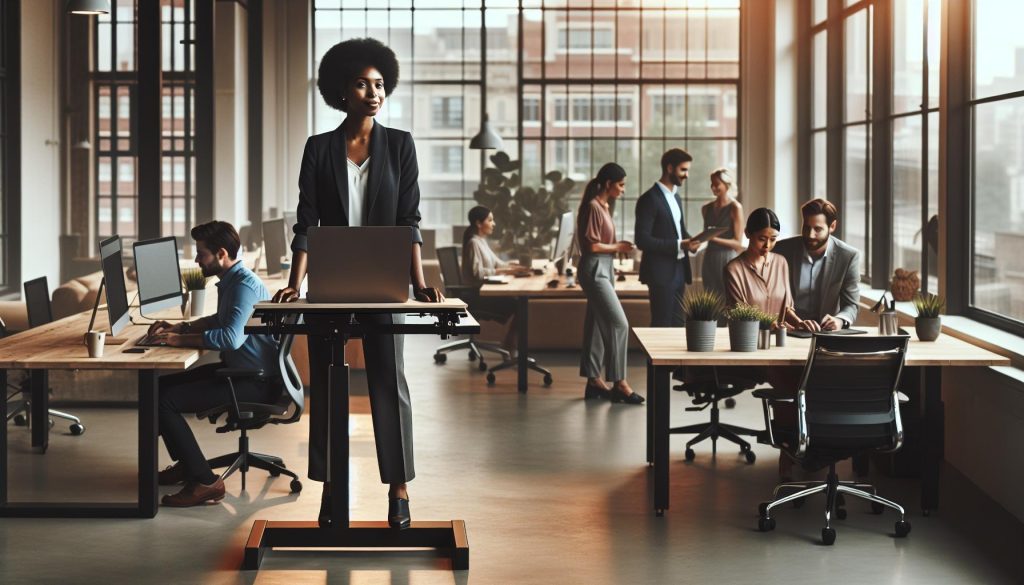
In today’s fast-paced work environment, the question of whether to stand at your desk is more pertinent than ever. Many people are increasingly aware of the detrimental effects of prolonged sitting, which has been linked to various health issues such as obesity, heart disease, and even anxiety. Standing desks offer a proactive solution, allowing individuals to break free from sedentary habits while enhancing their overall well-being. Research suggests that using a standing desk can positively affect health outcomes, potentially improving mood, reducing blood pressure, and boosting cognitive function. As you explore the science-backed benefits of standing at your desk, consider how this simple adjustment could transform your work life and contribute to a healthier lifestyle. Curious to learn more about these compelling advantages? Let’s dive into the science behind standing desks and their impact on our health.
Understanding the Science Behind Standing Desks
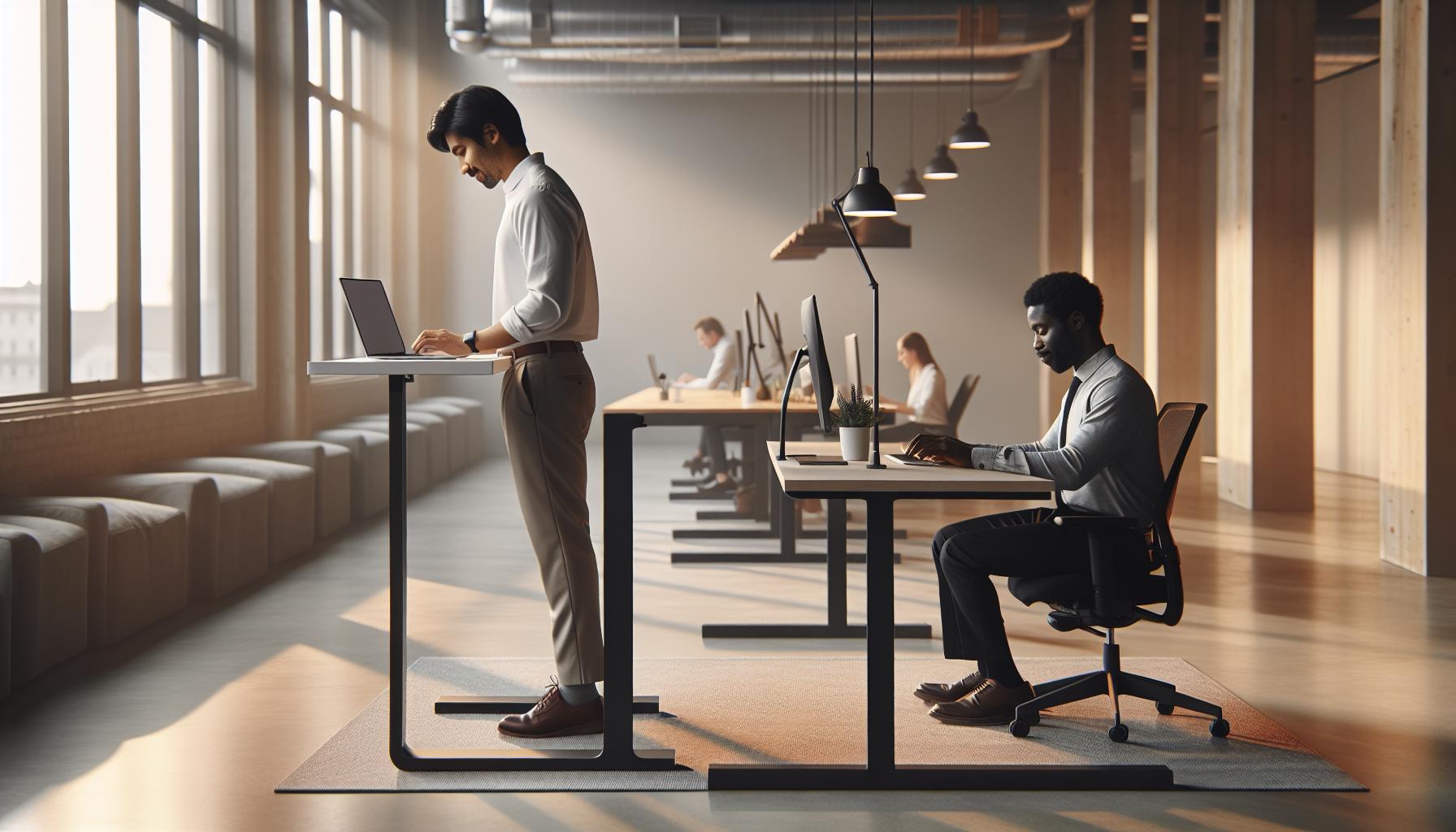
Standing desks have gained popularity as a potential remedy for some of the health issues associated with prolonged sitting. Research suggests a nuanced view of the impacts of transitioning from sitting to standing, highlighting both potential benefits and limitations. The idea that standing more often could mitigate risks associated with sedentary lifestyles is primarily driven by studies linking extended periods of sitting to increased risks of obesity, cardiovascular disease, and metabolic syndrome. Interestingly, while the act of standing itself does increase energy expenditure compared to sitting, the benefits extend beyond just caloric burn; some studies have suggested that less sitting can lead to improvements in mood and energy levels among users.
However, the science behind standing desks is not entirely definitive. A common misconception is that simply using a standing desk will automatically lead to significant health improvements. Research indicates that standing, if done excessively without proper movement or posture, can lead to its own set of musculoskeletal issues like lower back pain and discomfort in the legs and feet. The key takeaway is that the health benefits of standing desks largely depend on frequent movement and proper ergonomics, rather than merely standing in one position for long stretches.
To maximize the benefits of a standing desk, it’s essential to incorporate movement and variation throughout the day. Practical recommendations include alternating between sitting and standing, using a footrest to shift weight, and periodically walking or stretching. The flexibility in postures can help alleviate the strain on muscles and joints, forming a more dynamic work environment that encourages better overall health. Some users find success in employing timers to remind them to change positions and practice mindfulness about their posture while standing, fostering an ergonomic approach as they navigate their work responsibilities.
Health Benefits of Standing at Your Desk
The shift from sitting to standing at your desk is more than just a trend; it’s rooted in significant health benefits that can alter your workday experience. Numerous studies indicate that standing more frequently can lower the risk of chronic diseases such as obesity, diabetes, and cardiovascular issues. In one compelling study, participants who reduced their sitting time for just one week experienced improved blood glucose levels and lower blood pressure, highlighting how subtle changes in daily habits can lead to substantial health improvements over time [[3]].
Among the myriad benefits, many users report enhanced energy levels and mood when integrating standing into their work routine. This lift in spirits can be attributed to increased circulation and the body using more energy when standing, combating the sluggishness often associated with prolonged sitting. Reports based on recent reviews also suggest that individuals who adopted standing desks exhibited fewer feelings of fatigue and improved overall morale during work hours. For many, this newfound vitality translates into better productivity and motivation [[1]].
To maximize the benefits of your standing desk, it’s crucial to blur the lines between sitting and standing. Research suggests that alternating between both positions is optimal, as it prevents the occurrence of musculoskeletal discomfort commonly associated with static postures. Implementing simple practices, such as using a footrest or taking regular short breaks to stretch or walk around, can contribute to better posture and reduced strain on your legs and back [[3]].
Ultimately, employing a standing desk is not merely about standing but rather about fostering a more dynamic lifestyle. When coupled with movement and ergonomic awareness, this approach can yield a fertile ground for improved physical and mental health, allowing you to thrive in your work environment. Adopting these practices can make the transition smoother while reaping the benefits of an actively engaged lifestyle.
Comparing Standing Desks to Traditional Seating
The debate between the merits of standing desks and traditional seating has gained traction in recent years, with numerous studies exploring how these two work environments impact health and productivity. One striking figure suggests that reducing sitting time by just one week can lead to measurable improvements in blood glucose levels and lower blood pressure, which underscores the potential health advantages of adopting standing desks [[2]].
In comparing these two setups, traditional seating often promotes a sedentary lifestyle. Long periods of inactivity are linked to a host of health issues, including obesity, cardiovascular disease, and certain types of cancer. In contrast, standing desks encourage more movement and can help mitigate the negative effects of prolonged sitting. Many users report feeling more energetic and focused when standing, which may contribute to increased productivity and improved cognitive functions [[3]].
However, it is essential to recognize that standing all day is not necessarily the ideal solution. Standing desks should be utilized in a balanced manner, as both extremes-sitting or standing continuously-can lead to discomfort or musculoskeletal issues. Alternate positioning is often recommended to strike a better balance while incorporating gentle movement throughout the day, such as stretching or walking during breaks. This dynamic approach can help to maintain energy levels and minimize fatigue while capitalizing on the benefits of both setups.
Ultimately, the choice between standing desks and traditional seating may depend on individual preferences and specific work tasks. Some may find that alternating between the two enhances their overall work experience, while others might prefer the comfort of a seated position during focused tasks. By understanding the strengths and weaknesses of each option, individuals can make informed choices that best suit their health and productivity needs.
Potential Drawbacks of Using a Standing Desk
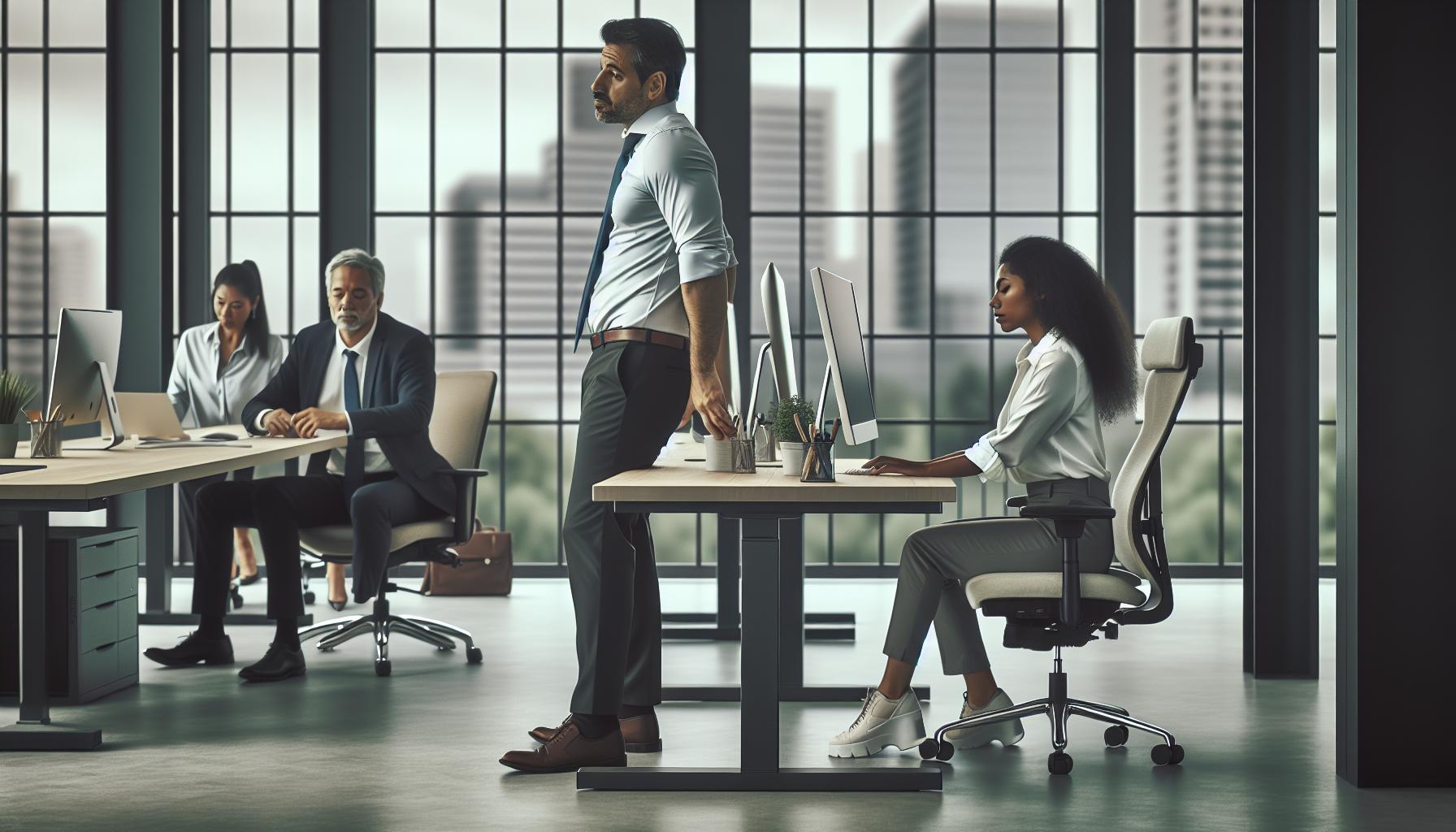
While standing desks are frequently heralded as a solution to the perils of prolonged sitting, they are not without their drawbacks. For instance, standing for extended periods can lead to significant discomfort or even pain, particularly in the lower back, legs, and feet. Reports suggest that some users have experienced fatigue and muscle strain as a result of maintaining a standing position throughout the workday. The discomfort can be exacerbated by improper footwear or inadequate floor supports, highlighting the importance of investing in ergonomic mats and quality shoes when committing to a standing desk.
Additionally, standing desks can inadvertently lead to a more static posture. While the aim is to promote movement, many users may find themselves adopting a fixed stance, which can cause strains similar to those from prolonged sitting. The temptation to lean against a desk or shift weight from one leg to the other may result in poor posture, contributing to musculoskeletal issues over time. To mitigate this, it’s vital to adjust the standing desk to a comfortable height, ensuring that monitors are at eye level and keyboards are positioned to promote a relaxed arm posture.
Moreover, the transition to standing desks may create challenges in collaboration and multitasking in some work environments. For instance, standing while participating in video conferences or collaborating with colleagues who are seated can lead to feelings of exclusion or distractions. It’s essential to find a balance between standing and sitting that accommodates both personal comfort and interactivity in the workspace.
Lastly, one must consider the psychological aspect of switching to a standing desk. Some individuals may find it difficult to adjust to the new routine, resulting in a temporary drop in productivity or distraction. Creating a phased approach to transitioning-such as alternating between sitting and standing-can be beneficial in overcoming this hurdle and finding a sustainable rhythm that enhances both comfort and productivity.
In summary, while standing desks offer numerous potential benefits, they require careful consideration of personal comfort, ergonomic setup, and the overall work environment to prevent adverse effects. Embracing a flexible approach and being attuned to one’s body can lead to a more effective and health-conscious workspace.
How to Properly Set Up Your Standing Desk
Establishing an ergonomically sound setup for your standing desk can transform your work experience, allowing you to enjoy the potential benefits of standing while minimizing discomfort or strain. One critical factor in achieving an optimal standing desk setup is the height of your desk and monitor. Ideally, your desk should be set at a height that allows your elbows to rest comfortably at a 90-degree angle while you type. Your monitor should be positioned at or just below eye level, ensuring that your neck remains neutral and reducing the risk of strain.
Ergonomic Tips for Setup
To create a suitable standing desk arrangement, consider the following:
- Desk Height: Adjust the height of your desk so that your wrists remain straight and hands float comfortably above the keyboard.
- Monitor Placement: The top of your monitor should be at eye level or slightly below, approximately an arm’s length away, to help avoid leaning forward.
- Footwear: Invest in supportive shoes that provide ample cushioning to prevent fatigue, and consider using anti-fatigue mats to alleviate pressure on your joints.
- Keyboard and Mouse: Position your keyboard and mouse close enough to eliminate excessive reaching, ensuring that your arms remain close to your body.
In addition to these adjustments, it’s essential to remember that standing should not be static. Incorporating movement throughout your day can further promote wellness. Simple practices such as shifting your weight from one foot to another, taking short walks, or using a footrest to alternate foot positioning can help maintain energy levels and reduce discomfort.
Creating a Comfortable Environment
The environment around your standing desk can also impact your overall experience. Ensuring adequate lighting is crucial; position your desk in a well-lit area to reduce eye strain. If possible, try to incorporate elements of nature, such as plants, to enhance your workspace ambiance and reduce stress levels.
By paying attention to how you set up your standing desk, you can foster a healthier, more productive work environment that maximizes the benefits of standing while minimizing potential drawbacks. Start with these guidelines to create a setup tailored to your unique needs and preferences, enhancing both comfort and performance throughout your workday.
Best Practices for Transitioning to a Standing Desk
Transitioning to a standing desk can feel like a leap into the unknown, but with the right strategies, you can make the shift smoother and more effective. Start slow: If you’re accustomed to sitting for most of your workday, it’s crucial to ease into standing. Begin by standing for just 15 to 30 minutes every hour. Gradually increase this time as your body adjusts. This method prevents fatigue and makes the transition less daunting, allowing you to build endurance without overwhelming discomfort.
In addition to pacing your time spent standing, consider creating a schedule that incorporates movement. Standing still for extended periods can lead to discomfort, so balance your time between standing, sitting, and moving. Use reminders to prompt short walks or stretches every half hour, which can enhance circulation and invigorate your focus. For example, set a timer to remind you to take a quick break, refilling your water bottle or walking around the office or home.
Choosing the right footwear is equally vital during your transition. Supportive shoes with good arch support can significantly reduce the strain on your feet and legs. In combination with shoes, using an anti-fatigue mat can provide additional comfort, offering cushioning that eases the pressure on your joints. This combination minimizes discomfort, especially during those initial days when you’re adapting to a new way of working.
Lastly, keep an eye on your posture. When standing, ensure your weight is evenly distributed between both feet, with your knees slightly bent to help maintain proper alignment. Consider incorporating a footrest to alternate your weight and reinvigorate your legs as you shift throughout the day. By taking these steps, transitioning to a standing desk can lead not only to increased productivity but also to a healthier work routine that benefits your overall well-being.
Common Misconceptions About Standing Desks
One of the prevalent misconceptions surrounding standing desks is the belief that simply standing while working is a panacea for health issues associated with prolonged sitting. While it’s true that reducing sedentary time can yield health benefits, such as improved circulation and lower blood pressure, standing for long periods without proper breaks can lead to fatigue and discomfort. Research indicates that alternating between sitting and standing, rather than fully committing to one position, is key to maximizing benefits and minimizing potential drawbacks.
Another common myth is that standing desks automatically enhance productivity. While some users report feeling more energized and focused when standing, others find that it can disrupt their workflow if they are not accustomed to the change. The effect of desk height on task performance can vary from person to person. Thus, it’s important for individuals to assess their own comfort and productivity levels when utilizing a standing desk.
Moreover, many people believe that standing desks are universally beneficial for everyone. The reality is that ergonomic needs differ widely among individuals. For instance, those with certain medical conditions like lower back pain may actually benefit from a seated position paired with proper lumbar support. It’s vital to tailor the use of a standing desk to individual requirements, considering factors such as height adjustments, foot placement, and the appropriateness of the desk type according to the user’s physical health.
Lastly, there is a misconception that once you transition to a standing desk, you’ll never want to sit again. However, most users find that a blend of sitting and standing – often referred to as “active work” – aligns best with their comfort and workflow. Establishing a routine that incorporates both positions can help mitigate discomfort from prolonged standing and provide more sustainable productivity over the workday. Understanding these misconceptions can empower employees to make informed decisions about their work environments, leading to healthier, more enjoyable work habits.
Incorporating Movement with a Standing Desk
Incorporating movement into your work routine can significantly amplify the benefits of using a standing desk. Many people mistakenly believe that simply standing is enough to counteract the risks associated with prolonged sitting. However, integrating movement throughout the day can further enhance circulation, boost energy levels, and reduce the likelihood of fatigue. The key is to make movement a natural part of your workday, rather than a sporadic effort.
One effective strategy is to set a timer to remind you to shift your position every 30 to 60 minutes. During these breaks, engage in simple movements like walking around your workspace, stretching your arms and legs, or doing light exercises such as calf raises or squats. Not only do these activities stimulate circulation, but they also help to relieve tension that can build in muscles from being static for too long. For instance, taking just a five-minute walk or stretch can refresh your mind and increase overall productivity.
Another valuable approach is to incorporate desk accessories that promote movement. For example, using a balance board or a stability ball can encourage subtle adjustments in your posture, which can activate your core muscles while you work. Standing desk converters or treadmill desks can also integrate movement into your daily routine without compromising your workflow. Each of these options helps to keep your body engaged and active, fostering a more dynamic work environment.
Creating designated times for movement, such as a walking meeting or a quick break with colleagues, can make the experience more enjoyable and social. This not only stimulates physical activity but also fosters collaboration and team cohesion. Adopting these practices not only enhances the health benefits derived from a standing desk but also contributes to a more fulfilling and energized work experience. Embrace movement as an integral part of your daily routine, and you’ll likely find that both your body and mind thrive as a result.
Real User Experiences: Success Stories and Challenges
Real users often share a variety of experiences when it comes to adopting standing desks in their work environments, and these stories can provide valuable insights into both the benefits and the challenges of this shift in workspace design. Many individuals report feeling more energized and focused after switching from traditional seating to a standing desk. For instance, one marketing professional noted that since incorporating a standing desk, she has experienced reduced afternoon slumps and feels more productive throughout the day. This aligns with studies emphasizing that standing can contribute to improved mood and overall well-being, helping combat the lethargy often associated with prolonged sitting.
However, not all experiences are wholly positive. Some users face discomfort in the legs and feet, particularly when they first transition to standing desks. A software engineer shared that while he enjoyed standing for a majority of his workday, he initially underestimated the physical demands of standing. He began to implement foot mats and took frequent sitting breaks to alleviate the tension he felt in his feet and lower back. This highlights a crucial point: adapting to a standing desk requires a thoughtful approach to ergonomics and pacing, illustrating that while the potential health benefits are significant, the transition must be handled with care to prevent discomfort.
To create a well-rounded experience, it’s essential to embrace a strategy rooted in balance. Regular users recommend alternating between sitting and standing, allowing their bodies to adjust gradually without overwhelming fatigue. Implementing tools such as timers or reminders can encourage users to shift positions periodically, fostering a sustainable routine that takes advantage of both postures. Engaging with the community of standing desk users online, many find that sharing their experiences offers strategies for overcoming common challenges-from selecting the right accessories to establishing effective work habits.
Ultimately, real user experiences underscore the significance of personalizing the standing desk approach. Whether it’s through ergonomic setups, additional movement, or simply understanding one’s own comfort levels, the journey toward effective standing desk use is a unique path for each individual. Users who adapt their routines and pay attention to their body’s feedback tend to report greater satisfaction and a more substantial range of health benefits over time.
Expert Recommendations on Desk Ergonomics
To maximize the benefits of a standing desk, proper ergonomics play a crucial role in promoting comfort and preventing strain. Expert recommendations in this area emphasize key principles that allow users to maintain a healthier posture while reaping the advantages of standing during work. For instance, ensuring that your monitor is at eye level can help prevent neck strain; ideally, the top of the screen should be at or just below eye level, and it should be approximately an arm’s length away. This positioning not only aids in reducing stress on the spine but also enhances visibility, allowing you to maintain focus over prolonged periods.
Another vital aspect of desk ergonomics is the alignment of your body. When standing, it’s essential to keep your feet flat on the floor, shoulder-width apart, and distribute your weight evenly between both feet. Utilizing a footrest can encourage subtle shifts in position, promoting circulation and alleviating fatigue. Additionally, standing mats can help cushion your feet, reducing discomfort associated with prolonged standing.
Here are some additional tips to enhance your ergonomic setup:
- Keyboard Placement: Keep your keyboard at a height that allows your elbows to remain close to your body and bent at roughly a 90-degree angle.
- Wrist Position: Use wrist supports if necessary to keep your wrists in a neutral position while typing, avoiding strain.
- Screen Glare: Adjust your screen position to minimize glare from windows or overhead lights, which can reduce eye strain.
- Movement Breaks: Schedule regular movement breaks to stretch and shift postures to prevent stiffness.
Adopting these ergonomic practices not only fosters a more comfortable work environment but also promotes long-term health benefits by reducing the risks of musculoskeletal disorders associated with both sitting and standing. By staying attentive to your posture and adjusting your workspace accordingly, you can create a balanced approach that enhances productivity and well-being during your workday.
The Future of Workspaces: Standing Desks in Trend
The rise of standing desks marks a significant shift in modern work environments, reflecting an increasing awareness of health and productivity. As research continues to illuminate the adverse effects of sedentary lifestyles, many companies and individuals are embracing the standing desk trend to create more dynamic workspaces. A 2025 study reveals a compelling link between standing desks and improved workplace comfort, with benefits that go beyond posture correction. These desks not only help to alleviate back pain but also encourage movement, allowing for a more active workday that can lead to enhanced focus and productivity[2[2].
As this trend evolves, ergonomic design is becoming paramount. Future workspaces will likely incorporate advanced features such as smart height-adjustable desks that can be programmed to seamlessly transition between sitting and standing throughout the day. This adaptability caters to individual preferences and helps maintain energy levels. The overall movement toward sit-stand solutions highlights the importance of a customizable workspace that accommodates diverse working styles and promotes physical well-being. Research shows that office designs promoting movement can reduce discomfort and create a more engaging work atmosphere[3[3].
Moreover, integrating standing desks into workplace culture can foster a sense of community and health consciousness among employees. Companies are increasingly recognizing that supporting employee well-being translates to higher morale and productivity levels. Initiatives such as company-wide ‘standing meetings’ or flexibility in desk choices can create a more inclusive environment. In a world where wellness is paramount, featuring standing desks as part of an organization’s identity can enhance employee engagement and satisfaction, driving not just physical health, but also emotional and organizational growth.
In summary, standing desks are not just a passing trend but represent a fundamental change in how we approach workplace design. By emphasizing health, productivity, and employee satisfaction, future workspaces are set to become more adaptable and invigorating, allowing for a balance that promotes both well-being and efficiency. As organizations continue to explore this dynamic, they will find that fostering a culture of movement holds immense potential for cultivating more resilient and engaged workforces.
How to Choose the Right Standing Desk for You
Choosing the right standing desk can significantly impact your work experience, making it essential to consider various factors that align with your personal needs and workspace requirements. As the trend of standing desks grows, discerning the optimal fit for your situation is vital not just for comfort but also for enhancing productivity.
When selecting a standing desk, start by evaluating the height adjustment options. Desks that offer a range of height settings provide flexibility for both sitting and standing positions. Look for manually adjustable desks with a crank mechanism or, for added convenience, electric desks that can be easily raised or lowered at the push of a button. Ensuring the desk fits your stature will help maintain ergonomic alignment, reducing the risk of strain or discomfort during extended use.
Another critical aspect to consider is the desk surface area. A desk with sufficient space allows you to keep all necessary items within reach, promoting an organized and efficient work environment. It’s advisable to visualize the layout: will you need room for multiple monitors, documents, or perhaps a writing surface? Assessing your current workflow can guide you to a model that meets those specific demands without sacrificing space.
Style and Functionality
In addition to functionality, consider the style that fits your workspace aesthetic. Standing desks come in various designs-ranging from minimalist to more traditional styles. While it may be tempting to prioritize a desk’s appearance, focusing on durable materials that ensure longevity is equally important. Many models now feature innovative designs that blend effortlessly into home or office settings, allowing you to prioritize both form and function.
Lastly, think about the features that enhance usability. For example, some standing desks come equipped with built-in cable management systems to keep cords organized, while others might offer programmable height presets to make transitions easier throughout the day. Features like these not only streamline your workspace but also contribute to a more efficient and enjoyable working experience.
Ultimately, choosing the right standing desk is about finding the perfect balance between comfort, functionality, style, and convenience. Assess your needs carefully, and don’t hesitate to test different models if possible, as the right desk could transform your work environment and promote lasting health benefits.
Frequently Asked Questions
Q: What are the health risks of standing too long at a desk?
A: Standing for prolonged periods can lead to health issues such as lower back pain, leg discomfort, and even cardiovascular problems. It’s important to balance standing with sitting and incorporate movement throughout the day, as mentioned in the section on potential drawbacks of using a standing desk.
Q: How can I prevent discomfort while using a standing desk?
A: To prevent discomfort, ensure your standing desk is set to the correct height and that you’re wearing supportive footwear. Incorporating anti-fatigue mats and taking frequent breaks to stretch can alleviate discomfort. Check the best practices for transitioning to a standing desk for more tips.
Q: Are there specific exercises I can do while standing at my desk?
A: Yes, simple exercises like calf raises, knee lifts, or stretches can be beneficial while standing. These movements promote circulation and reduce stiffness. Refer to the section on incorporating movement with a standing desk for more effective ideas.
Q: How does using a standing desk affect productivity?
A: Many users report increased energy and focus when using standing desks, though results can vary. It’s essential to find a balance between standing and sitting to maintain optimal productivity. For detailed insights, explore the section on real user experiences.
Q: Can standing desks help with weight management?
A: While standing desks alone won’t lead to significant weight loss, they can promote more active behaviors, potentially aiding weight management. Incorporate movement and exercise alongside standing desk usage for better results. See the health benefits of using a standing desk for more information.
Q: What should I look for in a standing desk?
A: Look for adjustable height, stability, and sufficient workspace. Ergonomics are crucial to ensure comfort; consider features that allow for easy movement between sitting and standing. Review the expert recommendations on desk ergonomics for further guidance.
Q: How do I know if a standing desk is right for me?
A: Assess your comfort with prolonged standing and evaluate any existing health issues. It’s advisable to try standing for short periods initially and gradually increase your standing time. The section on how to choose the right standing desk can provide additional insights.
Q: What are some common mistakes to avoid when using a standing desk?
A: Common mistakes include standing for too long without breaks, neglecting proper desk height, and failing to incorporate movement. Make sure to mix sitting and standing and pay attention to ergonomics to enhance your experience. See the common misconceptions about standing desks for more guidance.
In Conclusion
By embracing standing desks, you’re taking a proactive step toward improving your overall health and productivity. Remember, the science backs this habit, emphasizing its benefits like reducing discomfort and enhancing focus. If you’re curious about how to integrate this change effectively, don’t miss our related articles on “Ergonomics for Home Offices” and “Fitness Tips for a Desk Job.”
Take a moment to share your thoughts in the comments below-how has standing while working transformed your routine? For more resources, consider signing up for our newsletter, where we provide ongoing insights and tips. Every little adjustment counts, and standing might just be the game-changer you need. Dive deeper into your wellness journey with us and explore more ways to optimize your workspace today!