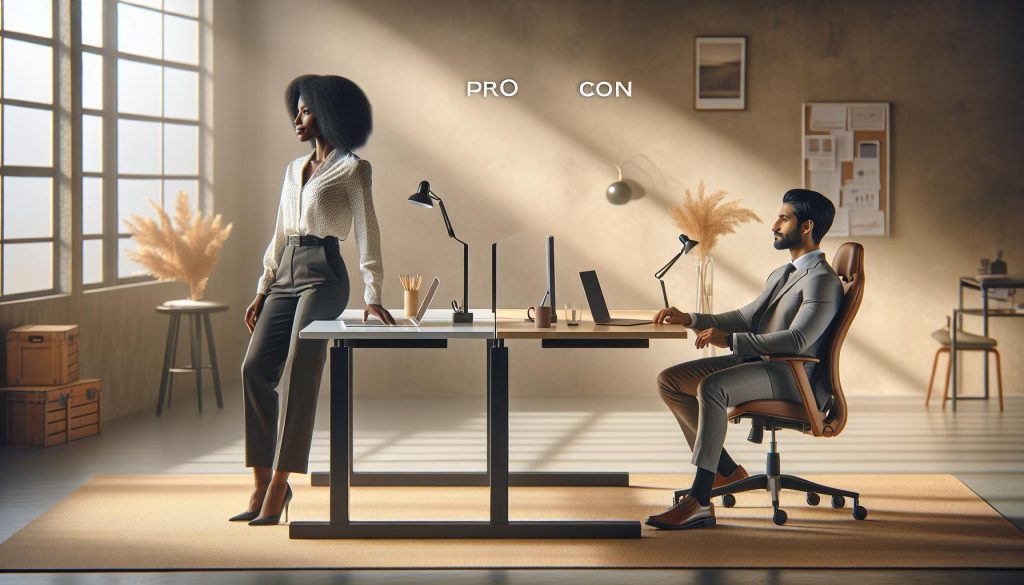
As the modern workplace evolves, many are asking: is it better to have a standing desk? With increasing awareness of the health risks associated with sedentary lifestyles, the concept of standing desks has gained traction. By allowing for a more dynamic work environment, proponents claim they can enhance productivity, reduce discomfort, and promote overall well-being. However, like any health trend, it’s important to weigh the pros and cons thoughtfully. Are standing desks the solution to workplace wellness, or do they come with their own set of challenges? This exploration aims to equip you with essential insights, enabling you to make an informed decision about your workspace. Let’s delve into the benefits and drawbacks of standing desks to uncover what truly suits your health and productivity needs.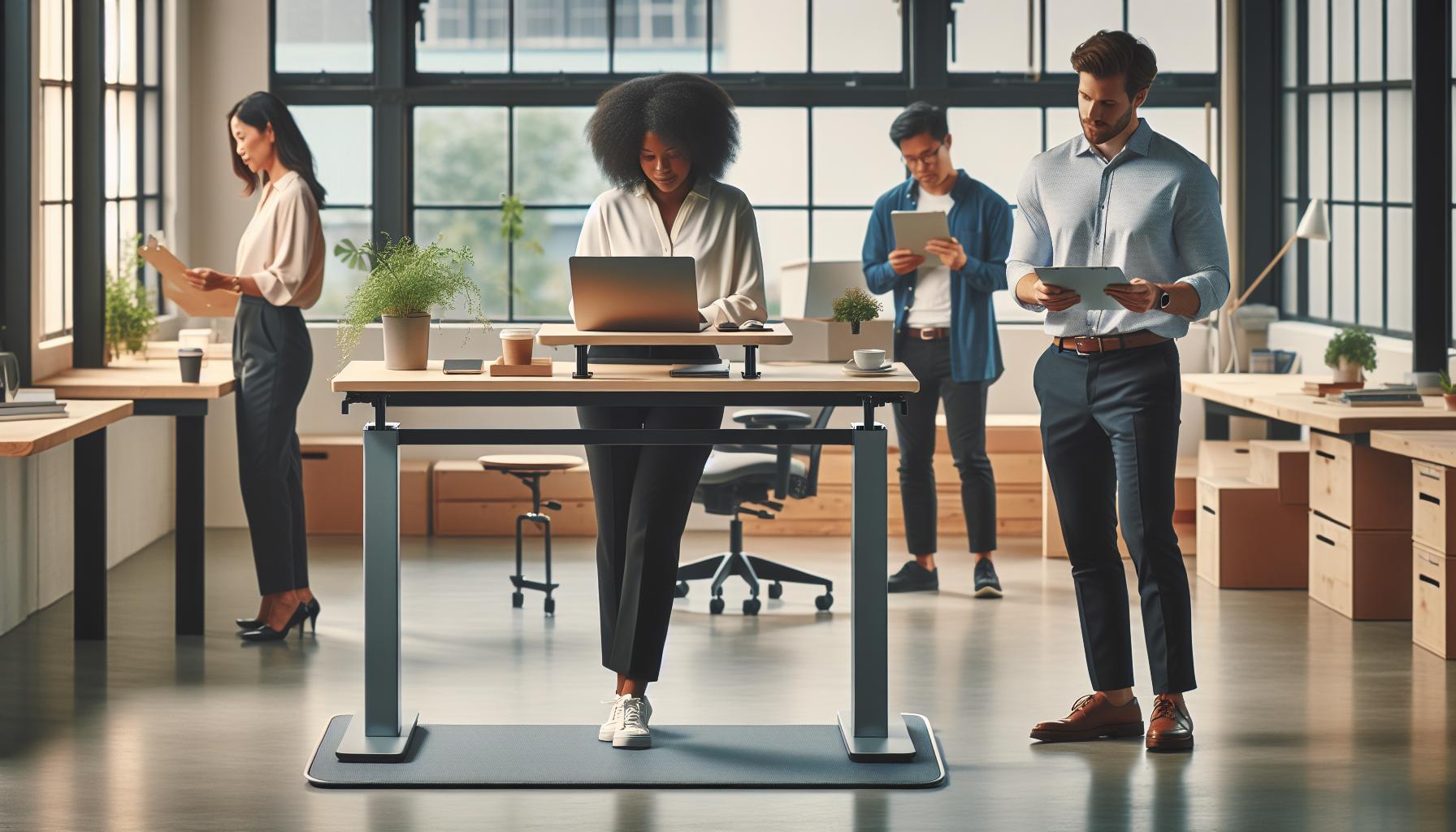
Benefits of Using a Standing Desk for Health
Standing desks have surged in popularity as a response to the growing awareness of the health risks associated with prolonged sitting. Research suggests that incorporating standing into your workday can lead to a range of health benefits, making it a compelling option for those seeking to enhance their overall wellness.
One of the most significant benefits of using a standing desk is its potential to improve cardiovascular health. Studies indicate that reducing sitting time can lower the risk of heart disease, which is often exacerbated by sedentary lifestyles. Additionally, standing more frequently throughout the day can help manage blood sugar levels, a crucial aspect for individuals who face conditions like type 2 diabetes. Active engagement of the muscles while standing not only assists in maintaining a healthier weight but also fosters increased calorie burn compared to sitting.
Moreover, standing desks can enhance mental well-being and cognitive function. By adopting an upright posture, individuals may experience improved focus and energy levels, translating to higher productivity rates. This is particularly relevant in work environments where mental clarity and quick decision-making are essential. Standing desks encourage movement, which can stimulate various brain functions and promote neuroplasticity, the brain’s ability to form new connections and improve learning.
To maximize these benefits, it’s important to maintain an ergonomic setup. This includes adjusting the desk height to ensure your arms are at a comfortable level and your screen is eye-level to reduce strain on your neck and back. By combining the use of a standing desk with conscious attention to posture and movement, you can create a work environment that not only supports your physical health but boosts your mental clarity and productivity, leading to a more balanced and fulfilling work life.
Potential Drawbacks of Standing Desks Explained
Standing desks undoubtedly offer a fresh approach to combating the negative effects of prolonged sitting, yet they come with their own set of challenges that deserve careful consideration. One striking concern is the potential for discomfort and physical strain. While standing may alleviate issues associated with sedentary behavior, being on your feet for extended periods can lead to fatigue, and discomfort in the legs, back, and feet. For individuals with pre-existing conditions, this may exacerbate symptoms or create new ones, such as joint pain or circulatory problems.
To address these drawbacks effectively, it’s important to practice balance and moderation. Incorporating movement into your day can help mitigate discomfort. Transitioning between sitting and standing-using a sit-stand desk-allows for a more fluid workflow while reducing the physical strain associated with prolonged standing. This adjustment can help your body find its optimal position, minimizing risks of strain and enhancing comfort throughout the workday.
Practical Tips for Mitigating Drawbacks
- Use supportive footwear: Ergonomic shoes or cushioned insoles can provide relief and support your feet throughout the day.
- Stay mobile: Take regular short breaks to walk and stretch, which assists in maintaining blood circulation and reduces stiffness.
- Monitor posture: Keeping your workstation at the right height can help maintain good posture and alleviate strain on your back and neck.
Moreover, psychological factors are another consideration in the debate about standing desks. While standing can enhance energy and focus for some, it may feel uncomfortable or unnatural for others, potentially leading to decreased productivity. Adapting to this new working position can take time, and it might initially require a mental effort to maintain high productivity levels while standing.
Ultimately, being mindful of these potential drawbacks while leveraging the benefits of standing desks is crucial. Listening to your body, adjusting your setup, and integrating movement into your daily routine will help create a balanced, productive, and pain-free work environment that enhances your overall wellness.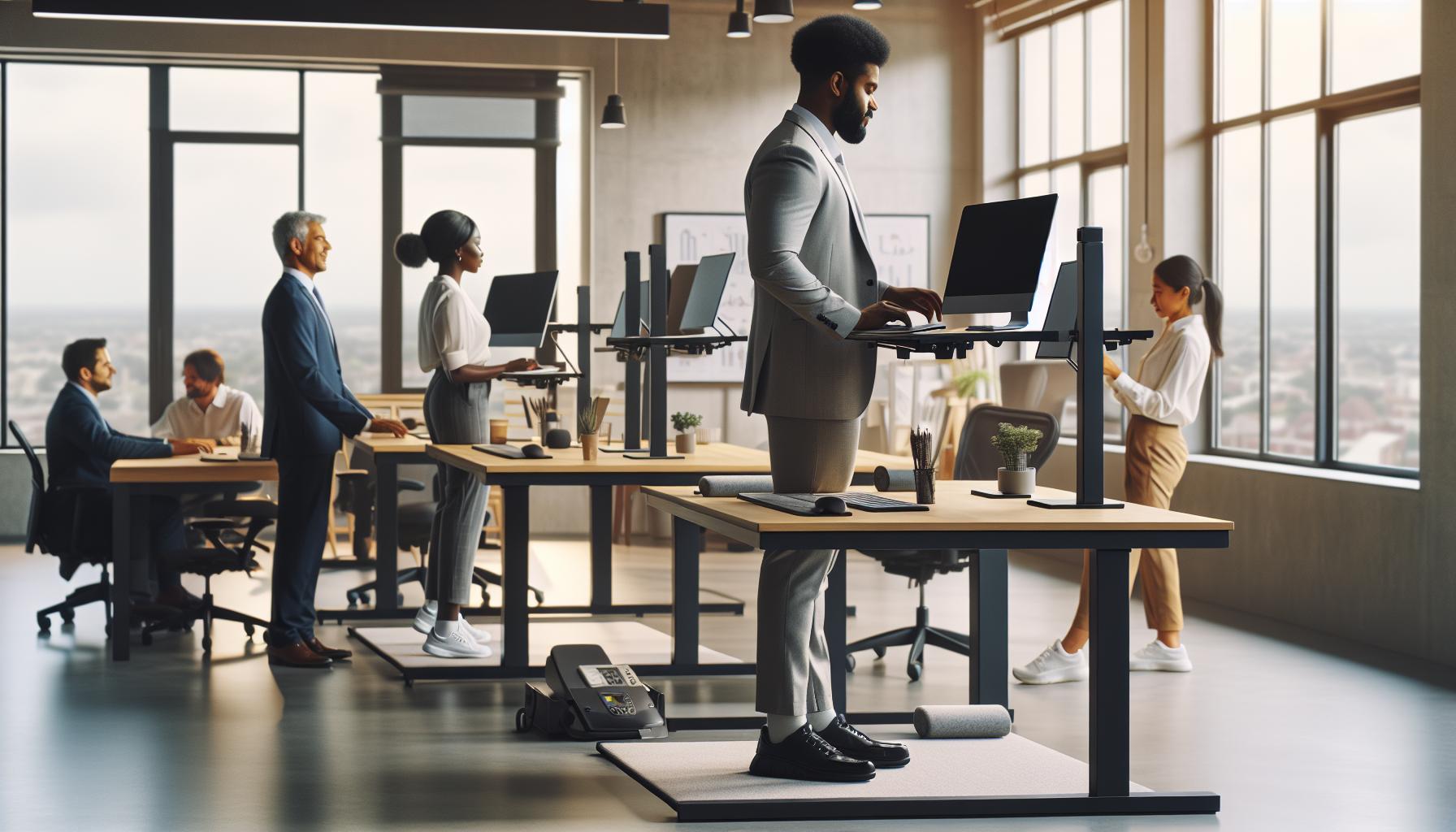
Ergonomic Setup Tips for Your Standing Desk
Creating an ergonomic workspace with a standing desk can significantly enhance both physical comfort and cognitive function, impacting your overall productivity. To maximize the benefits of standing desks while minimizing strain, it’s essential to focus on the details of your setup. A well-structured ergonomic environment not only promotes better posture but can also improve your energy levels and mental clarity throughout the day.
Start by adjusting the height of your standing desk so that your elbows are at a 90-degree angle when typing. This position reduces strain on your shoulders and prevents neck discomfort. Your monitor should be at eye level, allowing you to maintain a straight neck and back. A simple rule is to keep the top of the screen at or just below eye level, ensuring that you don’t have to tilt your head up or down excessively. Consider using a monitor riser if your desk is not adjustable or if your screen is too low.
Footwear plays a critical role in sustaining comfort while standing. Invest in supportive shoes that provide adequate cushioning and arch support. Additionally, consider using an anti-fatigue mat to reduce pressure on your legs and feet. Such mats can help enhance comfort by distributing weight evenly and promoting subtle movements that stimulate blood circulation.
Incorporating movement into your standing routine is equally important. Aim to shift your weight from one foot to another and take short breaks to walk around every 30 minutes. Integrating small exercises, such as calf raises or gently stretching your arms, can prevent fatigue and keep your blood flowing, which is crucial for sustaining energy levels and cognitive performance.
For those transitioning to a standing desk, plan to alternate between sitting and standing throughout the day. A sit-stand desk gives you the flexibility to switch positions as needed without compromising your workflow. Start with short intervals of standing-15 to 30 minutes-before gradually increasing your standing time as your body adapts.
By focusing on these ergonomic principles, you can cultivate a workspace that not only supports your physical health but also enhances your cognitive function, fostering a balanced and productive working environment.
How Standing Desks Affect Productivity and Focus
In an era where remote work is becoming increasingly common, the setup of your workspace can significantly influence both productivity and focus. Standing desks have gained popularity as a means to enhance working conditions and may foster better concentration and efficiency. Research indicates that simply changing your posture can activate different neural pathways in the brain, promoting higher levels of engagement and creativity during tasks. Moreover, standing while working can help mitigate the lethargy often associated with prolonged sitting, resulting in a more dynamic work experience.
The act of standing engages your body, which in turn can enhance focus and cognitive function. Studies have shown that workers who alternate between sitting and standing report lower fatigue levels and higher energy, contributing positively to their ability to stay engaged with their work. This increase in energy can heighten motivation and lead to improved performance on tasks that require sustained concentration. A standing desk encourages more natural movement, enabling users to shift positions, stretch, or even pace slightly, which can further improve mental alertness and stimulate creative problem-solving.
To maximize the productivity benefits of a standing desk, it’s essential to facilitate proper ergonomic practices. For instance, keeping the monitor at eye level and using a keyboard that aligns with your elbows can help reduce discomfort and allow you to maintain focus on your tasks instead of adjusting your body to account for poor posture. Incorporating brief, scheduled breaks into your routine can also make a significant difference. Short intervals of activity, even just stepping away from your desk for a moment, provide the brain with fresh stimuli, helping to reset focus and ward off fatigue.
Ultimately, while standing desks can contribute to enhanced productivity and focus, incorporating a balanced approach that combines standing, sitting, and movement is key. This strategy not only promotes physical well-being but also enriches mental clarity and efficiency, allowing individuals to work smarter, not harder. By understanding and implementing these practices, you can create a workspace that not only supports your body but also fuels your mind, leading to a healthier, more productive work environment.
Comparing Standing Desks to Traditional Desks
The debate surrounding standing desks versus traditional desks has gained traction as more individuals prioritize workplace wellness and productivity. Research suggests that prolonged sitting may contribute to a host of health issues, including obesity, cardiovascular disease, and decreased cognitive performance. On the other hand, a standing desk alters your posture and promotes movement, potentially reducing these health risks and enhancing physical well-being.
Benefits of Standing Desks
Using a standing desk encourages better posture and can lead to improved spinal health. Standing activates different muscle groups, which can help mitigate the risks associated with sedentary behavior, such as lower back pain and diminished circulation. Moreover, studies have indicated that standing desks may improve energy levels and productivity by keeping employees more engaged and alert throughout the workday. A more dynamic work posture can also stimulate brain activity, enhancing creativity and problem-solving abilities.
Drawbacks of Standing Desks
However, it’s important to approach standing desks with caution. Prolonged use can lead to fatigue, discomfort in the legs and feet, and even joint issues if not used properly. Ergonomics play a critical role in mitigating these drawbacks. For instance, using an anti-fatigue mat and ensuring your desk height is set correctly can significantly influence comfort levels while standing.
Finding a Balance
Ultimately, the choice between standing and traditional desks should not be an either-or situation. Adopting a hybrid model that allows for frequent transition between sitting and standing is often the most effective strategy. This approach not only enhances physical well-being but also promotes mental clarity and productivity. It’s worth considering an adjustable desk that offers the flexibility to change positions throughout the day, allowing individuals to adapt based on their comfort and workload demands.
In summary, both standing desks and traditional desks carry unique benefits and challenges. The key lies in understanding personal comfort, staying aware of bodily signals, and creating a workspace that supports both physical health and cognitive function. Implementing best practices for alternating between the two can lead to a harmonious work environment that retains productivity and protects overall wellness.
User Experiences: Real-Life Standing Desk Reviews
User reviews of standing desks provide valuable insights into the real-world benefits and challenges these workstations present. Many users report an enhanced sense of energy throughout the day. For example, professionals transitioning from traditional desks to standing options often share that they experience reduced afternoon fatigue, which subsequently translates into improved focus and overall productivity. A typical user might express that they found themselves less prone to the midday slump, feeling more alert and engaged in their tasks.
However, not all experiences are without drawbacks. Some users highlight the initial discomfort of standing for prolonged periods. A common recommendation among seasoned standing desk users is the importance of gradually increasing standing time to allow the body to adapt, suggesting a strategy of alternating between sitting and standing until one finds a comfortable balance. Incorporating an anti-fatigue mat often comes up as a beneficial addition, helping to reduce discomfort in the legs and feet.
Positive Transformations
Users also recount personal transformations that go beyond mere productivity gains. For instance, a graphic designer noted that switching to a standing desk encouraged them to incorporate more movement during the day, including short walks or stretching, leading to better overall health. They shared that this choice has promoted a greater awareness of their posture and provided a more active work environment, thus reducing back pain and enhancing their creative flow.
Addressing Concerns
Yet, it’s essential for potential users to be aware of the diverse experiences regarding ergonomic setups. Users commonly stress the significance of aligning desk height with personal ergonomics to avoid strain. Reading reviews before purchasing a standing desk can help one pinpoint valuable features that address common concerns, such as adjustable settings, stability, and the addition of supportive accessories. Many emphasize the role of consulting ergonomic guidelines while setting up their workspace to maximize comfort and minimize physical stress.
Ultimately, while the transition to a standing desk can present challenges, the collective sentiments from users indicate that these desks can lead to significant benefits when implemented thoughtfully. The key takeaway is to listen to your body and adjust as needed, which supports a more sustainable and enjoyable work experience.
Best Practices for Alternating Between Sitting and Standing
Transitioning between sitting and standing while working can significantly enhance your well-being and productivity. However, doing this effectively requires a thoughtful approach to ensure both comfort and health benefits. Integrating movement into your workday not only helps mitigate the risks associated with prolonged sitting but also promotes physical activity and cognitive function.
To establish a successful routine for alternating between sitting and standing, consider the following strategies:
- Set a Timer: Use a timer or an app to remind you to switch positions every 30 to 60 minutes. This interval can be adjusted based on your comfort level; some may prefer standing longer, while others may need to alternate more frequently.
- Use High-Quality Anti-Fatigue Mats: These mats provide cushioning and support, greatly reducing leg and back discomfort while standing, allowing you to stay on your feet longer.
- Gradual Increments: Start with short standing periods (about 15-20 minutes) and gradually increase as your body adapts. This approach not only prevents fatigue but also helps your muscles adjust to the demands of standing.
- Incorporate Movement: Engage in light stretching or walking around whenever you transition positions. Even just shifting your weight from one foot to the other can enhance circulation and reduce muscle tension.
- Mind Your Posture: Maintain a neutral stance by keeping your feet shoulder-width apart and your knees slightly bent. Position your computer screen at eye level to avoid neck strain, and use an ergonomic keyboard and mouse to support proper wrist alignment.
Adjusting your work position can also influence energy levels and mental clarity. Research suggests that standing while working can improve mood and boost energy, contributing to overall workplace wellness. Ultimately, the key is to listen to your body and find a rhythm that maximizes comfort and productivity. By adopting these best practices, you will create a more dynamic and engaging work environment that supports both your physical and cognitive health.
Psychological Benefits of a Standing Work Environment
Integrating a standing desk into your work routine can yield significant psychological benefits that enhance both your mental well-being and overall productivity. Studies suggest that the simple act of standing while working can lead to improved mood and increased levels of energy, making it easier to tackle daily tasks and challenges. By fostering a more engaged and dynamic work environment, standing desks help combat feelings of fatigue and monotony that often accompany prolonged sitting.
Improved Emotional Well-Being
Standing desks can contribute to a more positive emotional state. Research indicates that people who adopt standing desks report lower levels of stress and fatigue compared to their seated counterparts. This shift not only helps in maintaining a positive attitude throughout the day but also enhances resilience against workplace pressures. Moreover, the ability to move freely and shift positions can stimulate creativity and encourage spontaneous interactions among colleagues, further fostering a sense of community and belonging in the workplace.
Boosted Cognitive Function
The psychological effects of using a standing desk extend into cognitive enhancements as well. Standing while working has been associated with improved focus and mental clarity. Engaging the body in a more active position increases blood circulation, which can enhance oxygen flow to the brain. This physical engagement can lead to sharper thinking and quicker problem-solving abilities, which are crucial in fast-paced work environments. Additionally, standing desks can support better posture, which may alleviate discomfort that distracts from concentration.
Increased Motivation and Movement
Adopting a standing work environment encourages regular movement throughout the day, reducing feelings of lethargy often correlated with sedentary work. The act of simply standing can increase motivation to take short breaks for stretching or walking, further integrating movement into your workday. This not only helps maintain physical health but also reinforces positive habits that can extend into other areas of life. By implementing standing periods into your routine, you create a rhythm that promotes regularity in movement and enhances overall job satisfaction.
Incorporating these dynamics into your work life can cultivate a vibrant atmosphere that supports not just physical but psychological health. By evaluating how your work environment affects your mental and emotional state, you can make informed decisions that enhance both your productivity and well-being. Taking active steps to foster a healthy balance between movement and rest is essential in creating a sustainable and fulfilling work experience.
Impact of Standing Desks on Energy Levels
The transition to a standing desk can result in a significant boost in energy levels throughout the workday. Studies have shown that standing activates more muscle groups compared to sitting, promoting increased blood flow and oxygen circulation. This enhanced circulation not only improves physical energy but also contributes to better cognitive function and alertness. Many workers report feeling less fatigued and more vibrant when they incorporate standing into their routine, as the physical act of standing is often associated with increased motivation and engagement.
To maximize the energizing effects of a standing desk, consider the following practices:
- Alternate Between Sitting and Standing: It’s essential to find a healthy balance. Adopt a schedule that allows you to alternate positions, such as standing for 30 minutes and sitting for 30 minutes. This can help prevent fatigue while maintaining energy levels.
- Incorporate Movement: Take periodic breaks to stretch or walk around. This not only enhances energy but also promotes overall well-being. Simple movements like calf raises or leg stretches can refresh you and reduce the risk of discomfort.
- Set Up an Ergonomic Workspace: Ensure that your desk height and monitor placement are optimized for standing. An ergonomic setup minimizes strain on your body, allowing you to stay energized longer without discomfort.
Additionally, the psychological aspect of standing can’t be overlooked. Many individuals find that standing not only combats the post-lunch slump but also enhances their focus and drive. This mental boost contributes to a sense of alertness, allowing for more productive work sessions and a greater sense of accomplishment. Engaging in a standing work environment can reshape your outlook on daily tasks, amplifying your motivation and energy levels across the board. Embracing these practices can lead to sustained vitality, improving not just your physical health but also your overall workplace experience.
Setting Up a Healthy Workspace for Mental Clarity
Creating a workspace optimized for mental clarity can significantly enhance your overall productivity and well-being. As research shows, an organized and thoughtfully arranged workspace helps reduce cognitive overload and fosters more effective thinking. To set up a healthy workspace that promotes mental clarity, consider several key elements, such as lighting, organization, and ergonomic design.
First, lighting plays a crucial role in maintaining focus and energy levels. Natural light is the most beneficial, as it can improve mood and alertness. If natural light is limited, invest in quality task lighting that mimics daylight to create an inviting and stimulating atmosphere. This reduces eye strain and helps keep your circadian rhythm balanced, enhancing cognitive performance.
Next, focus on organization and decluttering. A tidy workspace can lead to less distraction and improved mental clarity. Regularly assess what items you have on your desk-keep only items that are essential for your current tasks. Utilize organizers, trays, or baskets to manage papers and supplies efficiently. Incorporate a vision board or inspirational quotes that can keep you motivated and aligned with your goals, making your environment not just functional, but also uplifting.
Ergonomic setup is another cornerstone for mental clarity. Your desk and chair should support natural posture to prevent discomfort or fatigue. For a standing desk, ensure that your screen is at eye level and your elbows are at a 90-degree angle when typing. Having your feet flat on the ground or a footrest can further enhance comfort and focus. As you set up, remember to prioritize movement and breaks; short breaks every hour can significantly boost cognitive functions and help maintain a fresh perspective on tasks.
Adhering to these practices not only promotes mental clarity but also supports brain health, as a harmonious work environment can decrease stress and enhance overall workplace satisfaction. By consciously designing your workspace with these principles in mind, you create a foundation for sustained productivity and creativity throughout your workday.
Addressing Common Myths About Standing Desks
Many people are eager to embrace the standing desk revolution, believing it to be the panacea for a multitude of workplace ailments. However, several myths persist, often clouding the real advantages and drawbacks of these desks. For instance, it is commonly thought that standing desks eliminate the risks associated with prolonged sitting. While standing may reduce the risk of certain conditions, such as obesity or heart disease, it’s important to understand that standing for extended periods can lead to its own set of health issues, including leg and back pain.
Another prevalent misconception is that using a standing desk will automatically increase productivity. While some users report improved focus and energy levels, others might experience discomfort that distracts them from their work. The key lies in balance and movement; alternating between sitting and standing can help reap the benefits of both positions. Understanding this nuance allows workers to create a more adaptable work environment, collectively managing time spent in each position for optimal health.
Additionally, the idea that standing desks are universally adjustable may not hold true for all models. Many standing desks require manual adjustment, which can discourage frequent changes in posture. A well-designed desk should be easily adjustable to accommodate different users and preferences, facilitating seamless transitions throughout the day. Awareness of this factor can empower individuals to choose better options tailored to their needs, ultimately fostering a more conducive workspace.
In summary, addressing these myths provides a clearer perspective on standing desks, emphasizing the importance of moderation, ergonomic setup, and adaptability. A well-informed approach not only enhances physical health but also contributes to greater overall workplace satisfaction, affirming that thoughtful integration of standing desks can lead to meaningful gains in well-being.
Tips for Integrating Standing Desks into Daily Routines
As more individuals transition to standing desks, the need for effective integration into daily routines becomes increasingly essential. A standing desk can offer a myriad of benefits, but its advantages can only be fully realized when individuals establish healthy habits that support their use. Here are some strategies to seamlessly incorporate standing desks into your daily workflow.
To start, it’s vital to create a balanced schedule that includes alternating between sitting and standing. An effective routine could involve standing for 30 to 60 minutes, followed by a similar duration seated. This rotation not only helps prevent fatigue but also encourages movement, which is essential for maintaining energy levels throughout the day. Consider using a timer or a mobile app that prompts you to switch positions regularly, enhancing your awareness of time spent in each posture.
Setting up your workspace ergonomically is crucial. Ensure your monitor is at eye level, and your elbows are at a 90-degree angle while typing. Position your standing desk so that your feet are flat on the ground, or use a footrest to shift your weight from one leg to another. This setup reduces the risk of strain and fosters a more comfortable standing experience. Adding an anti-fatigue mat can also provide cushioning, promoting better posture and comfort during extended periods of standing.
Incorporating micro-breaks is another excellent way to enhance your routine. Every 30 minutes, take a moment to stretch, walk to a colleague’s desk, or perform simple exercises, such as wall stretches or calf raises. These breaks not only help mitigate physical discomfort but also stimulate mental clarity and productivity, enabling you to return to your tasks with renewed focus. Engaging in light activities can effectively manage stress and improve mood, further contributing to a healthier work environment.
Lastly, be attentive to body signals. It’s essential to listen to your body and adjust your standing duration as necessary. If you begin to feel discomfort or fatigue, it might be time to switch to a seated position. By tailoring your standing desk routine to your individual preferences and comfort levels, you foster a healthier work style that enhances both productivity and overall well-being. Implementing these tips will set you on the path to not only utilizing a standing desk effectively but also cultivating a healthier, more dynamic workplace.
Frequently asked questions
Q: What are the main health benefits of using a standing desk?
A: Standing desks can help reduce the risk of weight gain and obesity, improve posture, decrease back and neck pain, and increase energy levels. Incorporating movement while standing can also enhance overall mood and productivity, promoting a healthier work environment.
Q: How can using a standing desk improve productivity?
A: Standing desks can lead to increased focus and energy, reducing the likelihood of fatigue during work hours. The ability to move around encourages blood circulation, which can enhance cognitive function and creativity.
Q: What are the potential downsides of standing desks?
A: Some potential downsides include leg and foot discomfort, fatigue, and increased risk of varicose veins if standing for prolonged periods. It’s important to switch between sitting and standing to mitigate these concerns and maintain comfort.
Q: Can a standing desk help with weight loss?
A: Yes, using a standing desk can aid in weight loss by promoting more calorie expenditure compared to sitting. However, incorporating regular movement and exercise is essential for significant weight loss results.
Q: How should I set up my standing desk ergonomically?
A: Ensure your screen is at eye level and your elbows are at a 90-degree angle when typing. Use a footrest to shift your weight and invest in anti-fatigue mats for comfort. Adjust your desk height so your wrists remain straight while typing.
Q: How often should I alternate between sitting and standing?
A: It’s advisable to alternate between sitting and standing every 30 to 60 minutes. This helps to reduce fatigue and allows for better circulation, making your workday more comfortable and productive.
Q: What accessories can enhance the experience of using a standing desk?
A: Ergonomic accessories like anti-fatigue mats, adjustable monitor risers, and keyboard trays can enhance comfort. A desk converter can also offer flexibility for alternating between sitting and standing positions easily.
Q: Is it suitable for everyone to use a standing desk?
A: While many can benefit from standing desks, individuals with certain medical conditions, like joint issues or cardiovascular problems, should consult a healthcare professional to ensure it’s appropriate for their situation.
Key Takeaways
As we explore the benefits and drawbacks of standing desks, it’s clear that they’re a valuable tool for enhancing workplace wellness and productivity. If you’re considering making the switch, remember to evaluate your personal comfort and working habits to find what truly works for you. Don’t forget to check out our step-by-step guide on setting up an ergonomic workspace and explore tips for stress management to complement your new setup.
Act now-your health and cognitive performance depend on the choices you make today! Dive into our other articles on workplace wellness and biohacking techniques to further enhance your productivity. We invite you to share your experiences or questions in the comments below, and consider signing up for our newsletter for more insights that empower your journey toward a healthier workspace!