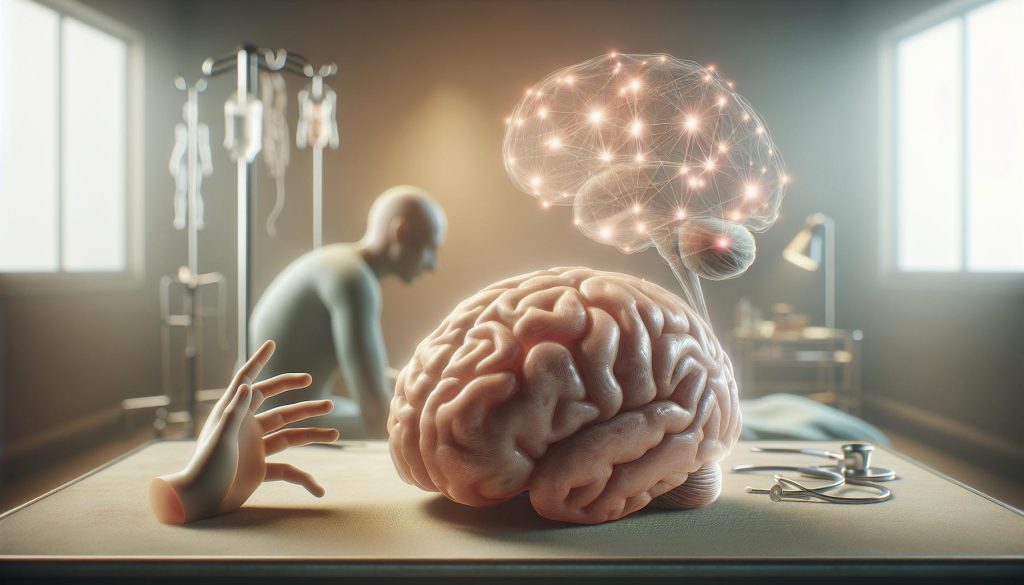
Did you know that the brain has an incredible ability to adapt and heal, but sometimes, this process can lead to complications? Gliosis, a condition marked by the reactive changes in glial cells following central nervous system injury, raises important questions about brain health. Understanding gliosis is crucial, as it can indicate underlying trauma or disease, impacting cognitive function and overall wellness. In an age where mental clarity and cognitive performance are paramount, it’s vital to explore whether gliosis can pose risks to our brain health. This article will delve into the implications of gliosis, its causes, and what you need to know to safeguard your cognitive well-being. Let’s uncover the complexities of gliosis together and empower ourselves with knowledge that could affect our neurological health.
Is Gliosis a Sign of Brain Damage? Understanding the Risks
The brain is a remarkably resilient organ that continually navigates a complex web of functions, yet when faced with injury or disease, it prompts a defensive mechanism known as gliosis. This process, characterized by changes in glial cells-such as astrocytes and microglia-serves as a response to damage but raises important questions about its implications. While gliosis is not inherently a sign of irreversible harm, its presence often indicates underlying issues that may need addressing.
When the brain sustains an injury or experiences inflammation, gliosis can manifest as a protective mechanism that aids in repair. However, this reactive response can also yield risks. Elevated levels of gliosis may correlate with increased complications, particularly in chronic conditions or severe injuries. Over time, the formation of glial scars can interfere with neuronal function, potentially impairing cognitive abilities and overall brain health. Therefore, the occurrence of gliosis can serve as a clinical marker, signaling the need for further evaluation to prevent potential degenerative effects.
Moreover, recognizing gliosis as a symptom rather than a standalone diagnosis is crucial. It often accompanies various neurological diseases, including multiple sclerosis and Alzheimer’s disease, where the extent and context of gliosis significantly influence outcomes and treatment approaches. Health professionals will typically evaluate the degree of gliosis present, alongside other symptomatic indicators, to create a comprehensive treatment plan aimed at mitigating any complications arising from this protective process.
Ultimately, understanding gliosis is vital for empowering individuals to advocate for their brain health. By staying informed about the risks associated with gliosis, individuals can engage proactively with healthcare providers to monitor their neurological status, consider lifestyle changes that promote brain health, and adopt strategies that may reduce the likelihood of severe consequences related to gliosis.
The Role of Gliosis in Brain Health Explained
The intricate dance between gliosis and brain health highlights a pivotal aspect of our neurological resilience. When the brain encounters injury or disease, gliosis emerges as a reactive process characterized by the proliferation of glial cells, including astrocytes and microglia. This cellular response is not merely a defensive measure but also plays a critical role in signaling the brain’s ongoing health status. Therefore, understanding gliosis provides us with valuable insights into the brain’s ability to adapt and recover, emphasizing the potential for regeneration and repair in the face of adversity.
As supportive cells in the central nervous system, glial cells engage in various functions that are essential for maintaining overall brain health. They help regulate the environment around neurons, provide nutrients, and respond to injuries. When gliosis occurs, it reflects the brain’s attempt to stabilize itself. However, this process can also mark the beginning of a complicated relationship between repair and potential dysfunction. While mild gliosis can aid in recovery by facilitating the healing of neuronal tissues, excessive or chronic gliosis may lead to the formation of glial scars. These scars can disrupt normal neuronal signaling, potentially leading to cognitive decline, behavioral changes, or other neurological complications.
To maintain and enhance brain health, it is imperative to adopt proactive measures that support optimal glial function. Here are some practical strategies:
- Stay Physically Active: Regular physical activity promotes neuroplasticity, enhancing the brain’s ability to form new connections.
- Balanced Nutrition: A diet rich in omega-3 fatty acids, antioxidants, and anti-inflammatory foods can support brain health and reduce the risk of chronic gliosis.
- Manage Stress: Practicing mindfulness, meditation, and relaxation techniques can lower inflammation and support optimal brain function.
- Engage in Cognitive Activities: Activities that challenge the brain, such as puzzles, reading, or learning new skills, can stimulate neuronal health.
- Consult Healthcare Professionals: Regular check-ups with neurologists or cognitive health specialists can help monitor brain health and manage any emerging issues effectively.
By recognizing the complex role gliosis plays in our brain health, we can better understand how to foster an environment that encourages healing and minimizes the risk of cognitive decline. Your brain’s resilience can thrive with the right support, promoting a vibrant and healthy cognitive life.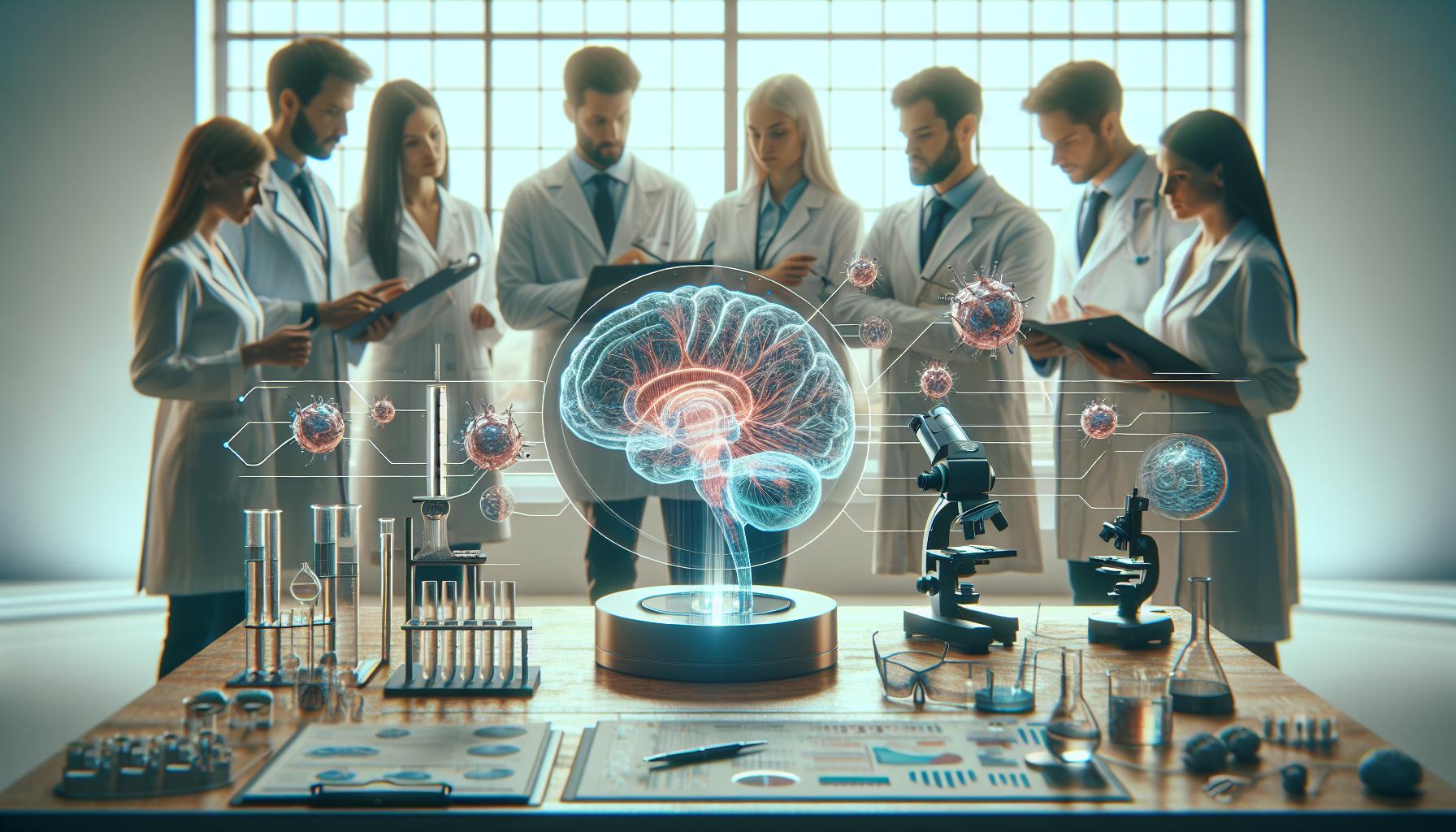
Common Causes of Gliosis in the Brain
In understanding the complexities of gliosis, it’s essential to recognize the various situations that can trigger this process within the brain. Gliosis typically occurs as a response to injury or pathological changes, but what exactly causes this condition? From traumatic incidents to degenerative diseases, several factors play a crucial role.
Traumatic brain injuries (TBIs), such as concussions or more severe impacts from accidents or sports, are leading contributors to gliosis. When the brain sustains damage, glial cells rapidly proliferate to repair and protect the affected areas, leading to the characteristic changes associated with gliosis. This process helps stabilize the brain, but if the injury is significant, gliosis can become chronic and potentially harmful.
In addition to physical trauma, underlying medical conditions can also instigate gliosis. For instance, strokes -both ischemic and hemorrhagic- disrupt the normal flow of blood to the brain, resulting in cellular injury that provokes glial responses. Similarly, infections like meningitis can trigger an inflammatory cascade that leads to gliosis as the brain’s immune system attempts to counteract the infection.
Neurodegenerative diseases, including Alzheimer’s and multiple sclerosis (MS), represent another critical group of causes. These conditions often lead to chronic inflammation, where the ongoing manipulation of glial cells contributes to disease progression. For example, in Alzheimer’s disease, gliosis is associated with the presence of amyloid plaques and tau tangles, suggesting a bidirectional relationship where gliosis may exacerbate neuronal loss.
Understanding these common triggers can empower individuals to be proactive about their brain health. Engaging in protective measures, such as wearing helmets while biking or participating in contact sports, promptly seeking treatment for head injuries, and managing chronic health issues through professional care, can mitigate the risks associated with gliosis. Moreover, adopting a lifestyle that promotes brain health-emphasizing nutrition, exercise, and mental engagement-can also play a vital role in supporting the brain’s resilience against these challenges.
Symptoms You May Experience with Gliosis
Experiencing symptoms when dealing with gliosis can vary significantly from person to person, largely depending on the underlying cause and the severity of the damage sustained in the brain. One of the most common manifestations includes cognitive changes, which might present as difficulties with memory, attention, or decision-making. For instance, individuals may find themselves struggling to concentrate, recalling information, or experiencing confusion, especially during moments of stress or fatigue. Such cognitive hiccups can be frustrating but highlight the brain’s responsiveness to injury and the importance of providing support and care.
In addition to cognitive symptoms, gliosis can lead to physical manifestations depending on the regions of the brain involved. Patients might experience muscle weakness, coordination problems, or issues with balance and motor functions. For example, someone with gliosis affecting motor pathways may find it challenging to perform tasks that require fine motor skills, such as writing or grasping small objects. These physical implications underscore how interconnected our cognitive and physical faculties are, revealing the complex nature of brain health.
Moreover, emotional instability is another potential symptom of gliosis. Individuals may experience mood swings, increased anxiety, or depressive symptoms, which can be daunting. This emotional turmoil may not only heighten stress levels but can also complicate relationships and daily life, making it essential to address these symptoms holistically through supportive therapies and lifestyle adjustments.
Recognizing these symptoms early can lead to better management strategies. Engaging with healthcare professionals to establish a tailored treatment plan can help alleviate the burden these symptoms can place on daily life. Additionally, cultivating a nurturing environment-whether in the workplace or home-can significantly aid individuals experiencing gliosis. Simple practices like mindfulness, regular physical activity, and encouraging communication about emotional health can foster resilience, enabling a more harmonious balance between brain health and overall well-being.
In summary, being aware of the varied symptoms that may arise from gliosis is vital. By understanding the root causes and engaging in proactive management strategies, individuals can navigate the complexities of this condition with empowerment and support.
Diagnosing Gliosis: Tests and Procedures
Diagnosing gliosis can often be a pivotal step towards understanding its implications for brain health. When healthcare professionals suspect gliosis due to symptoms or imaging results, several tests and procedures are utilized to confirm the presence of this condition and assess its extent.
One of the most common diagnostic tools is magnetic resonance imaging (MRI). This non-invasive imaging technique provides detailed images of brain structures and can highlight areas where gliosis has occurred, typically appearing as bright spots or lesions. MRI scans allow neurologists to differentiate between gliosis and other potential brain abnormalities, such as tumors or stroke effects. Computed tomography (CT) scans are also utilized, especially in emergency settings, to quickly assess structural changes in the brain that might indicate gliosis.
In addition to imaging, a thorough neurological examination is essential. This includes assessing cognitive functions, motor skills, reflexes, and sensory responses. Such evaluations can help pinpoint specific areas of concern that might be related to gliosis. Neurologists may also perform electroencephalography (EEG) tests to examine brain wave patterns, particularly in patients experiencing seizures, which can sometimes be associated with gliosis.
To further understand potential underlying causes, doctors may opt for blood tests to rule out infections, autoimmune disorders, or inflammatory conditions that could contribute to gliosis. In some cases, a biopsy may be necessary, particularly if there are uncertainties about the nature of the lesions observed. By sampling brain tissue, clinicians can gain definitive insights into the biological mechanisms at play.
Recognizing the importance of a multidisciplinary approach, it’s vital for patients undergoing diagnostic evaluations to maintain open communication with their care teams. Keeping a detailed symptom journal and asking questions about tests can provide valuable context to healthcare providers, fostering a more personalized understanding of each individual’s situation. Through effective diagnostics, individuals can work towards tailored treatment plans that address both the symptoms of gliosis and the broader impacts on brain health.
The Connection Between Gliosis and Neurodegenerative Diseases
Gliosis is often regarded as a key player in the context of neurodegenerative diseases, acting both as a response to injury and as a potential contributor to the progression of various conditions. Research has shown that the proliferation of glial cells, which occurs during gliosis, is commonly observed in diseases such as Alzheimer’s, Parkinson’s, and multiple sclerosis. This suggests that gliosis may not only signify an acute reaction but may also indicate chronic changes in the brain linked to ongoing degenerative processes.
The role of gliosis in neurodegenerative conditions can be dual-faceted. On one hand, it serves a protective function. Glial cells are instrumental in repairing damage and managing inflammation, attempting to preserve brain function after trauma or disease onset. For instance, in Alzheimer’s disease, glial cells can help clear amyloid plaques, a hallmark of the disease. However, chronic gliosis and excessive activation of these cells can lead to neuroinflammation, which may exacerbate neuronal death and contribute to cognitive decline.
Understanding gliosis’ connection to neurodegeneration emphasizes the importance of early intervention and management. Patients experiencing symptoms of cognitive decline or other neurological issues should seek professional guidance promptly. By addressing the underlying causes of gliosis and implementing comprehensive treatment strategies, it is possible to mitigate the impact of gliosis on brain health. This proactive approach can lead to improved cognitive function and overall quality of life.
Moreover, lifestyle choices play a critical role in managing brain health and may influence the course of neurodegenerative diseases. Practices such as regular physical exercise, a balanced diet rich in antioxidants, and engaging in mentally stimulating activities can support brain resilience. Furthermore, stress management techniques, including mindfulness and relaxation practices, are essential in minimizing the effects of inflammation in the body, which can contribute to the overall health of brain tissue. Being mindful of these factors empowers individuals to take an active role in maintaining their cognitive well-being while navigating the complexities of gliosis and neurodegenerative conditions.
Potential Implications of Untreated Gliosis
Left untreated, gliosis can lead to a cascade of complications that may significantly impair brain health and function. Although gliosis itself is a protective response to injury, chronic activation of glial cells can result in a detrimental state known as neuroinflammation. This ongoing inflammation can exacerbate neuronal damage, potentially leading to cognitive decline and increased severity of neurological symptoms.
It’s essential to understand the broader implications of persistent gliosis on brain functionality. A decline in cognitive abilities may arise, with symptoms such as memory loss, difficulties in concentration, and impaired decision-making emerging as direct consequences of untreated gliosis. This can affect daily activities, work performance, and overall quality of life. Furthermore, gliosis-related neuroinflammation may contribute to the progression of existing neurodegenerative conditions, such as Alzheimer’s and multiple sclerosis, potentially accelerating their onset and severity.
To mitigate the risks associated with untreated gliosis, individuals should be proactive about maintaining their brain health. Incorporating practices that foster resilience can be beneficial. Here are some strategies:
- Regular Physical Activity: Engaging in consistent aerobic exercise has been shown to reduce neuroinflammation and promote the health of brain cells.
- Nutrient-Rich Diet: A balanced diet high in antioxidants, omega-3 fatty acids, and anti-inflammatory foods can help protect the brain against damage.
- Stress Management Techniques: Mindfulness, yoga, and regular practicing relaxation exercises can lower stress levels, reducing inflammation and promoting overall brain health.
Additionally, seeking professional consultation when experiencing symptoms associated with gliosis ensures timely intervention and tailored management strategies. Taking early action to address potential causes and symptoms may lead to significant improvements in long-term cognitive function and overall health outcomes, highlighting the importance of understanding and addressing gliosis as part of maintaining brain wellness.
Treatment Options for Gliosis: What You Should Know
Gliosis, while a protective response to brain injury, can pose significant challenges if left untreated. Addressing the condition effectively requires a multifaceted approach that includes both medical intervention and lifestyle modifications aimed at enhancing overall brain health.
One of the primary treatment strategies involves addressing the underlying causes of gliosis. If gliosis has resulted from a specific brain injury, infection, or neurodegenerative disease, targeting these issues is crucial. Healthcare professionals may recommend medications to manage inflammation or other symptoms associated with the condition. Corticosteroids, for instance, may be prescribed to reduce swelling and discomfort, while anti-inflammatory medications can help mitigate long-term neuroinflammation linked to persistent gliosis.
In addition to pharmacological treatments, rehabilitative therapies play a significant role in supporting individuals with gliosis. Physical and occupational therapy can help reclaim lost functions and improve daily living skills. Cognitive rehabilitation strategies may also be beneficial, employing exercises and therapies that reinforce cognitive function, thereby aiding recovery and adaptation to changes in brain health.
Integrating Lifestyle Changes
Incorporating healthy lifestyle changes can be transformative in managing gliosis. Here are some important adjustments to consider:
- Dietary Adjustments: A nutrient-rich diet, focused on whole foods that are high in antioxidants, omega-3 fatty acids, and anti-inflammatory properties, can support brain health. Foods such as fatty fish, leafy greens, nuts, and berries are particularly beneficial.
- Regular Exercise: Engaging in physical activity not only helps reduce inflammation but also promotes neuroplasticity, which the brain’s ability to reorganize itself by forming new neural connections throughout life.
- Mindfulness and Stress Reduction: Practices such as yoga, meditation, and deep-breathing exercises can lower stress levels, further aiding in the reduction of neuroinflammation and improving overall well-being.
Consulting Professionals
Continuous medical oversight is vital to ensure the best outcomes when managing gliosis. Regular check-ups with neurologists or healthcare providers specializing in brain health can assist in monitoring the condition’s progression and adjusting treatment approaches as needed. Early intervention and tailored management strategies can significantly improve cognitive outcomes and everyday functioning, emphasizing the importance of addressing gliosis proactively.
By understanding the treatment options available and taking actionable steps towards a healthier lifestyle, individuals affected by gliosis can better manage their symptoms and enhance their overall quality of life. Balancing medical care with lifestyle choices creates a robust framework for supporting brain health and mitigating the risks associated with this condition.
Managing Symptoms Associated with Gliosis
Managing gliosis effectively is crucial not only for symptom relief but also for maintaining overall brain health and cognitive function. Individuals experiencing symptoms associated with gliosis can benefit from a holistic approach that combines medical intervention with practical lifestyle changes. Understanding how to integrate these strategies can empower those affected to take charge of their health actively.
Monitoring Symptoms
Keeping a detailed record of symptoms can help identify triggers and patterns that may exacerbate gliosis. Utilizing a symptom diary or digital health app allows for tracking mood changes, cognitive challenges, or physical ailments. This awareness can lead to more informed discussions with healthcare providers, paving the way for tailored treatment plans addressing specific symptoms.
Adaptation in Daily Routines
Incorporating structured routines can mitigate some of the cognitive disruptions associated with gliosis. Schedule regular breaks during work to reduce mental fatigue, followed by simple mindfulness exercises. Techniques such as deep-breathing or brief stretching sessions can significantly enhance focus and relaxation, helping to manage stress levels.
Tips for Ergonomic Workspaces:
- Adjust the height of your chair to ensure your feet are flat on the ground and your knees are at a right angle.
- Position your computer screen at eye level to avoid neck strain. A monitor stand or adjustable arm can be very helpful.
- Use a headset for calls to promote better posture and reduce tension in your neck and shoulders.
Incorporating Nutrition for Brain Health
What you eat can directly influence your cognitive health and potentially alleviate some symptoms linked to gliosis. Emphasizing a diet rich in antioxidants, healthy fats, and fiber is particularly beneficial. Foods such as:
- Fatty fish (rich in omega-3 fatty acids),
- Berries (loaded with antioxidants),
- Leafy greens (which provide essential vitamins),
- Nuts and seeds (great sources of vitamin E).
These foods not only support brain health but also help counteract inflammation, which is often associated with gliosis.
Engaging in Regular Physical Activity
Physical exercise is vital for promoting neuroplasticity – the brain’s ability to adapt and grow in response to challenges. Aim for at least 150 minutes of moderate aerobic activity weekly, such as brisk walking or cycling, paired with strength training exercises twice a week. Even simple activities, like daily walks or yoga sessions, can enhance mood and cognitive function, further serving as a buffer against gliosis symptoms.
By implementing these strategies, individuals with gliosis can actively manage their symptoms, contributing to enhanced cognitive performance and overall well-being. As always, consulting with healthcare professionals for personalized guidance remains paramount. This proactive approach equips individuals with the knowledge and tools necessary to navigate the complexities of gliosis effectively while promoting long-term brain health.
The Future of Gliosis Research: What Experts Are Discovering
Recent advances in gliosis research reveal its intricate and sometimes paradoxical role in brain health. While traditionally viewed solely as a response to injury or damage in the central nervous system, scientists are uncovering that gliosis may also play a functional role in neuroprotection and repair processes. Ongoing studies are examining how gliosis can potentially foster a healing environment after brain injury, suggesting that it may not be entirely detrimental. Instead, it serves as a complex biological response that can pave the way for recovery under certain conditions.
One fascinating area of exploration involves the molecular mechanisms driving gliosis. Researchers are investigating the specific pathways that regulate glial cell activation, proliferation, and the secretion of neurotrophic factors following CNS injury. Understanding these mechanisms could lead to breakthroughs in developing treatments that enhance the beneficial aspects of gliosis while minimizing its harmful effects. This approach not only sheds light on the healing processes of the brain but also opens up avenues for targeted therapies in conditions ranging from traumatic brain injury to neurodegenerative diseases.
Moreover, researchers are also looking into the genetic and environmental factors that influence the extent and nature of gliosis. By identifying predispositions to excessive or insufficient gliotic responses, scientists hope to develop personalized interventions that could mitigate the risks associated with chronic gliosis. For patients, this means a potential future where treatments are tailored to their specific genetic makeup and environmental exposures, enhancing the effectiveness of strategies aimed at maintaining brain health.
As these discoveries continue to unfold, the future of gliosis research promises to reshape our understanding of brain health and repair. This not only encourages a more balanced view of gliosis as a dynamic process but also emphasizes the importance of early intervention and holistic approaches in managing brain injuries and neurodegenerative disorders. Embracing these insights can empower individuals to engage more effectively with their healthcare providers, advocating for approaches that take into account the multifaceted nature of gliosis and its implications for brain wellness.
Lifestyle Changes to Support Brain Health with Gliosis
Understanding how to cultivate brain health is foundational, especially for individuals experiencing gliosis. Studies indicate that lifestyle factors play a crucial role in supporting not only cognitive health but also the brain’s healing processes. By adopting a series of targeted changes, you can potentially enhance your neurological resilience while managing the risks associated with gliosis.
Dietary Adjustments to Enhance Brain Function
Research consistently shows that nutrition is key in maintaining brain health. Incorporate foods rich in antioxidants, healthy fats, and vitamins, including:
- Leafy greens: Spinach and kale support cognitive function due to their high levels of vitamins K and E.
- Fatty fish: Salmon and sardines are rich in omega-3 fatty acids, crucial for brain structure and function.
- Berries: Blueberries and strawberries contain compounds that can improve communication between brain cells.
Consider also reducing processed foods and sugars, which can lead to inflammation and may exacerbate gliosis-related issues.
Physical Activity: A Neuroprotective Strategy
Regular exercise not only boosts overall health but also promotes neuroplasticity-the brain’s ability to adapt and reorganize itself. Aim for a combination of aerobic exercises, strength training, and flexibility workouts. Simple activities like brisk walking or yoga can relieve stress and improve blood flow to the brain, enhancing cognitive function and overall mood.
Creating an Ergonomic Workspace
For those navigating a work environment, ensuring that your workspace is ergonomic can significantly reduce physical stressors that may compound neurological issues. Here’s how to set up a supportive workspace:
- Adjust Your Chair: Ensure your chair supports your back and allows your feet to rest flat on the floor.
- Laptop or Monitor Positioning: Keep your screen at eye level to avoid neck strain. Consider using a monitor stand if necessary.
- Keyboard and Mouse Use: Maintain a neutral wrist position to reduce repetitive strain injuries.
- Frequent Breaks: Practice the 20-20-20 rule: every 20 minutes, look at something 20 feet away for at least 20 seconds to reduce eye strain.
Stress Management Techniques
Chronic stress can exacerbate gliosis and affect cognitive health. Implement practices such as mindfulness meditation, deep breathing exercises, or progressive muscle relaxation to manage stress levels effectively. These techniques not only enhance mental clarity but also foster emotional well-being, which is crucial for maintaining brain health.
By making these lifestyle changes, you can create a supportive environment for your brain, fostering recovery and enhancing resilience against the potential challenges posed by gliosis. Always remember to consult healthcare professionals for personalized strategies tailored to your specific needs and circumstances.
Frequently Asked Questions
Q: What is gliosis and why does it occur?
A: Gliosis is a reactive process involving changes in glial cells in the brain, primarily due to injury, disease, or inflammation. This can occur after trauma, neurological diseases, or infections, leading to the proliferation or hypertrophy of glial cells to protect and support brain health [2[2].
Q: How does gliosis affect brain function?
A: Gliosis can disrupt normal brain function by altering the balance of neurotransmitters and affecting cell signaling. This can lead to cognitive issues, motor function impairments, and emotional disturbances, depending on the area of the brain affected [3[3].
Q: Can gliosis lead to serious health conditions?
A: Yes, untreated gliosis may contribute to the progression of neurodegenerative diseases, impacting overall brain health. It’s crucial to monitor and manage gliosis to prevent potential complications like chronic neuroinflammation [1[1].
Q: Are there different types of gliosis?
A: Gliosis can be categorized mainly into reactive astrocytosis (hypertrophy of astrocytes) and microgliosis (activation of microglia). Each type has distinct roles and implications for brain health depending on the extent and location of the gliosis [2[2].
Q: What are the most common symptoms associated with gliosis?
A: Symptoms can vary but often include headaches, cognitive difficulties, seizures, and motor impairments. These symptoms arise from the underlying conditions leading to gliosis rather than the gliosis itself [1[1].
Q: How is gliosis diagnosed?
A: Gliosis is typically diagnosed through imaging techniques, such as MRI scans, which detect changes in brain tissue. Neurological assessments and patient history also play critical roles in a comprehensive diagnosis [3[3].
Q: What lifestyle changes can help manage gliosis?
A: To manage gliosis, consider adopting a brain-healthy diet rich in antioxidants, engaging in regular physical activity, and minimizing stress through mindfulness practices. These changes can support overall brain health and possibly mitigate the effects of gliosis [1[1].
Q: What treatments are available for managing gliosis?
A: Treatment for gliosis focuses on addressing the underlying causes, such as managing inflammation or controlling neurological symptoms. Medications, physical therapy, and lifestyle modifications can be effective in managing symptoms and improving quality of life [3[3].
Final Thoughts
Understanding gliosis in the brain is crucial for anyone concerned about neurological health. While gliosis itself indicates a reactive process following central nervous system injury, it’s vital to consider its implications and navigate the path ahead. If you’re experiencing symptoms or have lingering concerns, don’t hesitate to consult a healthcare professional for personalized advice.
To explore more about brain health, check out our articles on Cognitive Performance Enhancement and Stress Management Strategies. For ongoing updates and insights, consider subscribing to our newsletter. Your brain health matters-taking steps today can pave the way for a brighter tomorrow. Join the conversation below and share your thoughts or experiences on this topic! Your voice is essential in building a supportive community around brain health awareness.