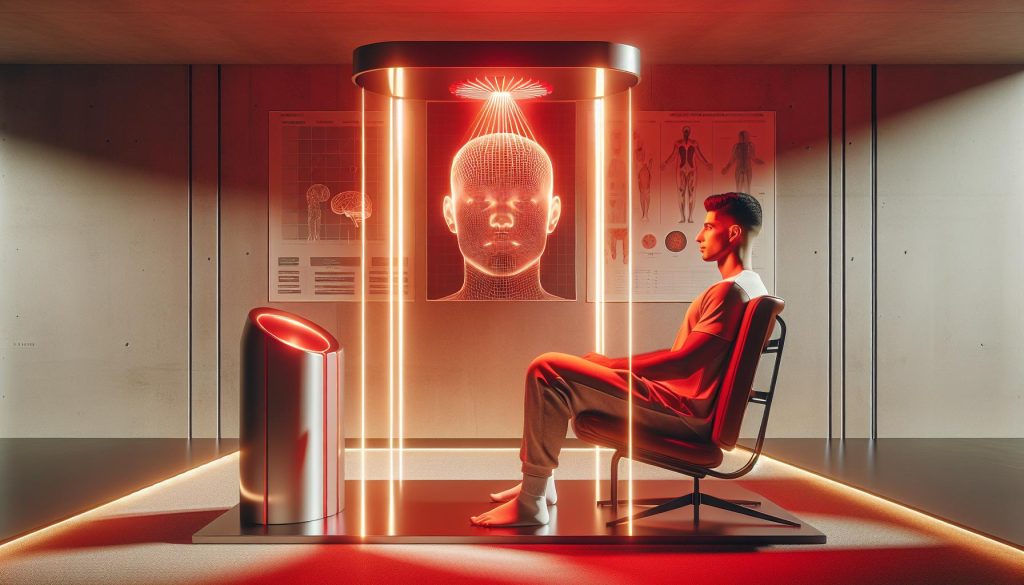
In today’s fast-paced world, finding effective ways to enhance brain health and cognitive performance has never been more crucial. Red light therapy, a powerful biohacking tool, is gaining attention for its potential to boost mental clarity, reduce stress, and promote overall cognitive well-being. This guide will equip you with practical insights on harnessing red light therapy to support your brain health goals. Imagine a simple, non-invasive method that can help alleviate the cognitive fatigue we all experience throughout our busy lives. Whether you’re striving for improved focus at work or seeking a greater sense of calm in your daily routine, understanding how to effectively incorporate red light therapy into your wellness arsenal will empower you to achieve your personal health objectives. Dive in and discover the transformative benefits of this innovative approach, along with actionable tips to seamlessly integrate it into your life.
Understanding Red Light Therapy: What You Need to Know
Red light therapy (RLT) has garnered attention in recent years as a non-invasive approach to enhancing cognitive health. This innovative technique harnesses specific wavelengths of light to penetrate the skin and promote various biological processes that can benefit brain function. Research indicates that RLT can potentially stimulate neuroplasticity, improving the brain’s ability to reorganize and adapt in response to experiences and learning. As our understanding of neurobiology grows, so too does the excitement around using light as a means to support and enhance cognitive function.
One of the key mechanisms by which red light therapy exerts its effects is through the stimulation of mitochondrial activity. Mitochondria are the powerhouses of cells, responsible for producing energy. When exposed to red light, these organelles become more efficient, increasing adenosine triphosphate (ATP) production. This boost in energy can enhance cellular repair, reduce inflammation, and promote overall neural health. Furthermore, RLT is believed to improve blood circulation, ensuring that essential nutrients and oxygen reach the brain more effectively, which is crucial for optimal cognitive performance.
To incorporate red light therapy into your daily routine, consider setting specific times each day for your sessions, ideally when you can be most relaxed. Many users find early morning or late evening sessions to be beneficial not only for setting the tone for the day or winding down but also for maximizing the potential cognitive and emotional benefits. Choosing the right device is also crucial; look for those with wavelengths specifically designed for penetrating deeper tissues, typically in the 600 to 850 nanometer range. Adhering to recommended session lengths-often around 10 to 20 minutes-can help you achieve the best results while integrating this biohacking technique into your wellness regimen. Remember, always consult with a healthcare professional before starting any new treatment, especially if you have existing health concerns or conditions.
The Science Behind Red Light Therapy for Brain Health

The brain, with its intricate web of neurons and connections, is a powerhouse that thrives on energy and nourishment. Red light therapy (RLT) utilizes specific wavelengths of light, typically between 600 and 850 nanometers, to penetrate the skin and stimulate cellular processes that are crucial for optimal brain health. This innovative technique primarily targets mitochondria, the cellular powerhouses that generate adenosine triphosphate (ATP)-the energy currency of our cells. By enhancing mitochondrial function, RLT promotes increased ATP production, leading to improved energy levels and efficiency in cellular activities.
Additionally, RLT has been shown to encourage neuroplasticity, the brain’s remarkable ability to reorganize itself by forming new neural connections. This ability is essential not only for learning and memory but also for recovery following brain injuries. Studies suggest that RLT may foster an environment conducive to neuroplastic changes by reducing oxidative stress and inflammation, further bolstering cognitive function. Improved blood circulation is another notable benefit; increased blood flow ensures that essential nutrients and oxygen reach the brain, fueling its complex biochemical processes and enhancing overall cognitive performance.
To harness the power of red light therapy effectively, it is vital to adopt certain best practices. Consider beginning with shorter sessions of about 10 to 20 minutes, ideally performed in a calm and relaxed setting to maximize both physical and mental well-being. Regularity in these sessions will help create a routine that fosters the cumulative benefits of RLT. When selecting a device, ensure it emits the correct wavelengths for deep tissue penetration, as this will significantly influence the therapy’s effectiveness. Always consult with a healthcare professional before embarking on this or any new wellness regimen to tailor the approach to your specific needs and health conditions.
By integrating red light therapy into your wellness strategy, you embrace a science-backed method to enhance cognitive function and overall brain health. This transformative biohacking technique can rejuvenate your mental capacity and resilience, equipping you to tackle daily challenges with renewed strength and clarity.
Benefits of Red Light Therapy for Cognitive Function
Red light therapy is emerging as a powerful ally in enhancing cognitive function, fostering not only a sharper mind but also an overall sense of well-being. One of the primary benefits of this innovative approach lies in its ability to boost mitochondrial function within the brain. By increasing the production of adenosine triphosphate (ATP), the energy currency of cells, RLT energizes brain cells, leading to improved focus, mental clarity, and cognitive endurance throughout the day. This is particularly beneficial for those managing demanding work schedules or those who experience mental fatigue.
Another significant advantage is RLT’s role in supporting neuroplasticity. As we learn and adapt, our brains continuously form new neural pathways, a process essential for memory and learning. Red light therapy aids this process by mitigating oxidative stress and inflammation, conditions that can hinder cognitive performance. By creating an optimal environment for neuroplastic changes, RLT not only imparts immediate benefits such as enhanced memory recall but also promotes long-term cognitive health and resilience against age-related decline.
To maximize the benefits of red light therapy in your cognitive enhancement routine, consistency is key. A regimen involving regular sessions-ideally 10 to 20 minutes, several times a week-can yield significant improvements over time. Implementing these sessions in a quiet environment can also heighten the experience, allowing for additional relaxation and focus. Furthermore, pairing RLT with other biohacking techniques-such as mindfulness meditation or balanced nutrition-can create a synergistic effect, amplifying the cognitive benefits experienced.
Given its multifaceted advantages and increasing popularity, incorporating red light therapy into your everyday life is not merely a trend; it’s a proactive step towards a healthier brain and sharper mind. As with any wellness approach, it is prudent to consult with a healthcare professional to tailor the treatment to fit your specific cognitive needs, ensuring a safe and effective experience.
How to Incorporate Red Light Therapy into Your Routine

Incorporating red light therapy (RLT) into your daily routine can significantly enhance cognitive function and overall brain health, making it an invaluable ally in your wellness arsenal. To effectively integrate RLT, consider establishing a dedicated time and space within your day for these sessions. Consistency is crucial; aim for 10 to 20 minutes of exposure several times a week to experience the cumulative benefits over time. This can easily fit into your schedule, whether it’s during a break at work or in the evening while unwinding at home.
Choosing the right setting can further enhance your experience. Create a calm environment free from distractions and stressors to facilitate relaxation and focus. You might set up a comfortable chair or a cozy spot where you can sit quietly or even mediate during the session. Pairing RLT with mindfulness techniques, like deep breathing or gentle stretching, can maximize its effects. Additionally, using these sessions as a time to reflect or engage in light reading can help maintain your cognitive sharpness.
When selecting an RLT device, ensure you opt for one that emits the correct wavelengths, usually between 600-950 nanometers, for optimal brain health benefits. Many home devices offer user-friendly interfaces and adjustable settings, allowing you to customize your sessions. As you incorporate RLT, monitor your body’s response and consult with a healthcare professional to personalize your approach. This collaboration ensures you’re maximizing benefits while staying aligned with any specific health goals or concerns.
Finally, complement your RLT practice with other biohacking techniques. Nutritional strategies, such as consuming brain-boosting foods rich in antioxidants and omega-3 fatty acids, can work synergistically with red light therapy. Maintaining hydration and engaging in physical activity are also essential. By weaving these practices together, you’ll foster an environment conducive to cognitive enhancement, setting you on a path toward lasting brain health and vitality.
Selecting the Right Red Light Therapy Device
When embarking on your journey with red light therapy (RLT), selecting the appropriate device is crucial for optimizing brain health outcomes. A quality device not only ensures effective treatment but also enhances your overall experience. The effectiveness of RLT largely hinges on the specific wavelengths of light emitted, typically within the 600-950 nanometer range, which are known to promote mitochondrial function and boost cellular energy. Therefore, when choosing a device, make it a priority to check its specifications, ensuring that it operates within this optimal range.
Key Features to Consider
As you explore various RLT options, keep these essential features in mind:
- Wavelength Range: Look for devices that offer variable wavelengths that include both red (around 630-650 nm) and near-infrared light (around 800-850 nm) to target various physiological needs.
- Power Output: A device with adequate power output (measured in milliwatts per square centimeter) will deliver more effective treatments. Aim for devices above 100mW/cm² for optimal performance.
- Size and Portability: Depending on your space and lifestyle, choose between handheld devices for targeted therapy and larger panels for full-body exposure. Portability can also enhance convenience.
- Ease of Use: A user-friendly interface is vital. Look for devices with clear instructions and adjustable settings to customize session durations and intensity.
- Safety Features: Ensure the device includes features that prevent overheating and potential skin damage. Devices with built-in timers or automatic shut-off functions are beneficial.
Real-World Examples
Consider the experiences of users who have successfully integrated RLT into their routines. For example, a busy professional may opt for a portable handheld device that fits easily into their workspace, allowing for quick 10-minute sessions during breaks. Conversely, someone seeking comprehensive wellness might choose a larger panel for at-home use, integrating it into their evening relaxation routine.
Ultimately, the best device for you aligns with your specific health goals, lifestyle, and the practicality of use within your daily routine. Consult with health professionals or experts in the field to help tailor your selection to your unique needs. With the right RLT device, you can effectively harness the benefits of this innovative therapy, paving the way for improved cognitive function and overall brain health.
Best Practices for Effective Red Light Therapy Sessions
Engaging in red light therapy (RLT) can be an enlightening addition to your wellness routine, especially when it comes to boosting cognitive health. To maximize the effectiveness of your sessions, following best practices is essential. Start by ensuring that your treatment space is conducive to relaxation. A calm environment enhances your focus and enjoyment, making each session feel rejuvenating rather than routine. This can be as simple as dimming the lights, playing soothing music, or ensuring that your device is positioned at an appropriate distance-generally between 6 to 12 inches from your target area-to optimize light absorption.
Consistency is key to reaping the benefits of RLT. Schedule your sessions at the same time daily to develop a habit. Aim for a duration of 10 to 20 minutes per session, three to five times a week, depending on your personal goals and the device’s specifications. When using the device, give attention to the specific areas of your brain you wish to enhance. For instance, if you’re focused on improving memory or concentration, direct the light towards the forehead and temporal lobes. It’s also vital to maintain a gentle, direct approach-avoid excess movement to ensure continuous coverage over the intended area.
The integration of complementary practices can further enrich your RLT experience. Pairing your sessions with mindfulness techniques-such as meditation or breathwork-can enhance both relaxation and cognitive benefits. Consider practices like visualizing positive outcomes or engaging in guided meditations that focus on memory and mental clarity. Moreover, staying hydrated before and after sessions supports cellular function and overall health, ensuring your body can utilize the benefits of the therapy effectively.
While exploring these practices, always prioritize safety. Consult with a healthcare provider to determine the suitability of RLT for your specific health needs, especially if you have any existing conditions. Listening to your body is crucial; if you experience any uncomfortable sensations, adjusting the distance or duration can lead to a more enjoyable and effective experience. Through mindful practice and consistent application, RLT can serve as a powerful tool in your cognitive wellness toolkit.
Potential Risks and Safety Considerations
Engaging in red light therapy (RLT), particularly for cognitive health, requires a thoughtful approach to ensure safety and efficacy. While many users report positive outcomes, there are potential risks and considerations that deserve attention to maximize benefits and minimize any adverse effects. It’s vital to understand these factors before incorporating RLT into your wellness routine.
First and foremost, the intensity and duration of RLT can significantly influence its effects. Overexposure to high-intensity light can lead to temporary discomfort, including headaches or eye strain. Therefore, it is important to adhere to manufacturer guidelines regarding distance and session length. For most devices, maintaining a distance of 6 to 12 inches from the targeted area, as noted in previous sections, is essential to prevent overheating and ensure effective energy absorption without discomfort. It’s always best to start with shorter sessions, gradually increasing as your body adjusts.
Additionally, while RLT is generally considered safe, individuals with specific health conditions should exercise caution. Those with photosensitivity or certain skin conditions may experience adverse reactions and should consult with a healthcare professional before starting therapy. Furthermore, Pregnant individuals or those with severe health issues should also seek guidance, as safety during pregnancy has not been extensively studied concerning RLT.
Another important consideration is the use of protective eyewear. While RLT devices emit wavelengths that are not harmful to the eyes, using goggles designed for light therapy can prevent any potential discomfort. This is especially important for eye health while undergoing therapies aimed at cognitive enhancement, as the eyes can be sensitive to prolonged periods of direct light exposure.
To ensure a holistic and safe approach to RLT, incorporating other self-care practices can be beneficial. For instance, combining RLT with mindfulness techniques such as breathwork can not only enhance relaxation but also improve the overall experience. Always listen to your body: if you experience any negative sensations, reduce the session length or distance and reassess your approach.
In summary, while red light therapy can be a powerful tool for cognitive enhancement, safety should always be a priority. By understanding the potential risks and following best practices, individuals can enjoy the benefits of RLT while minimizing any unwanted effects. It’s about finding the right balance to cultivate a wellness routine that is both effective and safe.
Maximizing Results: Complementary Biohacking Techniques
Engaging in red light therapy offers a promising avenue for enhancing cognitive function, but maximizing its benefits often requires complementary biohacking techniques. Merging various approaches can amplify results, creating a holistic strategy that targets brain health from multiple angles. By incorporating lifestyle adjustments, nutritional support, and mindful practices, individuals can enhance the efficacy of red light therapy sessions and support overall cognitive wellness.
One effective way to optimize brain health alongside red light therapy is through nutritional strategies. Consuming a balanced diet rich in antioxidants, omega-3 fatty acids, and vitamins can promote brain function and cellular repair. Foods such as fatty fish, berries, dark leafy greens, and nuts are especially beneficial. Incorporating supplements like omega-3 or curcumin may also bolster cognitive performance. For those looking to deepen their biohacking, consider fasting regimens like intermittent fasting. Research suggests that it may enhance neuroplasticity and cognitive functions by creating a state of mild stress that encourages brain resilience.
In addition to dietary modifications, integrating mindfulness practices can further enhance the effects of red light therapy. Techniques such as meditation and breathwork can significantly reduce stress, which is known to adversely affect cognitive function. Setting aside just 10-15 minutes a day for mindfulness can improve focus and mental clarity, creating an ideal state for red light therapy to take effect. Combining these practices post-therapy might optimize relaxation and enhance the restorative benefits of the session.
Furthermore, prioritizing sleep hygiene is crucial. Quality sleep is essential for cognitive restoration and memory consolidation, and it can greatly influence the outcomes of red light therapy. Establishing a consistent sleep schedule, creating a serene sleep environment, and limiting blue light exposure before bed are all key strategies. Aim for 7-9 hours of restorative sleep per night to allow cognitive processes to flourish.
Ultimately, maximizing the results from red light therapy lies in creating a comprehensive wellness routine that engages both body and mind. By incorporating these strategic biohacking techniques-focused nutrition, mindfulness practices, and proper sleep hygiene-individuals can not only enhance the efficacy of their red light sessions but also support their overall cognitive health journey in a meaningful way.
Real-Life Success Stories: Transformations Through Therapy
Experiencing significant cognitive improvements through red light therapy is not just a theory; it’s a reality for many individuals. From busy professionals seeking enhanced focus to older adults aiming to regain mental sharpness, success stories abound, illustrating the transformative potential of incorporating red light therapy into their wellness routines. These testimonials highlight how targeted light exposure can lead to remarkable changes in brain health, cognitive function, and overall well-being.
Take Sarah, for instance, a 41-year-old project manager who struggled with chronic fatigue and diminishing focus at work. After integrating red light therapy into her daily schedule, she reported a newfound clarity and improved memory retention. By using a handheld device for just 15 minutes each day, she balanced her exposure to stress at work and created a ritual that fostered relaxation. According to Sarah, the combination of light therapy with her mindfulness practice resulted in a “mind like a steel trap,” allowing her to navigate complex tasks with ease.
Another inspiring example is Jim, a 65-year-old retired teacher who turned to red light therapy to combat age-related cognitive decline. After a month of consistent use, he began noticing improvements in his memory recall and a reduction in feelings of brain fog. Jim complemented his therapy sessions with cognitive exercises and a nutrient-rich diet, emphasizing that the holistic approach is where he found true success. He now enjoys engaging in new hobbies and social activities, stating that the therapy reignited his intellectual curiosity.
These stories underscore a crucial point: while red light therapy can offer significant benefits, personalizing the approach to suit individual needs makes a considerable difference. Implementing techniques such as establishing a routine that includes both physical and mental exercise can further enhance cognitive health outcomes. Users are encouraged to remain mindful of their unique responses to therapy and consider professional consultation, particularly when integrating this method into existing health regimens.
Such transformations reveal the powerful impact of red light therapy on cognitive health, demonstrating that with dedication and the right strategies, anyone can harness the potential of this innovative approach to improve their brain function and overall quality of life.
Understanding the Future of Red Light Therapy in Neurohealth
As technology continues to evolve, the future of red light therapy in neurohealth appears promising, revealing exciting possibilities for cognitive enhancement and brain wellness. Emerging research underscores the potential of specific wavelengths of light to penetrate brain tissues, promoting cellular functions and neuroplasticity. This non-invasive approach may offer a valuable adjunct to traditional techniques for addressing various cognitive disorders, making it an area of interest for both practitioners and patients alike.
One of the most compelling aspects of red light therapy is its ability to stimulate mitochondrial activity within brain cells. Enhanced mitochondrial function can lead to improved energy production, which is crucial for maintaining cognitive health. Additionally, this therapy has shown promise in combating oxidative stress, a significant factor in neurodegenerative diseases. The growing body of evidence surrounding these benefits suggests a multi-faceted approach to brain health that incorporates red light therapy alongside lifestyle interventions like nutrition, exercise, and mindfulness practices.
To fully tap into the potential of red light therapy for cognitive health, individuals should consider several strategies for implementation. First, choose devices that emit specific wavelengths suitable for brain usage-typically, wavelengths between 600 to 1000 nanometers are most effective. Next, develop a consistent routine that integrates therapy sessions into daily life; even short, targeted sessions can yield results. Furthermore, combining this therapy with cognitive challenge exercises can enhance neural pathways, fostering greater brain adaptability and resilience.
While the advances in red light therapy research are exciting, it remains crucial to approach this modality with informed caution. Continual consultation with healthcare providers is advisable, particularly for those with underlying health conditions or those taking medications. By integrating red light therapy into a holistic care plan tailored to individual needs, individuals may enhance their mental clarity and resilience, paving the way for a healthier brain and a more fulfilling life.
Expert Insights: Perspectives from Health Practitioners
When it comes to optimizing cognitive health through red light therapy, health practitioners emphasize the importance of a tailored approach. Many experts suggest that individuals should first understand their unique cognitive needs and challenges before integrating this therapy into their wellness regimen. For instance, a practitioner might recommend red light therapy for individuals experiencing chronic fatigue, as it has the potential to enhance mitochondrial function, thereby boosting energy levels and cognitive performance.
Creating a consistent routine is paramount. Experts advocate for users to incorporate short, regular sessions-typically ranging from 10 to 20 minutes-along with engaging in cognitive exercises. This dual approach not only stimulates brain activity but can also enhance neuroplasticity, allowing the brain to form new connections. Additionally, some practitioners highlight the benefits of pairing red light therapy with other biohacking techniques like mindful meditation, which can promote relaxation and better focus while maximizing the therapy’s effectiveness.
Safety and informed use are other key points discussed among health professionals. Practitioners often remind individuals to choose devices emitting appropriate wavelengths, ideally between 600 and 1000 nanometers, for effective brain stimulation. Moreover, they advise consulting healthcare providers, especially for those with existing health concerns or who are on medication, as therapeutic light exposure might have varying effects based on individual health conditions.
By encouraging an integrative approach-balancing red light therapy with proper nutrition, exercise, and mental health practices-health practitioners are paving the way for enhanced cognitive wellness. This holistic strategy not only aims to boost brain function but also empowers individuals to take charge of their health, helping them navigate the challenges of modern work environments with greater resilience and clarity.
Emerging Research: Trends and Developments in the Field
As we move further into the 21st century, the intersection of technology and human health continues to evolve rapidly, and red light therapy (RLT) is emerging as a promising tool for enhancing cognitive function and overall brain health. The latest research highlights its potential not only in treating existing cognitive impairments but also in optimizing brain performance and resilience against stress. A captivating finding is that specific wavelengths of light, particularly in the red and near-infrared spectrum, can penetrate brain tissue and stimulate cellular repair and regeneration, which positions RLT as a game changer in the field of neurohealth.
Several recent studies point to the positive effects of red light therapy on neuroplasticity-the brain’s ability to adapt and reorganize itself. For instance, researchers are investigating how regular exposure to RLT can enhance synaptic plasticity, which facilitates learning and memory. This means that individuals practicing RLT in conjunction with cognitive training exercises may experience faster and more effective learning outcomes. The implications of such findings are particularly relevant for those in high-pressure work environments, where cognitive agility and enhanced memory are crucial for success.
Moreover, a trend in ongoing research is the exploration of RLT’s role in reducing neuroinflammation, a key factor in many cognitive disorders. Reducing inflammation could help mitigate risks associated with neurodegenerative diseases, providing a dual benefit of prevention and enhancement of cognitive performance. This aligns with broader biohacking strategies that emphasize holistic approaches to health, suggesting that individuals could combine RLT with lifestyle modifications such as improved nutrition and mindfulness practices for maximized benefits.
As awareness of red light therapy grows, the market is seeing an influx of innovative devices designed for home use, making this powerful treatment more accessible. Consumers are eager to learn not only how to integrate these devices into their routines but also about the safety protocols and optimal practices to ensure effectiveness. As research continues to unveil the possibilities of RLT for cognitive health, prospective users are encouraged to stay informed and consult with health professionals for personalized guidance.
In summary, the emerging research and trends in red light therapy signal a promising future for enhancing cognitive health, embracing both scientific innovation and practical applications that can significantly impact workplace performance and everyday life.
Frequently asked questions
Q: How does red light therapy improve cognitive function?
A: Red light therapy enhances cognitive function by stimulating mitochondria in brain cells, promoting increased energy production and improving blood flow. This can lead to better memory, focus, and overall brain health. For detailed insights, see “The Science Behind Red Light Therapy for Brain Health” in our guide.
Q: What is the best time of day to use red light therapy for brain health?
A: The best time to use red light therapy is in the morning or early afternoon when your energy levels are lower. This can help boost alertness throughout the day. Incorporating this treatment into your routine is discussed in the section “How to Incorporate Red Light Therapy into Your Routine.”
Q: Can red light therapy help with anxiety and stress management?
A: Yes, red light therapy may aid in reducing anxiety and managing stress by promoting relaxation through improved neural activity and hormonal balance. Refer to “Maximizing Results: Complementary Biohacking Techniques” for additional strategies.
Q: How long should I use red light therapy for brain health sessions?
A: It’s recommended to use red light therapy for brain health sessions lasting 10 to 20 minutes, several times a week. This duration allows sufficient light penetration without causing fatigue. Further details can be found in “Best Practices for Effective Red Light Therapy Sessions.”
Q: Are there any specific devices recommended for brain therapies?
A: Yes, look for devices with a wavelength between 600-880 nm, commonly recommended for brain health. Ensure the device is FDA-approved for safety. For device selection guidance, check “Selecting the Right Red Light Therapy Device.”
Q: What precautions should be taken when using red light therapy on the brain?
A: Users should avoid looking directly into the light and consult a healthcare professional if pregnant or having neurological conditions. These safety considerations are elaborated in “Potential Risks and Safety Considerations.”
Q: How does red light therapy fit into a biohacking lifestyle?
A: Red light therapy can be a powerful biohacking tool to enhance brain health, improve mood, and optimize cognitive functions. It complements other biohacking practices like proper nutrition and exercise, explored in “Maximizing Results: Complementary Biohacking Techniques.”
Q: Are there any scientific studies supporting red light therapy for brain improvement?
A: Yes, numerous studies suggest red light therapy can induce neurogenesis and enhance cognitive performance. For a deeper exploration of the current research, see the section “Emerging Research: Trends and Developments in the Field.”
Concluding Remarks
As we conclude this guide on using red light therapy for brain enhancement, remember that incorporating this innovative technique into your daily routine can significantly improve cognitive function and overall brain health. Don’t miss the opportunity to explore our related articles on workplace wellness and stress management, where you’ll find practical tips on setting up a productive environment and insights into neuroplasticity.
Take action today by subscribing to our newsletter for the latest updates on brain health innovations and exclusive access to expert consultations. If you’re hesitant, consider your long-term wellness goals-biohacking your brain can lead to improved focus and reduced stress. Join the conversation in the comments below, share your experiences, and connect with a community dedicated to optimizing health and performance. Your journey to cognitive enhancement begins now!