
Did you know that prolonged sitting can lead to serious health issues, including reduced productivity and increased stress levels? As the demand for healthier work environments grows, standing desks have emerged as a popular solution. But with various options available, understanding the costs associated with a standing desk-both upfront and hidden-can be daunting.
In this guide, we’ll break down the price range of standing desks and explore additional factors such as installation, accessories, and maintenance costs. Whether you’re looking to enhance your workstation for improved comfort or boost your cognitive performance and overall well-being, knowing what to anticipate financially is crucial. Dive in to discover how to make an informed decision about investing in your health and productivity through standing desks!
How Much Do Standing Desks Cost?
Investing in a standing desk can transform your workspace and enhance your overall health, but understanding the price points is essential for making an informed decision. Generally, the cost of standing desks ranges widely, starting from around $100 for basic models to $1,500 or more for high-end options with advanced features. The average consumer can expect to pay between $300 and $600 for a solid, mid-range desk that provides good adjustability and durability.
When assessing potential costs, remember that price without context can be misleading. Factors such as the brand, material quality, adjustable height range, and additional features-like built-in cable management or memory presets for height preferences-can significantly affect pricing. For instance, desks made from high-quality materials such as solid wood or those featuring electric lift mechanisms tend to be on the higher end of the spectrum.
Budget-Friendly Options
While premium desks often come with enhanced longevity and features, there are many budget-friendly options that don’t skimp on quality. Consider researching brands that offer reliable standing desks in the $200 to $400 range, which often include solid construction and practical features without the luxury price tag.
In addition to the desk itself, it’s crucial to consider hidden costs that may arise with your investment. You might need to budget for accessories such as anti-fatigue mats, monitors, and ergonomic chairs, which can enhance your standing desk experience. Thus, the overall cost of a standing desk setup could increase significantly beyond the initial desk purchase price, so be sure to account for these additional investments to foster a truly ergonomic workspace.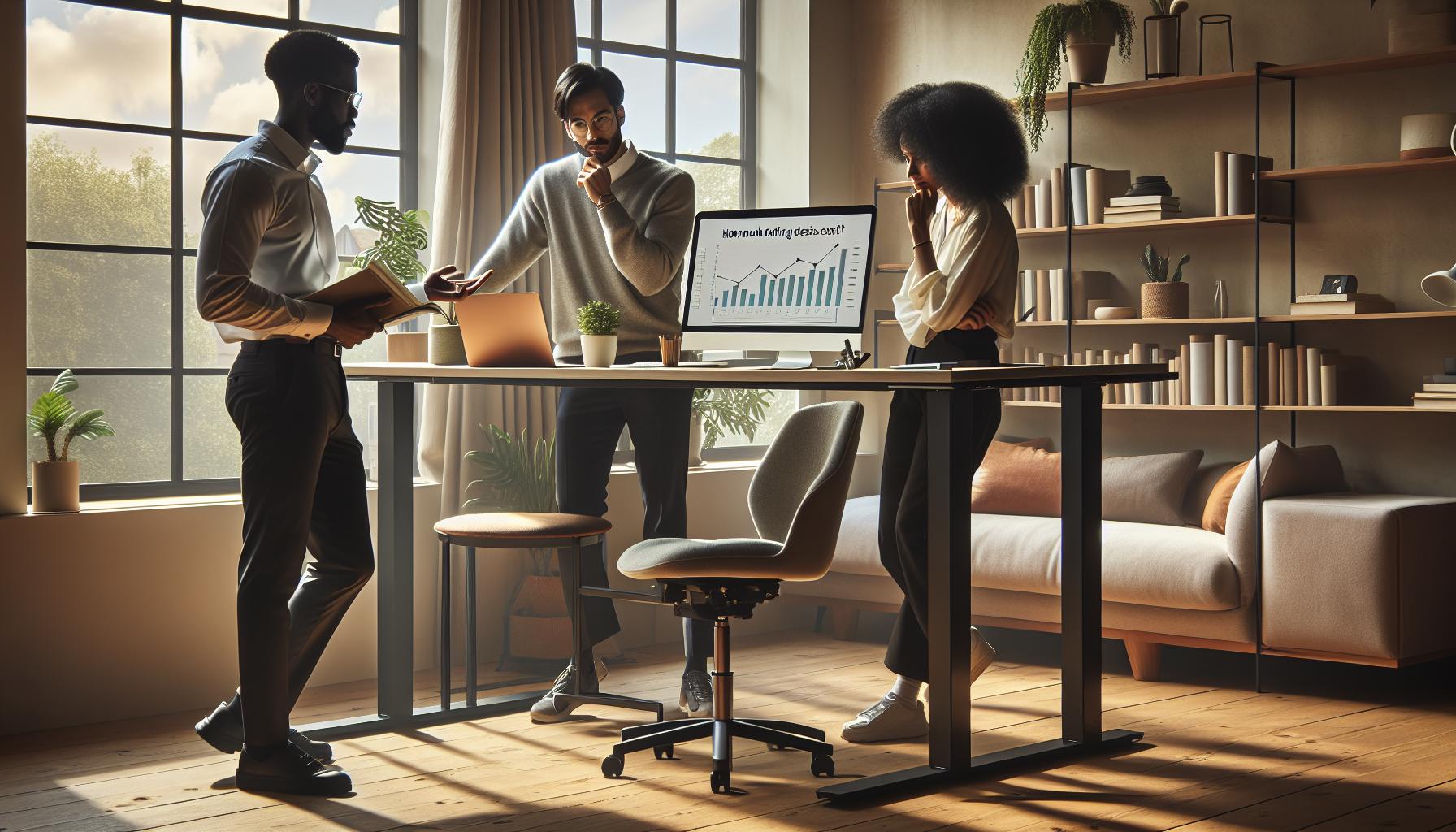
Factors Influencing the Price of Standing Desks
Investing in a standing desk can significantly enhance your work-life balance and contribute to your overall health, but understanding what influences the price is crucial before making a purchase. Quality and material are perhaps the most significant factors; standing desks can range from basic models made of particle board at lower prices to premium options crafted from solid wood or featuring durable metal frames. Desks made with higher-quality materials tend to last longer and require less maintenance, which can justify their higher initial cost.
Another major influence on pricing is the mechanism used for height adjustment. Manually adjustable desks typically cost less than electric ones, which offer greater convenience and ease of use. Electric desks with advanced features like programmable height presets or built-in cable management systems often fall into the higher price range. Similarly, additional features such as integrated USB ports or cord management solutions can affect the overall cost.
Furthermore, the brand reputation plays a role in pricing. Well-established brands that are known for ergonomic designs and excellent customer service may charge more, reflecting their investment in quality and performance. It’s worth considering how much value you place on brand reputation and support when assessing costs.
Ultimately, it’s essential to evaluate your specific needs, preferences, and budget when shopping for a standing desk. A careful assessment of the key factors – material, adjustability, features, and brand – will not only help you make a more informed choice but also lead to a purchase that enhances your workspace and promotes better health.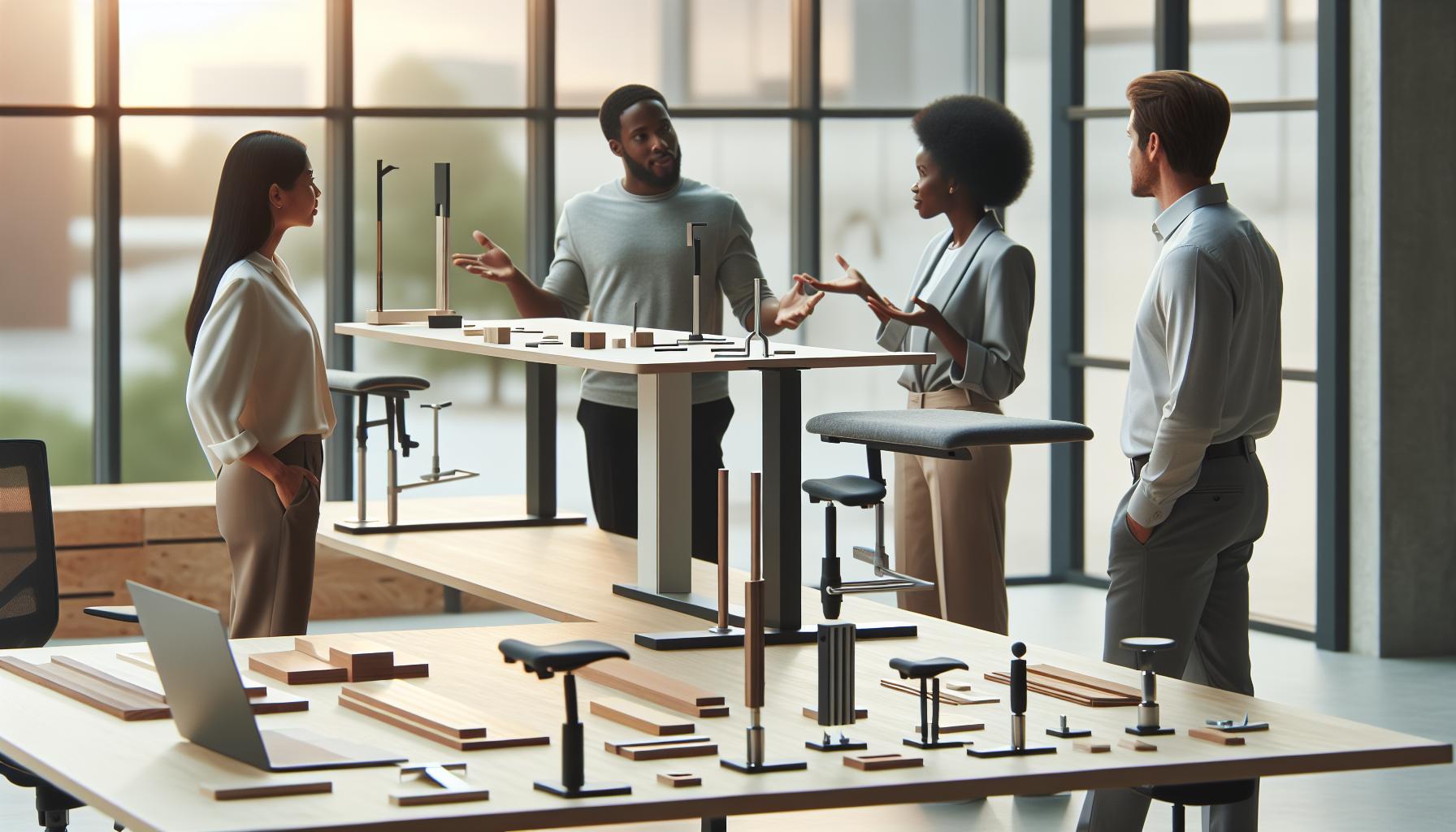
Compare Different Types of Standing Desks
Different styles of standing desks cater to varying needs and preferences, ensuring that every user can find a suitable solution for enhancing their workspace health. From traditional designs to modern electric options, understanding these variations can be pivotal in making an informed decision.
One popular type is the manual standing desk, which requires users to adjust the height using a lever or a set of pins. While generally more affordable, they demand a bit of physical effort to transition between sitting and standing heights. For those who value simplicity and low maintenance costs, a manual desk can be a pragmatic choice, offering the essential benefits of standing without the frills.
On the other end of the spectrum are electric standing desks, which provide the convenience of height adjustment at the push of a button. These desks often come with programmable settings, allowing users to effortlessly switch between various height levels, which can be particularly beneficial in a busy workplace. Though they typically carry a higher price tag, the ease of use they provide can contribute to better ergonomic practices and, consequently, improved health outcomes.
For those looking for flexibility, convertible desks present an ingenious solution. These desks allow users to convert their existing desk into a standing desk with a simple attachment or mechanical adjustment. They provide the adaptability needed for various work activities while ensuring that users can maintain their preferred sitting or standing posture throughout the day.
Lastly, there are specialized designs, including corner desks and L-shaped standing desks, which optimize space in smaller offices or home workspaces. These models can be particularly useful for multitaskers who need to manage multiple screens or workstations.
When selecting a standing desk, consider your workspace dimensions, usage frequency, and budget constraints. The investment can result in long-term health benefits, enhanced productivity, and the ongoing satisfaction of a well-designed ergonomic setup. Exploring different options and their unique features can lead to the perfect standing desk tailored to your needs.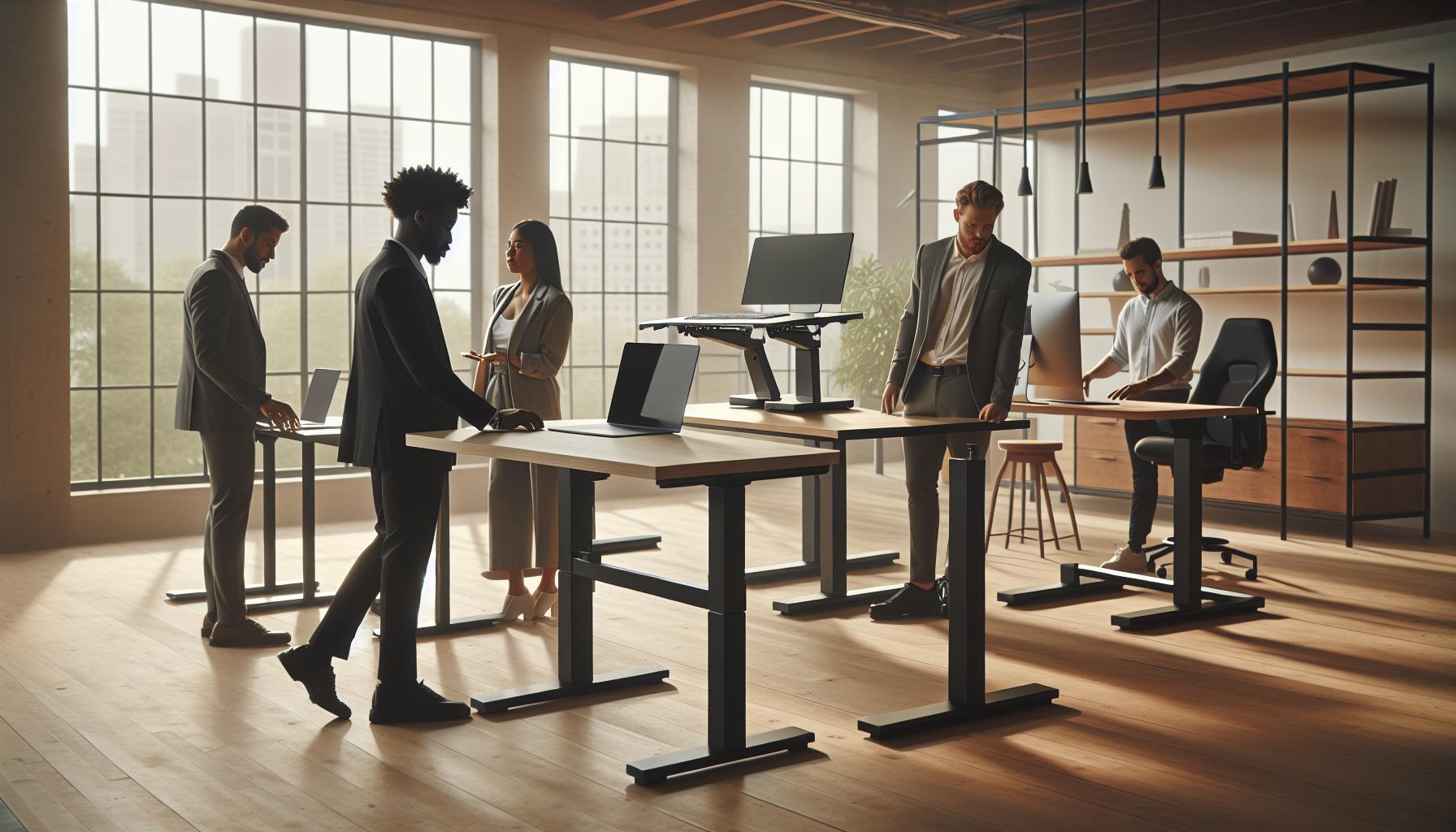
Budget-Friendly Standing Desk Options
In an era where workplace health and well-being are paramount, transitioning to a standing desk can significantly impact your physical comfort and productivity. However, the cost of many standing desks can be daunting, particularly for budget-conscious individuals. Fortunately, there are numerous budget-friendly options that allow you to enhance your work environment without breaking the bank.
One of the most economical choices is a manual standing desk. These desks, which typically require a bit of physical effort to adjust their height either through cranks or levers, can be found at very reasonable prices. They effectively allow users to alternate between sitting and standing while providing the essential benefits of increased mobility and reduced risk of health issues associated with prolonged sitting. While the manual adjustment process might be seen as a drawback compared to electric models, many users find that the physical activity involved in adjusting their workstation can enhance their overall productivity.
If space is a constraint, consider desk converters. These ingenious attachments can transform your existing desk into a standing desk, allowing for a seamless transition between sitting and standing positions. Many converters are designed to be lightweight and compact, making them highly portable and easy to store when not in use. They can often be purchased for a fraction of the cost of full standing desks, making them a practical solution without sacrificing the quality of your ergonomic setup.
For those seeking even more affordable options, DIY standing desks are an exciting avenue to explore. With a bit of creativity, you can repurpose materials you already have at home to craft a workstation that suits your height preferences. Customer reviews frequently highlight enthusiasm for such personalized projects, and countless online resources provide step-by-step guides to help you along the way. By harnessing items like sturdy boxes or shelving units, you can create a functional standing desk tailored specifically to your needs, all while staying within a tight budget.
In conclusion, investing in a budget-friendly standing desk doesn’t necessitate a compromise on quality or ergonomic benefits. Whether it’s through manual desks, desk converters, or DIY solutions, there are many accessible paths to enhance your workplace wellness effectively. Embracing these options can lead to improved health outcomes, greater workplace satisfaction, and a more dynamic work life without exhausting your finances.
Understanding Hidden Costs of Standing Desks
Transitioning to a standing desk is a significant step toward enhancing workplace wellness, yet many prospective buyers overlook the hidden costs that can accompany this investment. While the sticker price of a standing desk may seem straightforward, various additional expenses can impact your overall budget. Understanding these hidden costs not only helps in making an informed decision but also ensures that you maximize the benefits of your new workspace.
One of the major hidden costs to consider is the potential need for accessories to optimize your standing desk experience. While standing desks promote better posture and mobility, they often require additional items such as ergonomic mats, monitor stands, and cable management solutions. These accessories can significantly improve comfort and aesthetics but can also add up quickly. For example, an anti-fatigue mat that supports your feet and reduces strain can range from $50 to $150, depending on the brand and material. Similarly, investing in a quality monitor arm can enhance ergonomics by allowing for adjustable screen height, which may cost around $100 or more.
Moreover, users might face the need for additional furniture or tech upgrades to complement the standing desk. For instance, creating an ergonomic environment often involves ensuring your chair, if used intermittently, is also supportive and height-adjustable. If your existing chair does not fit well or lacks adjustable features, upgrading it could set you back by an additional $200 to $500. Additionally, if your workspace is not cable-managed, the expense for cable organizers and power strips can lead to another $50 to $100.
Lastly, consider the potential costs tied to health and productivity. While fewer sedentary hours can lead to increased energy and focus, some users may initially experience discomfort or fatigue as they adjust. This might prompt additional expenses for physiotherapy or fitness classes aimed at alleviating these issues. Healthy habits may also require investment in stretching routines or ergonomic consultations, which should be factored into your overall budget for a standing desk.
In summary, when evaluating the cost of a standing desk, it’s vital to look beyond the initial price tag. Consideration of accessory costs, potential furniture upgrades, and health-related expenditures will provide a clearer picture of the total investment. By planning for these hidden costs, you can make a more comprehensive financial decision and set your workspace up for enduring health benefits and productivity advantages.
Health Benefits of Investing in a Standing Desk
Investing in a standing desk can significantly enhance your health and well-being, making it more than just a trendy office accessory. Studies have shown that transitioning from a sedentary lifestyle to incorporating standing while you work can help reduce the risk of chronic illnesses such as heart disease, diabetes, and even certain types of cancer. Furthermore, standing desks can lead to an improvement in mood and energy levels, contributing to a more productive work environment.
Standing desks promote better posture and can alleviate the discomfort associated with prolonged sitting. By encouraging a more ergonomic workspace, these desks can help align your spine and decrease the strain on your back and neck. Using an ergonomic mat might further enhance this benefit, minimizing fatigue and discomfort in your legs and feet during long periods of standing. To maximize the advantages, alternate between sitting and standing, as this flexibility allows your body to rest while still enjoying the benefits of a standing setup.
Additionally, the movement encouraged by standing desks can increase overall physical activity throughout the day. Simple actions such as shifting your weight from one foot to another, stretching, or taking brief walks while on a call can contribute to your daily exercise goals. This increase in movement not only boosts energy but also stimulates cognitive function. Research indicates that physical activity helps enhance focus, creativity, and cognitive performance, paving the way for better problem-solving and decision-making abilities during work hours.
Moreover, investing in a standing desk fosters a proactive approach to workplace wellness, encouraging individuals to consider their health as a crucial element of productivity. This mind shift can lead to adopting other healthy habits, such as proper hydration, regular stretching, and maintaining a balanced diet to support overall wellness. By prioritizing a healthy work environment, you set the stage for a more sustainable and fulfilling career, benefiting both your physical and cognitive health in the long run.
Setting Up Your Ergonomic Workspace
Creating an ergonomic workspace is essential for maximizing the benefits of a standing desk while ensuring your comfort and productivity. Proper setup not only supports your posture but also enhances cognitive performance, reduces fatigue, and fosters a healthier work environment. Research indicates that when your workstation is designed with ergonomics in mind, you can significantly decrease discomfort and prevent long-term health issues, making your investment in a standing desk truly worthwhile.
To set up your workspace effectively, first, determine the ideal height for your standing desk. When standing, your elbows should be at a 90-degree angle or slightly obtuse when your hands are on the keyboard. This alignment helps minimize strain on both your neck and wrists. Aim for your monitor to be positioned at eye level, approximately an arm’s length away. Using monitor risers or adjustable wall mounts can assist in achieving this optimal position.
Incorporating accessories can further enhance your ergonomic setup. Consider using a supportive anti-fatigue mat to alleviate the pressure on your legs and feet during prolonged standing. Additionally, having a footrest can encourage subtle movements of your feet, which promote circulation. For those who want to alternate between sitting and standing, a chair with lumbar support can provide relief when you need a break from standing.
Lastly, foster habits that enhance your well-being throughout the day. Set reminders to shift your posture or take brief movement breaks, such as stretching or walking around the space. Simple stretches can significantly reduce tension and revitalize your energy levels. This proactive approach to workplace wellness nurtures both brain health and cognitive function, enhancing your overall work experience and keeping you engaged throughout the day.
Essential Accessories for Standing Desks
Creating an ergonomic workspace often hinges on the details, and the right accessories for your standing desk can make a significant difference in both comfort and productivity. Accessories not only enhance the functionality of your standing desk but also contribute to a healthier, more supportive environment that encourages movement and reduces fatigue. By investing in key accessories, you can optimize your workspace and maximize the benefits of standing while working.
Essential Accessories to Consider
- Anti-Fatigue Mats: Standing for prolonged periods can lead to discomfort in your feet and legs. An anti-fatigue mat provides cushioning and encourages subtle movements, promoting better circulation and reducing fatigue.
- Footrests: A footrest allows for shifting weight and can help relieve pressure on your lower back. It encourages natural movement, which is essential for long-term comfort.
- Monitor Risers: Proper monitor height is crucial for reducing neck strain. A monitor riser ensures that your screen is at eye level, promoting better posture and reducing the risk of discomfort.
- Keyboard and Mouse Trays: Adjustable trays can bring your keyboard and mouse to the ideal height, allowing for ergonomic alignment that minimizes strain on your wrists and hands.
- Ergonomic Chairs: If you choose to alternate between sitting and standing, a good ergonomic chair with lumbar support is essential. It provides comfort when taking breaks from standing and encourages a functional sitting posture.
Extra Enhancements for Your Workspace
Consider integrating additional elements like a laptop stand or an ergonomic chair cushion, which further promote a healthy posture. Lighting is another important factor; a desk lamp with adjustable settings helps reduce eye strain, particularly during long working hours. Lastly, keep your workspace organized with cable management solutions to minimize distractions and maintain a clean, efficient environment.
Investing in essential accessories not only supports your physical well-being but also contributes to improved cognitive performance and workplace satisfaction. By carefully curating your workspace, you foster an atmosphere conducive to productivity, creativity, and overall health.
Maintenance and Longevity of Your Desk Investment
Taking care of your standing desk and maximizing its lifespan is crucial for both your investment and your health. Regular maintenance not only ensures that your desk remains functional and aesthetically pleasing but also promotes a better work experience. Withstanding daily use, your desk needs attention to prevent wear and tear, especially if it features electronic adjustments. Research indicates that proper maintenance can extend the life of office furniture significantly, enhancing your productivity and comfort.
Start by routinely checking the moving parts of your standing desk, especially if it has motorized adjustments. Ensure that all components are functioning smoothly; listen for any unusual sounds and check for any irregular movements. Dust and dirt can accumulate in the mechanisms, so periodically clean these areas with a soft cloth and mild cleaning solution. For desks with wooden surfaces, use furniture polish or wood conditioner to maintain the finish and protect against scratches. Additionally, securing any loose screws or bolts can prevent instability and ensure your desk remains safe to use.
Consider utilizing an ergonomic setup that encourages proper posture and aligns with your body’s natural movements. Regularly reassess the height settings to accommodate standing or sitting preferences, ensuring your elbows remain at a 90-degree angle when using your keyboard. Investing in quality anti-fatigue mats and maintaining them can also help you stay comfortable during prolonged use. By treating your standing desk as an integral part of your workspace wellness, you’re not just protecting an investment; you’re fostering an environment conducive to creativity and productivity.
Finally, if the desk is frequently adjusted for height, consider implementing a strict schedule for when to stand versus when to sit. This helps avoid fatigue while allowing you to optimize the benefits of both positions. Remember, regular maintenance and mindful use of your standing desk can lead to significant long-term advantages, including enhanced physical well-being and improved cognitive performance.
Where to Buy: Retail vs. Online Options
When considering the purchase of a standing desk, where you decide to buy can significantly impact both your experience and your wallet. Whether opting for a retail store or an online shop, each option has its own set of advantages that can influence your decision. Physical stores often allow for a hands-on experience. You can test the desk’s sturdiness, adjustability, and comfort personally, which is invaluable in determining what truly suits your ergonomic needs. Moreover, knowledgeable staff can provide immediate advice and recommendations based on your unique situation, ensuring you make an informed choice.
On the other hand, online shopping can often yield greater variety and potentially lower prices. Websites allow you to compare multiple brands, read detailed specifications, and check user reviews in one go, giving you a comprehensive view of the options available. Online retailers frequently offer discounts and bundled deals, which may not be available in-store. Additionally, technological advancements in e-commerce have made it simpler to get fast and flexible shipping, making it easier to receive your new desk without the hassle of transportation.
When choosing between retail and online options, consider factors like physical space, assembly requirements, and return policies. Some desks might require professional assembly, which could incur additional costs or complications if ordered online. It’s also wise to investigate the warranty and customer service reputation, as these can vary significantly between vendors. Remember, the goal is not just to purchase a desk, but to invest in your health and productivity in the long term. Prioritizing your comfort and workspace efficiency will enhance not only your physical well-being but also your cognitive function, helping you thrive in your work environment.
User Reviews: What Owners Are Saying
User reviews can provide valuable insights into the practical impacts of investing in a standing desk, especially when it comes to cost considerations and overall satisfaction. Many users report significant improvements in their daily productivity and comfort after making the transition to a standing desk. For instance, a frequently mentioned benefit is the ability to alternate between sitting and standing throughout the day, which helps reduce feelings of fatigue and discomfort often associated with prolonged sitting. As one user noted, “Since switching to a standing desk, I feel more energized, and my productivity has increased significantly.”
When it comes to understanding the price versus value of standing desks, reviews often highlight important factors that influence owner satisfaction. Although some standing desks come with a higher price tag, many users emphasize that durability and features such as electric height adjustment can justify the investment. For example, the FLEXISPOT electric standing desk series is praised for its smooth height adjustment capabilities and stability, enabling users to seamlessly transition between sitting and standing without losing focus on their work. Many owners appreciate the longevity of their investment, noting that the ergonomic benefits often outweigh the initial costs.
Moreover, potential hidden costs are frequently addressed in reviews. Some users suggest considering additional expenses such as ergonomic accessories-like anti-fatigue mats or monitor stands-that can enhance the overall experience and workplace wellness. Owners often recommend accounting for these purchases in your budget to ensure a complete ergonomic setup. Additionally, some reviews mention assembly costs, especially for more complex designs, which may influence the total investment you’ll make in your workspace.
In the realm of workplace wellness, feedback about improvements in health and cognitive function naturally emerges from user experiences. Many report reduced back pain and increased focus when using a standing desk, essentially contributing to a healthier work environment. With supportive user experiences, it’s clear that carefully selecting the right standing desk can be a transformative experience for those looking to boost not just their productivity but also their overall well-being.
Tips for Trial and Error in Desk Selection
Finding the perfect standing desk is akin to choosing a shoe that fits just right; it requires a bit of trial and error. Each workspace and individual has unique needs, and while the market offers various options, selecting one that enhances your health and productivity can be a nuanced experience. Here are some actionable tips to help guide your selection process, ensuring that your investment suits your lifestyle and work habits.
Understanding Your Needs
Before diving into options, take a moment to assess how you work. Are you someone who frequently alternates between sitting and standing? If so, a height-adjustable desk might be your best investment. Consider measuring the height of your current desk and your seated position to ensure you can transition smoothly between postures. Insights from user reviews can also shed light on how specific models perform in real-life scenarios, particularly regarding stability and ease of adjustment.
Testing Different Desks
Ideally, visit showrooms or retailers where you can physically test the standing desks. Pay attention to the following factors:
- Height adjustment mechanism: Test the ease of raising and lowering the desk.
- Stability: Assess how stable the desk is when fully extended.
- Surface area: Ensure the desk can accommodate your necessary equipment without feeling cramped.
If visiting a store is not feasible, many online retailers offer return policies that allow you to try the desk in your home environment. This can provide critical insight into how it supports your work style.
Considering Ergonomics
Incorporate ergonomic principles into your decision-making process. Look for desks that cater to your body type and working habits. For instance, adjustable monitor stands, keyboard trays, and anti-fatigue mats can enhance comfort significantly. These additions may incur extra costs, so factor them into your budget. The synergy of a well-assembled ergonomic workspace can lead to notable benefits, such as reduced strain and improved cognitive performance-essential attributes for productivity.
Budgeting for Your Investment
When budgeting for a standing desk, don’t overlook the potential hidden costs. Accessories, shipping fees, and assembly services can add up quickly. Set a budget that accommodates all these factors to avoid surprises later. By thinking through the entire cost spectrum-from the desk itself to the complimentary accessories-you’ll make a more informed financial decision.
By thoughtfully exploring your options and being open to adjustments along the way, you can find a standing desk that not only fits your workspace but also supports your health and productivity goals. Remember, the right desk can transform your work experience, fostering not just efficiency but also overall wellness.
Faq
Q: What is the average price range for a standing desk?
A: The average price for a standing desk typically ranges from $200 to $800, depending on features and materials. Budget options may start around $150, while high-end models can exceed $1,500. For a comprehensive breakdown, refer to the section “How Much Do Standing Desks Cost?”
Q: Are there additional costs associated with buying a standing desk?
A: Yes, additional costs can include accessories like anti-fatigue mats, monitor arms, and ergonomic chairs. Setup and delivery fees may also apply. To better understand these hidden costs, see “Understanding Hidden Costs of Standing Desks.”
Q: How do I choose the right standing desk for my needs?
A: Choosing the right standing desk involves considering size, adjustable height, desk material, and any specific features you require. For detailed guidelines, check “Tips for Trial and Error in Desk Selection.”
Q: What is the best way to maintain a standing desk?
A: Regularly clean the surface and check mechanical components. Adjust the height settings periodically to ensure optimal function. For a detailed maintenance guide, refer to “Maintenance and Longevity of Your Desk Investment.”
Q: Can a standing desk improve my health and productivity?
A: Yes, standing desks can enhance posture, reduce back pain, and potentially increase productivity. For more on the health benefits, see “Health Benefits of Investing in a Standing Desk.”
Q: Is it worth investing in a high-end standing desk?
A: High-end standing desks often come with better build quality, advanced features like programmable height settings, and longer warranties. Assess your budget and needs to decide; more insights can be found in “Compare Different Types of Standing Desks.”
Q: How can I effectively transition to using a standing desk?
A: Start by alternating between sitting and standing, gradually increasing the duration you stand. This approach helps your body adjust without discomfort. For more tips, check “Setting Up Your Ergonomic Workspace.”
Q: Where can I find the best deals on standing desks?
A: The best deals on standing desks can often be found online on major retailers’ websites or during holiday sales. For comparisons on where to buy, see “Where to Buy: Retail vs. Online Options.”
Future Outlook
Investing in a standing desk is not just about the initial cost; it’s a step towards enhancing your overall workplace wellness and cognitive performance. With insights from our complete price guide, you can make informed choices that fit your budget and health needs. Remember, the benefits extend beyond just comfort-proper ergonomics can significantly impact productivity and mental clarity.
Ready to take the next step? Explore our guide on creating an ergonomic workspace, or dive into our tips for effective stress management. Don’t forget to subscribe to our newsletter for more expert advice on workplace wellness and brain health. Your journey to a healthier work environment starts now! Engage with our community by sharing your thoughts in the comments below, and check out our other articles to keep building your knowledge. Together, we can achieve a more productive and healthier work life!