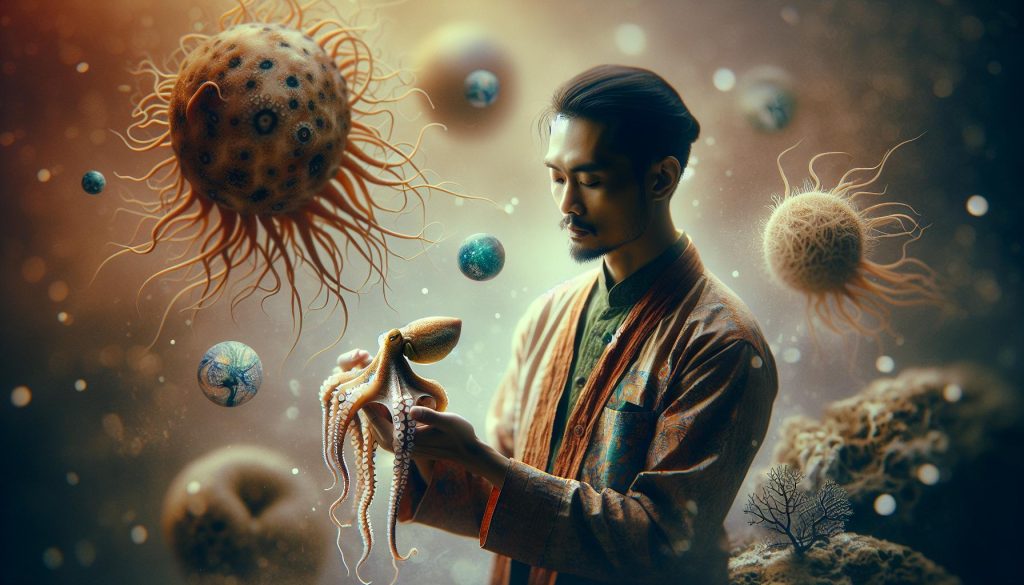
Did you know that octopuses have not one, but three brains? This fascinating marine creature leverages its unique neural architecture to navigate complex environments, solve problems, and exhibit remarkable behaviors. Understanding how octopuses manage their cognitive functions not only enriches our knowledge of these extraordinary beings but also sheds light on the broader mysteries of brain health and neuroplasticity. As we explore the intricate neural networks of the octopus, you’ll discover insights that could inspire new approaches to enhancing cognitive performance and stress management in our own lives. Dive into the wonders of the octopus brain, and uncover how this knowledge can impact both our understanding of marine biology and our personal cognitive well-being.
How Many Brains Do Octopuses Have?
Octopuses are fascinating creatures, primarily because of their unique nervous system. Surprisingly, each octopus has not one but three brains! This unusual structure comprises a central brain located in the head and a pair of peripheral brains situated in each of the animal’s eight arms. This configuration allows for an extraordinary level of coordination and control.
The central brain is responsible for processing sensory information, planning, and executing complex behaviors, similar to what we associate with intelligence in higher animals. In contrast, the peripheral brains manage the motor functions of the arms independently. This means each arm can respond to stimuli and perform tasks without direct involvement from the central brain, providing octopuses with incredible dexterity and responsiveness. For example, an octopus can manipulate objects with its arms while simultaneously using its central brain to analyze its environment or plan its next move.
The interplay between these three brains highlights how octopuses are equipped to handle intricate tasks. Their arms contain a dense network of neurons capable of individual processing, akin to mini-brains themselves. This decentralized approach to brain function not only enhances their ability to hunt and defend but also showcases their impressive adaptive strategies in various environments. Such complexity makes octopuses unique among cephalopods and offers insights into the diverse ways intelligence and cognition can manifest in the animal kingdom.
In understanding how many brains octopuses have, we gain a deeper appreciation for their incredible biology and the evolutionary adaptations that aid their survival in the challenging marine world.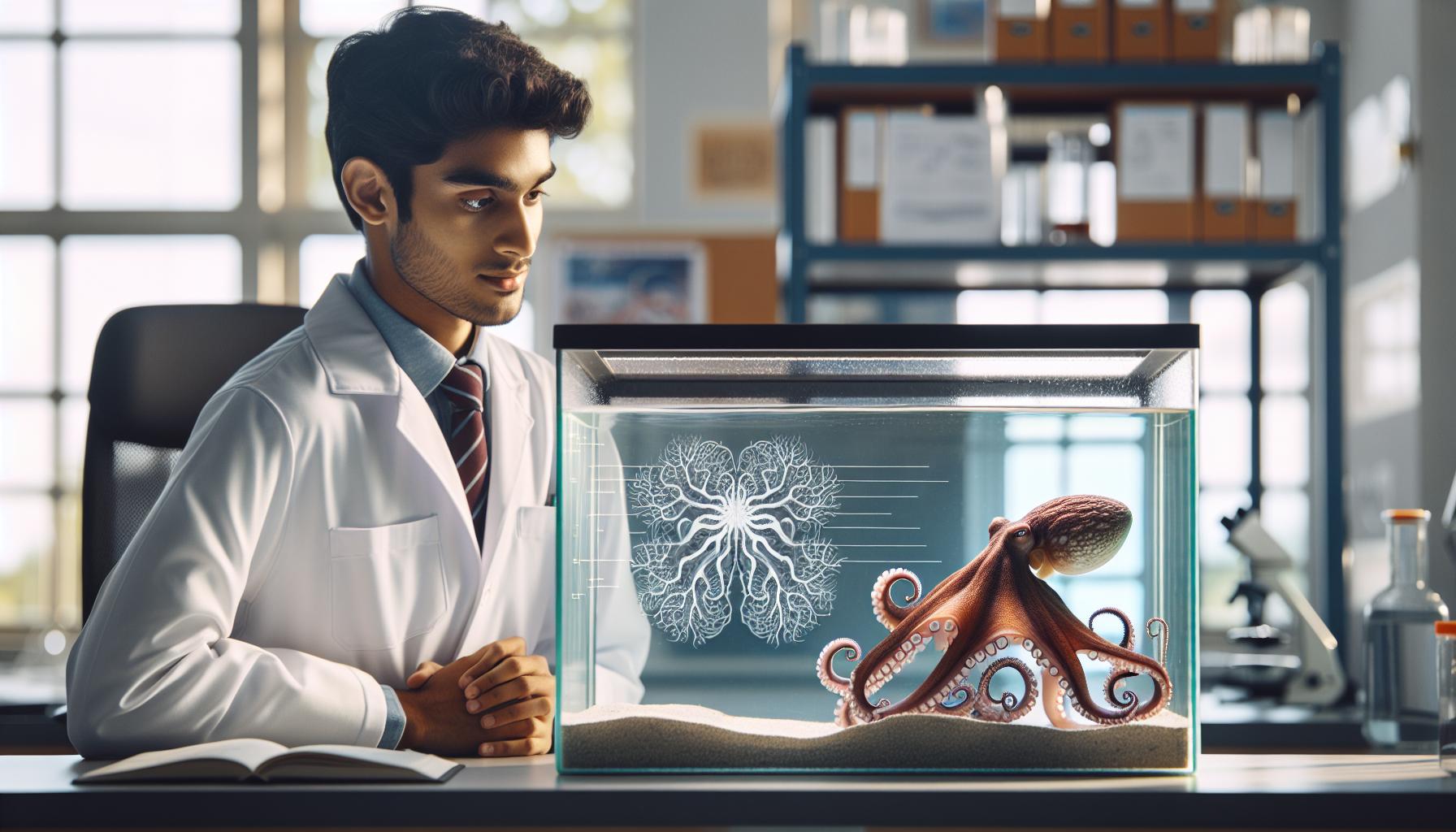
The Unique Anatomy of Octopus Nervous Systems
The octopus is a marvel of evolutionary design, boasting one of the most complex nervous systems found in the animal kingdom. Each octopus has not merely one brain but an intricate arrangement that includes a central brain in the head and two peripheral brains located in each of its eight arms. This unique anatomical structure allows octopuses to exhibit extraordinary levels of coordination, dexterity, and autonomy, making them some of the most intelligent invertebrates.
The central brain is primarily concerned with sensory processing and decision-making, orchestrating activities that require higher cognitive functions. In contrast, the peripheral brains empower each arm to operate independently, managing movement and reacting to environmental stimuli without direct commands from the central brain. This decentralized approach enhances their ability to multitask, allowing an octopus to, for example, explore its surroundings while simultaneously manipulating objects or even escaping predators. Each arm acts almost like a “mini-brain,” filled with a dense network of neurons that can perform complex tasks autonomously, illustrating a remarkable example of neural efficiency.
Understanding this architectural brilliance opens up new avenues for exploring neural networks in other species. The octopus’s ability to process information through both centralized and decentralized systems prompts us to rethink notions of intelligence. Just as a well-structured organization benefits from both centralized strategies for long-term planning and decentralized implementation for agility and responsiveness, octopuses exemplify how evolutionary adaptations can lead to sophisticated survival strategies in dynamic environments.
This intricate nervous system could inspire bioengineering and robotics, where systems designed to function with both centralized control and distributed autonomy may increase efficiency, resilience, and adaptability. As we continue to study these fascinating creatures, the implications for our understanding of cognitive health, neuroplasticity, and innovative problem-solving in both natural and artificial systems become ever more profound. By looking at the octopus, we learn not only about the capabilities of the animal kingdom but also gain insights into improving our own cognitive functions through diverse strategies.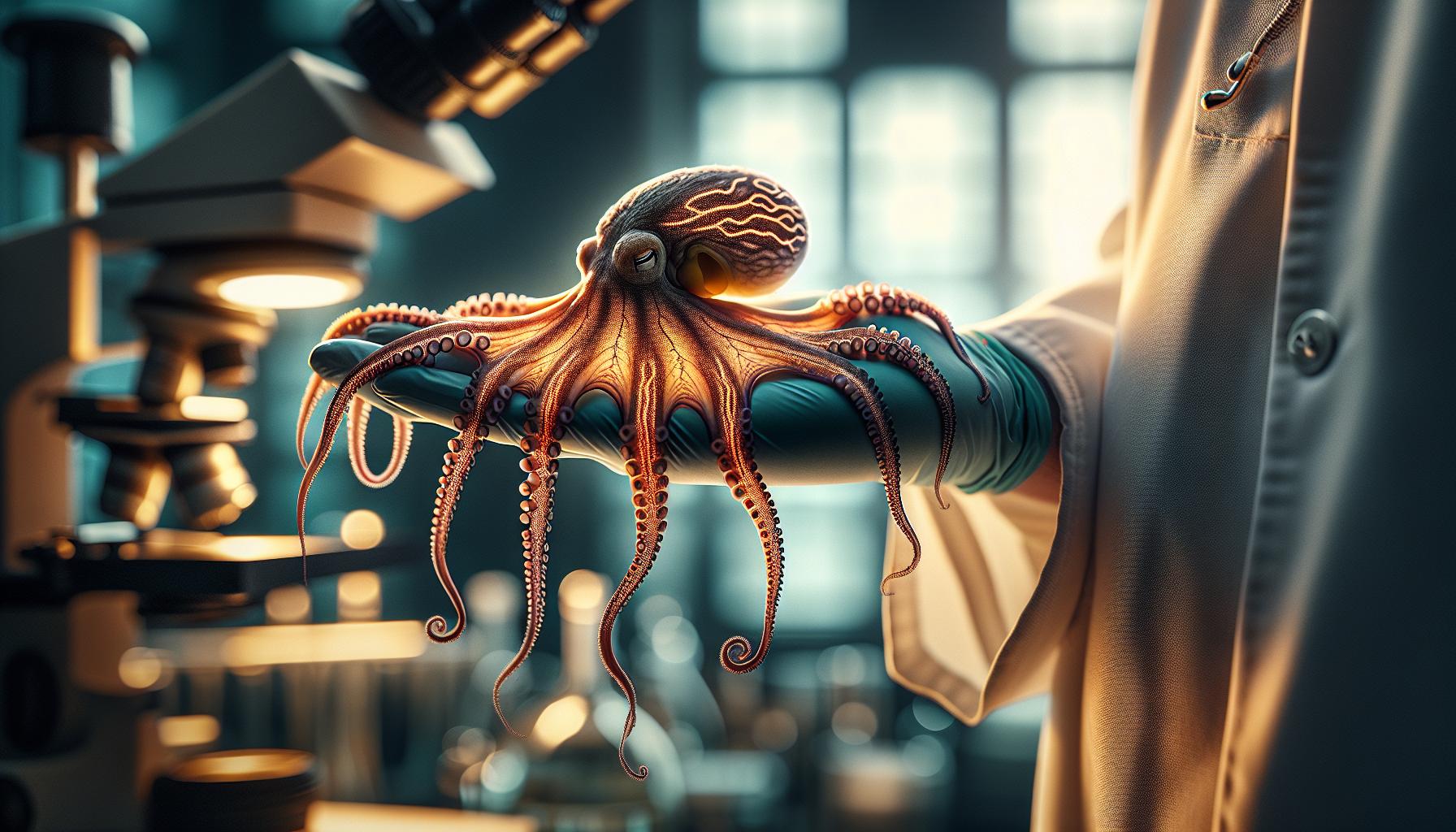
Understanding Octopus Brain Functionality
Octopuses possess a fascinating and intricate nervous system that allows them to perform complex tasks with remarkable efficiency. Each octopus has an advanced brain structure comprising a central brain located in their head and eight peripheral brains housed within each of their arms. This unique arrangement facilitates a sophisticated form of neuroprocessing, enabling octopuses to engage with their environment in an extraordinarily dynamic manner. The central brain primarily focuses on tasks that require cognitive engagement, such as sensory perception, decision-making, and problem-solving, while the peripheral brains manage the detailed movements and sensory feedback of the arms, allowing them to act independently.
The interplay between these brain components highlights an impressive degree of autonomy in octopus behavior. For instance, while the central brain is busy processing information or planning for immediate actions, the arms can continue to explore their surroundings, manipulate objects, or respond to stimuli autonomously. This decentralized control system is akin to having a well-coordinated team where each member can operate effectively without constant oversight from a leader, facilitating multitasking and enhanced responsiveness to changes in the environment.
can also offer insights into cognitive health and innovation in other fields. Just as octopuses benefit from this advanced neurostructure, similar principles can be applied to human work environments-encouraging a systems-based approach that values both centralized decision-making and decentralized execution. By fostering autonomy and responsibility in tasks, organizations can boost productivity and creativity. Moreover, studying the efficiency of octopus neural networks may inspire advancements in robotics and artificial intelligence, leading to more adaptable and resilient systems.
Ultimately, the octopus serves as a compelling model for examining how decentralized intelligence can inform our understanding of brain functionality and the development of new technologies. By appreciating these remarkable creatures, we can draw parallels to our cognitive processes and consider innovative strategies to enhance our own productivity, well-being, and adaptability in an ever-changing world.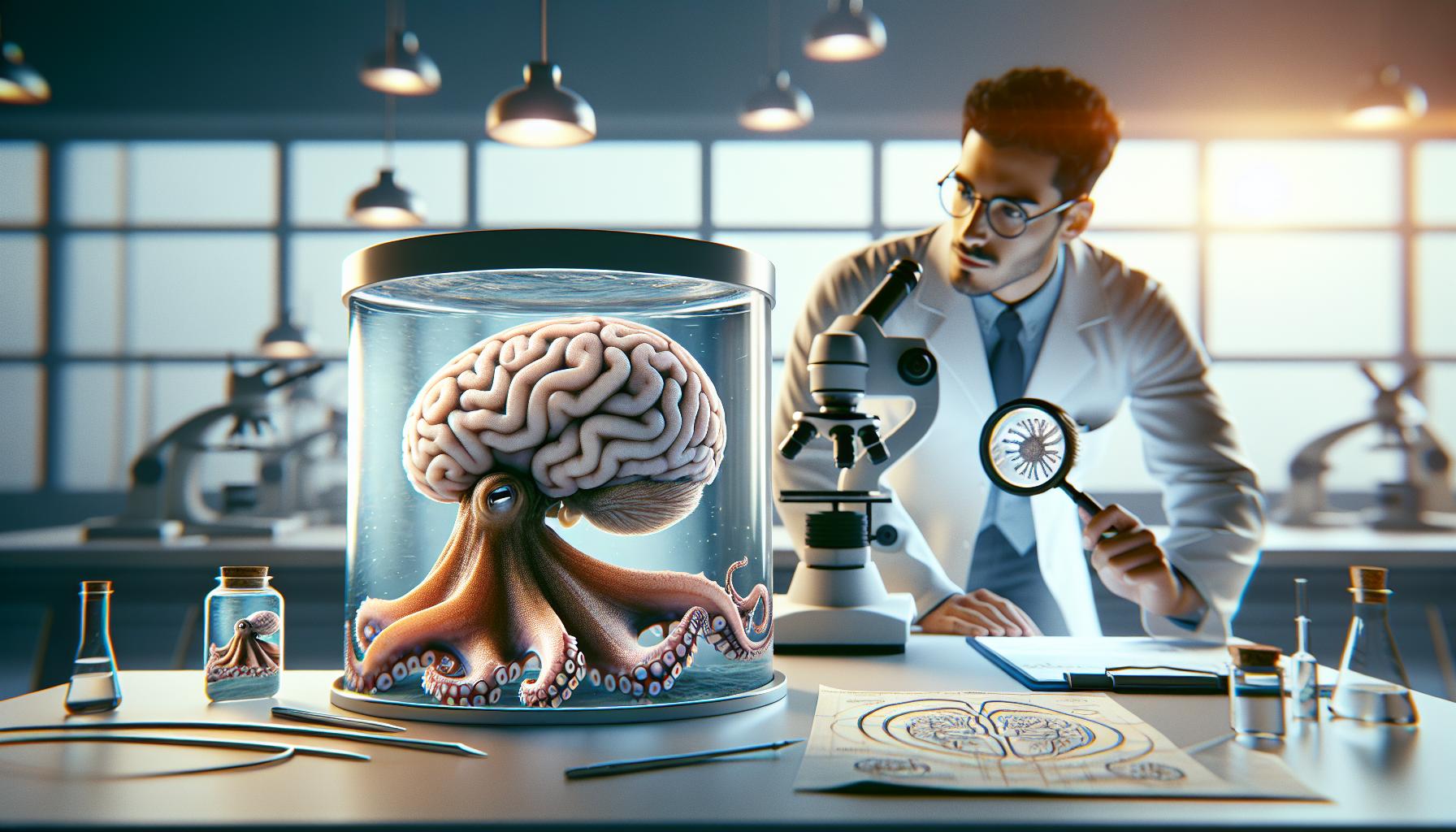
Exploring the Role of Octopus Central Brain
The octopus central brain serves as the command center for these extraordinary creatures, showcasing a level of intelligence and adaptability that fascinates scientists and researchers alike. This brain is not only responsible for managing critical cognitive tasks such as sensory perception, decision-making, and problem-solving but also plays a vital role in orchestrating the intricate movements of the octopus’s body. Understanding the functionality of the central brain illuminates how octopuses navigate their complex environments with agility and finesse.
One striking feature of the octopus’s central brain is its ability to synthesize sensory information from both the environment and the peripheral arms. This remarkable capability enables the octopus to assess situations quickly, engaging in behaviors that require immediate responses-like escaping predators or capturing prey. While the central brain directs these higher-order functions, it also strategically cooperates with the peripheral brains in the arms to achieve seamless movement and manipulation of objects. For instance, during manipulation tasks, the arms can independently explore textures or shapes, sending feedback to the central brain to facilitate informed decisions without interrupting their actions.
The connection between the octopus central brain and its ability to learn is particularly noteworthy. Studies have shown that octopuses possess a rich memory system that allows them to recall past experiences and apply learned behaviors to new situations. This characteristic not only enhances their survival skills but also inspires parallels in human cognitive strategies. Implementing a similar approach in our daily work environments-fostering a culture where learning from past experiences is valued-can lead to more adaptive and innovative thinking within teams.
By recognizing the sophisticated neural architecture of octopuses, we can derive practical insights into enhancing our workplace wellness. For example, understanding the octopus’s multitasking capability encourages us to develop systems that promote both autonomy and collective coordination within teams. Establishing workspaces that allow for independent task management-similar to how octopus arms operate-can boost productivity. Encouraging breaks for reflection and adaptation can mirror the way an octopus evaluates its surroundings, thereby facilitating better decision-making and reducing stress.
In summary, the central brain of the octopus exemplifies the integration of complex cognitive processing with dynamic physical capability, heralding a broader understanding of both animal and human intelligence. By examining the mechanisms at work in these remarkable creatures, we can draw valuable lessons about cooperation, autonomy, and the significance of learning in shaping efficient, resilient systems.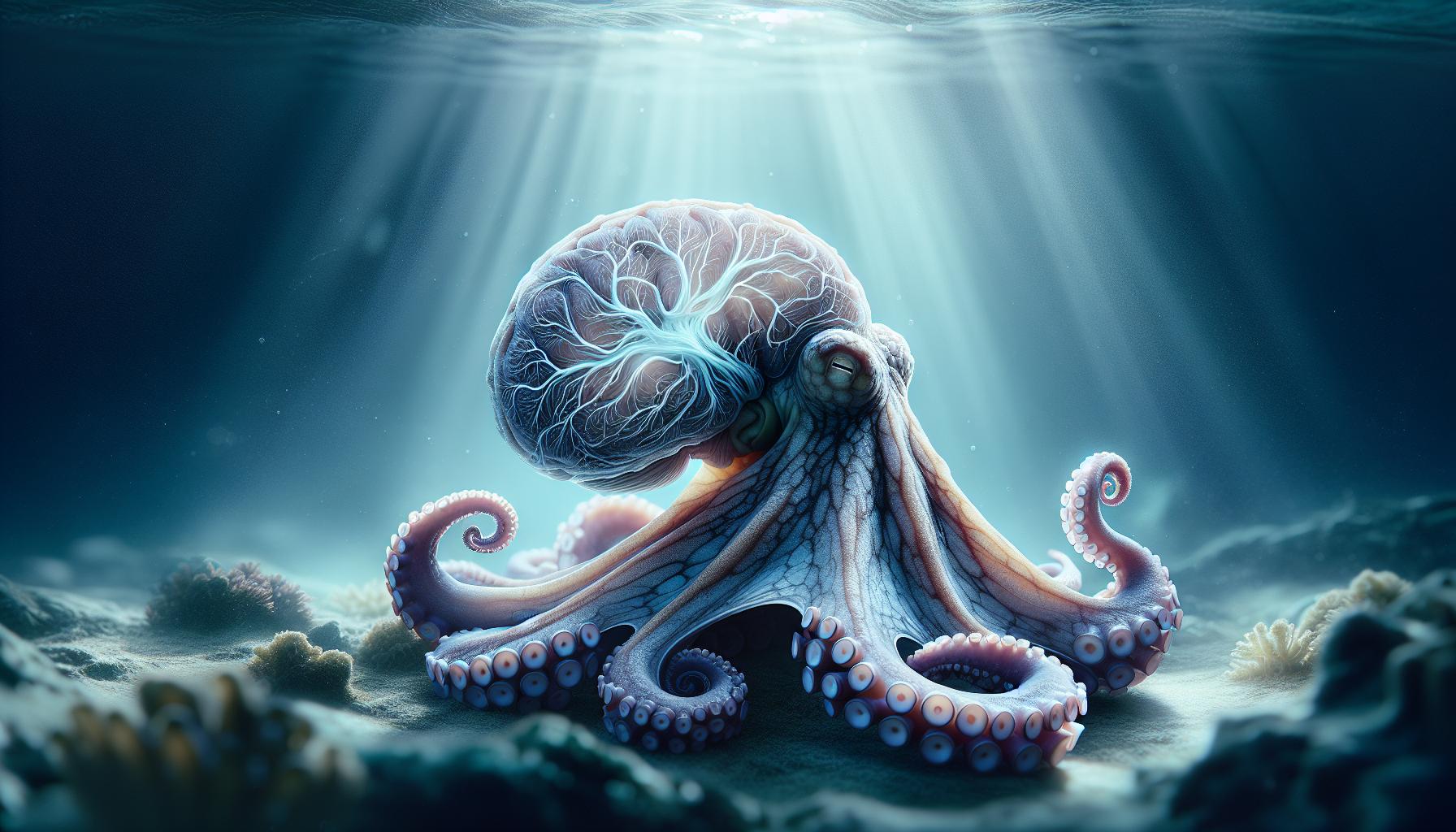
The Significance of Octopus Peripheral Brains
The octopus’s nervous system is remarkable not just for its central brain but also for the presence of peripheral brains located in each of its eight arms. These peripheral brains significantly enhance the octopus’s ability to interact with its environment, showcasing a unique form of distributed intelligence. Each arm can operate somewhat independently, allowing the octopus to perform complex actions while simultaneously processing sensory information.
The significance of these peripheral brains becomes evident when examining how octopuses manipulate objects and explore their surroundings. For example, when an octopus touches an object, its arm can independently assess textures or shapes and relay this information back to the central brain. This allows for a sophisticated level of multitasking-while the central brain focuses on overall strategy and decision-making, the arms can freely investigate and react to immediate stimuli without waiting for direction. Such a system mirrors the way teams might operate effectively when members are empowered to take initiative while being supported by central leadership.
To foster a similar functionality in our workplaces, we can encourage a culture of autonomy and responsiveness among team members. Here are some actionable strategies to implement:
- Empower Individual Task Management: Allow team members to take ownership of projects, enabling them to manage their responsibilities independently while ensuring they stay aligned with the overall team goals.
- Enhance Communication: Establish regular check-ins where individuals can share insights and updates, akin to the feedback mechanism between peripheral arms and the central brain.
- Facilitate a Multi-Tasking Environment: Create spaces that support varied work styles, such as breakout rooms for collaborative projects alongside quiet areas for focused work.
Recognizing the octopus’s ability to collaborate among its arms can inspire innovative strategies to boost workplace productivity and enhance cognitive health. Just as the octopus employs its peripheral brains for on-the-spot decision-making, fostering an environment that appreciates quick, informed responses can lead to higher adaptability and improved overall performance in teams. This understanding not only informs how we work but also underscores the importance of nurturing individual capacity within a collaborative framework, ultimately enhancing both workplace wellness and cognitive efficacy.
Neural Networks: How Octopuses Process Information
Octopuses are remarkable creatures not only for their intelligence but also for the intricate way they process information. Unlike vertebrate organisms, which rely primarily on a centralized brain, octopuses employ a unique distribution of neural networks across their body. This complex system enables them to respond to stimuli and navigate their environment with remarkable agility and precision. Each of their eight arms contains a decentralized brain, allowing the arms to independently process sensory information while simultaneously executing tasks. This means that an arm can touch and analyze different objects without needing direct instruction from the central brain, a feature that enhances their ability to multitask.
The octopus’s nervous system showcases a high degree of specialization. The central brain focuses on strategic control and decision-making, allowing it to coordinate movement and behavior effectively. Meanwhile, the peripheral brains in the arms operate autonomously, interpreting sensory data such as texture and shape and acting upon that information. This division of labor allows for a highly adaptive approach to problem-solving – octopuses can explore their surroundings, react to threats, and manipulate objects simultaneously. For instance, while a central brain might strategize the best way to escape a predator, an arm can begin collecting nearby tools or opening shells to access food.
This sophisticated neural architecture provides insights into how cognitive processes can be enhanced through distributed systems, much like fostering collaboration in a team environment. Working environments can borrow from this model by promoting a culture of distributed responsibility where individuals are empowered to make decisions within their scope. This autonomy not only enhances engagement but also minimizes decision-making bottlenecks, akin to how an octopus can efficiently assess its surroundings through its arms.
To support brain health and enhance cognitive function in ourselves, consider implementing strategies that parallel the octopus’s system of collaboration. For instance, maintaining an ergonomic workspace, setting aside time for physical breaks, and adopting mindful practices can significantly improve how we process information and respond to challenges in work life. Additionally, engaging in activities that require dexterity or problem-solving can strengthen neural connections, much like how an octopus enhances its capabilities through its intricate and responsive nervous system.
Comparative Intelligence: Octopuses vs. Other Cephalopods
The octopus stands out as one of the most intelligent invertebrates, not just in its own right but also when compared to its cephalopod relatives. Although all cephalopods exhibit remarkable adaptations and behaviors, octopuses display a level of intelligence that sets them apart from squids and cuttlefish. For example, octopuses are renowned for their elaborate problem-solving skills and ability to use tools. They can escape from enclosures, manipulate locks, and even navigate mazes. In contrast, while squids and cuttlefish have demonstrated impressive camouflage skills and predatory tactics, they typically do not engage in tool use or problem-solving to the same complex degree as octopuses.
Distinctive Features of Octopus Intelligence
One of the most fascinating aspects of octopus intelligence is their decentralized nervous system. Each of the eight arms contains a cluster of neurons, allowing for independent movement and processing. This means that octopus arms can explore and analyze their environment without needing input from the central brain. In contrast, other cephalopods such as squids rely more on their central nervous system for coordinated movement and are generally less adept at multitasking with their appendages. This distributed approach to processing not only aids an octopus in escaping threats but also showcases adaptability and versatility that enhances their behavioral repertoire.
Learning and Adaptation
Research shows that octopuses can learn through observation and experience, a trait that is shared but less pronounced in other cephalopods. For instance, an octopus can learn to associate a particular stimulus with a reward or punishment, which helps it refine its skills over time. This ability to adapt based on experiences significantly enriches their interactions with the environment, making them adept survivors. In contrast, while squids display some learning capabilities, these often do not match the sophisticated survival strategies seen in octopuses.
In the context of workplace wellness and cognitive function, observing how octopuses learn and adapt can inspire methods to enhance our own problem-solving capabilities. Implementing a system of continuous learning in the workplace-where employees can learn from their experiences, make autonomous decisions, and share knowledge-mirrors the octopus approach and can lead to greater engagement and productivity. Encouraging collaboration and allowing team members the freedom to explore ideas independently can foster an innovative environment reminiscent of the intelligent behaviors observed in octopuses and their cephalopod cousins.
By understanding and applying these principles to our daily lives and workplaces, we can harness the power of distributed intelligence, much like the octopus does in the marine world.
The Amazing Learning Abilities of Octopuses
Octopuses are not just remarkable for their physical adaptability, but also for their exceptional learning capabilities, which stem from their unique neural architecture. Research indicates that octopuses can learn through both observation and experience, showcasing advanced cognitive skills that surpass many other invertebrates. This learning ability is largely attributed to their decentralized nervous system, which consists of a central brain and mini-brains located in each of their eight arms. This structure not only allows for intricate motor functions but also enhances their capacity to process information and respond to various stimuli.
One striking example of their learning capacity is their ability to solve complex problems. Octopuses have been observed escaping from tanks, unscrewing jar lids to access food, and even navigating mazes. Such feats illustrate not only intelligence but also an impressive memory, as they can remember the specific actions and outcomes associated with tasks. These creatures can even adapt their strategies based on previous successes or failures, demonstrating a level of neuroplasticity that mirrors adaptive learning in humans.
To leverage insights from octopus learning abilities in a workplace setting, consider implementing the following practices:
- Encourage Experimentation: Like the octopus that learns from its environment, foster a culture where employees are encouraged to experiment and learn from their experiences without fear of failure.
- Promote Cross-Training: Allow team members to work across different roles or departments, mimicking the octopus’s multitasking capabilities with its arms.
- Implement Continuous Learning: Create opportunities for ongoing education and skill development, akin to how octopuses refine their skills through observation and practice.
By integrating these strategies into the workplace, organizations can not only improve individual cognitive performance but also enhance overall workplace wellness. Understanding and applying the principles of learning and adaptation inspired by octopuses can lead to improved problem-solving capabilities and innovative solutions in professional environments.
Octopus Behavior: Insights from Their Neural Structure
The octopus is a marvel of evolutionary biology, not just for its adaptability in the marine environment, but also for its complex nervous system that challenges our understanding of intelligence and behavior in non-verbal creatures. Remarkably, each of the eight arms of an octopus possesses its own mini-nerve center, often referred to as a “peripheral brain.” This unique arrangement allows each arm to function semi-independently, executing complex tasks even in coordination with limited input from the central brain, which is located in the head. Such an anatomical design lends itself to fascinating behaviors and remarkable capabilities.
Their decentralized nervous system enables octopuses to perform intricate tasks like manipulating objects, exploring their environment, and even problem-solving in ways that seem almost autonomous. For example, octopuses have been documented escaping enclosures or unscrewing jars to obtain food, showcasing not only their physical dexterity but also their ability to assess situations and learn from them. This behavioral versatility is a direct reflection of their neural architecture, allowing different arms to exhibit specific responses based on localized sensory inputs, effectively turning the octopus into a multi-tasking powerhouse.
Understanding the behavioral insights derived from octopus neural structures can serve as an inspiration in workplace settings. By recognizing the value of decentralization, organizations can encourage team members to take initiative and ownership of their projects, akin to how an octopus manages its multiple arms. Additionally, fostering environments where individuals can explore diverse roles and responsibilities will not only enhance adaptability but can also lead to innovative solutions and enhanced problem-solving, just as octopuses exhibit remarkable intelligence in their natural habitats.
Incorporating principles derived from the octopus’s approach to learning and adaptation can transform organizational culture. Creating opportunities for cross-training and encouraging collaboration can empower employees, allowing diverse strengths to surface, much like the coordinated movements of an octopus in pursuit of food. As we learn from these extraordinary creatures, embracing a flexible and decentralized approach may lead to heightened creativity and efficiency within teams, promoting overall workplace wellness and cognitive health.
Implications of Octopus Intelligence on Marine Biology
The intelligence of octopuses not only captivates scientists but also offers profound implications for marine biology. These cephalopods, equipped with a decentralized nervous system featuring a central brain and eight peripheral “brains” in their arms, showcase an extraordinary level of cognitive ability that raises significant questions about learning, adaptability, and environmental interaction in the ocean.
One of the key implications of octopus intelligence is their ability to adapt rapidly to various environments. This adaptability can inform conservation strategies, particularly in the face of climate change. For example, understanding how octopuses use problem-solving skills to navigate and thrive in diverse ecosystems can guide researchers in creating more effective marine protected areas. These “learning” aspects of octopus behavior can help predict how other marine organisms might adapt or respond to changing conditions, enhancing our overall approach to biodiversity conservation.
Moreover, the study of octopus intelligence introduces new perspectives on predator-prey relationships within marine ecosystems. Their exceptional problem-solving capabilities imply an advanced understanding of their environment, which influences their hunting strategies and interactions with other species. This insight can aid in predicting shifts in marine population dynamics, allowing for more informed management practices that consider the ecological roles of such intelligent species.
Recognizing the social and cognitive complexity of octopuses also emphasizes the need to rethink our perception of intelligence beyond vertebrates. This paradigm shift encourages researchers to explore the neural mechanisms driving intelligence across different species, ultimately enriching our understanding of evolution and the potential for various forms of intelligence in the animal kingdom. Through the lens of octopus intelligence, marine biology can advance in innovative ways, fostering a deeper connection between cognitive science and ecological research, and promoting healthier ocean ecosystems.
What We Can Learn from Octopus Neural Systems
Octopuses boast one of the most remarkable neural architectures in the animal kingdom, possessing a primary central brain and eight peripheral brains located in each arm. This unique configuration allows each arm to operate independently, exhibiting dexterity that challenges our understanding of intelligence and cognitive processing. By studying octopus neural systems, we can glean insights that extend beyond marine biology, influencing fields like robotics, neuroscience, and even workplace wellness.
The decentralized structure of an octopus’s nervous system provides a compelling model of neuroplasticity-the brain’s ability to adapt and reorganize itself. This can inspire approaches to brain health in humans. For instance, cognitive training exercises that promote learning and adaptability can mirror octopus problem-solving strategies. Just as octopuses manipulate their environment with remarkable skill, incorporating tasks that challenge our cognitive abilities may enhance neuroplasticity and overall brain function.
Furthermore, the problem-solving capabilities of octopuses highlight the importance of sensory integration in decision-making. Their ability to process sensory information from their arms suggests that our own sensory awareness can be optimized for better focus and productivity. Simple adjustments in work environments, such as avoiding distractions and optimizing sensory inputs, can lead to improved cognitive performance. Techniques like practicing mindfulness or engaging in activities that enhance sensory perception can promote a clearer, more effective thought process.
To apply these lessons practically in our daily lives, consider adopting the following strategies based on octopus-inspired insights:
- Embrace Multi-tasking Mindfully: Like the independent arms of an octopus, engage multiple tasks by focusing on one at a time while allowing your all-around mental capacity to adapt.
- Customize Your Environment: Adjust your workspace to minimize distractions, similar to how octopuses change their color and texture to blend into their surroundings.
- Incorporate Cognitive Exercises: Engage in puzzles or problem-solving games that challenge your brain and promote adaptable thinking, reflecting the octopus’s learning strategies.
- Practice Sensory Awareness: Spend time tuning into your surroundings and refining your senses, enhancing your receptivity to environmental cues, akin to the octopus’s alertness.
Emulating these practices can foster a healthier cognitive environment, promoting resilience against stress and enhancing workplace wellness. Just as the octopus learns to navigate complex underwater landscapes, we too can develop strategies to thrive in the intricate networks of our lives and workplaces. By harnessing the lessons from these intelligent cephalopods, we can strive for cognitive growth and improved mental well-being in our everyday pursuits.
Frequently Asked Questions
Q: How many brains do octopuses have?
A: Octopuses have nine brains in total: one central brain and eight peripheral brains located in each of their eight arms. This unique nervous system enables them to process information in a highly specialized manner, allowing for complex movements and interactions with their environment.
Q: What is the function of the octopus’s central brain?
A: The central brain of an octopus controls its main functions, coordinating behavior, learning, and memory. It processes sensory input from the eyes and other organs, allowing the octopus to make quick decisions in response to stimuli.
Q: How do octopus peripheral brains enhance their abilities?
A: Each of the eight peripheral brains in an octopus’s arms controls movement and sensory feedback independently. This decentralized control allows each arm to react and adapt to different situations simultaneously, providing agility and precision in their movements.
Q: Why is the octopus’s nervous system considered unique?
A: The octopus’s nervous system is unique due to its combination of having a large central brain and multiple peripheral brains that allow for highly advanced motor control and adaptability. This setup gives octopuses incredible problem-solving skills and dexterity, distinguishing them from other marine animals.
Q: What are some amazing facts about octopus intelligence?
A: Octopuses exhibit remarkable intelligence, including problem-solving skills, the ability to camouflage, and manipulate objects. Their learning capability is demonstrated through observation and trial-and-error methods, showcasing advanced cognitive functions that are rare in invertebrates.
Q: How do octopuses process information with their unique neural networks?
A: Octopuses process information through a distributed neural network where the central brain and peripheral brains work together. This allows them to interpret sensory data quickly, coordinate complex movements, and respond to environmental changes efficiently.
Q: Can octopuses learn from experience?
A: Yes, octopuses can learn from experience. They demonstrate behavioral changes based on their interactions with the environment, indicating their ability to remember and adapt their behavior to improve their chances of survival.
Q: What implications does octopus intelligence have on marine biology?
A: The intelligence of octopuses provides insights into the evolution of complex behaviors in invertebrates. Understanding their neural networks and learning capabilities helps researchers learn about adaptability, survival strategies, and cognitive diversity in marine ecosystems.
For more detailed information on octopus anatomy and behavior, check out our sections on the unique anatomy of octopus nervous systems and octopus behavior insights.
Final Thoughts
As we’ve explored, octopuses have a fascinating neural architecture with their unique brains, showcasing the incredible adaptability and intelligence of these remarkable creatures. If you’re intrigued by how brain function varies across species, check out our articles on neuroplasticity and brain health strategies. Don’t miss the chance to enhance your knowledge-sign up for our newsletter for more insights into cognitive performance and wellness tips.
Ready to dive deeper into understanding the fantastic world of marine biology? Explore our related content on workplace wellness techniques that enhance cognitive function, such as setting up ergonomic workspaces and implementing stress management strategies. Your journey towards enhanced brain health starts now! Share your thoughts or questions in the comments, and let’s keep this conversation going. Your engagement makes a difference!