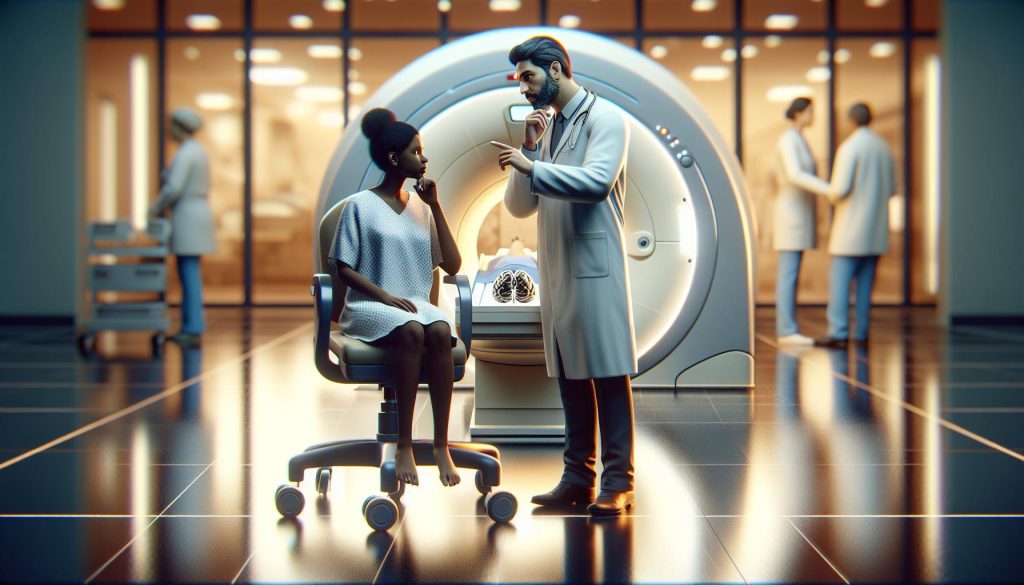
When it comes to understanding our brain health, an MRI can be a powerful diagnostic tool. But many may wonder, “How long does an MRI of the brain take?” This crucial question matters not only for your scheduling but also for alleviating any anxiety associated with the procedure. Typically non-intrusive and painless, an MRI uses strong magnets and radio waves to produce detailed images, providing invaluable insights into brain function and structure. As you navigate concerns about cognitive health-whether for routine checks or addressing specific symptoms-knowing what to expect during an MRI can empower you in your healthcare journey. In this complete timeline guide, we’ll delve into the specifics of MRI procedures, including preparation, duration, and aftercare, ensuring you feel informed and ready for your appointment.
Understanding the MRI Process: What to Expect

Experiencing an MRI can be a pivotal moment in assessing your brain health, often providing vital insights into neurological conditions and overall cognitive function. Knowing what to expect during the MRI process can help ease any anxiety and prepare you for the procedure. Generally, the MRI process consists of a combination of preparatory steps, the actual scanning, and follow-up activities.
Before the scan, you’ll likely have a consultation with a healthcare professional who will review your medical history and explain the procedure. It’s essential to communicate any concerns, especially if you have claustrophobia or other medical conditions. Wearing comfortable, loose-fitting clothing without metal fasteners can make the process smoother, as you may be required to change into a gown.
During the MRI scan, you’ll lie down on a table that slides into a large, tubular machine. The duration of the brain MRI typically ranges from 20 to 60 minutes, depending on the complexity of the images required. Throughout the scan, you must remain as still as possible to ensure clear images. The MRI machine produces loud tapping or thumping sounds, but many facilities offer headphones or earplugs to help minimize noise.
After the MRI, it’s normal to feel a bit disoriented or claustrophobic. Allow yourself some time to recover as you transition back to your regular activities. In most cases, you will receive detailed results from your healthcare provider relatively soon after the procedure, allowing you to discuss any necessary follow-up steps or treatments based on the findings. Understanding this flow of the MRI process can contribute to a more positive experience, enhancing both your comfort and peace of mind regarding your cognitive health journey.
MRI Preparation: Steps for a Smooth Experience
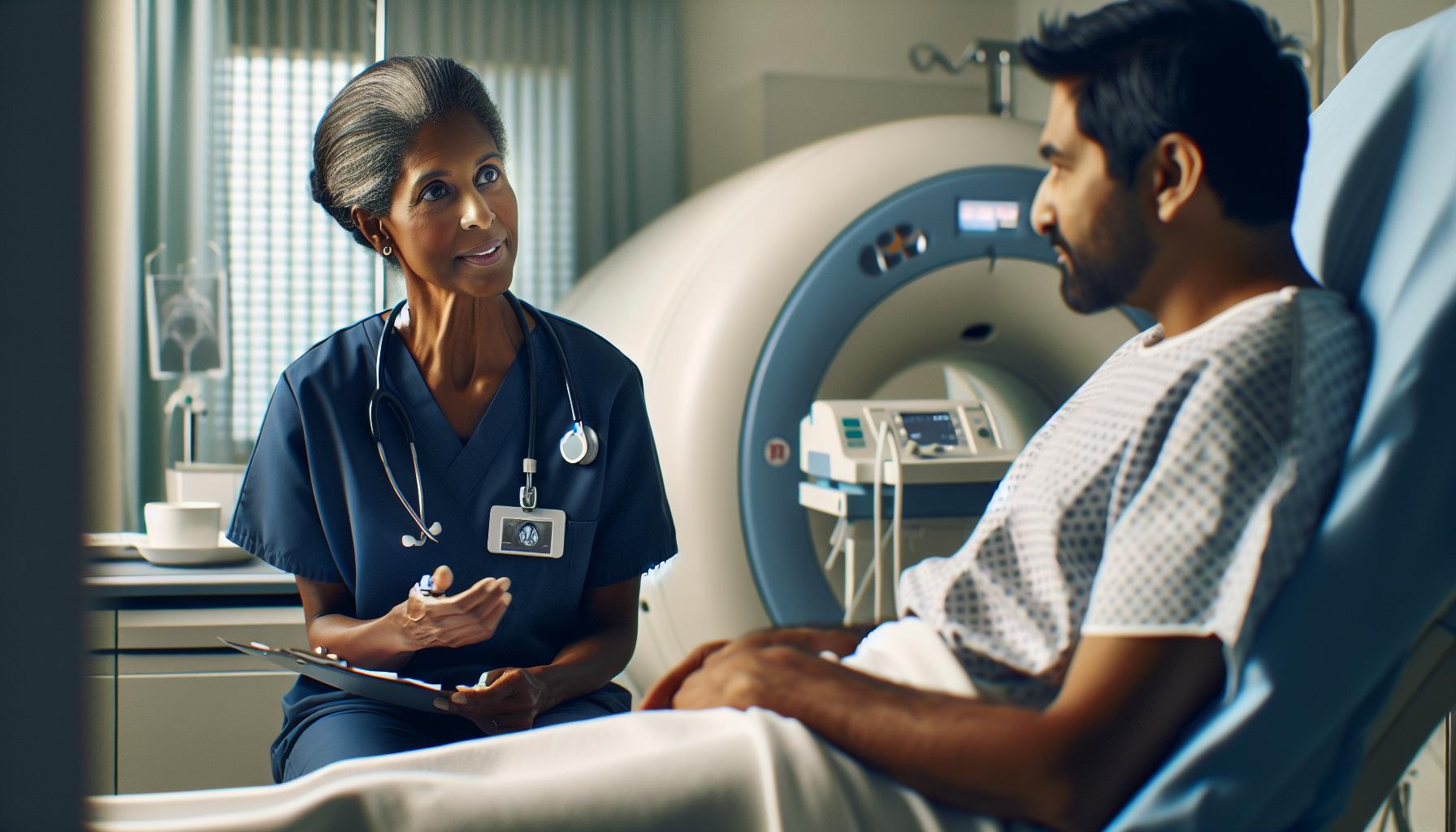
Preparing for an MRI, particularly of the brain, is a crucial step that can significantly enhance your experience and the quality of the results. The clearer the path you create before your appointment, the smoother the actual procedure will unfold. Research shows that a well-prepared patient is more likely to have a positive experience, enabling them to focus on their health and well-being. Here are essential steps to ensure a seamless MRI preparation.
Understand the Requirements
First and foremost, it’s essential to communicate effectively with your healthcare provider. Discuss any medical conditions or concerns you may have, including fear of enclosed spaces (claustrophobia), as accommodations may be necessary. Your provider will guide you on specific preparations, which may include the following:
- Medication Review: Inform your doctor about any medications you are taking. Some may need to be paused before the procedure.
- Fasting Instructions: Depending on your MRI type, you might need to refrain from eating or drinking for a certain period.
- Clothing Guidelines: Opt for loose, comfortable clothing without metal fasteners. You may be required to change into a gown.
Organize Your Day
On the day of your MRI, it’s beneficial to schedule your appointment during a time that minimizes stress. If possible, avoid planning other strenuous activities on the same day. Arriving early allows you to complete any paperwork and relax before the scan. Bring along a comforting item, such as a family photo or music, as many facilities allow headphones for listening during the procedure.
Practice Relaxation Techniques
Being calm can enhance both your experience and the outcomes of the examination. Consider utilizing relaxation techniques before your appointment, such as:
- Deep Breathing: Simple inhalation and exhalation exercises can reduce anxiety.
- Visualization: Imagine a serene place or happy moments while you’re in the machine.
- Positive Affirmations: Repeating encouraging phrases can uplift your mood and combat anxiety.
As you prepare for your MRI, remember that this procedure is a step toward understanding your brain health. A proactive approach to your preparation can alleviate worries, lead to clearer imaging, and ultimately provide better insights for your medical team. Embrace this process as part of your commitment to your cognitive and overall health journey.
Average Duration of Brain MRI Procedures

Undergoing a brain MRI can understandably evoke concerns about the time and experience involved. Typically, the duration of a brain MRI scan ranges from about 15 to 60 minutes. This time frame can vary based on several factors, such as the type of MRI being performed, the specific protocols utilized by the facility, and individual patient needs.
The preparation and setup process can take additional time. Patients should anticipate arriving at the facility at least 15-30 minutes early to complete any necessary paperwork, go through pre-scan instructions, and change into appropriate clothing. Once in the MRI machine, the scan itself is usually broken down into several sequences, where the machine makes loud noises and transmits radio waves to capture detailed images of the brain. Staying still is crucial during these sequences, which might last anywhere from 30 seconds to several minutes each.
It’s important to understand that while the process may feel lengthy, it is designed to maximize the quality of imaging for accurate diagnostics. To ease any anxiety about the duration, consider bringing comforting items or listening to music during the procedure, as many facilities provide headphones to help create a more relaxing environment. Embracing these small strategies can transform the experience, allowing you to focus on your cognitive health journey.
Factors Influencing MRI Time: What Affects Duration?
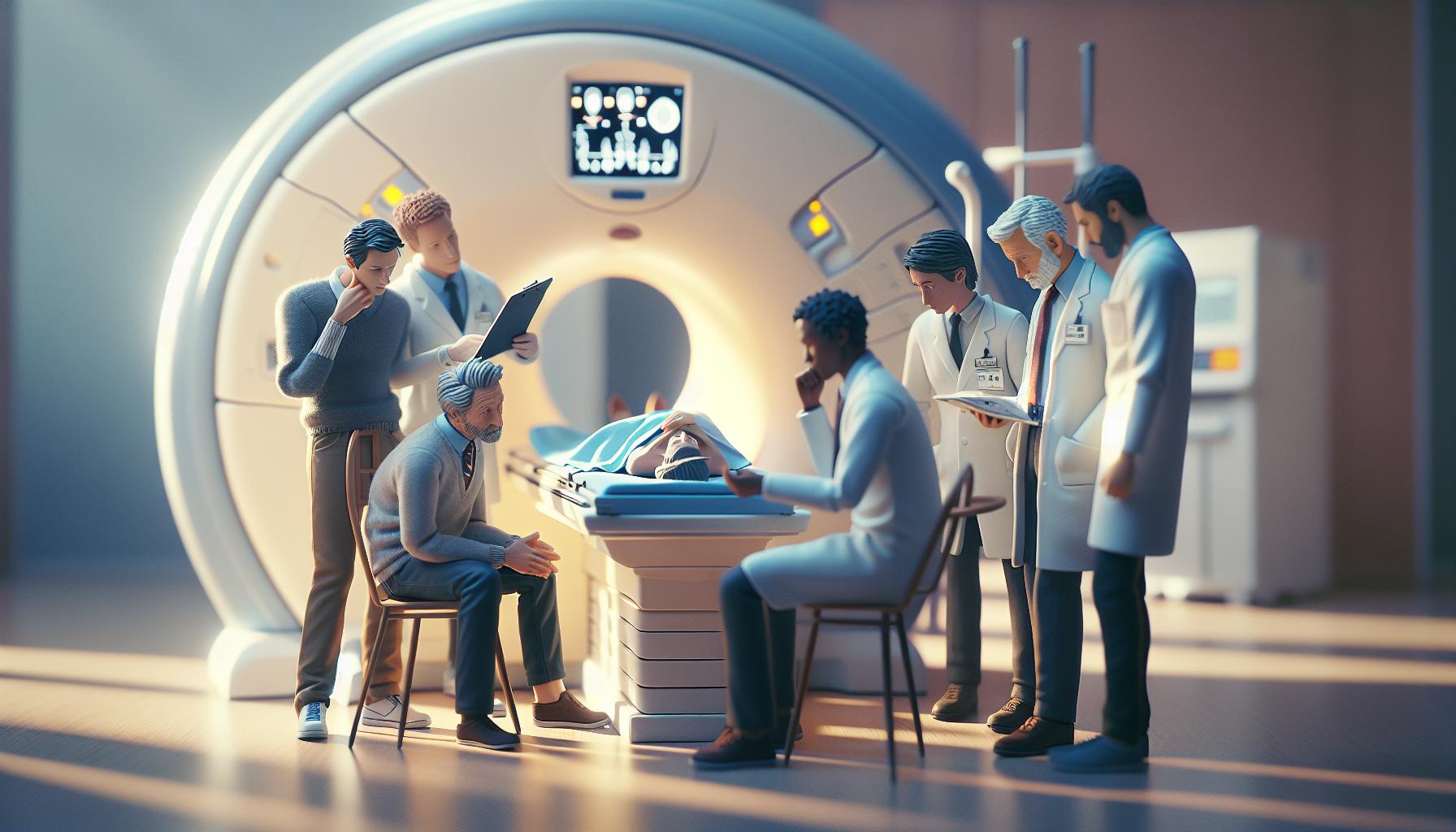
The duration of a brain MRI can often feel uncertain, but a few key factors significantly influence how long the procedure will actually take. Understanding these elements can help users prepare better and manage expectations effectively.
One primary factor is the type of MRI being performed. Different imaging sequences may be utilized depending on what the physician needs to analyze. For instance, specialized sequences to capture specific areas of the brain may take longer than standard imaging. Each sequence requires the MRI machine to emit radio waves and capture detailed images, which can vary in length-some lasting only seconds and others spanning several minutes.
Another vital aspect is the patient’s ability to remain still during the procedure. MRI scans are highly sensitive to motion; thus, even slight movements can necessitate repeating sequences. This can extend the overall scan time, so it’s essential to communicate any concerns about comfort or anxiety to the technician beforehand. Some facilities offer calming techniques like music or guided breathing to help ease tension.
Additionally, the facility’s protocols and available technology can also impact how long an MRI takes. Some advanced MRI machines may perform scans quicker than older models or those with lower specifications. Moreover, busy facilities might have schedules that increase wait times or require patients to align with specific slots for certain types of MRI sequences.
Lastly, individual patient factors such as age, size, and health conditions can play a role. Patients with certain medical implants or claustrophobia might need longer to prepare or undergo accommodations during the scan, potentially adding to the time required.
By recognizing these influences, patients can foster a more informed approach when preparing for an MRI, reducing stress and promoting a smoother experience.
What Happens During an MRI Scan?
Undergoing an MRI can be a pivotal moment in understanding brain health, particularly when investigating symptoms like persistent headaches or neurological issues. Knowing what to expect during the procedure can help ease anxiety and prepare you for a smoother experience.
As you arrive at the imaging facility, you’ll likely be greeted by a technician who will guide you through the process. Before the scan, you’ll change into a patient gown and may be asked to remove any metal objects, such as jewelry, since the MRI uses strong magnetic fields. This can feel daunting if you’re unfamiliar with the technology, but knowing that an MRI is a non-invasive procedure – utilizing magnets and radio waves instead of radiation – may help assuage fears about safety.
Once you’re ready, you’ll lie down on a motorized table that slides into the MRI machine, which looks somewhat like a large tube. It’s normal for the machine to seem intimidating; however, you will have access to a call button to alert the staff if you feel uncomfortable at any point. As the scan begins, you may hear loud thumping or knocking noises as the magnets activate. While the noise can be startling, wearing earplugs or headphones, if provided, can significantly enhance your comfort.
During the actual scan, which typically lasts between 20 to 60 minutes, it is crucial to remain as still as possible. The technician may instruct you to hold your breath for brief periods to capture clear images. If you’re feeling anxious, talk to your healthcare provider prior to the appointment; they may help you prepare with relaxation techniques or prescribe mild sedation if necessary. This proactive approach can contribute positively to your overall experience, making the MRI a step towards better health understanding rather than a source of stress.
By familiarizing yourself with the MRI procedure, you’re not just preparing for an exam; you’re empowering yourself to take an active role in your health journey. The clearer the images, the better your healthcare team can assess your situation, leading to informed decisions about your cognitive health. Remember, this temporarily uncomfortable situation is an essential part of caring for your brain.
Post-Procedure: Immediate Next Steps After Your MRI
After completing your MRI scan, it’s crucial to know the immediate next steps to ensure a smooth transition back into your routine. While the procedure itself is non-invasive, the period following the scan can still raise questions and concerns. Understanding what to expect can enhance your overall experience and help you manage any residual anxiety.
First and foremost, most patients can resume their normal activities immediately after an MRI, as there are no sedatives or invasive procedures involved. If you were given any tranquilizers to ease anxiety, ensure you have someone to accompany you home. Once you’re back, take a moment to rest and hydrate; the experience can be draining, even if it is not physically taxing.
Receiving Your Results
The next meaningful step typically revolves around when and how you’ll receive your results. The radiologist interprets the MRI images and usually provides a report to your referring physician within a few days. You can generally expect to discuss your results during a follow-up appointment or through a secure online portal that many healthcare systems provide. Accessing this information quickly can help you manage your mental health, alleviating concerns while you await answers.
Post-Scan Care
In the days following your MRI, it’s also beneficial to prioritize self-care. Staying attuned to your mental well-being is vital, especially if you were undergoing scans related to neurological symptoms. Consider engaging in activities that promote relaxation, such as:
- Meditation or deep breathing: These techniques can ground you and mitigate any lingering anxiety.
- Light exercise: Gentle activities like walking can boost your mood and help clear your mind.
- Time with loved ones: Spending time with friends or family can provide emotional support and positive distraction.
Embracing these practices can significantly aid in reducing stress levels while promoting a sense of well-being as you await your results. Remember, this is a journey toward understanding and improving your brain health, and taking care of your mental state is just as important as the imaging itself.
Potential Delays: How to Minimize Waiting Times
Waiting for an MRI can often feel like an eternity, especially when dealing with health concerns. Knowing how to manage your time effectively during this process can not only reduce anxiety but also streamline your overall experience. Some common delays in the MRI process can be attributed to scheduling conflicts, equipment availability, or even the complexity of the imaging needed. Being proactive about these potential obstacles can make all the difference.
To minimize any waiting times, consider the following strategies:
- Book Early: Schedule your MRI as soon as your doctor recommends it. Facilities often have busy schedules, and early booking can help you secure your preferred appointment slot.
- Confirm Insurance Coverage: Before your appointment, verify your insurance details to avoid any surprises that could delay your procedure. Having all necessary authorizations in place will expedite the check-in process.
- Arrive Prepared: On the day of your MRI, arrive well in advance. Bring all required paperwork, including referral letters, identification, and insurance cards, to minimize any last-minute issues.
- Communicate: Maintain open lines of communication with your healthcare provider. Asking about typical wait times and potential delays can help set your expectations appropriately.
It’s important to remember that while delays can be frustrating, being organized and prepared can significantly enhance your experience. In the grand scheme of your health journey, taking these minor steps can lead to a smoother process that respects both your time and well-being. Ultimately, this proactive approach fosters a sense of control, allowing you to focus on recuperation and managing any associated stress.
Understanding MRI Results: When and How You’ll Get Them
After undergoing an MRI scan, understanding the timeline and process for receiving your results can significantly alleviate anxiety and provide clarity during a time of uncertainty. Typically, MRI results are analyzed and formulated by a radiologist, a specialized doctor who interprets medical images. On average, you can expect to receive your results within 24 to 48 hours following your scan. However, the exact timing may vary based on the specific practices of the imaging facility and the complexity of the images taken.
Receiving Your Results
Once your MRI images have been reviewed, the findings will usually be communicated to you in one of the following ways:
- Direct Communication: In some cases, your physician may discuss the results with you in person during a follow-up appointment. This allows for a comprehensive understanding of the results, including any necessary next steps.
- Patient Portal: Many healthcare facilities now offer online patient portals where you can access your medical records and imaging results securely. This can be a convenient way to view your results as soon as they are available.
- Phone Call: Depending on your provider’s protocol, you might receive a phone call with the results. This can be especially important if immediate action is required based on the findings.
Understanding Your Results
Once you have your results, it’s crucial to take the time to thoroughly understand them. MRI reports can contain complex medical terminology, so don’t hesitate to reach out to your healthcare provider with questions. They can help demystify the findings and explain how they relate to your overall health and any symptoms you may be experiencing. Engaging actively in this process not only helps you comprehend your health status but also empowers you to participate in subsequent treatment decisions.
In today’s fast-paced world, managing mental well-being during this wait can contribute significantly to your overall workplace wellness. Consider incorporating stress-relief strategies, such as mindfulness exercises or gentle physical activity, as you await your results. By taking proactive steps and maintaining a positive outlook, you can navigate this critical phase with greater ease and resilience, ensuring you are ready to address your health needs as they arise.
Comparative MRI Types: How Brain MRIs Differ from Others
When considering the various types of MRI procedures, it’s essential to recognize how a brain MRI is distinct from other forms of MRI scans. The brain is one of the most complex and vital organs, necessitating specialized imaging techniques tailored to capture its intricate structures and functions. Brain MRIs focus specifically on the neurological components, often requiring more precise protocols and methodologies compared to scans for other body parts.
Brain MRIs typically employ advanced imaging techniques such as Diffusion Tensor Imaging (DTI) or functional MRI (fMRI), which are critical for assessing brain health. DTI is particularly valuable for evaluating white matter tracts, which play a crucial role in communication between different brain regions. Meanwhile, fMRI measures brain activity by detecting changes in blood flow, allowing for dynamic imaging that can capture how various regions of the brain respond to specific tasks or stimuli. In contrast, MRIs for other areas, like the abdomen or joints, often prioritize structural analysis, focusing on anatomy rather than functional responses.
Next, the duration and preparation for a brain MRI often differ from other types due to the need for enhanced detail and specific imaging protocols. A standard brain MRI might take between 30 to 60 minutes, whereas other body MRIs, depending on complexity and the area being scanned, may require less time. This highlights the importance of understanding what to expect in terms of both time commitment and the nature of the images produced.
Ultimately, whether undergoing a brain MRI or another type, patients will benefit from proactive preparation; this not only includes following any dietary guidelines and understanding what to wear but also managing anxiety around the procedure. Techniques such as deep breathing, visualizations, or even light physical activity can help create a calmer mindset, ensuring a more comfortable experience.
Future of MRI Technology: Innovations to Watch For
The evolution of MRI technology is paving the way for advances that promise not only enhanced diagnostic capabilities but also a more patient-friendly experience. Imagine an MRI scan that is quicker, more comfortable, and provides clearer images than ever before. Innovations in magnetic resonance imaging are on the verge of transforming how we understand brain health, significantly impacting both medical professionals and patients alike.
One of the most exciting areas of development is the introduction of higher-field-strength magnets, which can produce sharper and more detailed images of the brain’s intricate structures. These advancements in magnet technology allow for quicker scans without sacrificing image resolution, potentially reducing the average brain MRI duration to under 30 minutes while maintaining, if not enhancing, diagnostic accuracy. Additionally, new techniques such as compressed sensing are helping to further shorten scan times by minimizing the amount of data needed to produce high-quality images.
Another promising innovation is the incorporation of artificial intelligence (AI) into MRI processes. AI algorithms can assist in interpreting scans, allowing radiologists to identify abnormalities more effectively and quickly. This not only enhances the accuracy of the diagnostic process but also frees up valuable time for medical professionals, enabling them to focus on patient care rather than solely on imaging analysis. Such technologies are expected to significantly streamline workflows in imaging centers, enhancing overall efficiency and reducing waiting times for patients.
Furthermore, the future of MRI technology is being shaped by a greater emphasis on patient comfort. Newer MRI machines are designed to be less claustrophobic, featuring wider bore designs and quieter imaging processes. These improvements can help alleviate anxiety and discomfort associated with traditional MRI machines, leading to a more positive patient experience. As these innovations gain traction, patients can expect a smoother, more reassuring process from start to finish, ultimately enhancing their healthcare experience.
Through these advancements, we are not only enhancing the ability of MRI to offer insights into brain health but are also tailoring the experience to be more accommodating and efficient, reflective of patient needs and expectations. As these technologies continue to develop, they stand to support cognitive health, improve workplace wellness, and minimize stress around medical procedures significantly.
Patient Testimonials: Real Experiences with Brain MRIs
Experiencing an MRI can be daunting for many, but hearing from those who have navigated the process can provide reassurance and clarity. Patients often describe their MRI experiences as an eye-opening journey, shedding light on the importance of this imaging tool for brain health. Notably, many remark that the anticipation leading up to the scan is often more stressful than the procedure itself.
What to Expect During Your Visit
Several patients highlight the helpful nature of the staff, who guide them through preparation steps and what to expect during the scan. For instance, Jane, a 34-year-old teacher, noted, “The technicians explained every step, which made the whole experience less intimidating. I knew what was happening next, and they even let me listen to music during the scan, which made the time fly.” This aspect is vital, as patient comfort can significantly enhance the experience and minimize anxiety.
Others, like Mark, share their thoughts on the duration of the procedure. “I was surprised when they told me my brain MRI would take about 30 minutes. It felt shorter since I was in a calm environment and didn’t have to worry about the process,” he said. This reflects the advancements in MRI technology that allow for a faster procedure without sacrificing image quality, with many patients now spending less time in the scanner.
Post-Scan Experiences
Feedback after the scan is equally illuminating. Many patients emphasize the snapshot of peace during the wait for results. Sarah, 45, shared her story: “I tried to engage in deep breathing and reflect on positive outcomes while waiting for the report. Knowing that this was just a step in understanding my brain health helped ease my mind.” Such practices can be beneficial for anyone facing medical procedures, as mindfulness techniques may assist in managing stress and fostering a sense of control.
A consistent theme throughout these experiences is the importance of communication. Patients often feel more empowered when they understand the reasons behind the tests and the implications for their health. Clear discussions with healthcare providers about the next steps can nurture a sense of partnership in the patient’s health journey.
Ultimately, hearing these testimonials highlights that while the thought of undergoing an MRI scan can provoke anxiety, many find that proper preparation, supportive staff, and effective coping strategies transform the experience into an enlightening and manageable one. This insight can be encouraging for anyone preparing for their MRI, reassuring them that they are not alone in this process and that they can take steps to make it as smooth as possible.
Faq
Q: How long does a brain MRI typically last?
A: A brain MRI usually takes between 30 to 60 minutes. This duration can vary based on the specific type of MRI being performed and the patient’s circumstances. It’s essential to follow any preparation guidelines to ensure a smooth and timely experience.
Q: What factors can extend the duration of a brain MRI?
A: Several factors can extend the duration of a brain MRI, including the complexity of the images required, the need for additional sequences, patient movement during the scan, and potential technical issues. Understanding these can help in planning your visit more effectively.
Q: Do I need to do anything to prepare for a brain MRI?
A: Yes, preparation for a brain MRI may include avoiding food or drink for several hours before the procedure and removing metallic items like jewelry or glasses. Follow specific instructions from your healthcare provider to ensure the best results.
Q: Can I move during the MRI scan?
A: It’s crucial to remain as still as possible during the MRI scan. Movement can blur the images and may require the procedure to be repeated, adding to the overall duration. Deep breathing and relaxation techniques can help maintain stillness.
Q: Are there different types of brain MRIs, and do they take different amounts of time?
A: Yes, there are different types of brain MRIs, such as functional MRI (fMRI) or contrast-enhanced MRI. These may vary in duration, generally ranging from 30 to 90 minutes depending on the imaging requirements. Check the specifics with your technician.
Q: When will I receive my brain MRI results?
A: Typically, you can expect to receive your brain MRI results within a few days to a week after the scan. Your doctor will discuss the findings with you during a follow-up appointment. Be sure to ask about the timeline during your initial visit.
Q: Is a brain MRI painful or uncomfortable?
A: A brain MRI is generally not painful. However, some individuals may feel anxious or uncomfortable due to the enclosed space of the scanner. Using relaxation techniques or requesting earplugs can help alleviate discomfort.
Q: How can I minimize waiting times for my brain MRI?
A: To minimize waiting times, ensure that you arrive early for your appointment, confirm your appointment in advance, and follow all pre-scan instructions. Also, choosing a facility with a good track record for timely procedures may help.
To Wrap It Up
Thank you for exploring our complete timeline guide on how long an MRI of the brain takes. We hope you now have a clearer understanding of the process and can make informed decisions regarding your health. Remember, while MRIs are typically quick and painless, having the right knowledge can help alleviate any concerns you may have. If you’re interested in learning more about brain health or stress management in the workplace, check out our articles on workplace wellness strategies and biohacking techniques for cognitive performance.
Don’t forget to subscribe to our newsletter for the latest insights and tips, and feel free to reach out with any questions or share your experiences in the comments below. Your health journey is important, and we’re here to support you every step of the way. Explore further to optimize your brain health and workplace wellness today!