
In today’s fast-paced work environment, sitting for long hours is a common concern for many professionals, often leading to discomfort and decreased productivity. Standing desks have emerged as a popular solution, promising not only increased comfort but also improved health and cognitive performance. Based on honest feedback from over 1,000 users, this review explores the real impact of standing desks on daily work life. Are they truly effective in promoting workplace wellness, or are they just another trend? Join us as we delve into the experiences and insights shared by users, uncovering the benefits and potential drawbacks of this innovative workspace solution. Your journey towards a healthier work life could start with what you learn here!
How Standing Desks Impact Health and Productivity
Research indicates that switching to a standing desk can significantly enhance both health and productivity. Many users report feeling increased energy and focus when they can alternate between sitting and standing throughout the day. This essential movement may help mitigate the risks associated with prolonged sitting, such as obesity, cardiovascular disease, and type 2 diabetes. Furthermore, being upright can foster better posture, reducing neck and back pain, which often plagues those confined to traditional office chairs.
Studies show that standing desks can also influence productivity directly. Users have noted improved concentration and motivation levels, which can be attributed to the physical activity involved in standing while working. This shift can lead to a more dynamic work environment that encourages movement, stretching, and breaks, all crucial for maintaining mental agility. For example, a survey conducted among commuters who switched to standing desks revealed a 10% increase in productivity, thanks to enhanced alertness and reduced fatigue.
However, it’s crucial to approach this transition thoughtfully. Standing for too long can lead to fatigue or discomfort. Therefore, implementing a mixed-use strategy-alternating between sitting and standing-is ideal for maximizing both comfort and output. It’s recommended that users gradually increase their standing time each week to allow their bodies to adjust properly. Incorporating movement, such as walking or stretching breaks, can also amplify the benefits of standing desks, giving your muscles a chance to reset and remain engaged.
In summary, the integration of standing desks into the workplace presents a wealth of health and productivity benefits, as long as usage is balanced and mindful. For those looking to enhance their workspace, adopting a standing desk may well be an impactful step toward a more dynamic, healthier work routine.
User Experiences: Standing Desk Success Stories
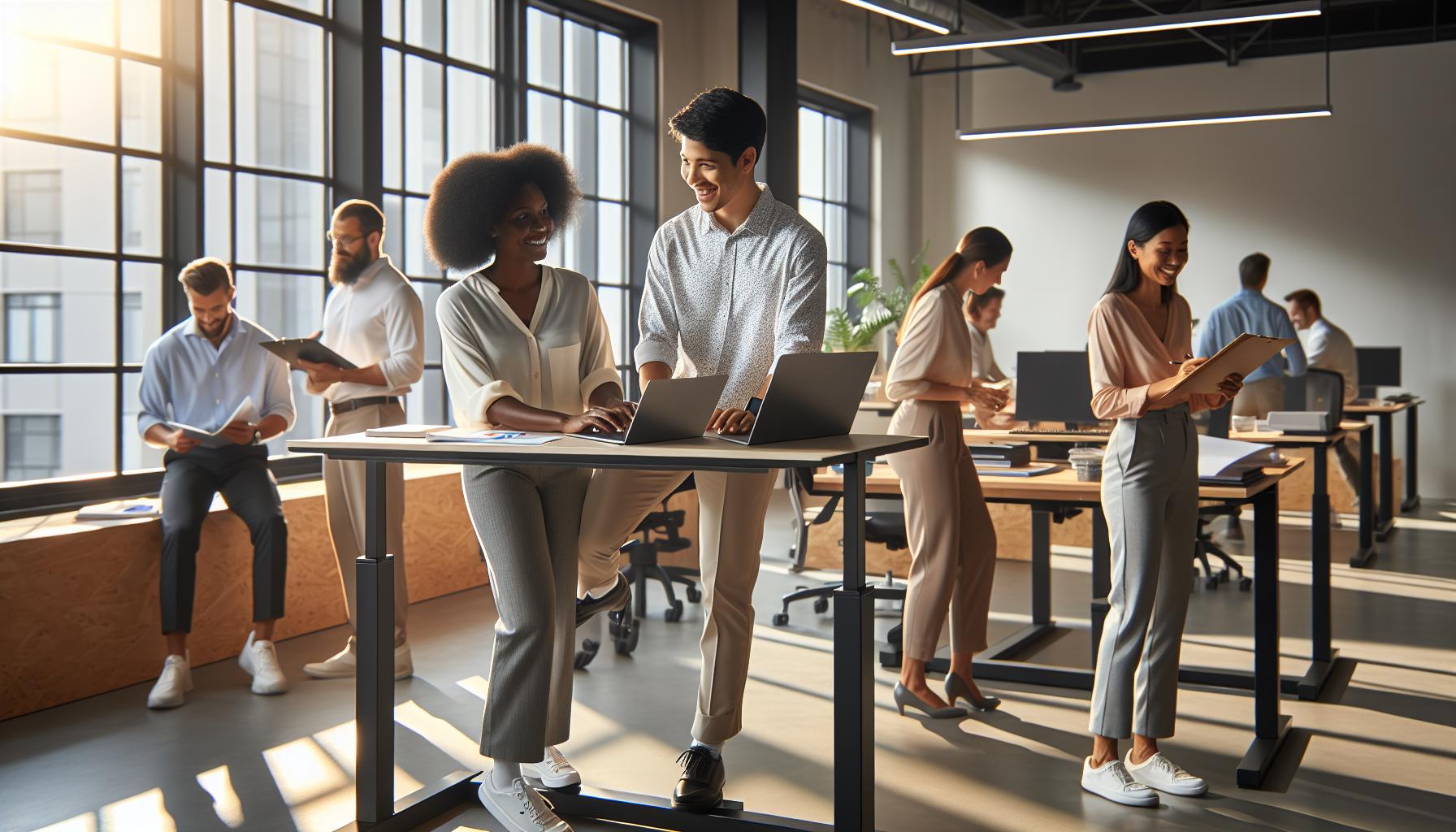
The transition to using standing desks is often met with a mix of excitement and skepticism, yet the success stories from those who have made the switch offer remarkable insight into their effectiveness. Many users have reported transformative changes in their daily lives, particularly concerning energy levels and overall well-being. One frequent feedback point is the newfound ability to experience less afternoon fatigue, allowing individuals to maintain productivity levels throughout the day without frequently relying on caffeine boosts. For example, a marketing executive found that replacing her traditional desk with a standing desk not only elevated her energy but also encouraged more movement throughout her workday, leading to greater creativity during brainstorming sessions.
User Insights on Improved Health and Wellness
The positive health impacts of standing desks are echoed in numerous user testimonials. People with chronic back pain have noted significant reductions in discomfort, often stating they can now complete their work without the frequent interruptions previously caused by pain. One software developer shared how he could alleviate years of discomfort by alternating between sitting and standing, emphasizing that customized adjustments to the desk’s height are crucial for maintaining comfort throughout the day. The common advice is to ensure the screen is at eye level and to keep essential tools within easy reach to promote a naturally ergonomic posture.
Moreover, the psychological benefits cannot be overlooked. Users report feeling more motivated and engaged when standing, translating to increased productivity within their roles. For example, teachers using standing desks in their classrooms express a sense of empowerment, connecting physical activity with enhanced classroom dynamics. It seems that the simple act of standing changes the way individuals approach tasks, fostering a proactive mindset.
Navigating the Adjustment Period
Transitioning to a standing desk, however, is not without its challenges. Many users recommend starting gradually to allow the body to acclimate. A graphic designer advised new users to set their standing desk at a height that allows for a gentle incline or slight foot movement, thereby preventing fatigue. Additionally, incorporating footrests and anti-fatigue mats has been highlighted as beneficial for those who stand for extended periods, enhancing comfort and aiding in maintaining focus.
These stories exemplify the broader trend of increasing workplace wellness and emphasize the importance of personalizing workspace solutions to meet individual needs. Overall, while the initial adjustment to a standing desk can be daunting, the overwhelming consensus from those who have adapted is that the long-term benefits for physical health, mental clarity, and productivity make the transition worthwhile.
Standing Vs. Sitting: Pros and Cons Explored

Emerging research has consistently shown that prolonged sitting can contribute to a range of health issues, from obesity to cardiovascular disease. In contrast, standing desks offer a fresh approach to combatting the negative consequences of sedentary behavior, prompting many to explore the benefits and drawbacks of alternating between sitting and standing. Whether you’re a desk-bound professional or a dynamic educator, the debate about standing versus sitting is crucial for fostering a healthier work environment that supports cognitive performance and overall wellness.
Advantages of Standing Desks
Integrating standing desks into the workplace can lead to a variety of benefits. Users frequently report a notable increase in energy levels and productivity. Standing promotes movement, which can enhance circulation and reduce the lethargy often associated with long periods of sitting. Additionally, many individuals experience relief from chronic back and neck pain as they adjust their workstations to a more ergonomic setup that encourages better posture.
Moreover, standing while working can enhance mental alertness. The physical engagement of standing has been linked to improved focus and cognitive performance, making it easier to tackle complex tasks. For instance, educators have found that using standing desks during lessons can create a more engaging atmosphere for students, fostering greater participation and interaction.
Challenges of Standing Desks
Despite the many benefits, standing desks are not without their challenges. One common concern is the potential for discomfort associated with prolonged standing. Users often report fatigue in their legs and feet if they do not incorporate necessary adjustments or tools, like anti-fatigue mats or comfortable footwear. Additionally, the transition from sitting to standing can be difficult; without a gradual introduction, some people may find themselves feeling overwhelmed or even more fatigued.
Striking a balance is essential. A mixed approach-alternating between sitting and standing-may provide the optimal solution. By changing positions throughout the day, users can reap the benefits of both postures while minimizing the drawbacks. This not only helps maintain physical comfort but also supports sustained mental sharpness. For those considering this shift, investing in adjustable desks will allow for seamless transitions, ensuring a versatile workspace that adapts to individual needs.
In conclusion, when evaluating the standing versus sitting debate, it’s clear that both postures offer distinct advantages and potential drawbacks. The key lies in creating a personalized work environment that prioritizes comfort and productivity. As more individuals share their experiences and success stories, the collective understanding of how to optimize workspace habits continues to evolve, paving the way for healthier and more dynamic workplaces.
Ergonomic Setup: Tips for Optimal Use
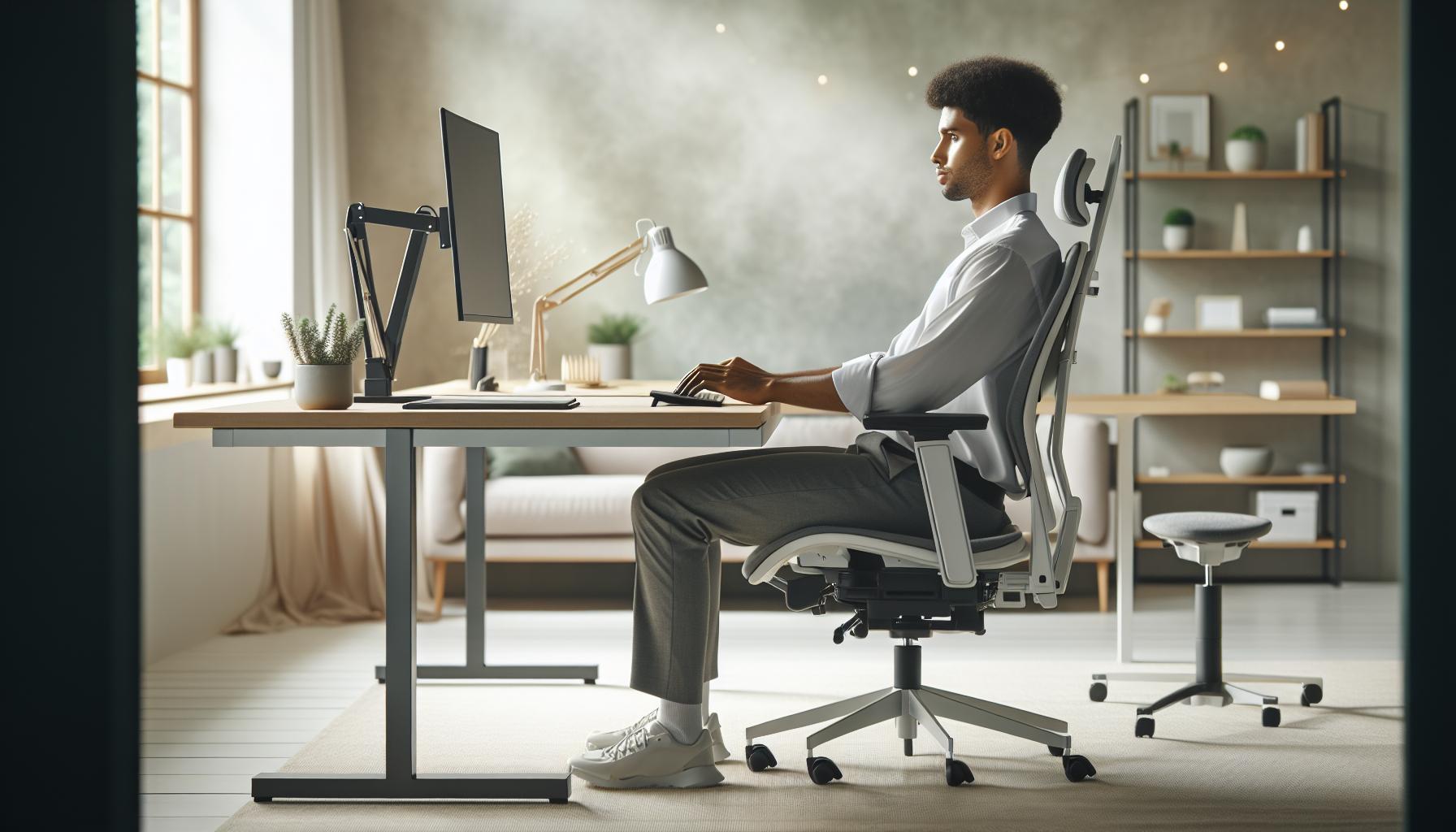
To reap the full benefits of standing desks, an ergonomic setup is crucial for comfort and efficiency. A well-structured workspace not only reduces the risk of discomfort but also promotes better posture and productivity throughout the workday. According to user experiences, proper ergonomics can lead to significant improvements in physical wellness and cognitive performance, making it essential for anyone transitioning to a standing desk.
Start by adjusting the height of your desk so that your elbows are at a 90-degree angle when typing. Your wrists should remain straight, not resting on the desk, and your monitor should be at eye level to prevent neck strain. Ideally, the top of the screen should be at or just below eye level, approximately 20 to 30 inches from your eyes. This positioning decreases the likelihood of developing musculoskeletal issues associated with prolonged use.
### Ergonomic Accessories for Enhanced Comfort
Incorporating ergonomic accessories can further enhance your standing desk experience. Consider the following tools:
- Anti-fatigue mats: These can alleviate pressure on your feet and legs, making long periods of standing more comfortable.
- Footrests: Alternating your weight by using a footrest can help reduce fatigue and improve circulation.
- Comfortable footwear: Supportive shoes designed for standing can significantly reduce discomfort and prevent fatigue.
It’s also beneficial to move around and shift your posture regularly. Try to alternate between standing and sitting to find your comfort zone and avoid fatigue. Standing for extended periods without movement can lead to discomfort, so incorporating short breaks for stretching or walking can keep your energy levels up and your focus sharp.
### Simplifying Transition with Technology
Technology can also assist in optimizing your standing desk setup. Some modern desks come with programmable height adjustments, allowing you to switch easily between sitting and standing positions. Apps and reminders can prompt you to change positions periodically, ensuring that you maintain the right balance throughout your workday. As you establish your new routine, listen to your body and adjust as needed; this is key to creating a sustainable and enjoyable working environment that supports both your physical health and cognitive performance.
Common Standing Desk Mistakes to Avoid

Making the switch to a standing desk can significantly enhance productivity and well-being; however, many new users make critical mistakes that can negate these benefits. Understanding and avoiding these common pitfalls is essential for cultivating a healthier and more effective workspace.
One of the most prevalent errors is maintaining a static stance for extended periods. While standing desks promote movement, some users fail to alternate between sitting and standing, which can lead to fatigue and discomfort. To optimize your standing desk experience, incorporate a rhythm of standing and sitting throughout the day. Aim for a dynamic schedule, such as 20-30 minutes of standing followed by a short sitting break. This approach not only reduces physical strain but also helps maintain focus and energy levels.
Another common mistake is neglecting proper ergonomics, which can lead to musculoskeletal injuries. Many users set their desks at an improper height, causing strain on the neck, back, and shoulders. It’s crucial to ensure that your elbows are at a 90-degree angle when typing, your monitor is eye-level, and your feet are flat on the ground or on a supportive mat. Investing in ergonomic accessories, such as anti-fatigue mats and footrests, can significantly enhance comfort and minimize the risk of injury.
Additionally, failing to stay hydrated and forgetting to take breaks can diminish cognitive performance. Sitting or standing for prolonged periods without hydration can lead to decreased concentration and productivity. Keep a water bottle nearby to encourage regular sipping and set reminders to take short breaks for stretching or walking. This not only supports physical health but also boosts brain function by promoting blood flow and reducing fatigue.
By being mindful of these common mistakes-static positioning, poor ergonomic setup, and neglecting hydration and breaks-you can fully leverage the benefits of a standing desk. Embrace this transition as an opportunity to foster a healthier and more productive work environment, ensuring your well-being while enhancing cognitive performance.
Addressing Workplace Stress with Standing Desks
In today’s fast-paced work environments, stress can seem like an inescapable reality. However, integrating a standing desk into your workspace can be a transformative strategy for not only improving posture and work habits but also for addressing workplace stress. Research indicates that shifting from a sedentary position to a more dynamic standing arrangement can enhance mood and reduce feelings of fatigue, fostering a more engaged and productive work experience.
Standing desks encourage movement, which can significantly impact stress levels. When you stand rather than sit, you may be more inclined to shift your weight, stretch, or even take short walking breaks. This movement increases blood circulation and promotes the release of endorphins, often referred to as “feel-good” hormones. Implementing a structure where you alternate between sitting and standing can help mitigate the stress often associated with prolonged periods of inactivity. A simple routine, such as standing for 30 minutes followed by a 10-minute walk, can recharge your energy and lift your spirits.
Moreover, standing while working often leads to improved focus. A more active posture can stimulate brain function and enhance cognitive activities, which can be particularly beneficial when tackling challenging tasks. Engaging in regular movement also aids in the reduction of stiffness and discomfort-factors that can contribute to stress and distraction throughout the day.
To optimize your standing desk experience for stress management, consider the following tips:
- Set Up a Dynamic Schedule: Alternate between sitting and standing at regular intervals to prevent fatigue.
- Prioritize Ergonomics: Ensure your desk and monitor are at the right height to prevent strain, which can exacerbate stress.
- Incorporate Breathing Exercises: Use standing breaks as an opportunity to practice deep, calming breaths, helping to regulate your stress response.
- Stay Hydrated: Keep water nearby and set reminders to drink regularly, as hydration can boost mood and mental clarity.
By taking these steps, you can create an environment that nurtures your well-being and productivity. Embracing a standing desk is not merely about changing your physical position but can be a fundamental shift towards reducing workplace stress and enhancing overall job satisfaction.
Enhancing Cognitive Performance at Work
When it comes to maximizing productivity and cognitive function in the workplace, the physical environment plays a pivotal role. One of the most notable changes professionals are making is transitioning to standing desks. Research has shown that remaining upright during work hours can enhance cognitive performance, improve focus, and mitigate the mental fatigue often associated with prolonged sedentary behavior.
Several key factors contribute to these cognitive benefits. Firstly, standing desks promote better posture, which can lead to improved blood circulation. Increased circulation enhances oxygen flow to the brain, resulting in sharper mental acuity. Additionally, the natural movement encouraged by standing-shifting weight, stretching, or taking short walking breaks-can stimulate brain activity and enhance creative thinking. For instance, engaging in brief physical movement has been found to inspire new ideas and solutions, allowing for more dynamic collaboration during meetings or brainstorming sessions.
To leverage the benefits of a standing desk for cognitive enhancement, consider the following strategies:
- Integrate Movement Breaks: Set a timer to remind you to stand and move every 30 minutes. Simple stretches or walking can invigorate both body and mind.
- Stay Organized: A clutter-free workspace encourages clarity of thought. Use organizational tools to maintain a clean desk and minimize distractions.
- Experiment with Desk Heights: Vary the height of your desk throughout the day to keep your body engaged and your brain alert. Most desks can be adjusted easily to switch between sitting and standing positions.
- Utilize Brain-Boosting Snacks: Fuel your brain with healthy snacks that support cognitive function, such as nuts, berries, and dark chocolate, which can be easily consumed during standing breaks.
Incorporating these techniques not only helps in enhancing cognitive performance but also fosters a more enjoyable and fulfilling work experience. By actively engaging both your mind and body throughout the day, you’re not just improving productivity; you’re investing in long-term brain health. Establishing a routine that complements the standing desk experience can lead to greater cognitive flexibility and resilience, essential attributes in today’s fast-paced work environment.
Biohacking Your Workspace: Additions for Wellness
Creating an environment that nourishes both your body and mind is essential for optimal performance and wellness in today’s fast-paced work culture. Biohacking your workspace involves implementing strategic changes that enhance productivity, improve cognitive function, and foster overall health. With the rise of standing desks, there are numerous additions and adjustments that can complement this setup and transform your work experience.
To achieve a wellness-focused workspace, consider these actionable strategies:
- Incorporate Movement with a Standing Desk: Use a desk that allows for easy height adjustments and set reminders to shift between sitting and standing at regular intervals. For added engagement, consider investing in an anti-fatigue mat that encourages movement and helps reduce discomfort during prolonged standing.
- Enhance Air Quality: Opt for air-purifying plants such as spider plants or peace lilies, which can improve air quality and create a calming atmosphere. Maintaining good ventilation and using an air purifier can also combat pollutants that may affect your focus and well-being.
- Optimize Lighting: Utilize natural light as much as possible, as it is known to boost mood and energy levels. If natural light is limited, consider full-spectrum light bulbs that mimic sunlight, or invest in a daylight lamp to enhance alertness.
- Utilize Technology Wisely: Leverage apps designed to promote focus and productivity. Consider tools that block distracting websites or set time limits for tasks, allowing you to maintain engagement without overwhelming your cognitive resources.
- Implement Mindfulness Practices: Integrate short mindfulness exercises or breathing techniques into your daily routine to reduce stress and reset your focus. Simple practices such as deep breathing for five minutes can significantly improve mental clarity.
These adjustments not only support physical comfort but can also enhance cognitive performance. Research in neuroplasticity suggests that our brains are adaptable, meaning that by deliberately changing our environment and habits, we can positively influence our mental health and productivity. Therefore, investing time in biohacking your workspace aligns with both immediate comfort and long-term cognitive health, making work enjoyable and effective. By embracing these practices, you’re not just making changes; you’re actively elevating your workplace to promote wellness and high performance.
Is a Standing Desk Worth the Investment?
Investing in a standing desk can be a transformative choice for both your physical health and workplace productivity. Research indicates that moving away from traditional sitting for extended periods can lead to significant improvements in well-being. Many users report reduced back pain, increased energy levels, and enhanced focus throughout their workdays. These benefits can translate into a more effective work environment, making the switch to a standing desk not just a financial decision, but a strategic investment in your personal health and career longevity.
When considering the value of a standing desk, it’s essential to reflect on your own work habits and environments. Standing desks often promote better posture and can motivate individuals to incorporate movement into their day, counteracting the sedentary lifestyle that many office jobs demand. By enabling users to alternate between sitting and standing, these desks align with recommendations from health professionals to avoid the health risks linked to prolonged sitting. Users have shared experiences of feeling more engaged during meetings and tasks; with improved circulation, they find themselves more energetic and alert, which can enhance overall job performance.
However, investing in a standing desk does come with some considerations. It’s important to prioritize ergonomic design to ensure that the desk height complements your body for maximum comfort and efficiency. Incorporating an anti-fatigue mat can further enhance the experience by minimizing discomfort during extended standing periods. Additionally, it’s beneficial to approach the transition gradually, balancing between sitting and standing, to allow your body to adapt without causing strain.
In summary, a standing desk is more than just a piece of furniture; it is a pathway towards healthier work habits and a more fulfilling work experience. If you find yourself frequently fatigued or experiencing discomfort from long hours spent sitting, this investment may well be worth it. By considering your personal needs and workspace dynamics, you can leverage the benefits of standing desks to create a healthier, more productive environment that supports both your physical and cognitive health.
Long-Term Benefits of Using a Standing Desk
Research shows that the benefits of using a standing desk extend well beyond immediate comfort and productivity boosts. Users transitioning to standing desks often report profound long-term improvements in their overall health and well-being. With a growing body of evidence suggesting that increasingly sedentary lifestyles can lead to a range of health issues-including obesity, cardiovascular disease, and diabetes-shifting to a standing desk can be a pivotal strategy for mitigating these risks over time.
One of the primary long-term benefits associated with standing desks is improved posture. Many users have experienced reduced musculoskeletal discomfort, particularly in the back and neck, which can stem from prolonged sitting. As standing desks encourage better alignment and activation of core muscles, they can help in maintaining a healthier spinal position, contributing to fewer musculoskeletal issues in the long run. Moreover, by promoting an active work environment, these desks can enhance physical activity levels throughout the day, which is crucial for maintaining a healthy weight and improving metabolic function.
Over time, users of standing desks often report increased energy levels and cognitive function. The mental clarity associated with standing and moving can be significant. Standing desks help facilitate better blood flow, which is beneficial for delivering oxygen and nutrients to the brain-this can lead to improved focus, creativity, and problem-solving skills. Evidence suggests that as workers spend more time in this upright position, they may find themselves not only more engaged but also more efficient with task completion, further amplifying the long-term impact on productivity.
Key Considerations for Maximizing Long-Term Benefits
To fully harness the advantages of standing desks, consider the following strategies:
- Gradual Transition: Start by alternating between sitting and standing to allow your body to adapt.
- Ergonomic Setup: Ensure your desk is socially and ergonomically placed to favor comfort and efficiency.
- Movement Breaks: Incorporate short walks or stretches every hour to combat fatigue and maintain circulation.
- Anti-Fatigue Mats: Use supportive mats to minimize any discomfort from standing for prolonged periods.
By embracing these practices, the long-term benefits of standing desks can be amplified, paving the way for a healthier, more balanced work life. Whether easing the strain of work-related discomfort or enhancing cognitive abilities, the move away from traditional seated workspaces presents an opportunity to revolutionize not only your work habits but also your overall quality of life.
Transitioning to a Standing Desk: A Step-By-Step Guide
Making the shift to a standing desk can revolutionize your work life, bringing a multitude of health and productivity benefits. As you embark on this journey, it’s essential to approach the transition thoughtfully to maximize your comfort and efficiency. By taking deliberate steps, you can ensure a smoother adaptation to this new way of working.
Start gradually: Instead of going from 100% sitting to 100% standing in a single day, ease into it. Begin by using your standing desk for short periods-around 15 to 30 minutes. Observe how your body feels and gradually increase the standing time as you become more comfortable. Consider incorporating standing into your routine at times when you feel energetic or motivated, such as during video conferences or while reading documents.
Setting up your desk ergonomically is crucial for preventing discomfort. The optimal height for your standing desk should allow your elbows to be at a 90-degree angle, with your wrists straight and hands at or just below elbow level. Your monitor should be eye-level, about an arm’s length away, to reduce neck strain. Don’t forget about your feet: using an anti-fatigue mat can make standing more comfortable and reduce the strain on your legs.
Make movement a part of your workflow. Standing does not mean remaining stationary; incorporate stretches, small walking breaks, or even desk exercises every hour to keep your blood circulating and muscles engaged. These little movements can combat fatigue and enhance productivity. Additionally, consider having a small footrest or stool to shift your weight occasionally, promoting movement throughout the day.
Lastly, listen to your body. Some discomfort is normal as you adapt, but if you experience persistent pain, it may be a sign to adjust your desk setup or standing periods. Consult with a professional if pain continues or worsens. This transition phase is personal, and finding the right balance between sitting and standing can take time. By observing your comfort levels and maintaining a flexible approach, you’ll set yourself up for a successful and rewarding standing desk experience.
Future Trends in Standing Desk Technology
As the demand for healthier work environments continues to rise, the future of standing desk technology is evolving rapidly to meet the needs of modern professionals. Innovative designs, enhanced functionality, and integrated smart technologies are becoming the norm, as manufacturers seek to create adaptable solutions that not only support physical well-being but also boost productivity.
One emerging trend is the integration of smart technology into standing desks, enabling real-time monitoring of users’ postures and activity levels. Desks equipped with sensors can alert users when it’s time to change positions, ensuring a balanced approach to sitting and standing throughout the day. Some models even come with built-in timers or reminders, allowing users to set goals for standing time versus sitting time. This tech-savvy approach not only encourages healthier habits but also can track daily activity, providing valuable data that contributes to overall health and productivity analysis.
Furthermore, the future of standing desks is seeing a push towards personalization. Customizable features, such as adjustable height settings, control over surface angles, and even integration with other ergonomic tools like footrests or monitor risers, ensure that each user can tailor their workspace to their specific needs. This level of personalization not only enhances comfort but also addresses diverse user requirements, from those with specific health conditions to individuals seeking ergonomic optimization for peak performance.
Moreover, as remote work becomes more prevalent, standing desk designs are adapting for home environments. Portable and collapsible standing desks are gaining popularity, allowing users to create flexible workspaces anywhere. These ergonomic solutions are lightweight, easy to store, and cater to both the trend of remote work and the need for mobility in workplace settings. As more people embrace a hybrid work model, adaptability and convenience in desk design will be critical for accommodating diverse work styles and home configurations.
In summary, the evolution of standing desk technology promises to revolutionize how we perceive and utilize our workspaces. By focusing on smart integration, personalization, and flexibility, these desks aim to enhance our health and productivity, making them an invaluable resource for today’s workforce. As you consider investing in a standing desk, staying informed about these trends can help you choose a solution that not only meets your current needs but also evolves with you in your journey towards a healthier work life.
Q&A
Q: What are the main health benefits of using a standing desk?
A: Standing desks can improve posture, reduce back pain, and enhance circulation, which may lead to increased energy levels. They also promote physical activity, potentially lowering the risk of chronic diseases associated with sedentary behavior. Consider incorporating regular movement throughout your day for optimal benefits.
Q: How do standing desks affect productivity?
A: Many users report increased focus and productivity after switching to standing desks. The boost in energy and reduction in discomfort from prolonged sitting can lead to improved work performance. To maximize productivity, ensure your desk setup is ergonomically designed and take regular breaks.
Q: Are there any downsides to using a standing desk?
A: While standing desks offer benefits, they can also cause fatigue or discomfort if used excessively without breaks. It’s important to balance standing with sitting, and to use anti-fatigue mats or supportive footwear to reduce strain. Adjust your schedule to alternate between positions.
Q: Can standing desks help with weight management?
A: Yes, using a standing desk can contribute to weight management by encouraging more movement throughout the day. Standing burns more calories than sitting, and when combined with regular exercise, it can assist in maintaining a healthy weight. Pair it with a balanced diet for best results.
Q: How should I transition to a standing desk?
A: Start by gradually increasing your standing time each day. Begin with 30-minute standing intervals and slowly increase as you become more comfortable. Pay attention to your body’s signals and ensure a proper ergonomic setup to avoid strain. Check out our step-by-step guide for more tips.
Q: What is the best ergonomic setup for a standing desk?
A: For an ergonomic setup, your monitor should be at eye level, and your keyboard should be at elbow height. Keep your feet flat on the ground or on a footrest, and use anti-fatigue mats for comfort. Regularly adjust your position and incorporate movement to maintain comfort.
Q: Are standing desks suitable for everyone?
A: While standing desks can benefit many people, they may not be suitable for those with certain health conditions, like knee or hip problems. It’s best to consult with a healthcare professional before making the switch. Consider your individual needs and preferences when choosing a desk type.
Q: Do standing desks improve mental health?
A: Yes, standing desks can contribute to improved mental health by reducing fatigue and discomfort, leading to better mood and concentration levels. Regular movement helps increase blood flow to the brain, which can enhance cognitive performance. Explore more tips on managing workplace stress.
The Way Forward
In conclusion, standing desks have shown to be a transformative addition to many users’ work environments, promoting better posture, increased energy, and improved cognitive performance. If you’re considering making the switch, now is the perfect time to explore your options further-those small changes can lead to significant improvements in your daily well-being.
For a deeper dive into establishing an ergonomic workspace, check out our guide on setting up your standing desk for maximum comfort. Feeling the pressure of workplace stress? Discover essential stress management techniques that can elevate your mental health and productivity. And don’t forget to subscribe to our newsletter for the latest insights on workplace wellness, brain health, and innovative biohacking strategies.
Join the conversation in the comments below-share your own experiences or ask any questions you have about standing desks and their impact on health. Let’s take a step towards better work habits together!